Archive for May 29, 2018

Iran Plotting With U.S. Allies to Skirt Trump’s New Sanctions

May 29, 2018

Global showdown looming as Trump administration cracks down on Tehran

BY: Adam Kredo May 29, 2018 1:55 pm via Free Beacon

Source Link:
Iran Plotting With U.S. Allies to Skirt Trump’s New Sanctions

{The world has changed…for the worse. – LS}

Iranian officials are plotting with U.S. allies across the globe to develop a series a measures meant to counter new sanctions by the Trump administration following its abandonment of the landmark nuclear deal, setting up a global economic showdown between America and its allies over their future business dealings with the Islamic Republic.

Iranian leaders disclosed on Tuesday that they had recently held high-level meetings with European Union nations and leaders in India and Thailand to explore options for skirting new U.S. sanctions.

Iran’s efforts and the warm reception it is receiving from many nations has roiled leaders on Capitol Hill, where some lawmakers are already moving to confront these countries and ensure they face harsh repercussions for any breach of U.S. sanction law.

The State Department also is scrambling to respond to Iran’s efforts by building a counter-coalition aimed at isolating Tehran and any nation that works with Iran to skirt new U.S. sanctions, U.S. officials told the Washington Free Beacon.

Iranian Government Spokesman Mohammad Baqer Nobakht disclosed on Tuesday that the nation’s top leaders, including Foreign Minister Javad Zarif, have met with European leaders and others in the region to discuss skirting new U.S. sanctions, which have targeted virtually every portion of Iran’s economy, including its contested nuclear and energy sectors.

Zarif recently concluded a trip to India and Thailand, where he is reported to have made much progress in convincing these nations to help Tehran “bypass” the new U.S. sanctions, which were fully reimposed by the Trump administration after its decision to walk away from the nuclear agreement.

“In addition to the E.U., we are improving relations with other countries, especially the neighbors,” Nobakht was quoted as saying on Tuesday in Iran’s state-controlled press.

Meetings with leaders in India are said to have gone particularly well for Iran, sparking outrage in the United States where these same Indian leaders have been pleading with the Trump administration to boost relations.

India and China have already vowed to continue purchasing Iranian crude oil, despite the Trump administration’s crackdown.

“A major part of the oil is sold to India and China,” Nobakht said. “We are also in talks with Europe to continue oil sales to them, and Iran’s increased oil sales to them has even been under discussion with them to compensate any drop if some states decrease oil imports.”

Indian Foreign Minister Sushma Swaraj, in remarks following meetings with top Iranian leaders, vowed to ignore U.S. sanctions.

“India follows only [United Nations] sanctions and not unilateral sanctions by any country,” Swaraj was quoted as saying, emphasizing that India remains “independent” and immune to “pressure.”

A U.S. State Department official, speaking only on background, told the Free Beacon that under newly installed Secretary of State Pompeo’s leadership, American diplomats are already developing relationships aimed at ensuring U.S. sanctions on Iran have a maximum impact.

“We are hard at work in our efforts to build our new effort to counter the totality of Iran’s malign activity with our friends around the world. Secretary Pompeo speaks frequently with his counterparts from the UK, France, and Germany as well as our allies in the Middle East and Asia,” the official said.

Teams of U.S. diplomats are being sent across the globe to galvanize support for the new U.S. sanctions, the official said.

“We will be sending out teams of diplomats and specialists to talk about specific concerns with the plan for re-imposition of U.S. nuclear-related sanctions and next steps with Iran,” the official said. “We are fully engaged at all levels.”

On Capitol Hill, opponents of the nuclear accord are working on parallel efforts to ensure that any foreign nation caught skirting new U.S. sanctions on Iran faces harsh repercussions, including massive economic penalties and a possible cutoff from the U.S. financial system.

“India is going out of its way to alienate members of Congress, including many who have been sympathetic and trying to help them,” said one senior congressional official who works on the issue and has discussed the matter with the administration.

“They’re almost certainly violating the sanctions against Russia that overwhelmingly passed Congress last summer,” said the source, who would only speak on background about these efforts. “Now they’re bragging about violating Iran sanctions too. They keep telling us they want a new relationship with America but then they act in these destructive ways. It’s very troubling.”

Russia Just Blinked in Syria and It Isn’t an Accident

May 29, 2018

Russian President Vladimir Putin reacts during a joint press conference with Italian counterpart Sergio Mattarella after a meeting in Moscow’s  Kremlin, Russia, Tuesday, April 11, 2017. Sergio Mattarella is in Russia on an official visit. (Sergei Chirikov/ Pool photo via AP)

Posted at 12:30 pm on May 28, 2018 by streiff via Red State

Source Link:
Russia Just Blinked in Syria and It Isn’t an Accident

{Fair weather friends. – LS}

“When people see a strong horse and a weak horse, by nature, they will like the strong horse.”
–Osama bin Laden, terrorist mastermind and, as it turned out, prophet.

One of the many signature accomplishments of the Obama administration was inviting Russia to take a role in the war in Syria. If one were writing a John le Carre-style novel one could draw a straight line from our withdrawal from Iraq to the rise of ISIS to the Arab Spring to our attempt to overthrow Assad to the rise of ISIS to the increase of Iranian power to using the Russians as our intermediary with Iran to negotiate the now-defunct Iran nuclear deal to a Russian military presence in Syria.

But as Iran’s power has grown in the region and it looks more and more intent upon creating a Shia empire stretching from Tehran to the Mediterranean, it has become an existential threat to Israel. Israel has struck at Iranian bases in Syria and the intermixing of Russian and Iranian assets has now become a liability. Two days ago, Israel told Russia that it would no longer confine its attacks to Iranian targets along the Syria-Israel frontier but would now target them throughout Syria.

Israel has told Russia that it will broaden its military operations against Iranian positions in Syria to include the entire country, an international Arabic newspaper reported over the weekend.

According to London-based Asharq al-Awsat, Israel has decided to expand its “red lines” in Syria and will no longer confine itself to the area near its southern border. Israel has been cited as the source of numerous air and missile strikes in the country on sites connected to Iran and its Lebanese terror proxy Hezbollah.

Now Russia is trying to extract its Iranian client/master (because the Russo-Iranian relationship has Russia both leading and being the toady to the Iranians) from a no-win predicament. Iran can’t stay in southern Syria because they can’t project the force necessary to either deter Israeli attacks or to defend their own forces. They can’t leave, because to be seen as being booted out by the Jews would destroy the aura of invincibility and inevitability that Iran has tried to develop around its march to the sea.

Israeli political and military leaders believe Russia is willing to discuss a significant distancing of Iranian forces and allied Shi’ite militias from the Israel-Syria border, Israeli officials say.

The change in Russia’s position has become clearer since Israel’s May 10 military clash with Iran in Syria and amid Moscow’s concerns that further Israeli moves would threaten the stability of Syrian President Bashar Assad’s regime.

Russia recently renewed efforts to try to get the United States involved in agreements that would stabilize Syria. The Russians might be willing to remove the Iranians from the Israeli border, though not necessarily remove the forces linked to them from the whole country.

Russia, too, is dealing with a public relations problem. It is trying to link a withdrawal of Iranian forces from the Syrian border with a withdrawal of US forces around al-Tanf–this was the location where Russian mercenaries got the snot beat out of them by US forces back in February. Without some sort of face-saving deal, Russian prestige will suffer and the Iranians will start thinking the Russians are looking for an exit. And they are.

What had started out as a venture to procure a Mediterranean port and supporting logistics facilities and airbases to project Russian naval power into the Eastern Med has become an oozing ulcer, costing Russia cash and lives.

None of this just happened.Leon Hadar has an interesting article in The National Interest called Trump’s Strategy for the Middle East Is Working. In it he juxtaposes the way Middle East crises used to work and the deft change of calculus made by Trump (I’m using Trump as a metaphor for his administration because guys like Mattis and Bolton and Pompeo have watched the Middle East for a while).

Remember the days when any sign of growing tensions in the Middle East, not to mention a new act of violence involving Arabs and Israelis, would have immediately triggered pressure on Washington to “do something” as soon as possible.

Doing nothing, U.S. officials were warned, could risk a full-blown regional war, outside intervention by global adversaries, oil embargoes, the collapse of pro-American Arab regimes, the survival of Israel, and perhaps even the end of the world as we know it.

As the rest of the nation’s international and domestic problems would be placed on the policy backburner, the U.S. president would make urgent phone calls to Middle Eastern leaders, as he and the rest of Washington would consider sending the Marines, dispatching American envoys to the Middle East, launching another “peace process” and perhaps even convening another “peace conference.”

This kind of American diplomatic hyperactivity in the Middle East would be followed by the deployment of U.S. peacekeeping troops and the provision of huge financial assistance packages, with the Americans being drawn into never-ending efforts to resolve unresolvable conflicts, continuing to raise the costs of U.S. intervention in the Middle East.

And you could always count on America’s European allies, in another demonstration of their free-riding on American power, to press the United States to “do something” and then criticize Washington’s policies as a way of pandering to the Middle Easterners (“See, we aren’t as pro-Israeli as the Americans”).

Now, it is the Russians in that position. Though I think Hadar goes to obscene lengths to not criticize the Obama administration–they are the ones that turned a routine Syrian massacre of political opponents into a regional war complete with genocide and ethnic cleansing–what has happened is completely right:

Although President Trump has yet to state a coherent foreign-policy doctrine (something that he shares with his predecessor), it seems that his idea of U.S. disengagement from the region has been to support Saudi Arabia and the other Arab-Sunni states and Israel to encourage them to use their military power to contain what they considered to be an Iranian threat to their security. At the same time, he supported allowing the Russians to establish some sort of stability in Syria, and make it possible for the United States to end its military presence in the Levant now that the Islamic State has been defeated.

It is interesting to note that many officials and pundits in Washington continue to operate under the belief that what happens or would happen in the Middle East, including the prospects for a military confrontation between Iran and Israel, depends on what the United States says and does.

Hence, the notion that the U.S. decision to withdraw from the Iran nuclear deal accelerated the military tensions between the Iranians and Israelis (because the Iranians were supposedly “humiliated” and the Israelis were “emboldened” by Trump’s abrogation of the 2015 accord.)

In fact, both sides are being driven by other considerations (Iran’s interest in exerting its influence in the region; Israel’s concerns over Iranian military presence across its border with Syria), and nothing that Washington would do is going to change their respective strategic calculations, short of deploying U.S. troops to Syria.

But this time around, the global actor that needs to be worried about the possibility of a military confrontation between Iran and Israel in Syria is Russia that recognizes that that could threaten its evolving Pax Russiana in the Levant.

President Putin would, therefore, need to use Russia’s military and diplomatic power, including his close personal ties with the Israeli and Iranian leader, to prevent that from happening. As the Americans learned in the past, that kind of diplomacy ends up being the target of criticism by all the major players, as Putin discovers that he has no choice but to bribe the Iranians and the Israelis, without receiving any gratitude from either side.

If Putin succeeds in his efforts, and convinces the Iranians and the Israelis to adhere to a set of rules of engagement in Syria. he would win a few diplomatic brownie points for averting an Iran-Israel war. If he fails, Russia and not the United States would be blamed the ensuing mess this time, allowing the Trump Administration to pick up the pieces, if it so desires.

And there is more:

But isn’t the withdrawal of the United States from the Joint Comprehensive Plan of Action (JCPOA), and the tough posture the Trump Administration has embraced in dealing with the Islamic Republic, run contrary to President Trump’s goal of reducing U.S. military presence in the Middle East since it supposedly would lead to a confrontation between the United States and Iran?

That is not necessarily the way President Trump sees it. He is counting on the Saudis and the Israelis, joined by Egypt, Jordan and the other Arab Gulf states to stand-up to the Iranians, by using their enormous military power to mention the high financial resources at their disposal, with the United States providing indirect intelligence and military assistance, and ready to intervene only as the “balancer of last resort.”

I think Hadar misses a larger point here. This forcing of the Arab states and Israel into an alliance, and this was a stated objective of Trump in his visit to Saudi Arabia–a visit that was overshadowed in some quarters by his participation in a sword dance and Toby Keith performing to an all-male audience–has defanged the Palestinians. They are seeing that no one really cares about them and while the Arab states are willing to say pleasing things, the Palestinian issue is a secondary concern to states fighting for their very lives against Iran. This is a generational, if not permanent, re-ordering of the Middle East.

At the same time, while much of the conventional wisdom has been that the opposition to revoking the by America’s European allies is driven by their business interests in Iran, the fact is that they, and in particular France and the other southern European countries, are even more concerned about the more direct threat that a nuclear Iran and its ballistic missiles could pose to their security. That explains why France was insisting on tougher restrictions on Iran during the negotiations over the JCPOA, and why French President Emanuel Macron is interested in working on some sort of a compromise that would prevent the Iranians from restarting their nuclear military program. He is fully aware that only the United States could guarantee such a deal.

And, amazingly, this is serving to reduce Germany’s ability to call the shots for the EU on how it relates to Iran.

In sixteen months the Trump administration has beaten ISIS to rags, forced Israel and Saudi Arabia into a virtual alliance, and has the Russians looking for the exit. This is not a bad start.

A month of hypocrisy and moral decadence

May 29, 2018

Source: A month of hypocrisy and moral decadence – Israel Hayom

Isi Leiber

Never have we witnessed such decadent political behavior as what has transpired these past weeks.

Paradoxically, this occurred in the wake of a series of incredible achievements.

The Trump administration has moved the U.S. Embassy to Jerusalem, abrogated the 2015 nuclear deal with Iran, and demanded that Iran pull out of Syria, desist from terrorism, and cease calling for Israel’s destruction.

Prime Minister Benjamin Netanyahu maintains friendly relations with Russian President Vladimir Putin, who also called on Iran to withdraw from Syria.

Last month, Israel virtually destroyed Iran’s infrastructure in Syria. This was followed by the dramatic disclosure that the Mossad purloined half a ton of Iranian documents which prove that Iran was lying when it claimed to have no intention of developing nuclear weapons.

Meanwhile, after the Hamas efforts to undermine Israel with rockets and tunnels were thwarted, it used the opening of the U.S. Embassy and 70 years of the Nakba as the pretext to launch a new anti-Israel campaign, enlisting thousands of Gazans to storm the borders and actualize their claimed “right of return.”

Participants were provided maps of nearby Jewish towns and encouraged to attack, take hostage, and kill as many Jews as possible. They descended en masse to the borders hurling rocks and Molotov cocktails, and were equipped with pipe bombs, grenades, machetes and guns as well as lobbing burning kites to destroy Israeli fields.

The Israeli government responded as would any nation whose borders were attacked by swarms of terrorists. While doing their utmost to avoid needless casualties, soldiers had no choice but to resort to live fire when terrorists tore down the barriers and penetrated Israel.

Hamas operatives were dressed as civilians. Their families were also bused in and promised payment for their services and larger sums if they are injured. Maps were distributed displaying locations of border-adjacent Israeli homes, schools and daycare centers.

Youngsters were pushed to the forefront, forced to be human shields. During two months of attacks on the border, over 100 people were killed, most of them Hamas activists, and thousands allegedly wounded.

Despite clear evidence of violent attacks to break through the borders, the liberal media carried screaming headlines describing bloodthirsty Israelis killing peaceful protestors.

Political leaders joined in the hysteria, accusing Israel of responding disproportionately. Some, like Turkish President Recep Erdogan, accused Israel of treating the Palestinians worse than the Nazis treated the Jews.

The U.S. stood by Israel’s right to defend itself, vetoing a U.N. Security Council call for a commission of inquiry. In the Human Rights Council, a resolution was passed calling for a commission of inquiry into Israel’s actions without even referring to the Hamas provocation.

Fourteen countries stooped to the depths of depravity when they stood aside and abstained. Included among these were purported friends of Israel like Germany and Britain. Their passivity when Israel is condemned for defending itself against terrorists is nothing short of moral turpitude. Shame on them!

Setting aside this despicable behavior, what is truly macabre is that fringe Jewish groups in the U.S. and U.K. have been publicly demonstrating in favor of Hamas, even holding surreal recitations of the mourner’s kaddish for killed terrorists. This is the equivalent of reciting kaddish for dead SS soldiers who shared Hamas’ genocidal objectives – truly a desecration of God’s name.

Many other Jews are also expressing grief at terrorists’ deaths. Yet they do not express any indignation that our adversaries are providing human sacrifices by positioning women and children in the line of fire for public relations purposes.

Rabbinical sermons have referred to the bulk of those killed as innocents, even though Hamas leaders themselves claim that 85% of them were their operatives. On May 14, at its graduation and ordination ceremony, the Reform movement’s Hebrew Union College shamelessly chose as its guest speaker the anti-Zionist author Michael Chabon.

Anti-Defamation League head Jonathan Greenblatt wrote that “it is a horrific tragedy that so many people have been killed and wounded at the Gaza border.” Would Greenblatt have said this about the masses of Nazis and German civilians killed during World War ll?

There is a serious sickness among Jews when so many display more concern about the death of enemies than anxiety for their own kinsmen.

No country would fail to take such steps to protect its territorial integrity and the life and limb of its citizens. And no army facing such attacks would act with greater restraint than the IDF.

Nevertheless, the world is stubbornly clinging to the malicious lies promoted by Hamas, a terrorist organization that does not even try to hide its goal of murdering Israelis.

Hamas co-founder Mahmoud al-Zahar explicitly told Al Jazeera TV, “When we talk about ‘peaceful resistance’ we are deceiving the public.” And in the midst of the campaign, Hamas leader Yahya Sinwar told his people, “We will tear down the border and we will tear out their hearts from their bodies … and eat the livers of Israelis.”

Peaceful demonstrations?!

Isi Leibler’s website can be viewed at http://www.wordfromjerusalem.com. Email: ileibler@leibler.com.

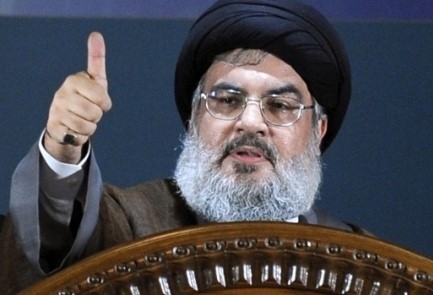
UAE paper: Hezbollah chief’s net worth is $250 million, mainly thanks to drugs 

May 29, 2018

Source: UAE paper: Hezbollah chief’s net worth is $250 million, mainly thanks to drugs – Israel Hayom

Netanyahu to discuss Iran with French, German leaders next week 

May 29, 2018

Source: Netanyahu to discuss Iran with French, German leaders next week – Israel Hayom

Netanyahu announces program to enhance IDF’s intel with ‘quantum technology’ 

May 29, 2018

Source: Netanyahu announces program to enhance IDF’s intel with ‘quantum technology’ | The Times of Israel

At first-of-its-kind international science ministers convention in Jerusalem, PM says he hopes Israel will become a global leader in the field

Prime Minister Benjamin Netanyahu (C) at an international science ministers convention in Jerusalem on May 28, 2018. (Jorge Novominsky/GPO)

Prime Minister Benjamin Netanyahu (C) at an international science ministers convention in Jerusalem on May 28, 2018. (Jorge Novominsky/GPO)

Prime Minister Benjamin Netanyahu on Monday announced a new technological project that he said would help enhance Israel’s intelligence gathering capacity, at an international science ministers convention in Jerusalem.

“I will soon declare the ‘technological scientific program to strengthen Israel’s security,’” Netanyahu told the crowd, which included science ministers and delegations from 25 countries as well as Israel’s Science Minister Ofir Akunis.

“A team of experts will promote Israel in fields that are critical to security,” the prime minister added. “Among others, the revolutionary program will advance Israel in quantum technology. That field is vital for Israel’s intelligence.

“What we are talking about today is promoting Israel as a world leader in quantum information science,” Netanyahu continued, describing that as a significant challenge but also an achievable goal. “We will provide more details in the future.”

The field includes efforts to maintain secrecy in digital messages containing sensitive information.

Scientists and leaders of international science organizations are also participating in the three-day event.

It is a first-of-its-kind convention showcasing Israeli scientific achievements alongside discussions of new technological developments.

Participating countries include India, Argentina, Poland, Thailand, Bulgaria, Uganda, Singapore and the Czech Republic.

The convention’s second and third days will feature presentations from Facebook’s Israel CEO Adi Soffer-Teeni; award-winning Austrian-American neuroscientist Prof. Eric Kandel; Uri Levine, founder of navigation app Waze; and Jewish British scientist Prof. Robert Winston.

India says it will continue trading with Iran, ignoring US sanctions

May 29, 2018

Source: India says it will continue trading with Iran, ignoring US sanctions | The Times of Israel

We don’t make our foreign policy under pressure from other countries,’ says Delhi’s foreign minister ahead of meeting with Iranian counterpart

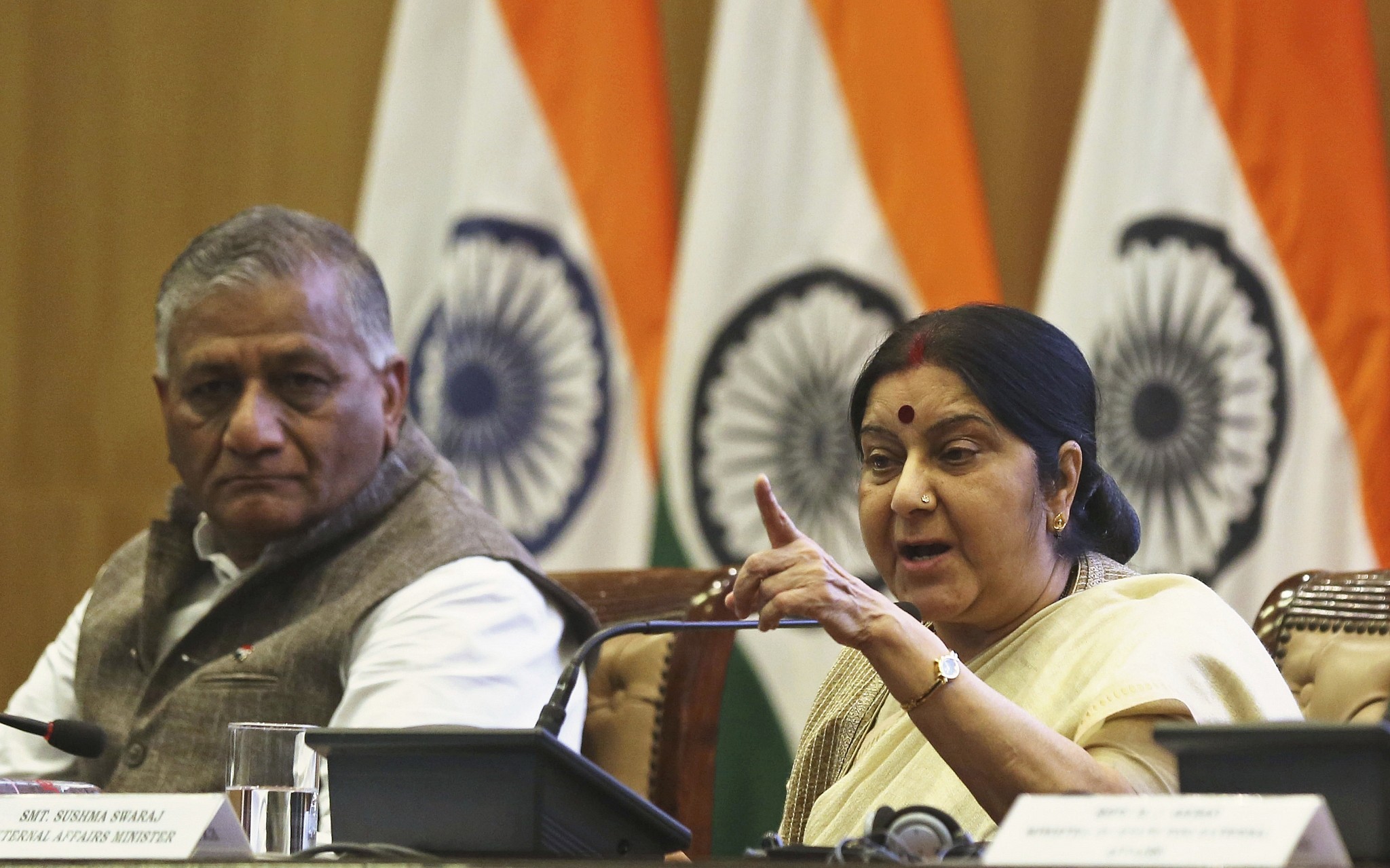
Indian Foreign Minister Sushma Swaraj addresses an annual press conference, with Junior Foreign Minister V. K. Singh seated beside her in New Delhi, India, May 28, 2018. (AP Photo)

Indian Foreign Minister Sushma Swaraj addresses an annual press conference, with Junior Foreign Minister V. K. Singh seated beside her in New Delhi, India, May 28, 2018. (AP Photo)

NEW DELHI, India — India will keep trading with Iran and Venezuela despite the threat of fallout from US sanctions against the two countries, Foreign Minister Sushma Swaraj said Monday.

Swaraj, asked at a news conference whether US action against Iran and Venezuela would damage India, said the country would not make foreign policy “under pressure.”

US President Donald Trump this month withdrew from the Iran nuclear deal and ordered the re-imposition of sanctions suspended under the 2015 accord.

Washington has also tightened sanctions against Venezuela over the controversial re-election of President Nicolas Maduro.

Both countries are key oil suppliers to India and the United States has warned that foreign companies that deal with Iran could themselves be punished.

But Swaraj said New Delhi did not believe in “reactionary” policies and would not be dictated to by other countries.

“We don’t make our foreign policy under pressure from other countries,” she told a news conference.

“We believe in UN sanctions but not in country-specific sanctions.”

In this April 24, 2018, file photo, Iran’s Foreign Minister Mohammad Javad Zarif is interviewed by The Associated Press in New York. (AP Photo/Richard Drew,)

Swaraj’s comments came just before a meeting with her Iranian counterpart Mohammad Javad Zarif in New Delhi.

Bilateral trade between India and Iran amounted to $12.9 billion in 2016-17. India imported $10.5 billion worth of goods, mainly crude oil, and exported commodities worth $2.4 billion.

India has other interests in Iran, in particular a commitment to build the port of Chabahar on the Gulf of Oman.

The port is being touted as a way for India to establish trade routes that bypass rival Pakistan.

Media reports have speculated India could revive a rupee-rial payment arrangement with Iran to shield exporters from the heat of US sanctions.

India’s close trading relationship with Iran has become a sticky issue for Israeli Prime Minister Benjamin Netanyahu, who has looked to expand ties with Delhi.

Swaraj also said India would continue trading with Venezuela, but there was no plan to use its local cryptocurrency in oil trade.

“We cannot have any trade in cryptocurrency as it is banned by the Reserve Bank of India. We will see which medium we can use for trade,” she said.

Times of Israel staff contributed to this report.

Israel, Russia said to reach secret deal on pushing Iran away from Syria border 

May 29, 2018

Source: Israel, Russia said to reach secret deal on pushing Iran away from Syria border | The Times of Israel

Reported agreement will see Israel consent to return of Assad’s army to Syrian Golan Heights, in exchange for Russia ensuring no Iranian or Hezbollah troops there

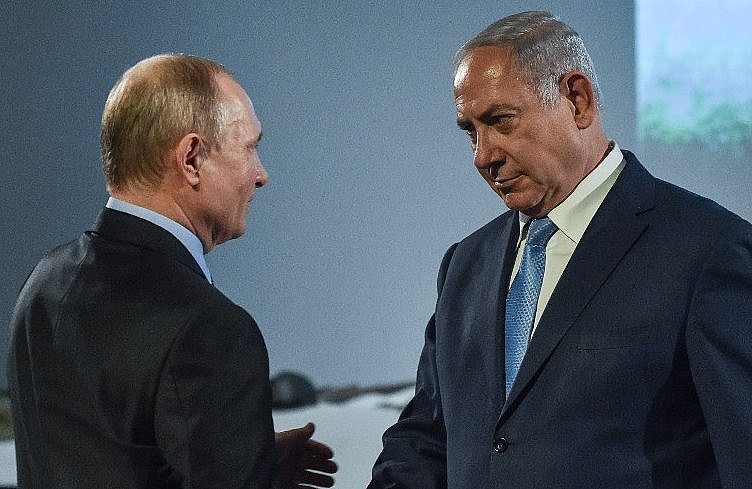
Russian President Vladimir Putin, left, shakes hands with Israeli Prime Minister Benjamin Netanyahu, during an event marking International Holocaust Victims Remembrance Day at the Jewish Museum and Tolerance Center in Moscow, January 29, 2018. (Vasily Maximov/AFP)

Israel and Russia have reached a secret agreement to distance Iranian forces from the border area in southern Syria, Israeli TV reported Monday, as Jerusalem and Moscow sent differing messages regarding the extent of their tolerance for Iran’s military presence in that country.

Under the apparent agreement coming together, Israel will accept the return of Syrian regime soldiers to the border on the Golan Heights, in exchange for Russia guaranteeing there are no Iranian or Hezbollah forces in the area, Hadashot TV news reported.

Russia will also call on all foreign troops to leave Syria, including not only Iran and the Lebanese terror group, Hezbollah, but also the United States and Turkey, the report said.

The agreement was reportedly finalized in a phone call Friday between Israel’s Foreign Minister Avigdor Liberman and his Russian counterpart Sergei Shoigu; Liberman is set to visit to Moscow next week. Hadashot said.

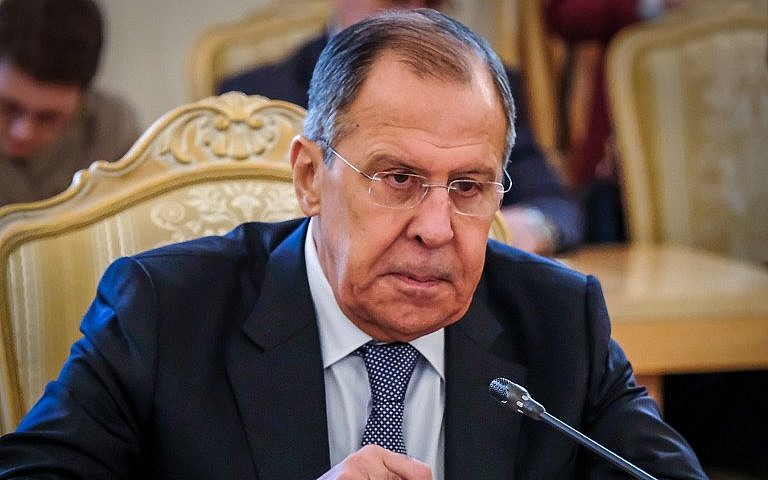
Russian Foreign Minister Sergei Lavrov  (AFP Photo/Yuri Kadobnov)


Earlier in the day, Russian Foreign Minister Sergey Lavrov seemed to begin the process of pushing Iran and Hezbollah back, saying only the Syrian army should be present on Syria’s border with Israel.

However, his statement suggested Russia was ready to allow Iran to maintain a foothold in other parts of the country.

Prime Minister Benjamin Netanyahu said after Lavrov spoke that Israel objects to Iran’s presence in any part of Syria.

His office told Hadashot news, “Israel is not interested in partial agreements, but the removal of the Iranian army from all of Syria.”

The reported agreement also includes a clause on Israel’s right to continue to take action against Iranian military activities in Syria.

Hadashot quoted diplomatic sources saying, apparently on the basis of this clause, Israel considers the agreement to be a breakthrough in that it means the US and Russia are now supporting Israel’s opposition to Iran’s military presence in Syria.

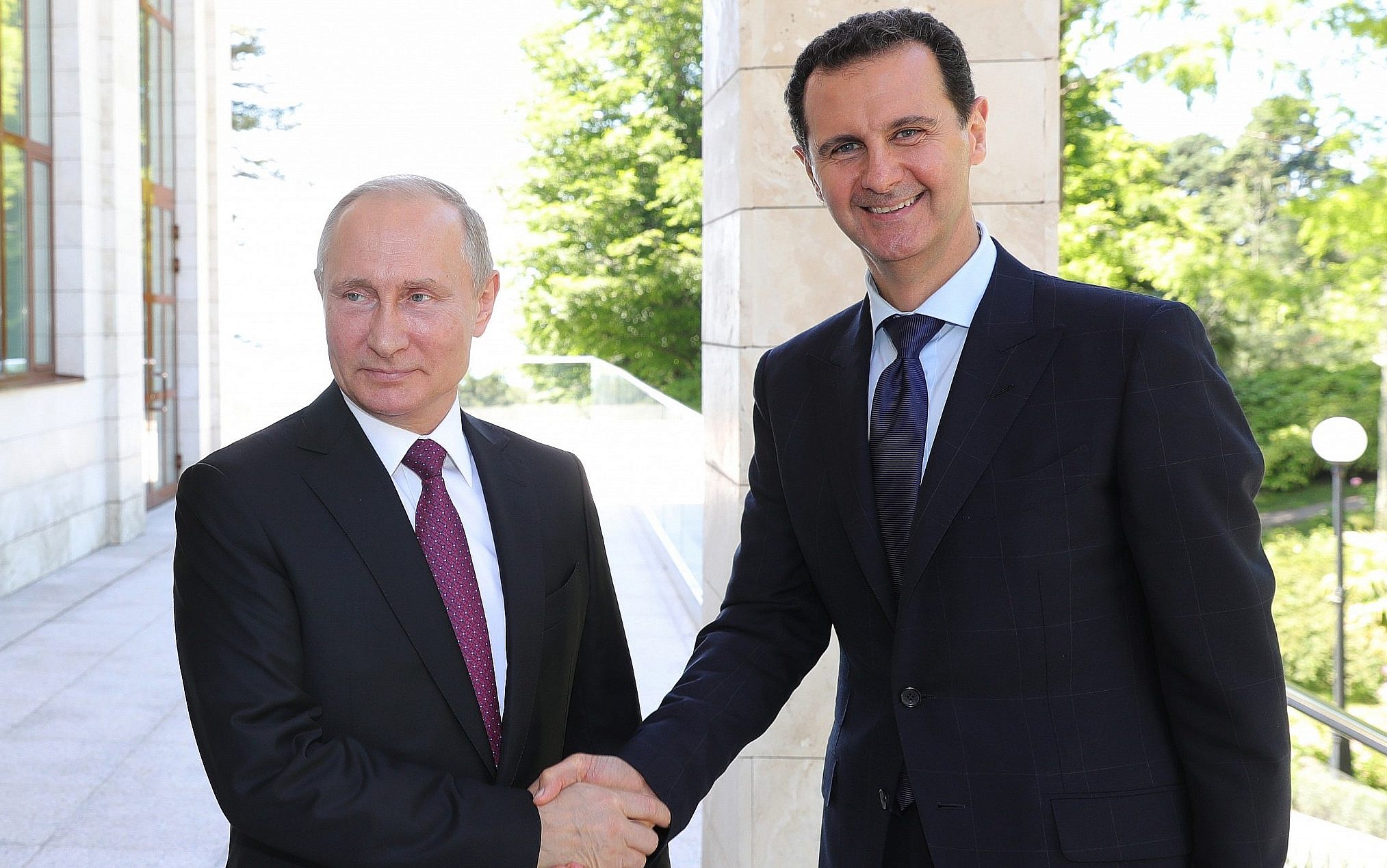
Russian President Vladimir Putin, left, shakes hands with Syrian President Bashar Assad during their meeting in the Black Sea resort of Sochi, Russia, May 17, 2018. (Mikhail Klimentyev, Sputnik, Kremlin Pool Photo via AP)

Furthermore, an Israeli source was quoted saying, the deal means Assad is now regaining almost all of Syria, under Russian protection and with Israel’s agreement, after eight years of civil war.

“Assad was and remains a monster, who has massacred his own people — but that is a matter for the international community and the Arab states,” the TV reported quoted what it said was a very senior Israeli official as saying. “We cannot fix the world. Israel has to ensure its own security.”

Iran’s army chief of staff Maj. Gen. Mohammad Bagheri, left, looking into binoculars, and other senior officers from the Iranian military, visit a front line in the northern province of Aleppo, Syria, on October 20, 2017. (Syrian Central Military Media, via AP, File)

Israel has accused Iran of seeking to gain a foothold in the border area as forces loyal to Syrian President Bashar Assad have made gains in clearing out rebel groups there. It has also said Iranian forces fired a few dozen rockets from the area at the Golan Heights earlier this month.

The Russian statement on limiting Iran and proxies loyal to it is being interpreted as a likely nod to Israeli concerns over Iran’s activity on its northern border.

Lavrov’s comments came after the Haaretz daily reported Monday that Russia is open to keeping Iranian forces and their allies from Israel’s northern border, fearing that repeated Israeli strikes may undermine Assad’s grip on the country.

Israel has repeatedly stated it will not tolerate an Iranian military presence in Syria and has recently acknowledged carrying out airstrikes on Iranian targets in the country. Israel has also struck Syrian air defense systems that fired at Israeli fighter jets during the raids.

Russian Defense Minister Sergei Shoigu, left, Avigdor Liberman, center, and IDF Chief of Staff Gadi Eisenkot take part in an honor guard at the Israeli army’s Kirya headquarters in Tel Aviv on October 16, 2017. (Ariel Hermoni/ Defense Ministry)

Liberman will travel to Moscow on Wednesday to meet with his counterpart Sergei Shoigu, the Defense Ministry said shortly after Netanyahu’s remarks. He will be joined on the trip by the head of Military Intelligence and other senior defense officials.

Chagai Tzuriel, director-general of the Intelligence Ministry, told journalists on Monday that he believed recent events were convincing countries such as Russia that allowing Iran to entrench itself militarily in Syria was not worth it.

Tzuriel said that if the opportunity is not seized on and Iranian-backed forces are not pushed back, “we are on a collision course with Iran.”

Speaking Monday, Netanyahu said Iran’s military presence in Syria would be a main focus of his trip next week to France and Germany, where he will meet with French President Emmanuel Macron and German Chancellor Angela Merkel.

Netanyahu said Monday he may also meet with British Prime Minister Theresa May, but did not indicate if he would travel to the United Kingdom.

In addition to countering Iranian military activities in Syria and throughout the Middle East, Netanyahu also said he would discuss Iran’s nuclear program with the European leaders.

The meetings will be Netanyahu’s first with Merkel and Macron since US President Donald Trump’s decision earlier this month to pull out of the 2015 deal, designed to limit Iran’s nuclear program, and reimpose sanctions.

While welcomed by Netanyahu, who said the accord did not sufficiently prevent Iran from acquiring nuclear weapons or address its support for regional terror groups, the US withdrawal was opposed by France and Germany, which both signed the deal and have expressed opposition to the reinstatement of US sanctions on firms operating in Iran.

The two countries, along with fellow signatories Britain, Russia and China, are now seeking to salvage the accord, with Iran demanding economic guarantees for its continued compliance.

Times of Israel staff and AFP contributed to this report.

Hezbollah men, including commander, said killed in Syria strike blamed on Israel

May 29, 2018

Source: Hezbollah men, including commander, said killed in Syria strike blamed on Israel | The Times of Israel

Attack reportedly wrecks operational coordination center near Al-Qusayr, close to where munitions depot belonging to group was destroyed in a raid on Thursday

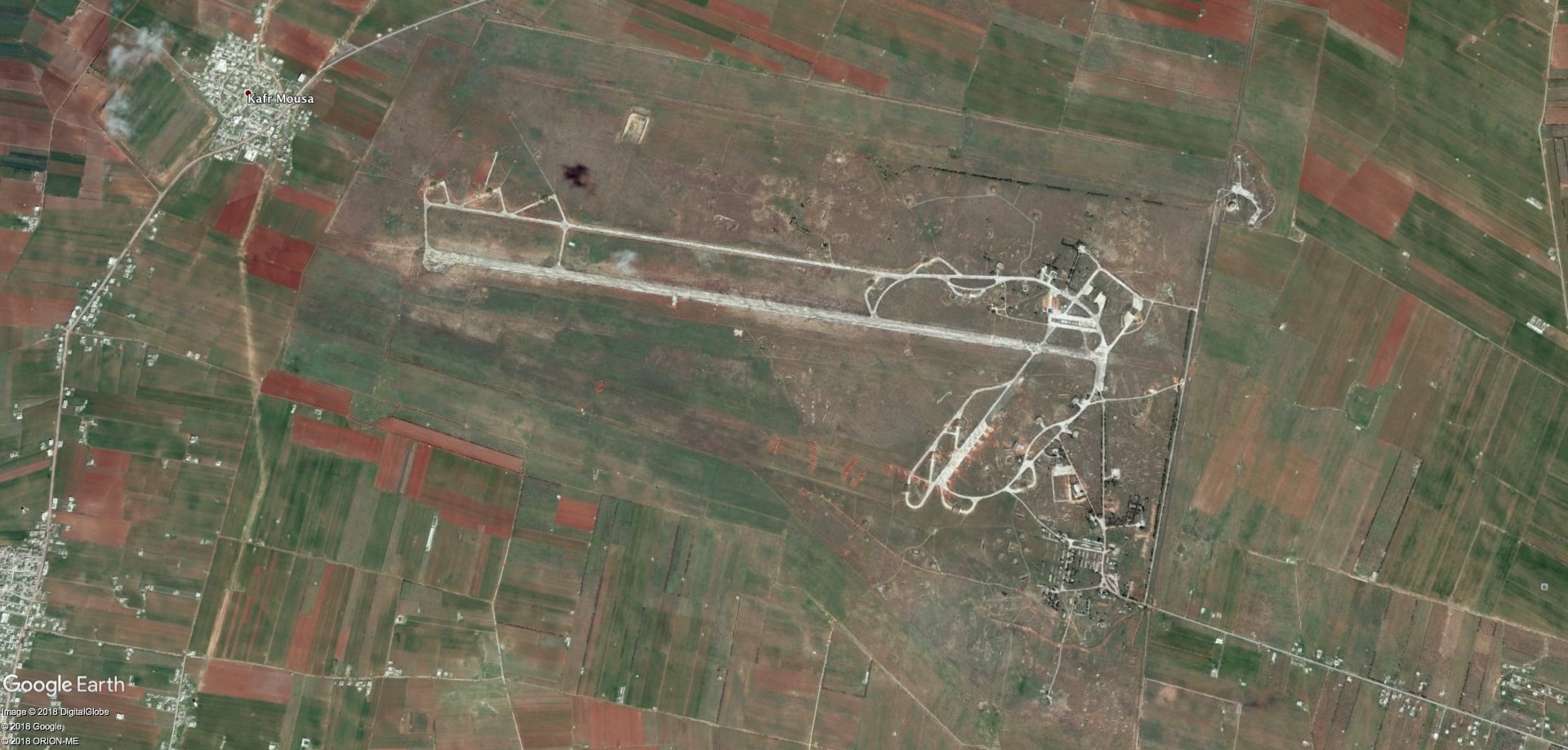
The al-Qusayr military air base in western Syria. (Google Earth)

The al-Qusayr military air base in western Syria. (Google Earth)

A senior commander and other members of the Iranian-backed, Lebanon-based Hezbollah terror group were killed overnight in an Israeli airstrike, Sky’s Arabic-language channel reported Tuesday.

The strikes reportedly took place near the Syrian town of Al-Qusayr in the Homs district, close to the Lebanese border.

There was no Israeli comment on the report.

It cited sources saying the strikes destroyed a coordination center for operations and set fire to various places.

On Thursday, airstrikes attributed to the IDF destroyed Hezbollah munitions depots at the al-Qusayr airbase, the Britain-based Syrian Observatory for Human Rights monitoring group said.

“Six missiles were fired at the Daba’a military airport and surrounding area in the western sector of Homs province, targeting Lebanese Hezbollah weapons warehouses,” Rami Abd el-Rahman, director of the Observatory, told AFP, adding, “The missiles would have been fired by Israel.”

Daba’a is another name for the al-Qusayr airbase, and the surrounding area is known to be a stronghold for Hezbollah and Iran-backed militias. It was also reportedly struck by Israel in a raid during an exchange with Syrian and Iranian forces on May 10.

The raid came after Iran’s Islamic Revolutionary Guard Corps’s al-Quds Force launched 32 rockets at Israel’s forward defensive line on the Golan Heights border.

Israel and Iran have been waging a quiet war in Syria for several years.

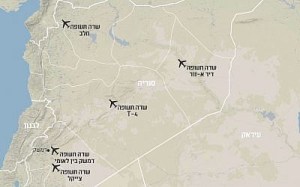
A map of Syria, provided to Israeli media, April 17, 2018, shows the approximate locations of five bases that Israel believes to be controlled by Iran. These are Damascus International Airport; the Sayqal air base; the T-4 air base; an airfield near Aleppo; and a base in Deir Ezzor. Their exact locations on the map are not entirely accurate. The Sayqal base, for instance, is located east of Damascus, not south of it as it appears on the map.

Israel maintains that it will take military action to stop Tehran from entrenching itself in Syria.

On Monday, the Haaretz newspaper reported that Russia was considering trying to keep Iranian forces and their allies away from the border, fearing that repeated Israeli strikes could undermine Syrian President Bashar Assad’s grip on the country.

According to the report, Russia decided to work on a deal to remove the Iranian troops following the heavy Israeli attack on Iranian targets in Syria on May 10.

Israel has acknowledged carrying out several aerial raids on Iranian targets in Syria, and suspected of carrying out several more.

Tensions between Israel and Iran in Syria have stepped up considerably in recent months, beginning in February when an Iranian drone carrying explosives was flown from the T-4 air base in central Syria into Israeli airspace and was shot down by an IAF helicopter.

Israel conducted a series of reprisal raids, first against the air base and then against Syrian air defenses, which had fired on the Israeli jets and shot down one F-16.

Much of the Iranian infrastructure is set up on Syrian bases and Israel has also frequently hit Syrian air defenses during strikes on Iranian targets.

Gunman reportedly shouting ‘Allahu Akbar’ kills three in Belgian city

May 29, 2018

Source: Gunman reportedly shouting ‘Allahu Akbar’ kills three in Belgian city | The Times of Israel

Possible terror motive?  Only the MSM… – JW )

Investigators look at possible terror motive after two police officers and a passerby shot dead in eastern city of Liege; attacker also killed

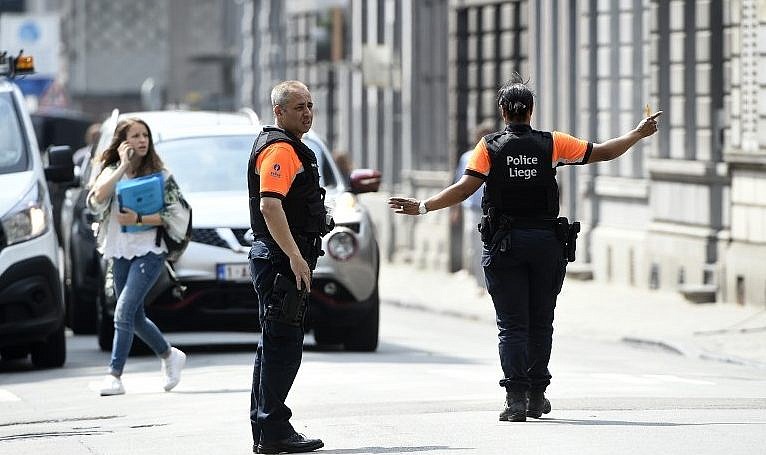
Police officers redirect traffic in the eastern Belgian city of Liege on May 29, 2018, near the site where a man shot and killed three people before being shot dead by police. (AFP PHOTO / JOHN THYS)

Police officers redirect traffic in the eastern Belgian city of Liege on May 29, 2018, near the site where a man shot and killed three people before being shot dead by police. (AFP PHOTO / JOHN THYS)

A gunman in the eastern Belgian city of Liege on Tuesday shot dead three people — two police officers and a passerby in a vehicle — before he was killed by elite officers.

Prosecutors said the attacker killed the police officers with their own firearms.

The shooting occurred around 10:30 a.m. near a high school on a major street in the city, which is around 90 kilometers (55 miles) east of Brussels, close to the German border.

The French-language Belgian news site LaLibre reported that the man had shouted “Allahu akbar” before police shot him.

Police and an ambulance are seen at the site where a gunman shot dead three people, two of them policemen, before being killed by elite officers, in the eastern Belgian city of Liege on May 29, 2018. (AFP PHOTO / JOHN THYS)

The file has been passed to the federal prosecutor responsible for terrorism, one person at the Liege federal prosecutor’s office, spokesman Eric Van Der Sypt, said.

“There are elements that go in the direction of a terrorist act,” he was quoted by the French language RTL news site as saying.

But Catherine Collignon, another spokeswoman for the same office, told the AFP news agency that the attacker’s motive was not immediately clear. “We don’t know anything yet,” she said.

Media reports said the gunman shot dead two police officers at a cafe before fleeing to the Lycee Waha school, where he took a cleaning lady hostage.

Belgian Interior Minister Jan Jambon said Belgium’s Federal Crisis Center was monitoring the situation.

“Our thoughts are with the victims of this horrible act. We are in the process of establishing an overview of exactly what happened,” Jambon wrote on Twitter.

The crisis center said a security cordon had been set up around the area and urged people to stay away.

Belgium has been on high alert since the smashing of a terror cell in the town of Verviers in January 2015 that was planning an attack on police.

The Verviers cell also had links to Abdelhamid Abaaoud, the mastermind of the November 2015 Islamic State attacks on Paris that killed 130 people.

Belgium further raised its terror alert level after the Paris attack, and placed the capital Brussels on lockdown for a week.

Belgium was then hit by its own IS suicide attacks on Brussels airport and a metro station that killed 32 people.

In March, Belgian police arrested eight people in Brussels in counter-terror raids as part of an investigation into what one source said appeared to be preparations for an attack.