What’s guiding Israel’s actions on the Lebanon border? 

Posted December 17, 2018 by Joseph Wouk
Categories: Uncategorized

Source: What’s guiding Israel’s actions on the Lebanon border? – Middle East – Jerusalem Post

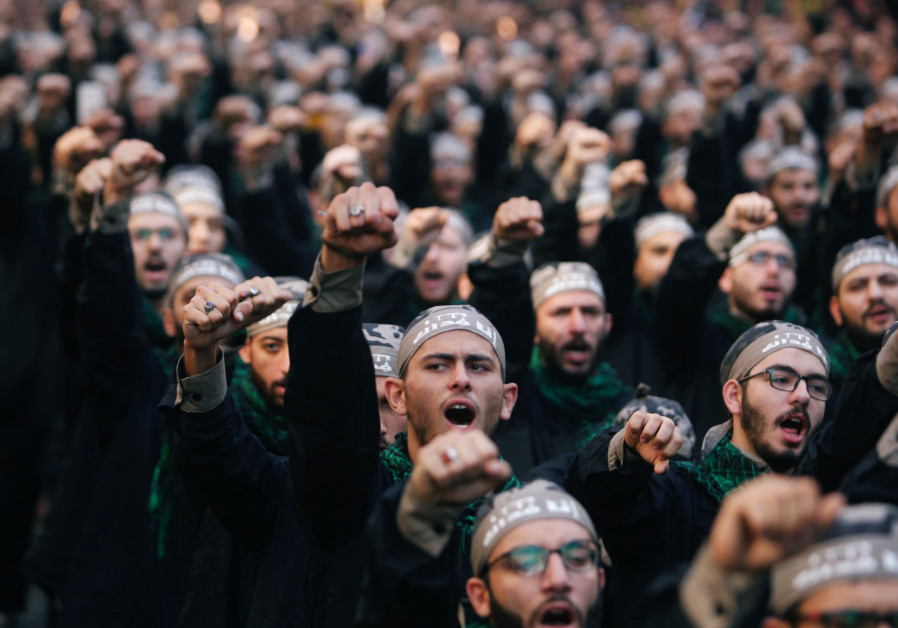
The researchers mentioned that while for the most part, Hezbollah’s missiles are small and inaccurate, “the sheer amount of them makes them an efficient weapon.”
BY UDI SEGAL
 DECEMBER 17, 2018 08:19
What's guiding Israel's actions on the Lebanon border?

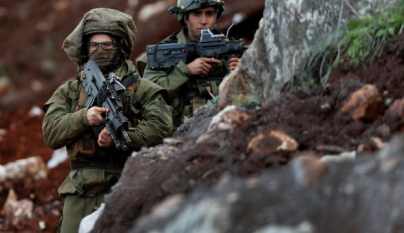
In northern Israel the IDF continues to dig and expose tunnels and break apart Hezbollah’s attack array.

What’s more, it’s turning the northern region into a pilgrimage site for politicians armed with windbreakers, who are there to shoot declarations toward the border – which are really meant for the Israelis, meant to increase our self confidence and calm our fears.

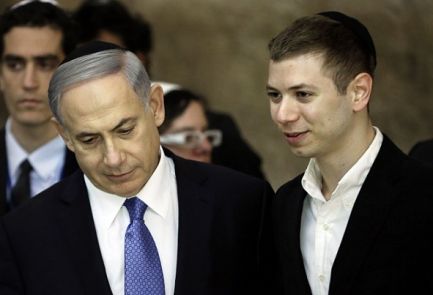
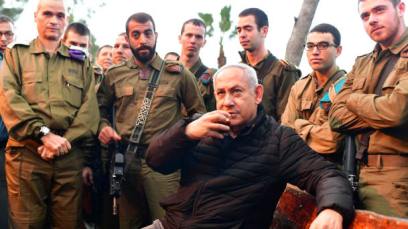
Prime Minister Benjamin Netanyahu showed up there this week, threatening Hezbollah that were they to dare respond, they will be hit in a way they can’t even imagine. He then had black coffee with the soldiers there before going right back to slamming the media while his son gives cameramen the finger during his day in court, and his wife spreads smiles and photo ops in Guatemala.

It’s hard to say whether Netanyahu actually managed to deter Hezbollah – and maybe he did – but he did expose something else with regards to Operation Northern Shield: a deep, disturbing disagreement with the US regarding Lebanon.

This was one of the reasons for Netanyahu’s urgent meeting with US Secretary of State Mike Pompeo in Brussels. According to political sources, Netanyahu went there to explain the IDF’s defense move in the North, to discuss options and scenarios for deterrence, and to talk about the US’s support of the Lebanese army.

This wouldn’t be the first time. A senior source has revealed that Israel has been working for a while now on “incriminating” the Lebanese army – proving that they are working alongside Hezbollah.

Col. (res.) Giora Eiland said this week that this is a delicate, complicated issue because the only way to deter the Iran-backed Hezbollah is to clarify that any kind of campaign by Israel would be “all in,” which would stand to harm Lebanon itself, including infrastructure, roads, airports, oil reservoirs and Beirut.

Netanyahu and his ministers continue to talk only about Hezbollah itself, but Eiland stresses: We have to make sure they understand that an attack from Lebanon territory risks the entirety of Lebanon.

UN Ambassador Danny Danon admitted to me that the US isn’t buying it. It sees the Lebanese army as one they can work with, and that’s why it pays for and trains the army – which this week took station at the border, right in front of Israeli soldiers. Israel passed along testimonies and intelligence files about Lebanese officers who are doing everything Hezbollah asks of them, but Pompeo, like his predecessors in the State Department, believes there are still people to work with in Lebanon.
Thus, Israel and the US are in disagreement, one that could hurt Israel’s deterrence capability.

In fact, Israel knows – especially now, after exposing the tunnels – that its ability to hurt Hezbollah is limited. If they managed to dig these tunnels inside Israel, imagine what they had dug in southern Lebanon as part of the preparation for an Israeli attack.
We saw the same thing 12 years ago in Hezbollah’s “Nature Reserves,” and now it’s even more elaborate and sophisticated.

This is also evident from an American research report published this week, claiming that Hezbollah currently holds some 130,000 missiles of various kinds, and that it is “the world’s most well-armed player which is not a country.” The researchers added that their list of missiles is in no way final, and it’s based only on overt sources – so it is certainly possible that an additional arsenal is hidden underground.

The researchers mentioned that while for the most part, Hezbollah’s missiles are small and inaccurate, “the sheer amount of them makes them an efficient weapon.”

Hezbollah has an additional arsenal of Skad missiles, which are considered particularly threatening thanks to their launching abilities. However, they are difficult to carry around, hide and operate. “They don’t give Hezbollah much advantage,” wrote the researchers.

One more point that comes up in the report is that most of Hezbollah’s missiles cover a relatively small space, but they do compel IDF planes to fly higher and so might scale down Israel’s ability to hit ground objectives. In this scenario, Israel could find itself facing off against a Lebanese army paid for by the US government, while Hezbollah is deep in the ground, shooting constantly, and forcing Israel into complicated ground action that will lead to multiple casualties.

Hezbollah’s tunnels are meant to surprise Israel and to maintain a deterrence balance along the border, wrote Yoram Schweitzer and Ofek Riemer from the Institute for National Security Studies (INSS). The tunnels are a part of a ground-attack plan created by Hezbollah called “Conquering the Galilee” and meant to help the organization’s commando units penetrate Israel and obtain a victory photo op by taking over – even if temporarily – a village, an IDF base or a major road.

The researchers wrote that taking this ability away from Hezbollah would prove Israel’s military superiority and deepen the gulf between Hezbollah and Israel in a way that could shift the deterrence balance that has been stable since 2006. For instance, from Hezbollah’s point of view, if Israel feels relatively protected from the threat, it is more likely to challenge Hezbollah’s redlines by attacking Lebanon – which, according to the INSS, will invite an escalation.

Right now, Israeli and Lebanese soldiers are facing each other, only a few dozen kilometers apart. The atmosphere is quiet, tense and explosive. Israel’s moves are out in the open and the potential targets are clear, in case things go south, so to speak. This is just one part of the campaign against Iran. The true aim is the Islamic Revolutionary Guard Corps (IRGC) and Hezbollah’s move of creating rockets for accurate long-range guided missiles on Lebanon soil.

In Syria, Israel has the ability and the legitimacy to operate. In order to widen the limits of such an operation, an Israeli military delegation left for Russia this week. The Russians are signaling that they are hard to get – for instance, by sending junior ranks to this meeting – but Israel isn’t there to make friends, it’s there to clarify redlines. This is a part of Netanyahu’s wider diplomatic move: he warned Lebanon about the price it might pay, he exposed critical sites during his recent UN speech, and he met with Pompeo on the subject.

All this tension is exposing the main – and strange – problem: the US’s insistence on seeing the Lebanese army as something open for influence. Washington does not want to give up any influence in a region conquered both militarily and diplomatically by Russia. But for Israel, this creates a vague restriction.

Earlier this week, former prime minister Ehud Olmert denied absolutely any operational restrictions laid on the IDF by the US during the Second Lebanon War. His ministers and IDF senior officials remember well Condoleezza Rice’s instructions, which limited some of their ability to use force. In the next war, Israel has to act in Lebanon quickly, strongly and with no restrictions if it wants to create a quick ceasefire.

Right now, the US is tying our hands behind our back – that still needs work. It speaks of a certain thought pattern in Washington while Israel, ever grateful for the embassy move and the UN veto, should be modest in its objection to US strategic moves in the region.

One more question remains: Is this the same thought pattern that guides the Trump administration’s “deal of the century” peace plan for the Middle East?

 

‘Hezbollah’s Operation Barbarossa’: How army chief pushed Netanyahu to go after the tunnels

Posted December 17, 2018 by Joseph Wouk
Categories: Uncategorized

Source: ‘Hezbollah’s Operation Barbarossa’: How army chief pushed Netanyahu to go after the tunnels – Israel News – Haaretz.com

Discussions on how to respond split Israel’s leadership, with the PM equivocating about the timing and Eisenkot advocating immediate action

Prime Minister Benjamin Netanyahu visits Israeli forces stationed near Israel's border with Lebanon, December 11, 2018.
קובי גדעון / לע”מ

On the eve of the first day of Operation Northern Shield, Prime Minister Benjamin Netanyahu and Chief of General Staff Gadi Eisenkot stood alongside each other at a press conference and demonstrated a united front regarding the urgent need to destroy the tunnels under the border with Lebanon. Yet, Eisenkot had to exert quite a bit of pressure on the politicians to get to that moment at Defense Ministry headquarters in Tel Aviv. Months of tense debates that climaxed with the resignation of former Defense Minister Avigdor Lieberman, who believed his constant struggle with the defense establishment could end his political future, the evening with the unified message.

Conversations Haaretz conducted with some of those involved in the discussions preceding the operation reveal that the prime minister equivocated about the suitable time for such an operation until it was approved on November 7. Netanyahu was well-versed in the details of the tunnel project, for which the Israel Defense forces had been preparing for two years. Sources said that Netanyahu wasn’t hesitating about whether to act; the question for him, as for Eisenkot, was the timing.

A source privy to some of the discussions about launching the operation in the north asserted that Eisenkot exerted more pressure on this issue than on any other issue since taking over as chief of general staff. According to people who were at the discussions, Eisenkot pushed to start destroying the tunnels as soon as possible and wrangled with several security cabinet ministers, especially with Lieberman and Education Minister Naftali Bennett. Eisenkot insisted it would be mistaken to launch an operation in the south before tackling the threat of Hezbollah tunnels, they said.

“This is the organization’s [Hezbollah’s] next Operation Barbarossaagainst Israel,” Eisenkot said, referring to Germany’s surprise invasion against the Soviet Union in June 1941. “This is Hezbollah’s most significant part of the next confrontation,” he noted in arguing to prioritize the northern front over the southern one. “It is building on this card, which could be its signature achievement.”

During another discussion, Eisenkot presented a letter from Northern Command head Maj. Gen. Yoel Strick, in which the general warned that the delay could lead to the loss of the element of surprise, and would allow Hezbollah to carry out a deadly attack.

At another meeting, the chief of staff asked specifically to include Strick’s warnings in the minutes. Security sources said that Netanyahu was not pleased that Eisenkot had brought the letter, let alone sought to insert it in the protocol. But according to the sources, this was the moment that shifted the balance, because afterward Netanyahu gave the operation the green light. “Eisenkot, like all those present at that security discussion, knew unequivocally that no one could avoid taking responsibility for a terror attack coming from Lebanon when there were minutes in which the chief of staff and the head of Northern Command were warning of one,” said an official familiar with the details.

Irreparable relationship

The backdrop to the discussions on Operation Northern Shield was the harsh criticism over the way Israel was responding to Hamas in the south. The pressure was also coming from Lieberman, whose relationship with security officials had become so hostile that it was disrupting their work together.

The tension between the defense minister and the chief of staff had been evident in the Elor Azaria affair, the disputes over closing Army Radio, the return of terrorists’ bodies and in other cases where Lieberman believed the defense establishment was not backing the policies he advocated in the Defense Ministry and the military. Another incident that increased the tension occurred when Eisenkot submitted the candidacy of Maj. Gen. Roni Noma as the sole nominee to be the next head of Military Intelligence. Sources familiar with the situation said that Lieberman had told Eisenkot that he should submit the name of at least one other candidate to enable a choice. A few weeks later, Eisenkot was informed that Lieberman had chosen Maj. Gen. Tamir Heyman as head of Military Intelligence, after consulting with several former senior IDF officers.

Lebanese villagers smoke a water pipe and take souvenir pictures in front of Israeli excavators, Mays al-Jabal, southern Lebanon, December 13, 2018.
Hussein Malla,AP

At the end of March, when the Friday demonstrations began near the Gaza perimeter fence, the tension further worsened. The gaps between Lieberman’s position and that of defense officials regarding the Gaza policy gradually turned the tension into hostility, to the point where the relationship became irreparable.

At one of its peak moments, Lieberman told senior IDF officers that he felt “as if I were talking to the Peace Now leadership.” The defense minister announced at the time that he would stop supplying fuel to Gaza until the demonstrations and incendiary kites stopped. After a certain lull, there was a conference call in which the heads of the defense establishment expressed support for allowing fuel back into Gaza due to the humanitarian crisis there. The call involved Lieberman, the chief of Military Intelligence, the head of the Shin Bet security service, Eisenkot and the coordinator of government activities in the territories. According to sources familiar with the conversation, after he compared the security officials to Peace Now leaders, Lieberman hung up, leaving his surprise listeners on the line.

In another meeting, after a heavy barrage of rocket fire at Israel from the Gaza Strip, Lieberman demanded a decisive blow against Gaza. When a few of those present asked him what he meant, Lieberman replied: Attacks from the air that will scare them, so they understand they have crossed the red lines. Bennett presented a plan for a military operation that would also lead to the evacuation of Israeli residents in the area near the border with Gaza. Bennett also wanted aerial attacks, but without having soldiers enter the Gaza Strip.

The operation in the north was approved at this meeting, and the defense establishment thought it would be irresponsible to be dragged into a conflict with Hamas only a few days before such sensitive operations against Hezbollah. Eisenkot looked like a man who had lost his patience, said sources acquainted with the discussion. Eisenkot said that it would be impossible to deliver a harsh blow acting only from the air, said Eisenkot, according to those sources. Weakening Hamas would require a ground operation, he stressed, adding that all involved needed to realize the implications of such a decision.

Eisenkot and Shin Bet director Nadav Argaman, and after them National Security Adviser Meir Ben-Shabbat and Mossad chief Yossi Cohen, were unanimous in their views concerning the need to act in the north, and not at the same time as an operation in Gaza. All the leaders of the defense establishment agreed it was necessary to first exhaust all efforts to reach an arrangement with Hamas.

The commander of the IDF’s Operations Directorate, Maj. Gen. Aharon Haliva, said the humanitarian situation in Gaza was making the security situation worse. Haliva said that Israel could initiate economic and practical steps to prevent an escalation of the situation. He foresaw a two-month window of opportunity to move to bring about calm in the south.

The IDF’s coordinator of government activities in the territories, Maj. Gen. Kamil Abu Rukun, agreed with Haliva and presented data on the crisis in the Gaza Strip. But Lieberman did not want to hear it, said one of the sources. “Lieberman would become annoyed with the officers every time they would talk about the humanitarian situation,” said the source. “He didn’t let them say humanitarian crisis, it would drive him crazy.”

Netanyahu supported Eisenkot concerning the south, and left Lieberman all by himself with his positions. At a meeting after the day of fighting in which Hamas fired hundreds of rockets at Israel, on November 12, all those at the meeting went out for a short break, during which someone showed Lieberman a tweet from journalist Sharon Gal. “This toy Rambo defense minister is silent,” said the tweet. “I’m embarrassed that I was a Knesset member in Yisrael Beiteinu under this defense minister, who except for talk is not doing anything.” At that moment, Lieberman realized that he was seen as being responsible for the restrained response in the south and he expected to pay the political price for it, said sources familiar with the details.

Top priority

Thus, the discussions regarding the Hezbollah tunnels came about against the backdrop of this tension on the table, and the military – with Netanyahu’s support – trying to prevent broader military action in Gaza. Netanyahu did not talk mention an exact when he informed security cabinet members about the Hezbollah tunnels and sought approval for the operation. Eisenkot thought it was best to start the operation immediately, both for practical reasons and because Netanyahu and the other ministers who supported restraint in Gaza were losing their ability to withstand the public’s criticism.

Israeli soldiers stand guard at the site of their excavation work, near the southern border village of Mays al-Jabal, Lebanon, December 13, 2018.
Hussein Malla,AP

Eisenkot’s position was reinforced by Haliva and Heyman at the meeting in which Eisenkot compared the Hezbollah tunnels to Operation Barbarossa. Haliva said the issue of the tunnels was top priority, not just over dealing with Hamas, but also over Hezbollah’s project for precision missiles, which has kept the IDF very busy in Syria.

In one of the meetings just before the approval of the tunnel operation, Eisenkot introduced the warning letter by Strick, the Northern Command head, about possible scenarios if Israel did not undertake the operation against the tunnels. Strick said the preparations for the operation had been completed and the military had the intelligence information needed for the operation. Strick also said that any delay would increase the possibility of the information leaking out and being exposed in the media, and the IDF could well lose its element of surprise, which was of critical importance. If Hezbollah learned that Israel knew about the tunnels, the threat to Israeli communities along the border with Lebanon would grow, said Strick. It was possible that Hezbollah would take advantage of this and act against Israel from the tunnels, he warned. Such action could make the situation worse than what was expected from the response to an operation to destroy the tunnels. The tunnels were intended to provide Hezbollah with victory pictures for Nasrallah as the first Muslim leader in years to fight against the IDF on Israeli soil, added Strick. Netanyahu was not pleased that Eisenkot presented the letter from Strick, and made it clear that the matter had been on the agenda for a long time and had received proper treatment, even without warning letters, said defense sources.

Lieberman also brought in reinforcements to support his position, in which Israel needed to begin an operation in the Gaza Strip and postpone the tunnel operation in the north by a few weeks or months. Lieberman invited the head of the Research Division of Military Intelligence, Brig. Gen. Dror Shalom, who said more intelligence was needed to ensure the tunnels would be found. Eisenkot allowed Shalom to give his briefing. There were those who reminded Lieberman that only a few months earlier it was Shalom who contradicted his statements in meetings about attacking Gaza. “But in this case, Shalom’s opinion matched Lieberman’s interests,” said a defense source.

During the briefing in which the approval of the tunnel operation was discussed, Eisenkot pressed to include Strick’s letter in the minutes of the meeting. He began reading out a few sentences from the letter for the minutes. “As far as Netanyahu and all those who were in the room at the time, it was a step that led to the final approval of the operation, even if someone still had minor reservations,” said a source familiar with the situation.

Another source involved in the matter said that if such an incident had taken place, even if it was not conducted from inside the tunnels and led to an escalation between Israel and Hezbollah, it would have placed the responsibility on Netanyahu and the members of the security cabinet. This is what made the approval of the tunnel operation the obvious choice, said the source.

The preparations for the tunnel operation took about two years, so a difference of a week or two from the set date would not have had any great affect, said security sources. “The intelligence assessment that preceded the decision on undertaking the operation was that Hezbollah would not respond, because the work would be in [Israeli] territory and Hezbollah would find it difficult to find an excuse to take action,” said a security source. “In addition, the assessments were that Hezbollah was in a very difficult situation concerning Iran and Lebanon, something that made it difficult [for Hezbollah] to go and fight Israel today.”

Eisenkot was not a partner in all these optimistic assessments and said in meetings that there is always uncertainty concerning Hezbollah’s action in extreme situations, so Israel must prepare for the worst possibility of a graduated escalation – all the way up to a war in the north. “It was important to Eisenkot, before the operation, to complete all the training exercises of the [front-line] divisions and to bring the IDF to high readiness in preparation in case the operation would lead to an escalation,” said the defense source. Eisenkot thought that “we are not completely past the threats and developments that could very well come in response to the [tunnel] operation.”

A spokesman for Lieberman said, “This is a mix of lies and absurdities that mostly points out the distorted approach and prejudices of the leakers and those who make use of these same leaks.”


Off Topic: US man charged in plot for massive attack at Ohio synagogue

Posted December 17, 2018 by Joseph Wouk
Categories: Uncategorized

Source: US man charged in plot for massive attack at Ohio synagogue

Damon Joseph spent months posting photos of weapons, praising ISIS, and talking about carrying out a violent attack; his plan crystallized after Pittsburgh shooting.
Federal authorities said Monday they have charged two people involved in planning separate large-scale attacks—one who wanted to carry out a shooting at a synagogue and another who had been plotting to attack a bar and blow up a pipeline.

The attacks were never carried out, and there was never an immediate threat to the public, the FBI and Department of Justice said at a news conference announcing the charges.

Damon Joseph (Photo: Reuters)

Damon Joseph (Photo: Reuters)

The two suspects, both from the Toledo area, had identified specific places they wanted to target, authorities said.

The two were under investigation for months and had talked about their plans with undercover FBI agents, according to the Justice Department.

“These cases demonstrate terrorism comes in many forms,” said Justin Herdman, the US attorney for northern Ohio.

Damon Joseph, 21, spent months posting photos of weapons, praising the Islamic State group (ISIS) and talking about carrying out a violent attack before he eventually settled on a synagogue in the Toledo area, Herdman said.

His plan for the shooting came together after a gunman killed 11 people at a Pittsburgh synagogue in October, Herdman said. Authorities said he told an undercover agent: “I admire what the guy did with the shooting actually.”

He wanted to kill as many people as possible, including a rabbi, and make sure no one escaped, the Justice Department said.

Joseph said his decision about which synagogue to attack would come down to “which one will have the most people, what time and what day. Go big or go home,” according to court documents.

Joseph was arrested Friday after he received two AR-15 rifles from an undercover agent and was charged with attempting to provide material support to ISIS.

He appeared in court Monday and waived a preliminary hearing, The Blade reported. There was no telephone listing for Joseph and a message seeking comment was left with his attorney.

FBI Acting Special Agent in Charge Jeff Fortunato said it did not appear Joseph was working with anyone else.

Within months, Joseph became radicalized and began planning an attack, Fortunato said.

Court records show that Joseph was charged with domestic violence nearly two years ago and later entered an Alford plea, which acknowledges prosecutors have enough evidence to convict without admitting guilt.

A person pays their respects at the memorial to the victims of the Pittsburgh synagogue attack (Photo:AFP) (Photo: AFP)

A person pays their respects at the memorial to the victims of the Pittsburgh synagogue attack (Photo:AFP) (Photo: AFP)

Israeli Consul General in New York Dani Dayan expressed his gratitude to the FBI and US law enforcement authorities for preventing the deadly attack.

“I thank the FBI for thwarting the cruel terror attack,” Dayan said. “The uncompromising war against anti-Semitism, which is rearing its head, must be bolstered.”

He added: “We’ll continue fighting anti-Semitism, anti-Zionism and the cruel terrorism, which are meant to make us fear to be proud of our identity.”

Authorities also arrested Elizabeth Lecron, 23, of Toledo, on Monday after they said she bought bomb-making materials. She was charged with transporting explosives and explosive material with the purpose of harming others.

A telephone listing for Lecron could not be located and court records did not indicate whether she has an attorney.

Lecron had been talking about carrying out several different types of violent attacks, including telling undercover agents in August that she and someone else had come up with a plan to commit a mass killing at a Toledo bar, officials said.

She also discussed attacking a livestock farm, her workplace and bombing a pipeline, according to authorities, who also said Lecron told agents she was making a pipe bomb.


PA names Hamas mastermind behind deadly West Bank attacks

Posted December 17, 2018 by Joseph Wouk
Categories: Uncategorized

Source: PA names Hamas mastermind behind deadly West Bank attacks

Jasser Barghouti was freed in the 2011 Shalit deal, deported to Gaza where terror group made good use of his knowledge of the area where shootings occurred
Palestinian Authority officials believe they have identified the mastermind behind the Hamas cell that carried out the recent shooting attacks at the Ofra settlement and Giv’at Asaf outpost. According to the PA, the mastermind is Jasser Barghouti, a member of the infamous Barghouti clan.
The senior officials told Ynet on Monday that Barghouti is part of the “West Bank headquarters” of Hamas, which operates from the Gaza Strip to launch attacks in the West Bank under the leadership of Hamas second-in-command Saleh al-Arouri and Maher Obeid.The attacks claimed the lives of two IDF soldiers—Sergeant Yosef Cohen and Staff Sergeant Yovel Moryosef—and Amiad Israel Ish-Ran, a baby boy who died just days he was delivered prematurely due his mother’s gunshot wounds. A third soldier who was wounded in the Giv’at Asaf attack is still fighting for his life.

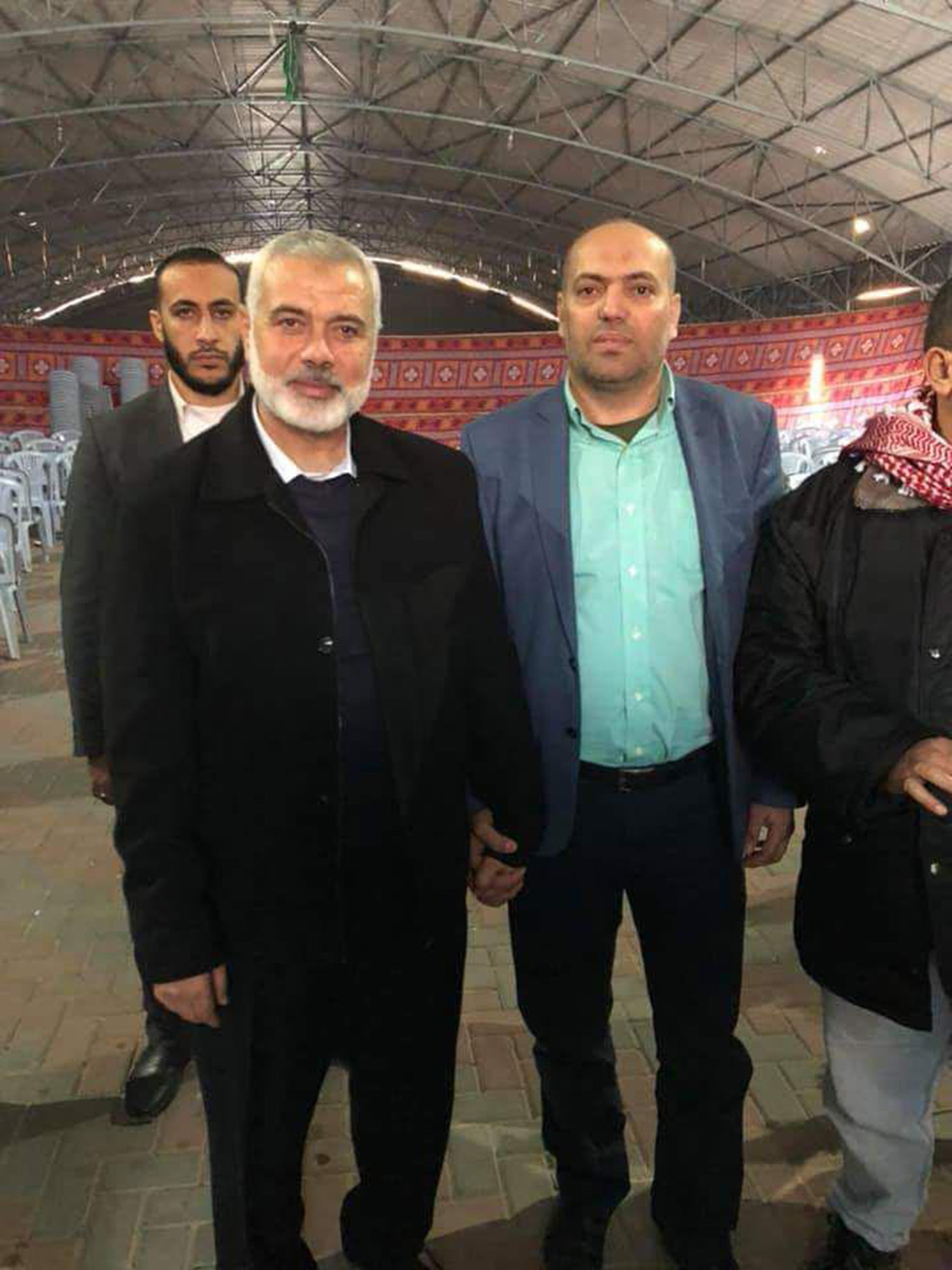
Jasser Barghouti holds hands with Hamas political leader Ismail Haniyeh in an image taken after the Ofra attack

Jasser Barghouti holds hands with Hamas political leader Ismail Haniyeh in an image taken after the Ofra attack

Jassar Barghouti is the uncle of Saleh Barghouti, one of the members of the cell that carried out the attack at Ofra, who was killed last week in an exchange of fire during an arrest operation by the Israel Police counter-terrorism unit Yamam.

Barghouti was one of the senior members of the Hamas military wing in the Ramallah area during the Second Intifada. He was one of the perpetrators of a shooting attack in the village of Ein Yabrud near Ramallah in 2003, in which three IDF soldiers were killed.

Sources say that Jasser Barghouti was responsible for setting up and directing the Hamas cells in the villages of Bir Zeit, Kubar and Mazra’a al-Gharbiyya, as these are in which areas he grew up and was therefore deeply familiar with the local population.

The sources, who are familiar with the security situation, say Jassar Barghouti is responsible for setting up and recruiting the firing squad that carried out the two deadly attacks last week, using his familial connections to Salah Barghouti, the gunman who was hunted and killed by Israeli troops following the attack.

Jasser Barghouti with senior Hamas officials

Jasser Barghouti with senior Hamas officials

Barghouti is responsible for directing other deadly attacks on Israelis. He was arrested and sentenced to nine life terms but released in 2011 he was released as part of the prisoner exchange for captured IDF soldier Gilad Shalit.

As Barghouti was seen as one of the most dangerous prisoners freed in the deal, Israel conditioned his release on immediate deportation to the Gaza Strip. After being deported to the Gaza Strip, Barghouti became involved the Hamas “West Bank headquarters.”


Netanyahu: Israel has missiles that can hit any target in the Middle East 

Posted December 17, 2018 by Joseph Wouk
Categories: Uncategorized

Source: Netanyahu: Israel has missiles that can hit any target in the Middle East – Arab-Israeli Conflict – Jerusalem Post

“This is an offensive force that belongs to the State of Israel and is relevant for all our different fronts,” the prime minister said.

BY JERUSALEM POST STAFF
 DECEMBER 17, 2018 14:52
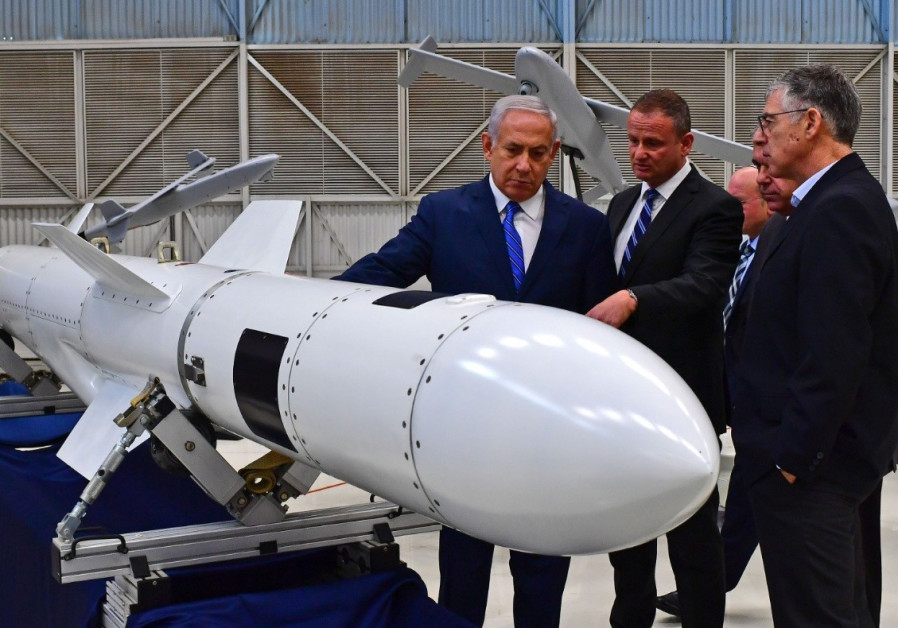
Prime Minister Benjamin Netanyahu inspects a missile at Israel Aerospace Industries.

Amid rising tension in the North, Prime Minister Benjamin Netanyahu declared on Monday that Israel has missiles that can reach any target throughout the Middle East.

“They develop offensive missiles here that can reach any place in the region and any target,” Netanyahu said during a visit to Israel Aerospace Industries outside of Tel Aviv. “This is an offensive force that belongs to the State of Israel and is relevant for all of our different fronts. They develop weapons here that don’t exist in any other country. “There is a group of minds and people here who develop the best of the defenses needed for the State of Israel. This includes micro satellites that are fired into space, and some missiles that you see here behind me. Space is a huge field that the State of Israel is entering.”

Netanyahu was asked about reports that the US was blocking the Israeli sale of 12 F-16 C/D Barak fighter jets to Croatia.

“This is ongoing between the countries and I have dealt with this personally,” Netanyahu said. “It is too early to say anything clear about this. We are working on this.”

Earlier this week, Channel 10 reported that the Trump administration was blocking the $500 million deal, although Croatia’s defense minister, Damir Krsticevic, denied reports that Washington does not want the European country to buy the planes.


Netanyahu says Israeli agents ‘periodically visit’ Iran to monitor nuke program

Posted December 17, 2018 by Joseph Wouk
Categories: Uncategorized

Source: Netanyahu says Israeli agents ‘periodically visit’ Iran to monitor nuke program | The Times of Israel

PM tells diplomats: Intelligence operatives working to thwart Tehran’s nuclear ambitions ‘all over the world,’ and visit Islamic republic to ‘catch up’

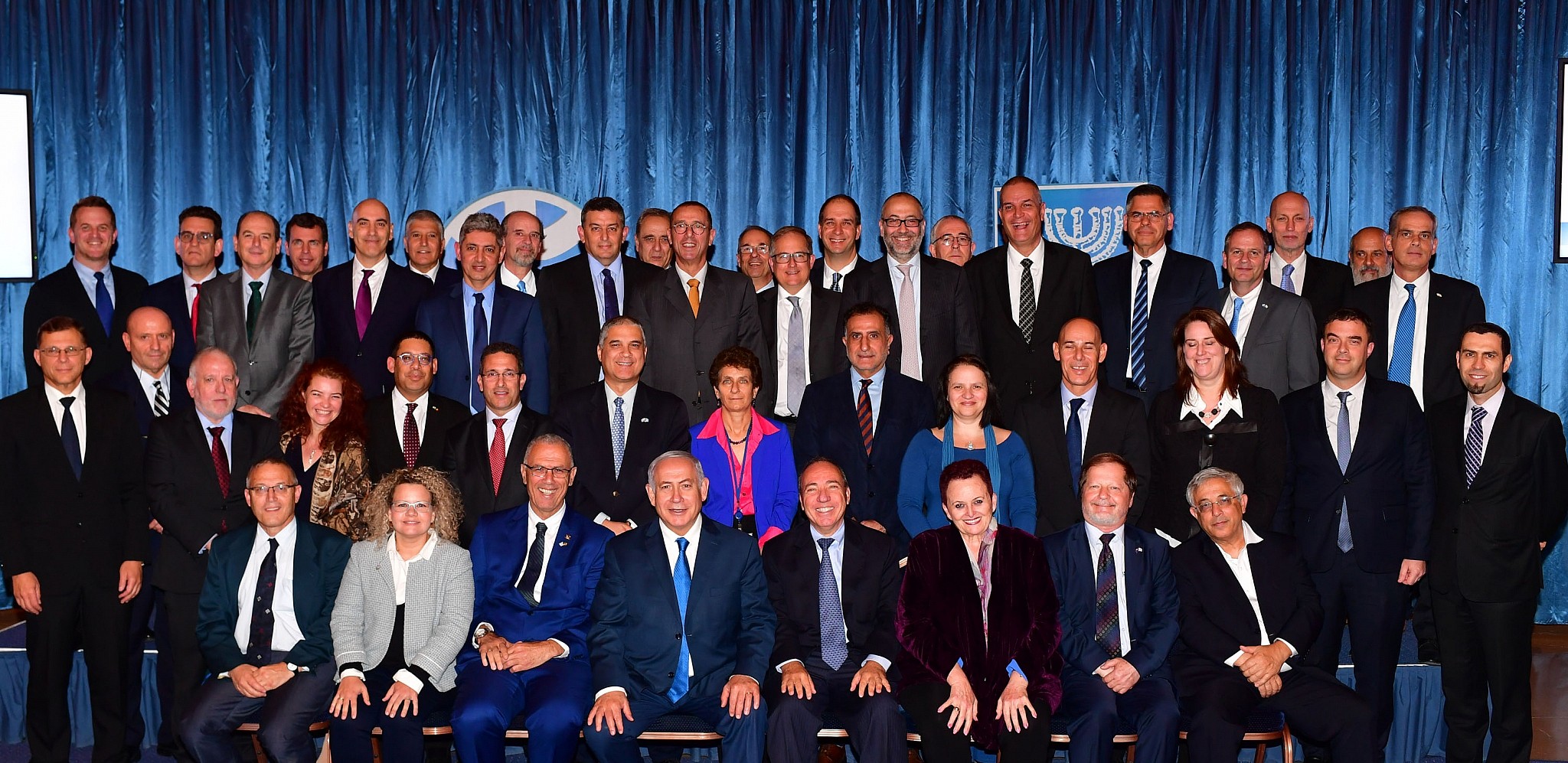
Prime Minister Benjamin Netanyahu with foreign diplomats, December 16, 2016 (Kobi Gideon / GPO)

Prime Minister Benjamin Netanyahu with foreign diplomats, December 16, 2016 (Kobi Gideon / GPO)

Prime Minister Benjamin Netanyahu told a group of diplomats on Sunday that Israeli agents continue to operate inside Iran as part of Israel’s efforts to thwart the nuclear ambitions of the Islamic republic.

“We are fighting all over the world in regards to Iran’s nuclear program,” he said at the Ministry of Foreign Affairs headquarters in Jerusalem.

“We also visit there periodically… to ‘catch up,’” Netanyahu added without giving specific details.

Netanyahu was a vocal opponent of the US-led nuclear deal between Iran and Western powers in 2015 that lifted painful economic sanctions against Iran in exchange for curbs on its nuclear program.

The Israeli leader has repeatedly argued that the Obama-era deal will not prevent Iran from acquiring nuclear weapons, after its restrictions expire in the next decade or so. US President Donald Trump, with whom Netanyahu is closely allied, withdrew from the accord in May and reimposed sanctions.

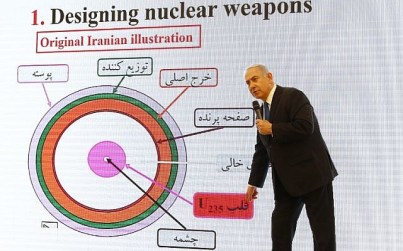
Prime Minister Benjamin Netanyahu gives a speech on files obtained by Israel, which he says prove Iran lied about its nuclear program, at the Defense Ministry in Tel Aviv, on April 30, 2018. (AFP Photo/Jack Guez)

Israel has admitted to covert operations inside Iran to thwart its nuclear program and undermine the agreement.

In April, Israel announced it had smuggled out of Iran more than 100,000 documents from a Tehran archive detailing the country’s nuclear program.

Netanyahu said at the time that the cache proved the Iranian leaders covered up their nuclear weapons program before signing the nuclear agreement. Iran has not acknowledged the alleged seizure.

In September, Netanyahu in his address at the UN General Assembly revealed what he said was a “secret atomic warehouse” outside Tehran, which contained nuclear materials that Iran was not allowed to posses without declaring them to the International Atomic Energy Agency (IAEA).

Both the archive and warehouse, he said in his UN speech, were proof that Iran had not given up its nuclear program.

He accused the IAEA of failing to investigate the cache of documents smuggled out of Iran by Israeli agents, and said he revealed the existence of the Tehran warehouse in an effort to goad the UN’s nuclear watchdog into taking action.

Photographs from the Iranian nuclear weapons archive, showcased by Israeli officials, of a metal chamber that Israeli officials said was housed at the Parchin military site and was built to conduct experiments as part of the Iranians’ rogue nuclear weapons program (Israeli government)

Last month, the Axios news site reported that the Trump administration promised Netanyahu that it would lean on the IAEA to examine the Israeli findings.

US Special Envoy Brian Hook told Israeli officials during a visit in November that the UN agency was “dragging its feet” in its investigation, and vowed that US officials would “work aggressively to make sure the IAEA seriously addresses all information provided by Israel, the US, and other countries regarding the Iranian nuclear program.”

Arab Ties

Netanyahu also addressed Israel’s burgeoning ties with the Arab world that have been largely driven by common fears over Iran.

“I won’t suspend efforts to reach peace with the Arab world until the Palestinians make peace with us. I won’t do it,” he says, describing a process of “normalization” with the region.

“We are going to the [Arab world] and are not subject to the whims of the Palestinians,” he says, repeating hopes that ties with the Arab world will open up new opportunities to reach a deal with the Palestinians.

The Arabs had in the past conditioned any normalization on Israel first reaching a peace deal with the Palestinians.

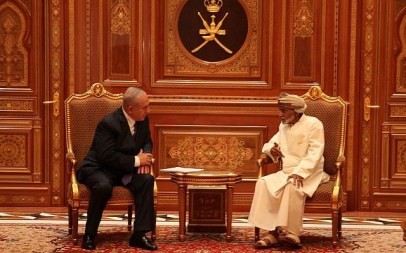
Netanyahu visited Oman last month and there has been increasing speculation of a breakthrough with Saudi Arabia, amid ongoing behind the scenes cooperation.

Prime Minister Benjamin Netanyahu (L) talks with Sultan Qaboos bin Said in Oman on October 26, 2018 (Courtesy)

He also said Israeli bilateral trade with Turkey is on the rise, despite diplomatic tensions between the two former allies.


Erekat on final meeting with Kushner: He shouted, warned ‘Don’t threaten me’ 

Posted December 17, 2018 by Joseph Wouk
Categories: Uncategorized

Source: Erekat on final meeting with Kushner: He shouted, warned ‘Don’t threaten me’ | The Times of Israel

PA official describes angry conversation as Trump’s special adviser informed him US would recognize Jerusalem, move embassy

Senior Adviser to the President of the United States Jared Kushner, is pictured before being decorated with the Mexican Order of the Aztec Eagle by Mexico's President Enrique Pena Nieto in Buenos Aires, on November 30, 2018, in the sidelines of the G20 Leaders' Summit. (SAUL LOEB / AFP)

Senior Adviser to the President of the United States Jared Kushner, is pictured before being decorated with the Mexican Order of the Aztec Eagle by Mexico’s President Enrique Pena Nieto in Buenos Aires, on November 30, 2018, in the sidelines of the G20 Leaders’ Summit. (SAUL LOEB / AFP)

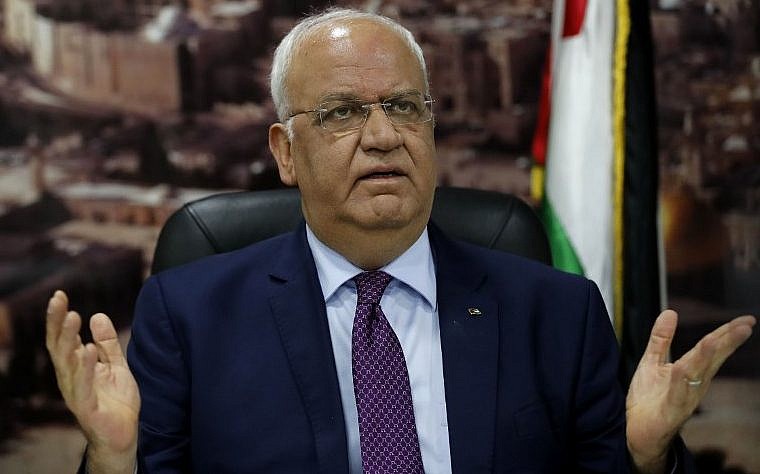
Top Palestinian Authority official Saeb Erekat has described his combative last meeting with US President Donald Trump’s son-in-law and adviser Jared Kushner, before Washington announced it was recognizing Jerusalem as Israel’s capital in December of last year.

On November 30, 2017, less than a week before Trump announced he was recognizing Jerusalem and relocating the US embassy there — a move that led the PA to sever its ties with the administration — Kushner met with Erekat at the White House, Erekat told the Doha Forum on international policy in Qatar on Sunday, in comments provided by Buzzfeed.

Erekat said that during the meeting he reminded Kushner that Trump was due to sign a presidential waiver delaying the move of the embassy from Tel Aviv to Jerusalem, which had been decided on by the US Congress in 1995.

Kushner, he said, then told him: “We’re not going to sign.”

“I said, ‘what do you mean we’re not going to sign? The president promised us in the White House that he would not take any step that may preempt or pre-judge Jerusalem, not before negotiations,’” Erekat recalled.

Saeb Erekat speaks to journalists in the West Bank city of Ramallah, on September 1, 2018. (AFP/Ahmad Gharabli)

Kushner, who is married to Trump’s daughter Ivanka, responded, “It’s our business and we will conduct our policies according to our interests,” Erekat said.

Erekat then declared that if the embassy move went ahead, the US would have “disqualified” itself from any role in the peace process.

Kushner responded: “Don’t threaten me,” to which Erekat retorted: “Read my lips. You will have disqualified yourself from any role in the peace process.”

“You don’t know the changes that are happening around you in the Arab world,” Kushner reportedly said.

“The best thing for me is to be a student, so teach me,” Erekat answered. Kushner allegedly shouted back: “Don’t be sarcastic!”

Erekat told the forum he then tried to explain his point of view and warn of the potential dire consequences to moving the embassy.

“Do you think Arab countries will open embassies in Tel Aviv and accept Jerusalem, with the Al-Aqsa Mosque, as Israel’s capital?” he recounted telling Kushner. “To them Jerusalem is a red line — all of them! Saudis, Qataris, Egyptians, Jordanians, Bahrainis. So what are you talking about?”

Kushner wouldn’t explain. “This is our business, our policies,” he reportedly said.

“If you do this, you will bring Israelis and Palestinians to brink of disaster,” Erekat said he warned Kushner.

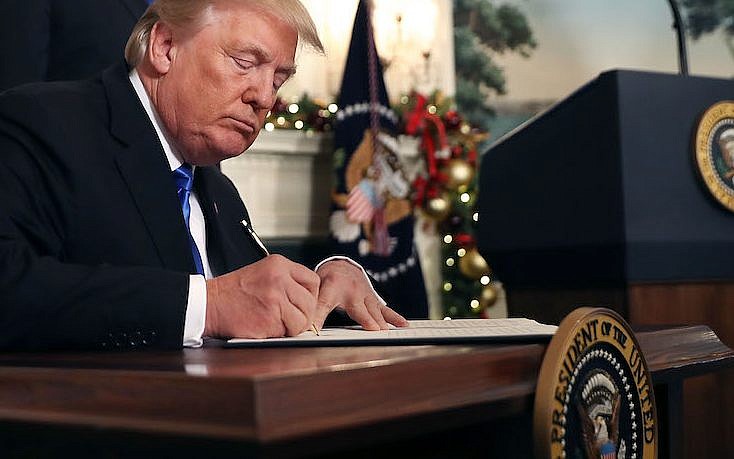
US President Donald Trump signing a proclamation that the US government will formally recognize Jerusalem as the capital of Israel, at the White House in Washington, DC, December 6, 2017. (Chip Somodevilla/Getty Images via JTA)

On December 7, 2017, Trump announced that he was recognizing Jerusalem as Israel’s capital and that he had instructed the State Department to begin preparation to relocate the US embassy there. The Palestinian Authority has boycotted Washington ever since and on May 14 the new embassy opened in the Arnona neighborhood of Jerusalem.

In a twist of bureaucratic red tape, hours after his December declaration, Trump did in fact sign the waiver and then signed it again in June 2018.

Trump’s move was necessitated by the fact that the ambassador’s official residence has not yet been relocated to the capital.

The US decision led relations with the PA to spiral downwards. In light of Ramallah’s severing of ties, Washington has cut all aid to the Palestinians this year with the exception of some $42 million it gives them for ongoing security cooperation efforts. It also closed the Palestine Liberation Organization’s mission in Washington DC.

The Trump administration’s plan for Israeli-Palestinian peace is expected to be rolled out in the coming months. Although the Trump administration has been long touting its peace plan, details of it have been scant, and the Palestinians have vowed not to cooperate with US efforts.


With guns out, Israeli, Lebanese soldiers squabble at border 

Posted December 17, 2018 by Joseph Wouk
Categories: Uncategorized

Source: With guns out, Israeli, Lebanese soldiers squabble at border | The Times of Israel

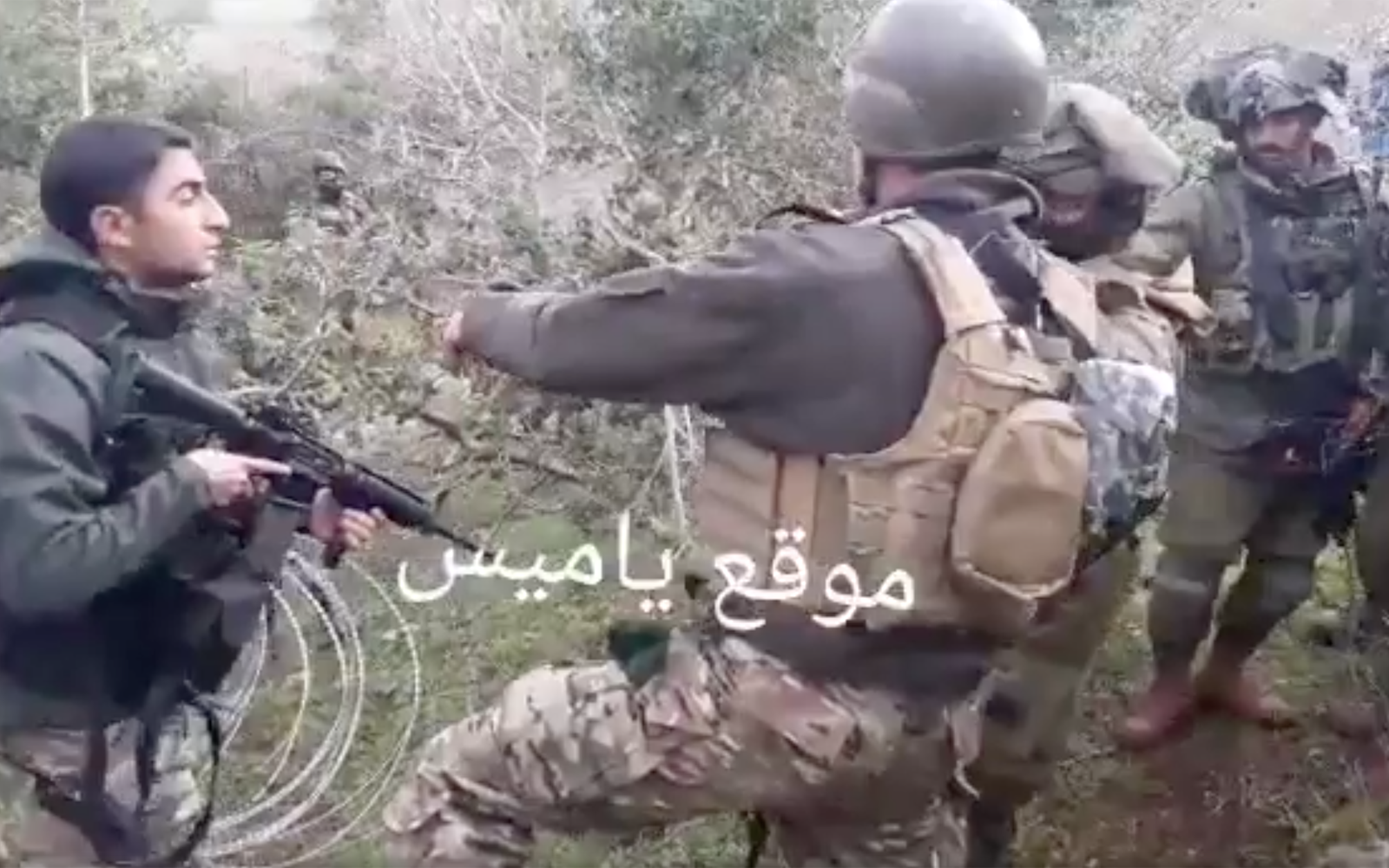
In morning incident, Lebanon disputes Israel’s placement of concertina wire along Blue Line separating the two countries; UN troops on site keep peace

Israeli, Lebanese troops argue after Israel places concertina wire near border between two countries on December 17, 2018. (Screen capture/Twitter)

Israeli, Lebanese troops argue after Israel places concertina wire near border between two countries on December 17, 2018. (Screen capture/Twitter)

Rifles drawn, Israeli and Lebanese troops verbally sparred over Israel’s placement of concertina wire along the border line separating the two countries Monday morning, as part of an ongoing IDF effort to find and destroy cross-border attack tunnels.

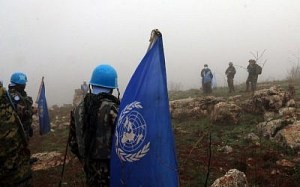
United Nations peacekeepers were at the scene, working to prevent conflict between the two sides.

On December 4, the Israel Defense Forces launched Operation Northern Shield, an effort to find attack tunnels dug into Israeli from southern Lebanon by the Hezbollah terror group. So far, the Israeli military has said it’s uncovered four such tunnels but knows of the existence of several more.

The operation has raised prospects of a possible fresh conflict on the volatile border, though Lebanon has downplayed chances of war so long as Israeli troops do not cross the border. UN peacekeepers have also stepped up patrols to ensure the frontier remains calm.

Embedded video

علي شعيب 🇱🇧@ali_shoeib1

هكذا منع الجيش اللبناني جنود العدو من وضع أسلاك شائكة على الخط الأزرق في ميس الجبل بغياب فريق جغرافي لبناني

The IDF said Monday it placed rolls of concertina wire on the Israeli side of the Blue Line, the armistice line that acts as a de facto border between the two countries. The army said it had coordinated its activities with the UN Interim Force in Lebanon, known by its acronym UNIFIL.

The Lebanese military, however, objected to the concertina wire’s placement and approached the area in an apparent effort to remove it.

Video from the scene showed Lebanese soldiers arguing with unarmed UNIFIL officials and Israeli troops about the exact location of the border.

“You told us it was behind the tree,” one of the Lebanese soldiers is heard saying.

The IDF said the altercation never escalated to violence. Both sides eventually left the area.

UNIFIL did not immediately respond for comment.

This weekend, the Israeli military uncovered a fourth cross-border attack tunnel that it says the Hezbollah terror group dug into Israel from southern Lebanon.

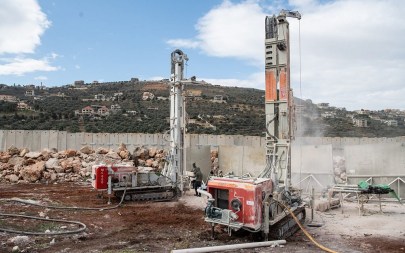
The Israeli military drills into the soil south of the Lebanese border in an effort to locate and destroy Hezbollah attack tunnels that it says entered Israeli territory, on December 5, 2018. (Israel Defense Forces)

The IDF refused to specify where the tunnel was found, but said the “relevant local governments” were notified of its location. “The tunnel is under IDF control and does not present a threat,” the army said in a statement.

The IDF filled the tunnel with explosives — as it did with the three other tunnels it exposed in recent weeks — in order to ensure that it could not be used to carry out an attack.

“Whoever enters it from the Lebanese side forfeits his life,” the army said in a statement.

The military said it believes the tunnels were meant to be used by the Iran-backed terror group as a surprise component of an opening salvo in a future war, to allow dozens or hundreds of terrorists into Israel, alongside a mass infiltration of operatives above-ground and the launching of rockets, missiles, and mortar shells at northern Israel.

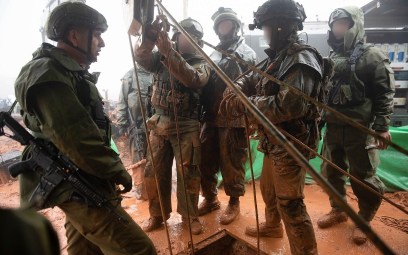
Israeli troops search for a Hezbollah border-crossing attack tunnel from southern Lebanon, along the northern border, on December 8, 2018. (Israel Defense Forces)

The specific number of tunnels that Israel believes were dug from Lebanon, as well as other information about the operation, cannot be published by order of the military censor.

According to the IDF, Operation Northern Shield is taking place close to Lebanese territory, sometimes on the north side of the border wall, albeit still inside Israeli territory.

An IDF incursion into Lebanon could spark a major confrontation with Hezbollah, which bills itself as a defender of Lebanon against Israeli aggression.

A picture taken from the southern Lebanese village of Meiss al-Jabal on December 9, 2018, shows Israeli and United Nations Interim Forces in Lebanon (UNIFIL) soldiers gathered on the Israeli side of the border between the two countries (Ali DIA / AFP)

Israeli officials have indicated that the IDF may operate within Lebanese territory, if necessary, to destroy the tunnels. Lebanese President Michel Aoun, a Hezbollah ally, said Tuesday that the United States assured him that Israel has “no aggressive intentions” with its Operation Northern Shield.

The first and second tunnels were found outside the town of Metulla, near the Lebanese border. The military has refused to reveal the locations of the subsequent tunnels it found, and the military has censored much of the information surrounding the operation, citing national security.

Israel maintains that the tunnels represent a “serious violation of Resolution 1701 and the State of Israel’s sovereignty.”

UN Resolution 1701 ended the 2006 Second Lebanon War and required all armed groups besides the Lebanese military to remain north of the country’s Litani River.


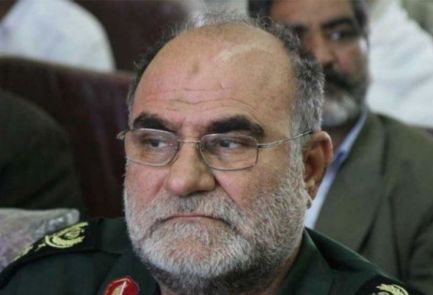
Report: Iranian general fatally shoots himself in gun cleaning accident

Posted December 17, 2018 by Joseph Wouk
Categories: Uncategorized

Source: Report: Iranian general fatally shoots himself in gun cleaning accident – Israel Hayom


Off Topic: PM’s son Yair Netanyahu temporarily banned from Facebook

Posted December 17, 2018 by Joseph Wouk
Categories: Uncategorized

Source: PM’s son Yair Netanyahu temporarily banned from Facebook – Israel Hayom