Trump said on Monday: “It (Iran) has a chance to be a great country with the same leadership… We aren’t looking for regime change – I just want to make that clear.”
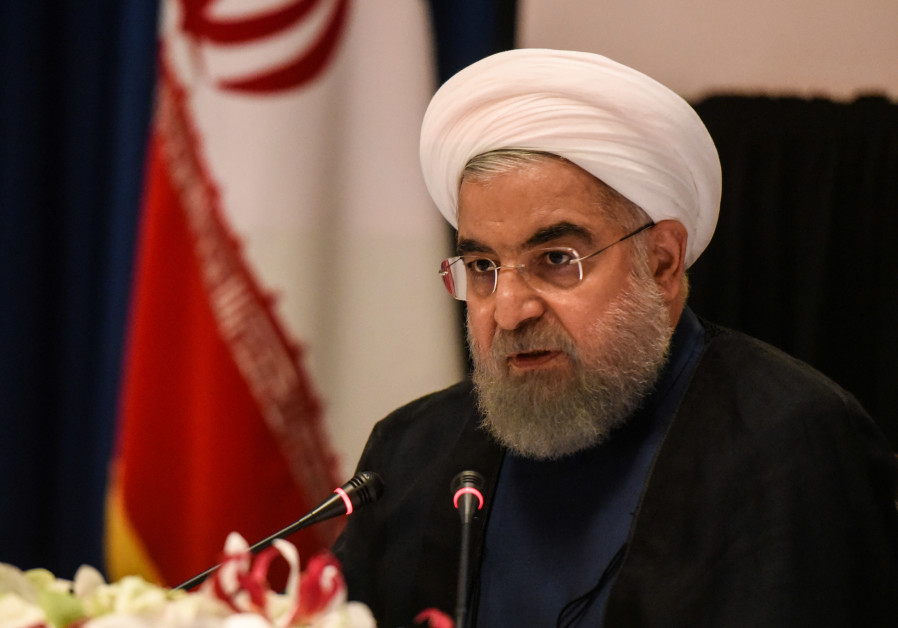
DUBAI – President Hassan Rouhani on Saturday suggested Iran may be willing to hold talks if the United States showed it respect, but said Tehran would not be pressured into negotiations, the semi-official Fars news agency reported.
Iran and the United States have been drawn into starker confrontation in the past month, a year after Washington pulled out of a deal between Iran and global powers to curb Tehran’s nuclear program in return for lifting international sanctions.
U.S. President Donald Trump says the 2015 nuclear deal was not strong enough and he wants to force Iran to negotiate a new agreement. Some U.S. officials have spoken of the possibility of new talks.
Trump said on Monday: “It (Iran) has a chance to be a great country with the same leadership… We aren’t looking for regime change – I just want to make that clear.”
Fars news agency quoted Rouhani as saying: “We are for logic and talks if (the other side) sits respectfully at the negotiating table and follows international regulations, not if it issues an order to negotiate.”
Iran’s top authority, Supreme Leader Ayatollah Ali Khamenei, said on Wednesday Iran would not negotiate with Washington. Rouhani had previously signaled talks might be possible if sanctions were lifted.
In Saturday’s speech to a group of Iranian athletes, Rouhani noted Trump’s recent remarks and suggested they were a climb-down from statements last year that encouraged regime change in Iran.
“The same enemy which declared its aim last year to destroy the Islamic Republic of Iran today explicitly states that it does not want to do anything to (our) system,” Rouhani said. “If we remain hopeful in the war with America, we will win.”
Hezbollah Secretary-General delivered speech on International Jerusalem Day, referring to the American administration’s plan “I have hope that we will be able to prevent the historic crime.”
Hezbollah leader Hassan Nasrallah said in a speech on the occasion of al-Quds Day that “in the past 40 years, the enemies of Jerusalem have been betting that they we will ignore it or forget it, but year after year we find that people still express great interest.”
“We have seen large demonstrations in several countries around the world and the demonstration of one million in Iran,” he said, adding that the biggest demonstration in Iran was “A message to [US President Donald] Trump and to those who assumed that the Iranians were tired or failed.”
He further stressed that “the responsibility is clear: We must confront this deal, and we are capable of obstructing it.”
According to Nasrallah, the current situation shows that the plan is on its way to failure.
“The United States, Israel and other regimes in the region are working to implement the deal, alongside an axis that opposes it,” he said. “There is a conflict between the two factions, and I hope we can prevent the historic crime that is liable to occur in our land.”
Hezbollah’s leader said that some of the regimes are working to make Israel the main axis in the region, along with an attempt to end the Palestinian and Jerusalem issues.
“Since 2011, there has been an American attempt to eliminate the Palestinian issue after giving the Palestinians a little time, but after the victory of the resistance in Lebanon and Palestine, they prepared their project to liquidate the resistance factions,” Nasrallah explained. “After 2011, the US and any country involved in the ‘Arab Spring’ got the fruit of the frenzy called Trump’s ‘Deal of the Century.’”
Nasrallah added that “The Palestinian resistance today is hitting Tel Aviv and what is beyond it, and it is capable of hitting all the Zionist settlements.”
He also related to Syria, saying, “They crossed what was planned against it and remained in the axis of resistance. Syria will become stronger when all the American attempts to take over Iraq militarily fail.”
In addition, Nasrallah mentioned the Arab summit currently underway in Mecca: “The background to the call to Muslims to reach the summits is to save the Saudi regime as a result of the development of the Yemenite axis after the rising power [Houthis, supported by Iran], and the regime is trying with the help of mercenaries to force the Yemenites to surrender. All these summits prove that the Yemenite people and the opponents of the Saudis won. Trump knows that if war breaks out – the price of a barrel of oil could rise to $200-300.”
Meanwhile, the deputy commander of Iran’s Revolutionary Guards boasted that if Iran had supported the Houthis in Yemen, they would have taken over Riyadh.
Source: Israel, US to tell Russia to curb Iran in Syria for Assad recognition — report | The Times of Israel
Arabic newspaper quotes western diplomats on offer to recognize Syrian president to be proposed at upcoming meeting in Jerusalem of US, Israeli, Russian national security advisers
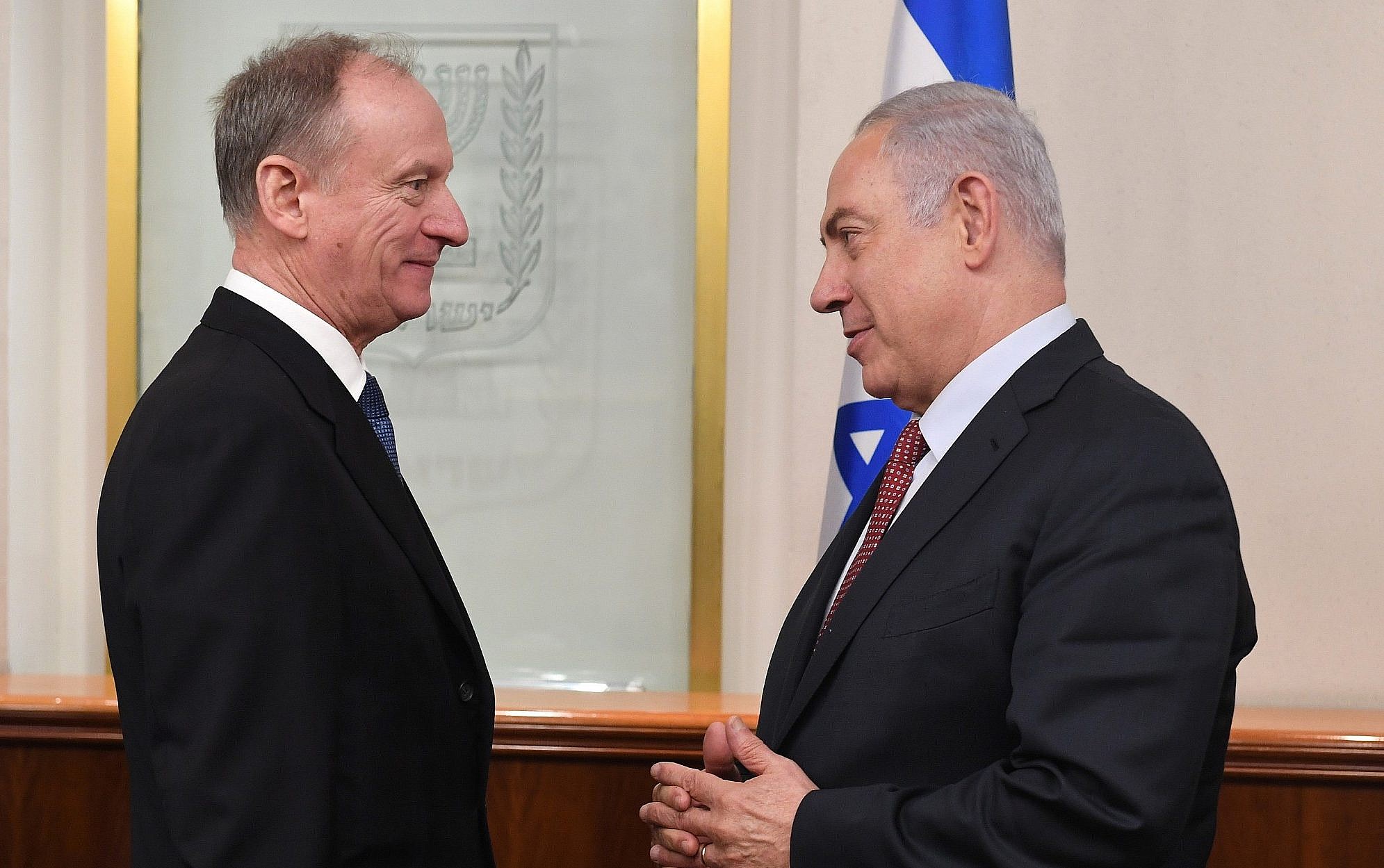
Israel and the US will offer incentives to Russia later this month in a bid to curb Iran’s influence in Syria, which could include recognizing Syrian leader Bashar Assad, a London-based Arabic newspaper reported Sunday.
The incentives will be raised at an unprecedented trilateral meeting of national security advisers scheduled for later this month in Jerusalem, according to a report in Asharq al-Awsat that quoted western diplomats and was cited by Israel’s Kan public broadcaster. The report did not clarify what the other proposals could be.
US National Security Adviser John Bolton, Israeli National Security Adviser Meir Ben-Shabbat and Russian Secretary of the Security Council Nikolai Patrushev will meet in Jerusalem later this month, according to an announcement made by the White House on Wednesday, just minutes before the Knesset voted to disband and to set new elections for September 17.
The rare tripartite meeting is expected to deal mostly with Syria, specifically Iran’s efforts to entrench itself militarily near Israel’s borders, and the planned withdrawal of US troops from the war-torn country.
Moscow is a close ally of Tehran and Damascus, while Jerusalem and Washington are the Islamic Republic’s arch-enemies.

Ben-Shabbat met Bolton last month in Washington, mainly to discuss Iran and “other destabilizing actors,” a senior US administration official said at the time.
Bolton and Ben-Shabbat reiterated their “shared commitment to countering Iranian malign activity & other destabilizing actors in the Middle East and around the world,” the US national security adviser tweeted.
Ben-Shabbat last met with Patrushev in September 2018 in Moscow to discuss “regional issues in the Middle East, including the situation in Syria,” according to a readout provided by the Prime Minister’s Office. “National Security Adviser Ben-Shabbat emphasized that Israel insists that Iranian forces must leave all of Syria,” the readout said.
Toward the start of the Syrian civil war, the Israeli military established a number of “red lines” that if violated would result in a retaliatory strike, including any attacks — intentional or otherwise — against Israel.
They also included Iranian efforts to establish a permanent military presence in Syria and attempts to transfer advanced munitions to the Lebanon-based Hezbollah terrorist group.
In recent years, Israel has acknowledged conducting hundreds of airstrikes in Syria in response to these “red line” violations.
Early Sunday morning, the Israel Defense Forces attacked several military targets in Syria in response to two rockets that were fired from the country at the Golan Heights on Saturday night.
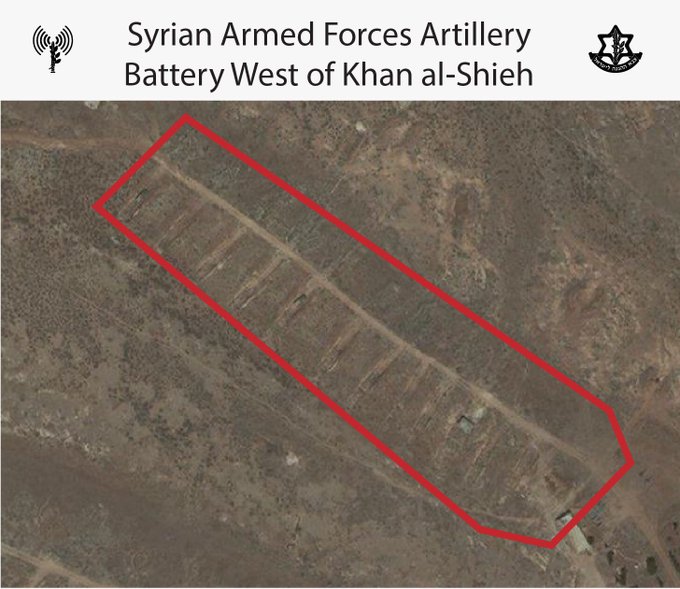
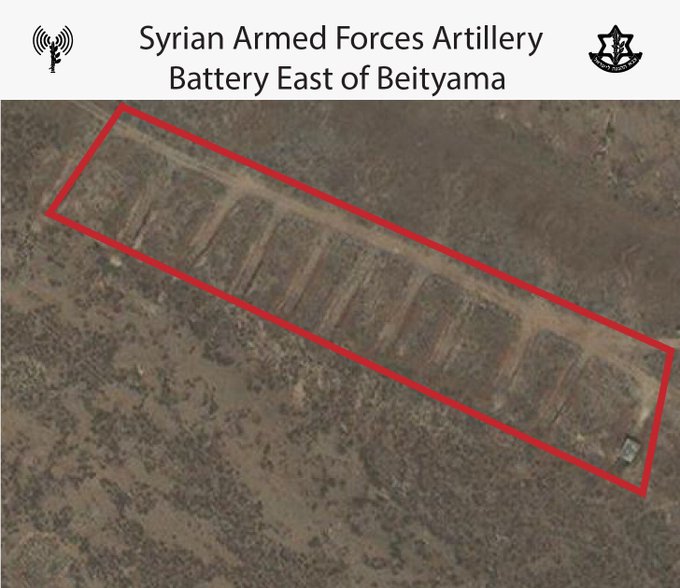
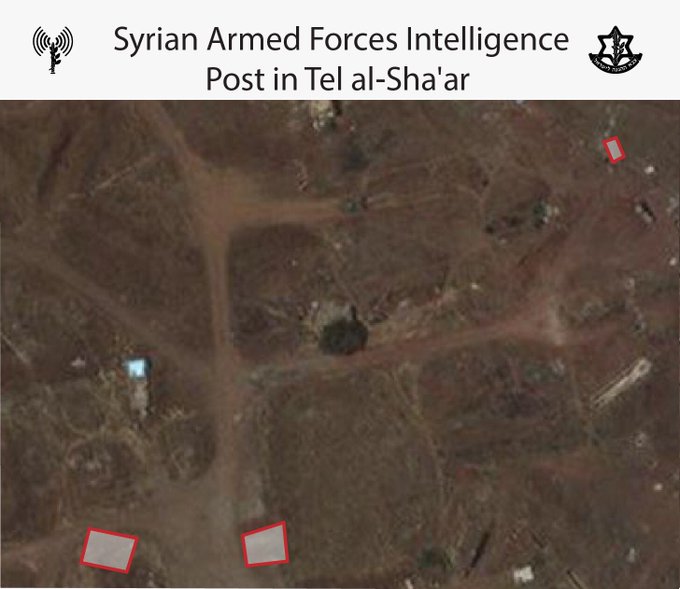
Helicopters and planes attacked several targets connected to the Syrian army, including two artillery batteries, several observation and intelligence outposts, and an SA-2 type air defense unit, the IDF said in a statement.
Syrian media reported that Israel also struck several targets connected to Iran and is proxy militias in Syria, in the area of al-Kiswah, south of Damascus. These strikes reportedly targeted weapons caches and a military training facility.
The Israeli army refrained from specifying whom it believes fired the two rockets at the Golan Heights — one of which landed inside Israeli territory, the other in Syria — but said it “sees the Syrian regime as responsible for all attacks against Israel from Syrian territory.”
Source: IDF strikes Syria, killing 3, after rockets fired at Golan Heights | The Times of Israel
Airstrikes target Syrian military positions, including anti-aircraft battery, after 2 rockets fired on Saturday; PM: Israel will not tolerate fire into its territory
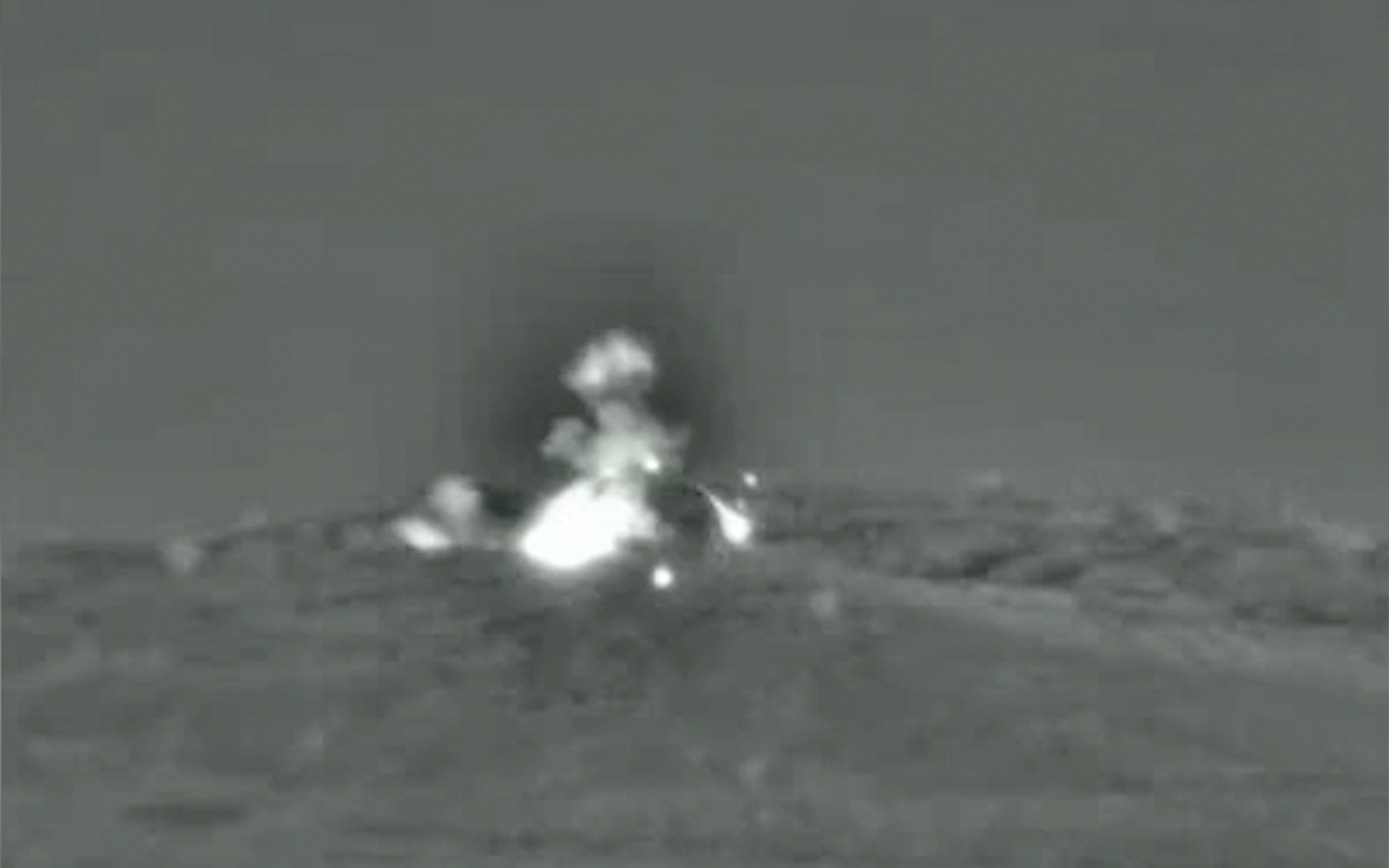
The Israel Defense Forces attacked several military targets in Syria in the predawn hours of Sunday morning in response to two rockets that were fired from the country at the Golan Heights on Saturday night.
Beginning at 4:10 a.m., Israel Defense Forces helicopters and planes attacked several targets connected to the Syrian army, including two artillery batteries, several observation and intelligence outposts, and an SA-2 type air defense unit, the IDF said in a statement.
Syrian media reported that Israel also struck several targets connected to Iran and is proxy militias in Syria, in the area of al-Kiswah, south of Damascus. These strikes reportedly targeted weapons caches and a military training facility.
The Israeli army refrained from specifying whom it believes fired the two rockets at the Golan Heights — one of which landed inside Israeli territory, the other in Syria — but said it “sees the Syrian regime as responsible for all attacks against Israel from Syrian territory.”
The observation and intelligence targets bombed by Israel were located near the border with the Golan Heights, while the artillery and anti-aircraft batteries were south and south-west of Damascus, the IDF said.
During the exchange, Israeli air defense systems fired in response to Syrian anti-aircraft fire, but no projectiles were believed to have landed inside Israel.
Prime Minister Benjamin Netanyahu said Sunday morning that Israel will continue to respond to any attacks on its territory.
“We are not prepared to tolerate firing into our territory and we react with great force against any aggression against us,” the prime minister, who also serves as defense minister, said in a statement. “This is a consistent policy that I lead and so we will continue to do for the sake of Israel’s security.”
Syria’s official SANA news agency said that three Syrian soldiers had been killed and seven injured in the attack, and claimed that Syrian air defenses intercepted missiles coming from the Golan Heights. The attack also caused material damage, the report said.
 Israel Defense Forces
✔@IDF
Last night, 2 rockets were launched from Syria to Israel, 1 landing within Israeli territory. In response, we struck a number of Syrian Armed Forces military targets.
Israel Defense Forces✔@IDF
The Syrian Armed Forces targets we struck included:
2 artillery batteries
We hold the Syrian regime accountable and will firmly operate against any attempt to harm Israeli civilians. pic.twitter.com/XtDTqz7Btc
The incoming rockets did not trigger alert sirens. These alarms are typically only activated in cases where a projectile is heading toward a populated area, rather than an open field.
The launches came less than a week after a limited clash between Israel and Syria.
On Monday, a Syrian anti-aircraft battery fired at an Israeli fighter jet that was flying within Israeli airspace. Shortly afterward, in response, the IDF attacked the battery and destroyed it, reportedly killing a Syrian officer and soldier. A military vehicle was also said damaged in the attack.
Saturday night’s rockets appeared to be a relatively long range variety, reportedly fired from the Damascus area, some 35 kilometers (22 miles) away, similar to an attack earlier this year aimed at the Hermon.
The Hermon is located in the northern tip of Israel’s Golan Heights. In addition to a popular ski resort, the area is also home to a number of military installations.
In January, Iranian troops in Syria fired a medium-range, Iranian-made missile at Mount Hermon in what the IDF said at the time was a “premeditated” attack aimed at deterring Israel from conducting airstrikes against the Islamic republic’s troops and proxies in Syria.
The incoming projectile was shot down by Israel’s Iron Dome air defense system.
Last Saturday, Syria said its air defenses shot down a number of missiles fired from Israel, a day after making a similar claim.
Toward the start of the Syrian civil war, the Israeli military established a number of “red lines” that if violated would result in a retaliatory strike, including any attacks — intentional or otherwise — against Israel.
They also included Iranian efforts to establish a permanent military presence in Syria and attempts to transfer advanced munitions to the Lebanon-based Hezbollah terrorist group.
In recent years, Israel has acknowledged conducting hundreds of airstrikes in Syria in response to these “red line” violations.
Source: Israel attacks Iranian-Hizballah concentrations – report – DEBKAfile

Israel reportedly struck Iranian-Hizballah concentrations near Damascus overnight after two rockets from Syria were aimed at IDF Mt. Hermon positions overlooking the Golan Saturday night, June 1. No injuries were caused by the Syrian rockets.
Since there is no current fighting in the area of the Syrian launching site – some 35km east of Mt. Hermon – the attack was believed deliberately aimed at an Israeli military target rather than errant fire. This followed another incident in the past week, when Syrian anti-air artillery fire targeted an Israel fighter jet which was on a routine patrol over northern Israel. Israel retaliated by striking the launch site. Syria reported one soldier killed and a second injured.
Source: Hezbollah chief: Israel will ‘pay the price’ if US goes to war with Iran | The Times of Israel
Hassan Nasrallah says all American forces and interests in Middle East will be annihilated if conflict breaks out, calls Trump peace plan ‘a historic crime’
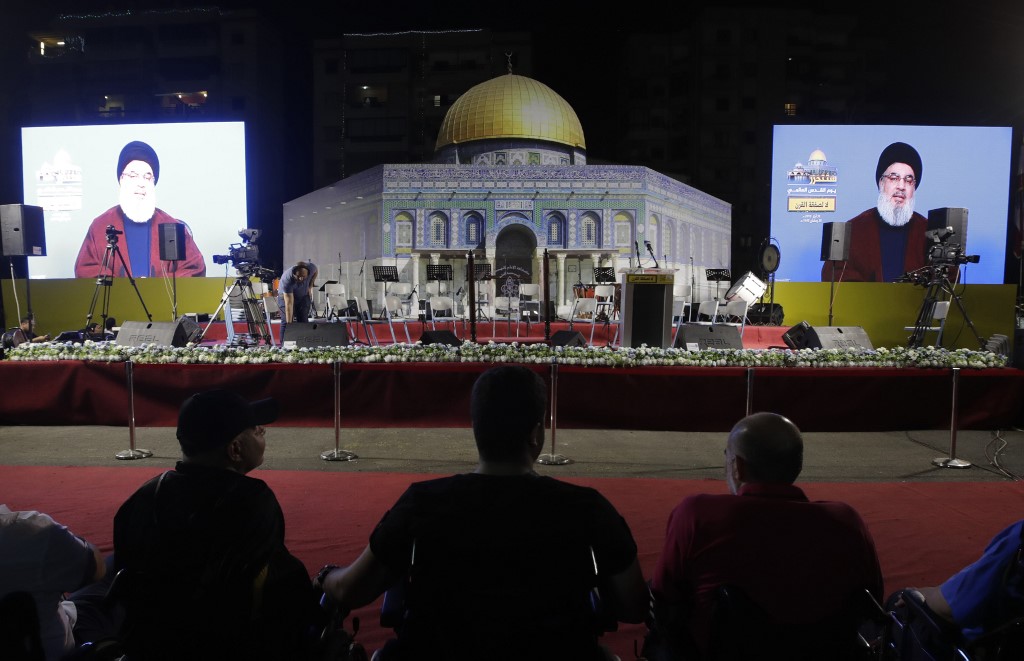
BEIRUT, Lebanon — The head of Hezbollah warned on Friday that if the US went to war with Iran the whole Middle East would “erupt,” and Israel and Saudi Arabia would suffer.
“All American forces and interests in the region will be annihilated, and Israel and Saudi Arabia will pay the price,” Hassan Nasrallah said.
US President Donald Trump, “his administration, and his intelligence know well that any war on Iran will not remain confined to Iran’s borders,” the head of the Iran-backed terrorist group said in a televised speech. “Any war on Iran will mean the whole region will erupt.”
Nasrallah warned that Hezbollah was a force to reckon with, and said that Israel was vulnerable.
“We have precision missiles in Lebanon, and enough to be able to change the face of the region,” he said.
“Israel is strong but is now at its weakest point. The Zionist entity is afraid of missiles from Gaza, Lebanon, Syria, Iran and Iraq,” he said. “They’re suffering from ruptures in all areas and lacking in leadership.”
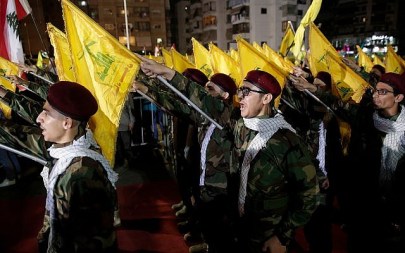
Nasrallah on Friday also slammed a proposed US peace deal to end the Israeli-Palestinian conflict that Trump has dubbed “the deal of the century.”
“It’s a void deal… a historic crime,” he said of the plan, which has already been rejected by the Palestinians.
“This deal is a loss of Palestinian, Arab, and Islamic rights,” Nasrallah said.
Hezbollah is listed as a terrorist group by the United States.
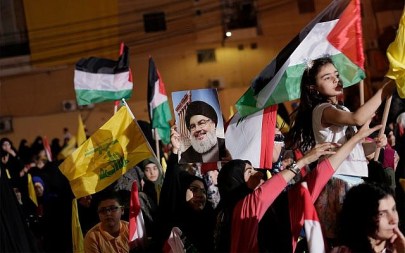
Thousands of Iranians joined annual rallies in support of the Palestinians on Friday, also rejecting the US peace plan.
Trump’s son-in-law Jared Kushner has been drafting the long-awaited peace plan, the economic aspects of which are to be presented at a conference in Bahrain next month.
The United Nations earlier on Friday said it would not be taking part in that meeting on June 25 and 26 in Manama.
In December 2017, Trump broke with decades of bipartisan policy to recognize Jerusalem as Israel’s capital in a move that prompted the Palestinians to cut all contacts with his administration.
Israel insists the whole of Jerusalem is its “eternal, indivisible capital.” The Palestinians demand the city’s eastern sector as the capital of their long promised state.
Source: Zionism a key part of Herman Wouk legacy | Commentaries | stljewishlight.com
Herman Wouk, the famed novelist who first became a household name for his 1951 Pulitzer Prize winning “The Caine Mutiny” died last week nearly 70 years after achieving fame. Besides his long career as a writer he was also a lifelong Zionist.
This fact of Wouk’s love affair with the State of Israel has been completely absent from the many articles celebrating his literary career and marking his passing, less than two weeks before what would have been his 104th birthday.
In this small space we will attempt to rectify that.
Perhaps no line in any of his books demonstrates his love of Israel more than this one from “This is My God”: “The first time I saw the lights of the (Israeli) airport in the dusk from the descending plane, I experienced a sense of awe that I do not expect to know again in this life.” Wouk, an Orthodox Jew, synthesized his love of Torah with his love of the reborn Jewish State.
And his view of Zionism is also clearly laid out in “This is My God”: “Zionism is a single long action of lifesaving, of snatching great masses of people out of the path of sure extinction.”
Forty years later in “The Will to Live On,” Wouk, interweaving Jewish history and shared stories of his personal interaction with David Ben-Gurion, Yitzhak Rabin, and other leading Israeli generals and politicians, showed that his love of Israel was clearly undiminished. “The resurgence of Jewry in the Holy Land is nothing but phenomenal,” he wrote.
Wouk had been a U.S. Naval officer during World War II and his love of the Israeli military and respect for its accomplishments was a large part of his two novels about Israel. Those books can be juxtaposed with his pair of famous World War II novels “The Winds of War” (1971) and “War and Remembrance” (1978). In his Israel novels the heroine Natalie Jastrow undergoes a long and tortured journey from American Jewish girl to Holocaust victim to Zionist.
Herman Wouk penned the introduction to the 1980 English version of “Self Portrait of a Hero: The Letters of Jonathan Netanyahu.” Yoni’s brothers, Benjamin and Iddo Netanyahu, put together the book. “My parents like his were Zionists,” writes Wouk. Later in the introduction he explains his connection to Israel. “Like most American Jews we believe in Israel and support it, buy Israel Bonds, make frequent trips there; I give speeches for Israeli causes and so forth,” and then relates how the book allowed him to better understand his own son’s desire to make his home in the modern Jewish State.
The Washington Post, The New York Times, The Jerusalem Post as well as wire services and other newspapers all managed to leave Zionism out of their summations of Wouk’s life. Whether deliberate or not, this missing piece of his life surely matters as one simply cannot understand Wouk without realizing the central place Zionism occupied in his life, no less than his love of Torah and his deep faith.
Wouk’s passion for the well-being of his fellow Jews and for Israel should serve as a reminder to American Jews of how the Greatest Generation also bore witness to the horrors of the Holocaust and the rebirth of Israel. Those who reflected on what they saw were forever changed. Wouk loved Israel and America and we should emulate that attachment to the Land of the Free as well as to the reborn Jewish State.
Moshe Phillips is national director of Herut North America’s U.S. division (online at herutna.org). Herut is an international movement for Zionist pride and education, dedicated to the ideals of pre-Word War II Zionist leader Ze’ev Jabotinsky.




 anneinpt
 artaxes
 danmillerinpanama
 davidking1530
 Peter Hofman
 Joseph Wouk
 Peter
Peter Louisiana Steve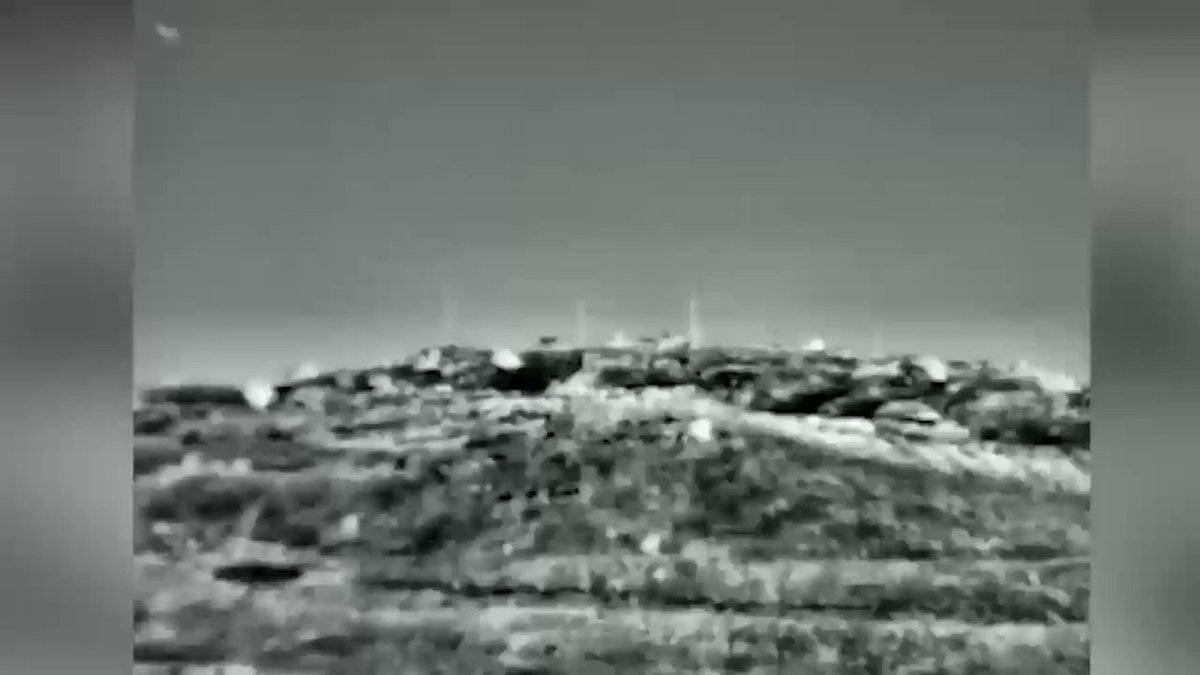

 WarSclerotic
Recent Comments