Source: EU plans new Iran push but may be nearing end of diplomatic road – www.israelhayom.com
Britain, France and Germany up efforts to keep 2015 nuclear deal alive despite Tehran’s threat to violate restrictions imposed on its stokepiles of enriched uranium. Diplomats say London, Paris and Berlin are weary of Iranian demands, warn that continued Iranian defiance may trigger snap UN sanctions.
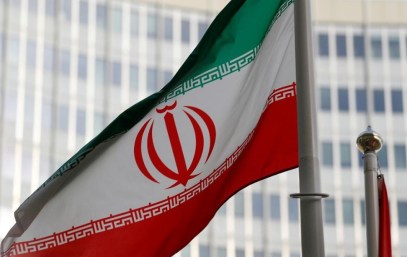
The Iranian flag flutters in front the International Atomic Energy Agency headquarters in Vienna, Austria | Photo: Reuters/Leonhard Foeger
The E3 countries have strained to keep the accord between major powers and Iran on life support since U.S. President Donald Trump unilaterally withdrew from it last year and began re-imposing American sanctions.
Where the Iranians’ initial response appeared to be to wait Trump out in hopes he would lose re-election in 2020, Trump’s surprise May decision to try to push Iran’s oil exports to zero has changed their calculus.
The result has been a series of attacks in the Gulf that the United States blames on Iran or its proxies, despite Tehran’s denials, as well as Iran’s threat on Monday to breach the 2015 deal’s limit on its uranium hexafluoride stocks within 10 days.
“If they do, it’s essentially game over for the EU,” a senior European Union diplomat said.
The attacks on six tankers in the region since the start of May, as well as two drone attacks on Saudi pumping stations, have increased fears of a US-Iranian conflict erupting by design or accident.
Diplomats said the E3, which began talking to Iran about curtailing its nuclear program in 2003, would intensify its diplomacy in the coming days, including with talks among the E3 and EU political directors in Brussels on Thursday.
The US State Department’s point man on Iran, Brian Hook, plans to meet the E3 political directors in Paris on June 27, the date by which Iran says it would breach the deal, two sources said.
The British, French and German foreign ministers could visit Tehran for talks about the deal, called the Joint Comprehensive Plan of Action (JCPOA), though that is just an option for now.
And three diplomats said the Joint Commission set up under the nuclear deal could meet within the two weeks. With the US withdrawal, those talks would bring together officials from Britain, China, France, Germany, Iran, Russia and the European Union.
Diplomats stressed the E3 are weary of Iranian demands that they sustain a pact that Washington violated and said if Tehran followed suit they would have little choice but to acquiesce in the reimposition of UN sanctions.
“We need to bring them back from the brink, but let me be clear: Our margin of tolerance on the nuclear issue is zero,” said a second senior European diplomat, calling for Russia and China to get more involved.
Iran said on Monday it would breach 2015 deal’s 300 kilograms (660-pound) limit on its stock of uranium hexafluoride within 10 days, which the White House called “nuclear blackmail.”
After Tehran’s announcement, Washington said it would deploy about 1,000 more troops to the Middle East on top of a 1,500-troop increase announced following tanker attacks in May.
It remains unclear whether Iran would actually breach the deal because doing so would unite the Europeans and the Trump administration for the first time since Trump pulled out of it.
“Our assessment is that Iran still doesn’t want to leave the accord,” a Western intelligence source said.
An Iranian source says Tehran doubts the European nations can save the agreement.
“Almost everyone in the establishment believes that even if Europeans wanted to, they lack enough power to salvage the deal,” the Iranian source said.
If Iran violated the JCPOA, there are two ways the other parties could slow any move to reimpose U.N. sanctions on top of the US sanctions already restored.
First, senior European officials have said that they will do nothing until the International Atomic Energy Agency, the Vienna-based UN nuclear watchdog charged with monitoring Iranian compliance with the deal, renders its verdict.
The next quarterly IAEA report on Iran is likely to be out on Aug. 29 or 30. However, the IAEA could also call an emergency board meeting if Iran exceeded the 300-kilogram limit.
Some diplomats suggested the E3 may not wait for an IAEA verdict and could act on their own intelligence assessments.
A second way would be to use the Joint Commission mechanism under the deal for states to complain if the accord is being breached and ultimately for sanctions to be reimposed unless the UN Security Council votes to extend relief. That entire process could take as much as 65 days.
Gerard Araud, a nuclear negotiator who recently retired as France’s ambassador in Washington, made a plea for diplomacy.
“What we need in the current Iran/US tension is some diplomatic engineering,” he wrote on Twitter. “Sanctioning and waiting for the other side to surrender is a recipe for failure or disaster.”
Source: PM: Israel maintaining overt, covert ties with Arab leaders – www.israelhayom.com
Prime Minister Benjamin Netanyahu welcomes upcoming Bahrain workshop as “very important conference,” says Israel has “widespread relations with most Arab countries.” Israeli delegation to include Maj. Gen. (ret.) Yoav Mordechai.
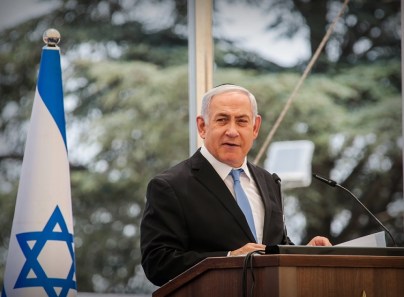
Prime Minister Benjamin Netanyahu | Photo: Oren Ben Hakoon
Prime Minister Benjamin Netanyahu on Tuesday welcomed the workshop on as an important initiative.
“A very important conference, which we welcome, will be held in Bahrain very soon – a US effort to bring about a better future and solve the region’s problems,” Netanyahu said. “Israelis will be present, of course.”
“Whether overtly or covertly, we are maintaining ties with many leaders in the Arab world and [we have] widespread relations with most Arab countries,” the prime minister added.
The Trump administration still has not revealed what the upcoming workshop in Manama will precisely entail, but according to reports, 14 finance ministers from across the globe will attend, five of them from Arab countries. Israel and the Palestinian Authority, as previously reported, will send non-governmental representatives.
The two-day workshop will include keynote speeches, while delegations will hear plans to improve the economic situation and quality of life for Palestinians in Judea and Samaria and Gaza.
Additionally, work teams will sit down together for discussions, including the Israeli team with its Arab counterparts.
The Israeli delegation will include Maj. Gen. (ret.) Yoav Mordechai, who has developed influential ties in the Arab world over the years.
Mordechai, who is fluent in Arabic, stepped down last year as head of the IDF’s Coordinator of Government Activities in the Territories unit and now heads Novard, an international consultancy firm.
Israel Radio said a hospital director and several social activists were also expected to participate.
Source: ‘Iranian missiles can hit aircraft carriers in Persian Gulf’ – www.israelhayom.com
As US Secretary of State Mike Pompeo stresses that the US is not seeking war with Iran, commander of the Revolutionary Guards tells Iranian state TV that “ballistic missile technology has changed the balance of power in the Middle East.”

An Iranian cleric looks at domestically built surface-to-surface missiles at a military show marking the 40th anniversary of Iran’s Islamic Revolution, Feb. 3, 2019 | Photo: AP Photo/Vahid Salemi
“Ballistic missile technology has improved and changed the balance of power in the Middle East,” Salami added.
Salami’s remarks come on the heels of a US announcement that it would be sending another 1,000 troops to the Middle East in response to the ongoing crisis with Iran.
On Tuesday, US Secretary of State Mike Pompeo visited US Central Command, the Tampa-based headquarters which oversees all military operations in the Middle East. Prior to his departure for Florida, the Pentagon released a series of images that showed, among other things, Iranian vessels dropping a mine under one of the oil tankers that was attacked in the Gulf of Oman on June 13.
Tehran continues to deny responsibility for the attacks.
In Tampa, Pompeo reiterated that the US was not seeking war with Iran, but said he was confident the US was taking the necessary steps to confront any challenge from Iran. He said the military is ready to respond to any attack by Iran on US interests or Iranian disruption of international shipping lanes through which much of the world’s oil supplies flow.
Pompeo said US President Donald Trump only wants to reestablish a deterrent to Iranian threats.
“President Trump does not want war, and we will continue to communicate that message, while doing the things that are necessary to protect American interests in the region,” he told reporters.
Pompeo said he made the trip to meet with commanders who would be responsible for any operations in the Gulf to ensure that America’s diplomatic and military efforts are coordinated “to make sure that we’re in the position to do the right thing.”
The “right thing,” he said, “is to continue to work to convince the Islamic Republic of Iran that we are serious and to deter them from further aggression in the region.”
Source: Netanyahu warns: The IDF has immense destructive power, don’t test us | The Times of Israel
PM and IDF chief visit large military exercise in northern Israel amid growing tensions with Iran and its proxy Hezbollah
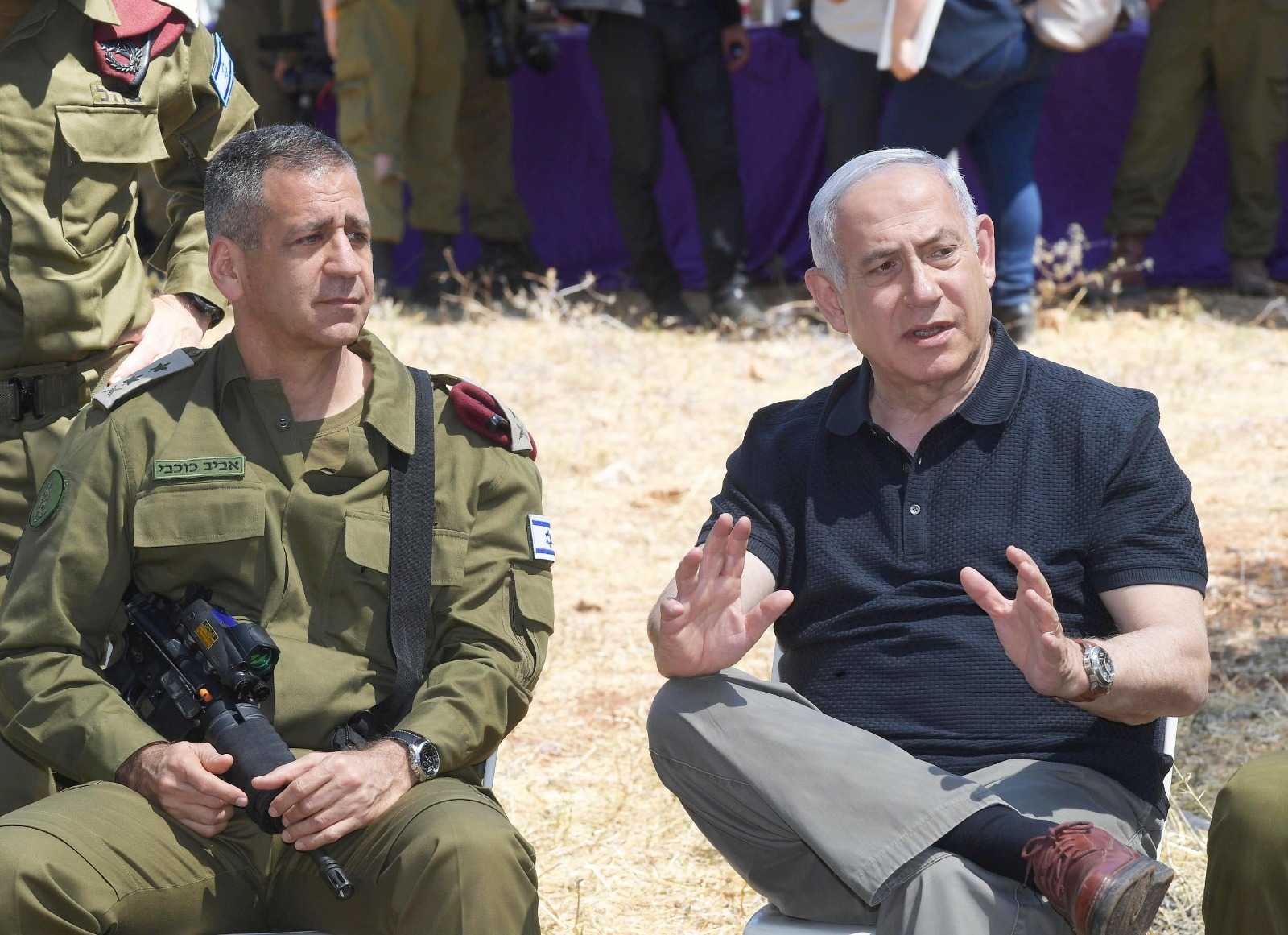
Prime Minister Benjamin Netanyahu on Wednesday warned the country’s enemies to “not test” Israel amid concerns that escalating tensions between the United States and Iran could result in an attack on the Jewish state.
The prime minister made his remarks during a visit to a large-scale Israel Defense Forces exercise in northern Israel.
“I hear our neighbors to the north, south and east threatening to destroy us. I say to our enemies: The IDF has an immense destructive power. Do not test us,” Netanyahu said following his visit.
There is growing concern among Israeli and Western intelligence officials that Iran could initiate action against Israel to escalate its feud with the United States and force Washington to the negotiation table, Haaretz reported Wednesday.
Intelligence analyses indicated that Iran is disappointed that it hasn’t succeeded so far in forcing the US to rethink the crippling sanctions it reimposed against the Islamic Republic last year when it withdrew from the 2015 nuclear deal, the report said.
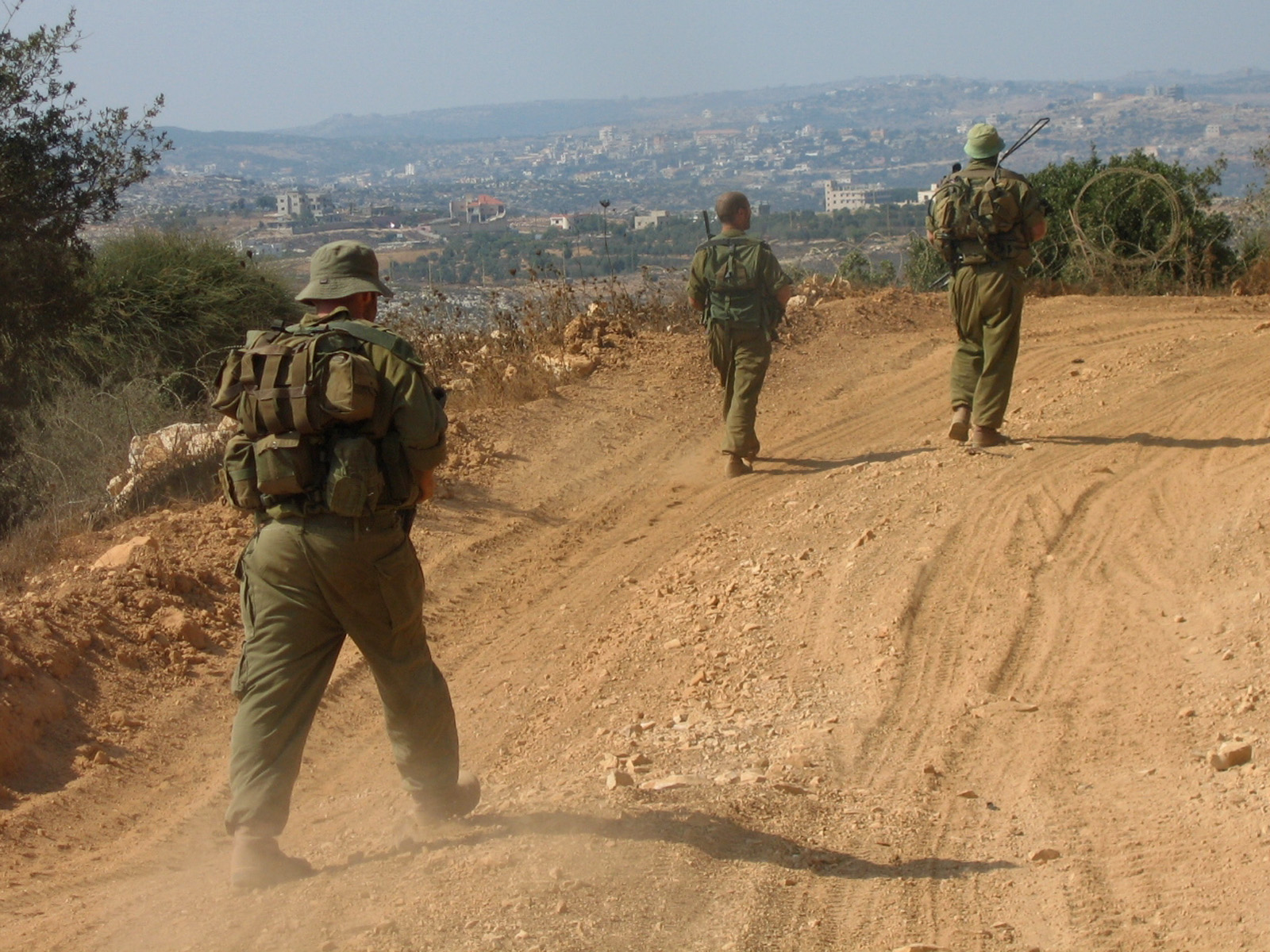
After threats and steps Tehran has taken so far to escalate tensions in the region, it could drag Israel into the crisis through one of its proxy organizations in Syria or Lebanon, including the Hezbollah terror group, the intelligence officials said.
On Sunday, the military launched the five-day, division-level drill, which included ground troops, fighter jets, helicopters and a variety of military vehicles, the army said.
The drill was held throughout the north of the country, simulating large-scale warfare. The military said the exercise was part of its annual training calendar.
On Wednesday, Netanyahu met with the soldiers and commanding officers taking part in the exercise.
“I am greatly impressed by the improvements to our preparedness, from the spirit of the soldiers and commanders and primarily from the IDF’s destructive force,” the prime minister, who is also the defense minister, said.
In addition to the exercise in the north, the Israeli Air Force is holding its own large-scale exercise simulating combat on multiple fronts, the army said Tuesday, with the air force’s F-35s taking part for the first time.
The drill, which also began Sunday and ends Wednesday, involves fighter jets, helicopters, cargo planes, drones, air defense units and ground support forces. It simulates simultaneous fighting in the Gaza Strip, Syria and Lebanon.
It includes scenarios involving an enemy armed with advanced technology, such as the Russian S-300 and S-400 missile defense systems, a home front under massive missile attacks, and challenges such as damaged runways and disabled IAF communications centers.
The drill is primarily focused on the northern arena, with threats posed by the Hezbollah terror group in Lebanon and Iranian forces in Syria.
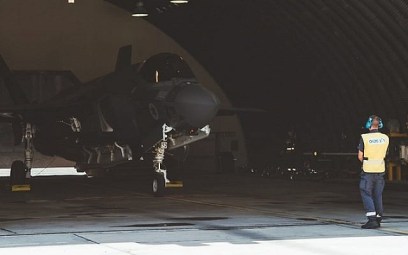
Forces were also being tested on their ability to carry out strategic bombings while minimizing harm to innocent people in the vicinity.
“We are training at very high intensity with a challenging, thinking enemy that possesses technology beyond what currently exists in the arena,” a senior air force official said.
The official said the new F-35s provided an added value of “lethality and multi-role capabilities…We did not have these capabilities before.”
Source: Rivlin warns Lebanon, Hezbollah against launching attack on Iran’s behalf | The Times of Israel
President: ‘We’re not eager to fight’ but IDF will ‘respond to any threat and to any scenario’
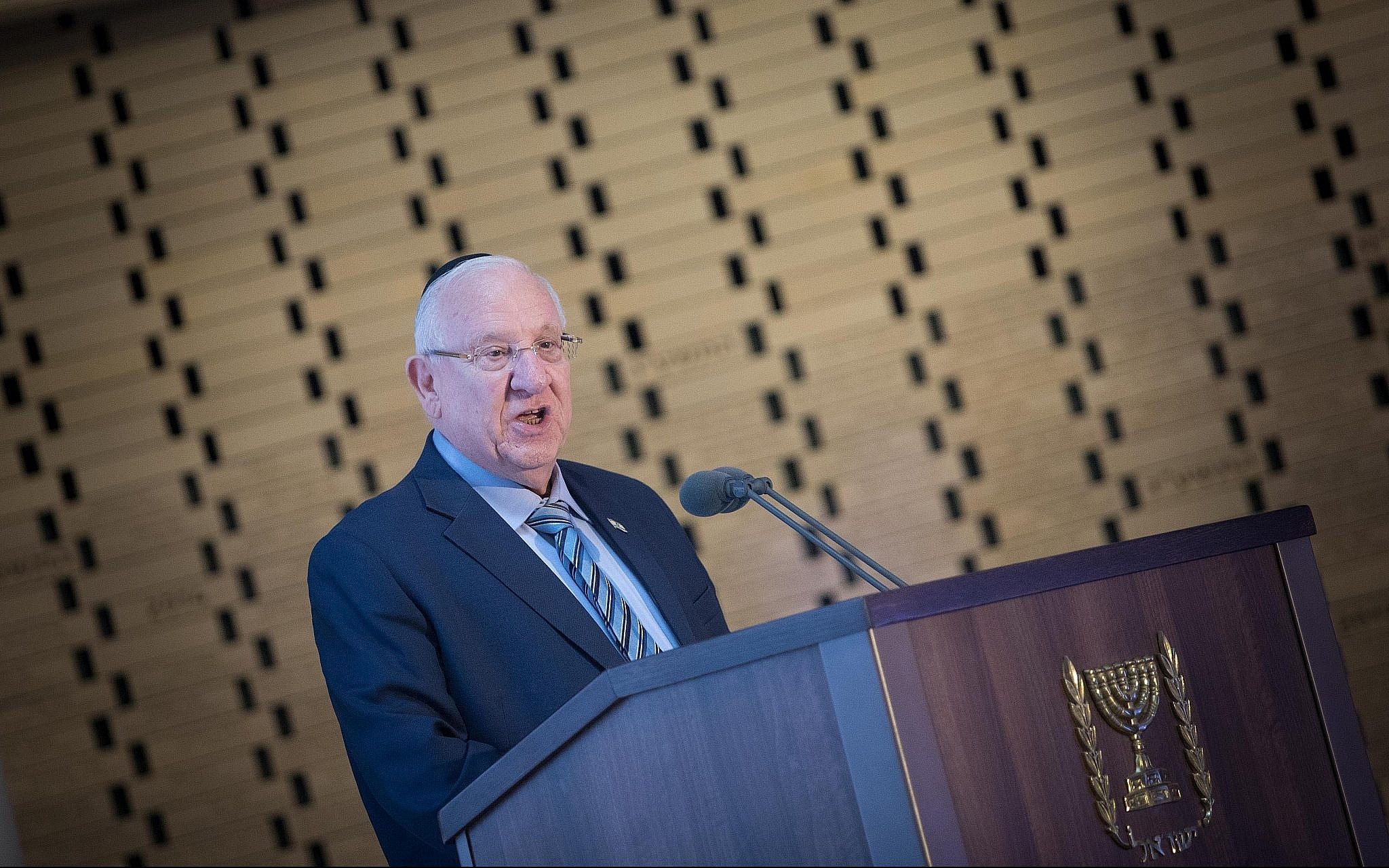
President Reuven Rivlin on Tuesday warned Lebanon and Hezbollah against launching an attack on Israel at the behest of Iran.
“We warn Hezbollah not to impose Iran’s agenda on Lebanon, and we warn Lebanon not to be a base for attacks on Israel,” Rivlin said during a memorial ceremony in Jerusalem for Israeli soldiers killed in the First Lebanon War.
“We are not eager to fight. But the IDF is alert and ready to respond to any threat and to any scenario,” he added.
Rivlin’s warning came as he remarked on Operation Northern Shield, an Israel Defense Forces operation to locate and destroy Hezbollah tunnels dug under the border that the army believes were intended to be used to ferry the terror group’s fighters into Israel as the opening salvo in a future war.

The Iranian-backed Hezbollah, which Israel fought in the 2006 Second Lebanon War, is part of the Lebanese government. Some Israeli politicians have called for the IDF to treat Lebanon and Hezbollah as a single entity in any future conflict, with a top general warning earlier this month that the country would “pay a heavy price” for allowing the terror group to take root there.
The Israeli military considers Hezbollah to be one of its most significant foes, with a rocket arsenal larger than many countries’ and ample combat experience from its years fighting in the Syrian civil war on behalf of dictator Bashar Assad.
In his comments, Rivlin said Israelis “have never had anything against the Lebanese people” and that the First Lebanon War, which was launched in 1982 to stop Palestinian Liberation Organization attacks from southern Lebanon, “was not a war of choice.”
“Then, as now, it was the terrorist organizations that exploited the weakness of Lebanon, the Lebanese state, to attack the State of Israel and its citizens,” he said.
The president also vowed Israel would continue working to recover the missing remains of Israeli troops killed in the war, after the body of Brooklyn-born tank commander Zachary Baumel was returned to Israel earlier this year after 37 years.
Feldman was in the same tank as Baumel when they went missing during the Battle of Sultan Yacoub, while Katz was in another tank that was hit some two kilometers away in the same battle.
Exercise involving numerous strike craft, air defenses and ground support forces sees army preparing for an enemy armed with advanced technology
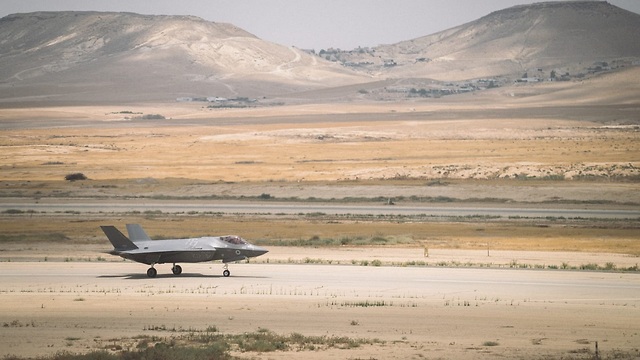
The Israeli Air Force is holding a large-scale multi-day exercise simulating combat action on multiple fronts, the army said Tuesday, with the air force’s F-35s taking part for the first time.
The drill, which began Sunday and ends Wednesday, involves fighter jets, helicopters, cargo planes, drones, air defense units and ground support forces. It simulates simultaneous fighting in the Gaza Strip, Syria and Lebanon.
It includes scenarios involving an enemy armed with advanced technology, such as the Russian S-300 and S-400 missile defense systems; a home front under massive missile attacks; and challenges such as damaged runways and disabled IAF communications centers.
The drill is primarily focused on the northern arena, with threats posed by the Hezbollah terror group in Lebanon and Iranian forces in Syria.
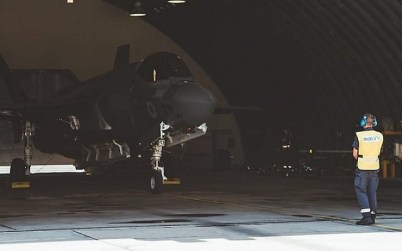
Forces were also being tested on their ability to carry out strategic bombings while minimizing harm to innocent people in the vicinity.
“We are training at very high intensity with a challenging, thinking enemy that possesses technology beyond what currently exists in the arena,” a senior air force official said.
The official said the new F-35s provided and added value of “lethality and multi-role capabilities…We did not have these capabilities before.”
The IAF has acknowledged receiving from the US-based Lockheed Martin defense contractor at least 14 F-35 fighter jets of the 50 that have been ordered. These are scheduled to be delivered in installments of twos and threes by 2024.

In mid-2018 the IAF announced that it had used the stealth fighter jet in combat, which it said made it the first air force in the world to do so.
The fifth-generation F-35 has been lauded as a “game-changer” by the military, not only for its offensive and stealth capabilities, but for its ability to connect its systems with other aircraft and form an information-sharing network.
Detractors, however, balked at the high price tag for the aircraft: approximately $100 million apiece (Lockheed Martin says the cost is expected to go down as more countries purchase the F-35).
Judah Ari Gross contributed to this report.
Source: Iran could target Israel to escalate tensions with US – report | The Times of Israel
Israeli, Western intelligence officials said to warn that Tehran is frustrated at failure to force Washington to negotiation table
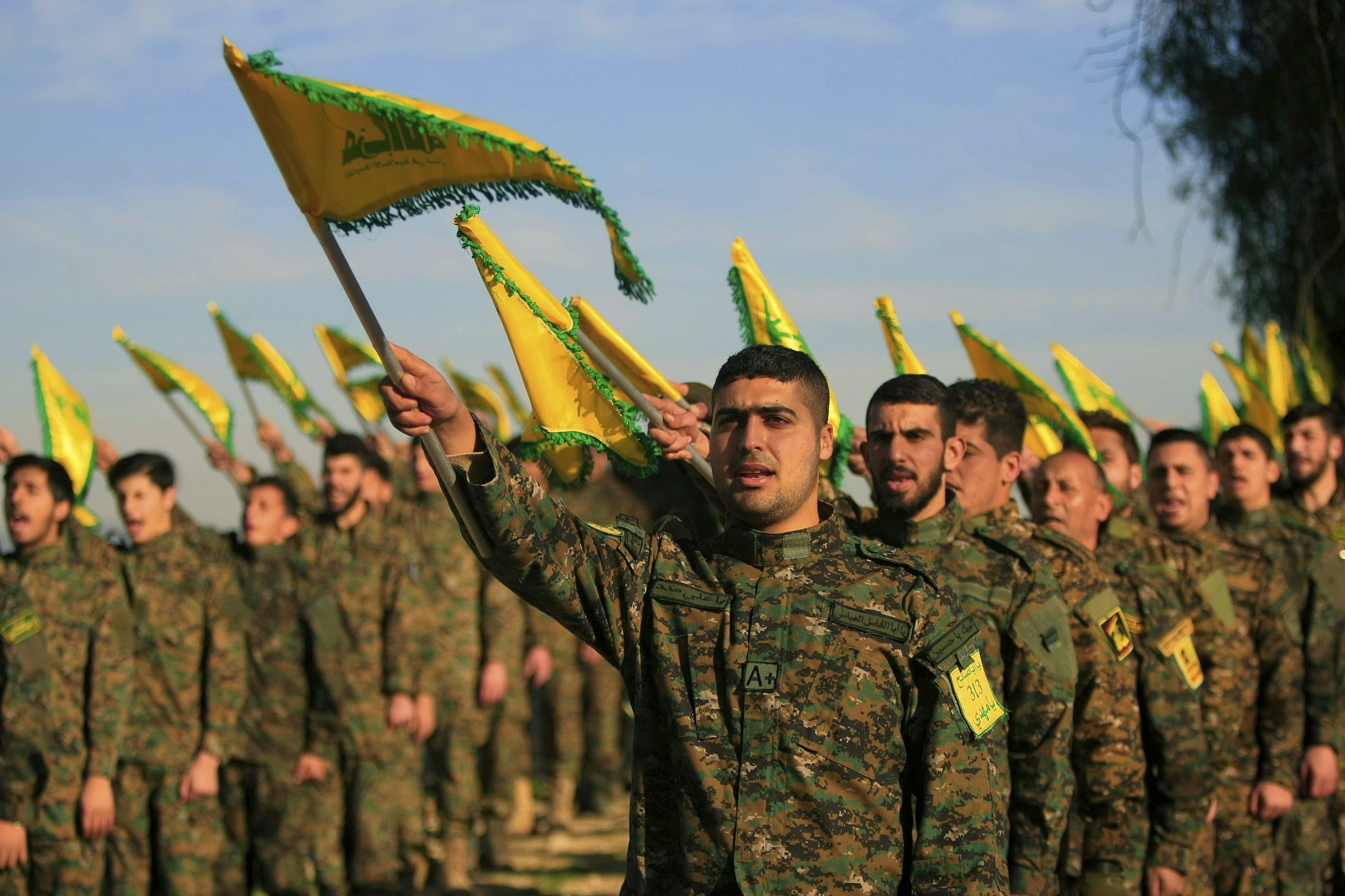
There is growing concern among Israeli and Western intelligence officials that Iran could initiate a provocation against Israel to escalate its feud with the United States and force Washington to the negotiation table, according to a report Wednesday.
Intelligence analyses have pointed to Tehran being disappointed by the fact that it hasn’t succeeded so far in forcing the US to rethink the crippling sanctions it reimposed on it last year, when it withdrew from the 2015 nuclear deal, the Haaretz daily reported.
After threats and steps the Islamic Republic has taken so far to escalate tensions in the region, it could drag Israel into the crisis through one of its proxy organizations in Syria or Lebanon — including the Hezbollah terror group — the officials said.
The report pointed to the fact that Prime Minister Benjamin Netanyahu was convening his security cabinet twice this week — a rarity even for normal times. During his transitional government since the April elections and leading up to the September vote, which he called after he failed to form a coalition, the security cabinet has barely met at all for discussions.
The second cabinet meeting is scheduled for Wednesday.
Additionally, the Israel Defense Forces is holding two large-scale drills this week in the north, though both were scheduled ahead of time as part of the annual training plan.
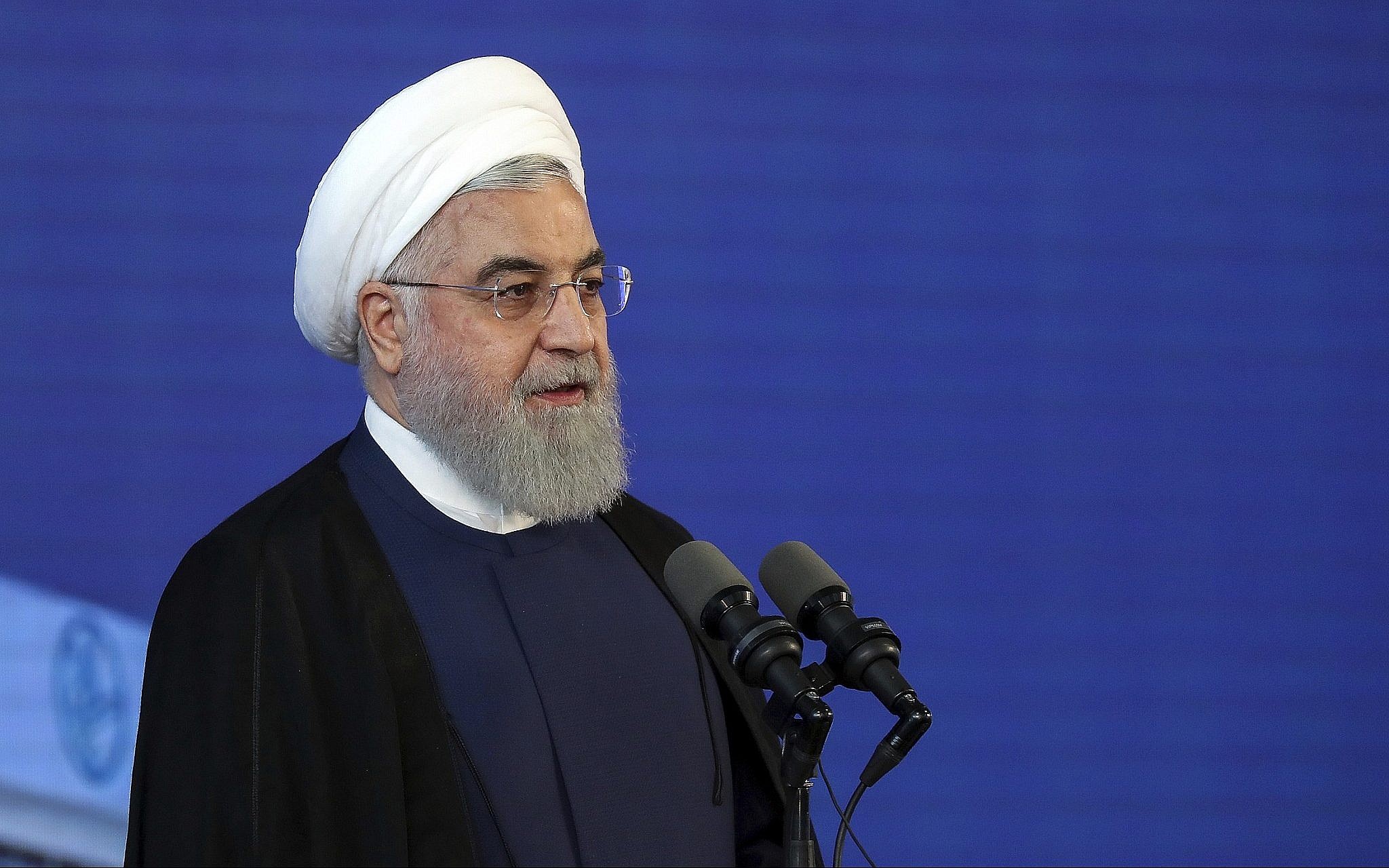
Tensions between Tehran and Washington have escalated since US President Donald Trump last year quit the multi-nation nuclear deal and reimposed crippling sanctions on Iran.
Iran on Monday announced that it will surpass the uranium stockpile limit set by the nuclear deal within 10 days, raising pressure on Europeans trying to save the accord.
Hours later, the United States said it had approved the deployment of 1,000 additional troops to the Middle East.
Acting Defense Secretary Patrick Shanahan — who announced he would be stepping down — said the troops were being sent “for defensive purposes” as the US has blamed Iran for last week’s attacks on two tankers in the Gulf of Oman. Iran denies responsibility for that attack, as well as for separate tanker vandalism in the region last month it has also been blamed for.
But those developments have failed to tone down American rhetoric, cause Europeans and companies to increase trade to bypass the sanctions, or significantly raise oil prices.




 anneinpt
 artaxes
 danmillerinpanama
 davidking1530
 Peter Hofman
 Joseph Wouk
 Peter
Peter Louisiana Steve
 WarSclerotic
Recent Comments