EU’s foreign policy chief and foreign ministers of Britain, France, and Germany say they will assess Tehran’s adherence to 2015 pact, remain determined to keep agreement alive
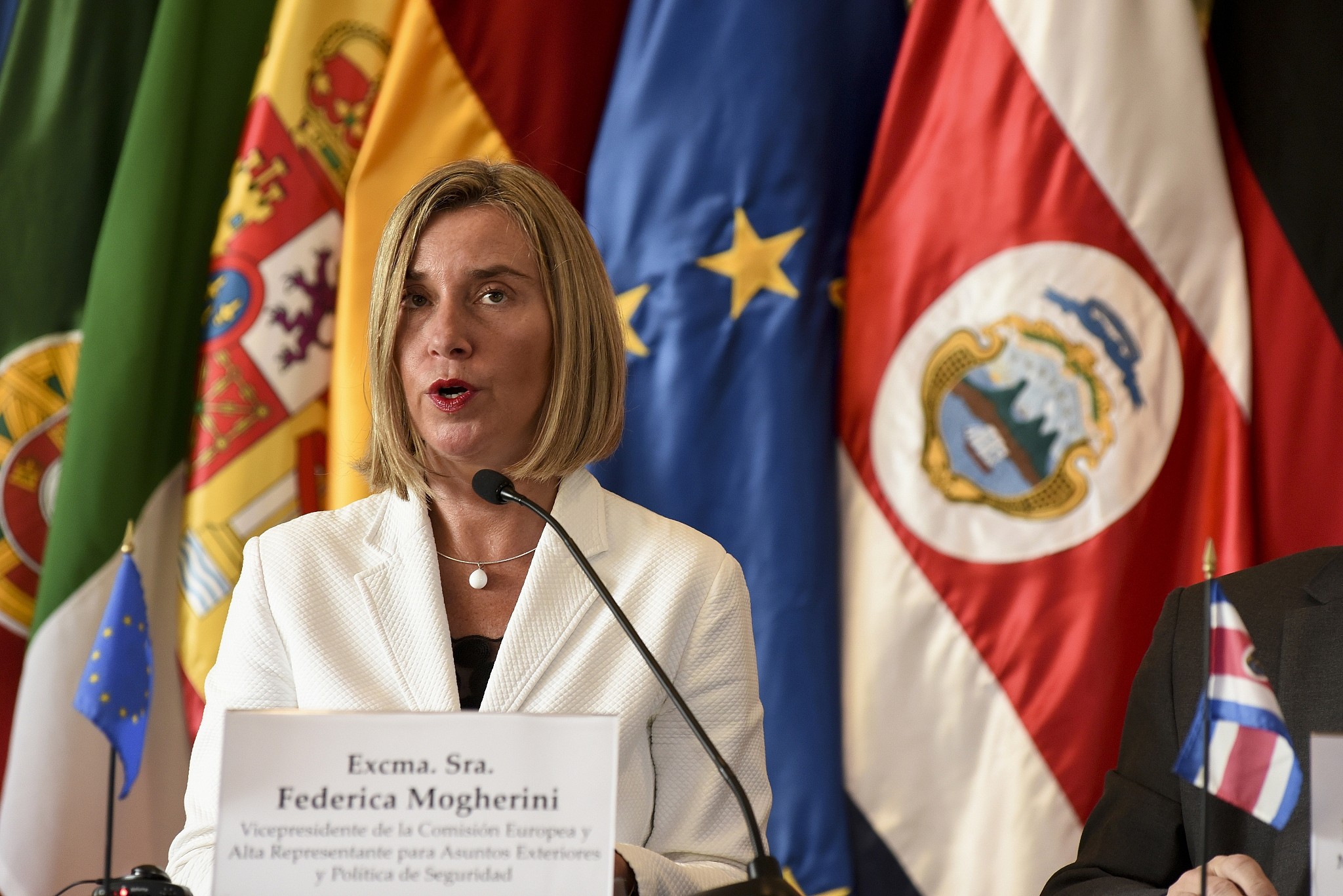
European Union foreign policy chief Federica Mogherini speaks during a press conference in San Jose, Costa Rica, May 7, 2019. (Carlos Gonzalez /AP)
BERLIN, Germany — European powers said Thursday that they still backed the nuclear deal with Iran, but rejected any “ultimatums” from Tehran to keep it alive.
“We reject any ultimatums and we will assess Iran’s compliance on the basis of Iran’s performance regarding its nuclear-related commitments” under a 2015 deal, the EU’s foreign policy chief Federica Mogherini and the foreign ministers of Britain, France and Germany said in a statement.
Iran said Wednesday it had stopped respecting limits on its nuclear activities agreed under the deal with major powers until they find a way to bypass renewed US sanctions, as Washington accused Tehran of resorting to “blackmail.”
Tehran said it was responding to the sweeping unilateral sanctions that Washington has reimposed since it quit the agreement one year ago, which have dealt a severe blow to the Iranian economy.
In their statement, the Europeans underlined “our own firm commitments under the agreement including as regards sanctions-lifting for the benefit of the Iranian people” but criticized the US sanctions.
In this photo from November 24, 2015, Iranian President Hassan Rouhani, right, listens to his Foreign Minister Mohammad Javad Zarif prior to a meeting in Tehran, Iran. (AP Photo/Vahid Salemi, File)
“In this regard, we regret the re-imposition of sanctions by the United States following their withdrawal from the JCPOA,” — Joint Comprehensive Plan of Action — as the nuclear deal is known.
“We call on countries not party to the JCPOA to refrain from taking any actions that impede the remaining parties’ ability to fully perform their commitments.”
The European powers added that they were “determined to continue pursuing efforts to enable the continuation of legitimate trade with Iran” in an effort to keep the imperiled pact afloat.
But it said that Iran must at the same time “implement its commitments under the JCPOA in full as it has done until now and to refrain from any escalatory steps.”
Prime minister gives first Israeli response to announcement by Iran’s Rouhani that Tehran will keep excess uranium, resume high-level enrichment if no new terms are set
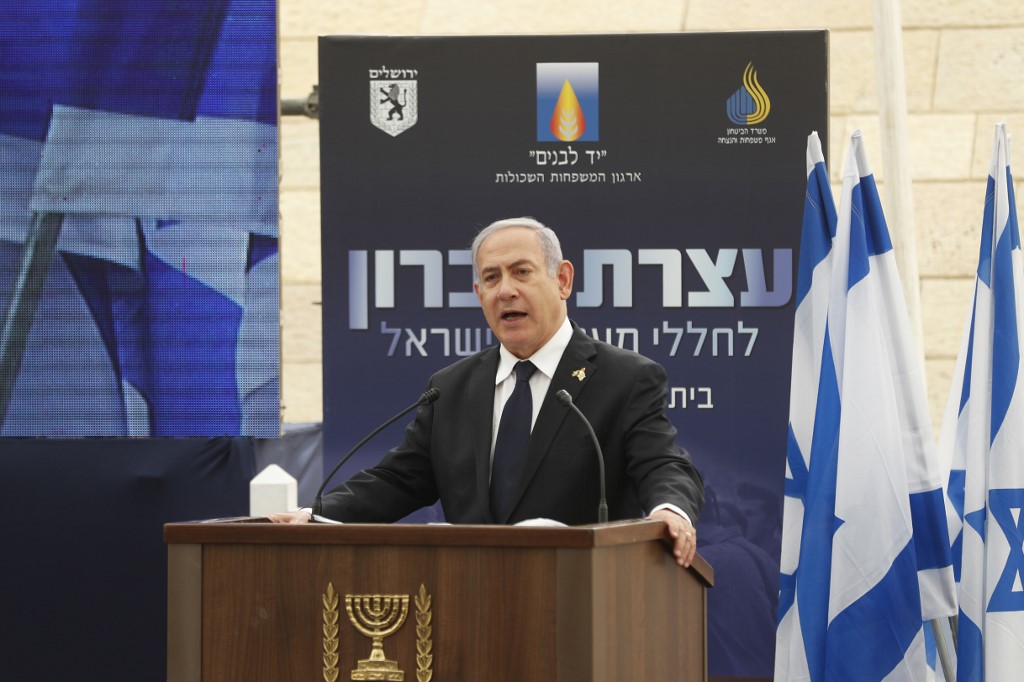
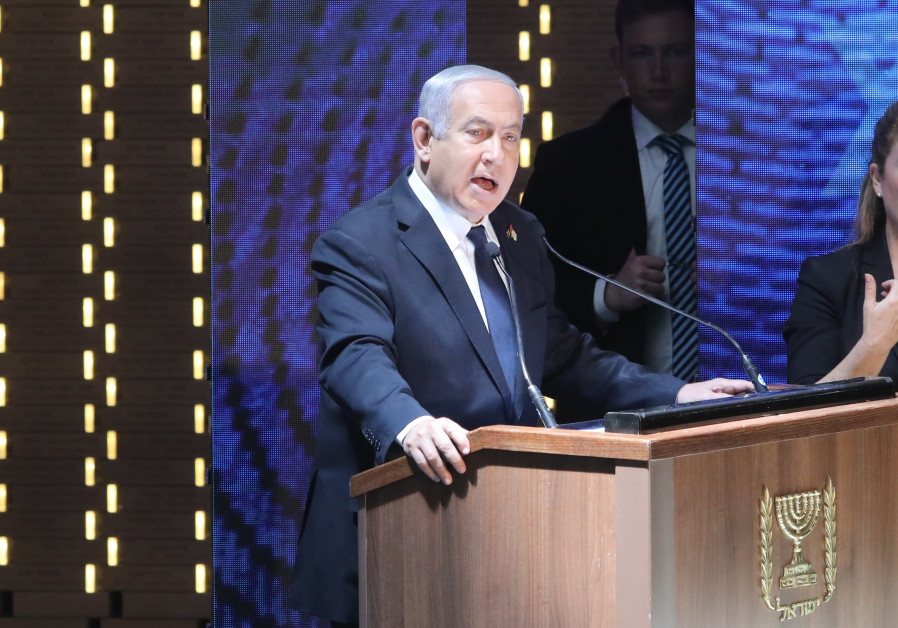
Prime Minister Benjamin Netanyahu delivers a speech during a ceremony marking Memorial Day in Jerusalem, on May 7, 2019. (RONEN ZVULUN/POOL/AFP)
Prime Minister Benjamin Netanyahu vowed to prevent Tehran from obtaining nuclear arms Wednesday, hours after Iran declared it would step up enrichment activity as the 2015 nuclear deal appeared close to crumbling.
Netanyahu has been one of the leading critics of the 2015 nuclear agreement between Iran and world powers. The US pulled out of the deal in May 2018, and Iran marked the one-year anniversary of that move by announcing it was pulling out of some commitments under the deal and could soon begin ramping up its enrichment activity again.
“We will not allow Iran to acquire a nuclear weapon,” Netanyahu said at an official ceremony to mark the annual Memorial Day held at the Mount Herzl military cemetery in Jerusalem.
The comment was the first from an Israeli official on the matter. Netanyahu has cheered US President Doanld Trump’s decision to pull out of the landmark deal and urged other signatories to do the same.
Earlier Wednesday, Iranian President Hassan Rouhani said during a televised speech from Tehran that the Islamic Republic would keep its excess enriched uranium and heavy water, and set a 60-day deadline for new terms for its nuclear deal.
He threatened that higher-level uranium enrichment would resume if new nuclear deal terms were not reached by the deadline.
Rouhani said Iran wanted to negotiate new terms with remaining partners in the deal, but acknowledged that the situation was dire.
“If the five countries join negotiations and help Iran to reach its benefits in the field of oil and banking, Iran will return to its commitments according to the nuclear deal,” Rouhani said.
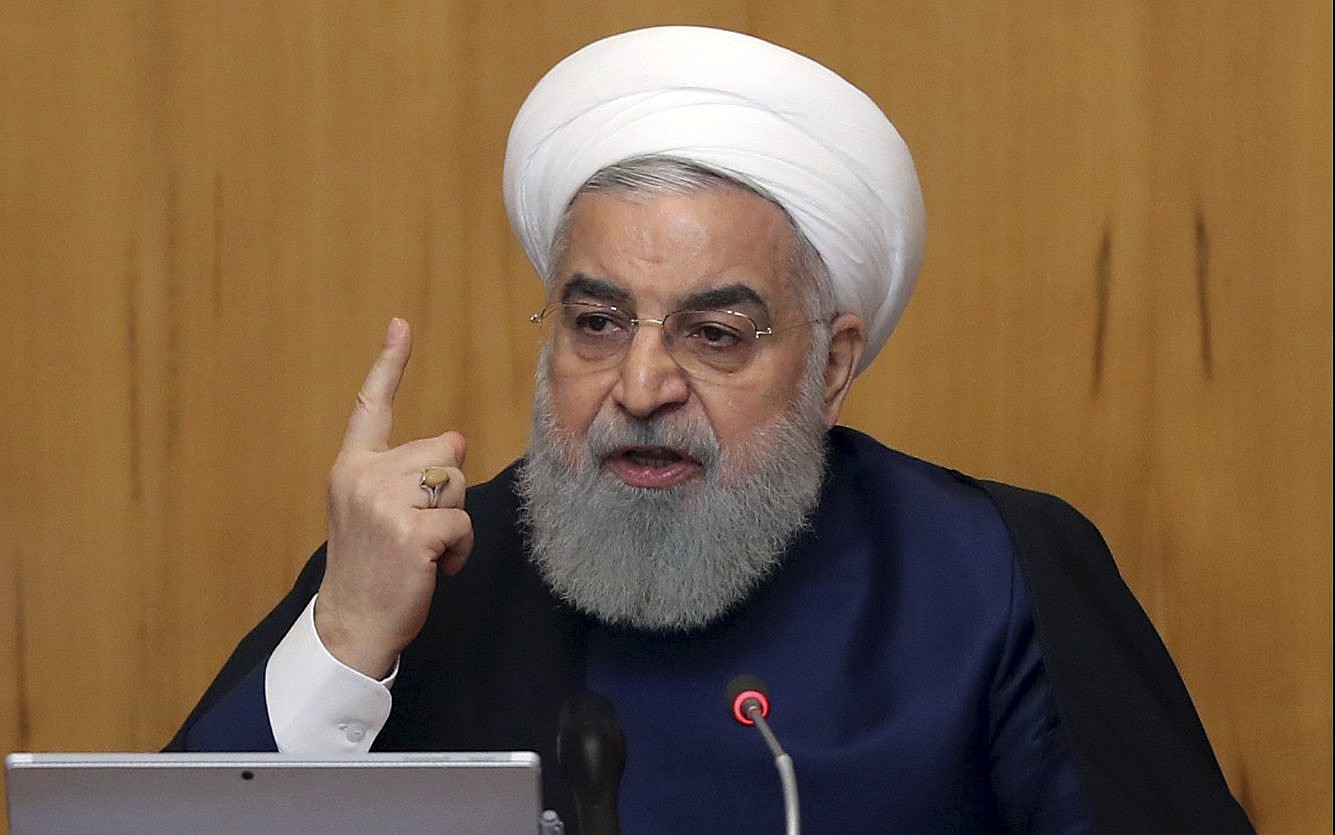
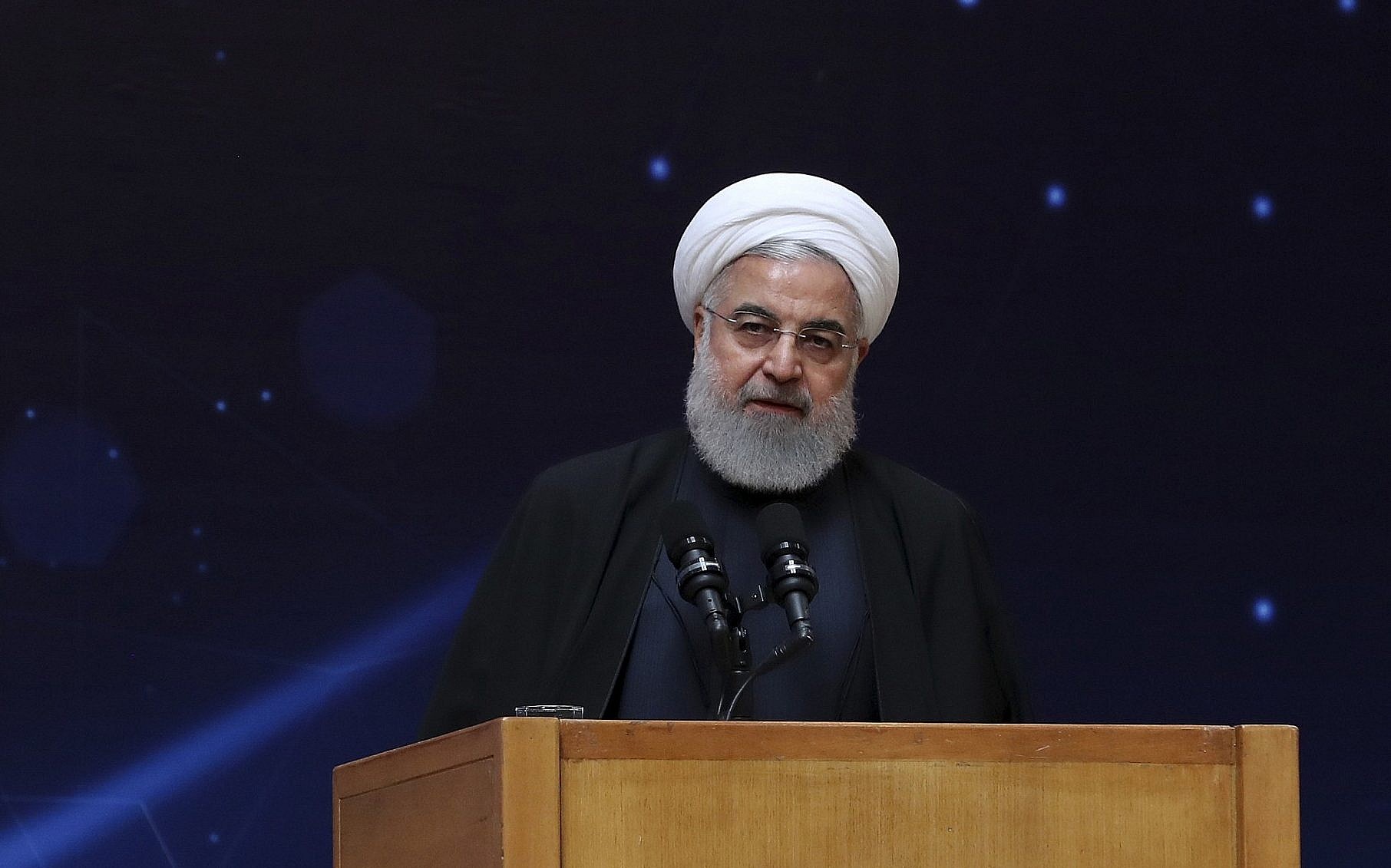
In this photo released by the official website of the office of the Iranian Presidency, Iran’s President Hassan Rouhani speaks in a cabinet meeting in Tehran, Iran, May 8, 2019. (Iranian Presidency Office via AP)
Iran sent letters Wednesday on its decision to the leaders of Britain, China, the European Union, France and Germany. All were signatories to the nuclear deal and continue to support it. A letter was also to go to Russia.
Also reacting to the announcement, China called on all parties to uphold the Iranian nuclear pact.
“Maintaining and implementing the comprehensive agreement is the shared responsibility of all parties,” said Chinese foreign ministry spokesman Geng Shuang at a regular press briefing.
“We call on all relevant parties to exercise restraint, strengthen dialogue, and avoid escalating tensions,” he said, adding that China “resolutely opposes” unilateral US sanctions against Iran.
There was no immediate response from the US.
Trump pulled out of the nuclear deal in May last year but the other five signatories have all agreed to try to keep the pact alive on their own. Trump insists the original agreement did not go far enough in curbing Iran’s nuclear weapons ambitions and wants to renegotiate the JCPOA with stricter terms, reimposing harsh sanctions to force Iran back to the negotiating table.
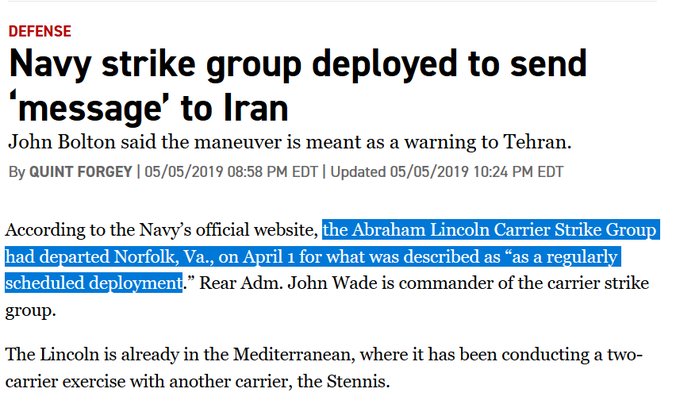
Adding to the tensions, Washington announced it was deploying an aircraft carrier strike group with several nuclear-capable B-52 bombers to the Middle East, and national security adviser John Bolton warned Washington would respond with “unrelenting force” to any attack by Tehran.
US Secretary of State Mike Pompeo made a hastily organized visit to neighboring Iraq on Tuesday, where he accused Iran of planning “imminent” attacks.
The United Nations’ nuclear watchdog says Iran has continued to comply with the terms of the 2015 nuclear deal, which saw it limit its enrichment of uranium in exchange for the lifting of economic sanctions. But American sanctions have wreaked havoc on Iran’s already-anemic economy, while promised help from European partners in the deal haven’t alleviated the pain.
Under terms of the deal, Iran can keep a stockpile of no more than 300 kilograms (660 pounds) of low-enriched uranium. That’s compared to the 10,000 kilograms (22,046 pounds) of higher-enriched uranium it once had.
The US last week ended deals allowing Iran to exchange its enriched uranium for unrefined yellowcake uranium with Russia, as well as it being able to sell its heavy water to Oman. The US also has ended waivers for nations buying Iranian crude oil, a key source of revenue for Iran’s government.
Currently, the accord limits Iran to enriching uranium to 3.67%, which can fuel a commercial nuclear power plant. Weapons-grade uranium needs to be enriched to around 90%. However, once a country enriches uranium to around 20%, scientists say the time needed to reach 90% is halved. Iran has previously enriched to 20%.
The U.S. Air Force is deploying B-52 Stratofortress bombers to the Gulf in response to an alleged Iranian plan to attack American forces in the region • Mossad reportedly outlined a number of scenarios in which the Iranians would attack.
Mossad reportedly outlined a number of scenarios in which the Iranians would attack
The U.S. Air Force is deploying massive B-52 Stratofortress bombers to the Gulf in response to an alleged possible plan by Iran to attack American forces in the region, the Pentagon said Tuesday.
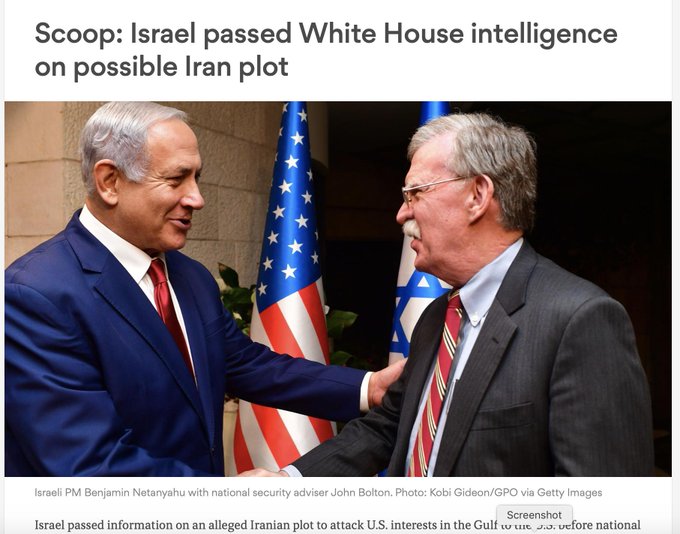
Israel’s Mossad intelligence agency warned the United States about a possible plot by Iran to attack U.S. interests in the Gulf before Washington announced it would send an aircraft carrier strike group and a bomber task force to the Middle East in a “clear and unmistakable” message to Iran, Israel’s Channel 13 reported on Monday.
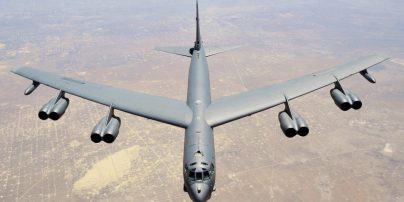
Several nuclear-capable B-52s are heading to the region along with an aircraft carrier task force following what the Defense Department called “recent and clear indications that Iranian and Iranian proxy forces were making preparations to possibly attack U.S. forces.”
“The deployment of the USS Abraham Lincoln Carrier Strike Group and a bomber task force are considered a prudent step in response to indications of heightened Iranian readiness to conduct offensive operations against U.S. forces and our interests,” said acting Pentagon spokesman Charles Summers in a statement.
“We emphasize the White House statement that we do not seek war with the Iranian regime, but we will defend U.S. personnel, our allies and our interests in the region.”
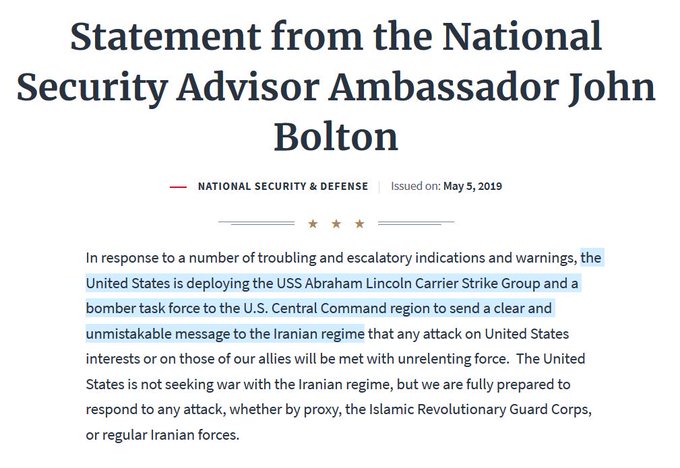
Earlier on Monday, U.S. National Security adviser John Bolton announced that “in response to a number of troubling and escalatory indications and warnings, the United States is deploying the USS Abraham Lincoln Carrier Strike Group and a bomber task force to the U.S. Central Command region.”
Details of the threat have not been disclosed, but Navy Captain Bill Urban, the spokesman for the U.S. military’s Central Command, which spans the Middle East, said the threat could be land-based or maritime.
Channel 13 cited Israeli officials that Bolton was warned about the possible Iranian plot in a meeting with Israel’s national security adviser Meir Ben Shabbat in Washington two weeks ago. The official said that Mossad outlined a number of scenarios in which the Iranians would attack.
“It is still unclear to us what the Iranians are trying to do and how they are planning to do it, but it is clear to us that the Iranian temperature is on the rise as a result of the growing U.S. pressure campaign against them, and they are considering retaliating against U.S. interests in the Gulf,” the official reportedly said.
Javad Zarif
✔@JZarif
The #B_Team is at it again: From announcements of naval movements (that actually occurred last month) to dire warnings about so-called “Iranian threats”.
If US and clients don’t feel safe, it’s because they’re despised by the people of the region— blaming Iran won’t reverse that.
U.S. Secretary of State Mike Pompeo said later on Monday that it was “absolutely the case” that the U.S. had seen “escalatory actions” from the Iranians.
“It is equally the case that we will hold the Iranians accountable for attacks on American interests,” Pompeo said.
But Iran said U.S. concerns in the Middle East stems from the fact that it is “despised by the people of the region— blaming Iran won’t reverse that.”
Tehran’s halt of compliance with some parts of the nuclear deal was “nothing less than nuclear blackmail of Europe,” Tim Morrison, Special Assistant to the President told a conference in Washington.
BY REUTERS
MAY 8, 2019 18:34
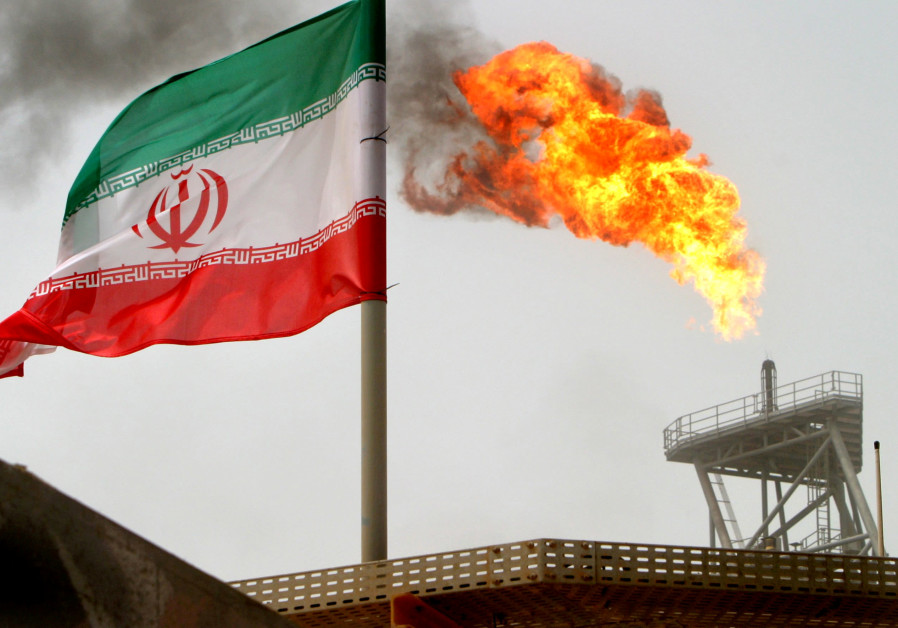
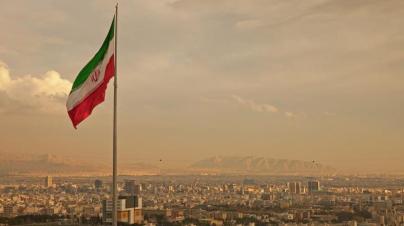
A gas flare on an oil production platform in the Soroush oil fields is seen alongside an Iranian flag in the Persian Gulf, Iran, July 25, 2005. (photo credit: RAHEB HOMAVANDI/REUTERS)
WASHINGTON- The United States on Wednesday threatened to impose more sanctions on Iran ‘very soon’ and warned Europe against doing business with Tehran via a system of non-dollar trade to circumvent U.S. sanctions.
The Iranian government announced earlier on Wednesday that it was reducing curbs to its nuclear program with steps that stopped short of violating its 2015 accord with world powers for now, but threatening more action if countries did not shield it from sanctions.
Tehran’s halt of compliance with some parts of the nuclear deal was “nothing less than nuclear blackmail of Europe,” Tim Morrison, Special Assistant to the President and Senior Director for Weapons of Mass Destruction, told a conference in Washington.
“Now is the time for the community of nations to strongly condemn Iran’s nuclear misconduct and increase pressure on the regime to comply with U.S. demands,” Morrison said, adding that Washington was not ‘done’ with sanctions on Iran.
“Expect more sanctions soon. Very soon,” he said.
Morrison said the United States would move quickly against any attempt by European countries to undermine Washington’s sanctions pressure on Iran. He advised them against using the so-called Special Purpose Vehicle to facilitate non-dollar trade to get around U.S. sanctions.
“If you are a bank, an investor, an insurer or other business in Europe you should know that getting involved in the … Special Purpose Vehicle is a very poor business decision,” Morrison said.
President Donald Trump a year ago pulled out of the accord signed by Iran, Russia, China, Britain, France, Germany and the United States to put limits on Iran’s disputed nuclear program in return for the lifting of sanctions.
The Trump administration says the deal, negotiated by his predecessor Barack Obama, was flawed as it is not permanent, does not address Iran’s ballistic missile program and does not punish it for waging proxy wars in other Middle East countries.
Iranian President Hassan Rouhani announced changes that experts said seemed tailored to ensure Tehran avoids triggering the deal’s mechanism to punish it for violations, at least for now.
Washington’s European allies opposed Trump’s decision to withdraw from the agreement and have failed so far to find ways to blunt the economic impact of new U.S. sanctions, which include an all-out effort to block Iran’s oil exports to starve its economy.
Prime Minister Benjamin Netanyahu at the government’s central Remembrance Day ceremony at the Mount Herzl military cemetery on May 8th, 2019. (photo credit: MARC ISRAEL SELLEM/THE JERUSALEM POST)
Israel will not let Iran attain nuclear weapons, Prime Minister Benjamin Netanyahu said Wednesday just hours after Iran announced that it will continue its nuclear program.
Netanyahu’s comments came at the government’s central Remembrance Day ceremony at the Mount Herzl military cemetery honoring the country’s 23,741 fallen soldiers.
“This morning, on my way here, I heard that Iran intends to continue its nuclear program. We will not let Iran get nuclear weapons,” he said. “We will continue to fight our enemies, and will strike our roots even deeper in our homeland. That is what our heroes did at the dawn of the nations’ rebirth, and we march in their path.”
Referring to the flare up in the south over the weekend that led to the killing of four Israelis as some 700 rockets pounded the south from the Gaza Strip, Netanyahu said, “The events of the last few days show clearly what our struggle is about – about the efforts of those who seek our harm, who want to destroy our country and uproot us from our land.”
Israel’s enemies have tried to do this time after time, Netanyahu said, “but they failed.”
Referring at the start of his brief comments to the repatriation of the remains of Zachary Baumel to Israel 37 years after he fell in battle in Lebanon, Netanyahu said his burial on Mount Herzl shows that “our wonderful nation again proved that after dozens of years, it does not forget its sons.”
“When I thanked President [Vladimir] Putin in Russia for his help in locating Zachary, I told him and the heads of his army that for us this brotherhood of fighters is a supreme value,” Netanyahu recalled. “I saw the admiration in their eyes. And this is the most important significance of this holy day. It is a day of heavy grief, but also a day of tremendous brotherhood, a day when all of us feel like family.”
Rouhani says Tehran will stop selling excess uranium and heavy water and will step up enrichment activity in 60 days if no new deal, in speech on year anniversary of US withdrawal
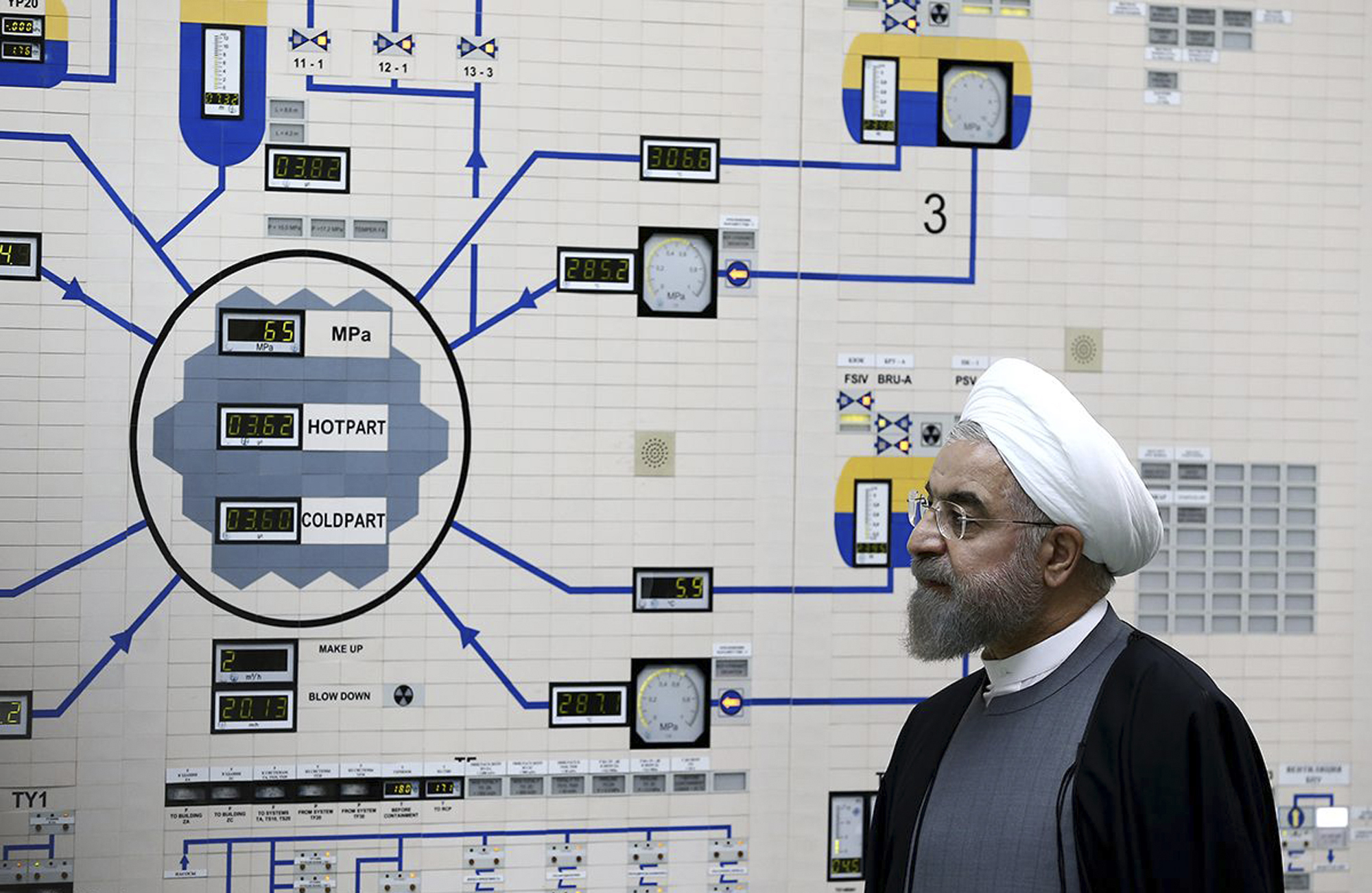
Iranian President’s Office, President Hassan Rouhani visits the Bushehr nuclear power plant just outside of Bushehr, Iran, January 13, 2015. (Iranian Presidency Office, Mohammad Berno/AP)
Iran said Wednesday it was suspending some of its commitments under a landmark 2015 nuclear deal with major powers abandoned by Washington last year, setting up a possible return to high-level uranium enrichment.
Iranian President Hassan Rouhani said the Islamic Republic will keep its excess enriched uranium and heavy water, setting a 60-day deadline for new terms for its nuclear deal.
He threatened higher uranium enrichment would resume if new nuclear deal terms not reached by the deadline, in a highly anticipated speech on the one-year anniversary of the US pulling out of the deal.
Tehran sent a letter to the five remaining powers in the nuclear deal ahead of the speech by Rouhani, in which he detailed Iran’s plans for pulling back its commitments under the pact.
“The decision of the high security council to ‘stop acting on some of the Islamic Republic of Iran’s commitments under the (nuclear deal)’ was communicated to the heads of state” of Britain, China, France, Germany and Russia, the ministry said.
It said deputy Deputy Foreign Minister Seyed Abbas Araghchi had handed the decision to the ambassadors of the five countries in a meeting on Wednesday.
The IRNA news agency said Rouhani would explain Iran’s decision in the letters to leaders of Britain, France and Germany that were handed to ambassadors in Tehran.
Iranian Foreign Minister Mohammed Javad Zarif separately will write to the European Union, the agency said.
Zarif arrived Tuesday in Moscow where he declared that the measures Iran was taking were permitted within the framework of the 2015 nuclear deal known as the Joint Comprehensive Plan of Action.
“The Islamic republic has seen it suitable to stop acting on some of its commitments and measures it voluntarily undertook” under the nuclear deal, Zarif told state television.
Emphasizing that “Iran will not withdraw” from the deal, Zarif said “this right has been set for Iran in the JCPOA; we are not operating outside of the JCPOA but are in fact working in its framework.”
He said the measures were in line with Sections 26 and 36 of the deal, which allow Iran to cease some or all of its commitments if the United States or other parties fail to adhere to the agreement, including by reimposing sanctions.
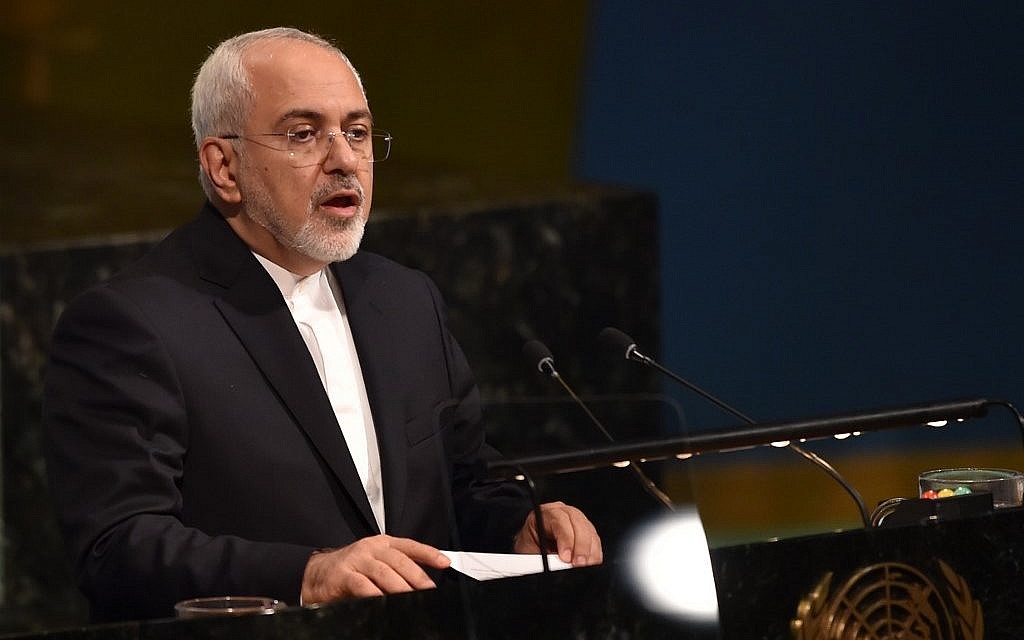
In this photo from April 24, 2018, Iranian Foreign Affairs Minister Mohammad Javad Zarif speaks during the 72nd High-level Meeting on Peacebuilding and Sustaining Peace at United Nations Headquarters in New York. (Hector Retamal/AFP)
Speaking to reporters before meeting his Russian counterpart Zarif said “Unfortunately, the European Union and other members of the international community were not capable of standing up to the US’ pressures,” Iran’s state television reported.
The letters came as officials in the Islamic Republic previously warned that Iran might increase its uranium enrichment, potentially pulling away from a deal it has sought to salvage for months.
US President Donald Trump pulled out of the nuclear deal in May last year but the other five signatories have all agreed to try to keep the pact alive on their own. Trump insists the original agreement did not go far enough in curbing Iran’s nuclear weapons ambitions and wants to renegotiate the JCPOA with stricter terms.
In the meantime, Washington has imposed heavy sanctions on Iran that could weaken the ability of the remaining parties to maintain the deal.
US Secretary of State Mike Pompeo accused Iran of planning “imminent” attacks on a hastily organised visit to neighboring Iraq on Tuesday.
Washington has also deployed an aircraft carrier strike group and several massive, nuclear-capable B-52 bombers to the Middle East as national security adviser John Bolton warned Washington would respond with “unrelenting force” to any attack by Tehran.
Zarif dismissed the US military deployments and stressed that Iran’s actions were not in breach of the nuclear deal it signed with major powers.
The United Nations’ nuclear watchdog says Iran has continued to comply with the terms of the 2015 nuclear deal, which saw it limit its enrichment of uranium in exchange for the lifting of economic sanctions. But American sanctions have wreaked havoc on Iran’s already-anemic economy, while promised help from European partners in the deal haven’t alleviated the pain.
Iranian President Hassan Rouhani at a ceremony commemorating the ‘National Day of Nuclear Technology’ in Tehran, Iran on, April 9, 2019. (Iranian Presidency Office via AP)
The US last week stopped issuing waivers for countries importing Iranian crude oil, a crucial source of cash for Iran’s government. It also halted waivers allowing Iran to store excess heavy water in Oman and to swap enriched uranium for raw yellowcake with Russia.
Trump campaigned on a promise to tear up the deal struck by his predecessor, Barack Obama. While Trump has sought to dismantle much of Obama’s policies, he particularly criticized the Iran nuclear deal for failing to address Tehran’s ballistic missile program and what he described as its malign influence across the rest of the Mideast.
Already high tensions skyrocketed this week as US National Security Advisor John Bolton said on Sunday that the United States was sending an aircraft carrier strike group and a bomber task force to the Middle East in a “clear and unmistakable” message to Iran.
Iranian state television says letters outlining partial withdrawal from 2015 nuclear deal delivered to ambassadors. (Shutterstock)
AgenciesWednesday, 8 May 2019
Iran has decided to suspend some of its commitments under a landmark 2015 nuclear deal with major powers, the foreign ministry announced on Wednesday.
“The decision of the high security council to ‘stop acting on some of the Islamic Republic of Iran’s commitments under the (nuclear deal)’ was communicated to the heads of state of the countries still party to the deal — Britain, China, France, Germany and Russia,” the ministry said.
Iranian state television reported that letters outlining the Islamic Republic’s partial withdrawal from its 2015 nuclear deal with world powers have been delivered to ambassadors.
State TV made the announcement Wednesday. It did not elaborate on what steps Iran planned to take.
The letters were to be delivered to the leaders of Britain, China, the European Union, France and Germany, informing them of Iran’s decision to stop implementing “some commitments” under a 2015 nuclear deal.
All were signatories to the nuclear deal, which saw Iran limit its enrichment of uranium in exchange for the lifting of economic sanctions. A letter was also to go to Russia.
The move came a year to the date President Donald Trump withdrew America from the accord.
The letters will come as officials in the Islamic Republic previously warned that Iran might increase its uranium enrichment, potentially pulling away from a deal it has sought to salvage for months.
Image copyrightREUTERSImage captionMike Pompeo met with Barham Salih, the president of Iraq, in Baghdad
US Secretary of State Mike Pompeo made an unscheduled, fleeting visit to Iraq, amid growing tensions with Iran.
Mr Pompeo cancelled a trip to Berlin to meet with Iraqi leaders during a four-hour stop in the capital Baghdad.
He told the leaders that the US doesn’t “want anybody interfering in their country”, and asked them to protect US troops in Iraq.
The visit came days after the US deployed an aircraft carrier, USS Abraham Lincoln, to the region.
Officials said the deployment was in response to threats to US forces and its allies from Iran. On Tuesday it was revealed the US was sending B-52 bombers.
The US has given little information about the exact nature of the reported threat, which Iran has dismissed as nonsense.
John Bolton, the US national security adviser, said only that the US was acting “in response to a number of troubling and escalatory indications and warnings” on announcing the deployment of the USS Abraham Lincoln on Sunday.
Mr Pompeo is also due to visit London on Wednesday, where he is scheduled to meet Prime Minister Theresa May and British Foreign Secretary Jeremy Hunt.
Why was Mike Pompeo in Iraq?
While in Baghdad, the US secretary of state met the Iraqi Prime Minister Adil Abdul-Mahdi and President Barham Salih, and explained the US’s security concerns to them.
He also asked them to protect US troops and citizens in the country.
Mr Pompeo later said that the leaders “provided assurances that they understood that was their responsibility”.
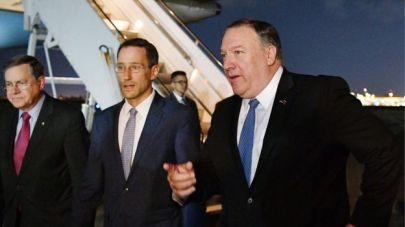
Image copyrightAFPImage captionMr Pompeo, right, cancelled a planned visit to Germany in order to go to Baghdad
“We wanted them to know about the increased threat stream that we had seen, to give them a little bit more background so that they would have enough information that they could ensure that they were doing all that they could to provide protection for our team,” he said.
“They understood, too, it’s important for their country. We don’t want anybody interfering in their country, certainly not by attacking another nation inside of Iraq, and there was complete agreement.”
Speaking to reporters after the meeting, he also directly linked the visit to the recent escalation with Iran, which neighbours Iraq.
Mr Pompeo said that he wanted to “speak with the leadership there [in Iraq], to assure them that we stood ready to continue to ensure that Iraq is a sovereign, independent nation”.
He also said that he wanted to help them become less dependent on energy deals with Iran.
Why is the US sending bombers to the region?
Acting Pentagon spokesman Charles Summers said in a statement that the US does “not seek war with the Iranian regime, but we will defend US personnel, our allies and our interests in the region”.
“The deployment of the USS Abraham Lincoln Carrier Strike Group and a bomber task force are considered a prudent step in response to indications of heightened Iranian readiness to conduct offensive operations against US forces and our interests,” he added.
Image copyrightEPAOfficials first announced that the aircraft carrier was being sent to the Gulf on Sunday.
John Bolton, US President Donald Trump’s national security advisor, said at the time that it was to send “a clear and unmistakable message to the Iranian regime that any attack on United States interest or on those of our allies will be met with unrelenting force”.
“From announcements of naval movements (that actually occurred last month) to dire warnings about so-called ‘Iranian threats’,” he added. “If US and clients don’t feel safe, it’s because they’re despised by the people of the region – blaming Iran won’t reverse that.”
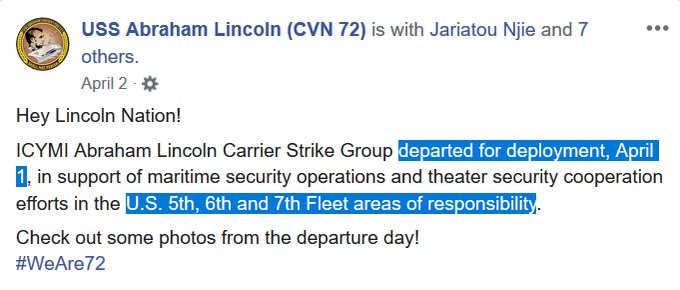
Iran’s state-run broadcaster Press TV also dismissed the deployment as “a ‘regularly scheduled’ one by the US Navy, and Bolton has just tried to talk it up”.
Why is there so much hostility between Iran and the US?
Tensions between the US and Iran can be traced back to Iran’s Islamic Revolution in 1979, which overthrew the pro-Western Shah and established a radical anti-US regime in its place.
But relations have been particularly fraught between the two nations since President Trump took office in 2017.
This most recent escalation comes on the eve of the anniversary of Mr Trump unilaterally withdrawing from a landmark nuclear deal the US and other nations had agreed with Iran in 2015.
Under the accord, Iran had agreed to limit its sensitive nuclear activities and allow in international inspectors in return for relief from sanctions – sanctions that have since been reinstated.
And last month, the White House said it would end exemptions from sanctions for five countries – China, India, Japan, South Korea and Turkey – that were still buying Iranian oil.
At the same time the US also blacklisted Iran’s elite Revolutionary Guard Corps, designating it as a foreign terrorist group.
The Trump administration hopes to compel Iran to negotiate a “new deal” that would cover not only its nuclear activities, but also its ballistic missile programme and what officials call its “malign behaviour” across the Middle East.
The sanctions have led to a sharp downturn in Iran’s economy, pushing the value of its currency to record lows, driving away foreign investors, and triggering protests.
Iran has repeatedly threatened to retaliate to the US measures by blocking the Strait of Hormuz – though which about a fifth of all oil consumed globally pass.








 anneinpt
 artaxes
 danmillerinpanama
 davidking1530
 Peter Hofman
 Joseph Wouk
 Peter
Peter Louisiana Steve
 WarSclerotic
Recent Comments