Source: We can no longer hesitate on the Gaza Strip – Opinion – Jerusalem Post
Our room to maneuver is diminishing and time works against us.
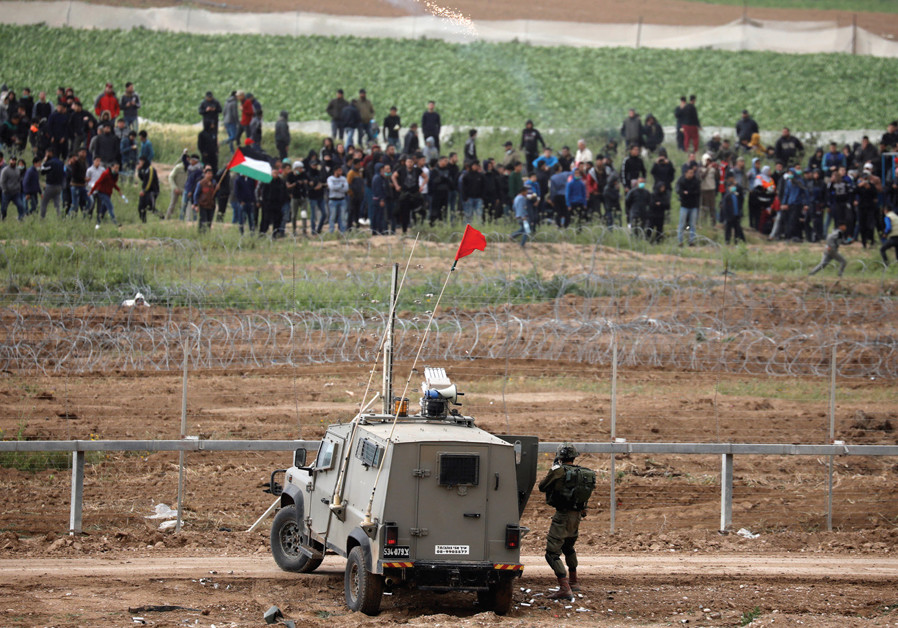
The new government will certainly seek to revert to its predecessor’s agenda. However, the time bomb that is Gaza requires a paradigm shift and its placement as a focal point of national decision-making.
Eighteen years have passed since the start of the launch of “flying pipes” into Sderot. Since then Hamas has become an organized army with significant capabilities, operating in accordance with strategic objectives. In the offensive arena, it has set itself the goal of growing in strength in terms of its rocket capability in order to allow it to threaten to paralyze the routine of life in Israel. In the defensive arena, it aspires to deter Israel from a general confrontation because of the fear of the price in bloodshed that such a confrontation would claim.
The Gaza Strip has long since been more than a tactical nuisance. The determination we demonstrate in demarcating red lines in the Syrian arena, where we do not overlook even random shooting toward the Golan Heights by the Iranians and their proxies, must also be expressed here. Hamas’s light finger on the rocket “trigger,” its proven ability to disrupt the routine of life in the country in the blink of an eye, and to paralyze air traffic – all sharpen the understanding that this threat has become unacceptable. It seriously erodes our deterrent power and causes cumulative attrition damage to an extent not even reached by the Iranians.
The dilemma is complex. On the one hand, occupation of the Gaza Strip and the removal of Hamas are possible; not without a price, but the IDF is a very strong army and is up to the task. However, our history has proven that occupation of a territory in order to eradicate hostile entities has not led to moderate regimes and has forced our continued presence for many years. On the other hand, the option of recognizing the legitimacy of Hamas as a partner in dialogue and for entering into negotiations in order to create new conditions in the field, has so far been inconceivable.
THESE ARE questions awaiting the political leaders who need to consider the degree of political merit and the derived costs.
We can no longer allow ourselves to hesitate. Our room to maneuver is diminishing and time is working against us. Moreover, the population of Gaza itself – almost two million inhabitants – is showing signs of being a powerful time bomb that could explode in all our faces and at a magnitude that is totally beyond control – not by Hamas and not by us. With unemployment at about 60% and no hope, the population is even losing the fear of Hamas. When its patience is exhausted, chaos will reign in the Gaza Strip and on the border fence. This could ignite riots in Judea and Samaria, too, and lead to escalation and a popular uprising of an extent not previously seen.
It is clear, therefore, that the policy of postponing the end is over. A two-stage plan is required in which operation of the second stage will be conditional on the success or failure of the first.
First, there must be recognition of and dialogue with Hamas with the objective of trying to alleviate the anger and despair of the population and to distance the moment of collapse by creating levers of hope. The implementation of the effort should be conditional on arrangements that lead to disarmament and demilitarization of the Gaza Strip. This is not a romantic notion coming from “peacemakers,” but one that is of primary Israeli interest that needs to be presented as a “last chance” program. Failure of this stage will legitimize the second stage in which we will have to take military and political action to remove Hamas and forcibly disarm Gaza.
At this time the most important decision is the decision to decide!
A political-security group – headed by veteran and experienced Prime Minister Benjamin Netanyahu; the apparent Defense Minister Avigdor Liberman, who brings with him experience, creativity and determination; and Chief of Staff Aviv Kochavi, a brave commander who knows the Strip well – could successfully lead to such a two-stage plan. The plan, in both its stages, must integrate into the important and welcome American peace plan, including assigning to Egypt the responsibility of rehabilitating the Gaza Strip following its occupation.
Postponing the end will eventually light a fire of the sort that no supertanker will be able to contain.
The writer is a retired major-general who served as head of the Operations Branch and as commander of the Gaza Division.
Source: After 2 soldiers shot, IDF checks whether Gaza sniper targeted senior officer | The Times of Israel
Fourth Palestinian reportedly dies overnight from injuries sustained during Friday border violence
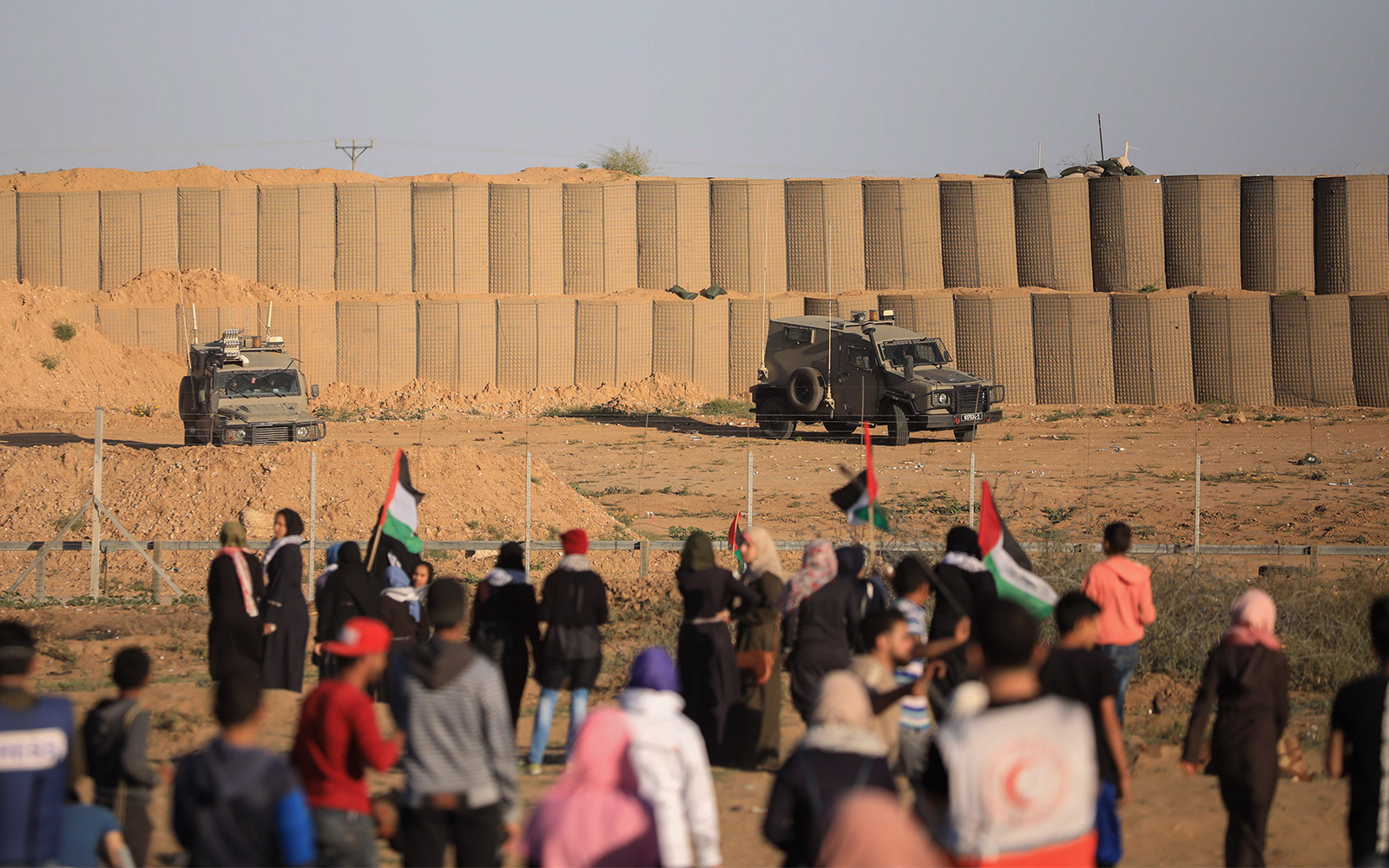
The army was investigating the possibility that a Palestinian sniper targeted a senior Israel Defense Forces officer during riots on the Gaza border Friday.
The army’s Gaza division would conduct an investigation into the shooting, which injured two soldiers who were part of a patrol near the border in the southern Gaza Strip, the Walla news site reported.
One soldier was moderately wounded in the attack and a female soldier was lightly hurt, the IDF said. Both were evacuated by helicopter to the Soroka hospital in Beersheba. Media reports said the male soldier, an officer and a tracker, had a gunshot wound in the thigh, while the female soldier was hit by shrapnel.
In response to the shooting, an IDF aircraft attacked a nearby Hamas post, the army said.

The Hamas-run Gaza health ministry said two people were killed in the strike and two others were wounded. The ministry identified the two killed as Abdullah Ibrahim Mahmoud Abu Salouh, 33 and Alaa Ali Hasan al-Boubli, 29.
Hamas, an Islamist terror group, confirmed the two men killed in the airstrike were members of its military wing and pledged to respond to what it called an “Israeli aggression.”
The Hebrew-language Twitter account of the Hamas-affiliated Shehab news agency issued a threat to Israel Friday night: “We will respond to the crimes of the occupation and the killing of our people.”
The Palestinian Islamic Jihad also said it held Israel responsible for the deaths, but did not claim responsibility for the sniper shooting.
The incidents, which marked a serious escalation, came during weekly border protests in which several thousand Gazans gathered at five sites. Some of the demonstrators rioted, throwing rocks and makeshift explosive devices at soldiers, who responded with tear gas and occasional live fire.
A third Palestinian was killed during the border riots, the Gaza health ministry said, identifying him as Ra’ed Khalil Abu Tayyer, 19, adding that 40 protesters had been injured. The IDF said troops had identified several attempts to breach the fence.
Overnight Friday, a fourth Palestinian died from injuries sustained during the riots, according to Hebrew media reports.
Earlier Friday, Israeli troops arrested a Palestinian man who crossed the northern Gaza border security fence, the army said, adding that the soldiers who searched him discovered a knife, and a balloon from Gaza carrying an incendiary device set off a brushfire near the town of Tekuma five kilometers east of the coastal enclave. Firefighters managed to put out the blaze shortly after it was detected.

Source: Official: US acts against Iranian uranium enrichment | The Times of Israel
Trump administration steps up pressure on Tehran, but allows Russia and European nations to continue work at nuclear sites without incurring US penalties

WASHINGTON (AP) — The Trump administration on Friday pushed against Iran’s efforts to expand its nuclear program by rejecting waivers related to Iran’s uranium enrichment and heavy water storage.
The US renewed other sanctions waivers that allow Russia and European nations to conduct civilian nuclear cooperation with Iran, a senior US official said.
The renewed waivers, which were due to expire Saturday, are being extended for between 45 days and 90 days, shorter periods than had been granted in the past. But they will permit work at several Iranian nuclear sites to continue without US penalties. Under the terms of the 2015 Iran nuclear deal, Russia and several European nations help to maintain the facilities and are engaged in converting equipment there for exclusively civilian use.
Facilities included in the waiver extensions include the Bushehr nuclear power plant, the foenrichment facility, the Arak nuclear complex and the Tehran Research Reactor, the official said.
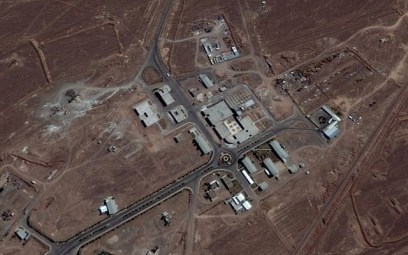
The official, who was not authorized to discuss the matter publicly and spoke on condition of anonymity, said the other two waivers — one that allowed Iran to store heavy water in Oman and the other that allowed Russia to process Iranian uranium — are not being renewed.
President Donald Trump withdrew the US from the Iran nuclear deal last year, reimposed sanctions that had been eased in November and has steadily ramped up pressure on Iran in the months since.
Last month, his administration announced it would no longer renew sanctions exemptions that allowed China, India, Japan, Turkey and South Korea to continue importing Iranian oil. Those waivers expired Friday, although it was not immediately clear whether the administration would impose sanctions on some or all of those countries if they take delivery of previously purchased oil.
Some hardliners on Iran in Congress and outside the administration have called for the elimination of all sanctions waivers, including for civilian nuclear cooperation, in order for the administration to make good on its “maximum pressure” campaign.
Supporters of the Iran deal say the cooperation waivers are important to maintain because they give the outside world additional eyes on what Iran is doing in its nuclear facilities.
Source: Iran’s Rouhani urges unity in face of America’s ‘war on hope’ | The Times of Israel
Iranian president says US seeks to divide nation by cutting its foreign currency supply; ‘They want us to be divided, to stand against each other’
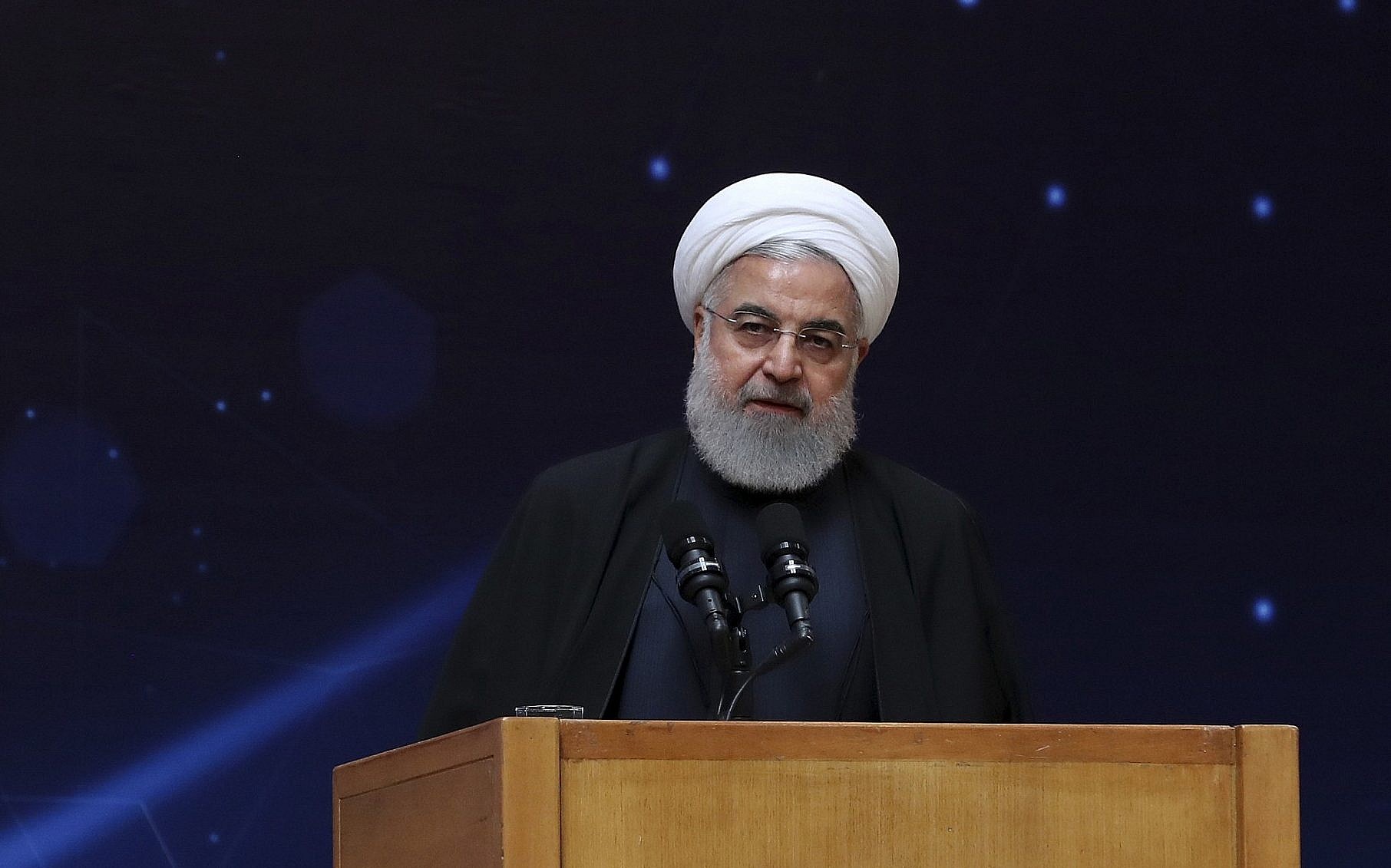
Iranian President Hassan Rouhani on Saturday called for the country to “resist and unite” against US pressure in what he called a “war on hope” waged against the Islamic republic.
It is almost a year since President Donald Trump reimposed crippling US sanctions after exiting a landmark nuclear agreement between major powers and Iran.
“America will only let go of this game when it realizes it cannot achieve anything. We have no way but to resist and unite,” Rouhani said in a televised speech.
Iran’s economy has been battered since sanctions returned. Inflation has shot up, its currency has plummeted and imports are now vastly more expensive.
Upping the ante, the White House announced last week it would end oil purchase waivers granted to Iran’s main customers — including China, India and Turkey — cutting Iran’s access to its main source of foreign currency revenue.
“Our war today is the war on hope. They want to break our hope, and we have to break their hope” of defeating Iran, said Rouhani.
“They want to cut our foreign currency supply… they seek to sow discord in the country. They want us to be divided, to stand against each other,” he added.
Source: As Eurovision delegations arrive, Islamic Jihad vows to ‘prevent the festival’ | The Times of Israel
Gaza terror groups say weekend escalation a result of Israel’s failure to ease restrictions on coastal enclave in exchange for quiet in lead-up to last month’s elections
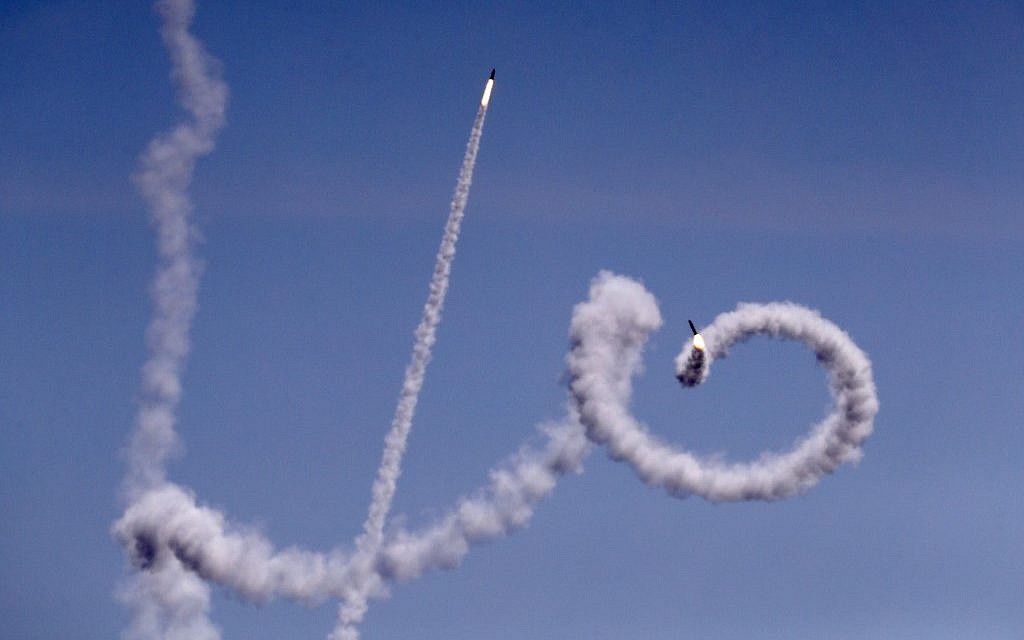
As delegations began arriving Saturday for the Eurovision Song Contest slated to begin in ten days, the Palestinian Islamic Jihad terror group in Gaza vowed to disrupt the event expected to attract thousands of tourists to Israel.
“We will prevent the enemy from succeeding in establishing any festival aimed at harming the Palestinian narrative,” PIJ said in a statement released as the Israel Air Force began pounding dozens of terror targets throughout the Strip in response to the 150 rockets fired at Gaza border towns on Saturday.
“The resistance is obligated to respond to the enemy’s aggression and to surprise it,” the PIJ statement concluded.
An official from the the joint operations room of Gaza factions, which coordinates the weekly border protests in the coastal enclave, warned Saturday afternoon that the next few hours would be “painful.”

The statement reported by Palestinian media was released as rocket sirens blared throughout southern Israel. The Israel Defense Forces said it was investigating what set off the sirens in the central city of Beit Shemesh, which came just an hour after its air force began striking targets in Gaza.
The Gaza official added that the factions had already been in contact with Egyptian mediators as part of the latter’s effort to restore calm, but that the sides had reached a dead end.
The Hamas-run Gaza health ministry said a 22-year-old man was killed and four people were injured by Israeli strikes. It did not say whether the casualties were people affiliated to any terror group.
Meanwhile, a woman, aged around 50, was in serious condition after being hit by shrapnel from a rocket in Kiryat Gat, about 20 kilometers (12 miles) northeast of the Gaza Strip. A man was in a moderate condition after he was hit by shrapnel during rocket fire in the coastal city of Ashkelon.
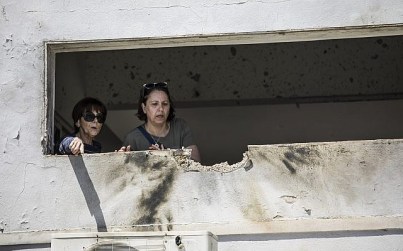
A spokeswoman for the Kan public broadcaster — the local media partner putting on the Eurovision — sought to calm those concerned that the weekend Gaza rocket fire escalation would impact the singing competition scheduled to take place between May 14 and May 18.
“Preparations for the Eurovision delegations are continuing as planned,” Sharon Ben David told the Haaretz daily. “The delegations landed [in Israel] and everyone is busy with the competition.” She said organizers were in constant contact with the IDF’s Home Front Command, which had not given any special orders due to the escalation in the country’s south — far from Tel Aviv where the contest is being held.
Later Saturday, delegations from eight different countries are scheduled to hold their first press conferences since arriving, where performers will likely be asked to comment on whether the developing security situation is impacting their preparations for the competition.

During Operation Protective Edge in the summer of 2014, several international performers who scheduled concerts in Israel canceled their appearances.
A Hamas official told Haaretz that the terror group chose to increase pressure on Israel after the Jewish state failed to implement a series of measures to which it had reportedly agreed in exchange for a cessation of Palestinian border protests and incendiary device-launching last month ahead of parliamentary elections.
“For two weeks now, we have warned of escalation because of [Israel’s] procrastination in implementing the understandings reached for calm,” the official said. “In Israel they asked for quiet and they received it, and in the Gaza Strip we did not feel any change for the better, so we decided to return to the harsh steps of popular protest.”
For the past several months, Egyptian intelligence officials have mediated between Israel and Hamas in an attempt to reach a long-term cease-fire. The sides were said to have made significant progress leading up to the elections with Prime Minister Benjamin Netanyahu’s government agreeing to significantly ease restrictions surrounding the Gaza Strip. This included easing movement at border crossings and expanding the fishing zone.

However, a key component to which Israel also agreed, according to Palestinian media, was allowing the monthly transfer of $30 million in Qatari aid. This month’s transfer is particularly crucial for Gazans this month as the Muslim holy month of Ramadan begins on Sunday, during which spending will balloon.
An Israeli security official claimed to Haaretz that the delay in the transfer was merely technical: Qatar’s special envoy to Gaza, Muhammad al-Amadi, who typically facilitates the transfer, was tending to a sick relative receiving medical treatment in the US.
Also Saturday afternoon, IDF Chief of Staff Aviv Kohavi was holding talks with Shin Bet chief Nadav Argaman, Southern Command chief Herzi Halevi and other top brass. Netanyahu, who is also defense minister, was set to hold consultations at the IDF headquarters in Tel Aviv as well.
In light of the ongoing attacks, the IDF’s Home Front Command issued instructions for residents in affected areas to remain near protected spaces. It also limited public gatherings to 300 people in enclosed spaces only and halted agricultural work. Many municipalities opened public shelters. Beaches and national parks in the south were closed, and sporting events canceled.
The rocket attacks came a day after two soldiers were shot and injured while on patrol near the border in southern Gaza. One soldier was moderately wounded in the attack and a female soldier was lightly hurt, the IDF said.
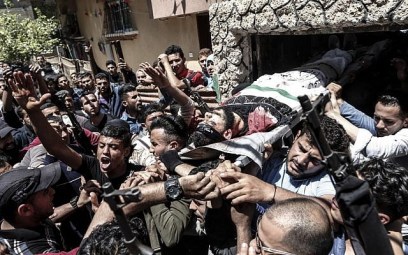
In response to the shooting, an IDF aircraft attacked a nearby Hamas post, the army said. The Hamas-run Gaza health ministry said two people were killed in the strike and two others were wounded. A third Palestinian was killed during the border riots, the Gaza health ministry said, identifying him as Ra’ed Khalil Abu Tayyer, 19, adding that 40 protesters had been injured.
On Thursday, Hamas delegation and PIJ traveled to Cairo for talks with Egyptian officials on a truce with Israel.
That agreement has appeared to be under stress in recent days, with Palestinians launching arson balloons and rockets into Israel and Israeli warplanes striking Hamas targets.
The military expects the coming weeks to be particularly tense, as they will see not only the Eurovision competition but also the start of the Muslim holy month of Ramadan, Israel’s Memorial and Independence Days, and the first anniversary of the opening of the contentious US Embassy in Jerusalem.
Source: Islamic Jihad threatens attacks on Dimona nuclear facility, Ben Gurion Airport | The Times of Israel
Gaza-based, Iran-backed terror group issues video showing members loading projectiles into a rocket launcher, as well as footage of Ashdod port and Haifa refineries
The military wing of the Gaza-based Islamic Jihad terror group on Saturday released a video threatening rocket attacks on the nuclear facility in Dimona and other sensitive sites in Israel, amid continuous rocket firefrom the enclave and IDF strikes in response.
The release of the video, which shows members of the Iran-backed group loading projectiles into a rocket launcher, comes amid a round of fighting between Israel and terror groups in the Gaza Strip.
In addition to the Dimona reactor, the video also shows footage of Ben Gurion Airport, the Ashdod port and refineries in the northern city of Haifa.
To this day, Israel has never acknowledged that it has a nuclear arsenal, produced at Dimona about 50 kilometers (30 miles) south of Tel Aviv, instead maintaining a policy of “nuclear ambiguity” while vowing that it will not be the first to use nuclear weapons in the Middle East.
During the 2014 conflict between Hamas and Israel, terror groups from the Palestinian enclave targeted Israel’s Ben Gurion Airport, located 12 kilometers southeast of Tel Aviv, and briefly grounded flights.
The Haifa bay area is home to some of the heaviest industry in the country, and residents there have long feared an incident that could endanger the northern port city.

The video was released hours after the terror group threatened to disrupt the Eurovision Song Contest, due to take place in Tel Aviv between May 14 and May 18.
“We will prevent the enemy from succeeding in establishing any festival aimed at harming the Palestinian narrative,” PIJ said in a statement as delegations began arriving Saturday for the contest which is expected to attract thousands of tourists to Israel.
The Israel Defense Forces on Saturday afternoon launched a series of strikes on the Gaza Strip from both land and air, as 200 rockets were fired from the enclave.
Meanwhile, a woman, aged around 50, was in serious condition after being hit by shrapnel from a rocket in Kiryat Gat, about 20 kilometers (12 miles) northeast of the Gaza Strip. A man was moderately injured by rocket fire on the coastal city of Ashkelon.
Shortly after 3 p.m. the army said fighter jets and tanks had struck 30 “terror targets” in the Strip belonging to the Hamas and Islamic Jihad terror groups. The operations were ongoing.
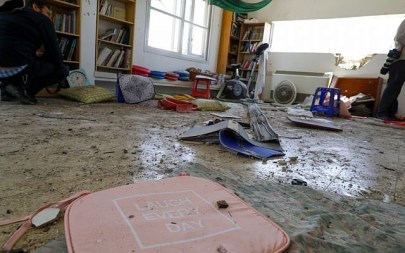
The army said it targeted several Hamas compounds in Gaza City used for training and for weapons production. It said one of the sites was used by the organization’s naval force.
It also struck several Islamic Jihad compounds throughout the Strip, and a number of rocket launchers and outposts near the border.
The strikes came after IDF Chief of Staff Aviv Kohavi held talks with Shin Bet chief Nadav Argaman, Southern Command chief Herzi Halevi and other top brass. Prime Minister Benjamin Netanyahu, who is also defense minister, held consultations at the IDF headquarters in Tel Aviv with senior defense officials.
Ahead of Independence Day and the Eurovision Song Contest, Gaza’s terrorist rulers see a rare opportunity to pressure Israel, which it knows is desperate for calm
Source: Army says 200 rockets fired toward Israel, inring 2; IDF hits targets in Gaza | The Times of Israel
IDF says dozens of projectiles intercepted by Iron Dome; Army strikes 30 targets as sirens sound in border communities, Rehovot, Ashdod, Ashkelon and Beit Shemesh
The Israel Defense Forces on Saturday afternoon launched a series of strikes on the Gaza Strip from both land and air, as around 200 rockets were fired toward Israel from the Palestinian enclave.
The army said dozens of the projectiles were intercepted by the Iron Dome missile defense system.
A woman, aged around 50, was in serious condition after being hit by shrapnel from a rocket in Kiryat Gat, about 20 kilometers (12 miles) northeast of the Gaza Strip. She was treated by medics at the scene and taken to hospital, where she was in stable condition.
A man was in a moderate condition after he was injured by shrapnel after a rocket attack on the coastal city of Ashkelon.
Shortly after 3 p.m. the army said fighter jets and tanks had struck 30 “terror targets” in the Strip belonging to the Hamas and Palestinian Islamic Jihad terror groups. The operations were ongoing.
The army said it targeted several Hamas compounds in Gaza City used for training and for weapons production. It said one of the sites was used by the organization’s naval force.
It also struck several Islamic Jihad compounds throughout the Strip, and a number of rocket launchers and outposts near the border.
The strikes came after IDF Chief of Staff Aviv Kohavi held talks with Shin Bet chief Nadav Argaman, Southern Command chief Herzi Halevi and other top brass. Prime Minister Benjamin Netanyahu, who is also defense minister, was set to hold consultations at the IDF headquarters in Tel Aviv as well.
The strikes were in response to around 200 rockets launched at Israeli communities from the Strip since the morning, with thousands of Israelis forced into shelters throughout multiple towns and cities near Gaza, including in Rehovot, Ashkelon, Ashdod and Sderot.
And at 3 p.m. sirens sounded for the first time as far as Beit Shemesh, a city 20 kilometers (12 miles) west of Jerusalem.
The Iron Dome missile defense system intercepted dozens of projectiles.
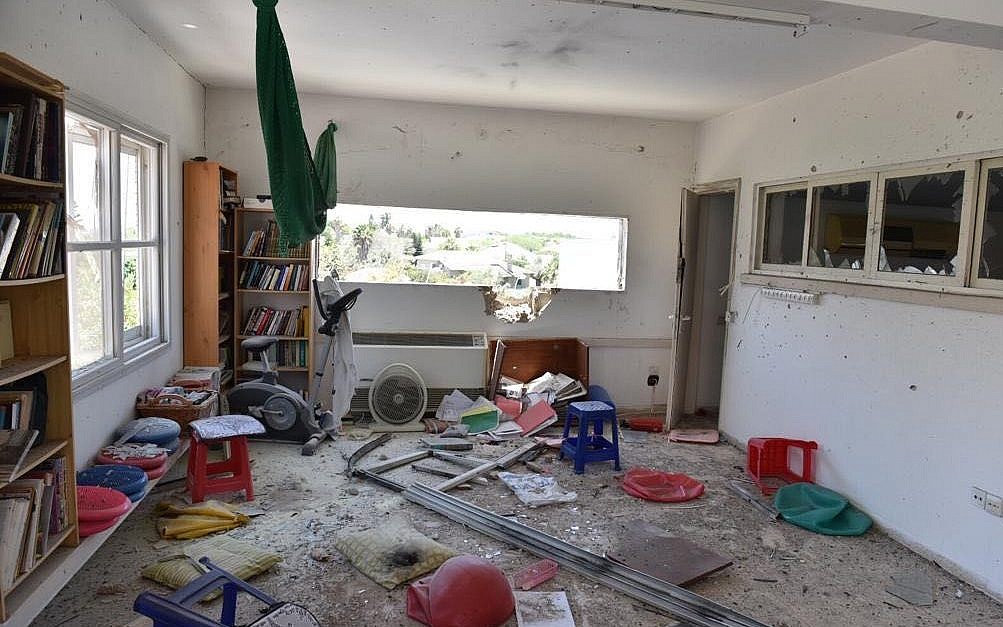
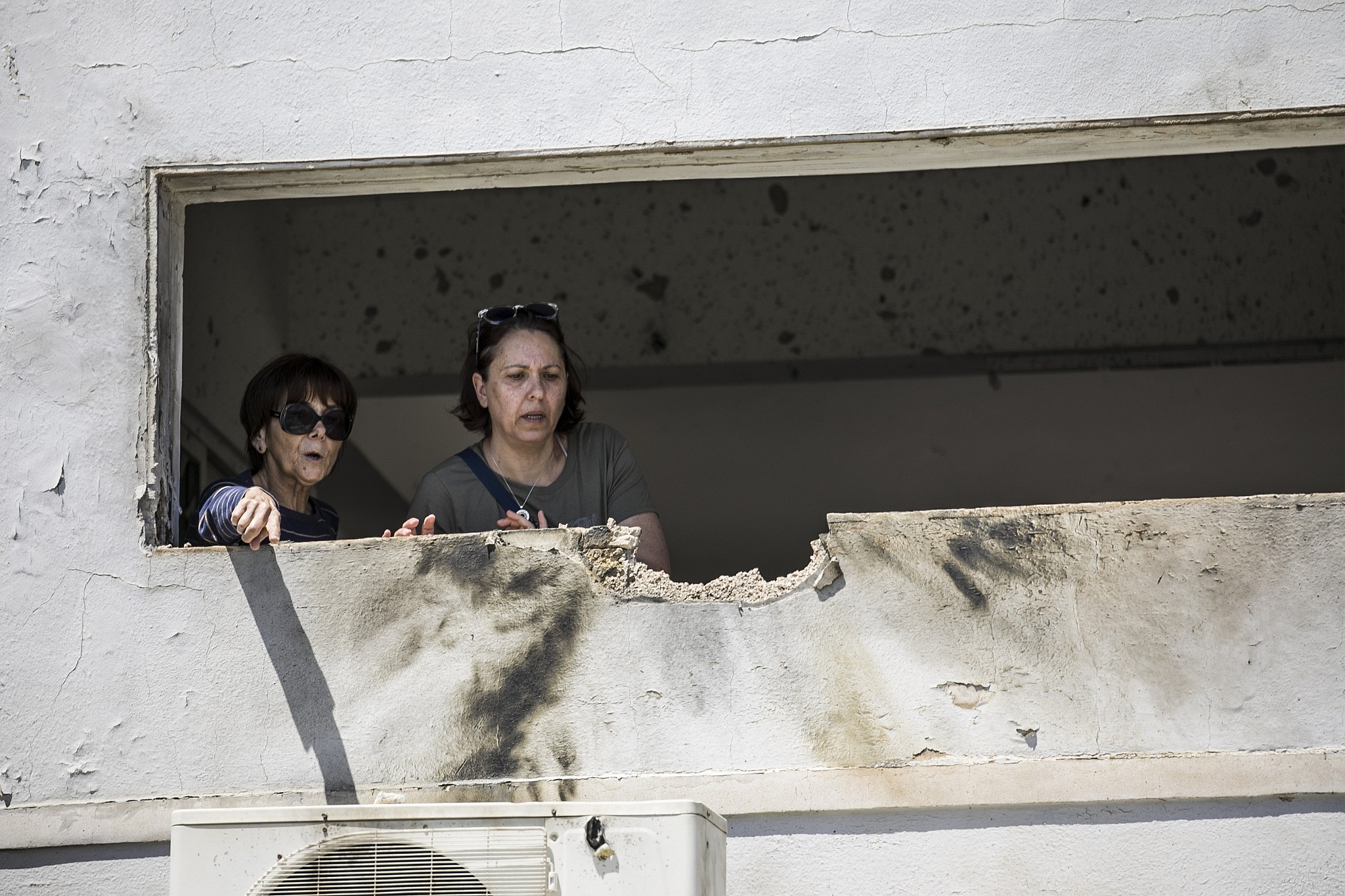
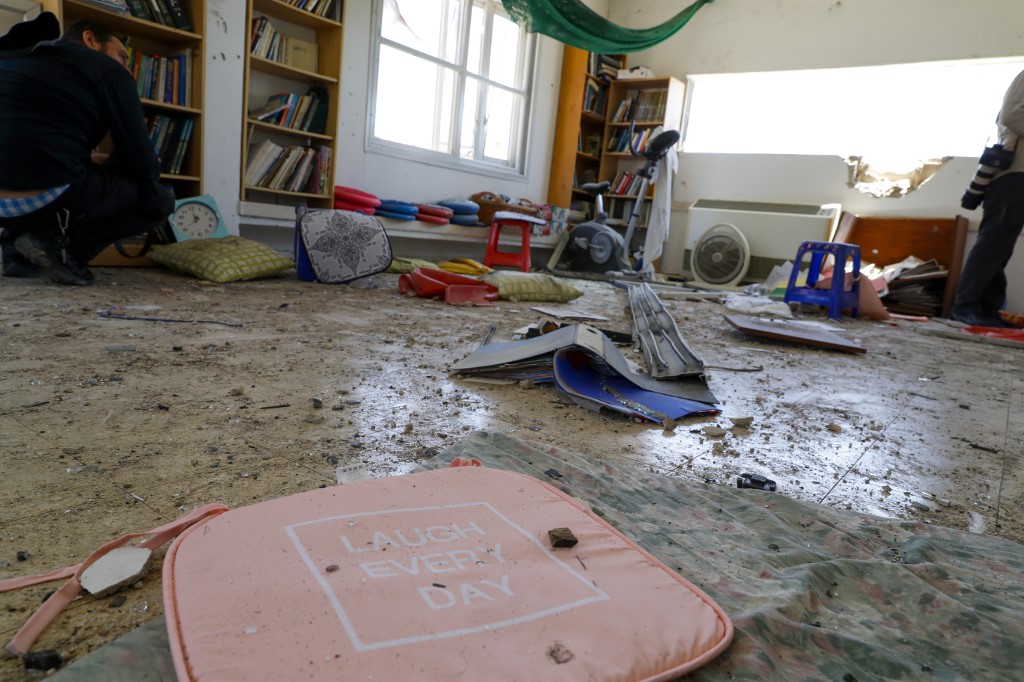
A home in a community in the Eshkol Regional Council suffered a direct hit, without reported casualties, as the residents had run to a nearby shelter moments earlier once sirens were heard. Police were at the scene.
Also in Eshkol, a rocket fell inside a community but did not cause damage. Another rocket impacted on Route 4, a major highway, near Ashkelon. Sappers handled the rocket remains.
Magen David Adom said none were injured by the rocket barrages. However, a 15-year-old boy was lightly hurt running to a shelter, and two people suffered from shock.

In its initial response to the attacks in the morning, the IDF said the air force struck at least two rocket launchers in the Strip, and tanks fired at several posts belonging to the Hamas terror group, which rules Gaza.
The Hamas-run Gaza health ministry said a 22-year-old man was killed and four people were injured by the Israeli strikes. It did not say whether the casualties were people affiliated to any terror group. Channel 12 news reported that the dead man may have been a member of a rocket-launching squad that had fired at Israel, but there was no official confirmation.
No Gaza terror group immediately claimed responsibility for the rocket fire. However, Hamas in a statement said it was “prepared to respond to Israel’s crimes” and vowed to stop it from “spilling the blood of our people.” Gaza’s second-largest terror group, Islamic Jihad, warned that “If Israel continues the aggression it will face surprises.” And a spokesperson for the Popular Resistance Committees said “The resistance groups are breaking the formula that Israel tried to create, whereby it could attack without there being a response.”
An unidentified Hamas source told the Haaretz newspaper that the group had “warned of escalation for the past two weeks due to the delay in carrying out the understandings of the ceasefire. In Israel they asked for calm and got it, and in the Strip we didn’t get any improvement.”
According to the Walla news site, IDF troops in the region were alert to possible attempts to snipe at or launch anti-tank missiles at forces near the border, as well as possible abduction attempts.
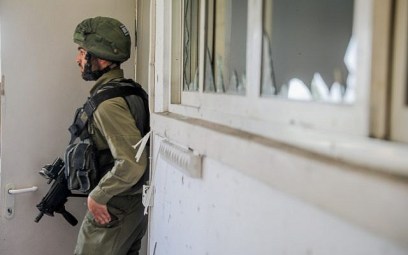
In light of the ongoing attacks, the IDF’s Home Front Command issued instructions for residents in affected areas to remain near protected spaces. It also limited public gatherings to 300 people in enclosed spaces only and halted agricultural work. Many municipalities opened public shelters. Beaches and national parks in the south were closed, and sporting events canceled.
The instructions applied to communities in the border area near Gaza, the central Negev, Lachish region and southern Shfela plain.
The rocket attacks came a day after two soldiers were shot and injured while on patrol near the border in southern Gaza. One soldier was moderately wounded in the attack and a female soldier was lightly hurt, the IDF said.
In response to the shooting, an IDF aircraft attacked a nearby Hamas post, the army said. The Hamas-run Gaza health ministry said two people were killed in the strike and two others were wounded.
Hamas confirmed the two men killed in the airstrike were members of its military wing and pledged to respond to what it called “Israeli aggression.”
The Hebrew-language Twitter account of the Hamas-affiliated Shehab news agency issued a threat to Israel Friday night: “We will respond to the crimes of the occupation and the killing of our people.”
The Islamic Jihad also said it held Israel responsible for the deaths.
The incidents, which marked a serious escalation, came during weekly border protests in which several thousand Gazans gathered at five sites. Some of the demonstrators rioted, throwing rocks and makeshift explosive devices at soldiers, who responded with tear gas and occasional live fire.

A third Palestinian was killed during the border riots, the Gaza health ministry said, identifying him as Ra’ed Khalil Abu Tayyer, 19, adding that 40 protesters had been injured. The IDF said troops had identified several attempts to breach the fence. Overnight Friday, a fourth Palestinian died from injuries sustained during the riots, according to Hebrew media reports.
On Thursday, a Hamas delegation led by the group’s Gaza chief Yahya Sinwar traveled to Cairo for talks with Egyptian officials on a truce with Israel, Hamas officials said.
That agreement has appeared to be under stress in recent days, with Palestinians launching arson balloons and rockets into Israel and Israeli warplanes striking Hamas targets.
Hamas has said the incendiary balloons were a message to Israel not to hold up the transfer of millions of dollars in Qatari aid funds to the cash-strapped Hamas government in Gaza.
Israel and Egypt have maintained a crippling blockade on Gaza since Hamas, which seeks to destroy Israel, seized control of the territory in 2007. Jerusalem says it is necessary to prevent terror groups from rearming and becoming an even greater menace.
The sides are bitter enemies and have fought three wars and engaged in numerous smaller flare-ups of violence.
Tensions have been rising in recent days amid allegations from Hamas that Israel has been delaying implementation of last month’s ceasefire understandings.
Following heavy fighting in early April, Israel agreed to ease the blockade in exchange for a halt to rocket fire. This included expanding a fishing zone off Gaza’s coast, increasing imports into Gaza and allowing the Gulf state of Qatar to deliver aid to cash-strapped Gaza.
Hamas has hoped that Egyptian mediators could further ease the blockade, which has ravaged Gaza’s economy. For over a year, the Islamic group has orchestrated mass demonstrations each week along the Israeli frontier to draw attention to Gaza’s plight.
Agencies contributed to this report.
Source: Two Israelis injured – first casualties of day’s 2nd Palestinian rocket barrage – DEBKAfile

While the Palestinian rocket blitz kept hundreds of thousands of Israelis confined to shelters, they were informed that Chief of Staff Maj. Gen. Aviv Kochavi was closeted with top commanders and security officials for consultations on Israel’s next steps, at the end of which they will be joined by Prime Minister and Defense Minister Binyamin Netanyahu. Judging from past performance, the government and high IDF command are hoping that diplomatic contacts with Egypt will put a stop to the Palestinian rocket assault on the Israeli population, without the IDF’s recourse to a large-scale military operation against Gaza. Those contacts have been ongoing for more than a year, since Hamas launched its violent March of Return rampages on the Gaza-Israeli border, with no practical outcome – aside from fruitless Cairo mediation effort for a long-term truce which never materializes.
In the interim, the Palestinian terrorists have honed their skills and upgraded their forces to regular militias and gained overweening confidence. Saturday afternoon, Hamas boasted that its next attacks would target the Ben Gurion international airport, the Dimona nuclear city, Ashdod port and the Haifa oil refineries. While Jihad set its sights on the Eurovision contest taking place in Tel Aviv on April 13.
Only last week, IDF officials tried presenting the Hamas rulers of the Gaza Strip as making an effort to reach a truce with Israel, except that the pro-Iranian radical Islamic Jihad kept on putting spokes in the wheel by launching long-range rockets against Israeli civilians. This false picture was exposed on April 29, when Hamas fired a long-range rocket into the sea off Israel’s largest port at Ashdod. And the heavy rocket barrage on Saturday finally shot down that pretext when it turned out that the scores of missiles aimed across a wide spectrum of civilian targets were being launched and orchestrated on orders of a joint war-room which Hamas and Jihad had established in the Gaza Strip. How come that the IDF and its intelligence arms were caught napping on Saturday?
It is also worth noting that the IDF has not made any serious effort to put a stop to the heavy rocket barrage at source even after southern Israel was pummeled for six hours or more. Meanwhile, Gaza’s closest neighbors and the towns of Rehovot, Sderot, Ashdod, Ashkelon, Netivot and Ofakim went on high preparedness after the first wave of 100 rockets, most of which were shot down by Iron Dome batteries. The Home Command later ordered local councils to open public shelters, public events, including two soccer games, canceled, farmers were told stay away from their fields and all residents to stay close to sheltered areas.
Finally, towards Saturday evening, official word came from the prime minister’s office and the IDF command, with little comfort for the battered population. The IDF had decided to shut the Erez and Kerem Shalom gateways into the Gaza Strip until further notice and close Gaza waters to Palestinian fishing. Furthermore, the prime minister had decided to summon the security cabinet into session – but not before Sunday.




 anneinpt
 artaxes
 danmillerinpanama
 davidking1530
 Peter Hofman
 Joseph Wouk
 Peter
Peter Louisiana Steve
 WarSclerotic
Recent Comments