Archive for December 9, 2018

Survey: 38% of Jews in Europe are thinking about leaving 

December 9, 2018

Source: Survey: 38% of Jews in Europe are thinking about leaving – Israel Hayom


Rouhani warns weakened Iran will be less able to fight drug trafficking 

December 9, 2018

Source: Rouhani warns weakened Iran will be less able to fight drug trafficking – Israel Hayom

( Black mail, anybody ? – JW )


As Iran lies on a major drug route between Afghanistan and Europe and the Persian Gulf states, President Hassan Rouhani cautions that Western countries may face a massive influx of drugs if fresh U.S. sanctions destabilize the Islamic republic.


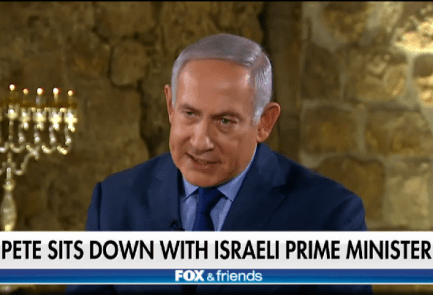
Netanyahu: Israel is preventing Iran from taking over the Middle East – Israel Hayom

December 9, 2018

Source: Netanyahu: Israel is preventing Iran from taking over the Middle East – Israel Hayom


Fog of war can’t conceal Hezbollah’s plotting 

December 9, 2018

Source: Fog of war can’t conceal Hezbollah’s plotting – Israel Hayom


Hezbollah deputy leader: Israel is ‘deterred,’ won’t launch war – Israel Hayom

December 9, 2018

Source: Hezbollah deputy leader: Israel is ‘deterred,’ won’t launch war – Israel Hayom


Hezbollah turns Lebanese border villages into military bases

December 9, 2018

Source: Hezbollah turns Lebanese border villages into military bases

Kafr Kela in southern Lebanon is home to some 10,000 people, mostly farmers, but also to a Hezbollah military base complete with fighters, about 20 arms depots, fighting positions and observation posts—all ready for the day Nasrallah orders the start of the operation to conquer the Galilee.
The first Hezbollah tunnel the IDF found near Metula came out of Kafr Kela, a Shiite village in southern Lebanon that the terror organization has turned into a military base.
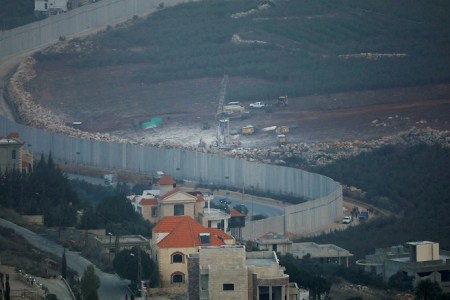
The village, 3.5 kilometers in length, 1.5 kilometers in width, is home to some 10,000 people, most of them Shiite, and almost all of them farmers. But behind the surface hides a Hezbollah base, including about 20 arms depots, fighting positions both overground and underground, observation posts, and an advanced intelligence apparatus.

At the south of the village there is a road along the Israel-Lebanon border. Observation points along this road are also used for rioting.

 (Photo: IDF Spokesman's Office)

(Photo: IDF Spokesman’s Office)
Dozens of Hezbollah members live in the village among the civilian population. In a state of war, they would be reinforced by forces from Hezbollah’s Special Forces unit Radwan, whose fighters are returning from at least six years of fighting in Syria with a lot of operational experience.Kafr Kela is not the only one. When the time comes, Hezbollah fighters stationed at villages along the Israel-Lebanon border will launch an assault against the Israeli communities on the other side of the frontier. Each such base has a commander and a headquarters.

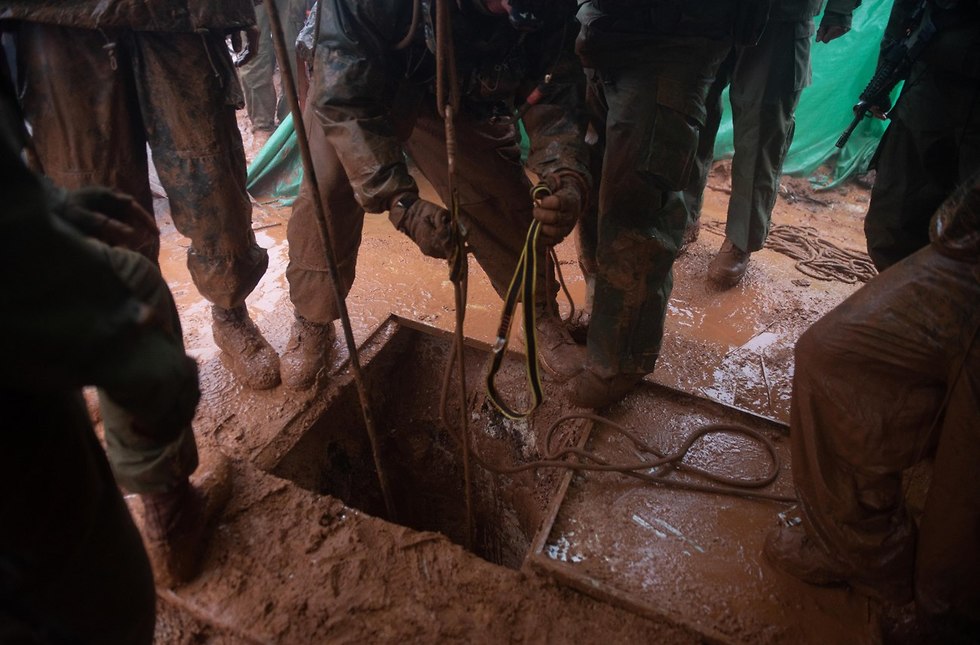
IDF forces uncovered tunnel on the Lebanon border (Photo: IDF Spokesman's Office)

IDF forces uncovered tunnel on the Lebanon border (Photo: IDF Spokesman’s Office)

The tunnel coming out of Kafr Kela was supposed to allow a Hezbollah vanguard of dozens of fighters to infiltrate the Metula area, take over the main roads and cut the city from help while the terror group’s ground forces cross the border into Israel.

Nevertheless, while the tunnels have tactical importance, there is a only a small number of them. Hezbollah has a plan of attack for every Israeli community along the border, and those can be carried out even without the underground element.

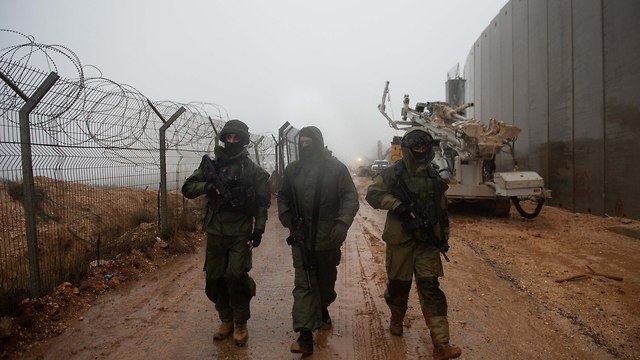
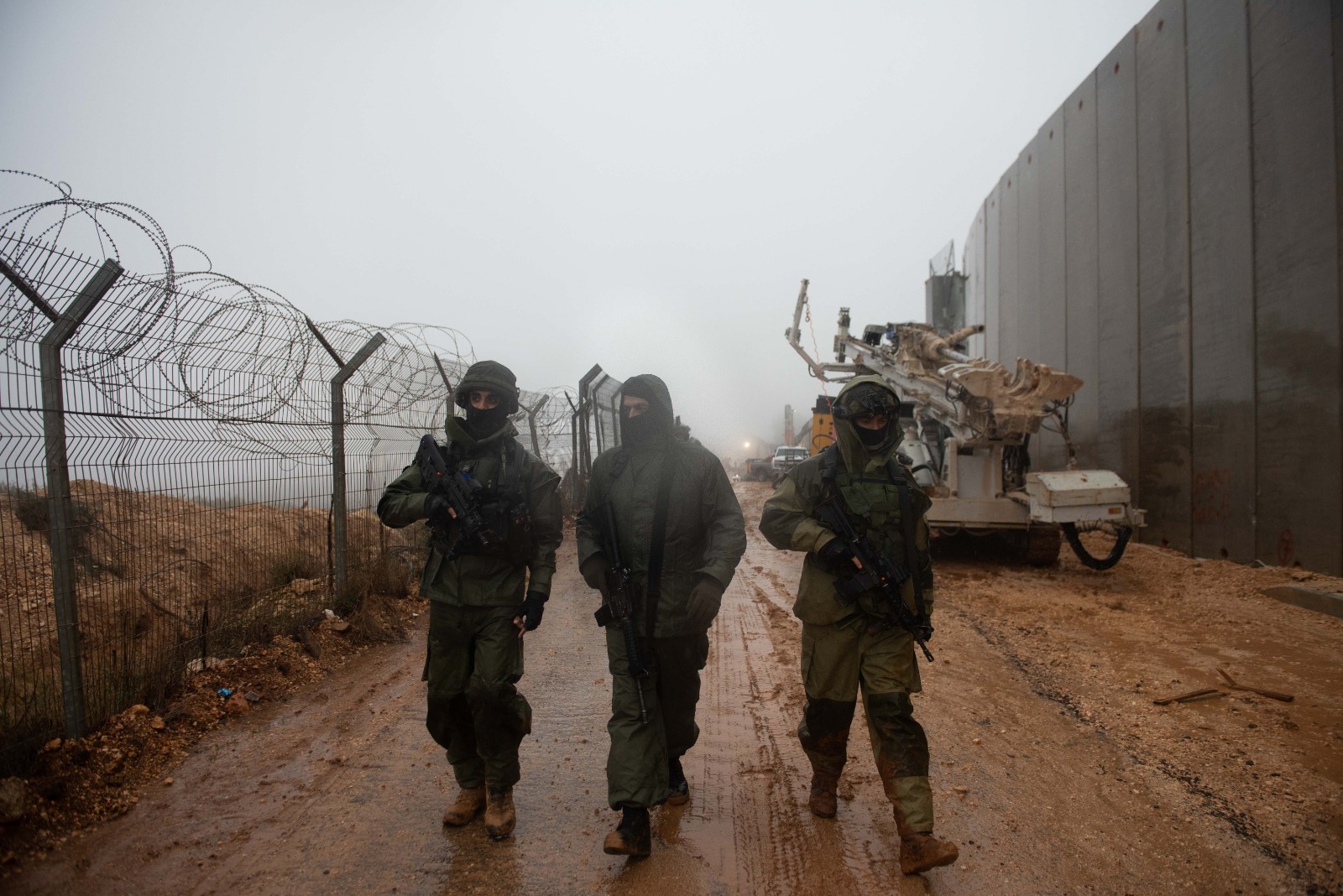
IDF forces on the Lebanon border (Photo: IDF Spokesman's Office)

IDF forces on the Lebanon border (Photo: IDF Spokesman’s Office)

Hezbollah operations from Kafr Kelfa, for example, are meant to include rocket fire toward Metula, mortar shells, anti-tank missiles and of course a ground offensive.

Hezbollah leader Hassan Nasrallah has been talking about his plan to conquer the Galilee since 2011, and the IDF has been preparing accordingly—both by gathering extensive intelligence on the terror group’s operations in the border area and by building an obstacle including a wall in some parts, and the use of the natural bluffs in others, meant to hinder the Hezbollah forces while Israeli aerial force bombard them.

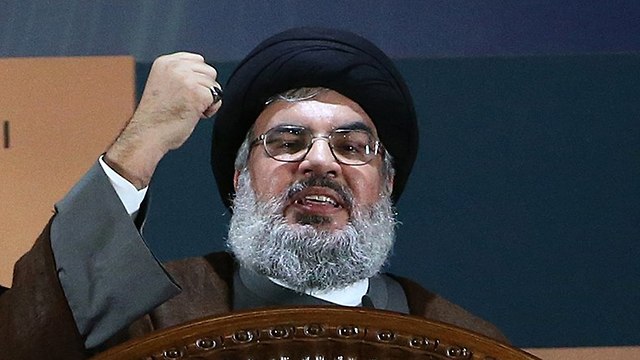
Hezbollah leader Hassan Nasrallah

Hezbollah leader Hassan Nasrallah
“Hezbollah has bolstered its offensive plans and is still developing them,” said Lt. Col. Yiftach Norkin, the operations officer of the Galilee Division. “We’re no longer talking about companies, but battalions with thousands of trained fighters preparing to infiltrate our territory under organized command and control, under fire and with the help of observation posts.””We’re preparing with a strong defensive plan, which will take advantage of the fact these are large forces moving towards us,” Norkin told Ynet. “We’ll also want to attack the non-accurate heavy short-range rockets before they are launched.”

Hezbollah’s elite tunnel unitHezbollah’s elite tunnel unit Rawdan is called after arch-terrorist Imad Mughniyah, nicknamed al-Hajj Radwan, whose assassination is attributed to Israel.

The force, funded by Iran and led by Abu Ali Tabatabai, is a commando unit for Hezbollah, which recruits the best fighters and puts them through grueling training for covert missions.

Lebanese youth aged 17-19 are recruited to the force without being told this is where they are going. Their training includes running and crawling in mountainous area, hand-to-hand combat, and the use of firearms.


Report: Netanyahu working to normalize ties with Saudis before elections 

December 9, 2018

Source: Report: Netanyahu working to normalize ties with Saudis before elections – Middle East – Jerusalem Post

The report said Netanyahu’s goal was to bring about a breakthrough and make the relations between the two countries official before the 2019 Israeli election.

BY GIL HOFFMAN
 DECEMBER 9, 2018 02:36
Report: Netanyahu working to normalize ties with Saudis before elections

Prime Minister Benjamin Netanyahu is working behind the scenes to normalize relations between Israel and Saudi Arabia, Channel 2 diplomatic correspondent Dana Weiss reported on Saturday night.

The report said Netanyahu’s goal was to bring about a breakthrough and make the relations between the two countries official before the 2019 Israeli election. Mossad head Yossi Cohen, who was responsible for facilitating Netanyahu’s October 26 visit to Oman, is Netanyahu’s point man on building relations with the Saudis.

Netanyahu stood behind Saudi Crown Prince Mohammad bin Salman when he faced international criticism for his alleged role in the murder of Saudi-American journalist Jamal Khashoggi in the Saudi Consulate in Istanbul on October 2.

The report quoted a senior diplomatic source saying Israel has been in contact with multiple Arab states to figure out interests vis-à-vis Iran, apparently including Saudi Arabia.

Netanyahu announced following the Oman trip that “there will be other” such visits to Muslim countries with whom Israel does not currently have diplomatic relations.

Bahrain’s Foreign Minister Sheikh Khalid Al Khalifa raised speculation that his country would be Netanyahu’s next host when he praised him on Twitter the same day Netanyahu was in Oman.

“Despite controversy, Mr. Benjamin Netanyahu has a clear position on the importance of establishing stability in the region and Saudi Arabia’s role in achieving this stability,” Al Khalifa said.

But the Bahraini foreign minister told the London-based Asharq Al-Awsat newspaper over the weekend that there had been no plans made for such a visit.


Netanyahu says will meet Putin, working to sanction Hezbollah, Iran 

December 9, 2018

Source: Netanyahu says will meet Putin, working to sanction Hezbollah, Iran – Arab-Israeli Conflict – Jerusalem Post

“We’re working in the political realm to enact sanctions against Hezbollah.”

BY JERUSALEM POST STAFF
 DECEMBER 9, 2018 11:40
Netanyahu and Putin

Prime Minister Benjamin Netanyahu said he is planning to set a meeting with Russian President Vladimir Putin to discuss Operation Northern Shield.

“We’re working in the political realm to enact sanctions against Hezbollah,” Netanyahu said before a cabinet meeting on Sunday.

“We need patience, but with the same perseverance we will continue the operation until its completion – until neutralizing the threat of tunnels in the north. At the same time, we are working on the political level to denounce Hezbollah and Iran and to increase the sanctions against both of them.”

Netanyahu’s words follow the pair’s discussion on Saturday, where Netanyahu told Putin that Israel won’t tolerate Hezbollah’s threat along its northern border and that “Netanyahu reiterated Israel’s policy to prevent the establishment of an Iranian presence in Syria and to act against Iranian and Hezbollah aggression.”

Israel launched Operation Northern Shield last week to expose and destroy Hezbollah attack tunnels stretching from Lebanon into Israel. The IDF has thus far destroyed two tunnels. The army fired on suspicious figures near the border Saturday evening.

Tovah Lazaroff contributed to this report.


Hezbollah deputy chief: All of Israel in range of our rockets 

December 9, 2018

Source: Hezbollah deputy chief: All of Israel in range of our rockets | The Times of Israel

Israel ‘deterred by the capabilities of the Islamic resistance,’ says Naim Qassem as IDF exposes a third tunnel from Lebanon into Israel

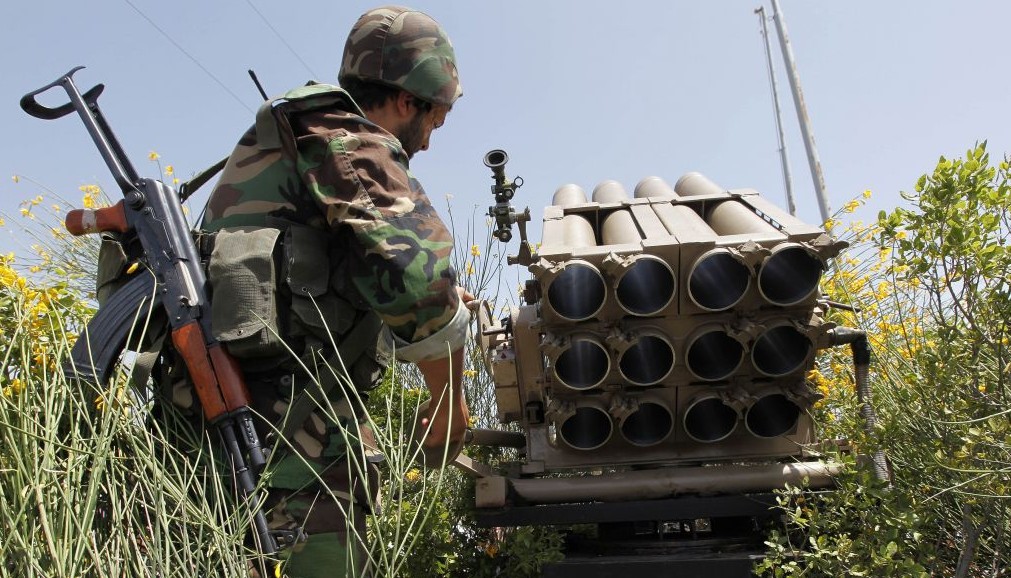
A Hezbollah fighter stands behind an empty rocket launcher, May 22, 2010. (AP/Hussein Malla)

A Hezbollah fighter stands behind an empty rocket launcher, May 22, 2010. (AP/Hussein Malla)

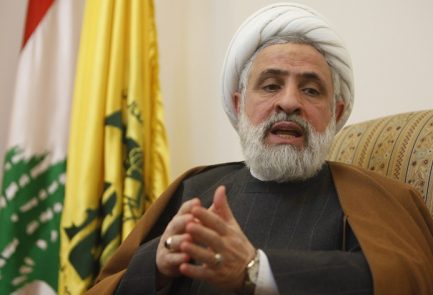
The deputy chief of the Lebanese terror group Hezbollah has warned that all of Israel, “even Tel Aviv,” is vulnerable to the organization’s immense arsenal of over 100,000 rockets.

In an interview published Saturday in the Arabic-language Iranian news outlet Al-Wefak, Hezbollah deputy secretary general Naim Qassem said, “The entire Israeli homefront is exposed, even Tel Aviv.”

He added: “There is no point in the Zionist entity that is not in the range of Hezbollah’s rockets.”

The comments came amid rising tensions on the Israeli-Lebanese border as the IDF on Saturday exposed another cross-border attack tunnel built by Hezbollah from southern Lebanon into Israeli territory.

It was the third tunnel found by the Israel Defense Forces and the second one it has fully exposed — precisely located, drilled into, and begun preparing for destruction — since the start last week of Operation Northern Shield to find and destroy such underground passages.

Another tunnel, which extends from the Lebanese village of Ramyeh, was located earlier but has not yet been subject to the aforementioned steps, for a total of three tunnels found so far.

In the interview with the Iranian outlet, Qassem said Hezbollah had managed to deter Israel from attacking Lebanon for the past 12 years.
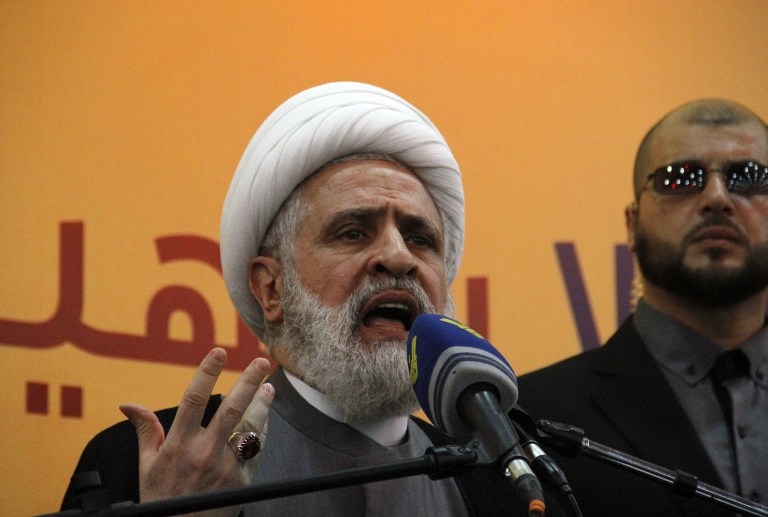
Hezbollah Deputy Secretary General Naim Qassem speaks in the Ghobeiry neighborhood of southern Beirut on May 13, 2016. (AFP Photo/Stringer)

“The Zionist enemy has been unable to carry out military actions against Lebanon since 2006 [the Second Lebanon War]. It has been deterred by the capabilities of the Islamic resistance in Lebanon. The Zionists, in their discussions, are not willing to endure [an assault by Hezbollah]. Therefore, the concept of a war against Lebanon is out of the question [for Israel].”

He added, “Even when they analyze and threaten, they say, ‘If Hezbollah attacks us’ they will react. [That is, they say] they won’t attack first. The rules of engagement that Hezbollah has created in Lebanon have made it very difficult for Israel to even consider launching a war against Lebanon.”

The Israel Defense Forces launched Operation Northern Shield, a concentrated effort to uncover and destroy border-crossing Hezbollah attack tunnels, on Tuesday. That day, troops uncovered their first tunnel, which originated inside the Lebanese village of Kafr Kila and penetrated Israeli territory south of the town of Metulla.

In addition, the military identified a second tunnel, which it said entered Israeli territory near the Israeli town of Zarit, across from the Lebanese village of Ramyeh. The IDF struggled to enter the tunnel, despite knowing its approximate location, and called on the UN peacekeeping force UNIFIL and the Lebanese military to destroy the tunnel on the Lebanese side of the border.

As with the tunnel near Metulla, on Saturday the military said it had fully exposed the third tunnel at its undisclosed location.

The discovery of the Hezbollah tunnels and the ongoing Israeli military operation to disable them has raised the specter of renewed conflict between Israel and Hezbollah.
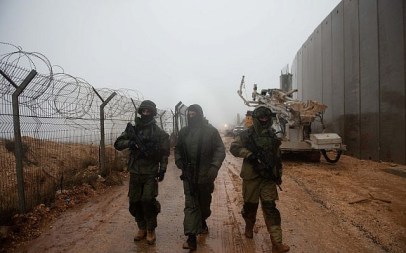
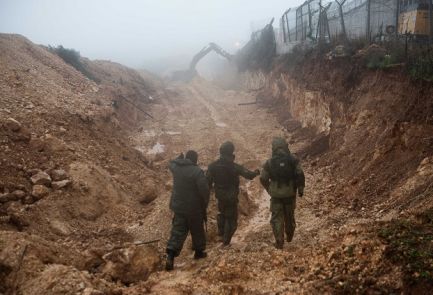
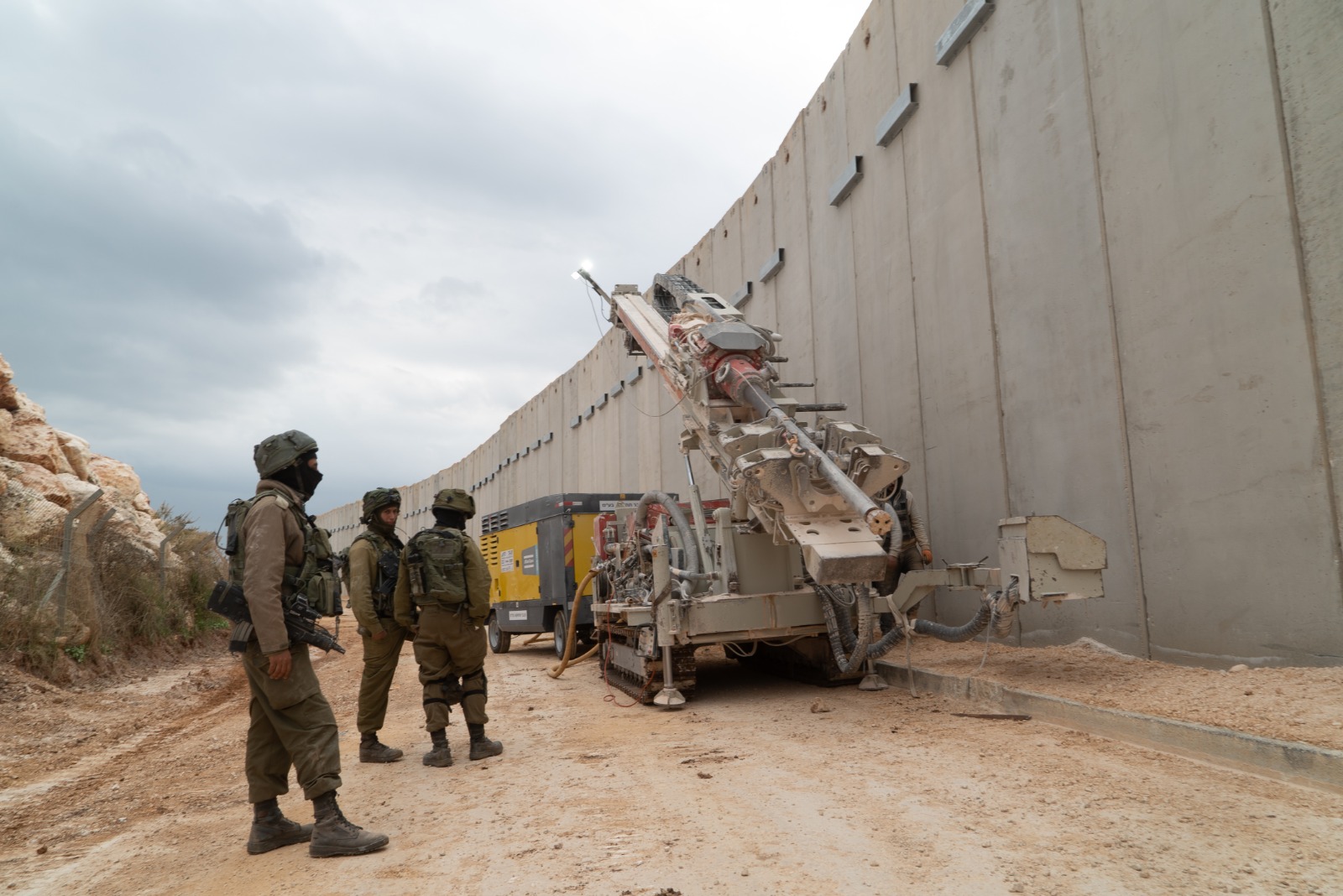
Israeli troops search for a Hezbollah border-crossing attack tunnel from southern Lebanon, along the northern border, on December 8, 2018. (Israel Defense Forces)

On Friday, a senior Israeli minister said Israeli forces may need to go into Lebanon to deal with the newly revealed tunnels.

“If we think that in order to thwart the tunnels that one needs to operate on the other side, then we will operate on the other side of the border,” Israel Katz, who holds the intelligence and transportation ministries, told Radio Tel Aviv.

Katz was reiterating a warning made Thursday by an unnamed senior Israeli official. So far, the IDF has been working to find and destroy the tunnels from the Israeli side of the frontier only.

The military said it believes the tunnels were meant to be used by Hezbollah as a surprise component of an opening salvo in a future war, to allow “entire battalions” into Israel, alongside a mass infiltration of operatives above ground and the launching of rockets, missiles and mortar shells at northern Israel.

Army spokesperson Lt. Col. Jonathan Conricus on Saturday reiterated the military’s position that it held Lebanon and UNIFIL responsible for failing to prevent Hezbollah from digging such tunnels, in what Israel says is a violation of UN Resolution 1701, which ended the 2006 Second Lebanon War and required all armed groups besides the Lebanese military from operating south of the country’s Litani River.

“We expect the international community and UNIFIL to take action,” Conricus said.
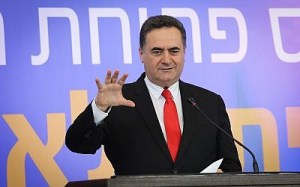
Intelligence and Transportation Minister Israel Katz speaks during the inauguration ceremony for the new train station in the southern Israeli town of Kiryat Malachi, on September 17, 2018. (Flash90)

On Thursday, Israeli officials warned that Hezbollah sought to send “entire battalions” into Israel, including via the tunnels, in order to seize land, and kidnap and kill Israelis.

Prime Minister Benjamin Netanyahu warned that Hezbollah sought to infiltrate “several battalions” into Israel — to seize territory, “murder and kidnap.” Hezbollah’s tunnels are “broader” than those of the Gaza-based Hamas terror group, the prime minister said.

“If you look at the Hamas tunnels, they’re very narrow, basically for one person. The Hezbollah tunnels are broad. They enable several people to come at once and also to bring motorcycles, I’m pretty sure tractors and so on,” Netanyahu told a group of foreign envoys as they toured the area.

This, he elaborated, was “in order to bring in many forces, simultaneously, which means several battalions into our territory, with the purpose of cutting off communities here, towns, kibbutzim, and then going on a campaign of murder and kidnapping, which could happen simultaneously.”

The fresh tunnel discovered Saturday, whose location has been kept secret for security reasons, had been fitted with explosives in order to ensure that it could no longer be used by the Iran-backed Hezbollah, Conricus told reporters.

According to the spokesman, excavation of the tunnel had been ongoing until recently. “It’s a fresh tunnel,” he said. The military did not offer additional details regarding the size of the tunnel.

Israeli troops search for a Hezbollah border-crossing attack tunnel from southern Lebanon, along the northern border, on December 8, 2018. (Israel Defense Forces)

Conricus said the tunnel discovered Saturday, like the others identified by Israel thus far, was “not yet operational and had not yet posed an imminent threat to the surrounding Israeli communities.”

Netanyahu praised the military for finding the new tunnel. “Methodically and determinedly, we are destroying Hezbollah’s tunnel weapon. This action is just beginning and will require cool heads and patience. We will continue working until its end,” he said in a statement.

Conricus said the new tunnel was located along the Blue Line, the armistice line that acts as a de facto border between Israel and Lebanon, and it was “where we expected to find it.”

The spokesperson also discussed an incident earlier in the day along the Israeli-Lebanese border, in which Israel said three suspected Hezbollah members approached Israeli territory in an apparent effort to interfere with Israel’s tunnel-busting efforts.
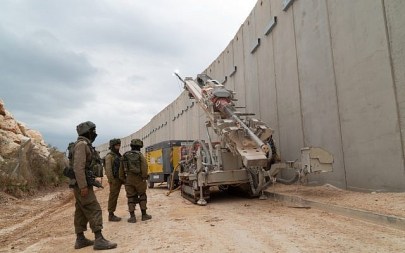
The Israeli military drills into the soil south of the Lebanese border in an effort to locate and destroy Hezbollah attack tunnels that it says entered Israeli territory, on December 5, 2018. (Israel Defense Forces)

Near the Lebanese village of Meiss al-Jabal, across from the Israeli town of Yiftah, the Israeli military had deployed a number of sensors along the border.

Conricus said the sensors were deployed past Israel’s border fence but still on the Israeli side of the Blue Line and thus within Israeli territory.

“According to our understanding, three Hezbollah terrorists tried to use the adverse weather conditions to destroy or take the sensors that we deployed,” he said. “Forces responded with fire. The terrorists fled, and they did not succeed in taking the sensors.”

Lebanon’s official NNA news agency said Israeli forces fired shots in the air after they were surprised because of heavy fog by a routine Lebanese army patrol.

The number of tunnels the IDF believes the Lebanese terror group has dug into Israel, as well as other information connected to the army’s tunnel-busting operation, cannot be published by order of the military censor.
 

IDF uncovers 2nd tunnel. Hizballah sends spies to steal a look, challenges Israel to cross the border – DEBKAfile

December 9, 2018

Source: IDF uncovers 2nd tunnel. Hizballah sends spies to steal a look, challenges Israel to cross the border – DEBKAfile

Five days into Israel’s operation to clear Hizballah’s cross-border tunnels, the silence from its headquarters in Beirut is turning out on Saturday, Dec. 8, to be a ploy for goading Israel into keeping going until it becomes necessary to take the operation across into Lebanon.

 Hassan Nasrallah will then have his pretext for hitting back.
This stage is not yet at hand. Meanwhile, bad weather conditions ares laying a second layer of fog on a murky near-standoff, as outlined by DEBKAfile:

  1. The IDF operation is keeping going along the border from Metulah to Western Galilee. Soldiers are grouped in between the earth-moving trucks in areas where more tunnels have been marked out. None of them have crossed the border – as yet.
  2. On Saturday afternoon, three Hizballah agents, under cover of heavy mist, crept close up to the IDF digging squads in the Kadesh valley between Kibbutz Yiftah, Ramot Naftali and Kibbutz Malkia, They apparently came from the Lebanese village of Blaideh and were probably sent to find out if the Israeli troops had crossed the border and check their equipment. They vamoosed when the soldiers fired in the air. This incident tied in with the disappearance of two heavy machine guns sitting on a self-propelled gun facing a target in Lebanon. It is assumed that a second Hizballah squad, or some Lebanese intruder familiar with the ground, spotted the weapons unguarded outside and made off with them.
  3. On Saturday evening, the IDF spokesman revealed that a second tunnel had been unearthed, that the unit was in control of its full length and had booby-trapped it.
  4. Non-disclosure of this tunnel’s location was a step in the IDF’s move on Thursday to test UNIFIL Chief Maj. Gen. Stefano Del Col. He was asked to inspect the South Lebanese villages for tunnels in keeping with his mission, with a view to destroying them jointly with the Lebanese army. IDF generals had no illusions that this tactic would work, but Israel’s policy-makers needed to show the Trump administration proof that the Lebanese army was not an independent entity but a tool of Hizballah.
  5. Del Col did in fact call on the Lebanese Chief of Staff Gen. Joseph Aoun on Friday to request permission for UNIFIL monitors to enter suspect Lebanese villages with a Lebanese army escort. The next day, a Lebanese source claimed the tunnels were “old, deserted and half were in a state of collapse” and the IDF operation was trumped-up for political benefit. This line accorded with Hizballah propagandists’ efforts to play down the whole enterprise.
  6. All this presents Israel with a quandary: To refute the Lebanese claims and prove that Operation Northern Shield, and its huge intelligence, logistic and information investment, were justified by the scale of the threat, the IDF needs to transfer the operation to the Lebanese end for its final stage. Hizballah and the Lebanese army are already gearing up to make sure that this stage takes place under fire.