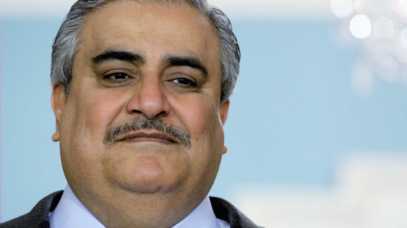
The Arab nation of Bahrain took a giant step toward supporting Israel on Tuesday, as its Foreign Minister tweeted an attack on the terror tunnels the terrorist group Hezbollah is attempting to build into Israel as Israel mounts its efforts to destroy them.
Foreign Minister Khalida Khalifa tweeted, “Is it not for the terrorist Hezbollah to dig tunnels across Lebanon’s borders a clear threat to Lebanon’s stability and its governing partner? Who bears responsibility when neighboring countries take the task of getting rid of this threat?”
BREAKING: Bahraini foreign minister backs Israel’s operation to get rid of Hezbollah’s terror tunnels https://t.co/Mwu78ujvCl
Recent reports have surfaced that Israel is seeking diplomatic ties with Bahrain; The Jerusalem Post reported in late November that Israeli government sources confirmed that Israel and Bahrain were communicating in an attempt to establish official diplomatic relations between the two countries. The Post noted, “Bahrain, which has 1.4 million residents in the Persian Gulf, has no diplomatic relations with Israel. The country has a small Jewish community of about 40 people and is the only country in the Gulf that has a synagogue.
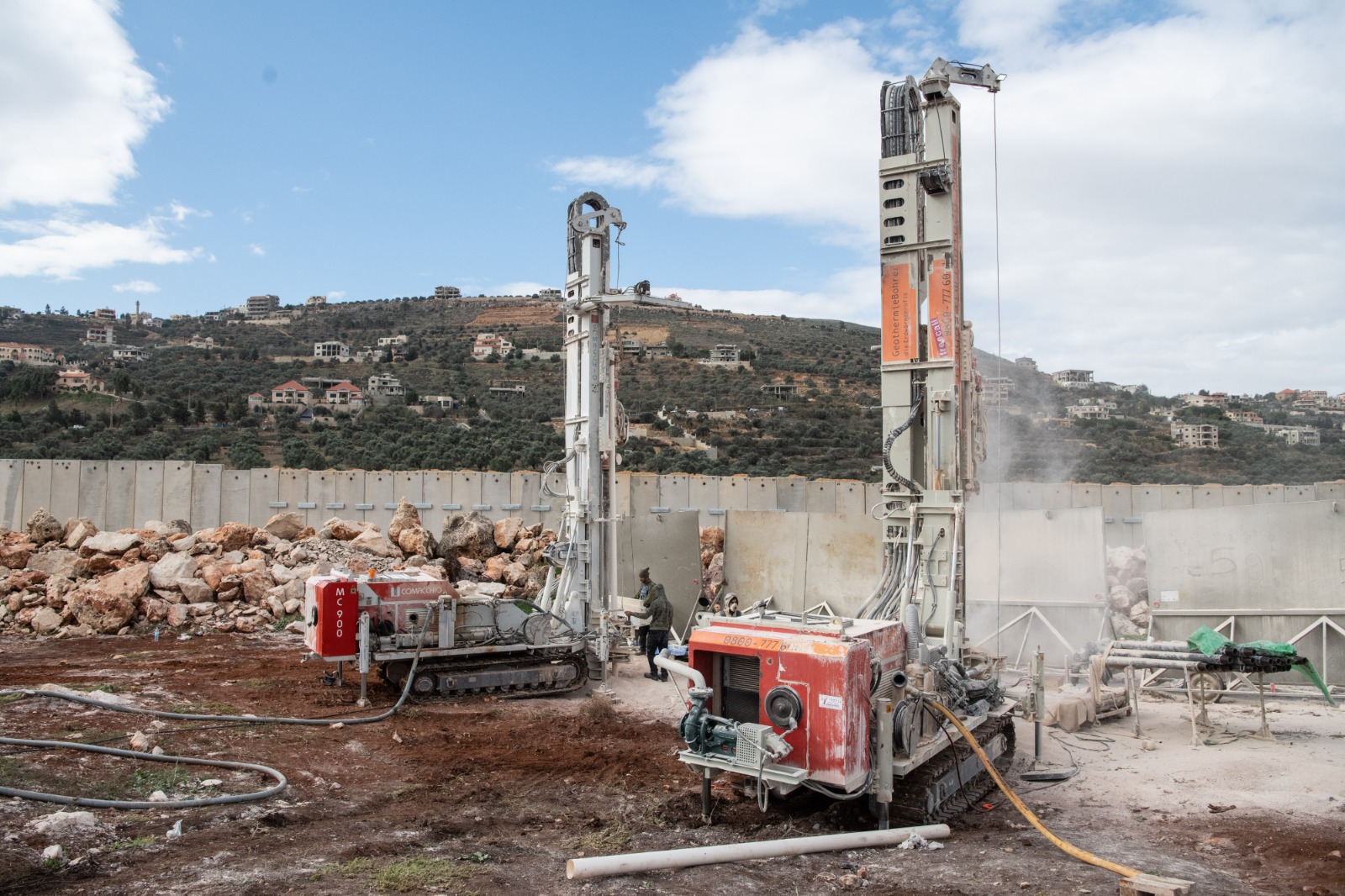
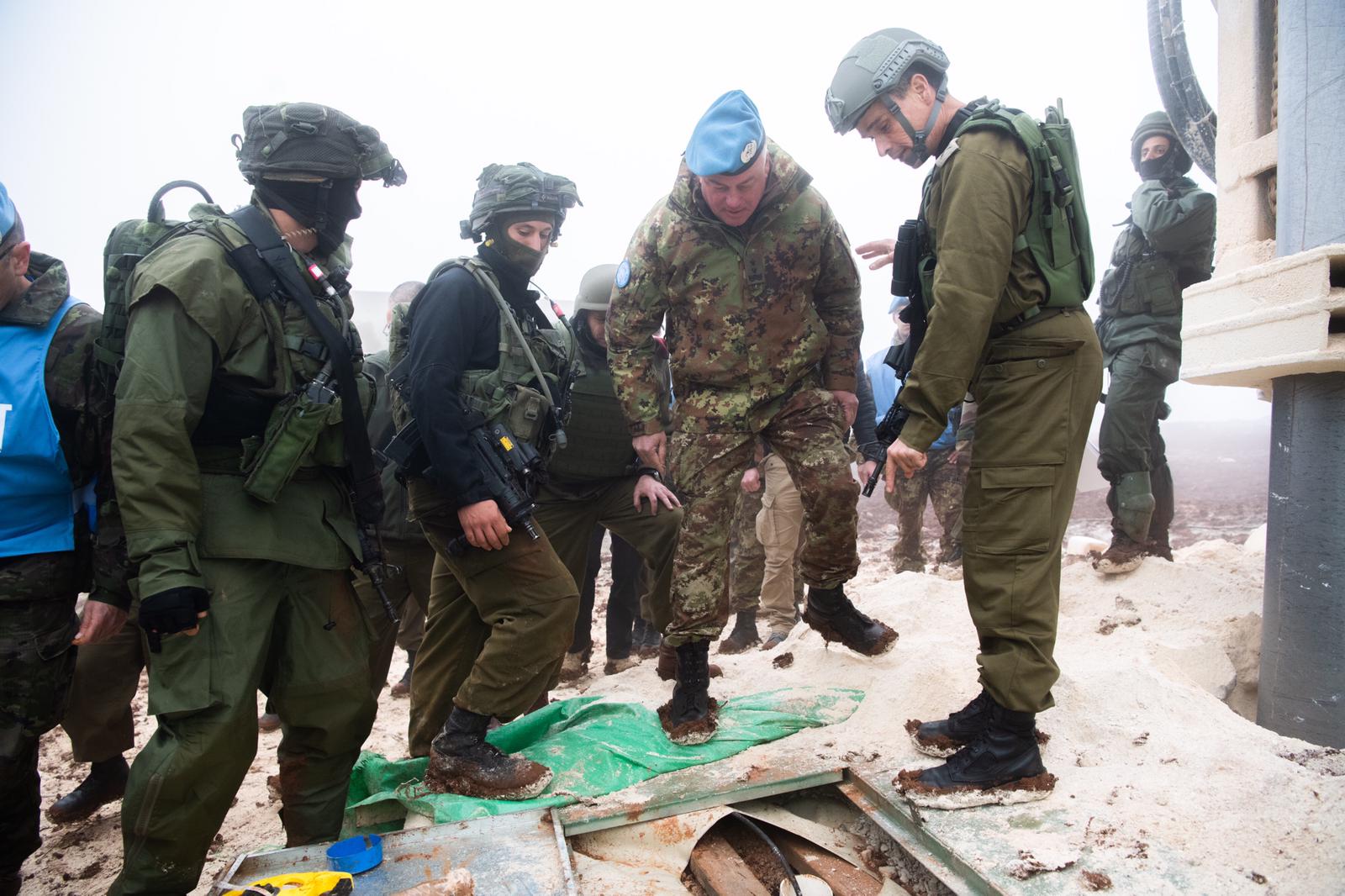
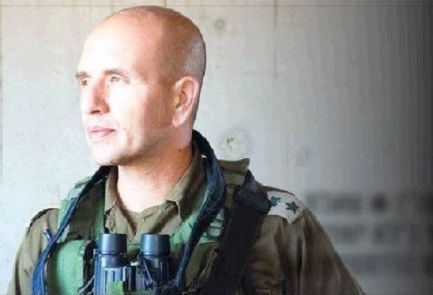
This week, Israel launched an effort to find and destroy tunnels Hezbollah has built from Lebanon to infiltrate Israel. Touring the area with various ambassadors, on Thursday, Israeli prime minister Benjamin Netanyahu condemned Hezbollah for the tunnels; at the same time, Israel’s northern commander, Maj. Gen. Yoel Strik, showed the head of the U.N.’s peacekeeping force in Lebanon a tunnel that entered Israel. As Fox News reported, “Strik also presented UNIFIL a map with the location of a second tunnel, along with houses in Lebanon that Israel says are connected to the tunnel. He said Israel demanded that UNIFIL investigate and ‘neutralize’ the shaft of the tunnel.”
Netanyahu urged the international community to impose additional sanctions on Hezbollah, stating, “I told the ambassadors that they need to unequivocally condemn this aggression against us by Iran, by Hezbollah and by Hamas, and of course, to also strengthen the sanctions against these elements. He confidently asserted that when Israel is done with the tunnels, they “will no longer exist and will no longer be effective.”
Lt. Col. Jonathan Conricus said three areas have been discovered that harbor tunnels.
Israel also showed its humanitarian side; a message ostensibly from Israel in Arabic on Lebanon’s LBC TV posted an audio message to the cellphones of residents of a village in the area to steer clear of tunnels, stating, “Hezbollah is putting your lives in danger because of digging tunnels. These tunnels could explode. Anyone who is close to the tunnels is putting his or her life in danger.”
The United States established diplomatic relations with Bahrain in 1971 after the country became independent from the United Kingdom. But even before that, Bahrain provided a base for U.S. naval activity in the Persian Gulf; that started in 1947. Bahrain has very good relations with the Trump administration; the Crown Prince cemented agreements including an extension of the Bahrain – US Defense Cooperation Agreement, the purchase of F-16 fighter aircraft, and deals with American companies to modernize the BAPCO refinery and expand the ALBA aluminum smelter.
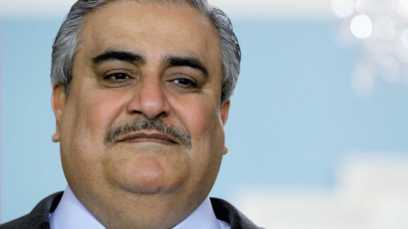
The Arab nation of Bahrain took a giant step toward supporting Israel on Tuesday, as its Foreign Minister tweeted an attack on the terror tunnels the terrorist group Hezbollah is attempting to build into Israel as Israel mounts its efforts to destroy them.
Foreign Minister Khalida Khalifa tweeted, “Is it not for the terrorist Hezbollah to dig tunnels across Lebanon’s borders a clear threat to Lebanon’s stability and its governing partner? Who bears responsibility when neighboring countries take the task of getting rid of this threat?”
BREAKING: Bahraini foreign minister backs Israel’s operation to get rid of Hezbollah’s terror tunnels https://t.co/Mwu78ujvCl
Recent reports have surfaced that Israel is seeking diplomatic ties with Bahrain; The Jerusalem Post reported in late November that Israeli government sources confirmed that Israel and Bahrain were communicating in an attempt to establish official diplomatic relations between the two countries. The Post noted, “Bahrain, which has 1.4 million residents in the Persian Gulf, has no diplomatic relations with Israel. The country has a small Jewish community of about 40 people and is the only country in the Gulf that has a synagogue.
This week, Israel launched an effort to find and destroy tunnels Hezbollah has built from Lebanon to infiltrate Israel. Touring the area with various ambassadors, on Thursday, Israeli prime minister Benjamin Netanyahu condemned Hezbollah for the tunnels; at the same time, Israel’s northern commander, Maj. Gen. Yoel Strik, showed the head of the U.N.’s peacekeeping force in Lebanon a tunnel that entered Israel. As Fox News reported, “Strik also presented UNIFIL a map with the location of a second tunnel, along with houses in Lebanon that Israel says are connected to the tunnel. He said Israel demanded that UNIFIL investigate and ‘neutralize’ the shaft of the tunnel.”
Netanyahu urged the international community to impose additional sanctions on Hezbollah, stating, “I told the ambassadors that they need to unequivocally condemn this aggression against us by Iran, by Hezbollah and by Hamas, and of course, to also strengthen the sanctions against these elements. He confidently asserted that when Israel is done with the tunnels, they “will no longer exist and will no longer be effective.”
Lt. Col. Jonathan Conricus said three areas have been discovered that harbor tunnels.
Israel also showed its humanitarian side; a message ostensibly from Israel in Arabic on Lebanon’s LBC TV posted an audio message to the cellphones of residents of a village in the area to steer clear of tunnels, stating, “Hezbollah is putting your lives in danger because of digging tunnels. These tunnels could explode. Anyone who is close to the tunnels is putting his or her life in danger.”
The United States established diplomatic relations with Bahrain in 1971 after the country became independent from the United Kingdom. But even before that, Bahrain provided a base for U.S. naval activity in the Persian Gulf; that started in 1947. Bahrain has very good relations with the Trump administration; the Crown Prince cemented agreements including an extension of the Bahrain – US Defense Cooperation Agreement, the purchase of F-16 fighter aircraft, and deals with American companies to modernize the BAPCO refinery and expand the ALBA aluminum smelter.
Senior IDF officials say they’ve known about the tunnels along Israel-Lebanon border for more than two years but waited until plans for Operation Northern Shield were finalized.
The IDF’s decision to launch Operation Northern Shield to neutralize Hezbollah terror tunnels this week stemmed from a growing fear the underground infrastructure would be used by terrorists to carry out attacks against IDF patrols in the area, according to a senior commander of the 91st Galilee Division.
“For two and a half years, we have been certain that there are tunnels, but the element of surprise was very important to us,” the commander stressed Wednesday during a tour of the Metula area where one tunnel was uncovered.
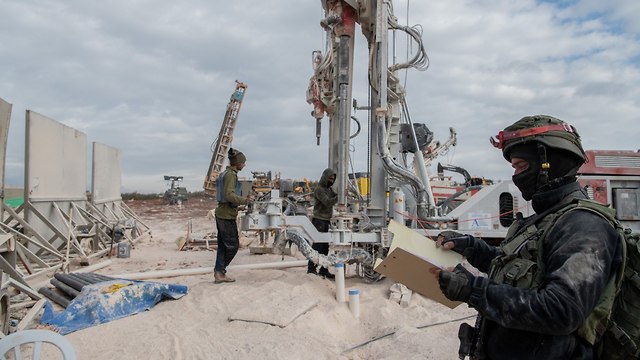
IDF forces work to destroy Hezbollah tunnels on Israel-Lebanon border (Photo: IDF Spokesperson’s Unit)
According to senior officials in the Northern Command, Hezbollah’s plan for the next war with Israel involved infiltrating Israeli territory through the tunnels, ambush the IDF forces that would be sent to the area, paralyze Route 90 leading to the city of Metula and isolate the area so the main Hezbollah force could invade unopposed from Lebanon.
“We were debating when to uncover the tunnel,” explained the senior officer. “Should we save it for war time or not, but my position was not to wait,” he stated.
Senior IDF offcials on Israel-Lebanon border (Photo: IDF Spokesperson’s Unit)
The IDF’s plans for Operation Northern Shield were finalized a year ago but had been kept under wraps.
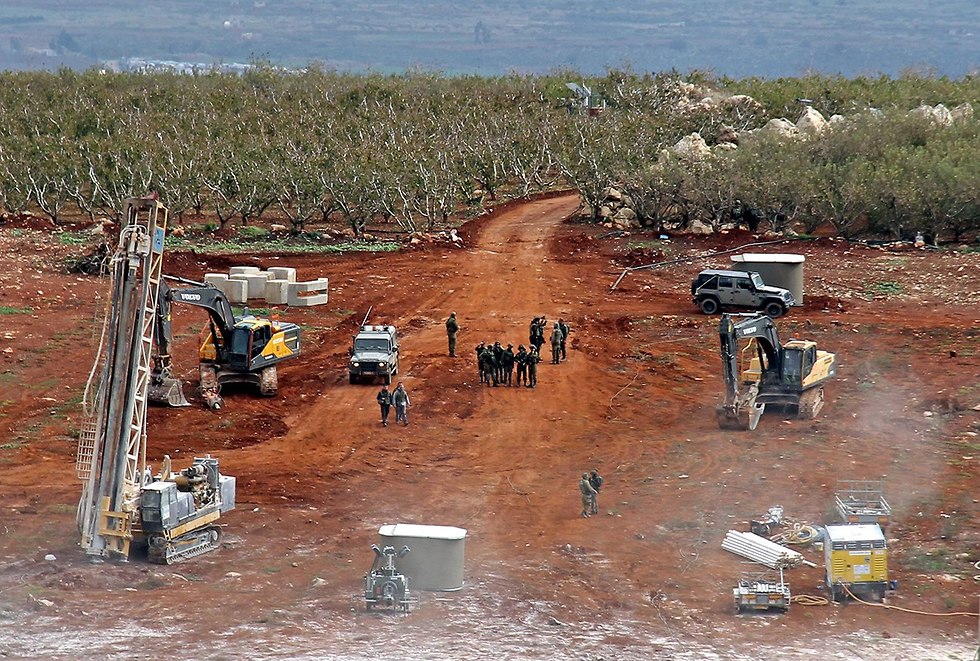
The few officers entrusted with planning the operation worked in conjunction with the Gaza Division to study the methods to locate the tunnels, but at a certain point it became clear that a different approach would have to be adopted in light of the different geological conditions in the north, that include rocky terrain as opposed to the sandy soil of Gaza.
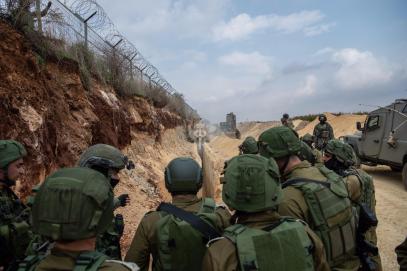
Engineering work along the Israel-Lebanon border (Photo: AFP)
At this point, the tensions in the north have subsided. Senior political and military sources say Hezbollah had been left surprised and embarrassed by the Israeli discovery of the tunnels.
“They don’t know exactly the extent of our knowledge on their tunnel project or their plans, but we know a lot,” a senior military source emphasized.
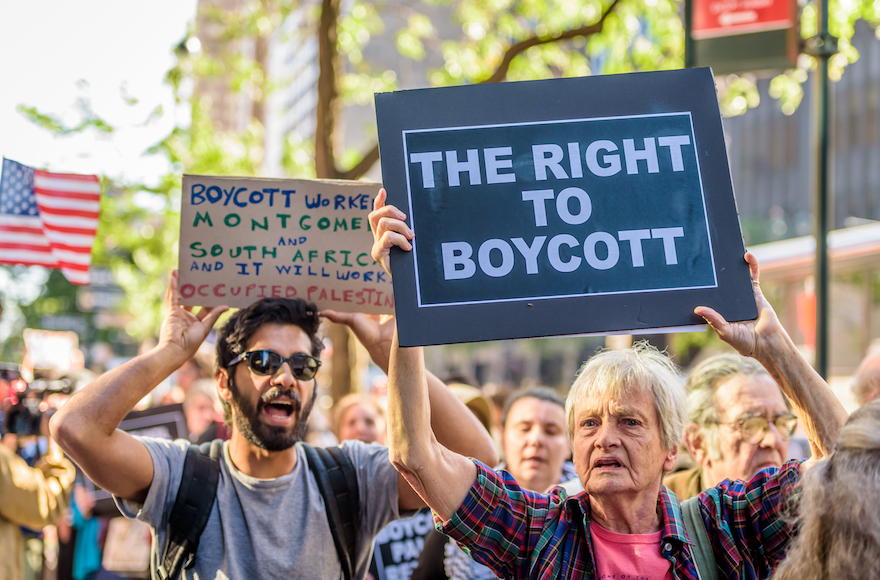
Demonstrators protesting against Israel in New York City, June 2016. (Erik McGregor/Pacific Press/LightRocket via Getty Images)
WASHINGTON — With a US senator attempting to push controversial legislation cracking down on anti-Israel boycotts through Congress, progressive Jewish groups appear split on the merits of the proposed law.
While the liberal Middle East advocacy group J Street has vehemently opposed the bill, which would make it illegal to boycott Israel, the Jewish Democratic Council of America, an advocacy wing for more mainline Jewish Democrats, is supporting its passage.
The bill — called the Israel Anti-Boycott Act — would prohibit American companies from participating in Israel boycotts, including those promoted by international organizations like the United Nations. It was castigated by liberal advocacy groups and civil society groups almost immediately upon its release on First Amendment grounds.
An amended version designed to address those concerns was advanced through the House Foreign Affairs Committee in June but later put on the backburner after liberal advocacy groups and civil liberties activists objected that it still crimped free speech rights.
Democratic Senator Ben Cardin is reportedly now working to include the measure in a spending bill this month, as US lawmakers rush to finalize the package in a last-minute push during a lame duck session.
Halie Soifer heads the Jewish Democratic Council of America. (Courtesy of JDCA)
“We support the Israel Anti-Boycott Act, as amended, and urge passage of this legislation during the 115th Congress,” said JDCA Executive Director Halie Soifer in a statement. “We are encouraging JDCA members to write to their member of Congress to support passage of the bill by the end of the year.”
A campaign on the JDCA website urging support of the bill notes that the Democratic party platform adopted in 2016 includes a plank on opposing BDS and efforts to delegitimize Israel.
The drafting of that platform two years ago was the focus of a highly visible battle between the party’s more left-wing and centrist flanks, exposing rifts within the party over support for Israel.
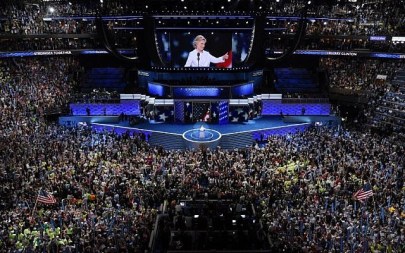
Democratic presidential nominee Hillary Clinton gives a thumbs-up after accepting the nomination during the fourth and final night of the Democratic National Convention at the Wells Fargo Center in Philadelphia on July 28, 2016. (AFP PHOTO/SAUL LOEB)
At the time, activists pushed for language mentioning Israel’s occupation of the West Bank and Israeli settlements, but the camp of eventual nominee Hillary Clinton won out and managed to instead insert pro-Israel and anti-BDS language.
The 2018 midterm elections have pointed to a decidedly leftward shift by the party, though, with two incoming Democratic lawmakers openly supporting the BDS movement.
J Street, which in 2016 called for more balanced language in the Democratic platform, has launched a campaign against the anti-BDS act — arguing that such a law would impinge on the right of Americans to express a political point of view, and that it would not draw any distinction between Israel proper and West Bank settlements.
“J Street opposes the BDS Movement,” the group said in an “action alert” email to its supporters. “But we also oppose legislation that threatens free speech and erases the distinction between Israel and the occupied West Bank.”
“We’ve just learned that some members of Congress might try to pass this kind of law by quietly slipping it into a must-pass government funding bill,” it went on, before imploring its backers to reach out to their representatives on the Hill.
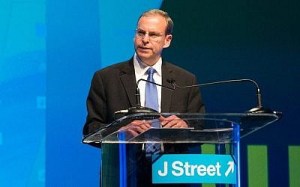
J Street Executive Director Jeremy Ben-Ami addressing the group’s conference in Washington, March 21, 2015. (Courtesy JTA/J Street)
According to reports, Cardin is looking to include the anti-BDS bill in a short-term two-week spending bill that lawmakers are currently hammering out to avoid a partial government shutdown. The bill must be passed by Friday.
US President Donald Trump has demanded that bill include funding for a wall along the southern border, which Democrats vehemently object.
The Israel Anti-Boycott Act has long been a subject of controversy. Faiz Shakir, national political director of The American Civil Liberties Union, wrote a letter to House members last year saying the bill “would impose civil and criminal punishment on individuals solely because of their political beliefs about Israel and its policies.” He urged them not to co-sponsor or support the bill.
The measure’s supporters counter that, if passed and implemented, this law would prohibit discrimination on the basis of national origin, in this case, directed at Israeli companies and individuals.
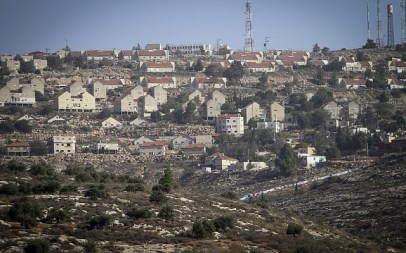
The Israeli settlement of Elon Moreh as seen from the northern West Bank city of Nablus on December 7, 2016. (Nasser Ishtayeh/Flash90)
Sponsored by Rep. Peter Roskam, a Republican from Illinois, and Juan Vargas, a Democrat from California, the House bill includes a provision that would make it illegal for US businesses to join international boycotts against Israel. It would specifically amend the Export Administration of 1979, which bars US companies from adhering to Israel sanctions or boycotts administered by the Arab League.
Rep. Eliot Engel, a Democrat from New York, has defended the law’s constitutionality. “Current law already prohibits US companies from participating in state-sponsored boycotts of countries friendly to the United States,” he said in his opening statement before the House panel’s June vote.
“This legislation simply adds boycotts by international government organizations to that law,” he continued. “This bill does not infringe on free speech. It makes it clear that this prohibition only applies when a person is acting in an official capacity and if the intent was to comply with the international government organization’s boycott. Individual, personal speech remains protected. Period.”
Several states have passed anti-BDS legislation, prohibiting the state from working with companies that boycott Israel, though none have passed measures making participating in a boycott of Israel illegal.
Two freshman lawmakers who openly support the BDS movement, Michigan’s Rashida Tlaib and Minnesota’s Ilhan Omar, are slated to be sworn into Congress when it reopens next year.
Despite predictions that the north is staying calm, war over missiles looms large on the horizon; and Hamas shows it can still undermine Israel even with its tunnels exposed
The Israeli military drills into the soil south of the Lebanese border in an effort to locate and destroy Hezbollah attack tunnels that it says entered Israeli territory, on December 5, 2018. (Israel Defense Forces)
1. Missiles or misdirection: There has been a near unanimous analysis that Israel’s tunnel-killing operation is not going to lead to a wider conflagration — so long as Israel remains on its side of the Lebanese border. But at the same time, there have been hints that the operation is merely the appetizer for an actual battle once Israel decides to try to get rid of Hezbollah’s precision missile stocks.
The clearest indication came on Thursday, when a senior Israeli official threatened that the IDF may be forced to extend its current tunnel-busting operation across the border and into Lebanese territory.
“High chance of a future operation,” reads a top headline in the Israel Hayom tabloid.
Prime Minister Benjamin Netanyahu meanwhile began to shift the conversation to Hezbollah’s missiles, saying that the terror group has some, but not as many as it wants: “According to Hezbollah’s plans, they were already supposed to be equipped with thousands of missiles, but right now they only have a few dozen.”
The statement downplaying Hezbollah’s abilities is somewhat strange in that Israel has consistently maintained that the group is a formidable threat, with Israeli analysts and reporters dutifully relaying the most dramatic of both sides’ boasts and warnings for years.
2. Waiting for war: Perhaps what changed is the need for a casus belli, which the tunnels and their excellent PR potential may now provide Israel.As Ben Caspit writes in al-Monitor: “Hezbollah’s precision missile project is still alive and kicking and Israeli efforts to thwart it continue. The direct flights from Tehran to Beirut do not bode well for Israel’s future. …. Israel’s dilemma is whether to consider this project an act of war by Hezbollah.”
Haaretz’s Amos Harel calls the missiles “the fuse that could ignite the war,” and quotes a military officer who tells him that it was clear the tunnel threat needed to be taken care of before Israel started anything that could lead to a wider confrontation.
“His response was unexpectedly forceful: Had war broken out and we had left this threat untreated, the Agranat Commission criticisms of the IDF following the Yom Kippur War would have paled in comparison to what would have happened in this case, and rightly so. ‘We could not go on living with this threat for one day. And this is a genuine answer, not covering our ass,’” he writes.
3. Crazy plans Kila: How did they find the factory that was hiding the tunnel opening? According to Harel, IDF analysts noticed that, although the building in Lebanon’s Kafr Kila was supposedly a cement factory, it was only trucking materials out, not in.
It’s not just the supposed cement factory. Yedioth Ahronoth publishes a map of Kafr Kila pointing out the locations where it says there are underground hiding places for troops, observation posts and more.
“Inside the village there is a central command, with some 20 weapons stores, battle posts, observation posts, dozens of underground bunkers and an advanced intelligence apparatus based on observation and patrols,” the paper’s Yossi Yehoshua reports.
Yehoshua doesn’t mention a source, but unless Hezbollah has started leaking its battle plans to him, chances are he’s just repeated what the Israeli military told him.
4. Rookies: Forgetting to make sure the trucks being sent to a supposed cement factory are filled with materials is the kind of rookie mistake one wouldn’t necessarily expect from big, bad Hezbollah.
There has been a fair amount of gently mocking or downplaying Hezbollah, as being caught with its pants down. The army publishing a video showing an operative finding an Israeli spying device in a tunnel, and then running away scared when it sets off a small explosion, hasn’t helped matters.
To make things even worse, several Israeli outlets report that the man isn’t some kid being paid a few lira to dig out limestone, but Hezbollah’s tunnel commander Imad Fahs, a mechanical engineer with a PhD.
Hadashot news speaks to some of Fahs’s friends, who confirm it is Fahs and he has gone underground the last couple years, literally and figuratively, disappearing off social media.
“The surprise, shock and embarrassment of Hezbollah is not a trifle, it’s so much more,” an IDF officer tells Israel Hayom. “Their ability to keep a big project like this secret and then bust out with all their power, to take a massive asset like that from Hezbollah is no less than impressive.”
5. Pit of doom: Hezbollah isn’t the only one going underground. Yedioth’s Alex Fishman reports on the newly refurbished and reopened super-secure and not-so-secret bunker dozens of meters below the Defense Ministry headquarters in Tel Aviv.
The pit, as the war room (several rooms actually) is known, was a 10-year project, according to Fishman, quoting one officer who calls it the army’s largest-ever non-war engineering effort. And the room is reserved for use when Israel thinks war is a possibility, meaning the decision to time it with the announcement of the tunnel-busting op was likely not coincidental.
“This was more proof that, from the army’s point of view, there was no question as to whether the uncovering and sealing of the Hezbollah tunnels was a military operation in every sense of the phrase,” he writes.
6. A win for Hamas: The UN failing to pass a measure condemning the Hamas terror group, meanwhile, is being seen as a large blow to the US and Israel.
“The vote on the resolution [was] a test for the Trump administration’s ability to get support for its Middle East policies in the Arab world,” Haaretz notes.
Israel tried to spin the vote as a victory nonetheless, noting that more countries voted for the measure than against it, though it lacked the two-thirds majority necessary.
But to the US, the loss still stings, with Jason Greenblatt calling it “absolutely shameful.”
Jason D. Greenblatt
✔@jdgreenblatt45
Absolutely shameful!! @UN failed to condemn #Hamas even after years of attacks via suicide bombings, kidnappings, missiles, & more against Israelis. The applause after the vote says it all. #Hamas hurts #Israelis, #Palestinians & #peace. When will the #UN speak the truth???
It was also seemingly the last major move by Ambassador Nikki Haley before she moves on.
“She would like to go out with something,” a diplomat tells AFP.
7. Heather’s next: The vote had barely finished when reports began to emerge that US President Donald Trump has finally picked a new UN envoy, Heather Nauert, who may have even less diplomatic experience than Haley did.
The Fox anchor-cum-State Department spokesperson has never held a diplomatic post, so it’s pretty hard for the “Is she good for Israel/the Jews?” crowd to predict how she may turn out (though most everyone agrees it will be pretty hard to top Haley, who at times seemed like she was doing Israeli envoy Danny Danon’s job for him.)
The New York Times reaches deep into the vault to report that “in 2015, she hosted an event for Algemeiner, a Jewish news outlet, at which Mr. Trump was given an award for his support of Israel.”
But the paper also notes that the choice of Nauert suggests Trump “wants someone at the United Nations who will not necessarily play a major role in setting policy but will instead take on a high-profile role in selling it to the world.”
8. Cosmic sign? According to an Associated Press article from March, when Nauert was promoted to her current position as State’s flack, thanks to the firing of Rex Tillerson, who had sidelined her, she was deep underground on a tour of a Hamas tunnel outside of Gaza.
This time, the US was fresh from being unable to sell those tunnels as a reason for the world to condemn Hamas, and Israel was taking other diplomats on a tour of a Hezbollah tunnel on the northern border for the same reason.
Israeli soldiers show UNIFIL commander Maj. Gen. Stefano Del Col a Hezbollah tunnel that penetrated Israeli territory from southern Lebanon on December 6, 2018. (Israel Defense Forces)
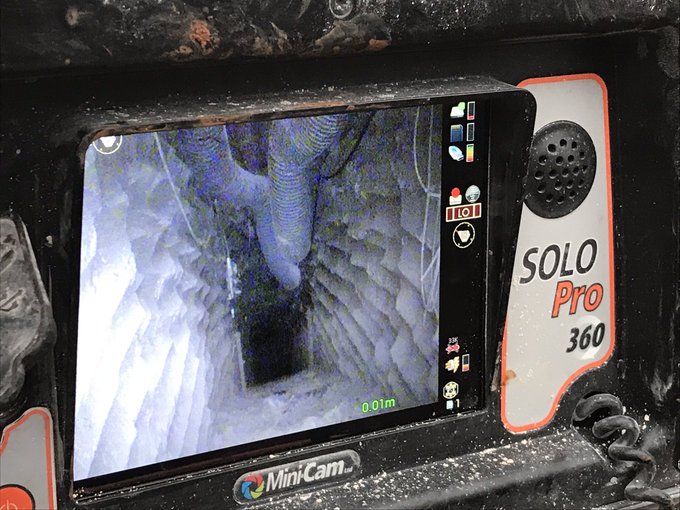
A Lebanon-based United Nations peacekeeping force on Thursday confirmed the existence of a tunnel penetrating Israeli territory from southern Lebanon, which Israel says was dug by the Hezbollah terrorist group.
In a statement, the United Nations Interim Force in Lebanon, known by its acronym UNIFIL, called the tunnel a “serious concern” and said it would investigate the matter with Lebanese authorities.
The tunnel, as well as two others the Israel Defense Forces said it was working to uncover in the western Galilee, was found as part of the military’s newly launched operation to find and destroy Hezbollah attack tunnels, dubbed Operation Northern Shield.
On Thursday, the Israel Defense Forces led UNIFIL commander Maj. Gen. Stefano Del Col and his delegation to the site of the tunnel, south of the Israeli town of Metulla.
“Based on the site inspection, UNIFIL can confirm the existence of a tunnel at the location,” UNIFIL said in a statement.
The UN peacekeeping force did not immediately confirm that the tunnel was constructed by the Iran-backed Hezbollah.
“UNIFIL is now engaged with the parties to pursue urgent follow-up action. It is very important to determine the full picture of this serious occurrence,” the peacekeeping force said.
If the Shiite terror group was indeed found to have dug the passage, it would likely constitute a violation of UN Resolution 1701, which ended the 2006 Second Lebanon War between Israel and Hezbollah and required all armed groups besides the Lebanese military to remain north of the country’s Litani River.
UNIFIL’s primary mission is to enforce UN Resolution 1701, something Israeli officials routinely criticize the peacekeeping force for failing to do.
“The IDF sees the Lebanese government, Lebanese military and UNIFIL as responsible for all that happens in Lebanon and for the enforcement of Resolution 1701,” the army said in a statement.
In addition to showing Del Col the tunnel south of Metulla, the IDF also said it presented the general with information regarding a second tunnel that originated under a number of homes in the predominately Shiite Lebanese village of Ramiyeh and crossed into Israeli territory near the village of Zarit in the western Galilee.
The Israeli military called on UNIFIL and the Lebanese military to destroy the tunnel inside Ramyeh as it was struggling to locate an opening to the underground passage on the Israeli side of the border.
UNIFIL did not immediately confirm that it had received such a request from Israel.
An IDF spokesperson said the military was confident that the tunnel existed and had penetrated into Israeli territory, but the army was thus far unable to locate a specific opening to it due to the rocky earth and recent inclement weather.
According to the IDF, the tunnel originated in the Lebanese village of Ramyeh underneath a number of homes.
The army confirmed it had soldiers operating at a third location, also in the western Galilee, and IDF spokesperson Lt. Col. Jonathan Conricus said there were other sites where the military believed Hezbollah had dug tunnels into Israeli territory.
The Israeli military said it believes the tunnels were meant to be used by Hezbollah as a surprise component of an opening salvo in a future war, alongside the mass infiltration of operatives above ground and the launching of rockets, missiles, and mortar shells at northern Israel.
A senior Israeli official on Thursday said the tunnels discovered inside Israel were large enough to be used by “entire battalions” to enter Israeli territory in order to “carry out killing sprees and kidnappings and to capture Israeli towns and villages.”
Prime Minister Benjamin Netanyahu elaborated, briefing foreign envoys at the northern border: “If you look at the Hamas tunnels, they’re very narrow, basically for one person. The Hezbollah tunnels are wide. They enable several people to come at once and also to put motorcycles, I’m pretty sure tractors, and so on.”
This, Netanyahu said, was “in order to bring in many forces, simultaneously, which means several battalions into our territory, with the purpose of cutting off communities here, towns, kibbutzim, and then going into a campaign of murder and kidnapping, which could happen simultaneously.”
IDF Chief of Staff Gadi Eisenkot, center, visits soldiers searching for Hezbollah attack tunnels on the Israeli-Lebanese border on December 4, 2018. (Israel Defense Forces)
The number of tunnels the IDF believes the Lebanese terror group has dug into Israel, as well as other information connected to the army’s tunnel-busting operation, cannot be published by order of the military censor.
According to Conricus, the tunnel from the predominantly Shiite village of Ramyeh was not yet operational as it lacked an exit point and did not present an immediate threat to residents of the area, as with the tunnel discovered south of Metulla on Tuesday.
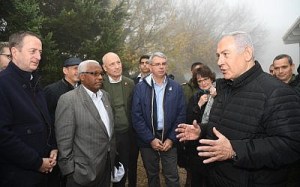
PM Netanyahu (right) briefs foreign diplomats on Israel’s border with Lebanon, December 6, 2018. (Haim Tzach/GPO)
Earlier on Thursday, a senior Israeli official threatened that the IDF may be forced to extend its current tunnel-busting operation across the border and into Lebanese territory.
“It is possible that we will be required to act inside Lebanon,” the official said, speaking on condition of anonymity.
Operation Northern Shield was launched earlier this week due to the fear that the details of the operation would be leaked and revealed to Hezbollah, the senior official said.
“If Hezbollah knew that we knew [about the existence of the tunnels] then this would accelerate their kidnapping efforts, and we did not want to get to a situation where the kidnappers infiltrate into Israel and abduct a soldier or a civilian, and no one would know anything about it,” the senior official said.
The decision to embark on the operation was made on November 7, and was one of the reasons the cabinet decided not to launch a major military campaign against Hamas in Gaza, the official added. “There were other reasons, too, but that was one of them,” he said.
Also on Thursday, Netanyahu briefed foreign diplomats about the army’s ongoing operation, urging them to condemn and sanction the Shiite terror group for its aggressive actions.
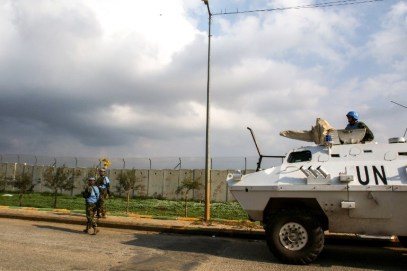
United Nations Interim Force in Lebanon (UNIFIL) soldiers patrol along the border wall with Israel near the southern Lebanese village of Kafr Kila on December 4, 2018. (AFP/Mahmoud Zayyat)
“Israel expects an unequivocal condemnation of Hezbollah, the imposition of additional sanctions on Iran, a condemnation from the Lebanese government and a demand that it stop giving its approval for the use of its territory for these attacks against Israel,” he told a group of senior ambassadors from across the globe.
“All of this will come up at the upcoming meeting of the UN Security Council which Israel has demanded. This is an important political and diplomatic step that complements our operational and engineering effort to deny Hezbollah and Iran the tunnels weapon.”
David Quarrey@DavidQuarrey
PM Netanyahu briefed ambassadors today on the Hizballah tunnel threat. We visited tunnel site close to the Blue Line. UK condemns such tunnels as blatant and destabilising violation of UN resolutions.
“We are systematically and decisively denying our enemies the tunnels weapon. We are doing this with Hamas, and with Hezbollah; we will do whatever is necessary,” he added.
“Anyone who attacks us is taking his life into his hands,” continued Netanyahu. “Hezbollah knows this and Hamas knows that too.”
Operation Northern Shield has just begun, but at the end of it, “the tunnels weapon, in which Hezbollah has invested so much, will not exist and will not be effective.”
Netanyahu also spoke to the foreign diplomats about Iran, calling the Islamic Republic Israel’s greatest enemy.
“What we’re facing is one big enemy. That enemy is called Iran,” he said.
“Iran is trying to act on two levels: One is to develop a nuclear arsenal. We are dealing with that with other means including exposing the nuclear archive and the secret nuclear warehouse in Tehran. The second thing that Iran is doing is developing conventional weapons against us in their declared war to annihilate Israel. They declare so openly every day.”
More than a dozen ambassadors participated in the briefing on a foggy Thursday morning, including those from the European Union, France, the UK, Russia, Hungary, and Poland.
Raphael Ahren contributed to this report.
Categories: Uncategorized
Comments:Comments Off on UN peacekeepers confirm existence of tunnel from Lebanon into Israel
WJC, European Jewish Congress laud EU declaration aimed at boosting the security of Jewish communities • Due to opposition from Spain, Sweden, France and the Netherlands, the declaration does not explicitly pertain to anti-Zionism, anti-Semitism among Muslims.
Eldad Beck, Associated Press and Israel Hayom Staff
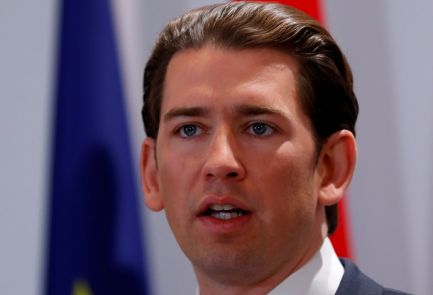
Austria’s Chancellor Sebastian Kurz
|Photo: Reuters
European Union nations have agreed to step up the fight against anti-Semitism and boost security to better protect Jewish communities and institutions across Europe.
The 28-nation EU’s interior ministers approved a declaration, Thursday, recognizing the International Holocaust Remembrance Alliance’s definition of anti-Semitism and acknowledging Jewish concerns given the prevalence of attacks in recent years. The IHRA definition includes a clause that pertains to the negation of the Jews’ national right to self-determination and defines certain criticism of Israel as anti-Semitic.
The declaration, a joint initiative of Austrian Chancellor Sebastian Kurz, whose country now holds the rotating presidency of the EU, and the European Jewish Congress, underlines the importance of education about the Holocaust and urges the EU’s police agency Europol to point out anti-Semitic terror content online to internet service providers. EU funds are available to improve security.
Due to opposition from some countries, among them Spain, Sweden, France and the Netherlands, the declaration does not explicitly define anti-Zionism as an anti-Semitic phenomenon, nor does it explicitly touch on the issue of anti-Semitism among Muslims, which poses the greatest threat to European Jewry in the past two decades. The statement does, however, make note of anti-Semitism among neo-Nazis.
The statement on Muslim anti-Semitism had been set to include the following wording: “Anti-Semitism from any radical, political, religious, ideological or belief-based direction impacts the security and welfare of Jews, as well as their ability to identify as Jews.”
It does note that Jews in a number of European countries “feel particularly vulnerable to terrorist attacks following the increase in violent incidents in recent years.”
European coordinator on combating anti-Semitism Katharina von Schnurbein called the declaration “a milestone.”
She told Israel Hayom the declaration sent a “clear political message” that Europe wants to act for the future of Europe’s Jewry, which helped formulate the wording of the declaration. She welcomed the “historic” process adopted by the EU and noted Kurz’s integral role as president in promoting the declaration.
Despite the omission on Muslim anti-Semitism, the World Jewish Congress and European Jewish Congress welcomed the declaration.
WJC President Ronald Lauder said the declaration shows EU countries recognize “that serious action, both politically and practically, is needed to deal with the clear and specific challenges posed by this ancient hatred.”
Lauder thanked Kurz for his leadership on the issue, saying the declaration would “serve as an important point of reference in the years to come. I hope that the European Council will now also appoint a coordinator on combating anti-Semitism, to follow up on this important first step. Jewish citizens of Europe have the right to the same sense of security and well-being as any other European citizens.”
EJC President Moshe Kantor called the declaration “unprecedented” and said it “provides a positive and concrete road map for the safeguarding of Jewish communities and strengthens the legislative tools for governments to fight hate and intolerance. Now we hope that each EU member state will take the required and appropriate action, and that the European Commission and the European Parliament will monitor the progress made by each state against anti-Semitism.
“Today, we hope that the implementation of the provisions contained in this declaration will severely restrict the space for hate and that our Jewish communities will feel more safe in Europe. Member states have a responsibility to guarantee the security of all their citizens, and today’s declaration is a clear signal that Europe has recognized the current threat to its Jewish communities and is ready to take action.”
The move by the EU comes days after a CNN poll found alarming anti-Semitic sentiments across the continent.
Meanwhile, Israel has officially called on the German government to stop funding nongovernmental organizations that engage in anti-Israel activity.
In a letter submitted to the office of German Chancellor Angela Merkel and the Federal Ministry for International Cooperation and seen by journalists at German daily Die Tageszeitung, Jerusalem officials note Germany’s support for the Heinrich Boll Foundation, which in turn funds the +972 Magazine, which they say is “identified with the radical Israeli Left.” In its request, Israeli officials note that some of the writers for the new site “routinely accuse Israel of apartheid.”
According to the report in the German daily, “German support for NGOs that intervene in Israel’s internal affairs or support anti-Israel activity is unique” as Germany is one of the largest donors to NGOs inside Israel.
Hosting a White House Hanukkah event, U.S. president elicits cheers after pledging to prevent Iran from getting nuclear weapons • Father of Parkland shooting victim calls Trump “the greatest friend the Jewish people ever had in the White House.”
Associated Press and Israel Hayom Staff
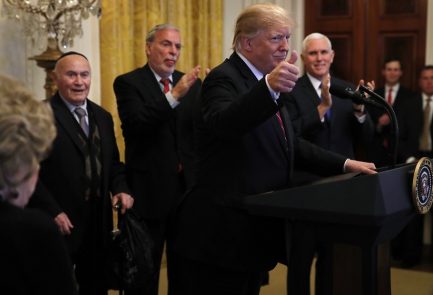
U.S. President Donald Trump speaks at a Hanukkah reception at the White House, Thursday
|Photo: AP
U.S. President Donald Trump hosted a White House ceremony Thursday to celebrate Hanukkah with Jewish Americans. He highlighted the deep ties the U.S. and Israel share and pledged to prevent Iran from obtaining nuclear weapons.
“My administration will always stand with our cherished friend and partner the State of Israel,” Trump told the guests, eliciting cheers.
“We have left the horrible Iran nuclear deal and imposed the toughest ever sanctions,” he continued. “We sanctioned Iran as few have ever been sanctioned before.”
“We cannot let the world’s leading sponsor of terror, a regime that chants death to American and threatens Israel all the time with annihilation and constantly screams out death to Israel to possess the deadliest weapon on earth. We will not allow that to happen,” he pledged.
Trump went on to mark the anniversary of the relocation of the U.S. Embassy to Jerusalem, saying “Exactly one year ago today, at my direction, the United States recognized the true capital of Israel and quickly moved the American Embassy to Jerusalem and we got it built.”
The guests chanted “four more years” and Trump responded by asking for six more years.
Andrew Pollack, the father of a Florida school shooting victim, also helped the White House celebrate Hanukkah on Thursday, lauding Trump as a “fighter” who has “retaken Washington for the American people.”
Trump said the menorah was being lit in the East Room in memory of 18-year-old Meadow Pollack “and all of the precious lives stolen from us this year, and we will pledge our resolve to confront hatred and violence in all of its evil forms.”
Meadow’s father said he has been fighting for his daughter and other students since the shooting. Pollack was among a group of teen survivors and parents of murdered victims who attended a White House discussion shortly after the shooting.
“Mr. President, despite the pundits and so-called experts who said you couldn’t, you have retaken Washington for the American people,” Pollack said.
“You are the greatest friend that the Jewish people have ever had in the White House, not only because you recognized Jerusalem as the capital of Israel and followed through on your promise to move the embassy to Jerusalem, but because you understand the spirit of Hanukkah, within your heart.”
Pollack added: “We have to keep fighting because the safety of our children and the future of our country depend on whether we honor the true spirit of Hanukkah, by staying true to our traditions and to keep on winning.”
Trump described Pollack’s sorrow and pain as unimaginable and thanked him and his family for attending.
“We promise to hold the memory of beautiful Meadow and every Parkland victim in our hearts forever,” Trump said.
At an earlier Hanukkah reception Thursday, Trump recognized eight Holocaust survivors, saying they had endured “evil beyond description.”
The president also mentioned the fatal October shooting of 11 Jews at a Pittsburgh synagogue. He said that after that “sinister” killing, “we reaffirmed our solemn duty to confront anti-Semitism everywhere. Trump added that we “must stamp out this vile hatred from the world.”
Operation Northern Shield was launched when the proper intelligence, technological and operations conditions presented themselves, mission commander Col. Meni Librati says • “We’re on high alert and if need be, we’ll bolster deployment,” he says.
Col. Meni Librati, commander of the IDF’s 769th Brigade in whose sector the tunnel breaching the northern town of Metula was found, told Israel Hayom that “we started working on the tunnels full-speed and we’re only accelerating the pace.”
The IDF is focusing its efforts north of the Metula tunnel, he said, adding that “I want to accelerate the pace as much as I can and I have the opportunity and resources to do it. Every tunnel has its own construction logic. When we’re done, we’ll be able to explain everything.”
According to Librati, every time a new tunnel is discovered and mapped out, the IDF reassesses the situation ahead of its future destruction, which is one of the reasons Operation Northern Shield is expected to take several weeks.
”Each stage in this operation is challenging and each stage poses its own set of challenges, but I can’t see anything too dramatic take place when we reach the destruction stage,” he said.
Despite the stormy weather, which he said has little effect on the operations (“We have the necessary measures to deal with it,” he says), the operation is progressing as planned.
”There are only a handful of tunnels here, and we are following our plans. The pace of this operation is very impressive, and once we have something to share with the public, we will,” he said.
He noted that the teams working on the tunnels “have all the necessary means at their disposal. We are sparing no effort to make sure Metula can resume its routine as soon as possible.”
”We won’t breathe a sigh of relief until this operation is done,” Librati said. “The challenge is keeping the secret; preparing the troops for an operational without having them figure out the overall objective, especially when so many different units are involved.”
As for the timing of the operation, Librati said it was the result of the proper intelligence, technological and operations conditions presenting themselves.
Commenting on the speculation that Hezbollah would have reserved using the tunnels until the next war with Israel, he said that “this has led some to say that we should have waited for a war, then bomb the tunnels and surprise Hezbollah, but that’s an arrogant statement by individuals who fail to calculate all the risks.
“There’s no need to take any unnecessary chances. I’m not willing to gamble with the lives of civilians or soldiers. Had we waited for another war with Lebanon to destroy the tunnels, a few months from now an Israeli patrol could have been hit by a roadside bomb and the tunnel would blow up. Biding your time in a situation like this is a gamble and a risk. We had to deal with the tunnels now so that we are not the ones caught off guard.”
Operation Northern Shield, launched on Tuesday, ”caught Hezbollah by complete surprise. Their shock and embarrassment were beyond measure. The IDF’s ability to keep such an operation a secret until we got the go-ahead, and then swoop in with full force and strip Hezbollah of such as important asset – that’s very impressive.”
Still, Librati warned against complacency, saying, ”This is a complex operation waged in a highly volatile region opposite a formidable enemy. We always have to make sure we’re one step ahead of the enemy.”
The public, he said, “has to trust us. This operation involved the Israeli Air Force, Military Intelligence, the Northern Command, the Commando Bridge and the special combat engineering unit. We’re on high alert and if need be, we’ll bolster deployment further.”











 anneinpt
 artaxes
 danmillerinpanama
 davidking1530
 Peter Hofman
 Joseph Wouk
 Peter
Peter Louisiana Steve
 WarSclerotic
Recent Comments