Adviser to Iran’s supreme leader felled by coronavirus

Posted March 2, 2020 by Joseph Wouk
Categories: Uncategorized

Source: Adviser to Iran’s supreme leader felled by coronavirus | The Times of Israel

Tehran dismisses US offer of aid, accusing Washington of trying to weaken Iranians’ spirits over outbreak

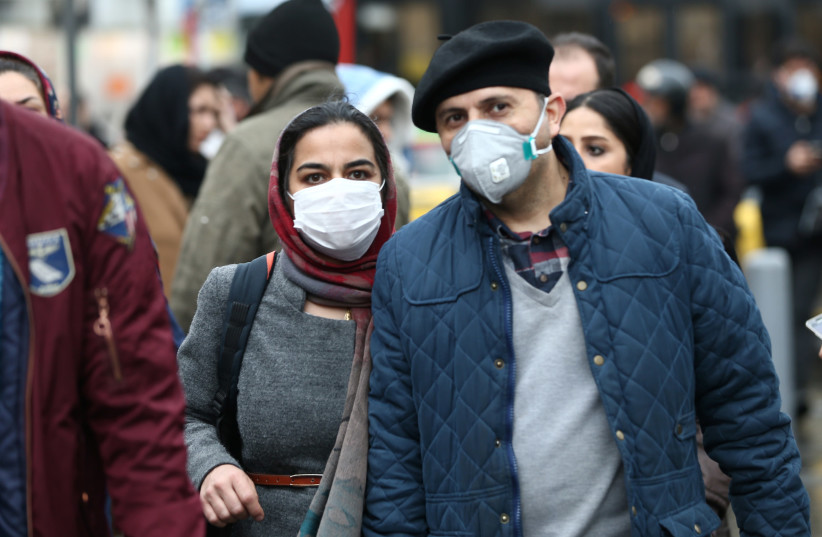
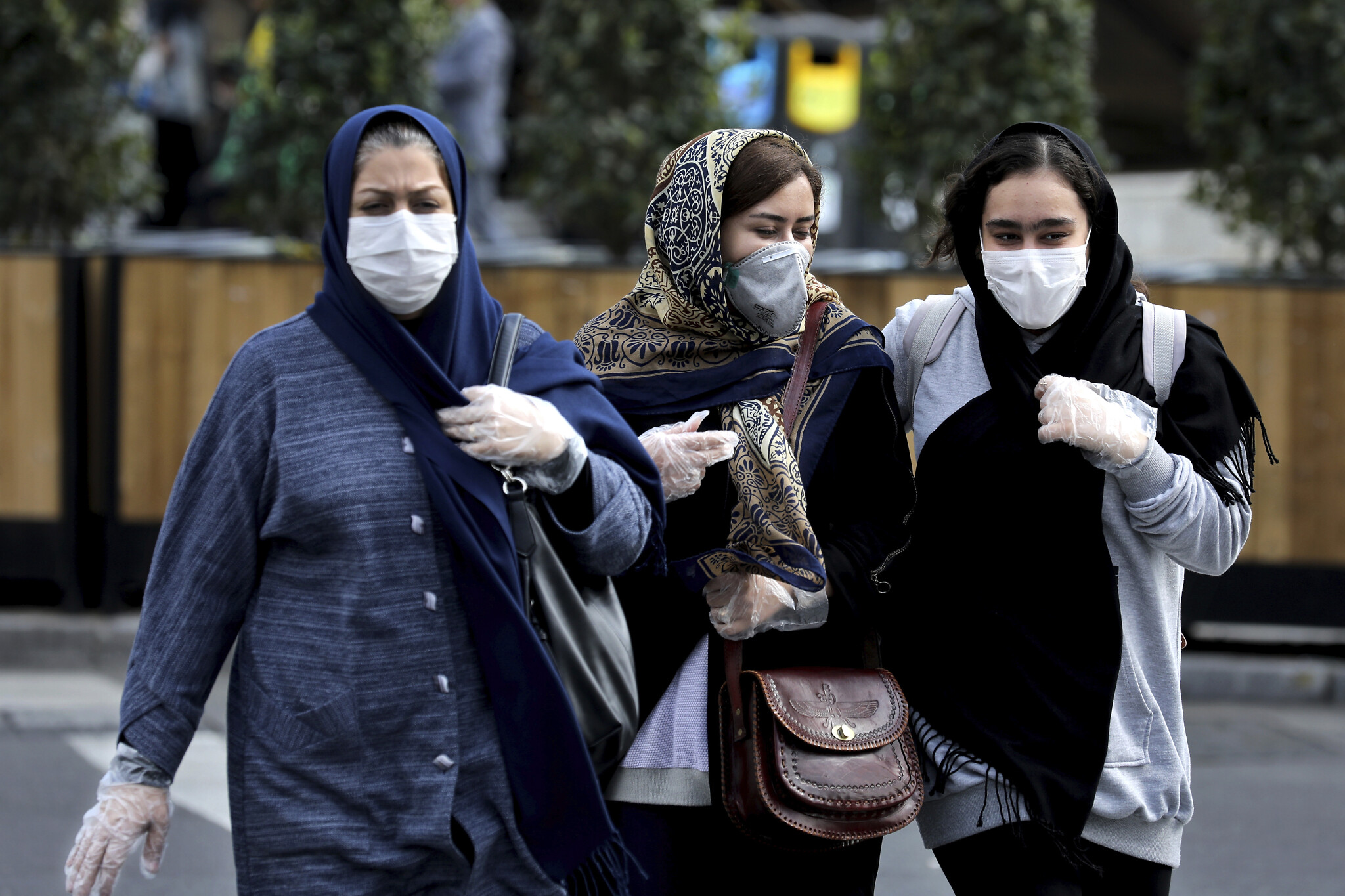
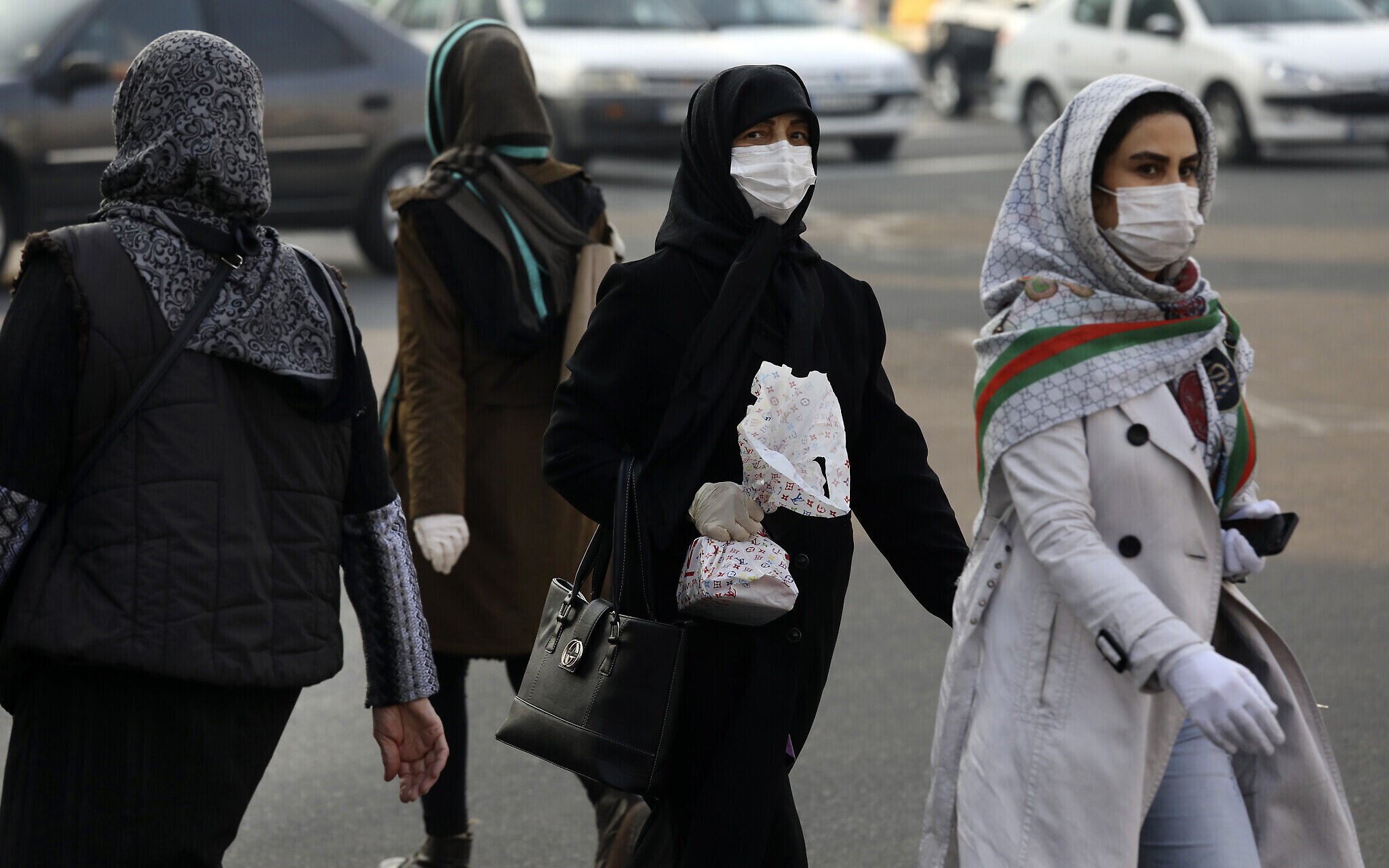
Pedestrians wearing face masks cross a square in western Tehran, Iran, February 29, 2020. Iran is preparing for the possibility of "tens of thousands" of people getting tested for the new coronavirus as the number of confirmed cases spiked again Saturday, Health Ministry spokesman Kianoush Jahanpour said, underscoring the fear both at home and abroad over the outbreak in the Islamic Republic. (AP Photo/Vahid Salemi)

Pedestrians wearing face masks cross a square in western Tehran, Iran, February 29, 2020. Iran is preparing for the possibility of “tens of thousands” of people getting tested for the new coronavirus as the number of confirmed cases spiked again Saturday, Health Ministry spokesman Kianoush Jahanpour said, underscoring the fear both at home and abroad over the outbreak in the Islamic Republic. (AP Photo/Vahid Salemi)

TEHRAN, Iran  — A member of a council that advises Iran’s supreme leader died Monday after falling sick from the new coronavirus, state radio reported, becoming the first top official to succumb to the illness that has affected several members of the Islamic Republic’s leadership.

Expediency Council member Mohammad Mirmohammadi died at a Tehran hospital of the virus, state radio said. He was 71. The council advises Supreme Leader Ayatollah Ali Khamenei, as well as settles disputes between the supreme leader and parliament.

His death comes as other top officials have contracted the virus in Iran, which has the highest death toll in the world after China, the epicenter of the outbreak.
Those sick included include Vice President Masoumeh Ebtekar, better known as “Sister Mary,” the English speaking spokeswoman for the students who seized the U.S. Embassy in Tehran in 1979 and sparked the 444-day hostage crisis, state media reported. Also sick is Iraj Harirchi, the head of an Iranian government task
force on the coronavirus who tried to downplay the virus before falling ill.

Iran has reported 978 confirmed cases of the new virus with 54 deaths from the illness it causes, called COVID-19. Across the wider Mideast, there are over 1,150 cases of the new coronavirus, the majority of which are linked back to Iran.

Experts worry Iran’s percentage of deaths to infections, around 5.5%, is much higher than other countries, suggesting the number of infections in Iran may be much higher than current figures show. The BBC reported February 28, quoting sources in the Iranian Health Ministry, that as many as 210 people had already died from the virus, officially labelled COVID-19.

Trying to stem the outbreak of the new coronavirus, Iran’s foreign ministry on Monday held an online-only briefing. Foreign Ministry spokesman Abbas Mousavi opened the online news conference addressing the outbreak, dismissing an offer of help for Iran by US Secretary of State Mike Pompeo.

Iran and the US have seen some of the worst tensions since its 1979 Islamic Revolution in recent months, culminating in the American drone strike that killed a top Iranian general in Baghdad and a subsequent Iranian ballistic missile counterattack against U.S. forces.

“We neither count on such help nor are we ready to accept verbal help,” Mousavi said. He added Iran has always been “suspicious” about America’s intentions and accused the US government of trying to weaken Iranians’ spirits over the outbreak.

The British Embassy meanwhile has begun evacuations over the virus.

Times of Israel staff contributed to this report. 


Israeli scientists: ‘In a few weeks, we will have coronavirus vaccine’ 

Posted March 1, 2020 by Joseph Wouk
Categories: Uncategorized

Source: Israeli scientists: ‘In a few weeks, we will have coronavirus vaccine’ – The Jerusalem Post

Once the vaccine is developed, it will take at least 90 days to complete the regulatory process and potentially more to enter the marketplace.

MIGAL researchers working vigorously to find a new coronavirus vaccine (photo credit: LIOR JOURNO)
MIGAL researchers working vigorously to find a new coronavirus vaccine
(photo credit: LIOR JOURNO)
Israeli scientists are on the cusp of developing the first vaccine against the novel coronavirus, according to Science and Technology Minister Ofir Akunis. If all goes as planned, the vaccine could be ready within a few weeks and available in 90 days, according to a release.

“Congratulations to MIGAL [The Galilee Research Institute] on this exciting breakthrough,” Akunis said. “I am confident there will be further rapid progress, enabling us to provide a needed response to the grave global COVID-19 threat,” Akunis said, referring to the disease caused by the novel coronavirus.

For the past four years, a team of MIGAL scientists has been developing a vaccine against infectious bronchitis virus (IBV), which causes a bronchial disease affecting poultry. The effectiveness of the vaccine has been proven in preclinical trials carried out at the Veterinary Institute.

MIGAL is located in the Galilee.

“Our basic concept was to develop the technology and not specifically a vaccine for this kind or that kind of virus,” said Dr. Chen Katz, MIGAL’s biotechnology group leader. “The scientific framework for the vaccine is based on a new protein expression vector, which forms and secretes a chimeric soluble protein that delivers the viral antigen into mucosal tissues by self-activated endocytosis, causing the body to form antibodies against the virus.”

MIGAL laboratory (Photo Credit: Lior Journo)M

IGAL laboratory (Photo Credit: Lior Journo)

Endocytosis is a cellular process in which substances are brought into a cell by surrounding the material with cell membrane, forming a vesicle containing the ingested material.

In preclinical trials, the team demonstrated that the oral vaccination induces high levels of specific anti-IBV antibodies, Katz said.

“Let’s call it pure luck,” he said. “We decided to choose coronavirus as a model for our system just as a proof of concept for our technology.”

But after scientists sequenced the DNA of the novel coronavirus causing the current worldwide outbreak, the MIGAL researchers examined it and found that the poultry coronavirus has high genetic similarity to the human one, and that it uses the same infection mechanism, which increases the likelihood of achieving an effective human vaccine in a very short period of time, Katz said.

“All we need to do is adjust the system to the new sequence,” he said. “We are in the middle of this process, and hopefully in a few weeks we will have the vaccine in our hands. Yes, in a few weeks, if it all works, we would have a vaccine to prevent coronavirus.”

MIGAL would be responsible for developing the new vaccine, but it would then have to go through a regulatory process, including clinical trials and large-scale production, Katz said.

Akunis said he has instructed his ministry’s director-general to fast-track all approval processes with the goal of bringing the human vaccine to market as quickly as possible.

“Given the urgent global need for a human coronavirus vaccine, we are doing everything we can to accelerate development,” MIGAL CEO David Zigdon said. The vaccine could “achieve safety approval in 90 days,” he said.

It will be an oral vaccine, making it particularly accessible to the general public, Zigdon said.

“We are currently in intensive discussions with potential partners that can help accelerate the in-human trials phase and expedite completion of final-product development and regulatory activities,” he said.


Iranians burn clinic that may be quarantine for coronavirus patients 

Posted March 1, 2020 by Joseph Wouk
Categories: Uncategorized

Source: Iranians burn clinic that may be quarantine for coronavirus patients – The Jerusalem Post

Rumors claimed that 10 infected people were transported from Qom, a religious city that has been the epicenter of the virus outbreak in Iran, to the Towhid Clinic.

Iranian couple wearing protective masks to prevent contracting a coronavirus walk at Grand Bazaar in Tehran, Iran (photo credit: WANA NEWS AGENCY/REUTERS)
Iranian couple wearing protective masks to prevent contracting a coronavirus walk at Grand Bazaar in Tehran, Iran
(photo credit: WANA NEWS AGENCY/REUTERS)
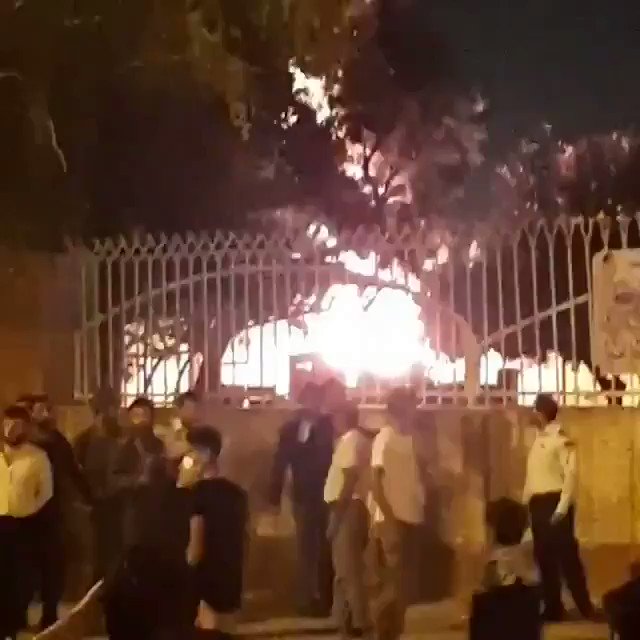
A clinic in the city of Bandar Abbas in southern Iran was torched on Friday due to suspicions that coronavirus patients from another city were quarantined in it, Al Arabiya reported Saturday.

Rumors claimed that 10 infected people were transported from Qom, a religious city that has been the epicenter of the virus outbreak in Iran, to the Towhid Clinic, according to Iranian social media posts.

Tore Rasmussen #boycottSAS@ToreRasmussen

Embedded video

The Iranian Fars news agency dismissed the claims of infected patients from Qom were being treated in the clinic as “unfounded rumors,” saying that the rumors “angered” some residents, who torched the clinic. The clinic does have a special ward for coronavirus, but the director of public relations at the University of Hormozgan Medical Sciences, Fatima Norouzian, told Fars that rumors about patients being in the clinic are “just a lie,” according to Al Arabiya.
The BBC reported on Saturday that at least 210 people in Iran have died due to the coronavirus.


Israeli firm unveils kit to diagnose coronavirus, as 2nd team works on a vaccine

Posted March 1, 2020 by Joseph Wouk
Categories: Uncategorized

Source: Israeli firm unveils kit to diagnose coronavirus, as 2nd team works on a vaccine | The Times of Israel

Announcement of BATM kit comes as officials struggle to balance need for rapid testing and worries over false positives; science minister hails institute’s progress toward vaccine

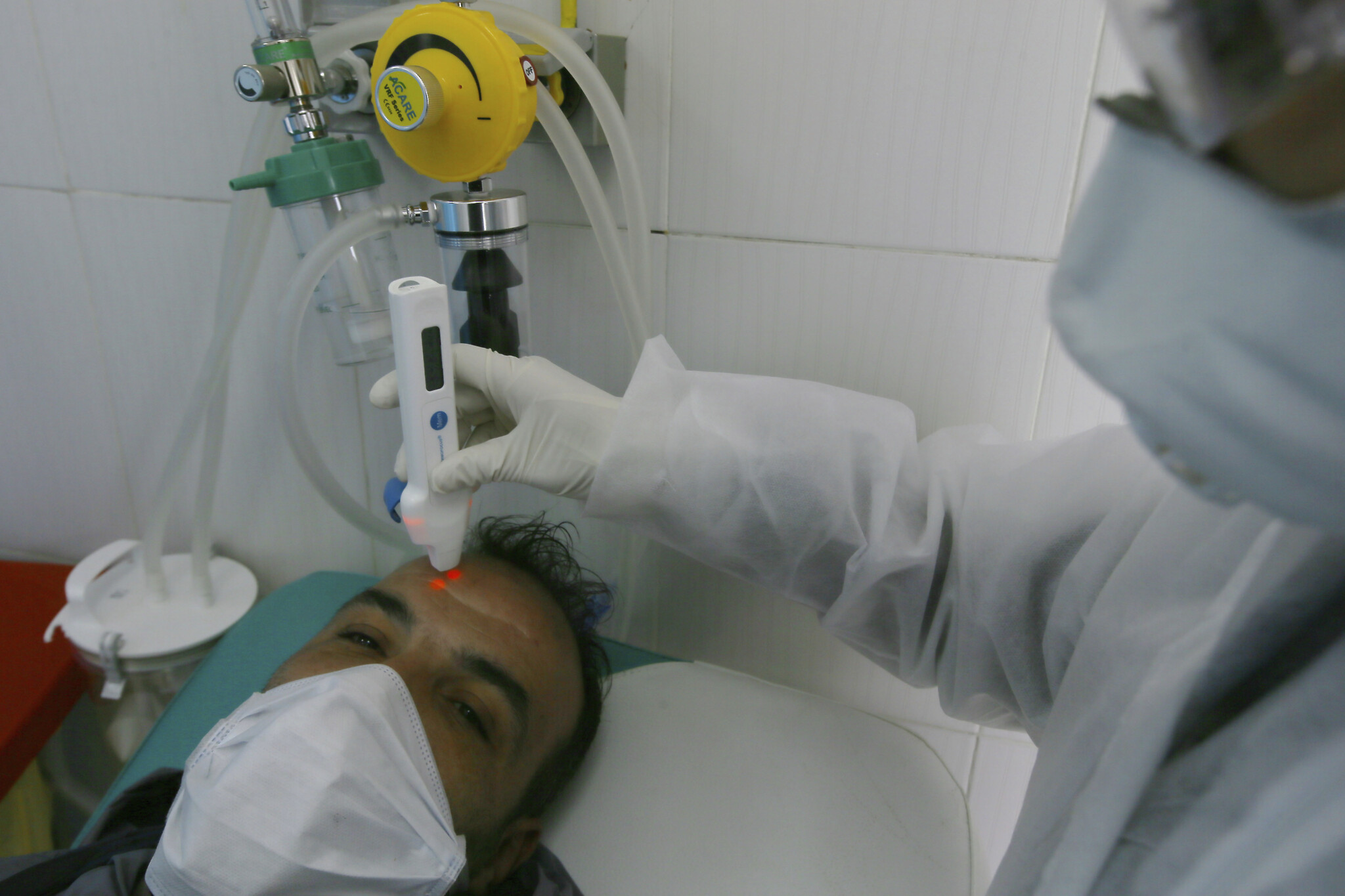
A man gets tested for COVID-19 in Algiers, Algeria, Wednesday, Feb. 26, 2020. (AP/Anis Belghoul)

A man gets tested for COVID-19 in Algiers, Algeria, Wednesday, Feb. 26, 2020. (AP/Anis Belghoul)

An Israeli firm said Thursday it has developed a kit to test for the coronavirus, sending its stocks soaring as the world hunts for an effective way to confirm who is carrying the fast-spreading contagion.

Hod Hasharon based BATM said production on the quick diagnostic kit was underway at a facility in Rome owned by Adaltis, which manufactures various medical testing devices.

Health officials have urged the development of rapid testing devices to screen who may have the virus, as questions have arisen about current diagnostic tools’ ability to flag carriers. Health officials have also worried about overtesting and deluging health systems with false positives that will lead to public panic.

The debate over testing has taken on added urgency as the number of cases worldwide has climbed past 82,000, including over 2,800 reported deaths, with cases now present on every continent and dozens of countries.

BATM said in a statement that its test’s ability to successfully screen those carrying COVID-19 had been verified by several labs and hospitals, and that customers in several countries had expressed interest. It did not provide details.

It said the test met criteria set out by the US-based Centers of Disease Control and that it was working with European research institutions to develop “a price point suitable for large scale production.”

The company’s stock rose 16.4% on the London Stock Exchange and 9.3% in Tel Aviv’s boursa Thursday, making it one of the few winners on an otherwise brutal day on the trading floor.

Vaccine hopes

Separately, Israel’s state-funded Migal Galilee Research Institute said it had identified similarities between COVID-19 and Infectious Bronchitis Virus, which affects poultry, that could allow it to develop a vaccine to battle the deadly outbreak. It said it was working to quickly adapt its IBV vaccine for use against COVID-19.

Human trials have not yet been approved.

A lab worker at Migal in an undated photo released by the research institute. (Courtesy: Lior Journo)

“Our goal is to produce the vaccine during the next 8-10 weeks, and to achieve safety approval in 90 days,” Migal CEO David Zigdon said in a statement.

Science Minister Ofer Akunis hailed the team’s work as an “exciting breakthrough” and said he was confident there would be “further rapid progress.”

Several other firms are also racing to develop a vaccine against the virus based on older cures, with most public health officials estimating that it may take a year or more before one reaches the market, accounting for time to develop, test and produce the medicine.

The Associated Press contributed to this report.


Israel’s preparedness to tackle the coronavirus – Jerusalem Studio 492 

Posted February 29, 2020 by Joseph Wouk
Categories: Uncategorized


Iran reports 7 new virus deaths as another senior government official infected

Posted February 27, 2020 by Joseph Wouk
Categories: Uncategorized

Source: Iran reports 7 new virus deaths as another senior government official infected | The Times of Israel

Death toll in Islamic Republic at 26; security official announces he tested positive, following deputy health minister and MP; hardest-hit China, South Korea count 938 new cases

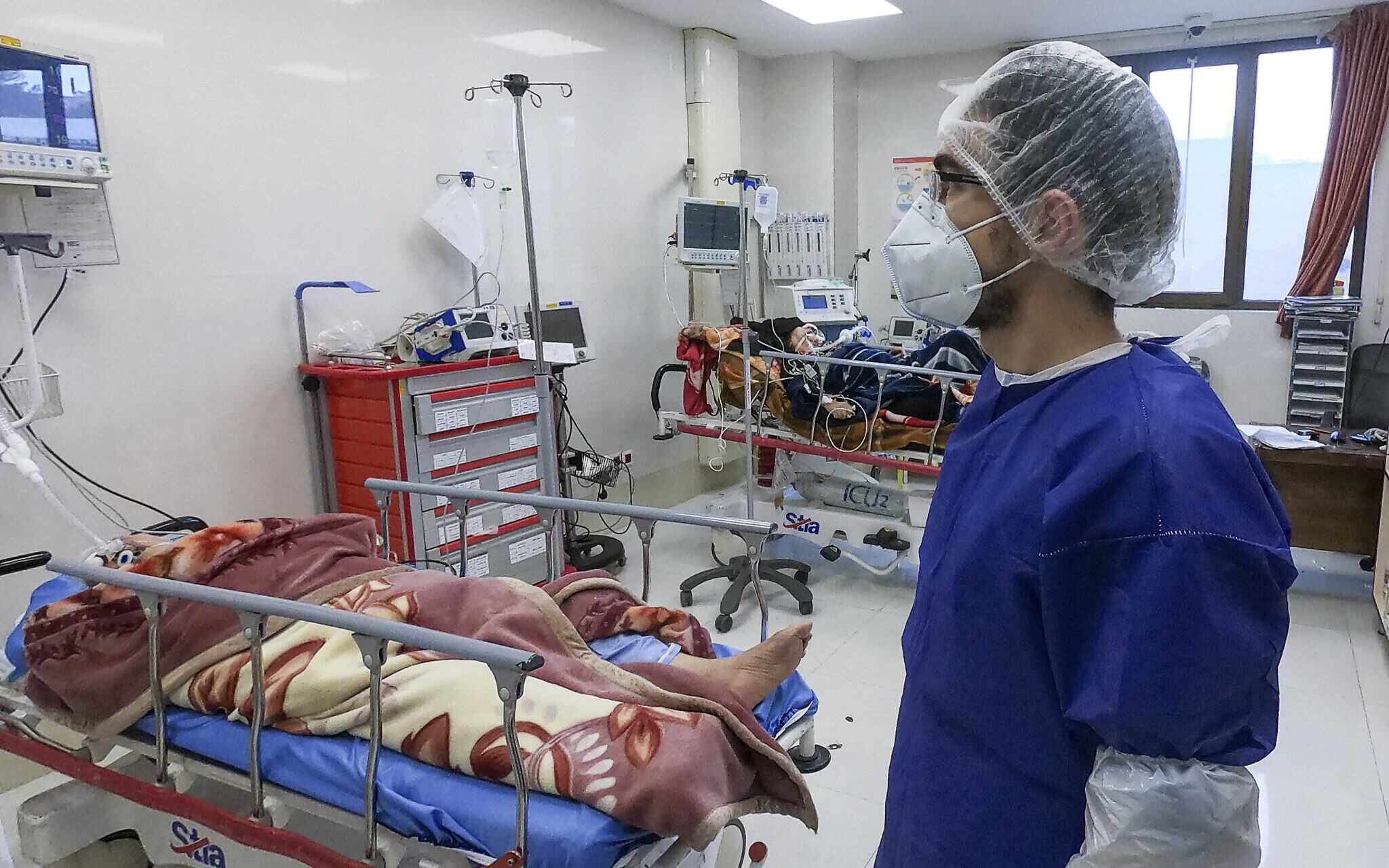
A nurse cares for patients in a ward dedicated for people infected with the coronavirus, at Forqani Hospital in Qom, Iran, Feb. 26, 2020 (Mohammad Mohsenzadeh/Mizan News Agency via AP )

A nurse cares for patients in a ward dedicated for people infected with the coronavirus, at Forqani Hospital in Qom, Iran, Feb. 26, 2020 (Mohammad Mohsenzadeh/Mizan News Agency via AP )

Iran on Thursday announced seven additional deaths from the COVID-19 coronavirus, as the head of the country’s parliament national security and foreign policy committee announced he had been infected.

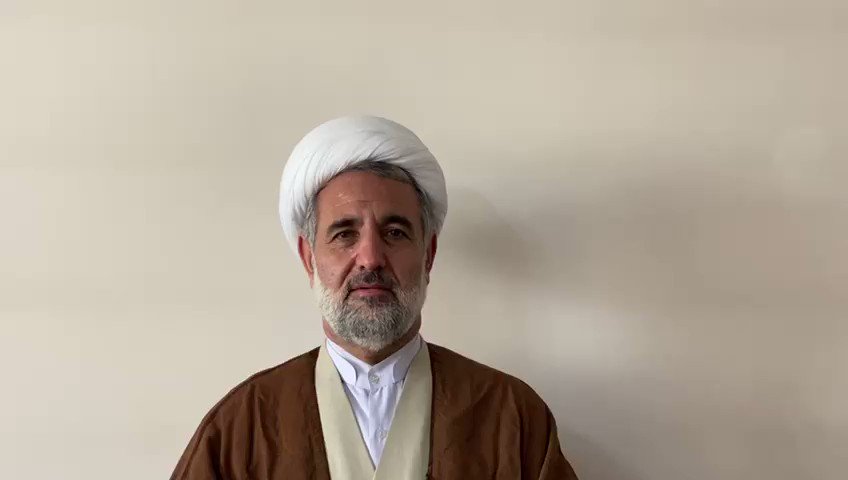
Mujtaba ZulNour, said in a social media video that he had tested positive and had entered quarantine. The development came after the Islamic Republic’s deputy health minister, Iraj Harirchi, and MP Mouhmoud Sadeghi, also caught the virus.

Iran now has the highest death toll from the virus — 26 dead from among 245 confirmed cases — outside of China, where the outbreak began. That is up from the previously reported 19 death and 139 cases.

The epicenter in the Middle East’s most-affected country appears to be in the holy Shiite city of Qom, where the faithful in reverence reach out to kiss and touch a famous shrine.

Ali Hashem علي هاشم

@alihashem_tv

Iran’s health minister stated that Friday prayers are to be halted this week in provinces witnessing outbreak

Ali Hashem علي هاشم

@alihashem_tv

Head of ’s parliament national security and foreign policy committee Mujtaba ZulNour announced via social media that he tested positive for and that he’s in quarantine

Embedded video

The tiny, oil-rich nation of Kuwait announced a sudden jump to 43 cases from 26 on Thursday as well, all linked to travelers who recently came from Iran.

As the worst-hit areas of Asia continued to struggle with a viral epidemic, with hundreds more cases reported Thursday in South Korea and China, worries about infection and containment spread across the globe.

For the first time, the coronavirus has caused more new cases outside China, the epicenter of the outbreak, than inside the country. With Brazil on Wednesday confirming Latin America’s first case, the virus has reached every continent but Antarctica.

The United States, which has 60 cases, hasn’t been spared the fear that has swept Asia, Europe and the Mideast. US President Donald Trump declared that the country was “very, very ready” for whatever threat the coronavirus brings, and he put Vice President Mike Pence in charge of overseeing the country’s response.

As the epidemic expanded geographically, worries about the COVID-19 illness multiplied.

“The sudden increases of cases in Italy, the Islamic Republic of Iran and the Republic of Korea are deeply concerning,” WHO director-general Tedros Adhanom Ghebreyesus said.

A worker wearing protective gear sprays disinfectant as a precaution against the coronavirus at a shopping street in Seoul, South Korea, February 27, 2020. (AP Photo/Ahn Young-joon)

Though the virus has pushed into countries both rich and poor, its arrival in places with little ability to detect, respond and contain it brought worry that it could run rampant there and spread easily elsewhere.

Major gatherings have been eyed warily, with schools closing, churches moving services online, food deliveries booming and many business conferences and sporting events canceled. The Summer Olympics begin July 24 in Tokyo, and Japan’s top government spokesman said Olympics preparations would proceed and the games would go on as planned.

South Korea reported 505 more cases Thursday, bringing its total to 1,766. Most of the new cases were in the country’s fourth-biggest city, Daegu, where the outbreak has hit hardest and the national government has mobilized public health tools to help the region’s overwhelmed medical system.

But there are signs the virus is spreading further in South Korea, with 55 cases reported so far in the capital, Seoul, and 58 in the second-largest city, Busan. The country on Thursday also confirmed its 13th death; most of them are still in and near Daegu.

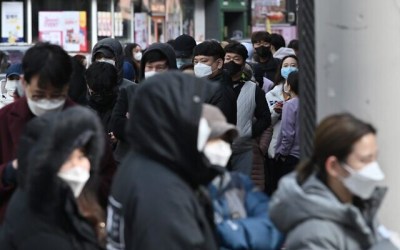
People wait in line to buy face masks from a store at the Dongseongro shopping district in Daegu on February 27, 2020. (Jung Yeon-je / AFP)

China reported 433 new cases along with 29 additional deaths. Thursday’s updates bring mainland China’s totals to 78,497 cases, and 2,744 deaths.

Of the new cases, 383 were in the epicenter of the city of Wuhan, where the virus first emerged in December. Wuhan also accounted for 19 of the new deaths.

South Korea followed China in expressing dismay at travel restrictions imposed by other countries.

About 40 nations and regions so far have prohibited or restricted South Korean visitors, according to Lee Tae-ho, Seoul’s second vice minister of foreign affairs, who described such moves as excessive and said his government has been effectively utilizing its “world-best quarantine capabilities.”

But calls have grown inside South Korea for expanding its own entry ban, which currently covers only visitors from China’s Hubei province, where Wuhan is the capital.

China has put Wuhan and nearby cities on lock down, many airlines have reduced Chinese flights, and many places have increased monitoring of arrivals from China, all resulting in far few Chinese arrivals around the globe. Lee said the inflow of Chinese into South Korea has been reduced by more than 80%.

In Europe, an expanding cluster of more than 440 cases in northern Italy was eyed as a source for transmissions.

Saudi Arabia said early Thursday it would ban tourists from places with confirmed outbreaks, including pilgrims coming for the Umrah or to visit the Prophet’s Mosque in Medina.

Muslim pilgrims perform the tawaf-e-ifadha circling of the Kaaba, during the annual Haj pilgrimage on the first day of Eid al-Adha in Mecca, Saudi Arabia, August 21, 2018. (AP Photo/Dar Yasin)

Iraq announced the first confirmed case of coronavirus in the capital Baghdad on Thursday, taking nationwide infections to six and raising concerns about the capacity of the dilapidated health system to respond.

Baghdad announced sweeping measures late Wednesday to try to contain the spread of the virus, ordering the closure of schools and universities, cafes, cinemas and other public spaces until March 7. It also banned travel to or from some of the worst affected countries, including China, Iran, Japan, South Korea, Thailand, Singapore, Italy, Kuwait and Bahrain.

Shortly after Trump spoke about US efforts on the virus, health officials identified what could be the first community spread US case. The patient in California was not known to have traveled to a country with an outbreak or had ties to a known patient. Most of the previously confirmed US cases had traveled to China, were evacuated from the virus-stricken Diamond Princess cruise ship, or were family members of those cases.


Iran announces 50 dead in Qom coronavirus outbreak

Posted February 24, 2020 by Joseph Wouk
Categories: Uncategorized

Source: Iran announces 50 dead in Qom coronavirus outbreak | The Times of Israel

Tehran says deaths date back to February 13, though first cases were only announced days later; Kuwait, Bahrain announce first cases in people entering from Iran

People wear masks to help guard against the Coronavirus on a street in downtown Tehran, Iran, Sunday, Feb. 23, 2020. (AP/Ebrahim Noroozi)

People wear masks to help guard against the Coronavirus on a street in downtown Tehran, Iran, Sunday, Feb. 23, 2020. (AP/Ebrahim Noroozi)

DUBAI, United Arab Emirates — A staggering 50 people have died in the Iranian city of Qom from the new coronavirus this month, Iran’s semiofficial ILNA news agency reported on Monday.

The new death toll is significantly higher than the latest number of confirmed cases of infections that Iranian officials had reported just a few hours earlier and which stood at just 12 deaths out of 47 cases, according to state TV.

A lawmaker from Qom, Ahmad Amiriabadi Farahani, was quoted in ILNA saying that more than 250 people are in quarantined in the city, which is a popular place of religious study for Shiites from across Iran and other countries.

He said the 50 deaths date as far back as February 13. Iran, however, first officially reported cases of the virus and its first deaths on February 19.

Speaking to ILNA, Farahani said the situation in Qom is “not good.”

“I think performance of the administration in controlling the virus has not been successful,” he said, referring to the government of President Hassan Rouhani.

“None of the nurses have access to proper protective gears,” Farahani said, adding that some health care specialists had left the city. “So far, I have seen any particular action to confront corona by the administration.”

The new coronavirus originated in China sometime around December. There are concerns that clusters in Iran, as well as in Italy and South Korea, could signal a serious new stage in its global spread.

Authorities in Iran have closed schools across much of the country for a second day and as neighboring countries reported infections from travelers from Iran, prompting several to shut their borders to Iranian citizens.

The number of deaths compared to the number of confirmed infections from the virus is higher in Iran than in any other country as compared to the ratios in China and South Korea, where the outbreak is far more widespread.

Iranian health officials have not whether health workers in Qom who first came in contact with infected people had taken precautionary measures in treating those who died of the virus. Iran also has not said how many people are in quarantine across the country overall.

Kuwait announced on Monday its first cases of the virus, saying that three travelers returning from the northeastern city of Mashhad, Iran were confirmed infected with the coronavirus.

Kuwaiti health minister Sheikh Basel al-Sabah (R) speaks to the press at Sheikh Saad Airport in Kuwait City, on February 22, 2020, as Kuwaitis returning from Iran wait before being taken to a hospital to be tested for coronavirus (YASSER AL-ZAYYAT / AFP)

Iran, however, has not yet reported any confirmed cases of the virus in Mashhad, raising questions about how the government is carrying out tests and quarantines.

Iran has confirmed cases so far in five cities, including the capital, Tehran. A local mayor in Tehran is among those infected and in quarantine.

Kuwait has been evacuating some 750 citizens from Iran and testing them as they enter the country after saying that Iran had barred its medical workers from testing travelers at an exit terminal in Iran, despite an agreement to do so.

The three people returning from Iran to Kuwait who were infected with the virus are being treated in Kuwait and were identified as a Kuwaiti male, 53, a Saudi male, 61, and the third was not identified except as a 21-year-old. The news was reported by the Kuwait News Agency quoting the Kuwait Health Ministry.

Bahrain’s healthy ministry also reported the country’s first COVID-19 case on Monday after a “citizen arriving from Iran was suspected of having contracted the virus based on emerging symptoms.”

This photo taken on February 22, 2020 shows people who have recovered from the COVID-19 coronavirus infection leaving a hospital by bus in Wuhan in China’s central Hubei province. (Photo by STR / AFP)

The patient was transferred to a medical center for “immediate testing,” which proved positive for the infection, the ministry added.

Iranian travelers with the virus have also been confirmed in Canada, Lebanon and the United Arab Emirates.

The outbreak in Iran has centered mostly on the city of Qom, but spread rapidly over the past few days as Iranians went to the polls on Friday for nationwide parliamentary elections, with many voters wearing masks and stocking up on hand sanitizer.

Iran is already facing diplomatic and economic isolation under US pressure. The virus threatens to isolate Iran even further as countries shut their borders to Iranians.

Soccer fans across the country will not be allowed to attend matches, and shows in movie theaters and other venues were suspended until Friday. Authorities have begun daily sanitization of Tehran’s metro, which is used by some 3 million people, and public transportation cars in the city.


IDF pounds Islamic Jihad targets in Gaza after rockets fired at south 

Posted February 24, 2020 by Joseph Wouk
Categories: Uncategorized

Source: IDF pounds Islamic Jihad targets in Gaza after rockets fired at south | The Times of Israel

Military says fighter jets, attack helicopters bombed terror group’s facility in Khan Younis, elsewhere in the Strip, following afternoon barrages that struck southern Israel

The Israel Defense Forces launched a series of airstrikes against Palestinian Islamic Jihad targets in the Gaza Strip on Monday, after the terror group fired at least 14 rockets at southern Israel earlier in the day, the military said.

The IDF said it struck an Islamic Jihad military base in the Gazan city of Khan Younis, along with other facilities controlled by the terror group in the Strip.

Shortly after the military completed its airstrikes in Gaza, terrorists in the Strip fired one rocket toward the city of Ashkelon, just north of the Palestinian enclave, sending thousands of people rushing to bomb shelters, the military said.

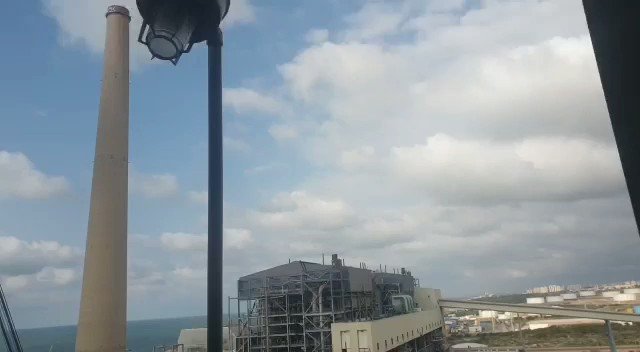
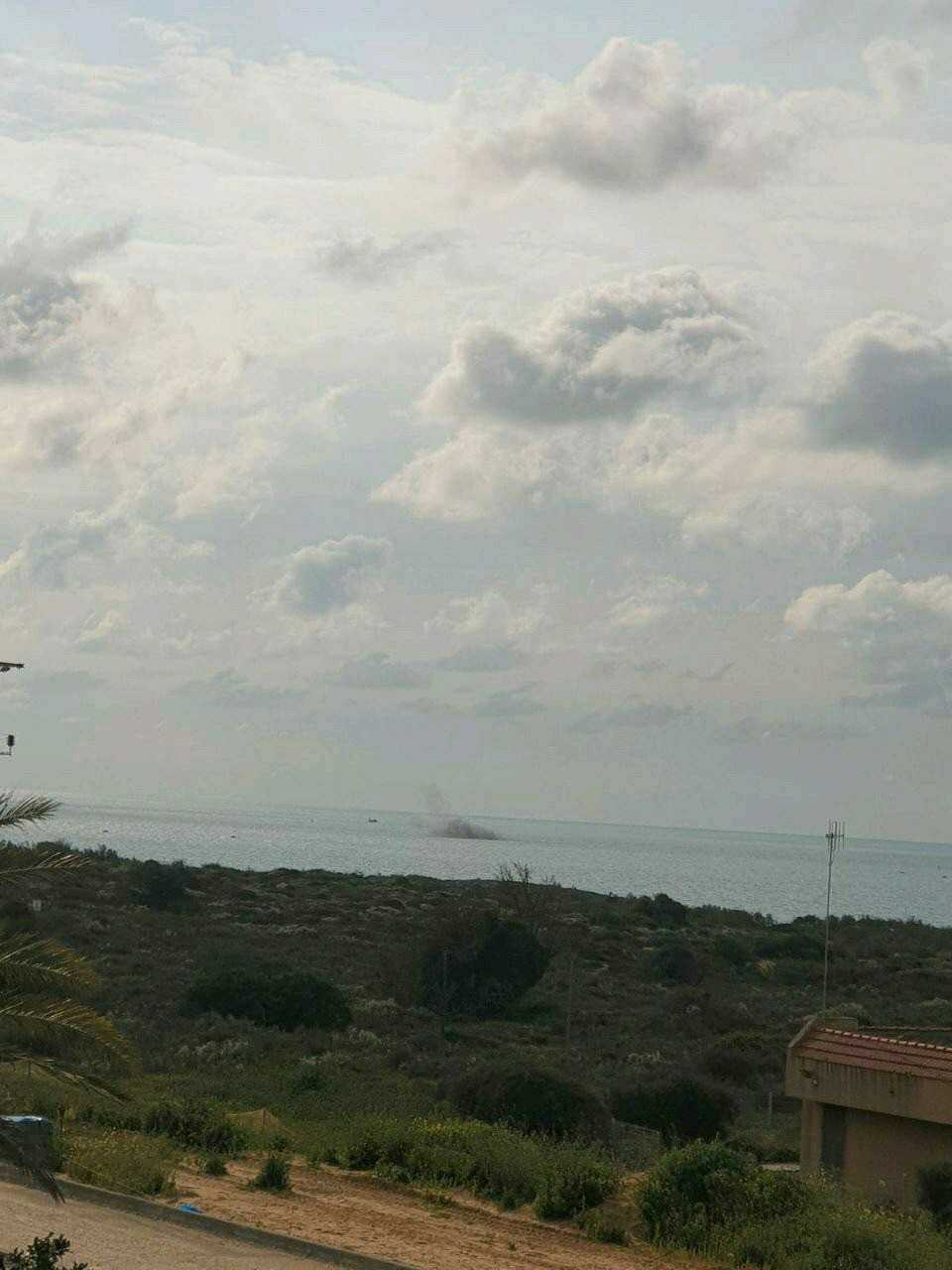
It appeared as though the rocket landed in the sea off the coast of the city, according to video footage and photographs of the attack. There were no reports of injuries or damage.

Emanuel (Mannie) Fabian@manniefabian

One of the rockets fired from Gaza a short while ago landed in the sea

Embedded video

Emanuel (Mannie) Fabian@manniefabian

Palestinians report firing a Badr-3 rocket towards Ashkelon.

It landed in the sea.

View image on Twitter

The military said the Khan Younis base, which featured underground infrastructure, was used by the Islamic Jihad as both a training center and a storage depot for weaponry.

The retaliatory strikes were conducted by fighter jets and attack helicopters in response to rocket fire from the Gaza Strip aimed at southern Israel earlier in the day, the IDF said.

Photographs and video footage of the IDF’s rare daytime strikes showed massive fireballs going into the air following the strikes, likely indicating secondary blasts from explosives being stored on the base.

“The IDF will respond aggressively to the terrorist activities of the Islamic Jihad, which threaten the citizens of Israel and harms its sovereignty,” the military said in a statement.
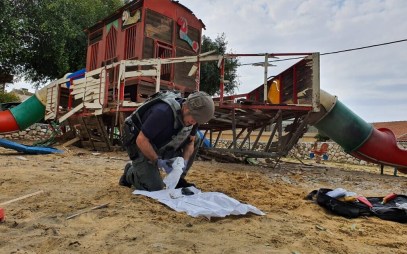
A police sapper removes pieces of a rocket fired from the Gaza Strip that struck a playground in the town of Sderot on February 24, 2020. (Israel Police)

In announcing the fresh airstrikes in Gaza on Monday, the IDF notably mentioned only Islamic Jihad, not the Gaza-ruling Hamas terror group, with which Israel hopes to negotiate a ceasefire agreement. In the past, Israel held Hamas responsible for all violence emanating from the Strip, regardless of which terror group was behind it.

However, the IDF has lately begun to distinguish between Hamas and Islamic Jihad, which Israel believes is responsible for the majority of the violence along the Gaza border in recent months.

Beginning at noon Monday, Palestinian terrorists in the Gaza Strip fired at least 14 rockets at southern Israel, 12 of which were intercepted by the Iron Dome missile defense system, the IDF said.

Smoke trails are left in the sky after Palestinian terrorists fire a rocket at southern Israel from the Gaza Strip on February 24, 2020. (MAHMUD HAMS / AFP)

Islamic Jihad took responsibility for the attacks.

One rocket struck an empty playground in the town of Sderot on Monday, causing damage but no injuries, police said. Another rocket appeared to strike an open field outside the community of Nir Am in the Sha’ar Hanegev region, according to local government.

Shrapnel from one of the Iron Dome interceptions also shattered a car windshield in the community of Nir Am, a Sha’ar Hanegev spokesperson said.

The IDF’s high interception rate indicated an impressive performance by the Iron Dome missile defense system and its operators, as well as a high degree of accuracy by terror groups in the Strip. In general, the Iron Dome is only activated when an incoming projectile is heading toward a populated area, rather than an open field where it is unlikely to cause injury or damage.


There were no physical injuries caused by the rockets. Medics treated one woman who suffered an anxiety attack during the barrage on Monday.

The attacks triggered sirens in the town of Sderot, in the Sha’ar Hanegev region, and in the community of Netiv Ha’asara, sending thousands of residents rushing to bomb shelters.

Videos shared on social media appeared to show multiple launches of the Iron Dome missile defense system over Sderot.

The attack came after Palestinian and Israeli officials exchanged threats of renewed violence throughout Monday morning.

On Sunday evening, the Islamic Jihad and other terror groups fired some 30 rockets at Israel on Sunday evening, approximately half of which were intercepted by the Iron Dome missile defense system. The rest landed in open fields. Some shrapnel caused light property damage, but no injuries were reported.

The IDF retaliated with airstrikes on Islamic Jihad facilities in both Syria and Gaza. Two members of the terror group were killed in the airstrikes outside Damascus along with four other pro-Iranian fighters, according to a Britain-based Syrian war monitor. A number of Islamic Jihad operatives were also injured by an IDF airstrike in Gaza as they prepared to launch rockets at Israel, the military said.

Abu Hamza, a spokesperson for the Al-Quds Brigade, the Palestinian Islamic Jihad military wing, said Monday that Israel’s strikes on Damascus “will not pass fleetingly,” adding: “The fight is not over.”

Prime Minister Benjamin Netanyahu, Defense Minister Naftali Bennett and senior officials from Israel’s security services meet to discuss growing tensions with terror groups in the Gaza Strip at the military’s Tel Aviv headquarters on February 23, 2020. (Ariel Hermoni/Defense Ministry)

Both Defense Minister Naftali Bennett and Prime Minister Benjamin Netanyahu threatened Monday that Israel could begin a major operation to stem rocket fire and other attacks on Israeli communities near the Gaza border, despite elections a week away.

“We are preparing a plan to fundamentally change the situation in the Gaza Strip,” Bennett told a conference in Jerusalem. “I really understand the situation of the people of the south. They deserve peace and security.”

Netanyahu told Radio Jerusalem that he “will not compromise Israel’s security for political reasons.”

“War is a last resort, but there may be no escape from it. We’ve prepared a radically different campaign,” Netanyahu said.

“If Israel is in the position of entering a large-scale military operation, we will have to deal a bigger blow than [operations] Cast Lead, Pillar of Defense and Protective Edge. It could very well be that we may have to carry out — I don’t really want to say it, but — ‘the mother of all operations.’”
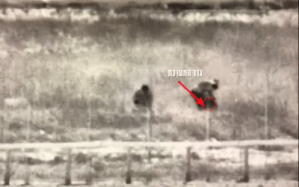
Israeli military surveillance footage of two alleged Palestinian Islamic Jihad members planting what appears to be a bomb along the Gaza border on February 23, 2020. (Screen capture: Israel Defense Forces)

Early Monday, the IDF Home Front Command issued a series of precautionary directives for southern Israel in case of renewed fighting throughout the day, closing schools, banning large outdoor gatherings, blocking roads and halting train service.

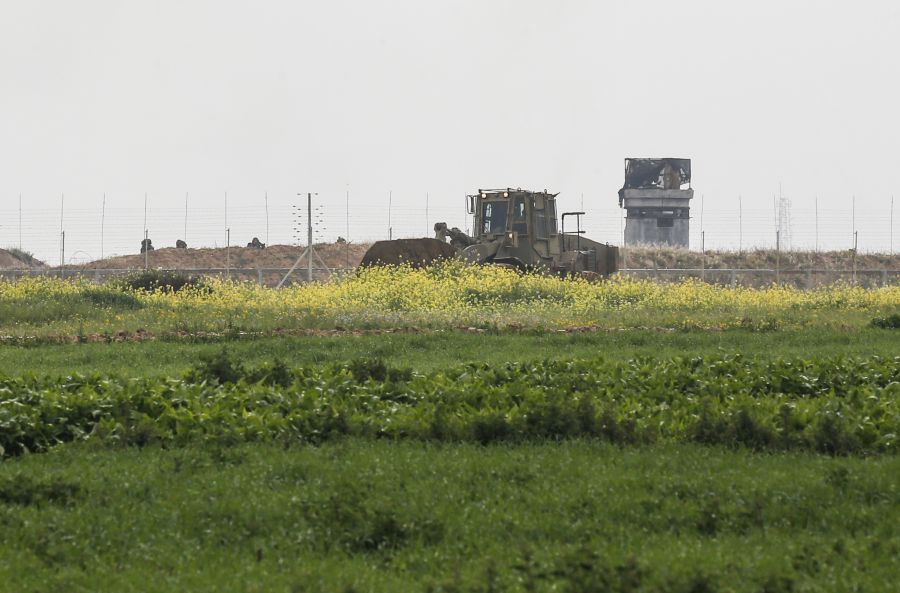
Sunday’s rocket fire came after an irregular clash along the Gaza border earlier Sunday in which Israeli troops shot dead a member Palestinian Islamic Jihad as he planted an improvised explosive device along the border. The Israeli military then retrieved his body, using a bulldozer.

The retrieval of the corpse was apparently part of Bennett’s announced plan to “hoard” the corpses of Palestinian terrorists in order to use them as “bargaining chips” in negotiations for the release of two Israeli men, and the remains of two fallen Israeli soldiers, who are being held by Hamas in the Gaza Strip.

The smoke trail of a rocket, fired by Palestinian terrorists, flying over the Gaza Strip, on February 23, 2020. (Mahmud Hams/AFP)

The border clashes come amid reports of ongoing efforts by Israel to broker a ceasefire agreement with Gaza terror groups, following weeks of intermittent rocket fire and the regular launching of balloon-borne explosive devices into Israel.

The IDF said the strikes in Syria and Gaza were in response to both Sunday morning’s attempted IED attack and the rocket fire throughout the evening.

In November, Israel fought a punishing two-day battle with the Islamic Jihad, sparked by the IDF killing one of the terror group’s leaders — Baha Abu al-Ata — whom Israel believed was responsible for most of the group’s aggressive actions.

Times of Israel staff contributed to this report.
 

After heavy rocket barrage from Gaza, Palestinian Jihad swears to retaliate for any Israeli reprisal – DEBKAfile

Posted February 24, 2020 by Joseph Wouk
Categories: Uncategorized

Source: After heavy rocket barrage from Gaza, Palestinian Jihad swears to retaliate for any Israeli reprisal – DEBKAfile

That the latest Palestinian Islamic Jihad rocket offensive on Feb. 23 against Israel from Gaza occurred just eight days before Israel’s third election will determine how it plays out. The 21 rockets fired in three quick salvos Sunday night mostly targeted two Israeli towns, Ashkelon and Sderot, injuring two people. The Iron Dome anti-rocket system intercepted 13 before they hit anything.

The rockets came as a sequel to an incident that morning, in which two Islamic Jihad terrorists were caught planting a roadside bomb for an Israeli border patrol and shot dead. The firefight began when the IDF unit and Jihad raced each other to collect the bodies. The soldiers withdrew with one of them. The Palestinian terrorists vowed to punish Israel for this incident. Iron Dome batteries were accordingly posted during the day at strategic points around the Gaza Strip.

As is their wotn, Israel’s top defense and military officials thereupon met at national defense headquarters in Tel Aviv, led by Prime Minister Binyamin Netanyahu, Defense Minister Naftali Bennett and Chief of Staff t. Gen. Aviv Kochavi. Their options were complicated. With a general election just days away and a caretaker government due to bow out for a new administration at a future date, launching a full-dress war offensive Gaza was not on the table. At the same time, letting the Islamic Jihad get away with its provocation was not an option.

However, most of those present generally favor avoiding a full military confrontation in Gaza and prefer to address the recurrent Palestinian aggression by non-military means. This near-consensus came to the fore earlier, when it was revealed that Mossad Director Yossie Cohen and the head of the IDF’s Southern Command Maj. Gen. Hertzi Halevi,  had just paid a secret visit to Qatar to ask the emir to continue shelling out a monthly $25m cash allocation to the Hamas rulers of Gaza as a powerful incentive for them to maintain calm rather than constant terror.

Secret foreign trips in the region are nothing new for Israel’s Mosad chiefs, however never before has a serving Israel general been known to visit an Arab state. That alone was a measure of how far the Netanyahu administration was ready to go  to bring to fruition the long-term truce with the Palestinian Hamas which is in advanced negotiation with Egypt’s mediators.

For Jihad and its Iranian backers, any deal for suspending anti-Israel violence is anathema. And they lost no time in using the current precarious situation both to undermine Hamas and hit Israel.


The history of nonaggression pacts in Islam

Posted February 21, 2020 by davidking1530
Categories: Uncategorized

Does it matter that Muslim Arabs cannot sign a true peace agreement with Israel? Not as long as Israel recognizes it must remain militarily strong and resolute in defending its culture and borders.

https://www.israelhayom.com/opinions/the-history-of-nonaggression-pacts-in-islam/

The news media is filled with reports that the Arab world – most notably Saudi Arabia and countries in the Persian Gulf, might be prepared to sign a nonaggression pact with Israel. What does this mean, however, from a Muslim perspective?

For countries with strong institutions, agreements are not made between leaders. Meaning that such agreements continue to be valid even if the countries’ governments change.
This is not the case in the Middle East, where with the possible exception of Turkey, agreements are made between leaders, and last as long as those leaders are still in power.

Middle Eastern states are by their very nature authoritarian, even if they appear to have the trappings of democracy – like parliaments, government ministers, etc. If a leader dies or is overthrown, all bets are off. The new leader decides which agreements he will honor.

In essence, in these authoritarian states institutions are by their nature weak, because they are loyal and respond to the leader – not to the people. Regarding Middle Eastern leaders, the late professor Bernard Lewis used to say “the state is their estate.” Meaning that they understand their countries to be their fiefdoms, where they can do pretty much what they want.

In summary, in democratic societies, a “government official” means a person who represents the people vis-à-vis the government. The people empower their governments.

In the Middle East, the Arabic/Turkish/Persian word for government official/bureaucrat is “maamur” or “mu’azif” – which mean “one who is commanded.” But commanded by whom? Answer: Middle Eastern government officials don’t work for the people, they work for and represent the rulers – i.e. a top-down structure.

In Islam, peace as we know it in the West, meaning letting bygones be bygones, cannot exist between Muslims and non-Muslims. According to both the Koran and the Shari’a, there can however be a temporary agreement – a truce or armistice. Such a truce is called a “sulha” or “hudna.” These agreements are modeled after the Treaty of Hudaybiyyah, a 628 CE treaty between the Islamic prophet Mohammad and the Quraysh tribe of Mecca, who Mohammad was unable to defeat.

The agreement was to last 10 years, but after only two – when Mohammad had managed to rearm himself sufficiently – he reneged on the agreement, attacked his enemies, and defeated them.

This sulha/hudna agreement is the type of non-aggression pact the Saudis and other Arab Muslim nations seem to be willing to sign with Israel. It is now in their interest to do so because their existential enemy is Iran, an enemy which they share with Israel.

Any agreement they sign with the Israelis must be understood in these terms. These are not peace agreements; they remain in force only as long as the leaders of these Arab countries believe it in their interest.

What would happen, for example, if the Iranian regime collapsed and the new government in Iran no longer threatened the Sunni Arab regimes? Would Israel and these Arab countries still share common interests? Would these agreements still hold? Can Muslim leaders recognize Israel as a Jewish state with the right to live within borders on land once conquered by Muslims?

What does history teach us here?

1.

At the 1949 Rhodes conference after Israel’s 1948 War of Independence, the Arabs insisted on calling their treaties with Israel “armistice agreements” – not peace agreements. They further insisted that the lines drawn on the map which divided Israeli-controlled territory from territory controlled by the Arabs be defined as “armistice lines” – not borders. Borders and peace agreements imply permanence and an end to war; the Arabs could not agree to either. From a Muslim-Arab perspective, all of pre-1948 Palestine was Muslim land. Thus, they could not agree to permanent borders or peace.

PLO leader Yasser Arafat, two weeks after he signed the Oslo agreements with Israel, was in South Africa speaking to Muslims. He was recorded telling them that the agreement he signed with Israel was like the Treaty of Hudaybiyyah their prophet had signed with his enemies the Quraysh. Everyone understood the reference and the meaning – Arafat would break the agreement as soon as it became possible to do so.

2.

Egyptian President Anwar Sadat, upon returning to Egypt after signing an agreement with the Israelis on the White House lawn, told his people he had done what he did for the good of Egypt. Egypt needed its resources to build itself up, and must not waste them on battles Egypt was certain to lose, he said. Sadat ended his speech by saying: what will happen in the future will happen in the future – meaning, this was a temporary agreement until Egypt could regroup – which could last as long as needed. Even so, some in Egypt saw this as treachery, which is why they assassinated him.

3.

In 2000, President Bill Clinton hosted then-Israeli Prime Minister Ehud Barak and Arafat at a Camp David. The stated goal going into the summit was to come to an agreement which would end the Arab-Israeli conflict. Barak offered Arafat almost every square inch of eastern Jerusalem and the West Bank if Arafat would sign a peace agreement with Israel. Arafat instantly rejected Barak’s offer, saying “that he [Arafat] would not have tea with Sadat.” Arafat knew that if he signed such an agreement, he too would be labeled a “traitor” and likely assassinated.

There are no permanent agreements between Muslims and non-Muslims, and certainly not over land that Muslims believe is theirs.

So, what does the above tell us about any possible nonaggression pacts between Israel and Arab countries? The Arab countries in question are all ruled by Sunni Muslims. All are authoritarian. All are in the same boat as the Arab leaders in the examples mentioned above. They cannot agree to permanent peace with Israel. Almost all Muslim scholars agree that once a territory is conquered by Muslims, it must remain under Muslim rule forever. Non-Muslims – i.e., Christians, Jews and others who received a revelation from God prior to Islam can live under Islamic rule, but do not have the right to rule any territory that has ever been conquered by Muslims.

Today’s Israel was conquered by Muslims in 637-38 CE, and thus according to Islam must be ruled by Muslims forever. The Saudis, Morocco and any other Arab Muslim countries therefore cannot sign permanent peace agreements with Israel. Neither, for that matter, can Palestinian Authority leader Mahmoud Abbas. Hamas’s charter explicitly calls all of pre-1948 Mandatory Palestine a Muslim waqf – which means it belongs to Allah forever.

No Muslim can recognize Israel’s permanent right to exist because it is a Jewish state, ruled by Jews, which contradicts Islam. Any Muslim that recognized Israel’s right to exist as a Jewish state on Muslim land would be labeled a “traitor” and suffer the same fate as Sadat. So the best we could hope for is a temporary non-aggression pact between Israel and its Muslim neighbors.

Does it matter that the Muslim Arabs cannot sign a true peace agreement with Israel? As long as Israel recognizes that it must remain militarily strong and resolute in defending its culture and borders, it should be fine.

Nonaggression pacts or peace treaties notwithstanding, as long as the Muslims realize that Israel is here to stay and will defend itself at whatever cost, non-aggression pacts or truces will be fine. But no one should delude himself into believing that any agreement between the Arabs and Israel will ever be like the peaceful relationship between, say, the United States and Canada. That could only happen if there is a thought revolution in Islam, something that seems unlikely for the foreseeable future.