Israel-US to set up joint team to share intel on Iran’s nuclear program

Posted March 19, 2021 by Joseph Wouk
Categories: Uncategorized


First round of bilateral strategic talks described as ‘very positive’; second meeting to be held soon, on Iranian regional activities, missiles

By TOI STAFF17 March 2021, 10:11 pm  2
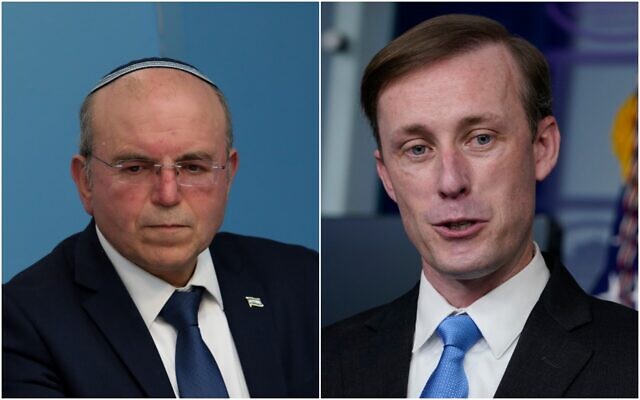
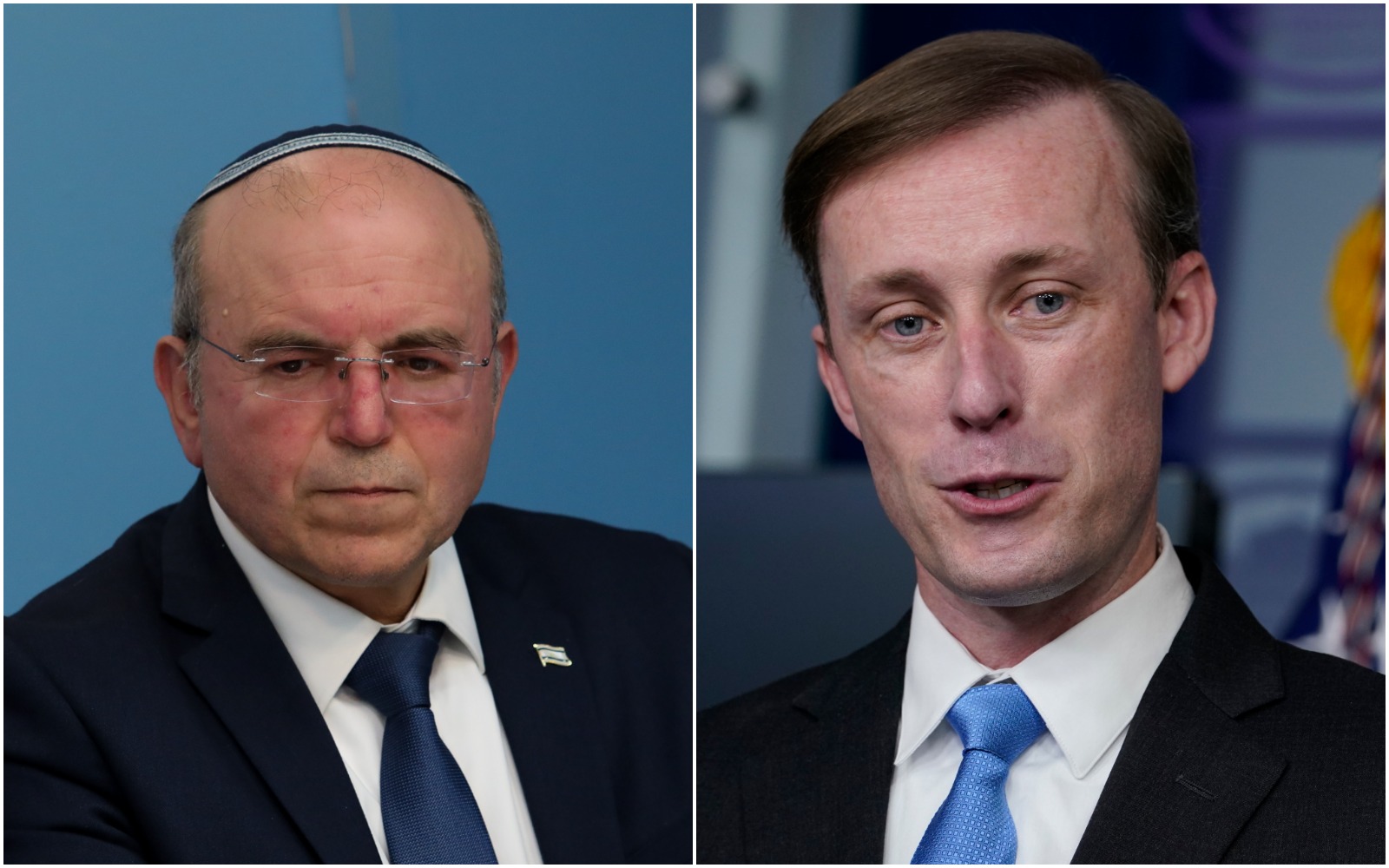
Israeli National Security Council chairman Meir Ben-Shabbat (right), and US National Security Adviser Jake Sullivan. (Flash90, AP)

Israeli National Security Council chairman Meir Ben-Shabbat (right), and US National Security Adviser Jake Sullivan. (Flash90, AP)

Israeli and US officials agreed to set up a joint team for sharing intelligence about Iran’s nuclear program during recent strategic talks, according to a report Wednesday.

Last week’s talks were the first held by a bilateral group for cooperating in the effort to prevent Iran from acquiring nuclear arms. The meeting was led by US National Security Adviser Jake Sullivan and his Israeli counterpart Meir Ben-Shabbat.

Citing three senior Israeli officials, the Axios news site reported that Israel’s initial objective was to get on the same page with the Biden administration concerning intelligence on Iran. The officials said they were satisfied by the first round of discussions.

“We are on the same page on the intelligence. There are small nuances but overall, they see data the same way. It was very positive, but it is only the beginning of a process. It will be a rollercoaster,” one of the officials was quoted saying.

Sullivan pledged to the Israelis the US would be transparent about any decisions regarding Iran and said he expects transparency in return, according to the officials, who also said the American national security adviser was upfront about the difficulties of engaging in diplomacy with Iran.

The Israeli officials also said they hoped Iran would continue to rebuff US entreaties and that the pain of American sanctions would lead the Iranians to first offer concessions.

A second meeting dealing with Iran’s regional activities and missile program will be held in the coming weeks, the officials added.
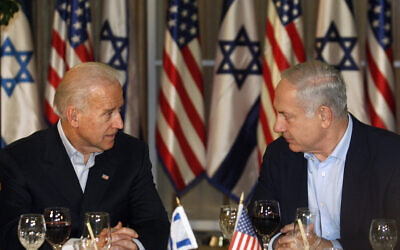
Then-US vice president Joe Biden, left, and Prime Minister Benjamin Netanyahu, right, talk before a dinner at the Prime Minister’s Residence in Jerusalem, March 9, 2010. (AP Photo/Baz Ratner, Pool)

A similar working group convened during former US president Barack Obama’s first term in office. Its existence was not public, and the sides used the meetings to share intelligence on Iran. However, the group ceased meeting as the Obama administration ramped up efforts to reach an agreement with Iran to curb its nuclear program in exchange for sanctions relief.

Prime Minister Benjamin Netanyahu fiercely and publicly opposed that deal — which was signed in 2015, when President Joe Biden was vice president — contributing to a famously acrimonious relationship between himself and Obama.

Former US president Donald Trump withdrew from the deal in 2018 and put punishing sanctions on Iran. Trump’s Middle East policies were largely in line with Netanyahu’s. Biden and his administration have repeatedly said they will return to the JCPOA if Tehran first returns to compliance. Iran has insisted the US remove sanctions before it returns to the deal’s terms, putting the two sides at a stalemate.

Seeking to avoid public spats this time around, Washington offered to reestablish the working group with Israel, which, after deliberation by Netanyahu with other senior officials, agreed to it, an official familiar with the matter told The Times of Israel.
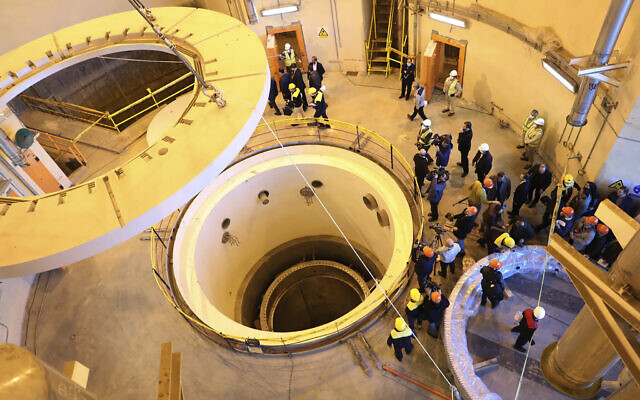
Technicians work at the Arak heavy water reactor’s secondary circuit, as officials and media visit the site, near Arak, 150 miles (250 kilometers) southwest of the capital Tehran, Iran, December 23, 2019. (Atomic Energy Organization of Iran via AP)

In recent months, Iran has repeatedly taken steps to violate the deal and turn up the heat on the US, including by enriching uranium past the accord’s limits and barring UN inspections of its nuclear facilities.

Israeli officials, including Netanyahu, have already begun voicing opposition to the Biden administration’s desire to rejoin the deal, putting Jerusalem and Washington at odds on the issue. Some leading Israeli officials in recent months have warned of military action to halt Iran’s nuclear program.READ 

Alongside Rivlin, France’s Macron says Iran must stop violating nuclear deal

Posted March 19, 2021 by Joseph Wouk
Categories: Uncategorized


IDF chief tells French president that Lebanon has been taken ‘captive’ by Hezbollah and that Israel has ‘thousands of targets picked out’ in case of need for retaliation

By TOI STAFF and AFP18 March 2021, 9:29 pm  1

French President Emmanuel Macron (R) and President Reuven Rivlin wave at the Elysee Palace in Paris on March 18, 2021. (Ludovic Marin/AFP)

French President Emmanuel Macron (R) and President Reuven Rivlin wave at the Elysee Palace in Paris on March 18, 2021. (Ludovic Marin/AFP)

Standing alongside President Reuven Rivlin, French President Emmanuel Macron on Thursday urged Iran to stop aggravating the already grave crisis over its nuclear program by multiplying violations of the 2015 deal with world powers.

“Iran must stop worsening the nuclear situation that is already serious by accumulating violations of the Vienna accord,” Macron said during a joint press conference at the Elysee Palace with Rivlin, currently on a European tour to discuss the Iranian threat.

“Iran must make the expected gestures and behave in a responsible manner,” Macron said.

Rivlin’s three-day trip to Germany, France, and Austria comes as the UN’s nuclear watchdog is working to save the 2015 agreement. Germany and France are both signatories to the so-called Joint Comprehensive Plan of Action, which gave Iran relief from sanctions in return for curbs on its nuclear program.French President Emmanuel Macron speaks during a joint press conference with President Reuven Rivlin, after a working lunch, at the Elysee Palace in Paris, on March 18, 2021. (Ludovic MARIN / POOL / AFP)

After its withdrawal from the pact in 2018, the US reapplied strict sanctions on Iran, which responded by stepping away from its own commitments to the deal, in particular by ramping up uranium enrichment, a key process in producing a nuclear weapon.

The new administration of US President Joe Biden has said it is prepared to reenter the nuclear deal and start lifting sanctions against Iran if it returns to full compliance. But Tehran rejected that precondition, pressing on with increasing nuclear work in retaliation for the sanctions.

“France is fully mobilized for a relaunch of a credible process to find a solution to this crisis,” Macron said Thursday. “This means returning to a control and supervision of the Iranian nuclear program while also integrating a control of Iran’s ballistic activity in the region.”

Rivlin, who is traveling with IDF Chief of Staff Lt.-Gen. Aviv Kohavi, has underscored the threat from Iran’s nuclear program in his meetings with Austrian and German leaders earlier in the week.President Reuven Rivlin (L) arrives in Germany at the beginning of a diplomatic trip to Europe, joined by IDF Chief of Staff Lt. Gen. Aviv Kohavi. (Amos Ben Gershom/GPO)

Meeting with Macron after Rivlin, Kohavi told the French president that Lebanon has been taken “captive” by the Iranian-backed Hezbollah terror group.

“Hezbollah today has hundreds of thousands of missiles and rockets located that are in the heart of civilian populations and are deliberately aimed at harming Israeli citizens. The IDF will do everything to prevent this,” Kohavi said to Macron, according to an Israel Defense Forces statement.

The IDF chief warned that Israel has thousands of targets picked out in Lebanon.

“We won’t hesitate to attack forcefully,” Kohavi said.IDF Chief Staff Aviv Kohavi (left), with France’s President Emmanuel Macron (2nd right) and President Reueven Rivlin (right), in Paris on March 18, 2021 (Amos Ben Gershom, GPO)

He also said that Lebanon is responsible for what happens within its borders and will bear “full responsibility” for any Hezbollah attack on Israel.

White House says indirect diplomacy with Iran underway

Posted March 13, 2021 by Joseph Wouk
Categories: Uncategorized


US national security adviser says Washington has launched talks through intermediaries, is awaiting a response from Tehran

By TOI STAFF and AGENCIESToday, 5:14 am  0

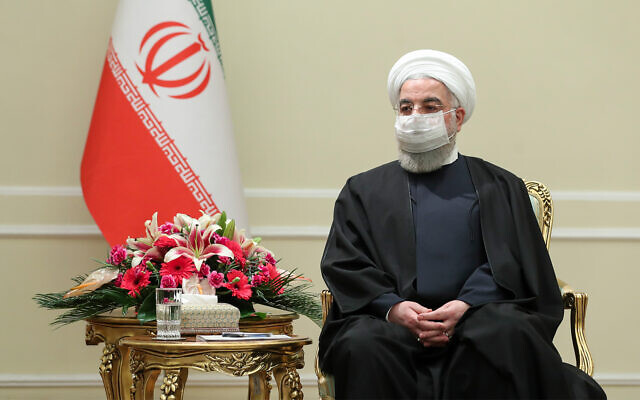
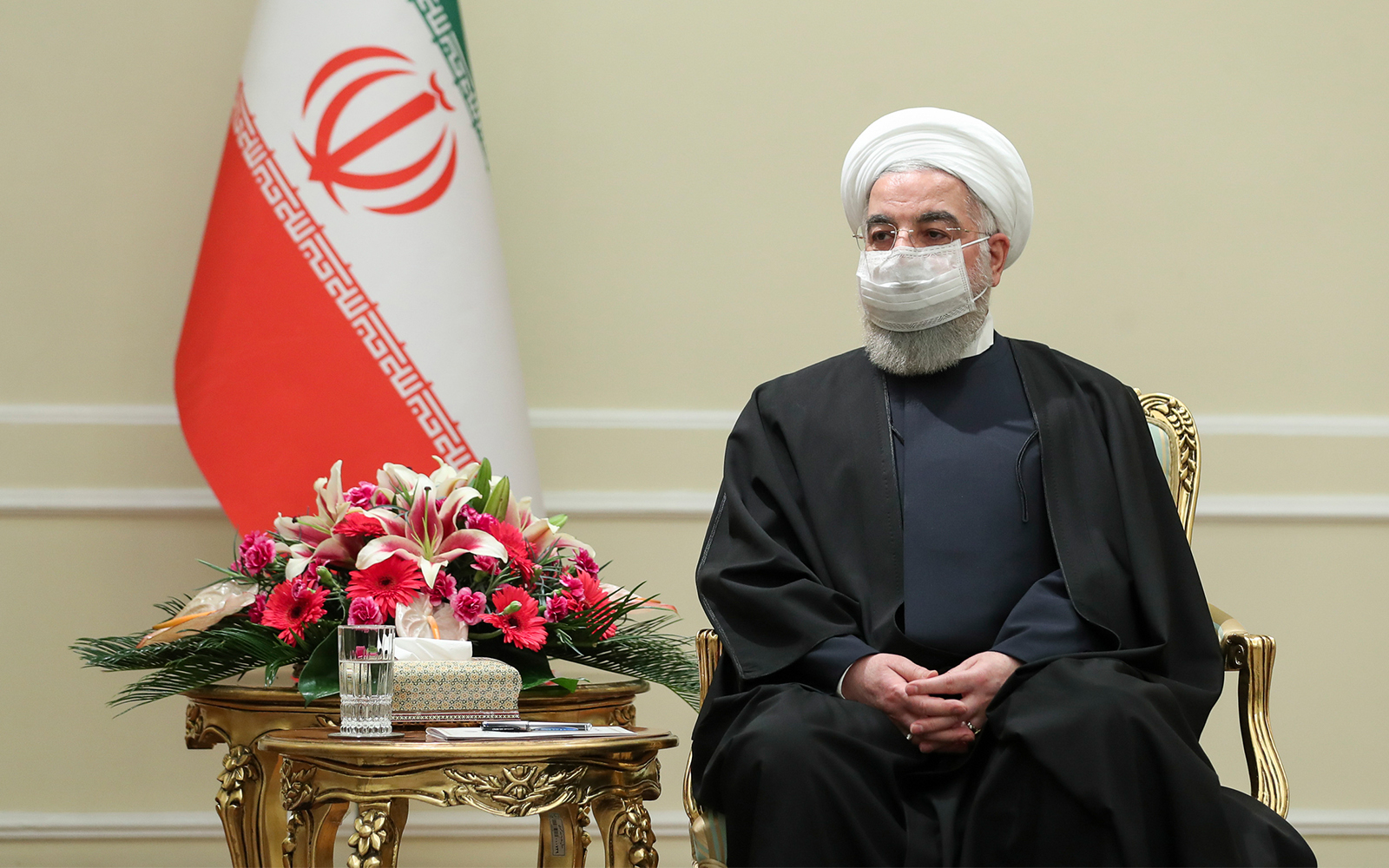
Iranian President Hassan Rouhani meets with Irish Foreign Minister Simon Coveney, in Tehran, Iran, March 7, 2021. (Iranian Presidency Office via AP)

Iranian President Hassan Rouhani meets with Irish Foreign Minister Simon Coveney, in Tehran, Iran, March 7, 2021. (Iranian Presidency Office via AP)

The US has begun indirect diplomacy with Iran through intermediaries and is awaiting a response from Tehran, White House National Security Adviser Jake Sullivan said on Friday.

“Diplomacy with Iran is ongoing, just not in a direct fashion at the moment. There are communications through the Europeans and through others that enable us to explain to the Iranians what our position is, with respect to the compliance-for-compliance approach,” Sullivan said at a press briefing at the White House.

“We’re waiting, at this point, to hear further from the Iranians how they would like to proceed,” Sullivan said. “We believe that we are in a diplomatic process now that we can move forward on, and ultimately secure our objective, which is to prevent Iran from getting a nuclear weapon and to do so through diplomacy.”

US President Joe Biden and his administration have repeatedly said they will return to the 2015 nuclear deal Iran signed with world powers if Tehran first returns to compliance. Iran has insisted the US remove sanctions before it returns to the deal’s terms, putting the two sides at a stalemate.

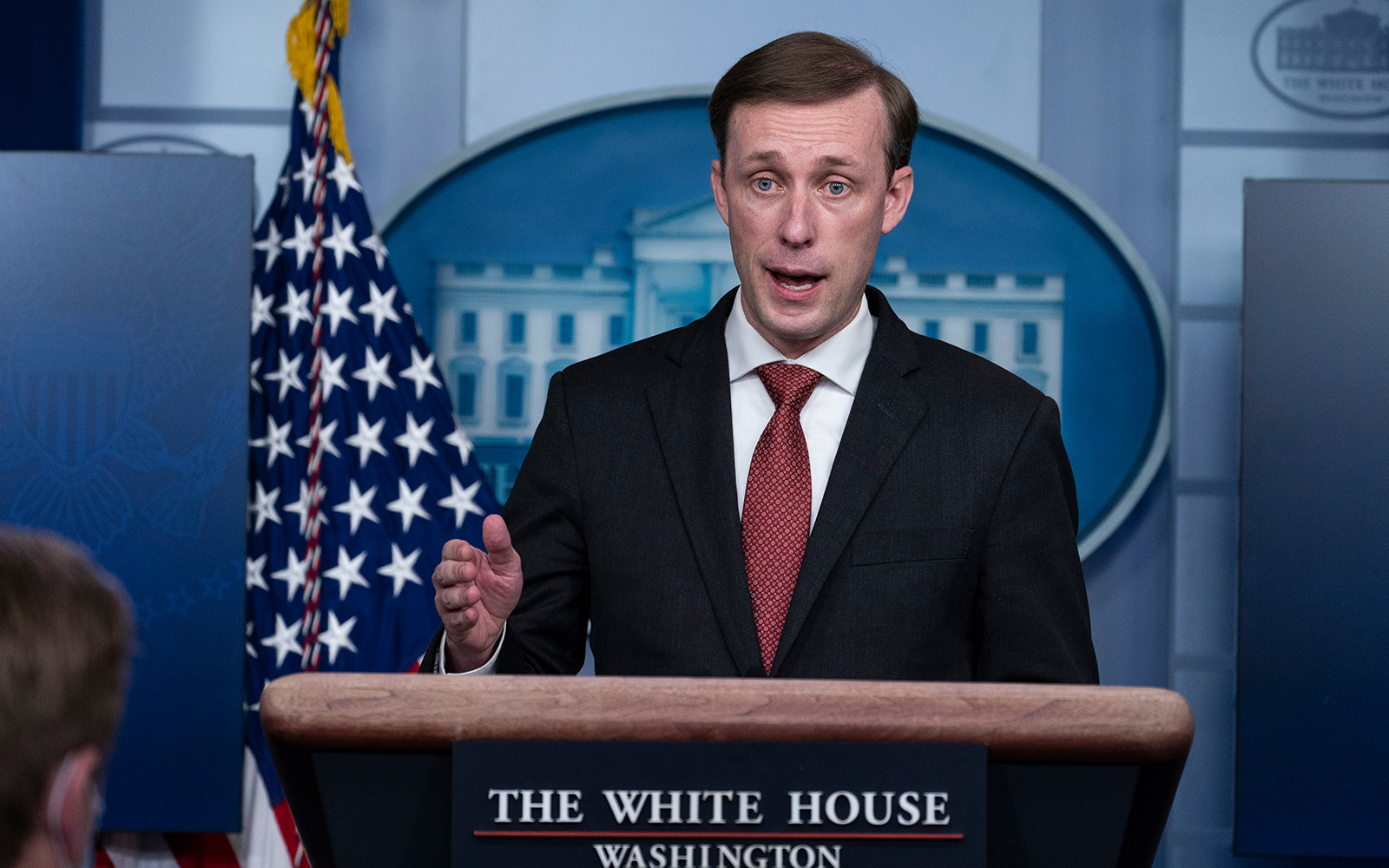
Informal talks between the US and Iran over the return to the nuclear deal could begin in the coming weeks, American and European diplomats told The New York Times in a report Thursday.US National Security Adviser Jake Sullivan speaks with reporters in the James Brady Press Briefing Room at the White House, March 12, 2021, in Washington. (AP Photo/Alex Brandon)
Iran hit out Thursday at the US for sticking to what it called former president Donald Trump’s “failed policy,” saying such an approach would fail to salvage a nuclear deal.

“US claims it favours diplomacy; not Trump’s failed policy of ‘maximum pressure,’” Iran’s Foreign Minister Mohammad Javad Zarif wrote on Twitter. He attacked US Secretary of State Antony Blinken and said, “Repeating the same policy won’t yield new results.”

Zarif’s comments came hours after Blinken signaled US opposition to the release of billions of dollars in Iranian funds held by South Korea unless the Islamic Republic returns to full compliance with the nuclear accord.

South Korea had said last month it agreed on a way forward to release billions of dollars frozen from Iran’s oil sales but was awaiting Washington’s approval.

Iran was a key oil supplier to resource-poor South Korea until Washington’s rules blocked the purchases.

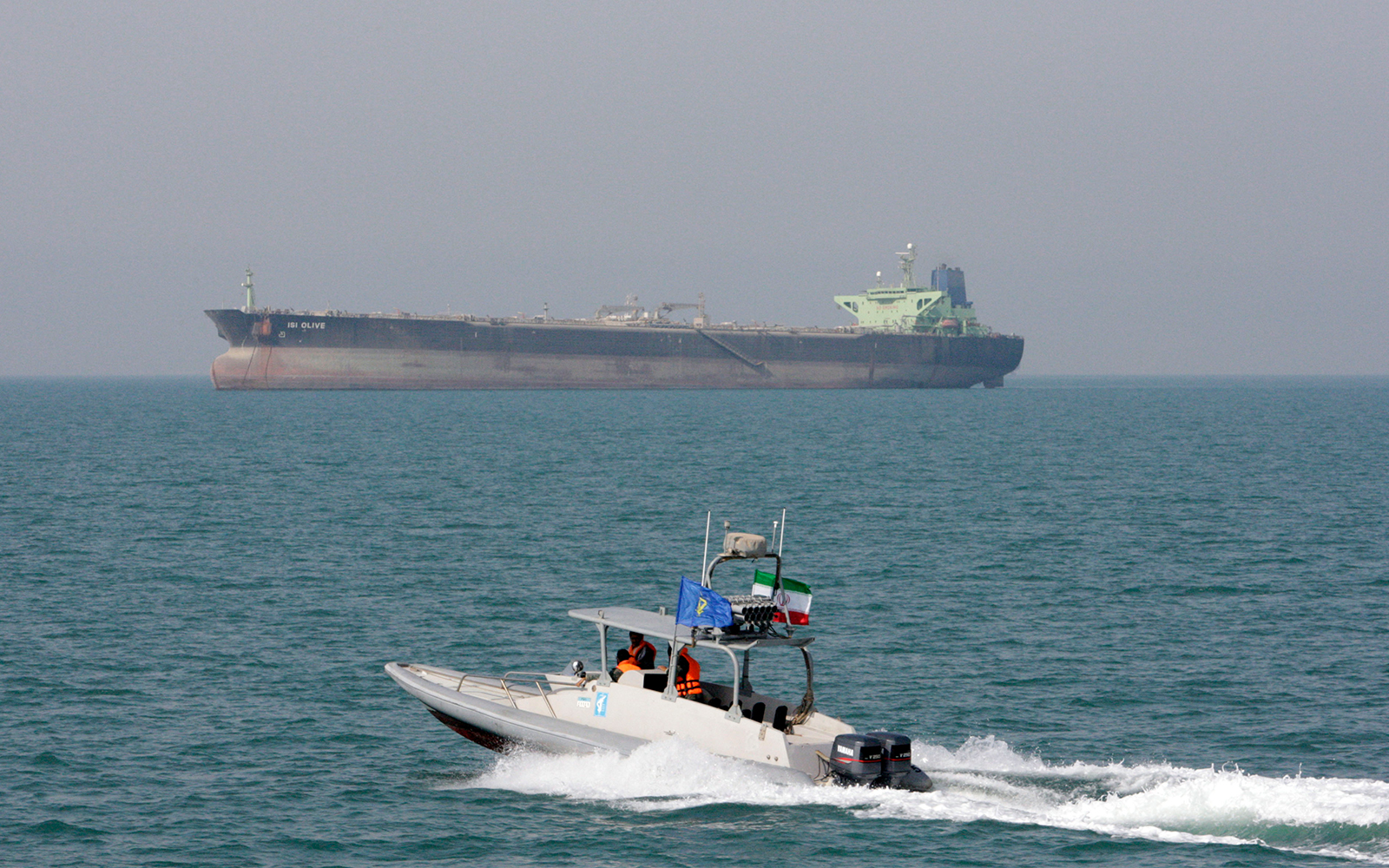
Iran’s Revolutionary Guards on January 4 seized a South Korean tanker and arrested its multinational crew near the strategic Strait of Hormuz, saying it had polluted the waters. Tehran has on various occasions denied the seizure and the funds are linked.Illustrative: An Iranian Revolutionary Guard speedboat moves in the Persian Gulf while an oil tanker is seen in background, July 2, 2012. (AP Photo/Vahid Salemi, File)
Trump withdrew from the Iranian nuclear deal in 2018 and put punishing sanctions on Iran.

Since the US left the deal under Trump, Iran has walked away from the pact’s limitations. In recent months, Iran has repeatedly taken steps to violate the deal and turn up the heat on the US, including by enriching uranium and barring UN inspections of its nuclear facilities.

Israeli officials, including Prime Minister Benjamin Netanyahu, have already begun voicing opposition to the Biden administration’s desire to rejoin the deal, putting Jerusalem and Washington at odds on the issue. Some leading Israeli officials in recent months have threatened military action to halt Iran’s nuclear program.

In addition, Iran has blamed Israel for the November assassination of its chief military nuclear scientist, Mohsen Fakhrizadeh, and threatened retaliation.

Israel blamed Iran for an explosion on an Israeli-owned cargo ship in the Persian Gulf last month, and a Thursday report said Israel has targeted Iran-linked ships in the region, marking a new front in the shadow war between the two regional foes.

Israeli and US administration officials held the first session of a bilateral strategic group aimed at collaborating in the effort to prevent Iran from obtaining a nuclear weapon on Thursday. A White House spokesperson said the “US-Israel Strategic Consultative Group” was led by Sullivan and his Israeli counterpart, Meir Ben-Shabbat.

US reiterates: No ‘unilateral gestures’ to Iran to jumpstart nuclear talks

Posted March 12, 2021 by Joseph Wouk
Categories: Uncategorized


State Department stresses again that Biden administration wants ‘compliance for compliance’ and to ‘lengthen and strengthen’ the 2015 nuclear deal

By TOI STAFFToday, 12:39 am  2

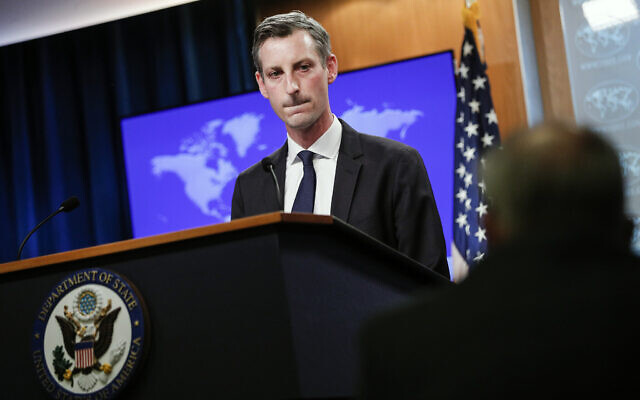
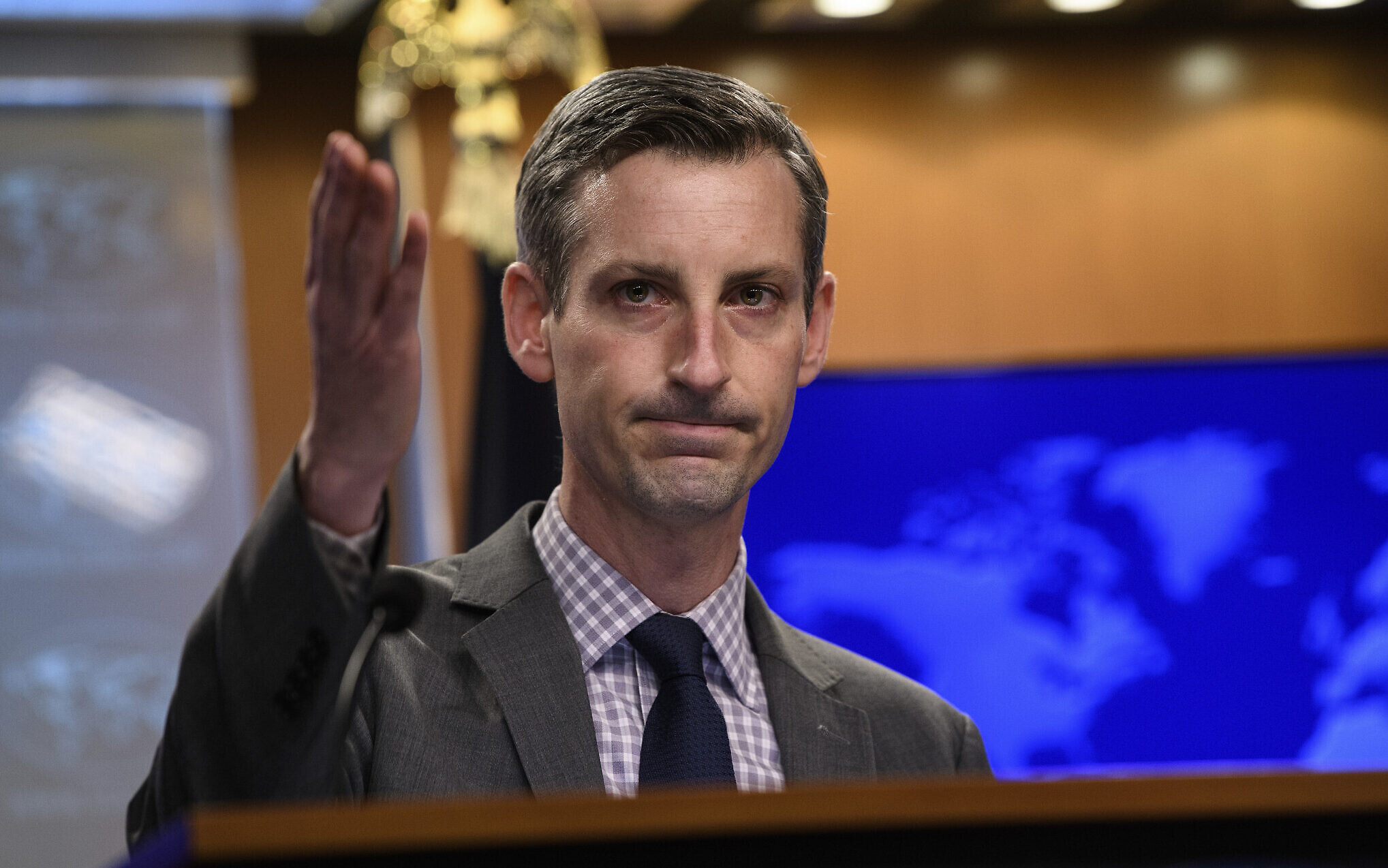
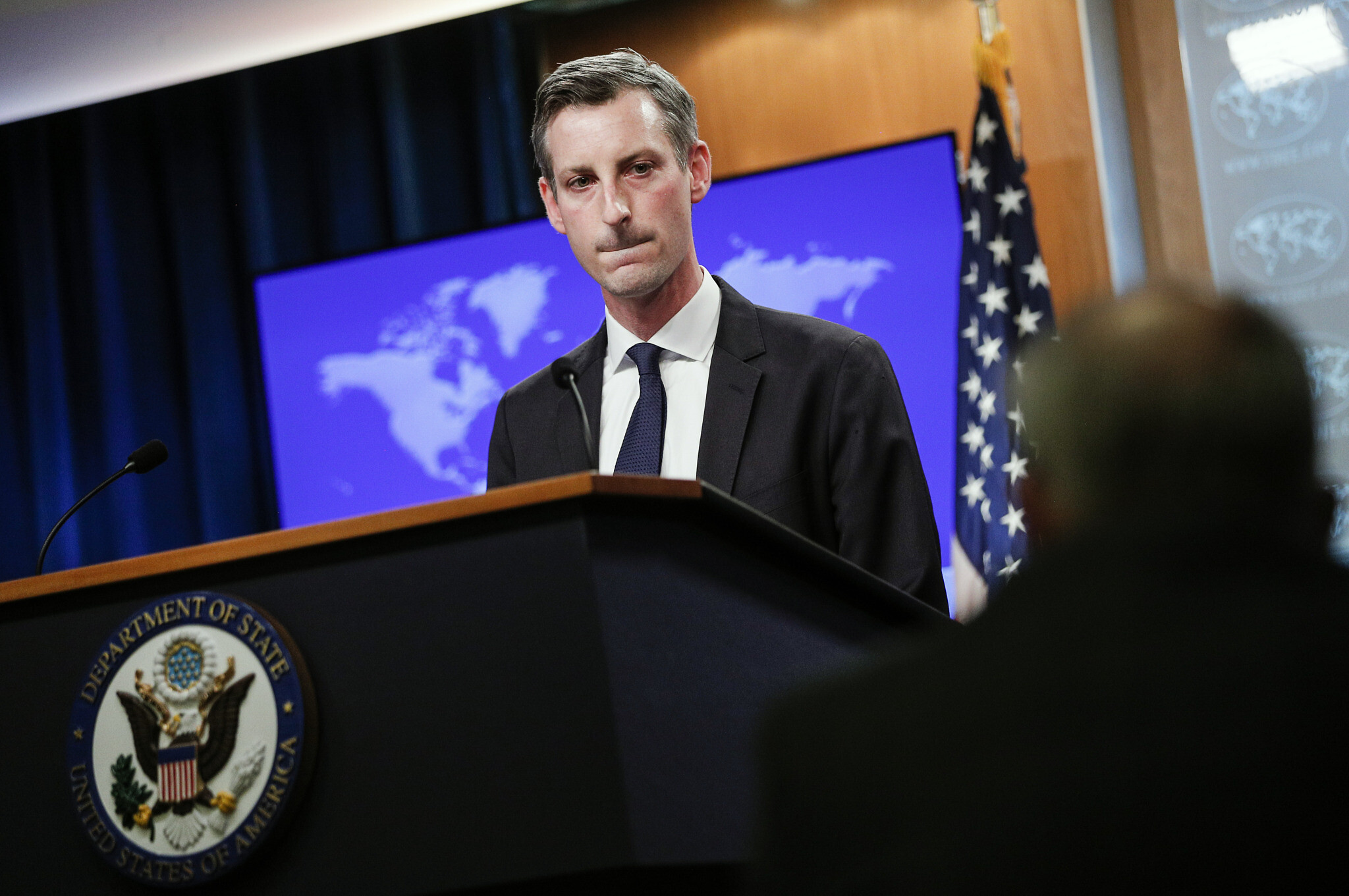
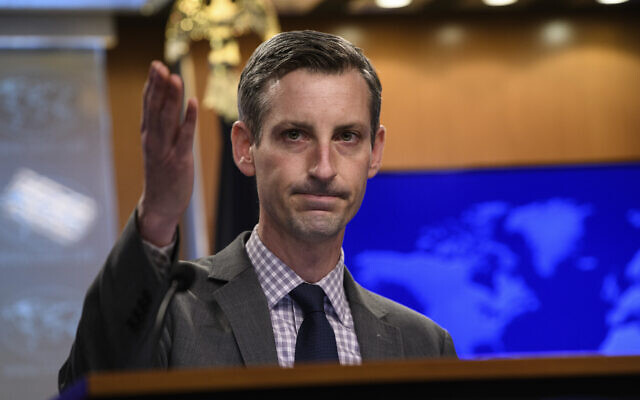
US State Department Spokesman Ned Price speaks during a news briefing at the State Department in Washington, February 25, 2021. (Nicholas Kamm/Pool via AP)

US State Department Spokesman Ned Price speaks during a news briefing at the State Department in Washington, February 25, 2021. (Nicholas Kamm/Pool via AP)

The Biden administration on Thursday reiterated that it will not grant any unilateral favors to Iran in a bid to jumpstart talks on returning to the 2015 accord limiting the Islamic Republic’s nuclear program.

“We will not offer any unilateral gestures or incentives to induce the Iranians to come to the table. If the Iranians are under the impression that absent any movement on their part to resume full compliance with the JCPOA that we’ll offer favors or unilateral gestures, well that’s a misimpression,” State Department spokesman Ned Price told reporters, referring to the deal with the initials of its formal name — the Joint Comprehensive Plan of Action.

He added: “Ultimately that is where we seek to go — compliance for compliance.”

Price also said Iran’s return to compliance is “necessary but insufficient” in addressing concerns over the Islamic Republic’s nuclear program and other regional activities.

“Insufficient, because we would then seek to lengthen and strengthen the terms of that deal, using it as a platform… to address these other areas of profound concern with Iran’s behavior in the region,” Price said.

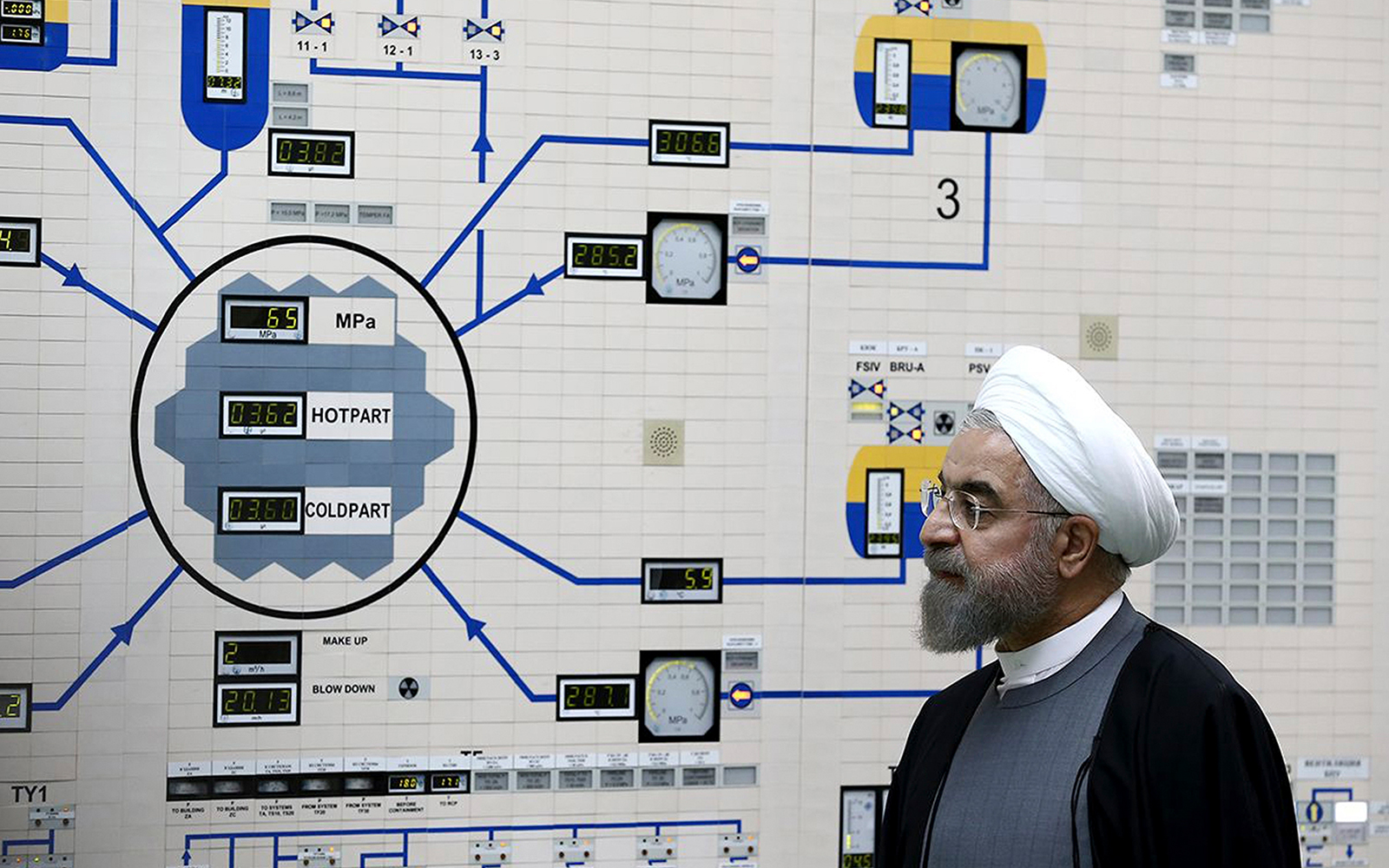
His comments came after the New York Times reported informal talks between the US and Iran on returning to the nuclear deal could begin in the coming weeks.Illustrative: Iranian President Hassan Rouhani visits the Bushehr nuclear power plant just outside of Bushehr, Iran, Jan. 13, 2015. (AP Photo/Iranian Presidency Office, Mohammad Berno, File)
When the informal talks do begin, it is expected that the United States and Iran could agree to take simultaneous steps toward coming back into compliance with the accord, the report said, citing unnamed American and European diplomats.

US President Joe Biden and his administration have repeatedly said they will return to the JCPOA if Tehran first returns to compliance. Iran has insisted the US remove sanctions before it returns to the deal’s terms, putting the two sides at a stalemate.

Former US president Donald Trump withdrew from the deal in 2018 and put punishing sanctions on Iran.

Since the US left the deal under Trump, Iran has walked away from the pact’s limitations on its stockpile of uranium, and has begun enriching uranium to 20 percent, a technical step away from weapons-grade levels.

Israeli officials, including Prime Minister Benjamin Netanyahu, have already begun voicing opposition to the Biden administration’s desire to rejoin the deal, putting Jerusalem and Washington at odds on the issue. Some leading Israeli officials in recent months have threatened military action to halt Iran’s nuclear program.

In recent months, Iran has repeatedly taken steps to violate the deal and turn up the heat on the US, including by enriching uranium and barring UN inspections of its nuclear facilities.

In addition, Iran has blamed Israel for the November assassination of its chief military nuclear scientist, Mohsen Fakhrizadeh, and threatened retaliation.

Israel blamed Iran for an explosion on an Israeli-owned cargo ship in the Persian Gulf last month.

On Thursday, Israeli and US officials held the first session of a bilateral strategic group aimed at collaborating in the effort to prevent Iran from obtaining a nuclear weapon.

Following Thursday’s meeting, White House press secretary Jen Psaki stressed that Israel will be regularly briefed “if this diplomatic track moves forward.”

The Associated Press contributed to this report.

US officials say Israel has hit many ships taking Iran oil, arms to Syria: WSJ | The Times of Israel

Posted March 12, 2021 by Joseph Wouk
Categories: Uncategorized


Report says Israel targeted at least 12 vessels linked to Iran since 2019, marking a new front in conflict

By TOI STAFFToday, 1:36 am  1Illustrative:

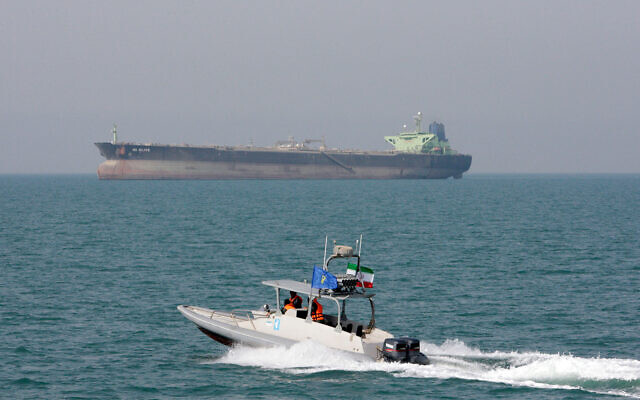
Illustrative: An Iranian Revolutionary Guard speedboat moves in the Persian Gulf while an oil tanker is seen in background, July 2, 2012. (AP Photo/Vahid Salemi, File)

An Iranian Revolutionary Guard speedboat moves in the Persian Gulf while an oil tanker is seen in background, July 2, 2012. (AP Photo/Vahid Salemi, File)

Israel has targeted at least 12 ships bound for Syria, most of them transporting Iranian oil, with mines and other weapons, according to a Thursday report.

The attacks started in late 2019 and targeted both Iranian vessels, and other ships with Iranian cargo, the Wall Street Journal reported, citing “US and regional officials.”

Some of the Israeli strikes, which took place in the Red Sea and other areas, targeted Iran-linked weapons shipments, the report said.

The attacks did not sink the tankers, but forced at least two of the vessels to return to port in Iran.

Israel sought to halt the trade in oil because it believed the profits were financing regional extremists, the report said.

Iran has carried on with its oil trade to Syria in recent years, in violation of both US sanctions on Tehran and international sanctions on Damascus.

Israel declined to comment to The Wall Street Journal on the report.

The attacks mark a new front in the shadow war between Israel and Iran.

Israel said Iran was behind a blast on an Israeli-owned ship in the Persian Gulf last month; Iran denies the charge.

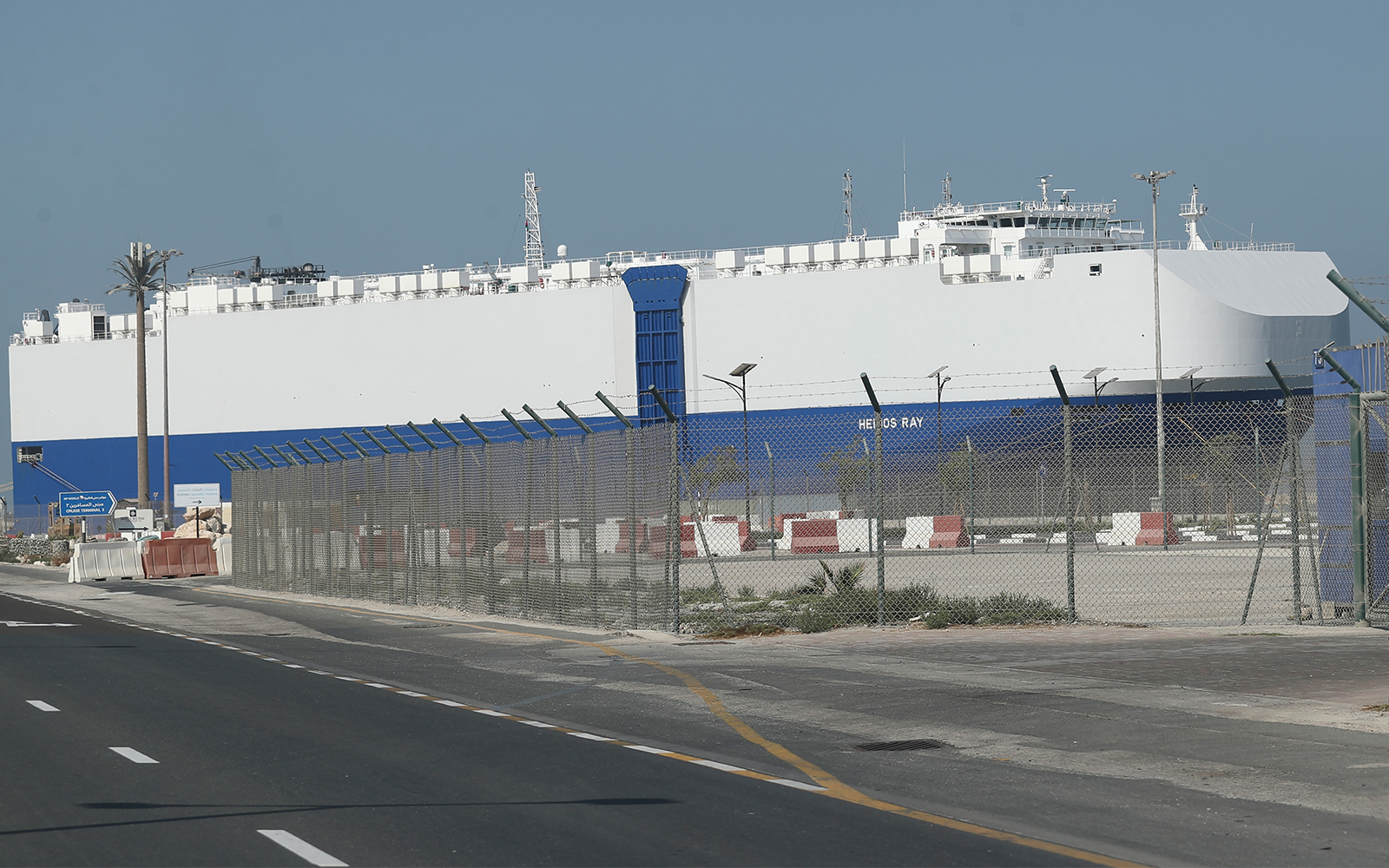
Some sources said the explosion on the MV Helios Ray, a tanker carrying cars, was caused by limpet mines. The damage forced the ship to port for repairs but did not disable it or injure any crew.

In the tense summer of 2019, the US military blamed Iran for explosions on two oil tankers near the Strait of Hormuz, one of the world’s most strategic shipping lanes.

Iran, whose leaders repeatedly call for Israel’s demise, backs the Hezbollah terrorist group, as well as terror groups in the Gaza Strip.The Israeli-owned cargo ship, Helios Ray, sits docked in port in Dubai, United Arab Emirates, Feb. 28, 2021. (AP Photo/Kamran Jebreili)
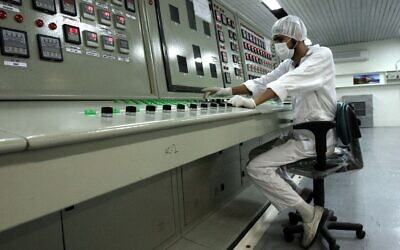

The Israeli military has launched hundreds of airstrikes in Syria since the start of the civil war in 2011 against moves by Iran to establish a permanent military presence in the country and efforts to transport advanced, game-changing weapons to terrorist groups in the region, principally Hezbollah.

Iran has blamed Israel for a recent series of attacks, including a mysterious explosion last summer that destroyed an advanced centrifuge assembly plant at its Natanz nuclear facility and the killing of Mohsen Fakhrizadeh, a top Iranian scientist who founded the Islamic Republic’s military nuclear program two decades ago.

Tensions have heated in the Middle East in recent months, as Iran repeatedly violated the terms of its 2015 nuclear deal with world powers ahead of possible talks with the Biden administration.

Israel’s environment minister blamed Iran for an oil spill off the Israeli coast last month that saw hundreds of tons of tar pollute beaches along most of Israel’s Mediterranean coastline, but Israeli security officials said they could not confirm the allegation. Much of the tar has been removed, and many beaches have now reopened.

Israeli officials, including Prime Minister Benjamin Netanyahu, have already begun voicing opposition to the Biden administration’s desire to rejoin the deal, putting Jerusalem and Washington at odds on the issue. Some leading Israeli officials in recent months have threatened military action to halt Iran’s rogue nuclear weapons program.

Informal talks between the US and Iran over the return to the nuclear deal could begin in the coming weeks, American and European diplomats told The New York Times in a report Thursday.

Israel and US to convene 1st strategic group meeting on Iran

Posted March 11, 2021 by Joseph Wouk
Categories: Uncategorized


Sessions will be led by national security advisers Ben-Shabbat and Sullivan; sides will seek to limit disagreements and keep discord behind closed doors

By JACOB MAGID10 March 2021, 7:34 pm  0

Collage: Israeli National Security Council chairman Meir Ben-Shabbat (right), and US National Security Adviser Jake Sullivan. (Flash90, AP)

Collage: Israeli National Security Council chairman Meir Ben-Shabbat (right), and US National Security Adviser Jake Sullivan. (Flash90, AP)

Israeli and Biden administration officials on Thursday will hold the first session of a bilateral strategic group aimed at collaborating in the effort to prevent Iran from obtaining a nuclear weapon, an official familiar with the matter told The Times of Israel.

A similar working group convened during former US president Barack Obama’s first term in office. Its existence was not public, and the sides used the meetings to share intelligence on Iran. However, the group ceased meeting as the Obama administration ramped up efforts to reach an agreement with Iran to curb its nuclear program in exchange for sanctions relief.

Prime Minister Benjamin Netanyahu fiercely and publicly opposed that deal — which was signed in 2015, when Biden was vice president — contributing to a famously acrimonious relationship between Netanyahu and Obama.

Seeking to avoid public spats this time around, Washington offered to re-establish the working group and Israel, after deliberation by Netanyahu with other senior officials, agreed to it, the official said.

The White House released a statement on Wednesday regarding the group’s meeting, with few details.

An Iranian technician works at the Uranium Conversion Facility just outside the city of Isfahan, Iran. February 3, 2007. (AP Photo/Vahid Salemi, File)

US National Security Council spokesperson Emily Horne called the collaborative the “US-Israel Strategic Consultative Group and said it would be led by US National Security Advisor Jake Sullivan and his Israeli counterpart Meir Ben-Shabbat.

“The discussion will focus on regional issues, building on the close consultations between the two sides over the past several months,” the statement said. Sullivan and Ben-Shabbat have spoken on the phone twice since the start of the new US administration.

“This meeting is part of the broader ongoing dialogue between the United States and Israel on the full range of issues of importance to the bilateral relationship, building on longstanding dialogues between our two nations under previous administrations,” the statement added.

US envoy on Iran Robert Malley told the Axios news site Wednesday that neither Washington nor Jerusalem wishes to see a return to the very public discord that existed between the countries’ leaderships during the run-up to the signing of the 2015 nuclear accord.

“We don’t always agree, but the talks are extremely open and positive. While we may have different interpretations and views as to what happened in 2015–2016, neither of us wishes to repeat it,” Malley said.

Robert Malley in 2018 (YouTube screenshot)

Biden and his administration have repeatedly said they will return to the JCPOA if Tehran first returns to compliance. Iran has insisted the US remove sanctions before it returns to the deal’s terms, putting the two sides at a stalemate.

In recent months, Iran has repeatedly taken steps to violate the deal and turn up the heat on the US, including by enriching uranium past the accord’s limits and barring UN inspections of its nuclear facilities.

Former US president Donald Trump withdrew from the deal in 2018 and put punishing sanctions on Iran. Trump’s Middle East policies were largely in line with Netanyahu’s.

Israeli officials, including Netanyahu, have already begun voicing opposition to the Biden administration’s desire to rejoin the deal, putting Jerusalem and Washington at odds on the issue. Some leading Israeli officials in recent months have warned of military action to halt Iran’s nuclear program.

India said to blame Iran’s Quds Force for blast outside Israeli embassy

Posted March 9, 2021 by Joseph Wouk
Categories: Uncategorized


Indian counter-terror investigators reportedly believe the IRGC tasked a local cell with planting the remote-control detonated device in January in New Delhi

By TOI STAFF8 March 2021, 8:25 am  0

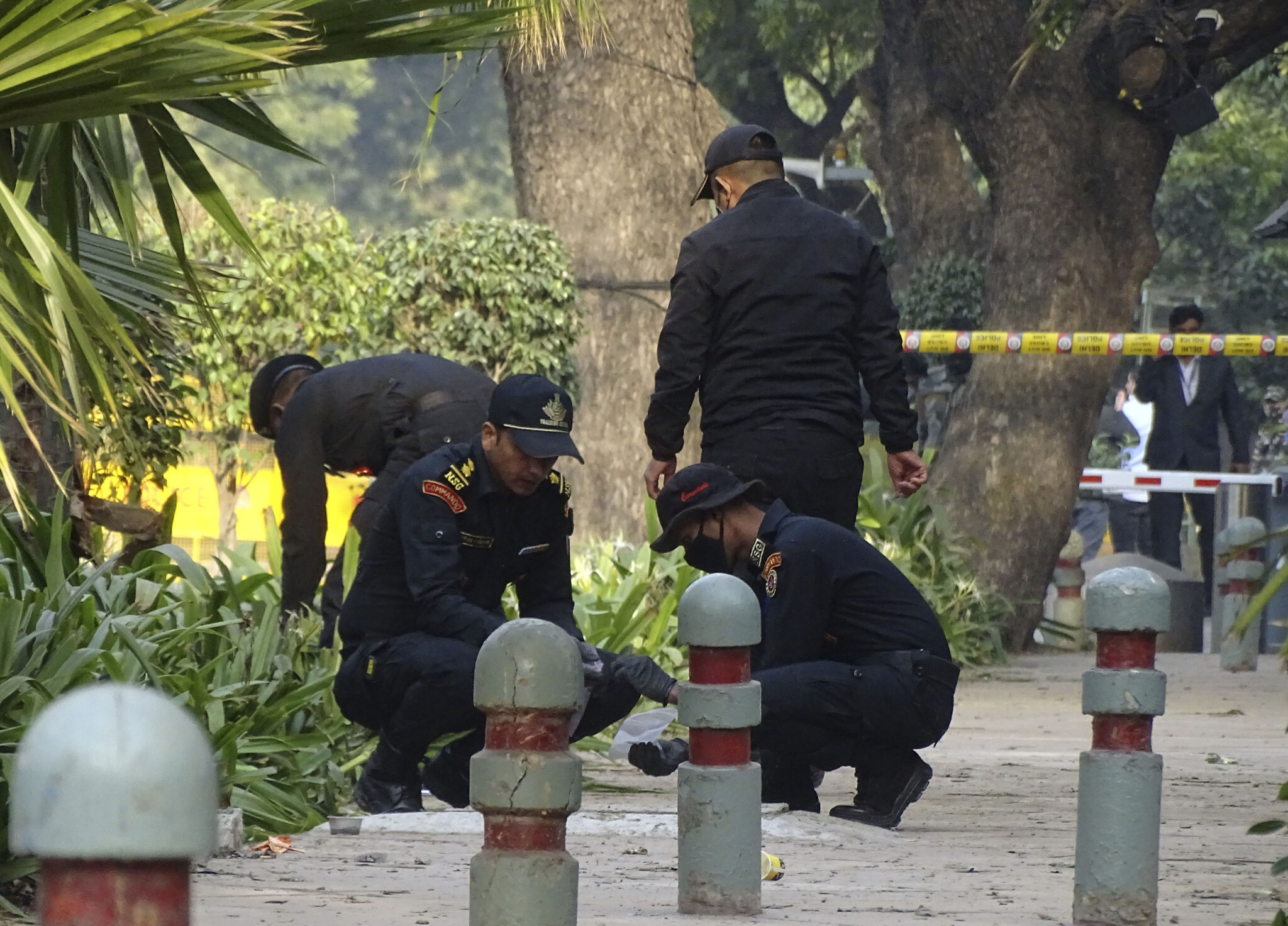
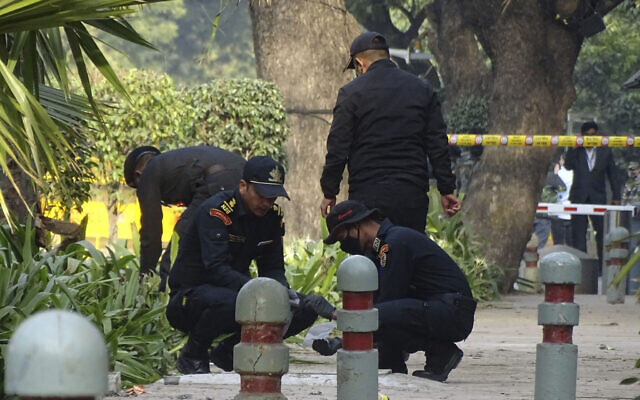
National Security Guard soldiers inspect the site of a blast near the Israeli Embassy in New Delhi, India, Jan. 30, 2021 (AP Photo/Dinesh Joshi)

National Security Guard soldiers inspect the site of a blast near the Israeli Embassy in New Delhi, India, Jan. 30, 2021 (AP Photo/Dinesh Joshi)

India has concluded that Iran was behind a blast outside the Israeli embassy in New Delhi in January, with the device planted by a local Shiite cell, an Indian news organization reported Monday.

The Hindustan Times said investigators concluded the attack was carried out by the Quds Force branch of Iran’s Islamic Revolutionary Guard Corps tasked with carrying out overseas operations, and that the device was detonated by remote control.

According to the report, there was an attempt to mislead investigators into blaming the Islamic State terror organization for the bomb, but counter-terrorism agencies were clear that it was an Iranian attack.

“That the bomb was not of high intensity, with no human targets in mind was perhaps because the Iranians did not want to run afoul of a friendly nation like India. But the message was clear and the threat is real,” an unnamed expert told the outlet.

Police cordon off an area near the Israeli embassy in New Delhi on January 29, 2021. (Sajjad HUSSAIN / AFP)

A letter found close to the scene of the blast was a death threat to the ambassador that warned he was being constantly being watched and vowed to avenge the deaths of “martyrs” Qassem Soleimani, Iran’s Islamic Revolutionary Guards Corps (IRGC) commander who was killed in a January 2020 United States drone strike; Abu Mahdi al-Muhandis, a top Iraqi militia commander who was killed along with Soleimani; and Mohsen Fakhrizadeh, the architect of Iran’s nuclear program, killed in a November 2020 attack Tehran has blamed on Israel.

The handwritten note, in English, but riddled with grammatical and spelling errors, was addressed to Israel’s ambassador, Ron Malka, and referred to him as a “terrorist of the terrorist nation.”

It claimed to be from the “India Hizbollah,” a group that is not previously known, according to the report, which included a photo of the letter. Lebanese Hezbollah is an Iran-backed terror organization that is sworn to Israel’s destruction.

Warning that Malka is in their crosshairs, the letter said “you cannot stop anyway no matter how hard you would pick, we can end your life anytime anywhere.”https://platform.twitter.com/embed/Tweet.html?dnt=true&embedId=twitter-widget-0&frame=false&hideCard=false&hideThread=false&id=1355948687055351810&lang=en&origin=https%3A%2F%2Fwww.timesofisrael.com%2Findia-said-to-blame-irans-quds-force-for-blast-outside-israeli-embassy%2F&siteScreenName=timesofisrael&theme=light&widgetsVersion=e1ffbdb%3A1614796141937&width=550px

Declaring that all “participants and partners” of Israeli “terrorist ideology will be no more in existence” the letter warned: “now get ready for a big and better revenge for our heroes.”

“All that is left is for you to count the days,” the note ended.

A police statement described the explosion as caused by a “very low-intensity improvised device” that blew out the windows on three nearby cars and said a preliminary investigation “suggests a mischievous attempt to create a sensation.”

Channel 12 reported at the time that Israeli explosive experts and the Mossad intelligence agency were involved in the investigation.

Police close off a street after an explosion near the Israeli embassy in New Delhi on January 29, 2021. (Photo by Sajjad HUSSAIN / AFP)

Israeli missions have already been on alert around the world in the wake of the assassination of Iran’s top nuclear scientist in November of last year. Tehran has blamed Israel and promised revenge.

In 2012, the wife of Israel’s defense attaché to India was moderately injured after a motorcyclist attached a bomb to her car near Israel’s New Delhi embassy. Iran was suspected in the attack.

It was part of a series of attempted attacks against Israeli targets around the world attributed to Iran. The same day as the 2012 New Delhi blast, a bomb was discovered on an Israeli diplomat’s car in the former Soviet republic of Georgia.

The next day, three Iranians accidentally blew up their house in Thailand. The men, who were never charged with terrorism, were freed last year as Iran released Australian academic Kylie Moore-Gilbert who was imprisoned for more than two years on spying charges.

There was speculation that those incidents were in response to Israel’s alleged assassinations of multiple Iranian nuclear scientists as Jerusalem fought to curtail Iran’s nuclear program.

IAEA says Iran enriching uranium with advanced centrifuges, in further breach

Posted March 9, 2021 by Joseph Wouk
Categories: Uncategorized

UN nuclear watchdog tells member states Islamic Republic has started using a third cluster of advanced IR-2m centrifuges at underground Natanz plant

By AGENCIES and TOI STAFF8 March 2021, 10:08 pm  0

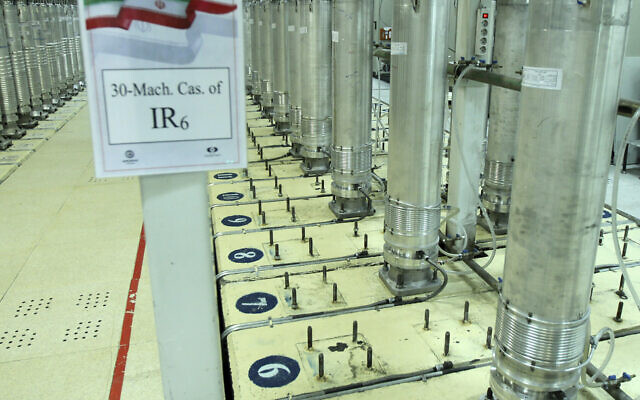
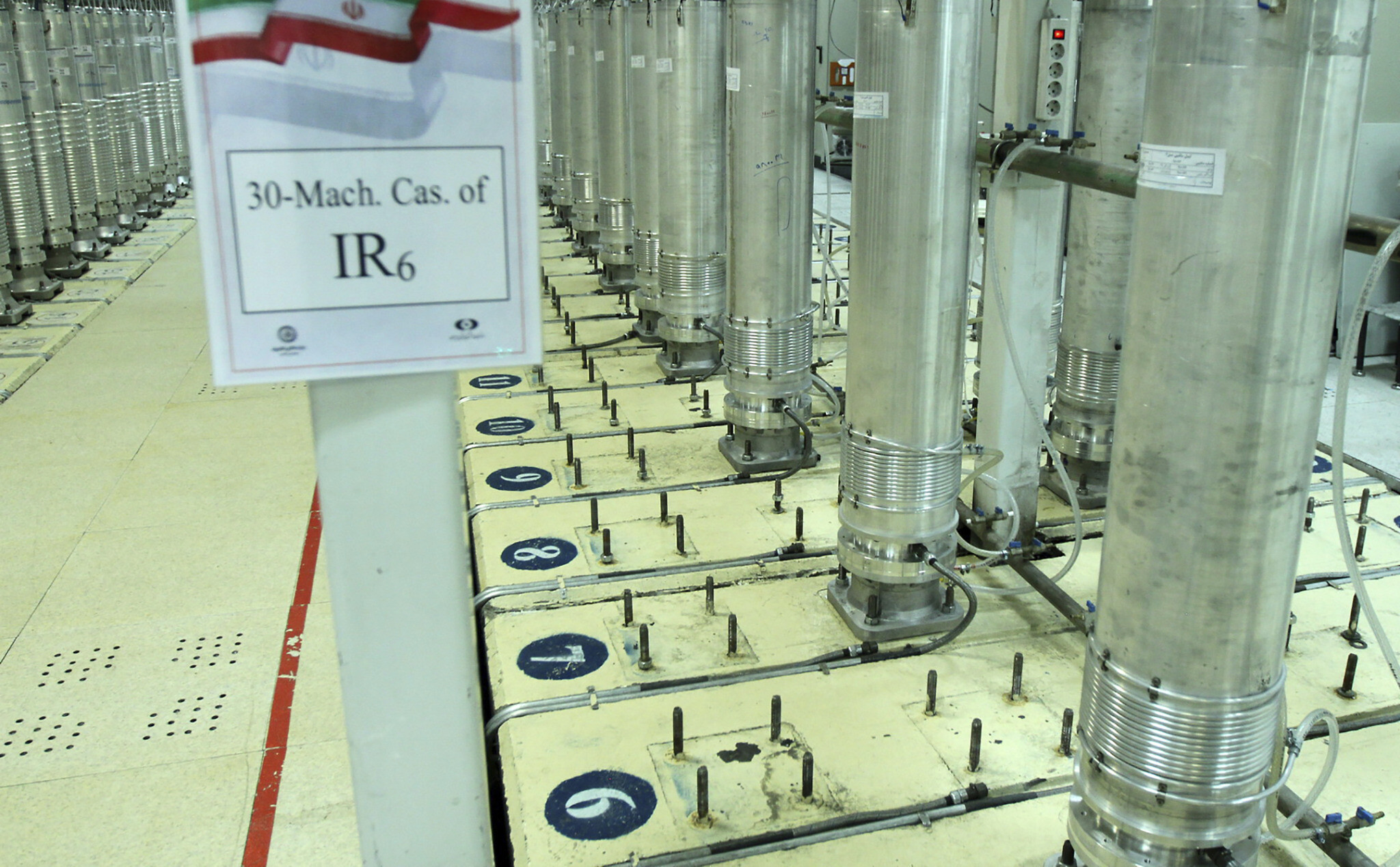
Centrifuge machines in the Natanz uranium enrichment facility in central Iran, in an image released on November 5, 2019. (Atomic Energy Organization of Iran via AP, File)

Centrifuge machines in the Natanz uranium enrichment facility in central Iran, in an image released on November 5, 2019. (Atomic Energy Organization of Iran via AP, File)

The International Atomic Energy Agency reportedly told its member states Monday that Iran has started enriching uranium with a third cascade, or cluster, of advanced IR-2m centrifuges at its underground plant at Natanz, in a further breach of the 2015 nuclear deal.

“On 7 March 2021, the Agency verified… that: Iran had begun feeding natural UF6 into the third cascade of 174 IR-2m centrifuges,” the Reuters news agency quoted the UN atomic watchdog as saying in a new report.

UF6 is uranium hexafluoride, a compound that can be fed into centrifuges to produce nuclear fuel.

“The fourth cascade of 174 IR-2m centrifuges was installed but had yet to be fed with natural UF6; installation of a fifth cascade of IR-2m centrifuges was ongoing; and installation of a sixth cascade of IR-2m centrifuges had yet to begin,” the IAEA report said, according to Reuters.

Since the US left the nuclear deal in 2018 under Donald Trump, Iran has walked away from the pact’s limitations on its stockpile of uranium and has begun enriching up 20 percent, a technical step away from weapons-grade levels.

It is also spinning advanced centrifuges barred by the deal, which saw Iran limit its program in exchange for the lifting of economic sanctions.

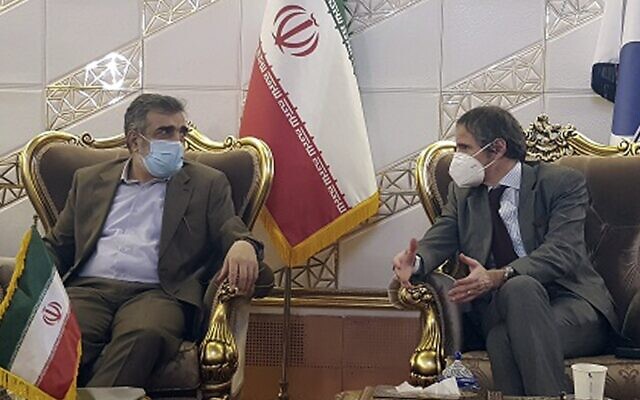
Director General of International Atomic Energy Agency, IAEA, Rafael Mariano Grossi, right, speaks with spokesman of Iran’s atomic agency Behrouz Kamalvandi upon his arrival at Tehran’s Imam Khomeini airport, Iran, on February 20, 2021. (Atomic Energy Organization of Iran via AP)

Iran’s conservative-dominated parliament last month ordered the government to start limiting some inspections by the IAEA, after which the head of the agency, Rafael Grossi, hammered out a temporary technical deal with Tehran.

They confirmed that Iran will continue to allow access to UN inspectors to its nuclear sites — but will for three months bar inspections of other, non-nuclear sites.

According to a report last month, IAEA inspectors last summer found uranium particles at two Iranian nuclear sites that Iran tried to block access to.

Iranian authorities had stonewalled the inspectors from reaching the sites for seven months before the inspection, and Iranian officials have failed to explain the presence of the uranium, Reuters reported, citing diplomats familiar with the UN agency’s work.

US hopes Iran will ‘engage’ after Europeans drop nuclear censure plan

Posted March 5, 2021 by Joseph Wouk
Categories: Uncategorized


State Department spokesman says United States ‘pleased’ with EU move and ready for dialogue; Tehran: Latest developments ‘keep open the path of diplomacy’

By JASTINDER KHERA and VALERIE LEROUXToday, 12:10 am  

US State Department Spokesman Ned Price speaks to reporters during a news briefing at the State Department in Washington, on Monday, March 1, 2021. (Tom Brenner/Pool via AP)

1US State Department Spokesman Ned Price speaks to reporters during a news briefing at the State Department in Washington, on Monday, March 1, 2021. (Tom Brenner/Pool via AP)

VIENNA, Austria (AFP) — European nations Thursday dropped a planned resolution at the UN nuclear watchdog criticizing Iran, in a bid to hasten the revival of the 2015 nuclear deal that was praised both by Tehran and Washington.

France, Britain and Germany — known as the E3 — had planned to introduce a resolution at this week’s meeting of the International Atomic Energy Agency’s board of governors, with the support of the United States, denouncing Iran’s suspension of some IAEA inspections.

“We have decided to not present the resolution,” the German foreign ministry said.

“Iran must now prove that it is serious in its wish to fully relaunch the nuclear deal,” it added.

One diplomat pointed to initiatives undertaken by IAEA Director-General Rafael Grossi and signs of “good faith” on the Iranian side to explain the decision to drop the resolution, which had not been formally submitted.Director-General of the International Atomic Energy Agency, IAEA, Rafael Mariano Grossi, arrives for the start of the IAEA board of governors meeting at the International Center in Vienna, Austria, March 1, 2021. (Ronald Zak/AP)

Grossi announced earlier Thursday that Iran had agreed to hold a series of meetings with the UN nuclear watchdog to “clarify a number of outstanding issues”.

US President Joe Biden has said he is willing to bring the United States back to the landmark 2015 deal, known as the JCPOA.

It has been unraveling since Donald Trump pulled the United States out of the agreement in 2018.

‘Wisdom prevails’

A French diplomat said “encouraging signs” from the Iranians would not have been achieved “if the threat of the resolution hadn’t been maintained until the end.”

The diplomat said it was hoped that a meeting proposed by the EU of the remaining 2015 participants — Iran, France, Germany, Russia, China and Britain — could take place within two weeks, with Brussels the likely venue.

Iran welcomed the European decision not to go ahead with a resolution.

“Today’s developments can keep open the path of diplomacy initiated by Iran and the IAEA,” Iranian foreign ministry spokesman Saeed Khatibzadeh said.

“Iran hopes the parties participating in the agreement can seize this opportunity, with serious cooperation, to ensure the full implementation of the agreement by all,” he added.IAEA head Rafael Grossi, center left, speaks with Iran’s Foreign Minister Mohammad Javad Zarif, center right, before a meeting in Tehran, Iran, August 25, 2020. (AP Photo/Vahid Salemi)

Iran has previously said the time was not suitable for a proposed European-led meeting of all parties including the United States, calling instead for Biden first to lift sanctions imposed by Trump.

In Washington, State Department spokesman Ned Price said the United States was “pleased” with the European move in Vienna and remained ready for dialogue.

“We will look forward with strong interest for Iran’s willingness to engage in a way that leads to credible, concrete progress,” Price told reporters.

Russia and China also hailed the news, with Moscow’s Ambassador to the IAEA Mikhail Ulyanov saying the resolution “could have led to uncontrolled escalation”.

Grossi said “a technical meeting” will take place in Iran at the beginning of April as part of a new process aimed at clarifying queries the IAEA has raised about the possible previous presence of nuclear material at undeclared sites.

He said it was his “intention to try to come to a satisfactory outcome for all of this in time for the next regular session of the board of governors” in June.

Uranium metal

Earlier this week a report in the Iranian Vatan-e-Emrouz newspaper also said Tehran had temporarily suspended the production of uranium metal on the order of President Hassan Rouhani.

The JCPOA put a 15-year ban on uranium metal production in Iran but Tehran says it has the right to breach this and a series of other JCPOA limits in retaliation for the US withdrawal from the accord and subsequent imposition of sanctions.

Late last month Iran suspended some IAEA inspections as US sanctions remained in effect.

The suspension was described by Grossi as a “huge loss” for the agency.IAEA head Rafael Mariano Grossi during a news conference at the International Center in Vienna, Austria, March 1, 2021. (Ronald Zak/AP)

However, after two days of talks between Grossi and Iranian officials in Tehran, a three-month arrangement was reached under which Iran pledged to keep recordings “of some activities and monitoring equipment” and hand them over to the IAEA if and when US sanctions are lifted.

Iran had threatened to suspend that temporary arrangement in the event of a critical resolution at the IAEA.

Gantz: IDF updating military plans for potential strike on Iran nuclear sites

Posted March 5, 2021 by Joseph Wouk
Categories: Uncategorized


In interview with Fox News, defense minister says it would be ‘good’ if world stops Tehran from obtaining atomic weapons before Israel forced to take action

By TOI STAFFToday, 2:02 am  0

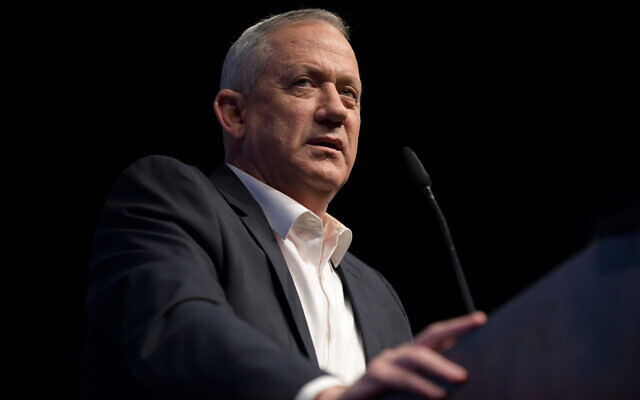
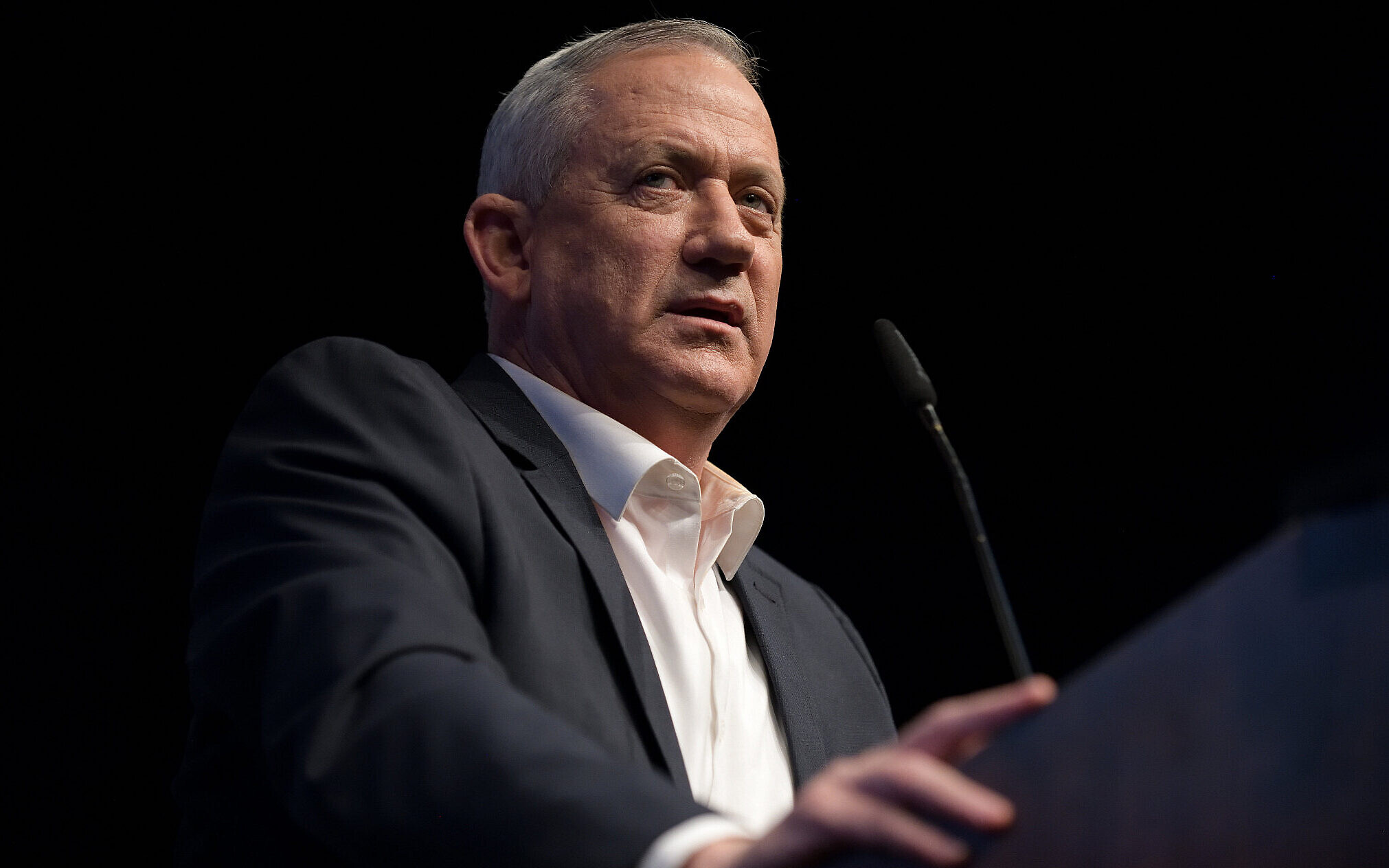
Benny Gantz: "A fragmented society whose members feel alienated and marginalized is a society ready to target those it holds responsible for its troubles."(Gili Yaari/Flash90)

Benny Gantz: “A fragmented society whose members feel alienated and marginalized is a society ready to target those it holds responsible for its troubles.”(Gili Yaari/Flash90)

Defense Minister Benny Gantz on Thursday said the Israel Defense Forces is continuously updating its plans for a prospective military strike on Iranian nuclear sites.

Gantz, in an interview with Fox News, said the military plans would not be finalized until right before such a strike was set to be carried out.

“Until then, we will continue to build them [the plans], to improve them… to the highest professional level possible,” he said.

“If the world stops them [Iran] before, it’s much the better. But if not, we must stand independently and we must defend ourselves by ourselves,” added the defense minister.

Israel has twice conducted military strikes against the nuclear programs of its enemies — Iraq in 1981 and Syria in 2007 — under what’s become known as the Begin Doctrine, which maintains that Jerusalem will not allow an enemy country to obtain an atomic weapon.

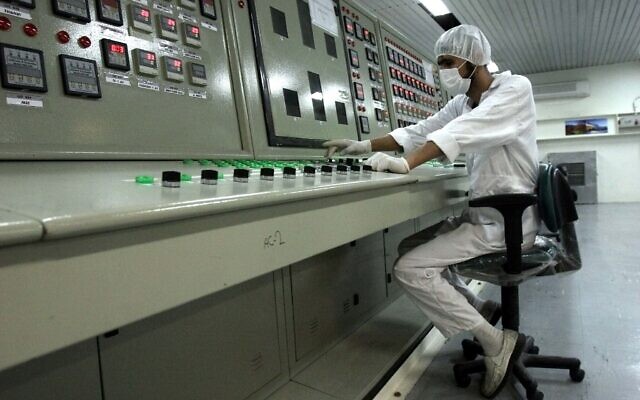
An Iranian technician works at the Uranium Conversion Facility just outside the city of Isfahan, Iran. February 3, 2007. (AP Photo/Vahid Salemi, File)

Gantz has previously warned Israel would carry out a military strike against Iran, if necessary.

His comments came as the US seeks to reenter the Iran nuclear deal. The Islamic Republic has been openly violating the agreement clinched in 2015, stepping up uranium enrichment far beyond permitted levels. It recently barred international inspectors from its nuclear sites.

Iranian Foreign Minister Mohammad Javad Zarif on Thursday said the 2015 nuclear deal “cannot be renegotiated — period.”

“Let’s stop posturing,” he tweeted, “which we both did from 2003-2012 to no avail — and get down to implementing [the deal] which we both actually signed on to.”

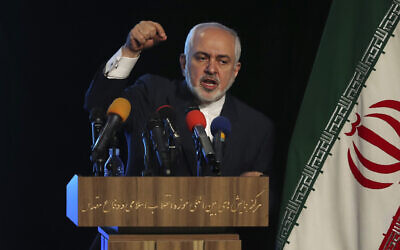
Iran’s Foreign Minister Mohammad Javad Zarif addresses in a conference in Tehran, Iran, Tuesday, Feb. 23, 2021. (AP Photo/Vahid Salemi)

Iran has demanded an immediate removal of US sanctions as a precondition to its return to compliance with the deal, while Washington has said Iran must first end its violations of the accord.

Iran on Sunday rebuffed an offer from the European Union to hold informal direct talks with the EU and US on Tehran’s nuclear program. US President Joe Biden’s administration had accepted in principle.

Prime Minister Benjamin Netanyahu has said he will do whatever it takes to prevent a nuclear-armed Iran, regardless of whether Washington reenters the nuclear deal with the Islamic Republic.

“I will do everything in my power to prevent Iran from getting nuclear weapons, and so far, we’ve been successful,” Netanyahu said Thursday

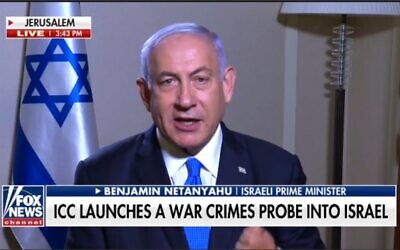
.Prime Minister Benjamin Netanyahu interviewed on Fox and Friends, March 4, 2021. (Screen capture: Twitter)

In an interview earlier Thursday with Fox News, Netanyahu said he believes Biden “understands… that my commitment to prevent Iran from getting nuclear weapons is absolute.”

“But one thing I believe he understands and respects, is that as the prime minister of the one and only Jewish state, we are not going to let a bunch of ayatollahs wipe us out from the face of the earth or from the map of history,” said Netanyahu.

Last week, Netanyahu held the first major intra-ministerial meeting to discuss Israel’s policy vis-à-vis Iran since Biden took office. Among the senior officials who took part in the meeting were Defense Minister Gantz, Foreign Minister Gabi Ashkenazi, IDF Chief of Staff Aviv Kohavi, Mossad chief Yossi Cohen and Israel’s Ambassador to the US Gilad Erdan.

Also participating were former national security council chairmen Yaakov Amidror and Yaakov Nagel, who Netanyahu is bringing on as external advisers on the issue, the Walla news site reported. Both of them are considered to have a hawkish stance on Iran more in line with Netanyahu’s.

Amidror was national security adviser while the agreement was being crafted and sparred with his American counterpart at the time, Susan Rice. Nagel, a nuclear expert, also served as an adviser during that period but stayed on longer, leading talks with the Trump administration to institute its “maximum pressure” sanctions campaign

.

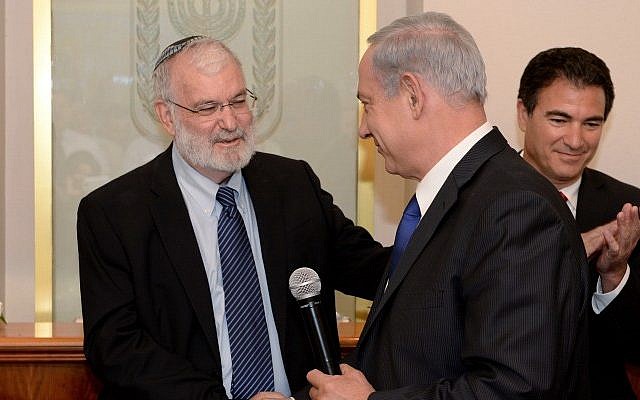
Outgoing national security adviser Yaakov Amidror with Prime Minister Benjamin Netanyahu at a farewell ceremony in Amidror’s honor, on November 3, 2013. (Kobi Gideon/GPO/Flash90)

Also expected to serve as an external adviser on the matter is longtime Netanyahu aide and Erdan’s predecessor Ron Dermer, who is set to return to Israel in the coming weeks.

During last Monday’s meeting, Kohavi and Cohen emphasized the importance of working to build goodwill with the new US administration by not sparring publicly with Washington over the Iran deal, Walla reported.

“We have not moved from our position against returning to the nuclear deal, but we want to work together with the administration and have a constructive discussion with it, not a confrontation,” a senior official said.

Additionally, Netanyahu plans to delegate talks on Iran to senior staff to prevent any personal tension between him and Biden, according to Reuters.

“The intent is to work everything out at that level, and to keep that communication channel open,” a senior official told Reuters. “Obviously this has benefits where there is a risk of a ‘cold shoulder’ at chief-executive level.

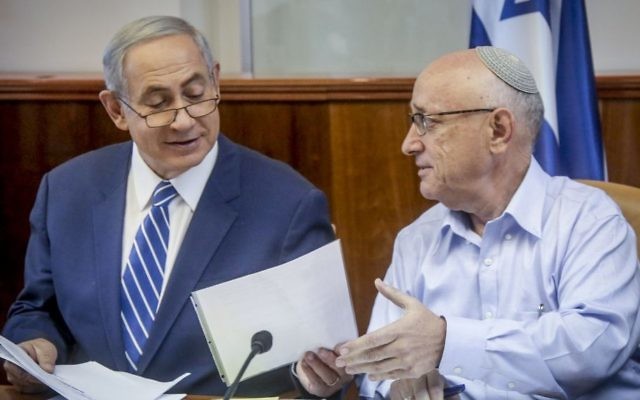
Prime Minister Benjamin Netanyahu (L) sits with former interim Israeli National Security Adviser Yaakov Nagel (R) at the weekly cabinet meeting at the Prime Minister’s Office in Jerusalem on September 18, 2016. (Marc Israel Sellem/Flash90)

Jerusalem is hoping to keep disputes with the new administration “under the radar” for the time being, Army Radio reported.

Also last week, the Kan public broadcaster reported that senior Israeli and Saudi officials have recently held several phone calls to discuss the Biden administration’s plans to rejoin the Iran nuclear deal.

During the conversations, the Saudis also expressed concern over the new US administration and lamented its focus on human rights violations in the kingdom, the report said. Israel and Saudi Arabia do not have diplomatic relations but have maintained clandestine ties. Netanyahu visited Saudi Arabia in November for the first known meeting between Israeli and Saudi leaders.

Agencies contributed to this report.