Eyeing northern threats, IDF puts over a billion shekels into training for 2022

Posted November 19, 2021 by Joseph Wouk
Categories: Uncategorized

Following two years of limited exercises due to the pandemic and lack of a national budget, army ramps up efforts to prepare troops, especially reservists, for war with Hezbollah

By JUDAH ARI GROSS18 November 2021, 11:45 pm  
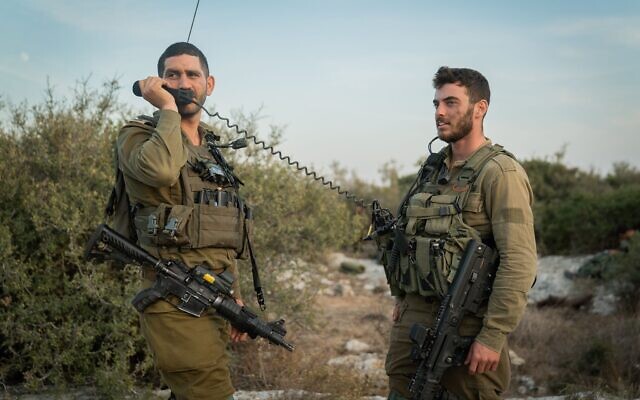
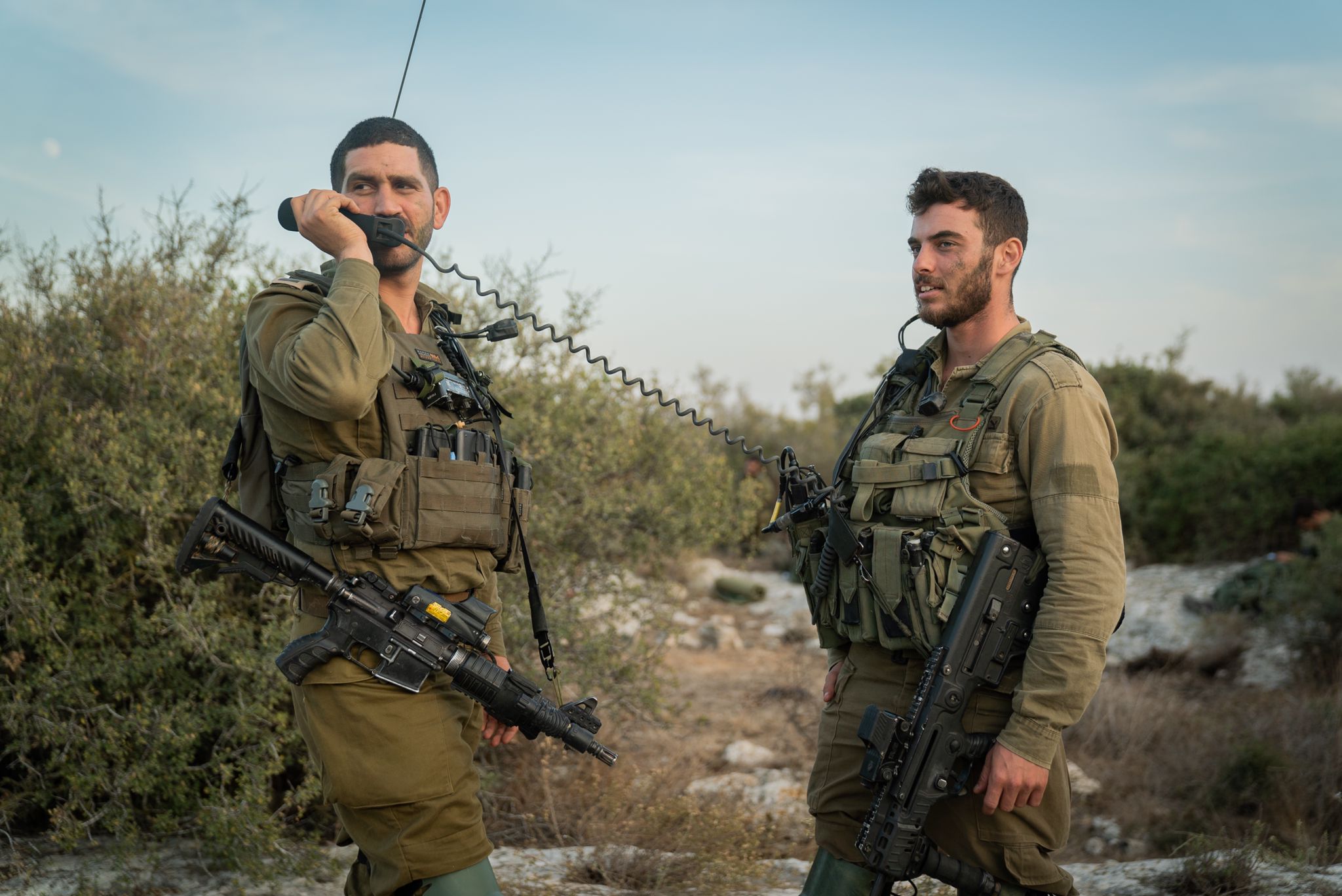
Israeli troops take part in an exercise in northern Israel, in November 2021. (Israel Defense Forces)

Israeli troops take part in an exercise in northern Israel, in November 2021. (Israel Defense Forces)

The Israel Defense Forces has been on a training spree over the past month, holding several large exercises for its Ground Forces in the Northern Command, with plans to continue doing so into next year, following two years of relative stagnation due to a combination of the coronavirus pandemic and the lack of a national budget.

The month-long series of drills, which wrapped up on Thursday, simulated a war on Israel’s northern front against Hezbollah, the Iran-backed Lebanese terror group that has long represented the IDF’s most significant military threat, with a massive arsenal of nearly 150,000 rockets and missiles. According to Israeli estimates, Hezbollah could fire some 4,000 projectiles at Israel every day in a future conflict.

Such a conflict would require an Israeli ground invasion of southern Lebanon, which would play a critical role in any future war in Lebanon, Brig. Gen. Dan Noyman, head of the Northern Command’s 36th Division, told reporters earlier this year.

And yet the soldiers who would be conducting such a ground maneuver, particularly the reservists, have not trained sufficiently for such an operation in recent years, drawing criticism from within and outside the military.

The IDF sought to address that issue this year and next year, investing over a billion shekels ($324 million) in more and higher quality exercises for the Ground Forces.Get The Times of Israel’s Daily Editionby email and never miss our top storiesNewsletter email addressGET ITBy signing up, you agree to the terms

In 2022, the IDF plans to hold 50 percent more exercises than it did in 2020 and 30% more than it did this year — the largest amount of training in five years — a senior Ground Forces officer told reporters this week, speaking on condition of anonymity.

In the coming year, 91,000 reservists will go through individual training exercises, double the number that did this year, the officer said.

The exercises over the past month — known collectively as “Hewn Stone” or, in Hebrew, Even Gazit — have focused in large part on preparing troops and commanders to use new equipment and tactics and to work better with different branches of the military in order to carry out strikes on Hezbollah targets in Lebanon, while also defending Israeli territory.An Israeli soldier launches a drone during an exercise in northern Israel, in November 2021. (Israel Defense Forces)

Noyman’s 36th Division, which includes the Golani Brigade and the 7th and 188th Armored Brigades, took part in the drill over the past week. The 146th Reserve Division conducted exercises the week before — its first division-wide exercise in seven years.

Worrying prospects for Lebanon

The uptick in training does not necessarily signify that war with Hezbollah is due to break out imminently, though the military is closely monitoring the deteriorating situation in neighboring Lebanon, which is in the midst of a near-unparalleled financial and societal crisis.

This cataclysm in Lebanon has been years in the making and has continued to reach new depths in recent months as the country has increasingly struggled with fuel and food shortages, alongside lingering fury over last year’s deadly Beirut Port blast, which killed hundreds of people and injured thousands.

The IDF believes that these pressing issues make Hezbollah less interested in launching an all-out war against Israel, as it must focus on shoring up its domestic status as it faces criticism even from its natural base in Lebanon, the country’s Shiite population, as it is increasingly seen as being one of the main factors behind the country’s corruption and dysfunction.

However, the military is also concerned that Hezbollah may seek to ramp up tensions with Israel as a way to shift the focus away from it and toward an external foe.Shiite fighters from Hezbollah and Amal terror movements take aim with (left to right) a Kalashnikov assault rifle and a rocket-propelled grenade launcher amidst clashes in the area of Tayouneh, in the southern suburb of the capital Beirut, on October 14, 2021 (Ibrahim Amro/AFP)

As conditions spiral out of control in Lebanon, the IDF is now working to shore up its physical defenses along the northern border, out of concern that the country’s crises may prompt large numbers of refugees to seek asylum in the far more stable Israel. Over the past two years, a number of migrants, most of them from African countries and Turkey, have crossed into Israel from Lebanon, in search of better job prospects.

The military has for years been looking to replace the mostly chain-link fences that are in place along the border with a more substantial concrete barrier, but these plans have stalled in recent years due to the lack of a national budget.

However, with the passing of the budget earlier this month, the IDF has been able to begin work on some sections of the concrete wall, in the areas most likely to see infiltration attempts, which is expected to take roughly two years to complete.
Israel, UAE, Bahrain, US hold major Red Sea drill ‘to counter Iran’s aggression’

Posted November 12, 2021 by Joseph Wouk
Categories: Uncategorized

By JUDAH ARI GROSS11 November 2021, 2:41 pmUpdated at 8:46 pm 

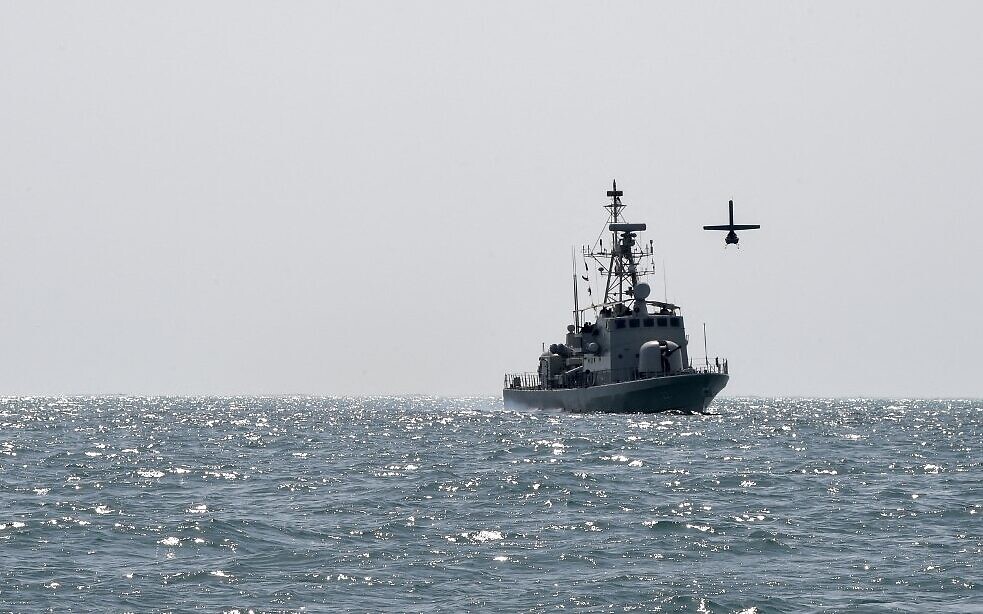
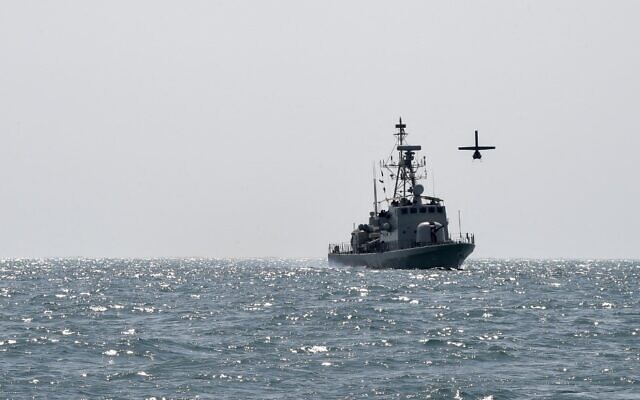
A US Navy Martin UAV drone flies over the Gulf waters as the Royal Bahrain Naval Force (RBNF) Abdulrahman Al Fadhel takes part in a joint naval exercise between the US 5th Fleet Command and Bahraini forces, October 26, 2021. (Mazen Mahdi/AFP)

Illustrative. A US Navy Martin UAV drone flies over the Gulf waters as the Royal Bahrain Naval Force (RBNF) Abdulrahman Al Fadhel takes part in a joint naval exercise between the US 5th Fleet Command and Bahraini forces, on October 26, 2021. (Mazen Mahdi/AFP)

The navies of Israel, the United States, the United Arab Emirates and Bahrain launched a joint exercise in the Red Sea this week, in response to their shared adversary Iran’s presence and aggression in the waters of the Middle East, a senior Israeli naval official said.

“This [Iranian] presence is something that we need to push back as much as possible from the State of Israel, from the Red Sea, from the areas that harm our freedom to sail… In order to do that, we need to make our partnerships tighter,” the senior officer told reporters on Thursday evening, speaking on condition of anonymity.

“Here the goal is to extend the range of the navy’s operations — for the good of the State of Israel and the IDF — to extend our ability to detect [threats], to extend our sailing range, to prevent naval terror and also to retaliate, when we must, when it’s needed, against what the Iranians are doing,” the officer said.

Since February, Iran and Israel have been accused of engaging in what analysts have called a naval “shadow war,” in which vessels linked to each nation have come under attack in waters around the Persian Gulf and the Gulf of Oman in a series of tit-for-tat exchanges.

The officer said that unlike much of its efforts in the region, which are conducted through proxies, Iran is more “independent” at sea, conducting operations with its own forces.Get The Times of Israel’s Daily Editionby email and never miss our top storiesNewsletter email addressGET ITBy signing up, you agree to the terms

Earlier on Thursday, the US Central Command’s 5th Fleet announced that it had launched an exercise in the Red Sea the day before with the navies of Israel, the United Arab Emirates and Bahrain, focusing on “visit, board, search and seizure tactics.”

“It is exciting to see US forces training with regional partners to enhance our collective maritime security capabilities,” Vice Adm. Brad Cooper, commander of the 5th Fleet, said in a statement.

The Israeli naval officer said the exercise would focus on these somewhat simpler strategies and would not include things like missile launches, nor would advanced equipment like submarines take part in it, though he said the drill was also meant to allow the participants to get to know one another.

The exercise, one of the first Israel has held with the 5th Fleet, came just over a year after Israel normalized ties with the UAE and Bahrain under the Abraham Accords and a few months after Israel moved into the area of responsibility of the US military’s Middle East-focused Central Command.

Though Israel has conducted exercises alongside the UAE in the past, the drill represents the first-ever public military cooperation between Israel and Bahrain.

“This is the first time — at sea — that we’re swapping know-how with Bahrain, with the Emirates, about professional, operational techniques,” the officer said.

“It’s more comfortable to work together at sea. You’re far from the viewing eye, you can’t be photographed from shore, people don’t always know that it’s even happening. It’s taking place in a ‘gray zone.’ I believe it will open further doors for us, maybe slowly, maybe quickly,” he said.

According to the senior naval official, this exercise is one of several that Israel and the 5th Fleet plan to conduct in the coming year.

“This exercise is part of a work plan, and you will see more of them in the coming year. They won’t just be bilateral with the Americans. Since the 5th Fleet works with countries that are part of the Abraham Accords, in this exercise, Bahrain and the United Arab Emirates are taking part,” he said.

In his statement, Cooper reiterated the importance of this multi-national cooperation.

“Maritime collaboration helps safeguard freedom of navigation and the free flow of trade, which are essential to regional security and stability,” he said.

The drill is being led by the US Navy’s 5th Fleet, which operates throughout the Middle East, and it will be held in the northern Red Sea, keeping a wide berth from Iran, which maintains proxies in Yemen and regularly has ships located around the Bab al-Mandab Strait between the southern Red Sea and the Gulf of Aden.

“We have an interest in Bab al-Mandab, which affects the freedom of movement of the State of Israel, and we need to push back Iran’s presence [from there], and there are other countries that are also partners to this threat,” the officer said.

In addition to the portions of the exercise that are being held at sea, US Marines from the 5th Fleet are also in Israel, training with the IDF on urban warfare techniques, as part of the drill, the Israeli officer said.

Recent months have seen a significant increase in apparent shows of force by the US, Israel and countries in the Persian Gulf on one side and Iran on the other.

Earlier this week, Tehran launched a major naval exercise in the Gulf of Oman, which Iran’s deputy army chief said was meant to “[warn] the enemies that any act of aggression against Iran will draw a crushing response from the army.”

Twice over the past month, the US has flown B-1 heavy bombers through the region, and Israel hosted a massive multinational aerial exercise, Blue Flag.

Tensions have been particularly high with Iran in recent months as the Islamic Republic has stalled indirect talks with the United States in Vienna regarding a mutual return to the 2015 nuclear deal. The talks have now been scheduled to resume at the end of November, though US officials have indicated uncertainty about how seriously they believe the Iranians will take them.

Israeli and American officials have increasingly threatened military action against Iran’s nuclear program should those negotiations fail.

Israel ‘doomed to termination,’ Iranian general threatens

Posted November 11, 2021 by Joseph Wouk
Categories: Uncategorized

Jewish state will expedite its demise if it ‘gives the Islamic Republic an excuse,’ warns Amir Ali Hajizadeh; foreign minister says Tehran seeks ‘good deal’ in nuke talks

By TOI STAFF and AFPToday, 1:28 pm  

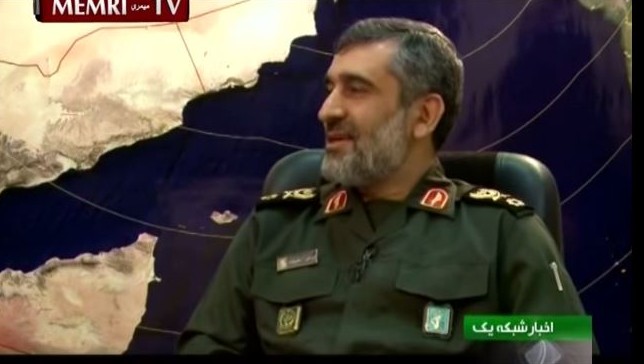
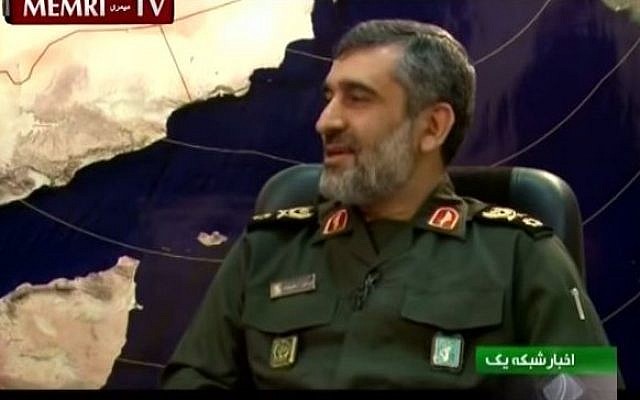
Commander of the Islamic Revolution Guards Corps (IRGC) Aerospace Force Brigadier General Amir Ali Hajizadeh. (Screen capture: YouTube/MEMRITVVideos)

Commander of the Islamic Revolution Guards Corps (IRGC) Aerospace Force Brigadier General Amir Ali Hajizadeh. (Screen capture: YouTube/MEMRITVVideos)

The commander of Iran’s Revolutionary Guard Aerospace Force said Thursday that Israel is “doomed to termination” and that any move by Jerusalem against the Islamic Republic will expedite that demise.

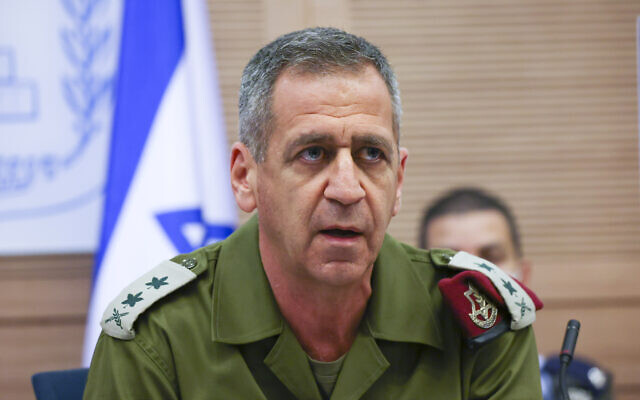
Israeli security chiefs have ramped up their rhetoric against Iran, with IDF Chief of Staff Aviv Kohavi warning Tuesday that the military was boosting its preparations for a possible attack on Iranian nuclear facilities.

The same day, Defense Minister Benny Gantz said Israel would carry out operations that “haven’t been seen in the past” if regional war breaks out.

Speaking at a ceremony in Tehran, Amir Ali Hajizadeh mocked Israel for being the “only regime in the world arguing about how to survive,” according to Iran’s Tasnim news agency.

“The (Zionist) regime that discusses its existence is doomed to termination and cannot talk about destroying other countries,” Hajizadeh was quoted as saying.Get The Times of Israel’s Daily Editionby email and never miss our top storiesNewsletter email addressGET ITBy signing up, you agree to the terms

In response to the recent remarks by Israeli officials, he said the Jewish state “may be able to start a battle, but it is the Islamic Republic that will end it with the termination of the Zionist regime. If the Zionist regime gives the Islamic Republic an excuse, it will only expedite its termination.”

The Israeli Air Force is expected to resume practicing for a strike on Iran’s nuclear program.

In January, Kohavi announced he had instructed the military to begin drawing up fresh attack plans for a strike on Iran’s nuclear facilities, and last month the government reportedly allocated billions of shekels toward making those plans viable.IDF Chief of Staff Aviv Kohavi attends a Knesset Foreign Affairs and Defense Committee meeting on November 9, 2021. (Yonatan Sindel/Flash90)

Meanwhile, Iran’s foreign minister said Wednesday that Tehran was ready to reach a “good agreement” on the nuclear issue at negotiations due to get underway in Vienna later this month.

In a tweet, Hossein Amir-Abdollahian said his deputy and chief negotiator Ali Bagheri was “engaged in successful talks in Europe,” where he is visiting London, Paris and Berlin this week.

“At the negotiating table in Vienna, we are ready to deliver a good agreement,” the foreign minister wrote. “The return of all parties to their commitments is an important and leading principle.”

Talks to restore the 2015 nuclear deal between Iran and world powers are due to resume in Vienna on November 29, after a suspension since June.

In recent months, Iran has dragged its feet on returning to indirect negotiations with the United States about a mutual return to the 2015 nuclear deal, which then-US president Donald Trump abrogated in 2018 and Iran abandoned a year later.

Last week, Iranian officials said they planned to return to the talks by the end of November, but US President Joe Biden’s administration has expressed growing impatience and threatened to explore “other options” should the negotiations fail.

Biden switches back to Obama mode on nuclear-armed Iran – DEBKAfile

Posted November 4, 2021 by Joseph Wouk
Categories: Uncategorized


2015 nuclear accordBarack ObamaJoe BidennegotiationsNuclear Iran

The US has dropped demands for Iran to halt ballistic missile development and regional destabilization aggression from the drive to renegotiate a nuclear deal with Iran. This was indicated by US President Joe Biden at the G20 summit taking place last week in Rome. He merely “pledged” that “if the US returns to the Iran nuclear agreement, it will only subsequently leave if Tehran clearly breaks the terms of the deal.”

These demands were integral to Israel’s support for the diplomatic path Biden has advocated for the resolving the issue of a nuclear-armed Iran.

However, the European signatories of the original 2015 nuclear accord (JCPOA) hailed this pledge as the key to unlocking the diplomatic impasse reached on the Vienna track. German Chancellor Angela Merkel, French President Emmanuel Macron and the UK’s Boris Johnson stated: “We welcome President Biden’s clearly demonstrated commitment to return the US to full compliance with the JCPOA and to stay in full compliance, so long as Iran does the same.”

No wonder Tehran was suddenly accommodating and agreed to resuming negotiations next month..

Seen from Israel, the Biden administration has backtracked from its earlier acceptance of the need to restrain Iran’s regional belligerence and ballistic missiles, along with the drive for a nuclear weapon capability:

  1. Iran has already committed numerous breaches of the terms of the 2015 accord, stripping it of content by strides forward its nuclear goal. What do Biden, Johnson, Merkel and Macron propose to do to turn Iran’s nuclear clock back as well as their own?
  2. How much is the Biden pledge worth if his presidency ends in 2024? It won’t be binding on his successors since the Senate has never endorsed the JCPOA and indeed it was never formally signed by Barack Obama and rested only his personal pledge which Biden now offers to renew.
  3. By reverting to the Obama position, Biden too is ready to give Iran free rein on its ballistic missile program and regional warmongering by using terrorist organizations like the Lebanese Hizballah the Iraqi Shiite militias and Yemen’s Houthi rebels.

These omissions from Washington’s Iran agenda concern Israel no less than the nuclear issue.

Tehran, for its part, did not miss seizing the moment as a chance to push all the way back to the starting point. Foreign Minister Hossein Amir-Abdollahian said succinctly: “There is no need for the negotiation and the simplest solution is for Biden to issue an executive order saying he was returning to the nuclear deal and lifting sanctions.” In other words, eliminating Donald Trump’s “maximum pressure” policy and reverting to Barack Obama’s conciliatory mode.

However, in assumping that Biden had totally abandoned all military options, Tehran may have jumped the gun – especially when it comes to American lives or interests,

On Oct. 30, the US President also said: “With regard to the issue of how we’re going to respond to actions taken by them against the interests of the United States – whether they’re drone strikes or anything else – is we’re going to respond, and we’re going to continue to respond.”

He was referring to the pro-Iranian combined armed drone-artillery assault of Oct. 20 on the US garrison at al-Tanf in southern Syria on the Iraq and Jordanian borders. Washington had made no response until then. The delay may have occurred in view of the president’s long absence from Washington at the G20 summit and the climate conference in Glasgow.  However, the impression gained in Tehran was of an American president who was vacillating on resorting to military action in the face of aggression.

Syria says Israeli missile strikes hit targets near Damascus

Posted November 3, 2021 by Joseph Wouk
Categories: Uncategorized

State media says surface-to-surface rockets launched from northern Israel caused ‘material damage,’ no casualties; attack comes days after rare daytime strike in same region

By JUDAH ARI GROSS and TOI STAFFToday, 3:38 am  

Illustrative: A Syrian anti-aircraft missile is fired into sky near Damascus during an alleged Israeli airstrike on January 6, 2021. (Screen capture: SANA)

Illustrative: A Syrian anti-aircraft missile is fired into sky near Damascus during an alleged Israeli airstrike on January 6, 2021. (Screen capture: SANA)

The Israeli military struck targets using surface-to-surface missiles near the Syrian capital of Damascus early Wednesday morning, Syrian media reported.

The SANA news agency said the missiles hit sites in the Zakia region outside Damascus and caused “material damage” shortly before 1 a.m. on Wednesday. The outlet gave no details on the targets that were hit, and there were no immediate reports of casualties.

Syrian media reported that the strike was carried out with surface-to-surface missiles fired from northern Israel, similar to an alleged Israeli attack conducted earlier this week.

There was no comment from the Israel Defense Forces, in line with its policy of ambiguity regarding its activities in Syria.

Israel’s alleged use of surface-to-surface missiles — in place of munitions fired from aircraft — has been linked to a recent meeting between Prime Minister Naftali Bennett and Russian President Vladimir Putin, one of Syrian dictator Bashar Assad’s main allies who has supplied much of Damascus’s air defense system. To avoid embarrassing Russia and its military technology, Israel reportedly agreed to rely less on airstrikes, which had repeatedly defeated the Russian batteries.Get The Times of Israel’s Daily Editionby email and never miss our top storiesNewsletter email addressGET ITBy signing up, you agree to the terms

The reported strike comes some three days after the Israeli military bombed a number of locations surrounding Damascus in a rare daytime strike, according to Syrian media, reportedly targeting advanced weapons heading to the Hezbollah terror group and other Iranian proxies.

SANA said those strikes were carried out using surface-to-surface missiles fired from northern Israel and that explosions were heard in the countryside surrounding the Syrian capital.

Strikes were reported in the areas of al-Dimas, Qudsaya and al-Mezzah military air base — all located west of Damascus. Although not unheard of, daytime strikes on Syrian targets are relatively rare.

The United Kingdom-based Syrian Observatory for Human Rights, a pro-opposition group of unclear funding, said Saturday’s raid killed at least five pro-Iranian fighters and wounded others. The nationalities of the people killed were not immediately known.

According to the Observatory and Syrian media reports, the strike targeted advanced weaponry and ammunition depots belonging to Hezbollah, Iranian forces and allied militias.

There was no comment from the Israel Defense Forces, in line with its policy of only publicly acknowledging strikes that are in response to attacks from Syria.

The targets of the strike were all located in areas known to host Syrian air defenses as well as arms warehouses.

Israeli officials have expressed increasing concern over the proliferation of Iranian-made surface-to-air missile systems in Syria, as well as the Syrian military’s improved air defense capabilities, which have made it more difficult for the IDF to operate over Syria.

Israel has carried out hundreds of airstrikes inside Syria over the course of the country’s civil war, targeting what it says are suspected arms shipments believed to be bound for Lebanon’s Iran-backed Hezbollah terror group, which is fighting alongside Syrian government forces.

IDF fighter jets escort American bomber through region, in tacit threat to Iran

Posted October 31, 2021 by Joseph Wouk
Categories: Uncategorized

Israeli F-15s accompany US B-1b heavy bomber on its way to the Gulf; move comes amid growing threats by Jerusalem and Washington over Iranian nuke program

By JUDAH ARI GROSS30 October 2021, 8:22 pm  

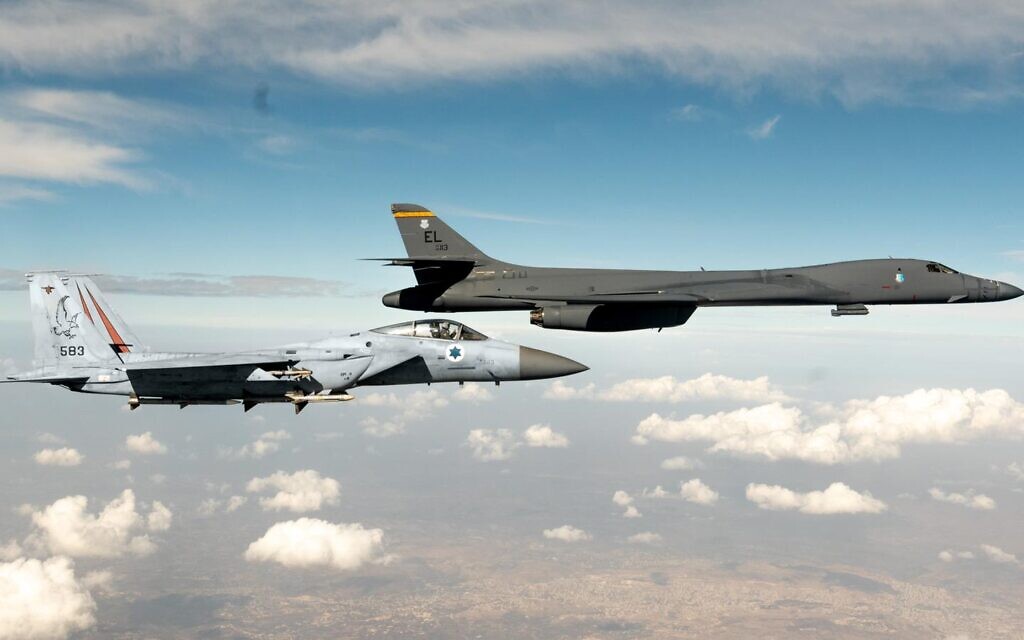
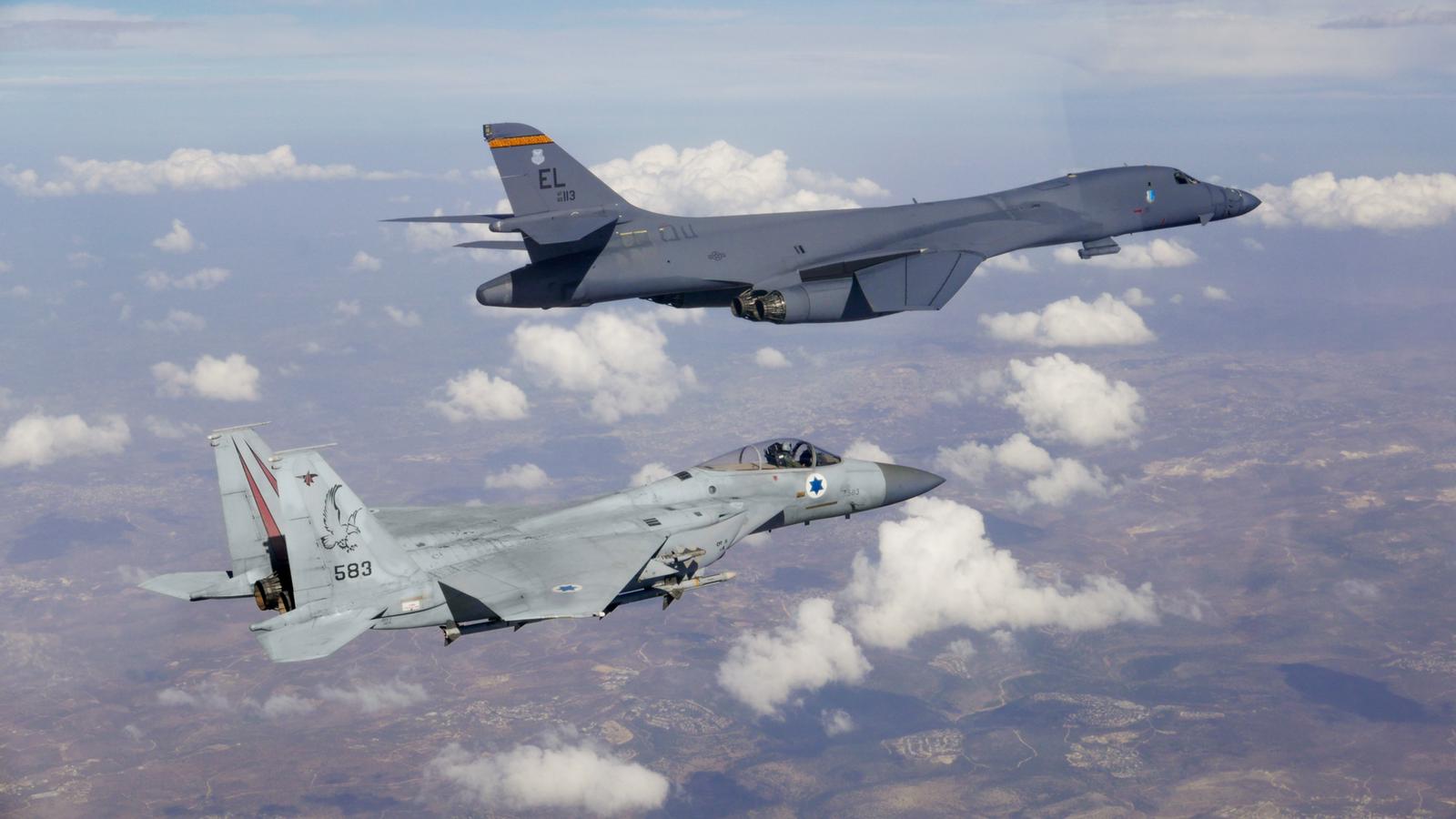
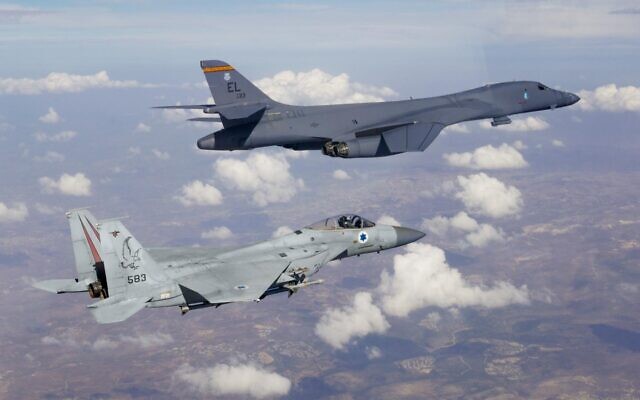
An Israeli F-15 fighter jet escorts an American B-1b heavy bomber through Israeli airspace, on October 30, 2021. (Israel Defense Forces)
An Israeli F-15 fighter jet escorts an American B-1b heavy bomber through Israeli airspace, on October 30, 2021. (Israel Defense Forces)

Israeli F-15 fighter jets escorted an American heavy bomber through the region as it made its way to the Persian Gulf on Saturday, in an apparent threat to Iran.

“The flight represents the continued operational cooperation with American forces in the region,” the Israel Defense Forces said.

The escort mission came as Israeli and American officials have increasingly threatened to act against Tehran’s nuclear program, as Iran has stalled indirect negotiations with the United States in Vienna regarding a mutual return to the 2015 nuclear deal.

The Israeli military shared photographs and video footage of the flight, showing the American B-1b bomber, which is capable of carrying heavy bunker-buster bombs that would be needed for a strike on Iran’s largely underground nuclear facilities, alongside the Israeli F-15 jets.

Israeli officials have explicitly threatened a military strike on Iran’s nuclear program, while Americans have discussed the matter more circumspectly, referring to “other options” beyond diplomatic negotiations in order to halt Tehran’s atomic aspirations.Get The Times of Israel’s Daily Editionby email and never miss our top storiesNewsletter email addressGET ITBy signing up, you agree to the terms

In the beginning of this year, IDF Chief of Staff Aviv Kohavi announced he had instructed the military to begin drawing up fresh attack plans for such an operation, and last week the government reportedly allocated billions of shekels toward making those plans viable.

In his speech to the United Nations General Assembly last month, Prime Minister Naftali Bennett declared that “Iran’s nuclear program has hit a watershed moment, and so has our tolerance. Words do not stop centrifuges from spinning… We will not allow Iran to acquire a nuclear weapon.”

The Times of Israel has learned that the Israeli Air Force plans to begin simulating strikes on Iran’s nuclear facilities in the coming months and that some aspects of the Israeli Air Force’s strike plan, which is still in the “draft” stage, could be ready within a short period of time, while others would take more than a year to be fully actionable.An Israeli F-15 fighter jet escorts an American B-1b heavy bomber through Israeli airspace, on October 30, 2021. (Israel Defense Forces)

Israel has twice conducted airstrikes on enemy nations’ nuclear programs, bombing Iraq’s nuclear reactor in 1981 and Syria’s in 2007.

However, an attack on Iran’s nuclear program is widely expected to be far, far more complicated as Tehran has spread out its facilities throughout the country, buried them deep underground, and funded a number of powerful proxies throughout the region who would likely retaliate against Israel if such a strike should be carried out

5 pro-Iran fighters said killed in alleged Israeli strike near Damascus

Posted October 31, 2021 by Joseph Wouk
Categories: Uncategorized

Opposition-linked Syrian war monitor says several others injured; Syrian state media says two soldiers are wounded

By AFP and TOI STAFFToday, 3:03 am  

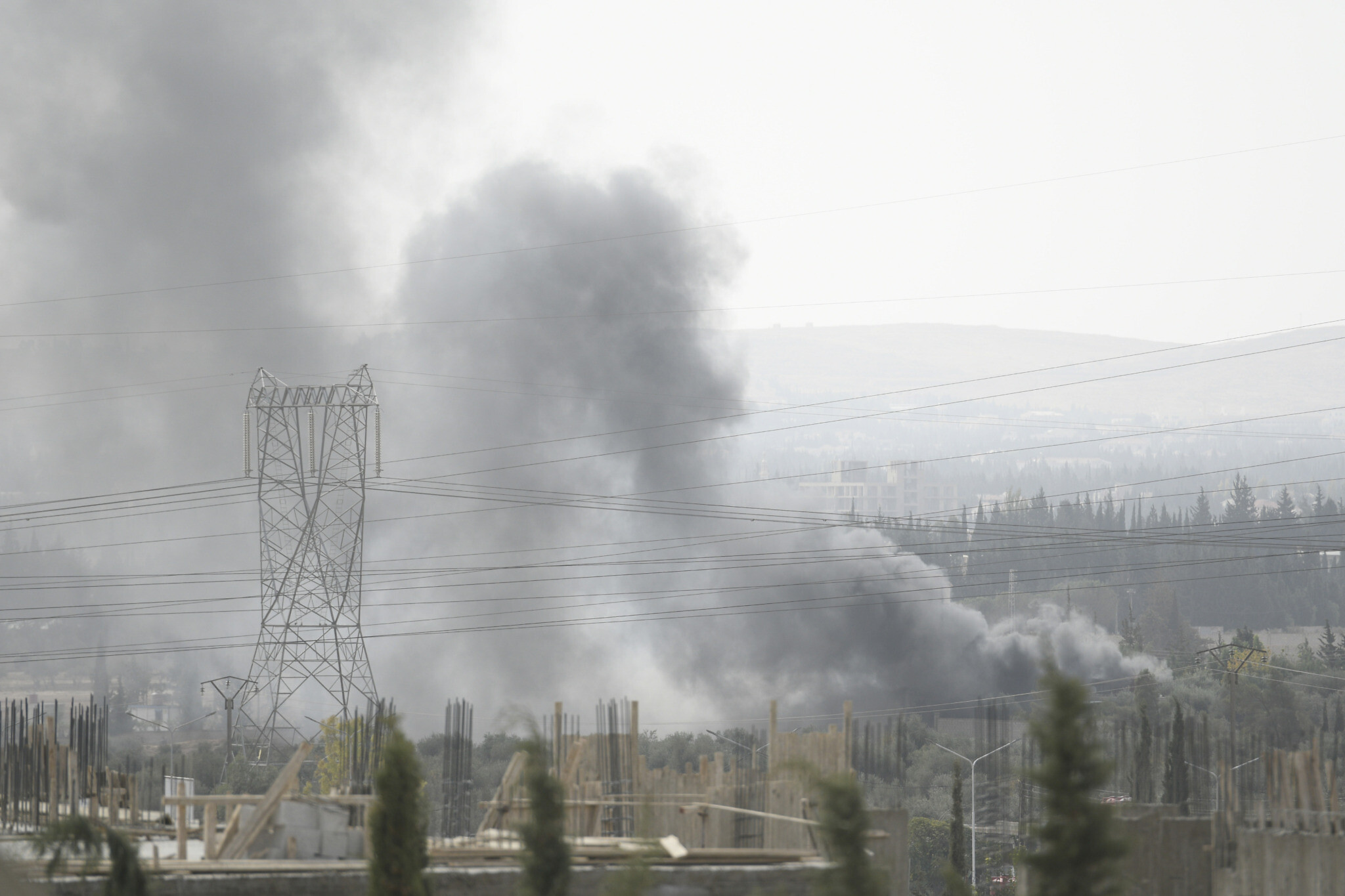
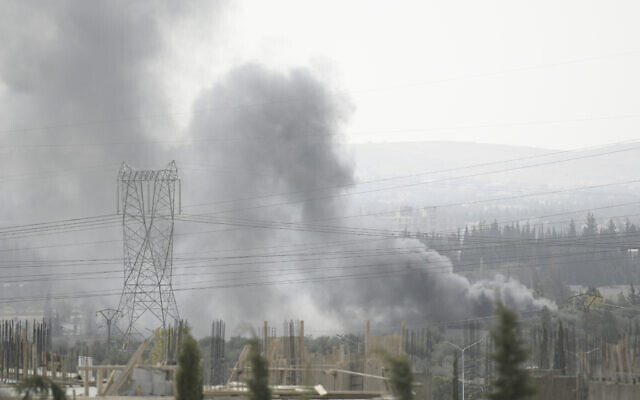
Smoke rises in the countryside of Damascus, Syria, on October 30, 2021, following what Syrian state media said was an Israeli strike. (AP Photo/Omar Sanadiki)

Smoke rises in the countryside of Damascus, Syria, on October 30, 2021, following what Syrian state media said was an Israeli strike. (AP Photo/Omar Sanadiki)

An Israeli missile strike killed five pro-Iran militiamen near Damascus on Saturday, a war monitor said, while state media said two Syrian soldiers were wounded in the attack.

The Britain-based Syrian Observatory for Human Rights said the strike “destroyed a Hezbollah and Iranian weapons and ammunition” convoy heading towards Lebanon.

At least five pro-Iranian fighters were killed and several wounded, said the war monitor.

The report could not be independently verified. The Syrian Observatory for Human Rights, an opposition-linked group with unclear funding, has at times been accused of inflating casualty numbers.

Earlier state news agency SANA, quoting a military source, said two Syrian soldiers were wounded after explosions were heard in the Syrian capital.Get The Times of Israel’s Daily Editionby email and never miss our top storiesNewsletter email addressGET ITBy signing up, you agree to the terms

“The Israeli enemy fired a salvo of surface-to-surface missiles from northern occupied Palestine targeting positions near Damascus,” SANA said.

“Our anti-aircraft defenses were activated and were able to hit some of the enemy missiles,” the source said, adding that the attack wounded two soldiers and caused damage.

AFP correspondents in Damascus heard multiple explosions at around midday.

Since the outbreak of the Syrian civil war in 2011, Israel has routinely carried out airstrikes inside Syria, mostly targeting Iran-backed terror groups, in addition to Syrian government troops.

It is rare for the Jewish state to carry out strikes on Syrian targets during daylight hours.

The Israeli military rarely acknowledges individual strikes but has said repeatedly that it will not allow Syria to become a stronghold of Iran.

On October 14, an Israeli airstrike on Iranian positions in central Syria killed nine fighters allied to the Syrian government.

Fading popular credibility in Israel for potential air strike to abort a nuclear Iran – DEBKAfile

Posted October 27, 2021 by Joseph Wouk
Categories: Uncategorized

 Israel and nuclear Iran

Cynical indifference best describes the general response to the disclosure on Tuesday, Oct. 26, that the Israeli Air Force had begun training for a possible airstrike on Iran to take place within a year or two. (See DEBKAfile report of Oct/ 21 on the massive acquisitions needed for the operation). Also announced was that the military command had submitted to the government yet another new plan of action for the mission.

By now, after a decade of dire warnings on world stages, Israelis are becoming weary of the warnings on different world stages that a nuclear-armed Iran was imminent unless their military, preferably with US support, resorted to direct preventive action.

Mixed leaks and disclosures – some from the military spokesman – have not dispelled popular disbelief. Word of “new operational plans” and special mission training falls periodically on cynical ears, although they are embellished with fresh “detail,” and  a hefty $1.5 bn was budgeted to prepare for the mission.
The IDF spokesman goofed badly by his “disclosure” on Monday of an incident “in the last couple of years,” in which Iranian forces in Syria had tried to shoot down an Israel fighter jet with an air defense missile, whereupon the IAF was said to have smashed the Iranian battery. A few hours later, the IDF denied this improbable tale. Some responsible officer in the high command had evidently decided to dispel any impression that Tehran may have entertained that Israel and the IDF were eager to start an aerial war with Iran.

Despite the claims that Iran is “galloping” towards a nuclear weapon, more and more people have stopped believing that an Iranian nuke is ready and waiting to drop on them tomorrow or the day after. A calming voice also came from recently retired Mossad Director Yossi Cohen, who said last week: “I think that Iran, to this day, is not even close to acquiring a nuclear weapon. That is due to longstanding efforts by some forces in the world,” he said, broadly hinting at the string of explosions and fires that last year hit Iran’s nuclear sites, and allegedly engineered by Israel (and therefore himself.).
At the same time, the ex-Mossad chief said, “If Iran develops a nuclear weapon, Israel must be able to stop it on its own.” He thus poured cold water on hopes of international support from any quarter. This advice certainly applied to this year’s Blue Flag exercise (see photo), that had the largest turnout and drilled the most advanced weaponry of its forerunners. Taking part were the air forces of eight nations – three, the UK, UAE and India for the first time, along with the US, France, Italy and Germany. That this was a coalition in the making for dealing with Iran was suggested though not articulated.

Many Israelis are beginning to believe, and making their voices heard in social media, that IDF plans to attack Iran are partly aimed at boosting its budget and more hot air than real. This may be because they foresee US President Joe Biden stopping it from happening. Too many experts warn that Israel can no longer manage the mission on its own, given the scale of Iran’s nuclear sites and extent of their interment in fortified underground bunkers. The verbosity of Israel’s leaders, political and military, on the subject – often muddled rather than representing a clear-cut policy- is by and large undermining their own credibility rather than gathering popular support.  

IAF to start training for strike on Iran nuke program in coming months

Posted October 27, 2021 by Joseph Wouk
Categories: Uncategorized

Some parts of attack plans for Tehran’s nuclear sites will be viable shortly, others could take over a year, ToI learns; raids on Iranian proxies in Syria getting more difficult

By JUDAH ARI GROSS25 October 2021, 5:00 pm  

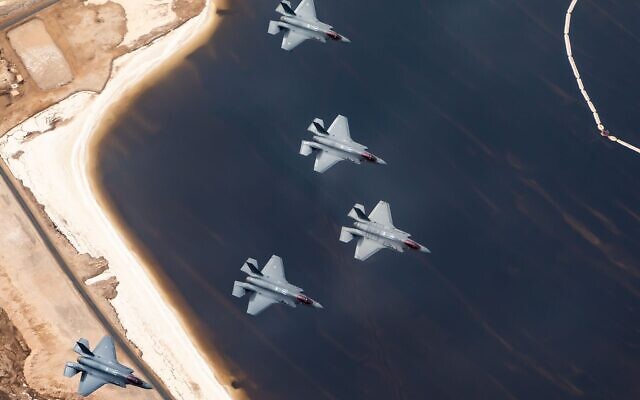
Israeli F-35 fighter jets fly in formation during the military's Blue Flag exercise in October 2021. (Israel Defense Forces)

Israeli F-35 fighter jets fly in formation during the military’s Blue Flag exercise in October 2021. (Israel Defense Forces)

The Israeli Air Force will begin practicing for a strike on Iran’s nuclear program beginning next year, having set aside funding and updated its training schedule for the mission, The Times of Israel has learned.

In light of growing uncertainty regarding a return by Iran to the 2015 nuclear deal, known as the Joint Comprehensive Plan of Action, amid long-stalled negotiations with the United States, the Israel Defense Forces in recent months has ramped up its efforts to prepare a credible military threat against Tehran’s nuclear facilities.

Following the signing of the JCPOA in 2015, Israel put the issue of a military strike on the Iranian nuclear program on the back burner, allowing the IDF to invest its resources into other areas. But following the US abrogation of the nuclear deal in 2018 and Iran’s subsequent violations of the agreement since then — which picked up considerably ahead of and during the stalled talks — the matter has taken on renewed importance to Israel, which sees an Iranian nuclear bomb as a near existential threat.

In the beginning of this year, IDF Chief of Staff Aviv Kohavi announced he had instructed the military to begin drawing up fresh attack plans, and last week the government reportedly allocated billions of shekels toward making those plans viable.

In his speech to the United Nations General Assembly last month, Prime Minister Naftali Bennett declared that “Iran’s nuclear program has hit a watershed moment, and so has our tolerance. Words do not stop centrifuges from spinning… We will not allow Iran to acquire a nuclear weapon.”Get The Times of Israel’s Daily Editionby email and never miss our top storiesNewsletter email addressGET ITBy signing up, you agree to the terms

The Times of Israel has learned that some aspects of the IAF’s strike plan, which is still in the “draft” stage, could be ready within a short period of time, while others would take more than a year to be fully actionable.This Nov. 4, 2020, satellite photo by Maxar Technologies shows Iran’s Fordo nuclear site (Maxar Technologies via AP)
Preparing for such a strike has become a top priority for the Israeli Air Force and making the necessary preparations has required changes to its training schedule.

In addition to having to find ways to strike Iranian facilities that are buried deep underground, requiring specialized munitions and tactics, the Israeli Air Force will have to deal with increasingly sophisticated Iranian air defenses in order to conduct such a strike. The air force will also have to prepare for an expected retaliation against Israel by Iran and its allies throughout the region.

Syria strikes getting more complicated

While preparing for a possible strike on Iran, the IAF has continued to conduct airstrikes in Syria against Iran and its proxies there, an effort known in the military as the “campaign between campaigns,” often referred to by its Hebrew acronym Mabam. Most recently, Israel reportedly attacked three sites on Monday morning that were linked to Hezbollah’s efforts to establish a permanent base of operation on the Syrian Golan, close to the Israeli border.

Israel has conducted hundreds of airstrikes on Iranian-linked targets in Syria over the years, but in recent months carrying out such operations has gotten more complicated, the IAF believes, as Syria has improved its air defense capabilities, in part due to upgraded Iranian-made components, allowing it to respond more quickly than in the past to Israeli strikes. In at least one case, an Iranian-improved Syrian air defense battery fired at Israeli jets, but it missed its mark.

While Israel has not lost a fighter jet to these countermeasures since 2018, when an F-16 was shot down by a Syrian S-200 missile, these remain a threat to both the Israeli aircraft conducting the strike and to people on the ground, as could be seen by the shrapnel that rained down on Tel Aviv from a failed interception attempt by Syria last month.

Also making these operations more difficult, Iran has recently begun deploying its domestically produced advanced air defense systems in Syria, Iraq, Yemen and Lebanon to protect its forces and proxies in those countries from IDF strikes, The Times of Israel has learned.

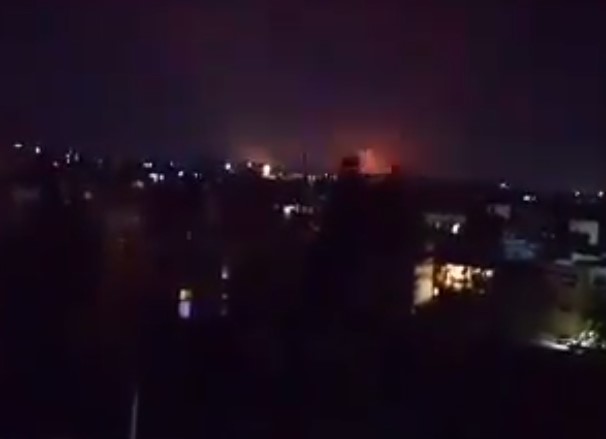
Though these anti-aircraft systems have never hit the Israeli jets — the Israel Defense Forces on Monday said they had yet to actually be fired at Israeli aircraft — the Israeli Air Force sees them as a new and serious threat to its campaign against Iranian entrenchment in the region. They have proven difficult to counter as the various components of the air defense batteries — the radars, missile launchers and command centers — can be spread out across large geographic areas, making it nearly impossible to destroy them entirely in one counterattack.Explosions seen near the northern Syrian city of Aleppo on July 19, 2021 following a reported Israeli airstrike (Screencapture/Twitter)
In light of these improved Syrian and newly employed Iranian defensive capabilities, the IAF in recent months has updated its methods, using larger formations with more aircraft to conduct strikes on more targets at one time, instead of carrying out more strikes using smaller formations, The Times of Israel has learned.

With two months to go in 2021, the IAF believes it is on track to conduct as many strikes in Syria this year as last. (Last December, the military said it had struck some 50 targets in Syria during 2020.)

Despite rumblings from Russian officials in recent weeks over alleged Israeli strikes in Syria, the IAF does not believe that Moscow has changed its policies on the matter or plans to interfere with Israeli efforts against Iran’s presence in Syria. Russian dictator Vladimir Putin agreed to maintain Moscow’s tacit acceptance of these strikes during his meeting with Prime Minister Naftali Bennett in Sochi, according to Israeli officials.

US officials say Iran behind recent drone attack on American base in Syria

Posted October 26, 2021 by Joseph Wouk
Categories: Uncategorized

As many as 5 Iranian-made explosives-laden UAVs were used in assault last week, but not launched from Iranian territory ; Pentagon spokesperson doesn’t rule out a response

By LOLITA C. BALDOR and ROBERT BURNSToday, 12:58 am

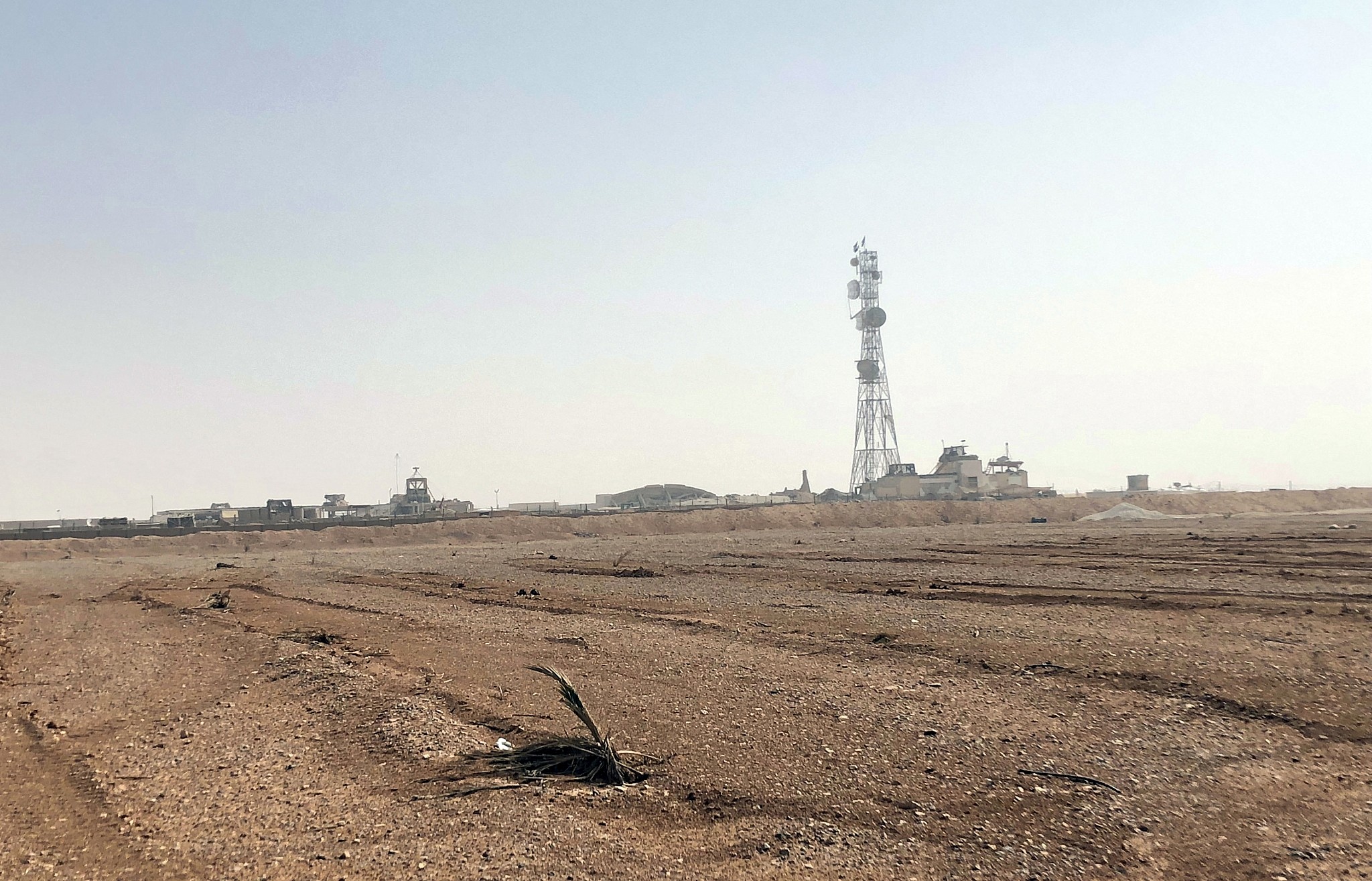
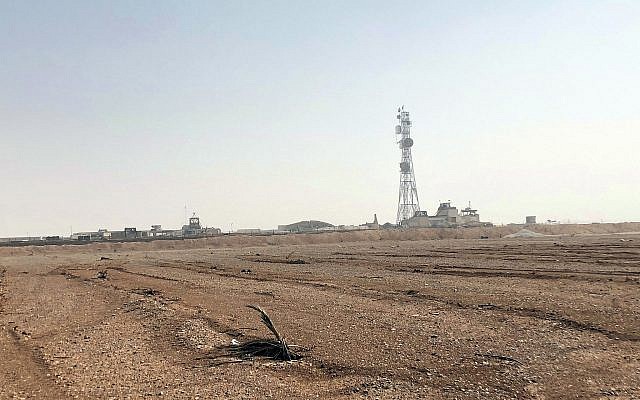
The US military outpost al-Tanf in southern Syria, October 22, 2018. (AP/Lolita Baldor)

The US military outpost al-Tanf in southern Syria, October 22, 2018. (AP/Lolita Baldor)

WASHINGTON (AP) — US officials say they believe Iran was behind the drone attack last week at the military outpost in southern Syria where American troops are based.

Officials said Monday the US believes that Iran resourced and encouraged the attack, but that the drones were not launched from Iran. They were Iranian drones, and Iran appears to have facilitated their use, officials said, speaking on condition of anonymity to discuss details that have not been made public.

Officials said they believe the attacks involved as many as five drones laden with explosive charges, and that they hit both the US side of al-Tanf garrison and the side where Syrian opposition forces stay.

There were no reported injuries or deaths as a result of the attack.

US and coalition troops are based at al-Tanf to train Syrian forces on patrols to counter Islamic State militants. The base is also located on a road serving as a vital link for Iranian-backed forces from Tehran all the way to southern Lebanon and Israel.Get The Times of Israel’s Daily Editionby email and never miss our top storiesNewsletter email addressGET ITBy signing up, you agree to the termsMembers of the Maghawir al-Thawra Syrian opposition group receive firearms training from US Army Special Forces soldiers at the al-Tanf military outpost in southern Syria on October 22, 2018. (AP/Lolita Baldor)



Pentagon spokesman John Kirby declined to provide details when asked about the report during a news conference Monday. He called it a “complex, coordinated and deliberate attack” and said the US has seen similar ones before from Shia militia groups that are backed by Iran. But he would not go into specifics and said he had no update on the munitions used in the attack.

Kirby also declined to say if troops were warned ahead of time or whether the US intends to make a military response.

“The protection and security of our troops overseas remains a paramount concern for the secretary,” Kirby said, referring to US Defense Secretary Lloyd Austin, “and that if there is to be a response, it will be at a time and a place and a manner of our choosing, and we certainly won’t get ahead of those kinds of decisions.”

Pro-Iran media outlets have been saying that the attack on Tanf was carried out by “Syria’s allies” — an apparent reference to Iran-backed groups — in retaliation for an attack days earlier near the historic Syrian town of Palmyra. Israel has been blamed for the attack, but US officials say America was not involved with it.

The al-Tanf attack came in a period of rising tensions with Iran. The Biden administration this week said international diplomatic efforts to get Iran back into negotiations to return to a 2015 nuclear deal were at a “critical place” and that patience is wearing thin.

The last major Iranian attack on US forces was in January 2020, when Tehran launched a barrage of ballistic missiles on al-Asad air base in Iraq. US and coalition troops were warned of the incoming missiles and were able to take cover, but more than 100 US service members received traumatic brain injuries as a result of the blasts.

The Iran attack was in response to the US drone strike earlier that month near the Baghdad airport that killed Iranian Gen. Qassem Soleimani and Iraqi militia leader Abu Mahdi al-Muhandis.

Two months after the al-Asad assault, US fighter jets struck five sites in retaliation, targeting Iranian-backed Shiite militia members believed responsible for the January rocket attack.