Author Archive

Israel to urge US to act militarily against Iran amid stalled nuke talks — reports

December 6, 2021

Israeli TV says Gantz, Mossad chief will also press for tougher sanctions against Tehran during their meetings in Washington this week

By TOI STAFF and APToday, 12:49 am  
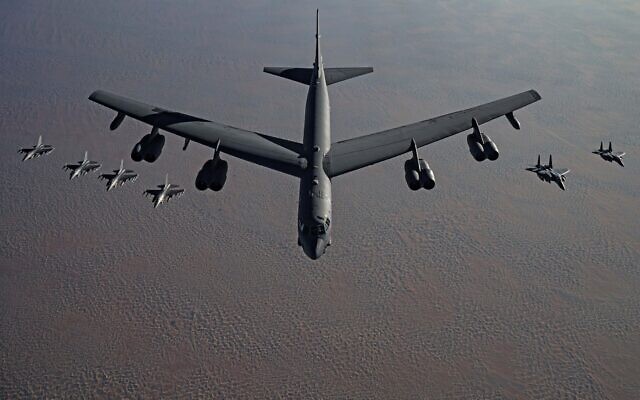
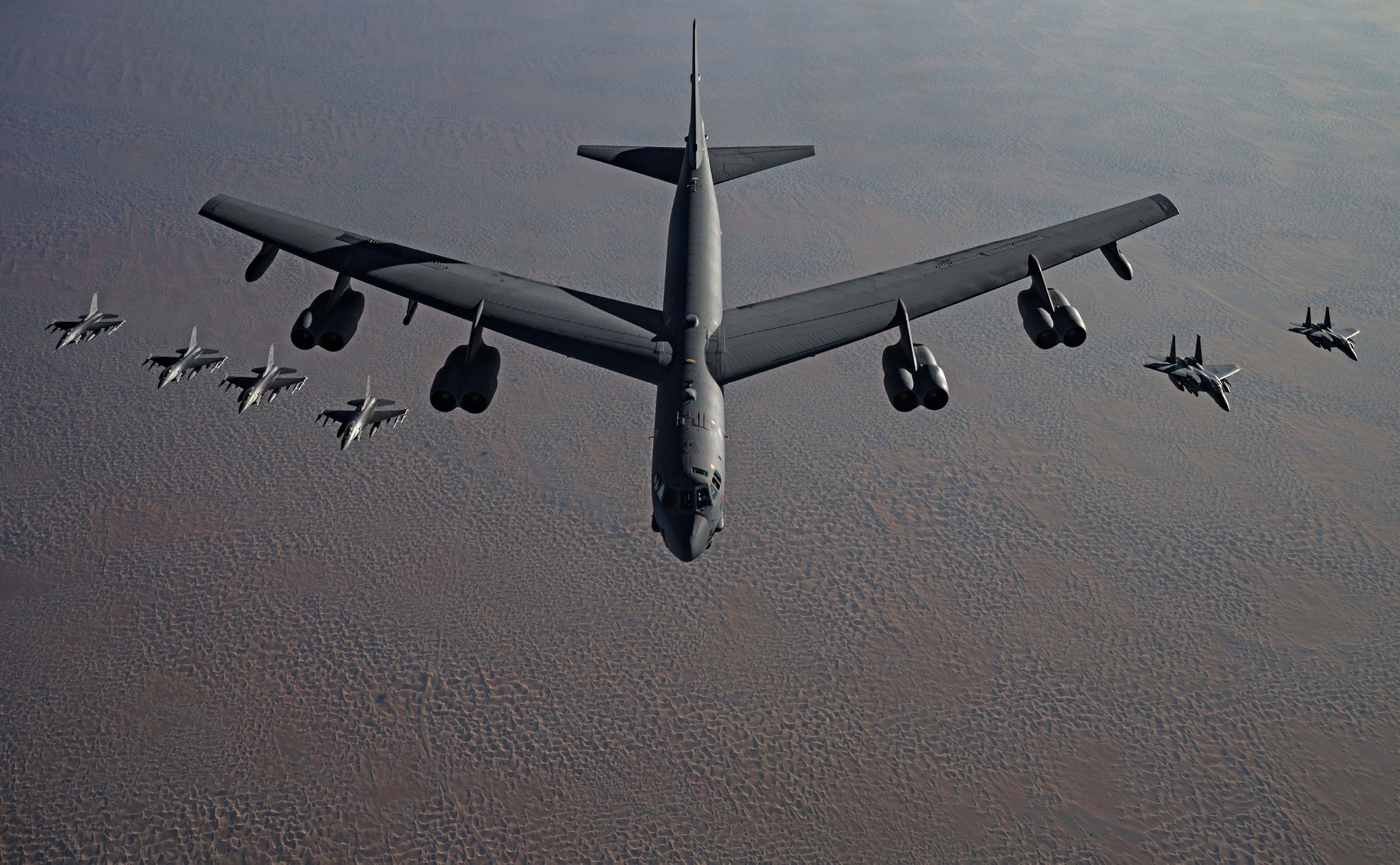
A B-52 heavy bomber, flanked by fighter jets, flies to the Middle East in a tacit threat to Iran on November 21, 2020. (US Air Force/Facebook)

A B-52 heavy bomber, flanked by fighter jets, flies to the Middle East in a tacit threat to Iran on November 21, 2020. (US Air Force/Facebook)

Defense Minister Benny Gantz and Mossad chief David Barnea will push during their meetings this week in Washington with senior Biden administration officials for the United States to carry out a military strike on Iranian targets, Israel’s three main TV news broadcasts reported Sunday night.

According to the reports, which did not cite sources, Gantz and Barnea will urge their American interlocutors to develop a “Plan B” vis-a-vis Iran, seeing the stalled nuclear talks in Vienna as an opportunity to press the US to take a more aggressive stance toward the Islamic Republic.

Along with calling for tougher sanctions, the Israelis will reportedly ask the US to take military action against Iran.

Channel 12 news said the target of a US potential attack would be not a nuclear facility in Iran, but rather a site like an Iranian base in Yemen. The aim of such a strike would be to convince the Iranians to soften their positions at the negotiating table.

The network also said Barnea is expected to say that Israel must continue taking action against Iran’s nuclear program, noting alleged Israeli operations against Iranian targets. Recent reports have said America has warned Israel that these strikes are counterproductive, with Iran building back improved facilities after each setback.Get The Times of Israel’s Daily Editionby email and never miss our top storiesNewsletter email addressGET ITBy signing up, you agree to the terms

The reports came after the long-delayed resumption of nuclear talks were suspended after five days — with Iran digging in and its negotiating partners openly voicing frustration and pessimism.

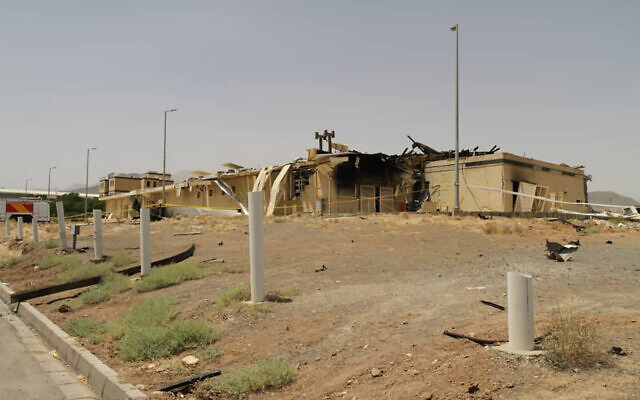
After the talks in Vienna were halted last week, the United States said Iran did not appear to be serious. American and European officials accused Iran of backtracking on previous promises. Even Russia, which has stronger relations with Iran, questioned Iran’s commitment to the process. Israel, an outside observer with a stake in the outcome of the talks, has ramped up its rhetoric.This photo released July 2, 2020, by the Atomic Energy Organization of Iran, shows a building after it was damaged by a fire, at the Natanz uranium enrichment facility some 200 miles (322 kilometers) south of the capital Tehran, Iran. (Atomic Energy Organization of Iran via AP)
“I call on every country negotiating with Iran in Vienna to take a strong line and make it clear to Iran that they cannot enrich uranium and negotiate at the same time,” Prime Minister Naftali Bennett said Sunday during the weekly cabinet meeting. “Iran must begin to pay a price for its violations.”

Perhaps the only encouraging outcome of last week’s talks was an agreement to continue talking, though an American official told reporters on Friday that he could not say when the negotiations would resume.

The negotiations seek to revive the 2015 nuclear accord between Iran and six world powers. That agreement, spearheaded by US president Barack Obama, granted Iran relief from crippling sanctions in exchange for curbs on its nuclear program.

But three years later, president Donald Trump, with strong encouragement from then-Israeli prime minister Benjamin Netanyahu, withdrew from the deal, causing it to unravel. Since then, Iran has stepped up its nuclear activities — amassing a stockpile of highly enriched uranium that goes well beyond the bounds of the accord.

Iran last week took a hard stance, suggesting everything discussed in previous rounds of diplomacy could be renegotiated. In the midst of the negotiations, the UN’s nuclear watchdog confirmed that Iran had begun enriching uranium up to 20% purity at its underground facility at Fordo – a site where enrichment is not permitted under the deal.

Despite Iran’s claims that its nuclear activities are for peaceful purposes only, the continued advances in its atomic program have further raised the stakes.

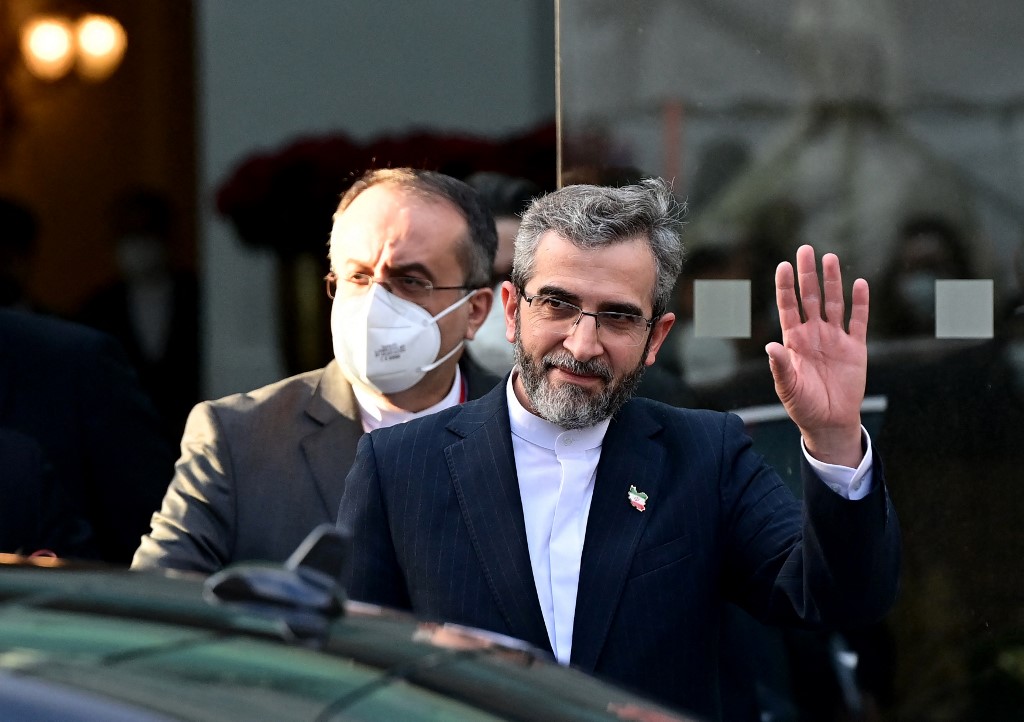
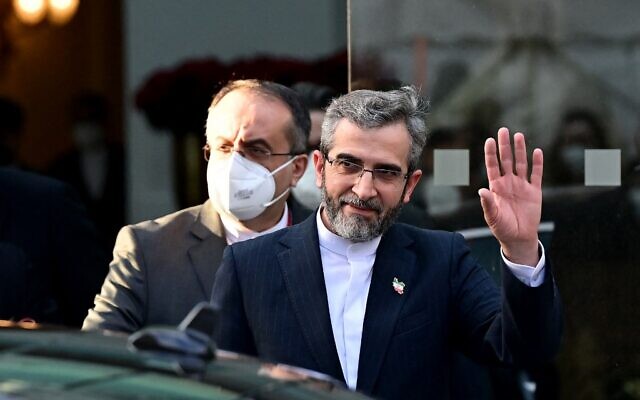
Last week’s talks in Vienna came after a hiatus of more than five months and were the first in which Iran’s new hard-line government participated. The US, no longer a party to the agreement, was not in the room and negotiated remotely through mediators.Iran’s chief nuclear negotiator Ali Bagheri Kani is seen leaving the Coburg Palais, venue of the Joint Comprehensive Plan of Action (JCPOA) meeting aimed at reviving the Iran nuclear deal, in Vienna, on December 3, 2021 (Joe Klamar/AFP)
A senior US State Department official said over the weekend that negotiators had expected Iran to “show seriousness” at the talks. He said that even Russia and China, important trading outlets for Iran that have traditionally taken a softer line, were concerned about the prospects for a deal.

When Tehran finally returned to the table on Monday, he said, it was “with proposals that walked back any of the compromises that Iran had floated during the six rounds of talks.” He accused Iran of seeking to “pocket all of the compromises that others — the US in particular — had made and then ask for more.”

“Every day that goes by is a day where we come closer to the conclusion that they don’t have in mind a return” to the deal, said the official, who spoke on condition of anonymity to brief reporters on the US assessment.

European negotiators also expressed frustration. In a joint statement, senior diplomats from Germany, Britain and France said Iran has “fast-forwarded its nuclear program” and “backtracked on diplomatic progress.”

“Unclear how these new gaps can be closed in a realistic time frame on the basis of Iranian drafts,” they said.

Mikhail Ulyanov, a senior Russian diplomat in Vienna, said that Iran had offered a “radical revision” of previous understandings.

“Technically, amendments are always possible,” he said. “However, it is desirable that such amendments … do not turn into a roadblock to progress.”

On Sunday, Iran’s Foreign Ministry issued a nine-page document that appeared to slightly step back from its tough positions.

“Other parties only need to show political determination and express readiness to take necessary practical steps,” the document read. “Then, ways will be opened for the conclusion of a deal and settlement of differences.”

But the document gave few specifics on what Iran might have in mind.

That is unlikely to satisfy Israel, which has returned to its role as a possible spoiler.

Israel considers Iran to be its greatest enemy and it strongly opposed the 2015 deal.

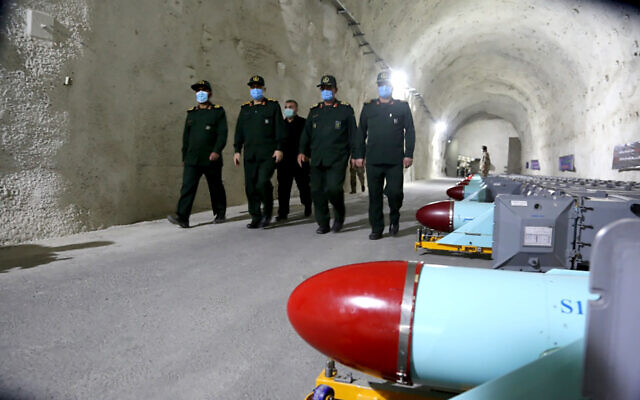
It says it wants an improved deal that places tighter restrictions on Iran’s nuclear program and addresses Iran’s long-range missile program and its support for hostile proxies along Israel’s borders.In this photo released Jan. 8, 2021, commanders of Iran’s paramilitary Islamic Revolutionary Guard Corps walk past missiles during a visit to a new military base in an undisclosed location. (Sepahnews via AP)
Israel also says that the negotiations must be accompanied by a “credible” military threat to ensure that Iran does not delay indefinitely.

Bennett said Israel was using the time between rounds to persuade the Americans to “use a different toolkit” against Iran’s nuclear program, without elaborating.President Isaac Herzog (right) receives the credentials of new US Ambassador to Israel Tom Nides in Jerusalem on December 5, 2021. (Kobi Gideon/GPO)

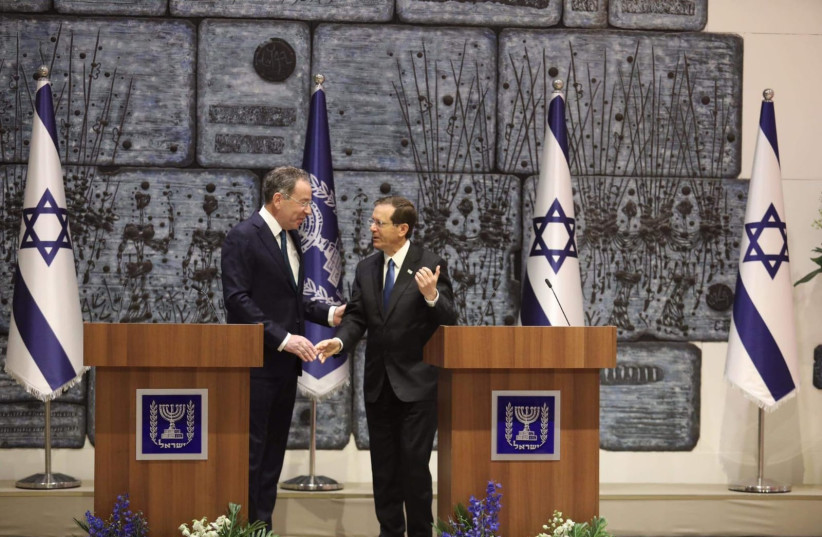
Israel’s figurehead president, Isaac Herzog, delivered an uncharacteristically blunt message Sunday as he welcomed the new American ambassador to Israel, Thomas Nides.

“If the international community does not take a vigorous stance on this issue, Israel will do so. Israel will protect itself,” Herzog said.

Despite Israel’s support for Trump’s withdrawal in 2018, prominent voices in the country are now saying in retrospect that the move was a blunder.

Former prime minister Ehud Barak wrote in the Yedioth Ahronoth daily Sunday that pulling out “was a delusional decision that allowed the Iranians to move forward quickly in the direction of becoming a nuclear threshold state.”

Barak, who reportedly favored a military strike when he served as Netanyahu’s defense minister early last decade, said Netanyahu, who is now Israel’s opposition leader, had failed to put together with the US a “Plan B in the form of a surgical military operation.”

In a Channel 12 TV interview on Sunday evening, Barak noted, however, that the original 2015 agreement was “a lousy deal.”Former prime minister Ehud Barak, during a media interview in Tel Aviv, September 30, 2019. (Yossi Aloni/Flash90)

Over the past decade, Iran has greatly complicated any military operation by scattering its nuclear sites and hiding some deep underground. Israeli officials insist military action is still feasible.

Yoel Guzansky, a senior fellow and Iran expert at Israel’s Institute for National Security Studies, said the Israeli threats should be taken seriously, especially in light of questions over America’s willingness to use force in the region.

“I think the United States doesn’t understand our red lines,” he said. “They think we’re bluffing, but we’re not.”Illustrative: Fighter jets from the IAF’s second F-35 squadron, the Lions of the South, fly over southern Israel. (Israel Defense Forces)
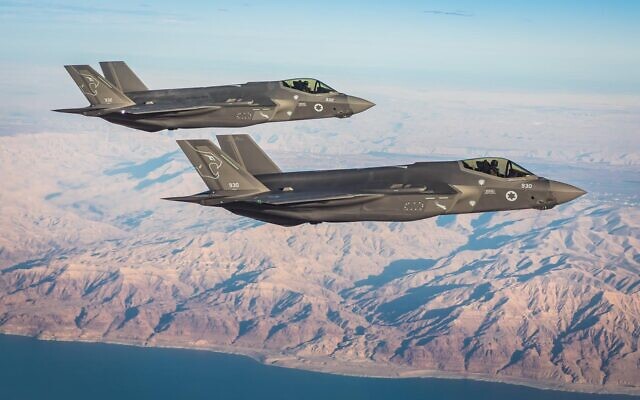
Over the weekend, Iran said it had tested a surface-to-air missile defense system near its Natanz nuclear facility. Late Saturday, people leaving nearby saw a light in the sky and heard a loud explosion.

“Any threat from the enemies will be met with a decisive and firm response,” state TV quoted Lt. Cmdr. Ali Moazeni as saying.
Israel will act against Iran alone if necessary, Isaac Herzog tells Amb. Nides – The Jerusalem Post

December 5, 2021

Mossad chief leaves for Washington • Tehran must pay for its nuclear violations, Bennett says

 President Isaac Herzog meets with incoming US Ambassador to Israel Thomas Nides on December 5 in Jerusalem.  (photo credit: MARC ISRAEL SELLEM)

President Isaac Herzog meets with incoming US Ambassador to Israel Thomas Nides on December 5 in Jerusalem.

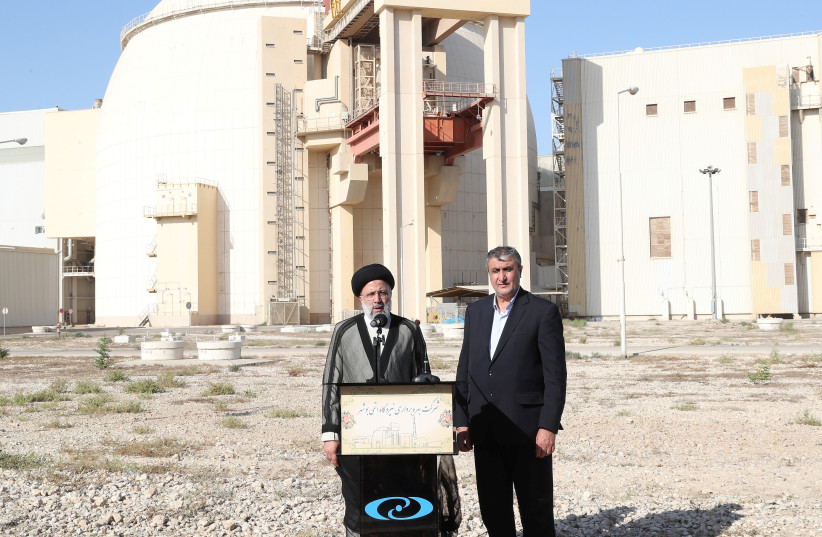
srael will act against Iran on its own should the international community fail to thwart Tehran’s nuclear ambitions through diplomatic means, President Isaac Herzog warned the United States on Sunday.“If the international community does not take a vigorous stance on this issue, Israel will do so. Israel will protect itself,” Herzog told US Ambassador to Israel Thomas Nides during a small ceremony in which he accepted the American diplomat’s credentials.The two men met just two days after the seventh round of indirect talks between the US and Tehran to revive the 2015 Iran deal, also known as the Joint Comprehensive Plan of Action (JCPOA) appeared to end in failure.Iran and the European Union have spoken of renewed talks next week, but the US has been uncertain these negotiations will take place in the near future.“We are closely following the international community’s recent negotiations with Iran,” Herzog said. IRANIAN PRESIDENT Ebrahim  Raisi visits the Bushehr nuclear  power plant, October 8 (credit: Official Presidential Website/Handout via Reuters)IRANIAN PRESIDENT Ebrahim Raisi visits the Bushehr nuclear power plant, October 8 (credit: Official Presidential Website/Handout via Reuters)Israel has opposed the deal and warned the US to halt the talks. Herzog clarified that Israel would “welcome a comprehensive, diplomatic solution which permanently solves the Iranian nuclear threat.”He stressed, however, “In the case of a failure to achieve such a solution, Israel is keeping all options on the table.”Nides told Herzog the US was committed to preventing Iran from obtaining nuclear weapons.“We will continue to collaborate closely to advance peace and stability, and to counter the threat Iran poses to Israel and the region,” Nides said.“As President [Joe] Biden has made it very, very, clear, the United States is committed to ensuring that Iran never develops a nuclear weapon,” he added.Israel and the US are at odds over the Iran talks, with Israel opposing a return to the 2015 nuclear deal and the Biden administration supporting it.Mossad chief David Barnea is slated to leave late Sunday for Washington, followed by Defense Minister Benny Gantz on Thursday, where they will discuss Iran with US officials.Last week Barnea echoed a statement similar to Herzog’s when he pledged that the Mossad would not allow Iran to possess nuclear weapons.Israel wants to utilize the pause in the talks to influence US policy on the matter.Prime Minister Naftali Bennett called on world powers to pressure Tehran to halt its enrichment of uranium prior to the resumption of another round of indirect talks in Vienna.“I call on every country negotiating with Iran in Vienna to take a strong line and make it clear to Iran that they cannot enrich uranium and negotiate at the same time,” Bennett told his weekly cabinet.“Our goal is to utilize the window of opportunity that has opened between the rounds in order to tell our friends in the US: This is precisely the time to use a different toolkit against Iran’s galloping forward in the enrichment sphere,” he said.“There is a time for everything. A time to keep silent and a time to speak up. Now is the time to speak up,” Bennett added.The Trump administration exited the Iran deal in 2018, and reimposed sanctions that had been lifted as a result of the deal.Biden has sought to revive the deal, which had also been signed by Germany, France, Great Britain, Russia and China.The European Union brokered six rounds of indirect talks between the US and Iran prior to the election of a new Iranian government in June led by President Ebrahim Raisi.European and US officials have said that during the seventh round of talks last week, the first with the new Iranian government, representatives of the Islamic Republic put new demands on the table and walked back the progress that had been made earlier in the year.Iran halted its compliance with the deal in 2019 and has inched toward the production of weapons-grade uranium.In his remarks to the weekly cabinet, Bennett accused Iran of taking an “aggressive and bullying approach” to “blackmail” the US into removing existing sanctions so it can fund its global terrorist activity through its pursuit of uranium enrichment.“We are holding an intensive dialogue on this matter with the Americans, the British, the French, Russia and others,” Bennett said.He pointed to a report released last week by the International Atomic Energy Agency that Iran “had begun to enrich up to 20% purity in advanced centrifuges at Fordow.” He added, “This is a very serious step,” and that “Iran must start paying for its violations.”He warned the US and the world power that a “bad deal with the Iranians will have implications for our national security.”Former prime minister Ehud Barak struck the opposite tone on Sunday in an opinion piece he published in the Hebrew website Ynet, in which he said that Israel should have supported the 2015 deal from the start and used the time to build a military “Plan B” that would have allowed it to attack Iran.A military plan would take years to prepare and would require massive US assistance, he said, as he cast doubt on whether Israel at present has such a plan.Barak urged Israeli leaders to resist empty threats, particularly with Iran just months away from becoming a nuclear threshold state.“This new reality calls for a sober evaluation and practical decisions, not empty rhetoric that may impress some in Israel but will carry no weight in Iran or among the world powers eager on reaching a deal with the Islamic Republic,” Barak wrote in his Ynet opinion piece.In the aftermath of the talks in Vienna that ended on Friday, both the US and Iran traded barbs over the collapse of the talks.The Biden administration wants Iran to commit to abide by the terms of the 2015 deal, which allowed it to enrich uranium only to 3.7%, instead of its current enrichment level that has reached 60%.Iran wants the US to lift its sanction prior to such an agreement, a move the US has refused.Iran’s Foreign Ministry on Sunday charged that the failure to lift sanctions had doomed last week’s indirect talks in Vienna.“It is crystal clear that the US reluctance to fully drop the sanctions is the main challenge for the progress of negotiations,” a senior Iranian Foreign Ministry official told reporters on Sunday.“We believe that anytime the US administration abandons the maximum-pressure campaign, and Europeans demonstrate necessary political determination, the way will be opened for the swift attainment of an agreement,” the official said.“They are not willing in the first place to give such concessions which are clearly asserted by the #JCPOA,” the official said, adding that they are also “not willing to “re-negotiate” the matters that were propounded in last drafts.The Iranian Foreign Ministry official took note of Republican congressional threats that the US would once again renege on the deal, should their party gain the White House in 2024.Actions of the “Zionist regime” have also harmed the talks, the official said, refusing to refer to Israel by name.“We cautioned,” the official said, “that some external actors that are not pleased with the progress of the negotiations should not be allowed to include the progress of the talks by propagating lies and distorted reports.“It is quite normal that the Zionist regime is not pleased with the status quo,” the Iranian Foreign Ministry official said. Its media has “fabricated unfounded rumors and tried to negatively influence the atmosphere of the talks,” the Iranian official said.The official explained that in Vienna, the Iranian delegation had presented two draft proposals; one that dealt with the issue of sanctions and the second with its nuclear program. These drafts were based on the JCPOA and past rounds of negotiations, the official said.A senior US official told reporters on Saturday, “We’ve made clear that we’re prepared to lift all of the sanctions that are in consistence with the deal, but if Iran wants us to go beyond that, then of course, we’re talking about a different deal, and Iran would have to go beyond what it did at the time of the JCPOA. So that’s after that question.”The official said the US was “preparing for a world in which there is no return to the JCPOA,” but added, “It is not our preference.”Iran’s uranium enrichment, the US official said, has “troubling implications for whether the JCPOA can be revived. Our view is it still can be today; that’s President Biden’s view. That’s why we were in Vienna trying to work to get – to make sure that we could return to mutual compliance, but that can’t last forever.”Richard Goldberg, a senior adviser at the Foundation for Defense of Democracies in Washington, suggested that in order to pressure Iran, the Biden administration should “work with the UK, France and Germany to reimpose UN sanctions and restrictions on Iran at the Security Council.”The administration, he said, should also “press censure resolutions at the International Atomic Energy Agency, fully enforce economic sanctions and threaten military force if Iran moves closer to the threshold of nuclear weapons.”Goldberg added, however, that he feared that instead, the US would allow Iran to hold onto the nuclear gains it made in 2021, while providing it with sanctions relief.Former US ambassador Dennis Ross, who served as a special adviser to the Obama administration and a distinguished fellow at the Washington Institute for Near East Policy, also weighed in on the matter.Ross questioned how effective “additional pressure” might be unless the US has support from other signatories to the deal.“The key would be whether China goes along and no longer buys Iranian oil. That would truly build pressure.”In addition, he said, “The question will remain whether the administration will develop military options and rehearse them in a way that the Iranians see and therefore have reason to fear.”
PM: Iran can’t both negotiate and enrich uranium, must pay price for violating deal

December 5, 2021


Bennett says hiatus in talks should be used to convince US to deploy ‘a different basket of tools’

By TOI STAFFToday, 1:18 pm  

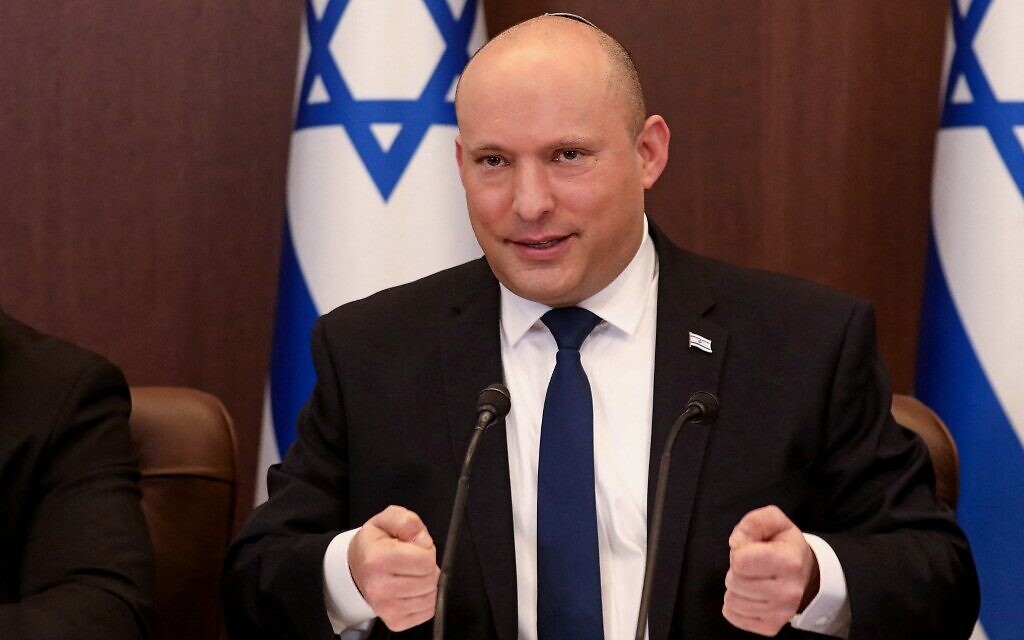
Prime Minister Naftali Bennett holds a cabinet meeting at the prime minister's office in Jerusalem, on December 5, 2021. (GIL COHEN-MAGEN / AFP)

Prime Minister Naftali Bennett holds a cabinet meeting at the prime minister’s office in Jerusalem, on December 5, 2021. (GIL COHEN-MAGEN / AFP)

Prime Minister Naftali Bennett said Sunday that Iran must be penalized for violating the nuclear deal, and that Tehran must be told it cannot hold negotiations for a potential new agreement while it continues to enrich uranium.

“Iran must start paying the price for its violations,” Bennett said at the opening of the weekly cabinet meeting, as he called on those engaged in talks with Tehran to “stick to a firm line and make it clear to Iran that it is impossible to simultaneously enrich uranium and negotiate.”

Bennett also said that the Iranians were negotiating “skillfully.”

“The goal of the Iranian regime is the removal of sanctions, and so they came to [the nuclear talks in] Vienna with dozens of advisers and experts in the field of sanctions, because that is their goal,” he said. “They want the ability to do what they are doing now — in the fields of terrorism and nukes — but with the backing of tens of billions of dollars.”

Bennett added, “During the talks in Vienna we got an example of the nuclear blackmail I was talking about when it was reported that [Iran] had started enriching uranium by 20 percent in advanced centrifuges in the underground facility in Fordo. This is a very serious step.”Get The Times of Israel’s Daily Editionby email and never miss our top storiesNewsletter email addressGET ITBy signing up, you agree to the terms

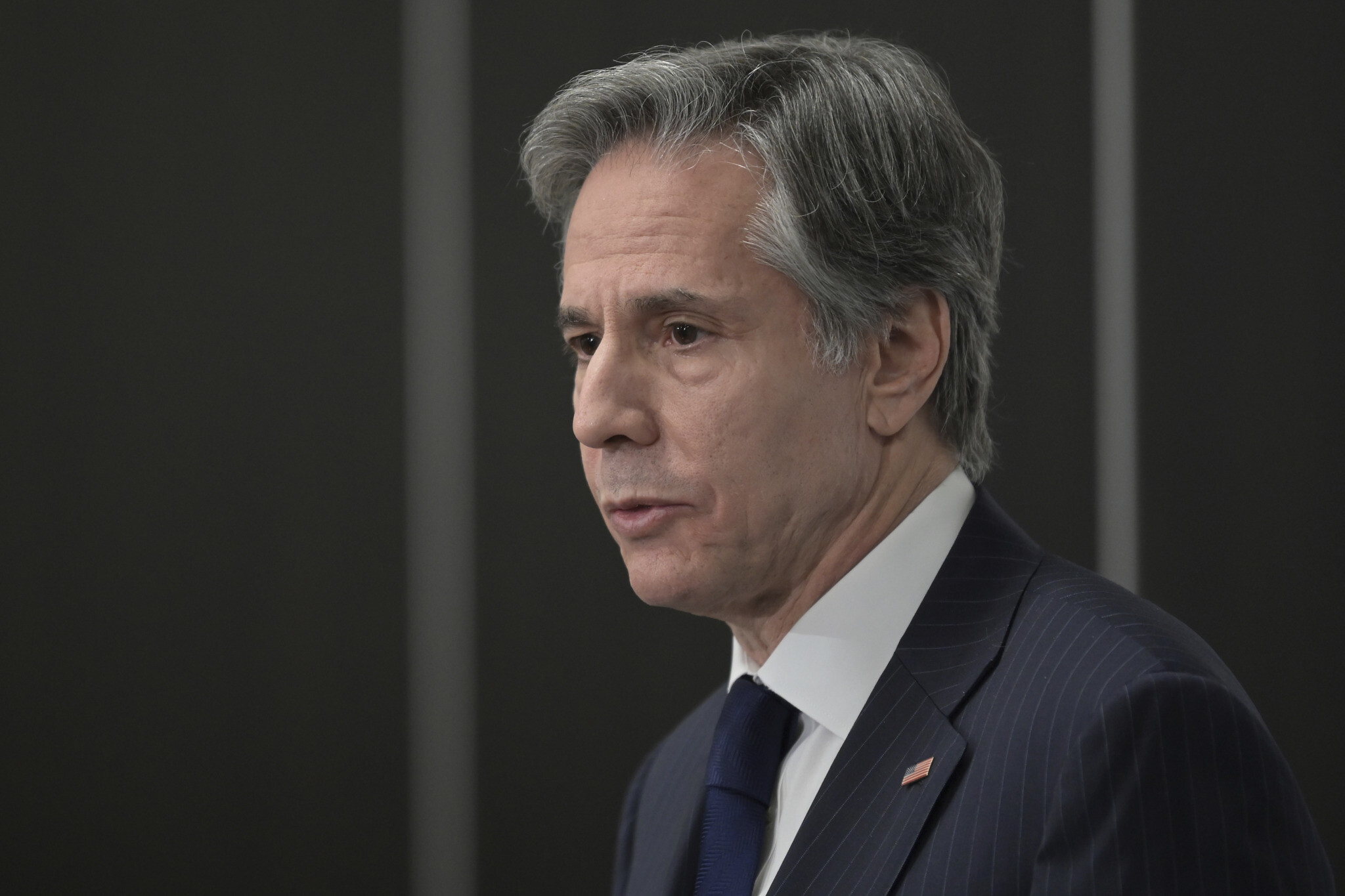
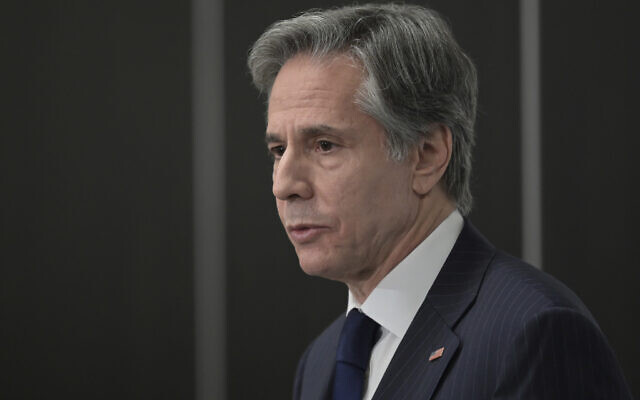
He was referring to his conversation last week with US Secretary of State Antony Blinken, during which, the Prime Minister’s Office said, the premier told Blinken that Iran was utilizing “nuclear blackmail” as a tactic and that the United States should therefore immediately stop negotiations.US Secretary of State Antony Blinken attends a press conference during an Organization for Security and Co-operation in Europe (OSCE) meeting, in Stockholm, Sweden, Thursday, Dec. 2, 2021. (Jonathan Nackstrand/Pool Photo via AP)
The International Atomic Energy Agency said last week that Iran had begun the process of enriching uranium with advanced centrifuges at its Fordo plant in what would be a further violation of the multilateral nuclear accord that world powers are rushing to salvage.

Bennett also said that the window between rounds of nuclear talks between Iran and world powers should be used to get the United States to utilize “a different basket of tools” against Tehran.

Nuclear negotiations in Vienna came to a halt on Friday with Western countries saying Iran had come to the talks with unrealistic proposals.

The landmark 2015 nuclear accord — initially agreed upon by Britain, China, France, Germany, Russia, the US and Iran — began unraveling in 2018 when then-US president Donald Trump pulled out and reimposed sanctions, while Iran began to publicly breach the deal. Israel has vowed that it will not allow Iran to possess nuclear weapons.

Senior Israeli officials have criticized the approach of the United States to nuclear talks with Iran, but see the current pause in discussions as a window of opportunity to influence the negotiations, the Haaretz daily reported Sunday.

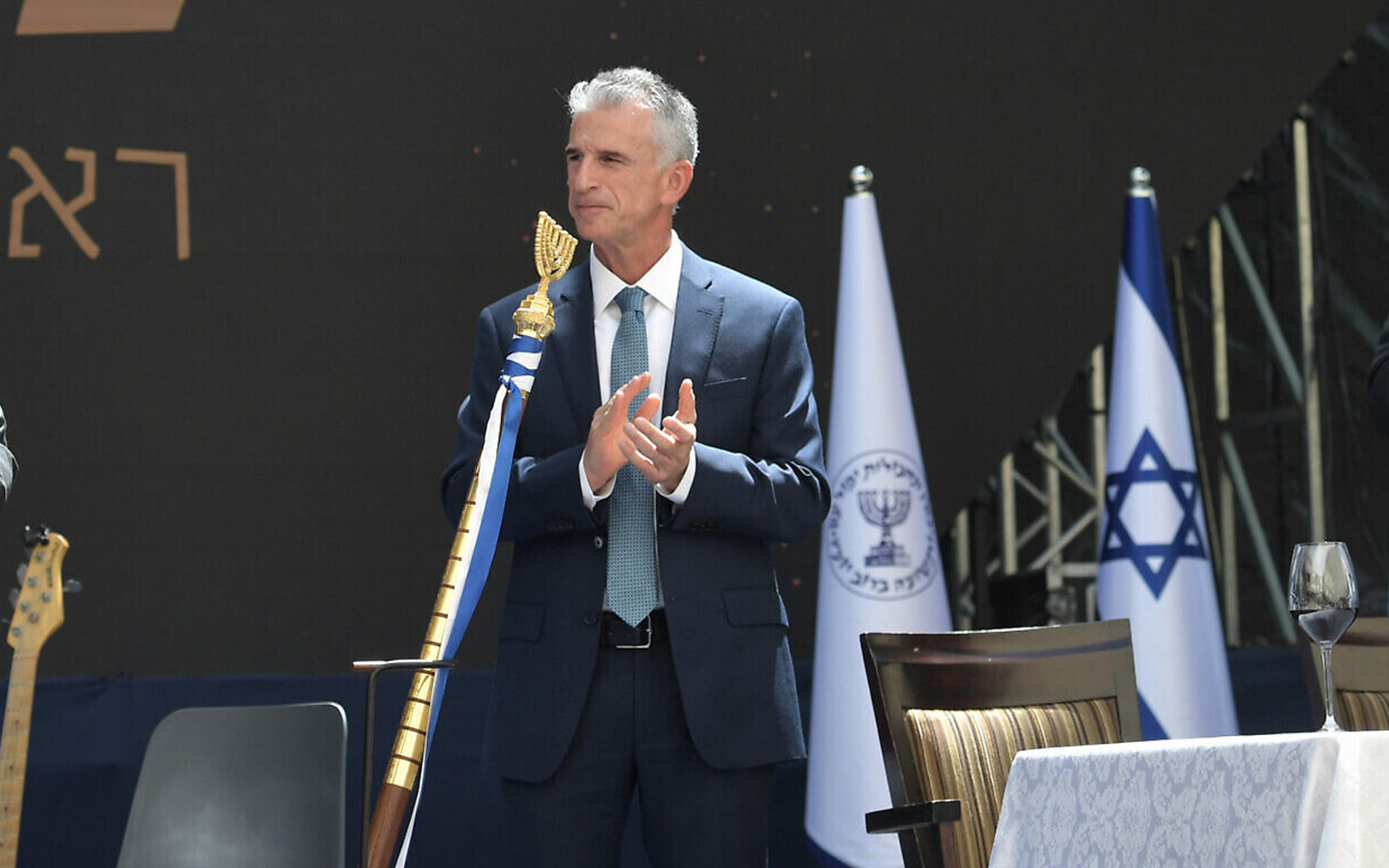
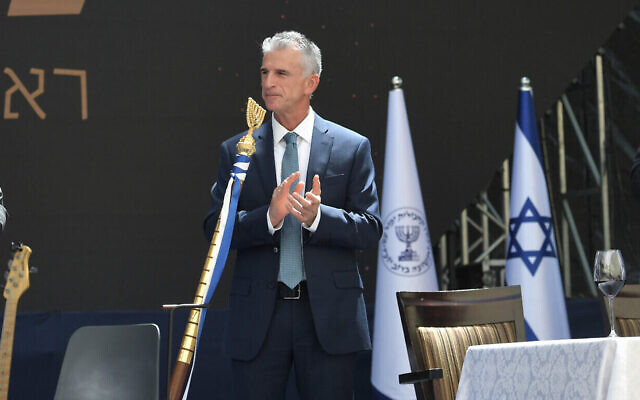
Mossad chief David Barnea was due to travel Sunday to Washington to discuss Iran with senior Biden administration officials.Mossad chief David Barnea at a ceremony marking his taking the helm of the agency, on June 1, 2021. (Kobi Gideon/GPO)
Haaretz reported that Barnea will attempt to convince the US leadership not to seek an interim deal that would not see Iran return to full compliance with the agreement, and instead try to enlist international support for tough sanctions on Tehran.

The spy chief will stress that if an agreement with Iran is ultimately reached, Israel will not be bound by it and will continue with efforts to thwart the Islamic Republic’s nuclear work, according to the Ynet news site. Barnea also reportedly plans to present the Americans with new information on Iran’s program.

Additionally, Defense Minister Benny Gantz will visit the US later in the week for talks with his American counterpart Lloyd Austin as well as with Blinken, which are also expected to focus on Iran.

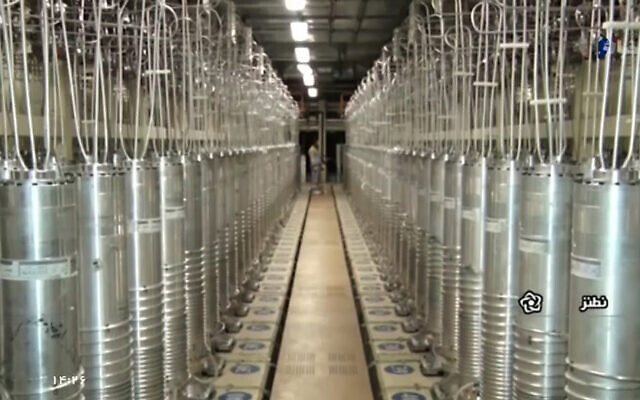
Bennett’s comments at the cabinet meeting came a day after a blast in the vicinity of an Iranian nuclear site. The explosion on Saturday was heard in the skies over the Iranian city of Badroud, 20 kilometers (12 miles) from the Natanz nuclear plant.Various centrifuge machines line a hall at the Natanz Uranium Enrichment Facility, on April 17, 2021. (screenshot, Islamic Republic Iran Broadcasting – IRIB, via AP)

Several media outlets said the explosion was not an attack, but rather was caused by a missile as part of a test of air defenses’ response to a potential attack. Some of the reports said a drone was shot down.

Deputy Defense Minister Alon Schuster on Sunday refrained from directly answering questions about a blast in the vicinity of an Iranian nuclear site a day earlier, only asserting he “can’t say” what hit Natanz.

“We hope the whole world will be mobilized for the mission. For that, we’ve allocated a significant sum to increase our readiness. What hit Natanz? I can’t say,” Schuster said.

Israel has reportedly approved a budget of some NIS 5 billion ($1.5 billion) to be used to prepare the military for a potential strike against Iran’s nuclear program. It includes funds for various types of aircraft, intelligence-gathering drones and unique armaments needed for such an attack, which would have to target heavily fortified underground sites.

US official: Iran backtracked on all compromises; we’re preparing for no deal

December 5, 2021


Official warns more sanctions likely if Iran kills negotiations, says China and Russia were also taken aback; Mossad chief heads to Washington for talks as nuclear crisis deepens

By AFP and JACOB MAGID4 December 2021, 9:52 pmUpdated at 1:27 am  

Iran's chief nuclear negotiator Ali Bagheri Kani is seen leaving the Coburg Palais, venue of the Joint Comprehensive Plan of Action (JCPOA) meeting aimed at reviving the Iran nuclear deal, in Vienna, on December 3, 2021 (Joe Klamar/AFP)

Iran’s chief nuclear negotiator Ali Bagheri Kani is seen leaving the Coburg Palais, venue of the Joint Comprehensive Plan of Action (JCPOA) meeting aimed at reviving the Iran nuclear deal, in Vienna, on December 3, 2021 (Joe Klamar/AFP)

A US official said Saturday that Iran had backed away from all its previous compromises on reviving the 2015 nuclear deal and that the US would not allow Iran to “slow walk” the international negotiations while at the same time ramping up its atomic activities.

The warning came a day after Washington hit out at Iran, saying talks with world powers on a return to the 2015 nuclear accord had stalled because Tehran “does not seem to be serious.”

“We can’t accept a situation in which Iran accelerates its nuclear program and slow walks its nuclear diplomacy,” said a senior US administration official — echoing a recent warning by US Secretary of State Antony Blinken.

Speaking to reporters after returning from the Austrian capital, the official said Washington was not yet planning to walk away from the indirect talks that it resumed with Tehran last week in Vienna, but hoped Iran would return “with a serious attitude.”

In this week’s talks, said the official, Iran backtracked on all the compromises it had made in months of previous talks on reviving the accord, while retaining the compromises made by others and seeking more.Get The Times of Israel’s Daily Editionby email and never miss our top storiesNewsletter email addressGET ITBy signing up, you agree to the terms

Iran came to Vienna “with proposals that walked back anything – any of the compromises Iran had floated here in the six rounds of talks, pocket all of the compromises that others, and the US in particular, had made, and then asked for more”, the senior official was quoted saying by Reuters.

He said it was not clear when the talks would resume, and that Washington was “preparing for a world in which there is no return to the JCPOA,” a reference to the deal’s official name, the Joint Comprehensive Plan of Action.

Russia and China “also were quite taken aback by the degree to which Iran had walked back its own compromises and then doubled down on the requests that it (made),” he said. “They do share a sense of disappointment, to put it diplomatically.”

He said more sanctions would likely come if Washington concludes that Iran had killed the negotiations.

In Vienna “Iran did not show the posture of a country that is seriously thinking of a rapid return” to the accord aimed at putting curbs on its nuclear program, said the official.The Coburg Palais, the venue of the Joint Comprehensive Plan of Action (JCPOA) revival talks, in Vienna on November 29, 2021. (VLADIMIR SIMICEK / AFP)
He spoke as the head of Israel’s Mossad spy agency prepared to head to Washington in the coming days for talks with top administration officials.

The Haaretz newspaper reported that David Barnea will seek to convince the US leadership not to seek an interim deal with Iran that would not see Tehran return to full compliance with the deal.

According to Channel 12, Barnea plans to present the Americans with new information on Iran’s program.

The seventh round of nuclear talks ended Friday after five days in Vienna, with delegations returning to their national capitals and expected to go back to Austria next week.

Iran’s lead negotiator Ali Bagheri Kani said the talks were paused “since the opposite side needed to consult with their capitals to provide a documented and reasonable response to these [Iranian] proposals.” He said the negotiations would resume in the middle of next week.

Blinken said Friday that the negotiations were halted because “Iran right now does not seem to be serious about doing what’s necessary to return to compliance.”

And European diplomats expressed “disappointment and concern” after Iran submitted two draft proposals that appeared to undo months of dialogue.

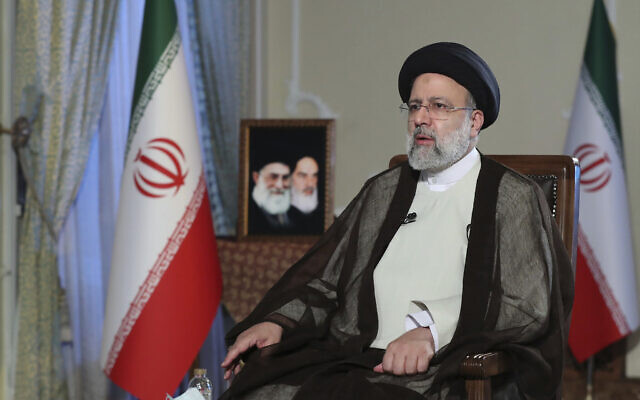
Iran had paused the talks in June following the election of ultraconservative President Ebrahim Raisi.In this photo released by the office of the Iranian Presidency, Iranian President Ebrahim Raisi speaks during a live interview in Tehran, Iran, broadcast on state-run TV, on Monday, October 18, 2021. (Iranian Presidency Office via AP)
The official argued Saturday that the US had shown patience in allowing a five-month break in the process, but that during that time the Iranians were “continuing to accelerate their nuclear program in particularly provocative ways.”

When Tehran finally returned to the table on Monday, he said, it was “with proposals that walked back any of the compromises that Iran had floated during the six rounds of talks.”

He accused Iran of seeking to “pocket all of the compromises that others — the US in particular — had made and then ask for more.”

The official said he believed countries that are close to Iran were also vexed by Tehran’s positions at the recent talks.

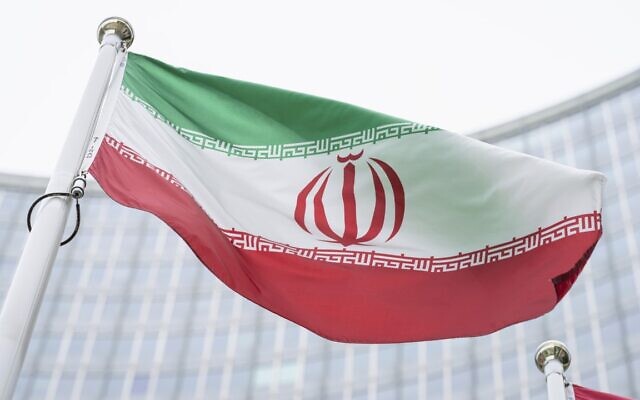
“I think we’re seeing very clearly that countries around the world are now more and more aware of the fact that Iran is taking a position which is inconsistent with their stated goals of a return to the JCPOA and their accelerated nuclear program is Exhibit A in that,” he said.The flag of Iran waves in front of the International Center building with the headquarters of the International Atomic Energy Agency, IAEA, in Vienna, Austria, on May 24, 2021 (AP Photo/Florian Schroetter, File)

The official said it was not yet known when the European Union coordinator would reconvene the parties, but that the date “matters far less to us than whether Iran will come back with a serious attitude, prepared to negotiate seriously. ”

At this stage, he said the US will pursue its efforts at diplomacy — but reasserted it has “other tools” at its disposal should negotiations fail.

He added: “The time that the JCPOA has for still remaining a viable deal is inversely proportional to the speed with which Iran advances its nuclear program. If they choose to accelerate the nuclear program as they seem to have done of late, then there’d be less time left for the JCPOA to be resurrected.”

The landmark 2015 nuclear accord — initially agreed between Britain, China, France, Germany Iran, Russia and the US — began unraveling in 2018 when then-US president Donald Trump pulled out and reimposed sanctions, prompting Iran to start exceeding limits on its nuclear program the following year.

US President Joe Biden has said he wants to re-enter the deal, and the US has been participating in this week’s talks indirectly.

Iran insists that its nuclear program is peaceful.

Asked by The Times of Israel whether a rift with Israel was growing amid Jerusalem’s fierce opposition to the ongoing nuclear talks, the senior State Department official was dismissive.

“We may have some differences. That’s natural…We understand that we’re situated differently and sometimes have different ways of approaching it, but our goal is the same… We will not allow Iran to acquire a nuclear weapon,” the official said.

“I think this comes at an interesting time where we’re seeing… soul searching, or interesting reflections in Israel by former senior officials about the decision to withdraw from the JCPOA and what it has meant,” the official continued, referencing a recent interview the former head of the Iran research division of Israel’s Military Intelligence Directorate gave to The Times of Israel in which he called Israel’s Iran policy of recent years “a failure.”

“What it has meant is it has opened the door for an unconstrained, uncontrolled Iranian nuclear program, which obviously was not the case while the US and Iran were both in compliance with the deal,” the official added.

Asked whether the US feels like it needs to calm the Israelis so they don’t take matters in their own hands against Iran, the senior State Department official said, “We don’t view our job as trying to calm Israel down…Israel as a sovereign country will make its own decisions.”

Times of Israel staff contributed to this report.

Mossad chief heads to US as Iran nuclear talks stall

December 5, 2021


David Barnea to reportedly press top Biden administration officials not to seek an interim deal, is also expected to present Americans with new intel on Iranian nuke program

By TOI STAFFToday, 6:03 amUpdated at 7:55 am  

Mossad chief David Barnea at a ceremony marking his taking the helm of the agency, on June 1, 2021. (Kobi Gideon/GPO)

Mossad chief David Barnea at a ceremony marking his taking the helm of the agency, on June 1, 2021. (Kobi Gideon/GPO)

Mossad chief David Barnea was due to travel Sunday to Washington to discuss Iran with senior Biden administration officials.

The trip comes days after the halt of renewed negotiations to restore the 2015 accord limiting Iran’s nuclear program in exchange for sanctions relief, with the United States saying the Iranians did not appear serious about reaching an agreement.

The Haaretz daily reported that Barnea will seek to convince the US leadership not to seek an interim deal that would not see Iran return to full compliance with the agreement, and instead seek to enlist international support for tough sanctions on Tehran.

The newspaper said the meetings have been described as “extremely significant.”

The spy chief will stress that if an agreement with Iran is ultimately reached, Israel will not be bound by it and will continue with efforts to thwart the Islamic Republic’s nuclear work, according to the Ynet news site.Get The Times of Israel’s Daily Editionby email and never miss our top storiesNewsletter email addressGET ITBy signing up, you agree to the terms

Barnea, who will be acting as an emissary for Prime Minister Naftali Bennett, also reportedly plans to present the Americans with new information on Iran’s program.

Defense Minister Benny Gantz will visit the US later in the week for talks also expected to focus on Iran.

Barnea’s trip follows his vow Thursday that Iran will never acquire nuclear arms. He also said a bad deal between Tehran and world powers would be “intolerable” for Israel.The flag of Iran waves in front of the the International Center building with the headquarters of the International Atomic Energy Agency, IAEA, in Vienna, AustriaI, May 24, 2021 (AP Photo/Florian Schroetter, FILE)

Senior Israeli officials have criticized the approach of the United States to nuclear talks with Iran, but see the current pause in discussions as a window of opportunity to influence the negotiations, the Haaretz daily reported Sunday.

An unnamed source told the newspaper that the US was surprised by how extreme Iran’s demands were in the restarted talks last week, with Tehran insisting on a list of conditions for returning to a nuclear agreement as well as the lifting of all sanctions and a pledge that they will not be reimposed in the near future.

Sources further said that removing the threat of sanctions would leave the international community without one of the most significant tools it has for keeping Iran to any potential deal.

However, a separate political source told Haaretz that they increasingly believed that the talks would not reach an immediate agreement, but that instead there would be an easing of current commitments.

“In the coming days we will see if the world powers go in the direction of a crisis with Iran or in the direction of flexibility,” he said.

On Saturday, a US official said Iran had backed away from all its previous compromises on reviving the 2015 nuclear pact and that Iran would not be allowed to “slow walk” the international negotiations while simultaneously ramping up its atomic activities, as well as dismissing a rift with Israel on the matter of the discussions.

“We can’t accept a situation in which Iran accelerates its nuclear program and slow walks its nuclear diplomacy,” said the senior US administration official — echoing a recent warning by Secretary of State Antony Blinken.

Speaking to reporters after returning from Vienna, the official said Washington was not yet planning to walk away from the indirect talks that it resumed with Tehran last week in the Austrian capital, but hoped Iran would return “with a serious attitude.”

In this week’s talks, said the official, Iran backtracked on all the compromises it had made in months of previous talks on reviving the accord, while retaining the compromises made by others and seeking more.

Iran came to Vienna “with proposals that walked back anything – any of the compromises Iran had floated here in the six rounds of talks, pocket all of the compromises that others, and the US in particular, had made, and then asked for more,” the senior official was quoted as saying by Reuters.

He said it was not clear when the talks would resume, and that Washington was “preparing for a world in which there is no return to the JCPOA,” a reference to the deal’s official name, the Joint Comprehensive Plan of Action.

He said more sanctions would likely come if Washington concludes that Iran had killed the negotiations.

The seventh round of nuclear talks ended Friday after five days in Vienna, with delegations returning to their national capitals and expected to go back to Austria this week.Iran’s chief nuclear negotiator Ali Bagheri Kani is seen leaving the Coburg Palais, venue of the Joint Comprehensive Plan of Action (JCPOA) meeting aimed at reviving the Iran nuclear deal, in Vienna, on December 3, 2021 (Joe Klamar/AFP)

Iran’s lead negotiator, Ali Bagheri Kani, said the talks were paused “since the opposite side needed to consult with their capitals to provide a documented and reasonable response to these [Iranian] proposals.”

Blinken said Friday that the negotiations were halted because “Iran right now does not seem to be serious about doing what’s necessary to return to compliance.”

European diplomats expressed “disappointment and concern” after Iran submitted two draft proposals that appeared to undo months of dialogue.

Iran had paused the talks in June following the election of ultraconservative President Ebrahim Raisi.

The official argued Saturday that the US had shown patience in allowing a five-month break in the process, but that during that time the Iranians were “continuing to accelerate their nuclear program in particularly provocative ways.”

When Tehran finally returned to the table on Monday, he said, it was “with proposals that walked back any of the compromises that Iran had floated during the six rounds of talks.”

He accused Iran of seeking to “pocket all of the compromises that others — the US in particular — had made and then ask for more.”The Coburg Palais, the venue of the Iran nuclear talks, is pictured in Vienna, on November 29, 2021. (Vladimir Simicek/AFP)
The official said he believed countries that are close to Iran were also vexed by Tehran’s positions at the recent talks.

At this stage, he said the US will pursue its efforts at diplomacy — but reasserted it has “other tools” at its disposal should negotiations fail.

The landmark 2015 nuclear accord — initially agreed between Britain, China, France, Germany Iran, Russia and the US — began unraveling in 2018 when then-US president Donald Trump pulled out and reimposed sanctions, prompting Iran to start exceeding limits on its nuclear program the following year.

US President Joe Biden has said he wants to re-enter the deal, and the US has been participating in this week’s talks indirectly.

Iran insists that its nuclear program is peaceful.

Agencies contributed to this report.

Blinken says nuclear talks halted because Iran ‘doesn’t seem serious’

December 4, 2021


Secretary reiterates that US won’t allow Tehran to drag out negotiations while advancing with its nuclear program and that Washington will pursue other options if talks fail

By JACOB MAGID3 December 2021, 11:11 pm  

US Secretary of State Antony Blinken attends a press conference during an Organization for Security and Co-operation in Europe (OSCE) meeting, in Stockholm, Sweden, Thursday, Dec. 2, 2021. (Jonathan Nackstrand/Pool Photo via AP)

US Secretary of State Antony Blinken attends a press conference during an Organization for Security and Co-operation in Europe (OSCE) meeting, in Stockholm, Sweden, Thursday, Dec. 2, 2021. (Jonathan Nackstrand/Pool Photo via AP)

United States Secretary of State Antony Blinken said Friday that this week’s round of negotiations between world powers and Iran in Vienna was halted because Tehran does not seem to be serious about reaching an agreement with the US that would see a joint return to compliance with the nuclear agreement.

“What we’ve seen in the last couple of days is that Iran right now does not seem to be serious about doing what’s necessary to return to compliance, which is why we ended this round of talks in Vienna,” Blinken told Reuters.

The secretary of state said the US would now consult with its allies, including Israel, on how best to move forward. “And we will see if Iran has any interest in engaging seriously, but the window is very, very tight.”

Blinken also reiterated a warning Washington had made numerous times in recent months, that the Biden administration will not allow Iran to drag out the negotiation process — already in its seventh round — all while advancing its nuclear program. “If the path to a return to compliance with the agreement turns out to be a dead-end, we will pursue other options,” Blinken said, while declining to detail what those options are.

He also noted that the sides had made “real progress” in the first six rounds of talks that were held before hardline Iranian President Ebrahim Raisi entered office, leading to a major hiatus in the negotiations.Get The Times of Israel’s Daily Editionby email and never miss our top storiesNewsletter email addressGET ITBy signing up, you agree to the terms

The latest round of talks began on Monday between the E3 (Britain, France and Germany), Iran, China and Russia, with the United States participating indirectly. The talks were paused on Friday afternoon, for diplomats to consult with their governments while they evaluated two drafts submitted by Iran that appeared to undo all of the progress of previous rounds.

Some officials said talks would reconvene next week, while French President Emmanuel Macron warned there could be a longer break in the talks.

Blinken gave no timeframe for the pause in talks.https://www.youtube.com/embed/me6jq0IcSeI?start=1208&feature=oembed

Earlier Friday, White House press secretary Jen Psaki also said that the US assessment from this week’s negotiations is that Iran is not interested in resolving nuclear issues and that a solution would require a commitment from Iran.

Diplomats are aiming to revive the 2015 nuclear deal known as the Joint Comprehensive Plan on Action, which began unraveling in 2018 when then-US president Donald Trump pulled out of the deal and reimposed sanctions, prompting Iran to start exceeding limits on its nuclear program the following year.

European diplomats expressed “disappointment and concern” on Friday after five days of international negotiations in Vienna as Iran submitted two draft proposals that appeared to undo months of dialogue.

Senior diplomats from the E3 group expressed “disappointment and concern after thoroughly and carefully analyzing Iranian proposed changes to the text negotiated during the previous six rounds,” which took place earlier this year.

“Tehran is walking back almost all of the difficult compromises crafted after many months of hard work,” they said, adding that the Iranian delegation had demanded “major changes.”

They went on to say it was “unclear how these new gaps can be closed in a realistic timeframe.”

The diplomats said the delegations needed to “return to capitals to assess the situation and seek instructions, before reconvening next week to see whether gaps can be closed or not.”

“Our governments remain fully committed to a diplomatic way forward. But time is running out,” they said.

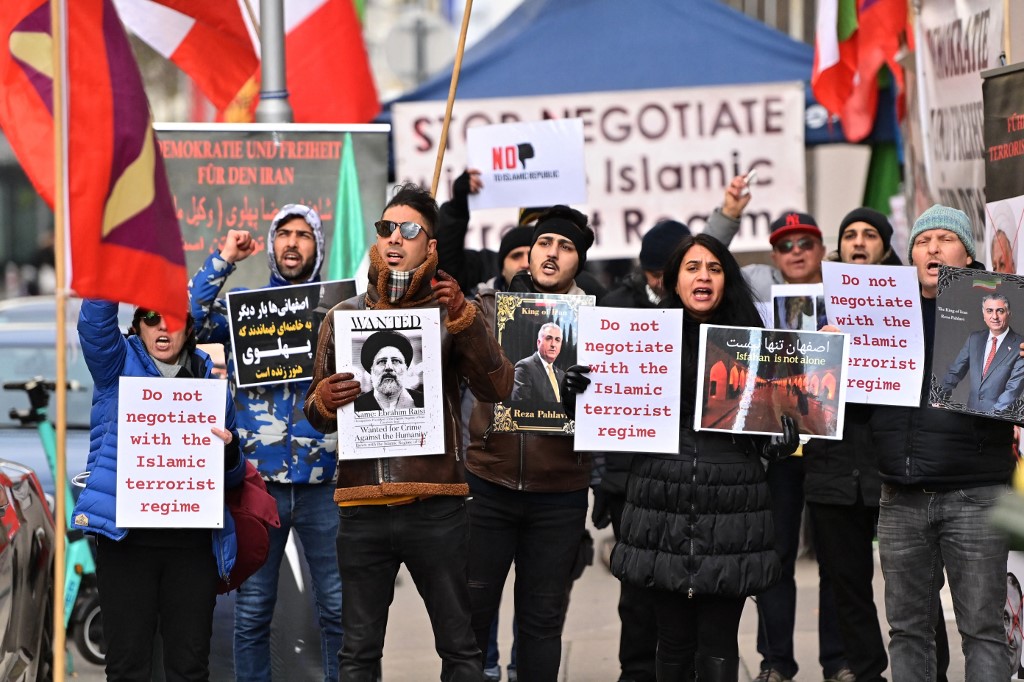
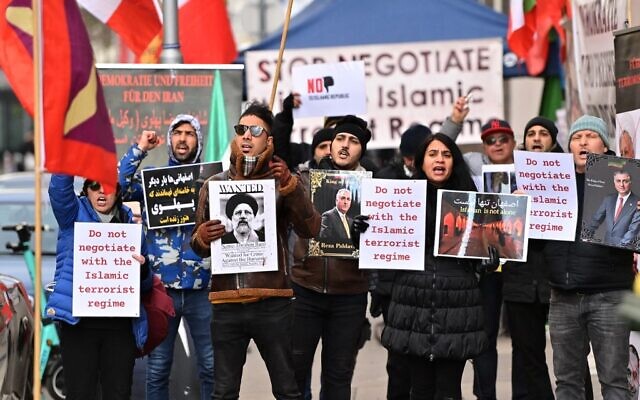
Iran said on Thursday it had submitted two draft proposals for the nuclear agreement.Iranian exiles and supporters of monarchy shout slogans during a demonstration near the Coburg palace during a meeting of the Joint Comprehensive Plan of Action (JCPOA) in Vienna, on December 3, 2021. (Joe Klamar/AFP)
On Thursday, Iran’s lead negotiator Ali Bagheri said the proposals concerned two main issues facing the JCPOA.

“The first document sums up the Islamic republic’s point of view concerning the lifting of sanctions, while the second is about Iran’s nuclear actions,” Bagheri told state television.

“Now the other side must examine these documents and prepare itself to hold negotiations with Iran based on these documents.”

An E3 diplomat told Israel’s Walla news that the draft on sanctions relief was extreme and maximalist, with the Iranians increasing their sanctions relief demands in comparison to agreements reached with the Rouhani government last June.

The diplomat also told Walla that Iran had backtracked on the nuclear draft too, removing all the previously agreed compromise language on steps to roll back its nuclear program.

AFP contributed to this report

Europeans express dismay as Iran walks back compromises at Vienna nuke talks

December 3, 2021


Negotiators say 2 proposals submitted by Tehran undo months of work at previous rounds of talks, ‘time is running out’ for diplomacy; Macron: renewal of talks could be delayed

By AFP and TOI STAFFToday, 5:54 pm  

Iranian exiles and supporters of monarchy shout slogans during a demonstration near the Coburg palace during a meeting of the Joint Comprehensive Plan of Action (JCPOA) in Vienna, on December 3, 2021. (Joe Klamar/AFP)

Iranian exiles and supporters of monarchy shout slogans during a demonstration near the Coburg palace during a meeting of the Joint Comprehensive Plan of Action (JCPOA) in Vienna, on December 3, 2021. (Joe Klamar/AFP)

European diplomats expressed “disappointment and concern” on Friday after five days of international negotiations in Vienna on reviving the 2015 Iran nuclear deal after Iran submitted two draft proposals that appeared to undo months of dialogue.

Senior diplomats from the E3 group of Britain, France and Germany expressed “disappointment and concern after thoroughly and carefully analyzing Iranian proposed changes to the text negotiated during the previous six rounds,” which took place earlier this year.

“Tehran is walking back almost all of the difficult compromises crafted after many months of hard work,” they said, adding that the Iranian delegation had demanded “major changes.”

They went on to say it was “unclear how these new gaps can be closed in a realistic timeframe.”

The latest round of talks began on Monday between the E3, Iran, China and Russia, with the United States participating indirectly.Get The Times of Israel’s Daily Editionby email and never miss our top storiesNewsletter email addressGET ITBy signing up, you agree to the terms

Diplomats were aiming to revive the 2015 deal, which began unraveling in 2018 when then-US president Donald Trump pulled out of the deal and reimposed sanctions, prompting Iran to start exceeding limits on its nuclear program the following year.https://platform.twitter.com/embed/Tweet.html?dnt=true&embedId=twitter-widget-0&features=eyJ0ZndfZXhwZXJpbWVudHNfY29va2llX2V4cGlyYXRpb24iOnsiYnVja2V0IjoxMjA5NjAwLCJ2ZXJzaW9uIjpudWxsfSwidGZ3X2hvcml6b25fdHdlZXRfZW1iZWRfOTU1NSI6eyJidWNrZXQiOiJodGUiLCJ2ZXJzaW9uIjpudWxsfSwidGZ3X3NwYWNlX2NhcmQiOnsiYnVja2V0Ijoib2ZmIiwidmVyc2lvbiI6bnVsbH19&frame=false&hideCard=false&hideThread=false&id=1466757650742403072&lang=en&origin=https%3A%2F%2Fwww.timesofisrael.com%2Feuropeans-express-dismay-as-iran-walks-back-compromises-at-vienna-nuke-talks%2F&sessionId=bd3d86b81c44975e9c1d03228b3e3b84908bf587&siteScreenName=timesofisrael&theme=light&widgetsVersion=9fd78d5%3A1638479056965&width=550px

The diplomats said the delegations needed to “return to capitals to assess the situation and seek instructions, before reconvening next week to see whether gaps can be closed or not.”

“Our governments remain fully committed to a diplomatic way forward. But time is running out,” they said.

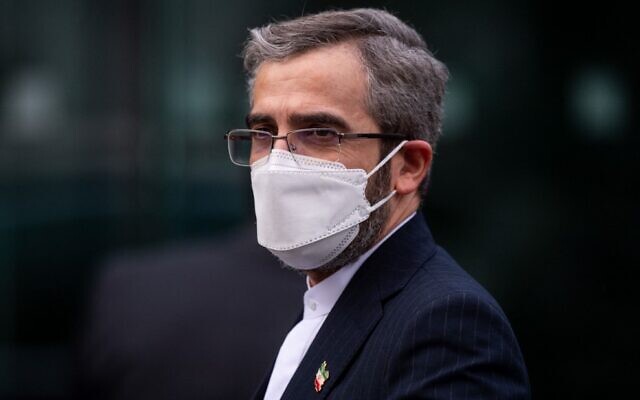
Iran said on Thursday it had submitted two draft proposals for the nuclear agreement.Iran’s chief nuclear negotiator, Ali Bagheri, arrives at the Coburg Palais in Vienna for nuclear talks, on November 29, 2021. (Vladimir Simicek/AFP)
On Thursday, Iran’s lead negotiator Ali Bagheri said the proposals concerned two main issues facing the 2015 accord known as the Joint Comprehensive Plan of Action, or JCPOA.

“The first document sums up the Islamic republic’s point of view concerning the lifting of sanctions, while the second is about Iran’s nuclear actions,” Bagheri told state television.

“Now the other side must examine these documents and prepare itself to hold negotiations with Iran based on these documents.”

Extreme and maximalist

An E3 diplomat told Israel’s Walla news that the draft on sanctions relief was extreme and maximalist, with the Iranians increasing their sanctions relief demands in comparison to agreements reached with the Rouhani government last June.

The talks had resumed in the Austrian capital on Monday after Iran paused them in June following the election of ultraconservative President Ebrahim Raisi.

The diplomat also told Walla that Iran had backtracked on the nuclear draft too, removing all the previously agreed upon compromise language on steps to roll back their nuclear program.https://platform.twitter.com/embed/Tweet.html?dnt=true&embedId=twitter-widget-1&features=eyJ0ZndfZXhwZXJpbWVudHNfY29va2llX2V4cGlyYXRpb24iOnsiYnVja2V0IjoxMjA5NjAwLCJ2ZXJzaW9uIjpudWxsfSwidGZ3X2hvcml6b25fdHdlZXRfZW1iZWRfOTU1NSI6eyJidWNrZXQiOiJodGUiLCJ2ZXJzaW9uIjpudWxsfSwidGZ3X3NwYWNlX2NhcmQiOnsiYnVja2V0Ijoib2ZmIiwidmVyc2lvbiI6bnVsbH19&frame=false&hideCard=false&hideThread=false&id=1466709291616944128&lang=en&origin=https%3A%2F%2Fwww.timesofisrael.com%2Feuropeans-express-dismay-as-iran-walks-back-compromises-at-vienna-nuke-talks%2F&sessionId=bd3d86b81c44975e9c1d03228b3e3b84908bf587&siteScreenName=timesofisrael&theme=light&widgetsVersion=9fd78d5%3A1638479056965&width=550px

“The Iranians have been told their proposals are not serious and they are to go back to Tehran and get further instructions,” the diplomat said.

Iran’s semi-official ISNA news agency said the talks would “most likely” resume on Monday but French President Emmanuel Macron warned there could be a longer break in the talks, which only resumed on November 29 after a five-month break.

Speaking on a visit to the United Arab Emirates, just across the Gulf from Iran, the French president said it “should not be excluded” that this round of talks “does not reopen swiftly.”

Including the Gulf states and Israel

However, in comments likely to please his Gulf hosts but anger Iran, Macron said a broader framework might benefit the talks on bringing Washington back into the deal.

He appeared to suggest bringing the Gulf states and even Israel into the talks, although having Iranian and Israeli envoys at the same table appears almost impossible.

“I think everyone is conscious of the fact that not talking, not trying to find a new framework on both nuclear and regional issues, weakens everybody and is a factor in increasing confliction,” the French president said.

“It is also important to reengage a slightly broader dynamic and involve regional powers as well,” he added.

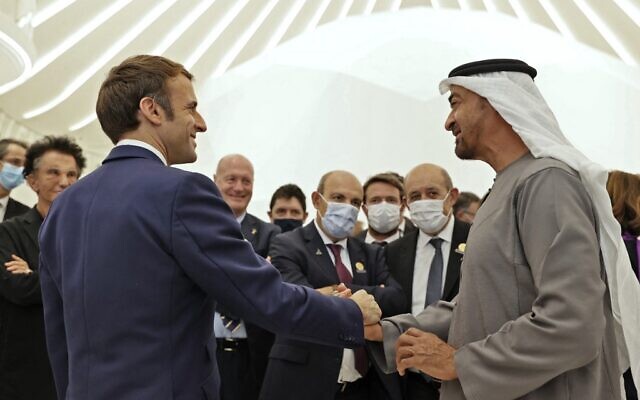
“It is difficult to reach an agreement if the Gulf states, Israel and all those whose security is directly affected are not involved.”French President Emmanuel Macron (L) is greeted by Abu Dhabi’s Crown Prince Mohammed bin Zayed al-Nahyan during his tour of the French pavillion at the Dubai Expo on the first day of his Gulf tour, on December 3, 2021. (Thomas Samson/AFP)

On Thursday, Prime Minister Naftali Bennett called for an “immediate cessation” of the nuclear talks, accusing Iran of “nuclear blackmail.”

In a phone call with US Secretary of State Antony Blinken, Bennett called instead for “concrete measures” to be taken against the Islamic republic.

The goal of the JCPOA is to make it practically impossible for Iran to build an atomic bomb, while allowing it to pursue a civilian nuclear program. Iran denies wanting a nuclear arsenal.

Blinken said Thursday it was not too late for Iran to revive its nuclear deal with world powers, but cautioned that hopes for the success of the talks were wearing thin.

“I think in the very near future, the next day or so, we’ll be in a position to judge whether Iran actually intends now to engage in good faith,” Blinken told reporters in Stockholm on the sidelines of a meeting of the Organization for Security and Co-operation in Europe. “I have to tell you, recent moves, recent rhetoric, don’t give us a lot of cause for optimism.”

“But even though the hour is getting very late, it is not too late for Iran to reverse course,” Blinken added.

Mossad head vows no Iran nukes ‘ever,’ as credibility of military option scrutinized

December 3, 2021

David Barnea says agency will ‘do everything needed to alleviate threat,’ but air force head won’t say if Israel can destroy Iran’s program and report claims IDF has no strike plan

By TOI STAFF2 December 2021, 11:27 pm  

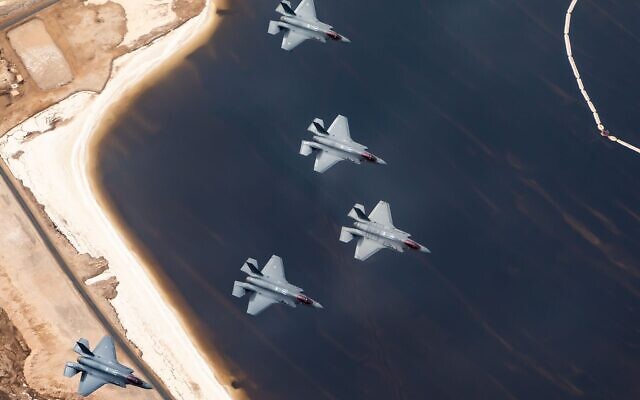
Israeli F-35 fighter jets fly in formation during the military's Blue Flag exercise in October 2021. (Israel Defense Forces)

Israeli F-35 fighter jets fly in formation during the military’s Blue Flag exercise in October 2021. (Israel Defense Forces)

The head of the Mossad spy agency said Thursday that a bad nuclear deal between world powers and Iran would be “intolerable” for Israel, vowing that the Islamic Republic will never acquire nuclear weapons.

“It’s clear that there’s no need for uranium enriched to 60 percent for civilian purposes,” David Barnea said during a ceremony at the President’s Residence to honor exceptional Mossad agents. “There’s no need for three enrichment sites. There’s no need for thousands of active centrifuges — unless, that is, there is an intention to develop nuclear weapons.”

“A bad deal, which I hope will not be made, is intolerable to us,” he added. “Iran is striving for regional hegemony, wages terrorism that we are blocking every day around the world, and is continuously threatening stability in the Middle East.”

“Our eyes are open, we are prepared, and we will do with our partners in the security establishment everything that is necessary to alleviate the threat against Israel and thwart it by any means,” Barnea said.

“Iran will not have nuclear weapons — not in the coming years, not ever. That is my promise, that is Mossad’s promise.”Get The Times of Israel’s Daily Editionby email and never miss our top storiesNewsletter email addressGET ITBy signing up, you agree to the terms

Barnea’s comments came as negotiations resumed in Vienna between Iran and world powers on restoring the 2015 agreement that limited Tehran’s nuclear program in exchange for sanctions relief.From left to right: Prime Minister Naftali Bennett, President Isaac Herzog and Mossad chief David Barnea light Hanukkah candles at the President’s Residence in Jerusalem, December 2, 2021. (Haim Zach/GPO)

Israel vocally opposed that deal and has urged the Biden administration — which is seeking to rejoin the accord — to end the talks, charging that Iran is using the negotiations to buy time to advance its nuclear work.

Iran is currently enriching uranium to 60% purity, which is just a short technical jump from weapons-grade, and far exceeds the cap set in the 2015 nuclear deal. There is no civilian use for 90% enriched uranium.

Israel has lobbied for its allies to scrap the 2015 deal altogether, instead seeking a better arrangement or heavy sanctions backed by a credible military threat.In this image made from April 17, 2021, video released by the Islamic Republic Iran Broadcasting, IRIB, state-run TV, various centrifuge machines line the hall damaged on April 11, 2021, at the Natanz Uranium Enrichment Facility, some 200 miles (322 km) south of the capital Tehran. (IRIB via AP, File)
Asked about plans for a potential strike on Iranian nuclear sites during a rare television interview aired Thursday, Air Force head Maj. Gen. Amikam Norkin said the IDF was prioritizing preparations for such a possibility.

However, he did not directly respond when asked by Channel 13 news if the air force can fully neutralize the threat of a nuclear Iran.

“We always need to be ready with a military option and therefore this has become high priority,” he said.

“We make mistakes; we’re improving,” said Norkin, while remaining evasive when asked about the Israeli Air Force’s capabilities and the immediate threat posed by Iran.

Norkin compared Israel to an “insurance policy” against Iran obtaining a nuclear bomb. Asked if that insurance policy would need to be exercised, he said: “We’ll do whatever is required.”Israeli Air Force chief Maj. Gen. Amikam Norkin speaks in a television interview on December 2, 2021 (Channel 13 screenshot)

The Walla news site reported Thursday that Israel does not currently have operative plans to strike Iran’s nuclear program.

The report, which did not cite sources, said the military was working on plans of action should a strike become necessary, but that training for such a mission has not yet begun, and will take several months to complete.

Once those are complete, the Israel Defense Forces will be able to provide Israeli leaders with a detailed military option, the report said.

Earlier this week, Foreign Minister Yair Lapid told French President Emmanuel Macron that only a credible military threat will stop Iran’s nuclear program. Senior Israeli officials have blitzed their counterparts in the US, UK, France and Germany in recent days in a bid to lobby against nuclear talks with Iran, which kicked off Monday after an extended hiatus.

The Biden administration has repeatedly reiterated its desire to return to the 2015 agreement, known as the Joint Comprehensive Plan of Action, which former president Donald Trump exited. Following its exit, the US began reinstating sanctions on Tehran while Iran began to openly breach the deal’s terms.

The Biden administration has repeatedly said that it would only lift sanctions in return for concrete and evident changes in Iran’s behavior, and that not all sanctions would be lifted.

War: What Israel talks about when it talks about striking Iran’s nuclear program | The Times of Israel

December 3, 2021

Israeli officials have regularly called for a ‘credible military threat’ against Tehran’s nuclear facilities, but less discussed is the major conflict that’s almost sure to follow

By JUDAH ARI GROSSToday, 6:40 am  

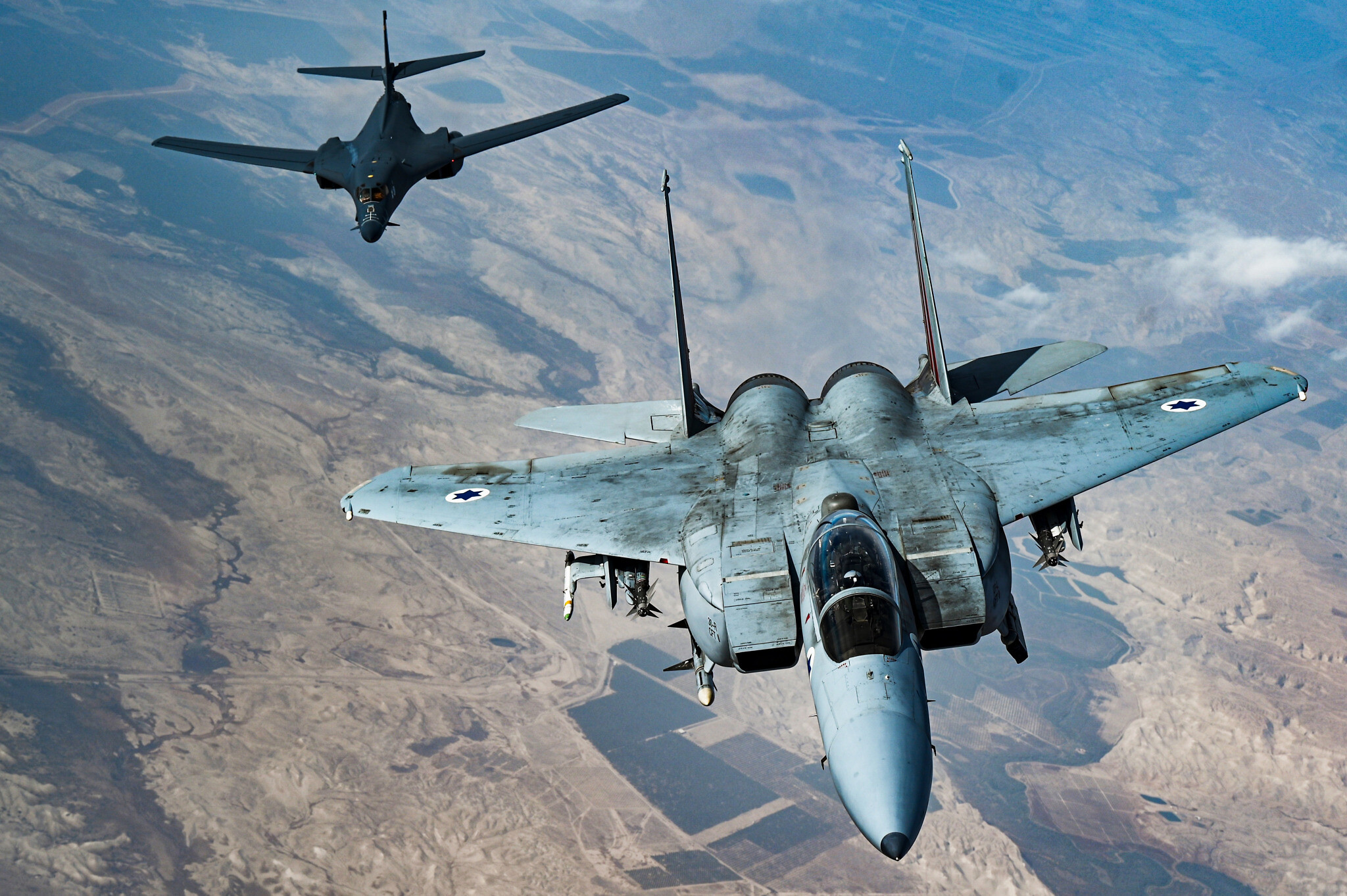
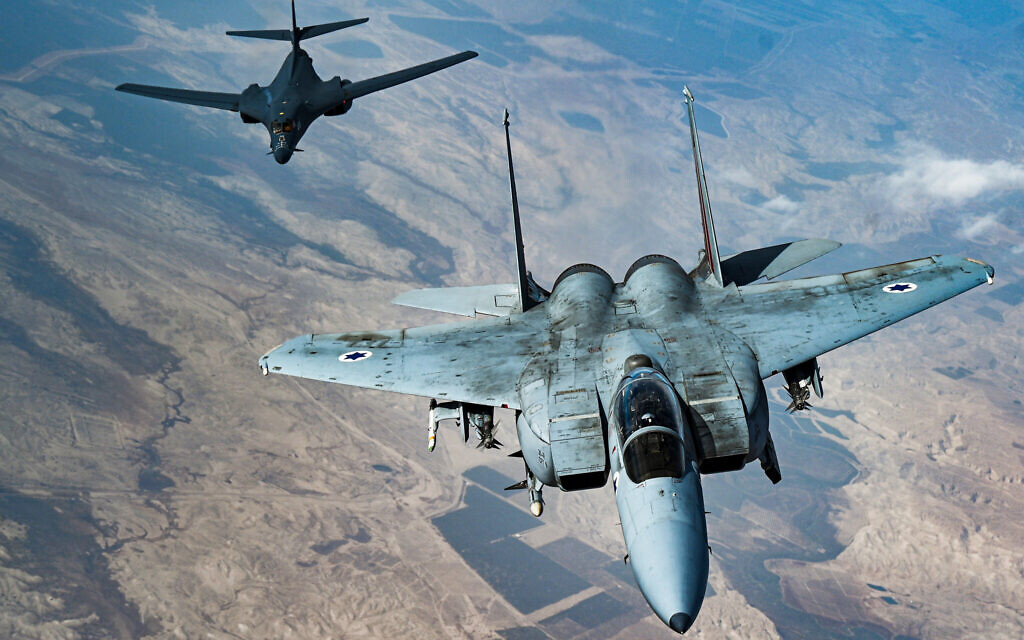
In this photo released by the US Air Force, an Israeli Air Force F-15 Strike Eagle flies in formation with a US Air Force B-1B Lancer over Israel as part of a deterrence flight Saturday, Oct. 30, 2021. (US Air Force/Senior Airman Jerreht Harris via AP)

In this photo released by the US Air Force, an Israeli Air Force F-15 Strike Eagle flies in formation with a US Air Force B-1B Lancer over Israel as part of a deterrence flight Saturday, Oct. 30, 2021. (US Air Force/Senior Airman Jerreht Harris via AP)

Nearly one year ago, IDF chief Aviv Kohavi stood on stage at an Institute for National Security Studies conference in Tel Aviv and announced that he had ordered the military to begin preparing renewed plans for a strike on Iran’s nuclear program.

“Iran can decide that it wants to advance to a bomb, either covertly or in a provocative way. In light of this basic analysis, I have ordered the IDF to prepare a number of operational plans, in addition to the existing ones. We are studying these plans and we will develop them over the next year,” Kohavi said.

He added: “The government will of course be the one to decide if they should be used. But these plans must be on the table, in existence and trained for.”

Since then, the IDF has done just that, with the air force and Military Intelligence, in particular, preparing themselves for such an operation, stepping up training exercises and focusing tremendous resources on intelligence collection. Billions of additional shekels have been poured into the defense budget specifically to prepare for strikes against Iran’s nuclear facilities.

And over the past year, Israeli officials have regularly repeated calls for what they describe as a “credible military threat” against Iran’s nuclear program, in speeches, press conferences, media interviews and private meetings with allies, arguing that it is necessary in order to gain leverage in the ongoing negotiations with the Islamic Republic over its nuclear program.Get The Times of Israel’s Daily Editionby email and never miss our top storiesNewsletter email addressGET ITBy signing up, you agree to the terms

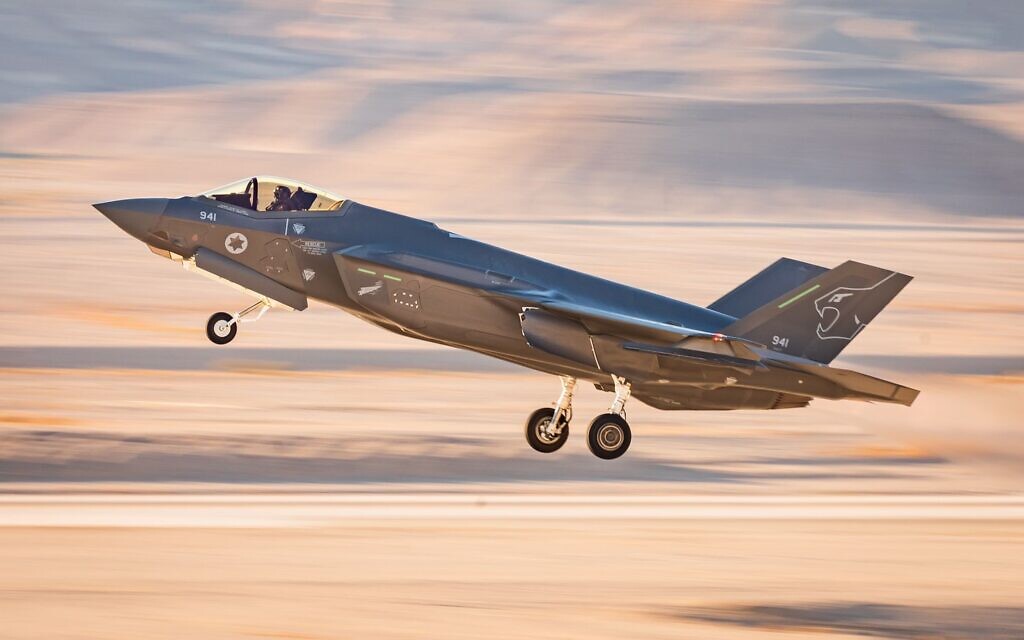
By its own estimates, the IDF is still at least months away from being fully prepared to conduct such a strike, though officials say that a more limited version of its plans could be carried out sooner.An Israeli F-35 fighter jet takes off during the military’s Blue Flag exercise in October 2021. (Israel Defense Forces)
But the focus of these discussions has generally been on the strike itself against Iran’s nuclear facilities, an operation that would indeed be far, far more complicated and difficult than any other the IDF has conducted, including its raids to target Iraq’s nuclear reactor in 1981 and Syria’s in 2007.

In each of those missions — Operation Opera and Operation Outside the Box — a single sortie containing a relatively small number of fighter jets conducted the bombing. But unlike in both of those cases, Iran does not have one nuclear facility that one group of planes could take out in a single strike, but many that are spread throughout the country, which would therefore require extraordinary levels of coordination to ensure that all of the sites were hit at the same time.

Making this more difficult is the fact that many of the facilities are buried deep underground, making them all but impenetrable to attacks from the air, particularly the Fordo reactor, where Iran recently began enriching uranium to 20 percent levels of purity with advanced centrifuges, in the latest breach of the 2015 nuclear deal.

The United States does have the massive bunker-busting ordnances needed to strike such facilities — the 13,600-kilogram (30,000-pound) GBU-57 Massive Ordnance Penetrator (MOP) — but Washington has so far refused to provide them to Israel, not that selling the incredibly heavy bomb to Jerusalem would do much good as the Israeli Air Force does not have an aircraft capable of carrying it, nor does it even have the airfield infrastructure needed to support the aircraft that could carry it.

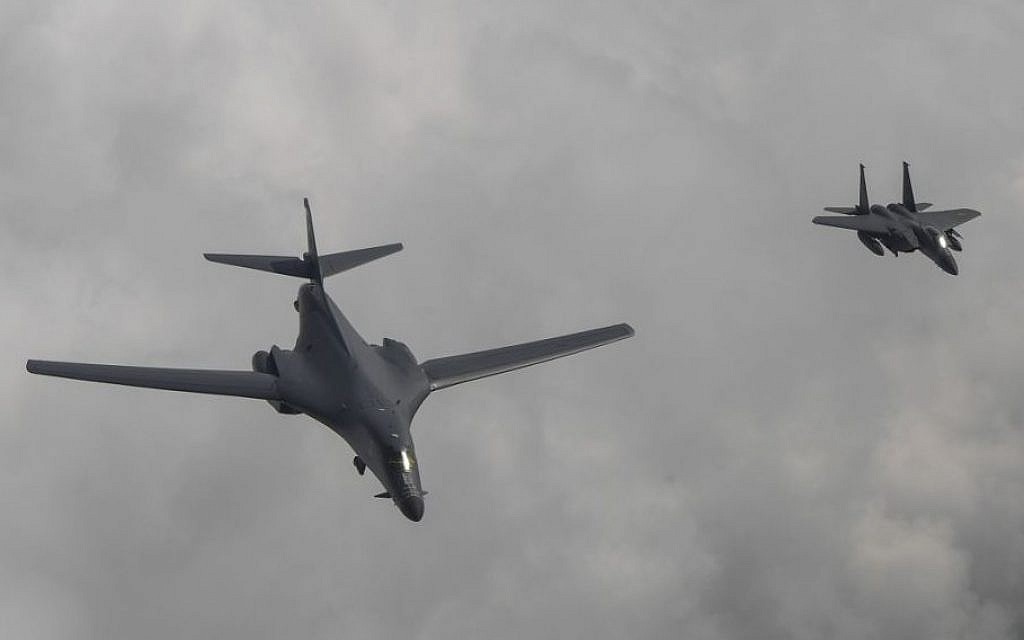
(To circumvent these limitations and to demonstrate the seriousness of an Israeli threat of attack, some current and former officials in the US have floated the idea of selling or leasing to Israel one of the three American heavy bombers capable of carrying the MOP — the B-52, B-1, or B-2 — though doing so faces a number of legal and logistical challenges, as the B-52 and B-2 are both effectively barred from sale under America’s New START treaty with Russia and the B-1 may also not be fully capable of containing the MOP within its bomb bays.)Illustrative: A US Air Force B-1B bomber, left, flies with a South Korean fighter jet F-15K over the Korean Peninsula, South Korea, Sunday, July 30, 2017 (South Korea Defense Ministry via AP)
Iran has also invested heavily in its air defenses, both purchasing advanced systems from Russia and developing its own domestically produced capabilities.

But while the complexities of such an operation should not be overstated, they are ultimately problems that can be resolved with enough time and resources.

Though Israeli officials are willing to discuss the efforts to overcome these challenges and develop the capabilities needed to conduct such a strike, typically left unmentioned is what happens afterward, which is of far greater significance.

In 1981 and in 2007, there was effectively no immediate retaliation by Iraq and Syria, respectively, though Baghdad’s response did come a decade later — to a certain extent — with its Scud missile attacks on Israel during the First Gulf War. This is not expected to be the case with Iran, several Israeli defense officials have told The Times of Israel.

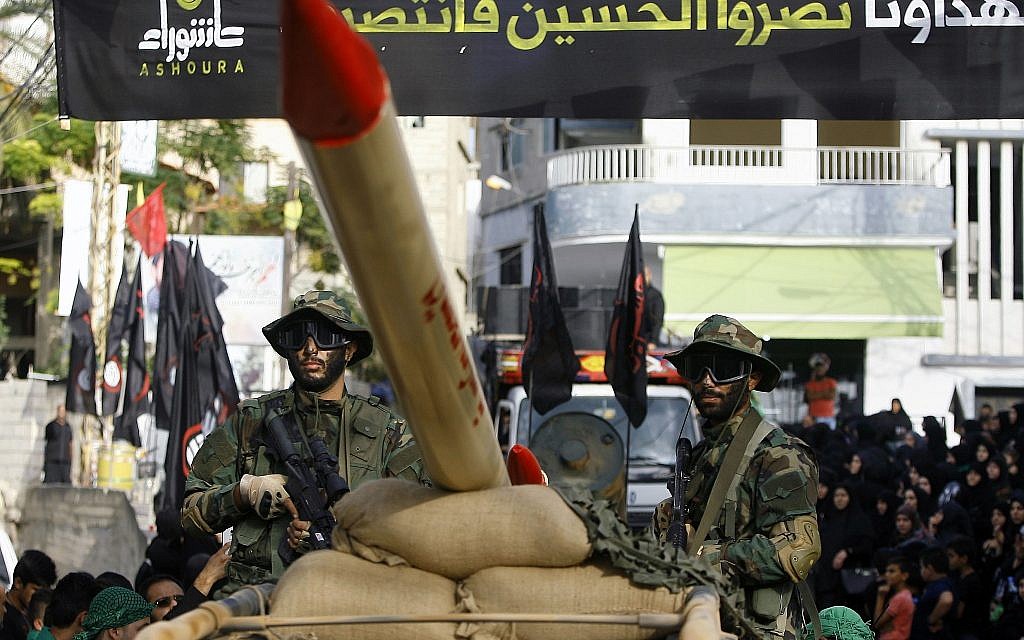
For decades, Tehran has been building up a number of proxies throughout the region, the most formidable of which is Lebanon’s Hezbollah, a terrorist group with an arsenal of rockets, missiles and mortar shells that matches and even surpasses many Western states. These foreign proxies are meant to insulate Iran from attack from its enemies. To wit: Israel can’t attack Iran if it is busy fighting off rocket fire and invasion attempts by Hezbollah from Lebanon, and Saudi Arabia similarly couldn’t attack Iran if it were facing the Houthis in Yemen.Hezbollah fighters stand atop a car mounted with a mock rocket, as they parade during a rally to mark the seventh day of Ashoura, in the southern village of Seksakiyeh, Lebanon, in this October 9, 2016 photo. (Mohammed Zaatari/AP)
The Israeli military firmly believes that this network of proxies would be brought to bear against Israel if it conducts a strike on Iran’s nuclear facilities. And Israeli projections for what a war against Hezbollah and allied militias in the region would look like are unnerving: thousands of projectiles raining down on Israeli population centers, hundreds killed, severe damage to infrastructure and major utilities knocked out of service.

That is not to say that Israel would never conduct a strike on Iran for fear of attack from its proxies, but that any decision to do so would have to be weighed not against the military’s ability to carry out the operation, but against the potentially devastating prospects of what would follow the raid.

“The military option needs to be on the table. It is, of course, the last thing that we want to use, but we don’t have the luxury of not preparing ourselves for the options,” Defense Minister Benny Gantz said Thursday, in an on-camera interview with the Ynet news site.

Jerusalem’s concern is that a nuclear-armed or even nuclear threshold Iran would be able to act with even greater impunity in the region, arming its proxies and more deeply entrenching itself in Syria, Lebanon, Yemen and Iraq.

But Israeli officials have been loath to set a specific condition under which it would conduct a strike. This is due, in part, to the fact that the considerations lie not only in Iran’s capabilities, but to the balance between the threats facing Israel and Israel’s ability to counter them.

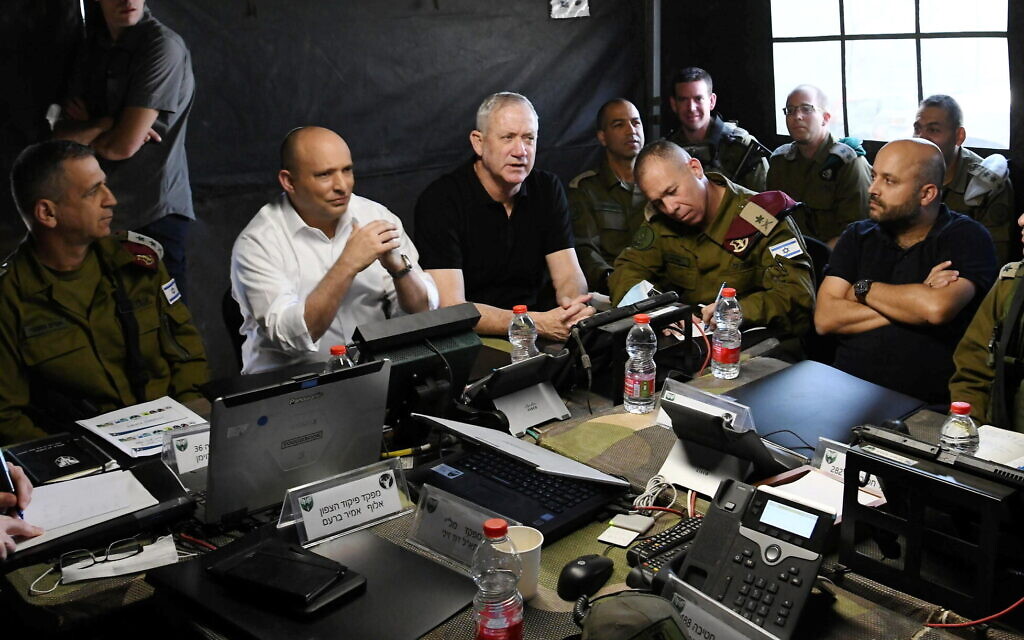
Asked if uranium enrichment to the level of 90 percent purity — generally regarded as “weapons-grade” — would prompt an Israeli attack, Gantz refused to comment on Thursday.From left to right: IDF Chief of Staff Aviv Kohavi, Prime Minister Naftali Bennett and Defense Minister Benny Gantz attend a military drill in northern Israel on November 16, 2021. (Amos Ben-Gershom/GPO)


“I don’t like setting red lines that afterward I’d have to come and explain myself [if I didn’t uphold them]. We are tracking the Iranian process every day. There will be a point in time when the world, the region, and the State of Israel will have no choice but to act,” he said.

The Israel Defense Forces have been making strides to prepare itself for the multi-front war that is liable to follow a strike on Iran, holding a number of large-scale exercises simulating such a conflict in recent months and investing roughly NIS 1 billion ($315 million) toward training for next year. The military is also working to improve its air defenses, particularly in northern Israel, in an effort to prevent the worst of the damage from rocket barrages and drone strikes in a future conflict.

But the propensity of Israeli officials to discuss the technical aspects of an attack on Iran’s nuclear facilities belies the true calculus at play in deciding whether to carry it out: it’s not about the strike, but the war that follows.

Iran — the gamble, the original sin, and the unthinkable current consequence

December 2, 2021

Nothing short of a credible military threat — and certainly not negotiations with a US leadership anxious to revive a failed accord — will deter the ayatollahs’ nuclear drive now

By DAVID HOROVITZToday, 6:03 am  

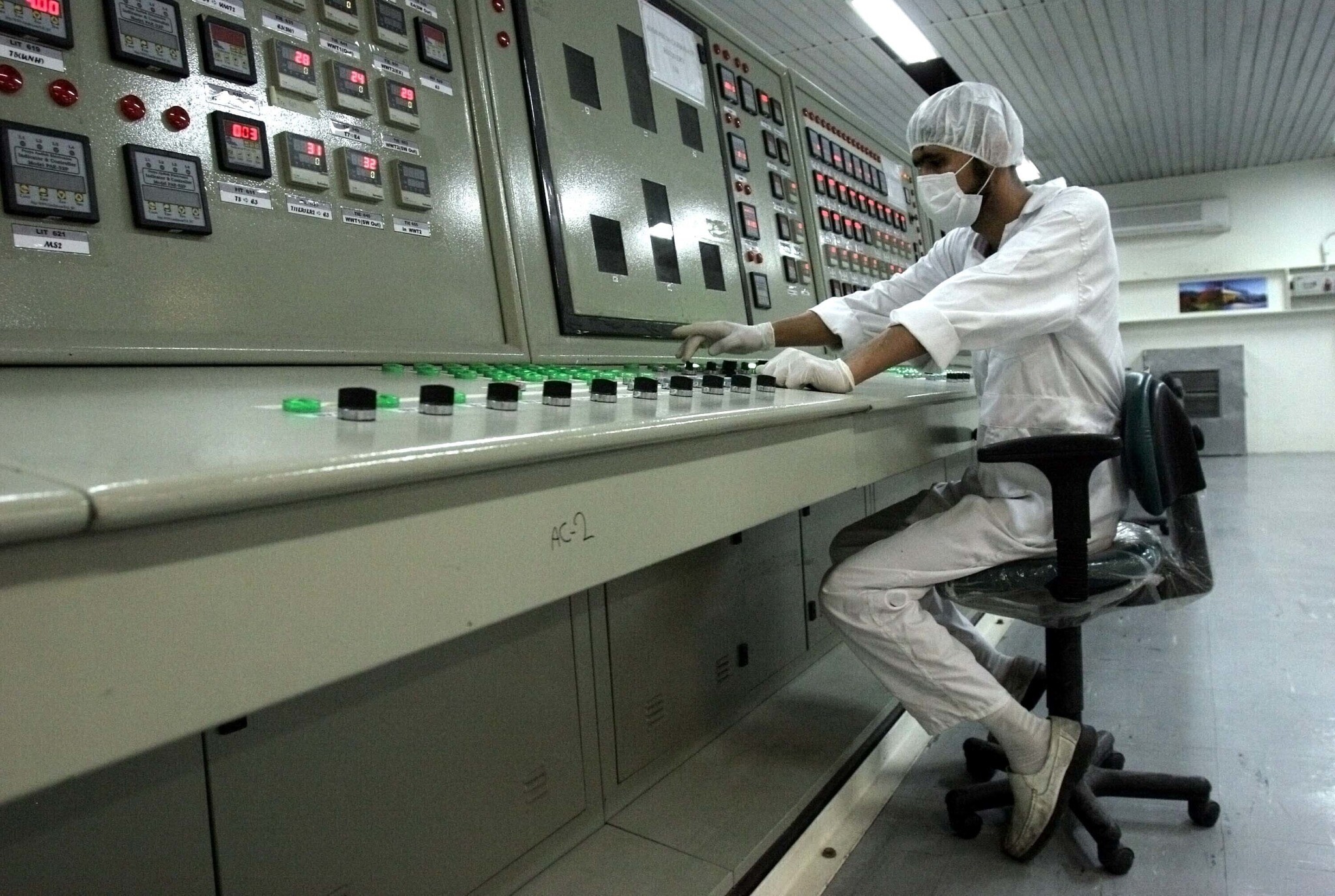
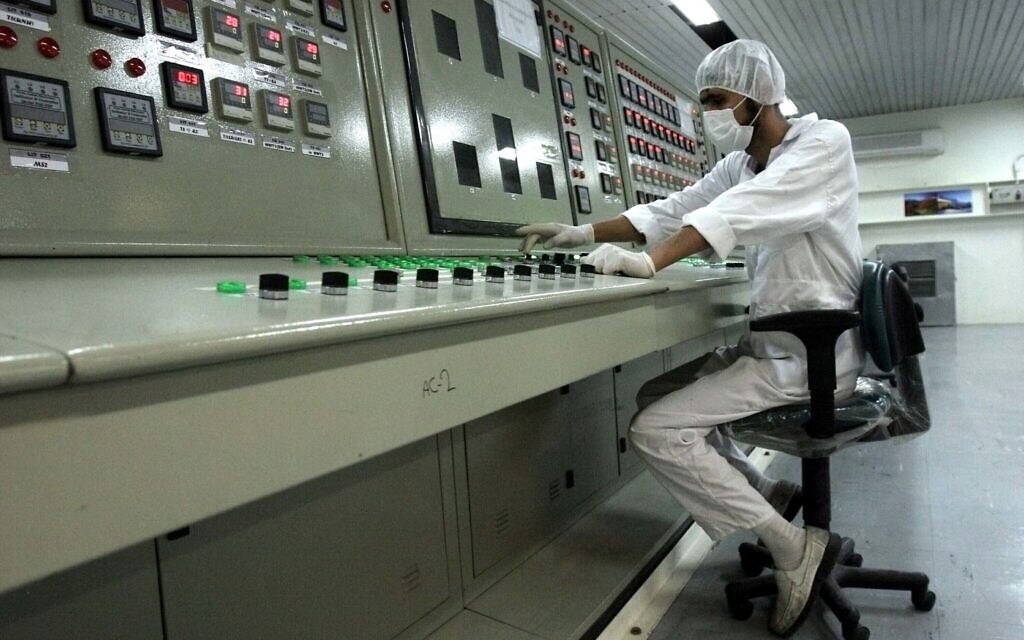
A technician works at the Uranium Conversion Facility just outside the city of Isfahan, Iran, 255 miles (410 kilometers) south of the capital Tehran, Iran, Feb. 3, 2007. (AP Photo/Vahid Salemi, file)

A technician works at the Uranium Conversion Facility just outside the city of Isfahan, Iran, 255 miles (410 kilometers) south of the capital Tehran, Iran, Feb. 3, 2007. (AP Photo/Vahid Salemi, file)

Having failed in his high-profile efforts to dissuade the Obama administration from sealing the radically inadequate 2015 deal with Iran, prime minister Benjamin Netanyahu’s subsequent strategy for thwarting the ayatollahs’ nuclear weapons drive relied on a series of calculated judgments or, perhaps more accurately, gambles.

First, Netanyahu encouraged the Trump administration’s withdrawal from the accord, and its imposition of “maximum pressure” sanctions, in the belief or hope that a combination of economic pressure, consequent domestic unrest, and the threat of US-led military action might compel the regime to set aside its bid for the bomb.

Second, he relied on the Trump administration being prepared to take military action, or support and help facilitate Israeli military action, if the point arrived where nothing else could halt Tehran’s military nuclear program — and if, in the curt, graphic summation of the late Mossad chief Meir Dagan, the sword was at our throat.

And self-evidently, by extension, Netanyahu bet on Donald Trump retaining the presidency, rather than losing out to a Democratic rival likely to seek to reinstate the 2015 JCPOA (Joint Comprehensive Plan of Action).

Needless to say, the strategy failed. A regime indifferent to the well-being of its citizenry so long as its hold on power was secure resisted the sanctions pressure and, predictably, began openly breaching the already lax parameters of the JCPOA. Allowed under the terms of the deal to keep many of its centrifuges and continue research on more effective models, it developed and installed some of those more efficient designs, and has gradually enriched increasing quantities of uranium to increasingly high levels — now a short hop away from weapons-grade.Get The Times of Israel’s Daily Editionby email and never miss our top storiesNewsletter email addressGET ITBy signing up, you agree to the terms

Breaching the deal’s porous clauses on UN inspections, Tehran has also restricted and even booted the International Atomic Energy Agency’s teams from some of the facilities that would have been dismantled under an effective agreement. Now nobody knows what the regime is up to in facilities that we are aware of, much less what progress it may be making on weaponization and delivery in facilities we know little or nothing about.US President Donald Trump, left, and Prime Minister Benjamin Netanyahu walk to a meeting in the Oval Office of the White House, January 27, 2020. (AP Photo/ Evan Vucci)

Netanyahu’s high-risk strategy was founded on the debatable but not untenable conviction that the bad 2015 deal was worse than no deal at all. What was untenable, but is acknowledged at the most senior levels of the Israeli security establishment, is that after the deal was signed, Israel failed to continually update its planning and training for a possible resort to force. And worse, that the political leadership did not allocate sufficient funding, and the security establishment did not mount sufficient pressure on its political masters, to ensure Israel was as ready and able as possible to militarily counter Iran’s ongoing march to the bomb after Trump withdrew from the deal in 2018 and the Iranians began openly breaching its terms.

Thus Israel today finds itself playing frantic military catch-up, rushing to develop fresh operational plans for thwarting an Iran that is widely assessed to be capable of enriching sufficient quantities of weapons-grade uranium for a bomb within weeks if it so chooses, and whose timescale for finalizing weaponization and delivery is anybody’s guess.US Vice President Joe Biden listens as President Barack Obama delivers remarks in the East Room of the White House in Washington, July 14, 2015, after an Iran nuclear deal is reached. (AP Photo/Andrew Harnik, Pool)

There should be no forgetting: The original sin, in the dismal saga of a genocidal regime’s march to the bomb and a feckless free world’s inability to thwart it, was that 2015 accord — whose incomplete provisions and sunset clauses failed to meet the vital objective: dismantling the rogue nuclear weapons program of a predatory regime that openly and relentlessly seeks the elimination of the State of Israel and threatens the free world, and ensuring that this program could not be resurrected.

The challenge now, as a consequence, is to thwart an emboldened and much-advanced, almost-nuclear Iran, starting from a far less promising negotiating position than was the case in 2015. But as the US and Iran resumed indirect negotiations in Vienna this week, there was no sign that the Biden administration — which has indicated a profound desire to return to that deficient accord — is willing to galvanize the kind of pressure that might give the ayatollahs pause.

For all its warm promises of solidarity with its great ally Israel, and Biden’s public commitment to Prime Minister Naftali Bennett in the Oval Office in August “to ensure Iran never develops a nuclear weapon,” the president and his team prefer to not even talk about a military option if diplomacy fails, choosing instead to speak vaguely of “other options.”Iran’s Supreme Leader Ayatollah Ali Khamenei, left, gives his official seal of approval to newly elected President Ebrahim Raisi in an endorsement ceremony in Tehran, Iran, August 3, 2021. (Office of the Iranian Supreme Leader via AP)

That goes to the root of the US-led refusal to fully internalize the nature of the enemy regime in Tehran and the dangers it poses. The regime halted much of its nuclear program in 2003, after the US invaded Iraq, fearing that it might be the Americans’ next target. Halted, not dismantled, as the Mossad’s breathtaking 2018 plunder of its Tehran nuclear weapons archive underlined.

Nothing short of a credible military threat — not maximum economic pressure, and certainly not indirect negotiations with a US administration that has its heart set on a deal — is going to deter the ideologically and territorially rapacious ayatollahs now.

And thus we lurch ever closer to the unthinkable denouement that Israel has tried for so long to warn the world against: the stark choice between a nuclear Iran and a desperate resort to military force to try to stop it.