Archive for December 2021

Blinken says nuclear talks halted because Iran ‘doesn’t seem serious’

December 4, 2021


Secretary reiterates that US won’t allow Tehran to drag out negotiations while advancing with its nuclear program and that Washington will pursue other options if talks fail

By JACOB MAGID3 December 2021, 11:11 pm  
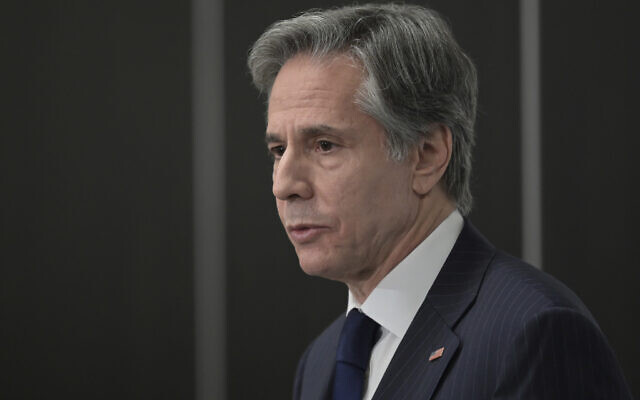
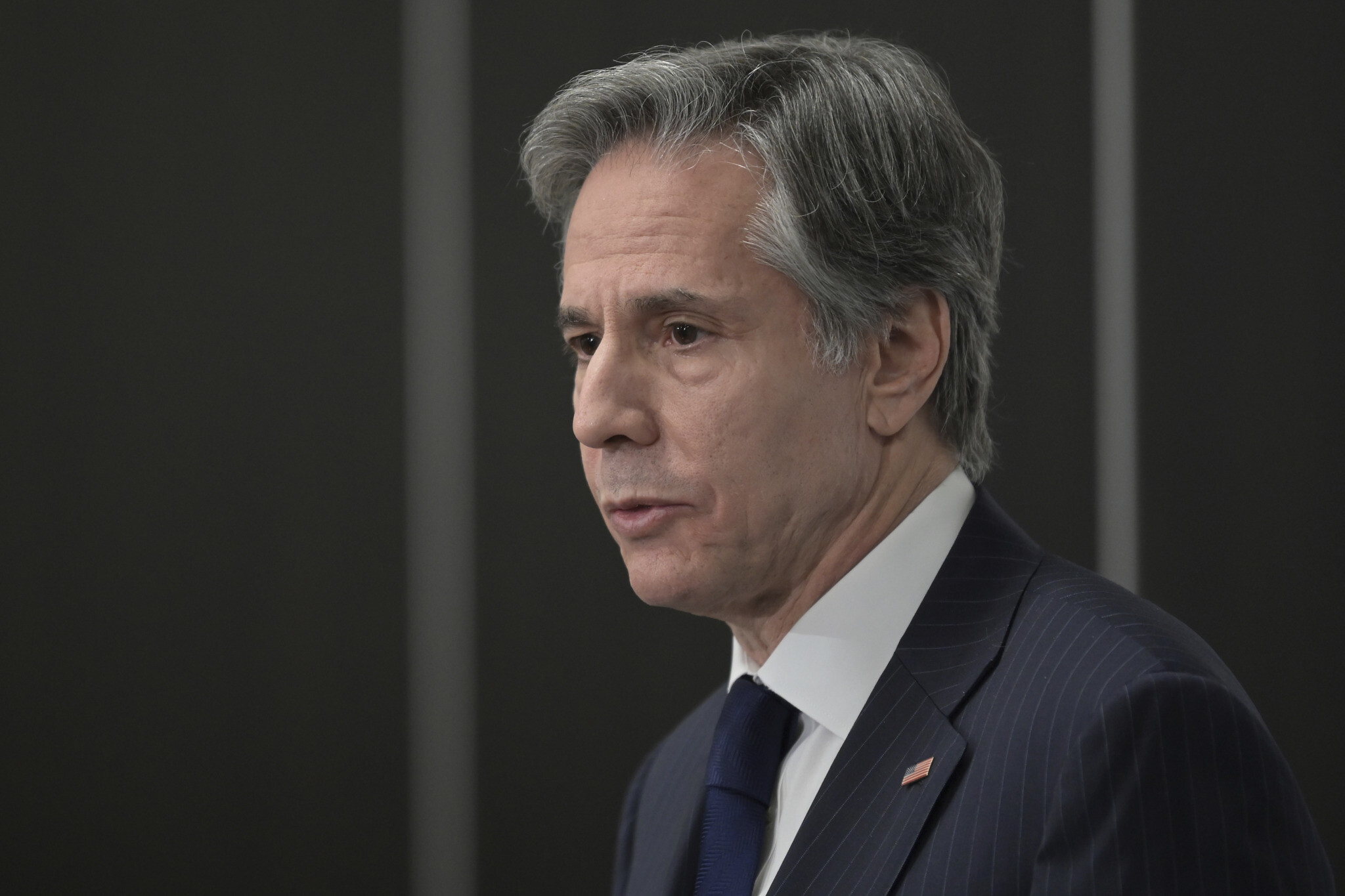
US Secretary of State Antony Blinken attends a press conference during an Organization for Security and Co-operation in Europe (OSCE) meeting, in Stockholm, Sweden, Thursday, Dec. 2, 2021. (Jonathan Nackstrand/Pool Photo via AP)

US Secretary of State Antony Blinken attends a press conference during an Organization for Security and Co-operation in Europe (OSCE) meeting, in Stockholm, Sweden, Thursday, Dec. 2, 2021. (Jonathan Nackstrand/Pool Photo via AP)

United States Secretary of State Antony Blinken said Friday that this week’s round of negotiations between world powers and Iran in Vienna was halted because Tehran does not seem to be serious about reaching an agreement with the US that would see a joint return to compliance with the nuclear agreement.

“What we’ve seen in the last couple of days is that Iran right now does not seem to be serious about doing what’s necessary to return to compliance, which is why we ended this round of talks in Vienna,” Blinken told Reuters.

The secretary of state said the US would now consult with its allies, including Israel, on how best to move forward. “And we will see if Iran has any interest in engaging seriously, but the window is very, very tight.”

Blinken also reiterated a warning Washington had made numerous times in recent months, that the Biden administration will not allow Iran to drag out the negotiation process — already in its seventh round — all while advancing its nuclear program. “If the path to a return to compliance with the agreement turns out to be a dead-end, we will pursue other options,” Blinken said, while declining to detail what those options are.

He also noted that the sides had made “real progress” in the first six rounds of talks that were held before hardline Iranian President Ebrahim Raisi entered office, leading to a major hiatus in the negotiations.Get The Times of Israel’s Daily Editionby email and never miss our top storiesNewsletter email addressGET ITBy signing up, you agree to the terms

The latest round of talks began on Monday between the E3 (Britain, France and Germany), Iran, China and Russia, with the United States participating indirectly. The talks were paused on Friday afternoon, for diplomats to consult with their governments while they evaluated two drafts submitted by Iran that appeared to undo all of the progress of previous rounds.

Some officials said talks would reconvene next week, while French President Emmanuel Macron warned there could be a longer break in the talks.

Blinken gave no timeframe for the pause in talks.https://www.youtube.com/embed/me6jq0IcSeI?start=1208&feature=oembed

Earlier Friday, White House press secretary Jen Psaki also said that the US assessment from this week’s negotiations is that Iran is not interested in resolving nuclear issues and that a solution would require a commitment from Iran.

Diplomats are aiming to revive the 2015 nuclear deal known as the Joint Comprehensive Plan on Action, which began unraveling in 2018 when then-US president Donald Trump pulled out of the deal and reimposed sanctions, prompting Iran to start exceeding limits on its nuclear program the following year.

European diplomats expressed “disappointment and concern” on Friday after five days of international negotiations in Vienna as Iran submitted two draft proposals that appeared to undo months of dialogue.

Senior diplomats from the E3 group expressed “disappointment and concern after thoroughly and carefully analyzing Iranian proposed changes to the text negotiated during the previous six rounds,” which took place earlier this year.

“Tehran is walking back almost all of the difficult compromises crafted after many months of hard work,” they said, adding that the Iranian delegation had demanded “major changes.”

They went on to say it was “unclear how these new gaps can be closed in a realistic timeframe.”

The diplomats said the delegations needed to “return to capitals to assess the situation and seek instructions, before reconvening next week to see whether gaps can be closed or not.”

“Our governments remain fully committed to a diplomatic way forward. But time is running out,” they said.

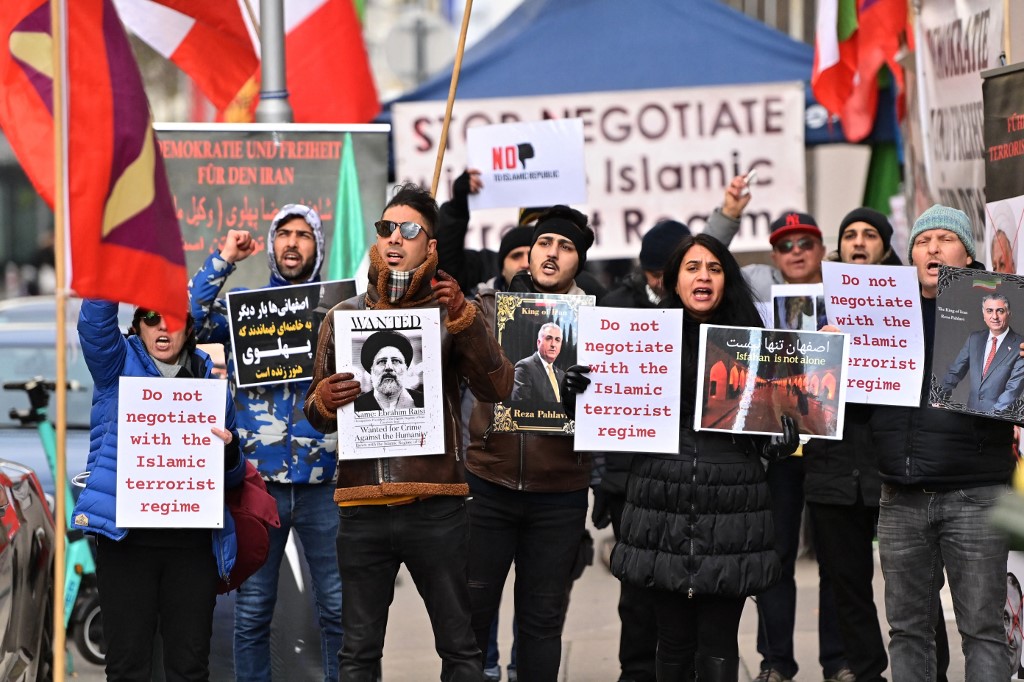
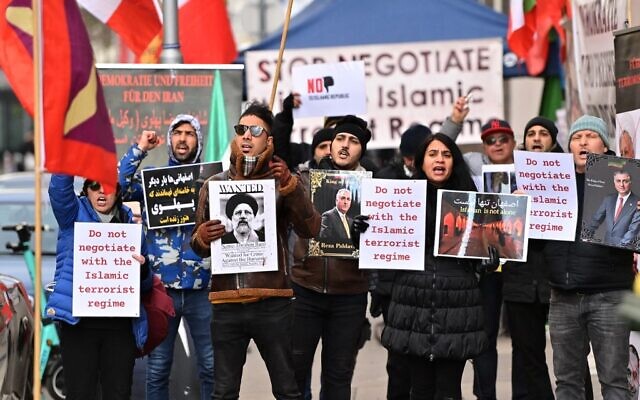
Iran said on Thursday it had submitted two draft proposals for the nuclear agreement.Iranian exiles and supporters of monarchy shout slogans during a demonstration near the Coburg palace during a meeting of the Joint Comprehensive Plan of Action (JCPOA) in Vienna, on December 3, 2021. (Joe Klamar/AFP)
On Thursday, Iran’s lead negotiator Ali Bagheri said the proposals concerned two main issues facing the JCPOA.

“The first document sums up the Islamic republic’s point of view concerning the lifting of sanctions, while the second is about Iran’s nuclear actions,” Bagheri told state television.

“Now the other side must examine these documents and prepare itself to hold negotiations with Iran based on these documents.”

An E3 diplomat told Israel’s Walla news that the draft on sanctions relief was extreme and maximalist, with the Iranians increasing their sanctions relief demands in comparison to agreements reached with the Rouhani government last June.

The diplomat also told Walla that Iran had backtracked on the nuclear draft too, removing all the previously agreed compromise language on steps to roll back its nuclear program.

AFP contributed to this report
Europeans express dismay as Iran walks back compromises at Vienna nuke talks

December 3, 2021


Negotiators say 2 proposals submitted by Tehran undo months of work at previous rounds of talks, ‘time is running out’ for diplomacy; Macron: renewal of talks could be delayed

By AFP and TOI STAFFToday, 5:54 pm  

Iranian exiles and supporters of monarchy shout slogans during a demonstration near the Coburg palace during a meeting of the Joint Comprehensive Plan of Action (JCPOA) in Vienna, on December 3, 2021. (Joe Klamar/AFP)

Iranian exiles and supporters of monarchy shout slogans during a demonstration near the Coburg palace during a meeting of the Joint Comprehensive Plan of Action (JCPOA) in Vienna, on December 3, 2021. (Joe Klamar/AFP)

European diplomats expressed “disappointment and concern” on Friday after five days of international negotiations in Vienna on reviving the 2015 Iran nuclear deal after Iran submitted two draft proposals that appeared to undo months of dialogue.

Senior diplomats from the E3 group of Britain, France and Germany expressed “disappointment and concern after thoroughly and carefully analyzing Iranian proposed changes to the text negotiated during the previous six rounds,” which took place earlier this year.

“Tehran is walking back almost all of the difficult compromises crafted after many months of hard work,” they said, adding that the Iranian delegation had demanded “major changes.”

They went on to say it was “unclear how these new gaps can be closed in a realistic timeframe.”

The latest round of talks began on Monday between the E3, Iran, China and Russia, with the United States participating indirectly.Get The Times of Israel’s Daily Editionby email and never miss our top storiesNewsletter email addressGET ITBy signing up, you agree to the terms

Diplomats were aiming to revive the 2015 deal, which began unraveling in 2018 when then-US president Donald Trump pulled out of the deal and reimposed sanctions, prompting Iran to start exceeding limits on its nuclear program the following year.https://platform.twitter.com/embed/Tweet.html?dnt=true&embedId=twitter-widget-0&features=eyJ0ZndfZXhwZXJpbWVudHNfY29va2llX2V4cGlyYXRpb24iOnsiYnVja2V0IjoxMjA5NjAwLCJ2ZXJzaW9uIjpudWxsfSwidGZ3X2hvcml6b25fdHdlZXRfZW1iZWRfOTU1NSI6eyJidWNrZXQiOiJodGUiLCJ2ZXJzaW9uIjpudWxsfSwidGZ3X3NwYWNlX2NhcmQiOnsiYnVja2V0Ijoib2ZmIiwidmVyc2lvbiI6bnVsbH19&frame=false&hideCard=false&hideThread=false&id=1466757650742403072&lang=en&origin=https%3A%2F%2Fwww.timesofisrael.com%2Feuropeans-express-dismay-as-iran-walks-back-compromises-at-vienna-nuke-talks%2F&sessionId=bd3d86b81c44975e9c1d03228b3e3b84908bf587&siteScreenName=timesofisrael&theme=light&widgetsVersion=9fd78d5%3A1638479056965&width=550px

The diplomats said the delegations needed to “return to capitals to assess the situation and seek instructions, before reconvening next week to see whether gaps can be closed or not.”

“Our governments remain fully committed to a diplomatic way forward. But time is running out,” they said.

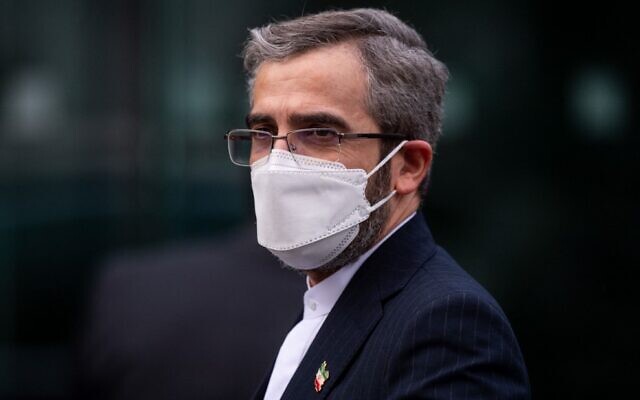
Iran said on Thursday it had submitted two draft proposals for the nuclear agreement.Iran’s chief nuclear negotiator, Ali Bagheri, arrives at the Coburg Palais in Vienna for nuclear talks, on November 29, 2021. (Vladimir Simicek/AFP)
On Thursday, Iran’s lead negotiator Ali Bagheri said the proposals concerned two main issues facing the 2015 accord known as the Joint Comprehensive Plan of Action, or JCPOA.

“The first document sums up the Islamic republic’s point of view concerning the lifting of sanctions, while the second is about Iran’s nuclear actions,” Bagheri told state television.

“Now the other side must examine these documents and prepare itself to hold negotiations with Iran based on these documents.”

Extreme and maximalist

An E3 diplomat told Israel’s Walla news that the draft on sanctions relief was extreme and maximalist, with the Iranians increasing their sanctions relief demands in comparison to agreements reached with the Rouhani government last June.

The talks had resumed in the Austrian capital on Monday after Iran paused them in June following the election of ultraconservative President Ebrahim Raisi.

The diplomat also told Walla that Iran had backtracked on the nuclear draft too, removing all the previously agreed upon compromise language on steps to roll back their nuclear program.https://platform.twitter.com/embed/Tweet.html?dnt=true&embedId=twitter-widget-1&features=eyJ0ZndfZXhwZXJpbWVudHNfY29va2llX2V4cGlyYXRpb24iOnsiYnVja2V0IjoxMjA5NjAwLCJ2ZXJzaW9uIjpudWxsfSwidGZ3X2hvcml6b25fdHdlZXRfZW1iZWRfOTU1NSI6eyJidWNrZXQiOiJodGUiLCJ2ZXJzaW9uIjpudWxsfSwidGZ3X3NwYWNlX2NhcmQiOnsiYnVja2V0Ijoib2ZmIiwidmVyc2lvbiI6bnVsbH19&frame=false&hideCard=false&hideThread=false&id=1466709291616944128&lang=en&origin=https%3A%2F%2Fwww.timesofisrael.com%2Feuropeans-express-dismay-as-iran-walks-back-compromises-at-vienna-nuke-talks%2F&sessionId=bd3d86b81c44975e9c1d03228b3e3b84908bf587&siteScreenName=timesofisrael&theme=light&widgetsVersion=9fd78d5%3A1638479056965&width=550px

“The Iranians have been told their proposals are not serious and they are to go back to Tehran and get further instructions,” the diplomat said.

Iran’s semi-official ISNA news agency said the talks would “most likely” resume on Monday but French President Emmanuel Macron warned there could be a longer break in the talks, which only resumed on November 29 after a five-month break.

Speaking on a visit to the United Arab Emirates, just across the Gulf from Iran, the French president said it “should not be excluded” that this round of talks “does not reopen swiftly.”

Including the Gulf states and Israel

However, in comments likely to please his Gulf hosts but anger Iran, Macron said a broader framework might benefit the talks on bringing Washington back into the deal.

He appeared to suggest bringing the Gulf states and even Israel into the talks, although having Iranian and Israeli envoys at the same table appears almost impossible.

“I think everyone is conscious of the fact that not talking, not trying to find a new framework on both nuclear and regional issues, weakens everybody and is a factor in increasing confliction,” the French president said.

“It is also important to reengage a slightly broader dynamic and involve regional powers as well,” he added.

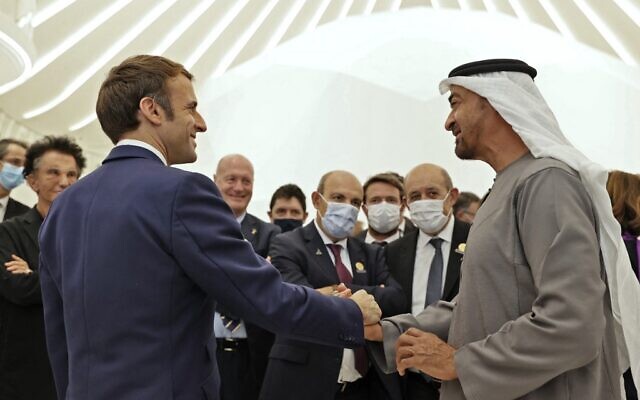
“It is difficult to reach an agreement if the Gulf states, Israel and all those whose security is directly affected are not involved.”French President Emmanuel Macron (L) is greeted by Abu Dhabi’s Crown Prince Mohammed bin Zayed al-Nahyan during his tour of the French pavillion at the Dubai Expo on the first day of his Gulf tour, on December 3, 2021. (Thomas Samson/AFP)

On Thursday, Prime Minister Naftali Bennett called for an “immediate cessation” of the nuclear talks, accusing Iran of “nuclear blackmail.”

In a phone call with US Secretary of State Antony Blinken, Bennett called instead for “concrete measures” to be taken against the Islamic republic.

The goal of the JCPOA is to make it practically impossible for Iran to build an atomic bomb, while allowing it to pursue a civilian nuclear program. Iran denies wanting a nuclear arsenal.

Blinken said Thursday it was not too late for Iran to revive its nuclear deal with world powers, but cautioned that hopes for the success of the talks were wearing thin.

“I think in the very near future, the next day or so, we’ll be in a position to judge whether Iran actually intends now to engage in good faith,” Blinken told reporters in Stockholm on the sidelines of a meeting of the Organization for Security and Co-operation in Europe. “I have to tell you, recent moves, recent rhetoric, don’t give us a lot of cause for optimism.”

“But even though the hour is getting very late, it is not too late for Iran to reverse course,” Blinken added.

Mossad head vows no Iran nukes ‘ever,’ as credibility of military option scrutinized

December 3, 2021

David Barnea says agency will ‘do everything needed to alleviate threat,’ but air force head won’t say if Israel can destroy Iran’s program and report claims IDF has no strike plan

By TOI STAFF2 December 2021, 11:27 pm  

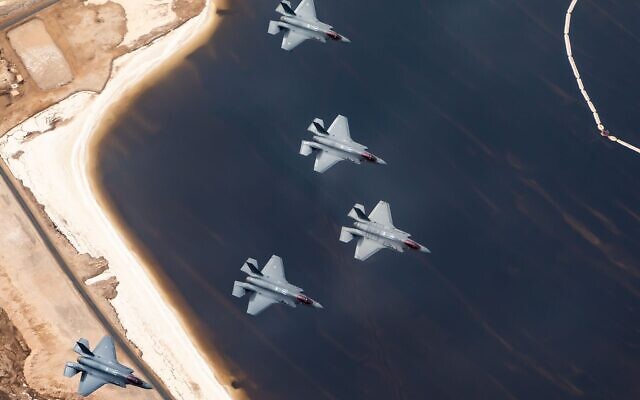
Israeli F-35 fighter jets fly in formation during the military's Blue Flag exercise in October 2021. (Israel Defense Forces)

Israeli F-35 fighter jets fly in formation during the military’s Blue Flag exercise in October 2021. (Israel Defense Forces)

The head of the Mossad spy agency said Thursday that a bad nuclear deal between world powers and Iran would be “intolerable” for Israel, vowing that the Islamic Republic will never acquire nuclear weapons.

“It’s clear that there’s no need for uranium enriched to 60 percent for civilian purposes,” David Barnea said during a ceremony at the President’s Residence to honor exceptional Mossad agents. “There’s no need for three enrichment sites. There’s no need for thousands of active centrifuges — unless, that is, there is an intention to develop nuclear weapons.”

“A bad deal, which I hope will not be made, is intolerable to us,” he added. “Iran is striving for regional hegemony, wages terrorism that we are blocking every day around the world, and is continuously threatening stability in the Middle East.”

“Our eyes are open, we are prepared, and we will do with our partners in the security establishment everything that is necessary to alleviate the threat against Israel and thwart it by any means,” Barnea said.

“Iran will not have nuclear weapons — not in the coming years, not ever. That is my promise, that is Mossad’s promise.”Get The Times of Israel’s Daily Editionby email and never miss our top storiesNewsletter email addressGET ITBy signing up, you agree to the terms

Barnea’s comments came as negotiations resumed in Vienna between Iran and world powers on restoring the 2015 agreement that limited Tehran’s nuclear program in exchange for sanctions relief.From left to right: Prime Minister Naftali Bennett, President Isaac Herzog and Mossad chief David Barnea light Hanukkah candles at the President’s Residence in Jerusalem, December 2, 2021. (Haim Zach/GPO)

Israel vocally opposed that deal and has urged the Biden administration — which is seeking to rejoin the accord — to end the talks, charging that Iran is using the negotiations to buy time to advance its nuclear work.

Iran is currently enriching uranium to 60% purity, which is just a short technical jump from weapons-grade, and far exceeds the cap set in the 2015 nuclear deal. There is no civilian use for 90% enriched uranium.

Israel has lobbied for its allies to scrap the 2015 deal altogether, instead seeking a better arrangement or heavy sanctions backed by a credible military threat.In this image made from April 17, 2021, video released by the Islamic Republic Iran Broadcasting, IRIB, state-run TV, various centrifuge machines line the hall damaged on April 11, 2021, at the Natanz Uranium Enrichment Facility, some 200 miles (322 km) south of the capital Tehran. (IRIB via AP, File)
Asked about plans for a potential strike on Iranian nuclear sites during a rare television interview aired Thursday, Air Force head Maj. Gen. Amikam Norkin said the IDF was prioritizing preparations for such a possibility.

However, he did not directly respond when asked by Channel 13 news if the air force can fully neutralize the threat of a nuclear Iran.

“We always need to be ready with a military option and therefore this has become high priority,” he said.

“We make mistakes; we’re improving,” said Norkin, while remaining evasive when asked about the Israeli Air Force’s capabilities and the immediate threat posed by Iran.

Norkin compared Israel to an “insurance policy” against Iran obtaining a nuclear bomb. Asked if that insurance policy would need to be exercised, he said: “We’ll do whatever is required.”Israeli Air Force chief Maj. Gen. Amikam Norkin speaks in a television interview on December 2, 2021 (Channel 13 screenshot)

The Walla news site reported Thursday that Israel does not currently have operative plans to strike Iran’s nuclear program.

The report, which did not cite sources, said the military was working on plans of action should a strike become necessary, but that training for such a mission has not yet begun, and will take several months to complete.

Once those are complete, the Israel Defense Forces will be able to provide Israeli leaders with a detailed military option, the report said.

Earlier this week, Foreign Minister Yair Lapid told French President Emmanuel Macron that only a credible military threat will stop Iran’s nuclear program. Senior Israeli officials have blitzed their counterparts in the US, UK, France and Germany in recent days in a bid to lobby against nuclear talks with Iran, which kicked off Monday after an extended hiatus.

The Biden administration has repeatedly reiterated its desire to return to the 2015 agreement, known as the Joint Comprehensive Plan of Action, which former president Donald Trump exited. Following its exit, the US began reinstating sanctions on Tehran while Iran began to openly breach the deal’s terms.

The Biden administration has repeatedly said that it would only lift sanctions in return for concrete and evident changes in Iran’s behavior, and that not all sanctions would be lifted.

War: What Israel talks about when it talks about striking Iran’s nuclear program | The Times of Israel

December 3, 2021

Israeli officials have regularly called for a ‘credible military threat’ against Tehran’s nuclear facilities, but less discussed is the major conflict that’s almost sure to follow

By JUDAH ARI GROSSToday, 6:40 am  

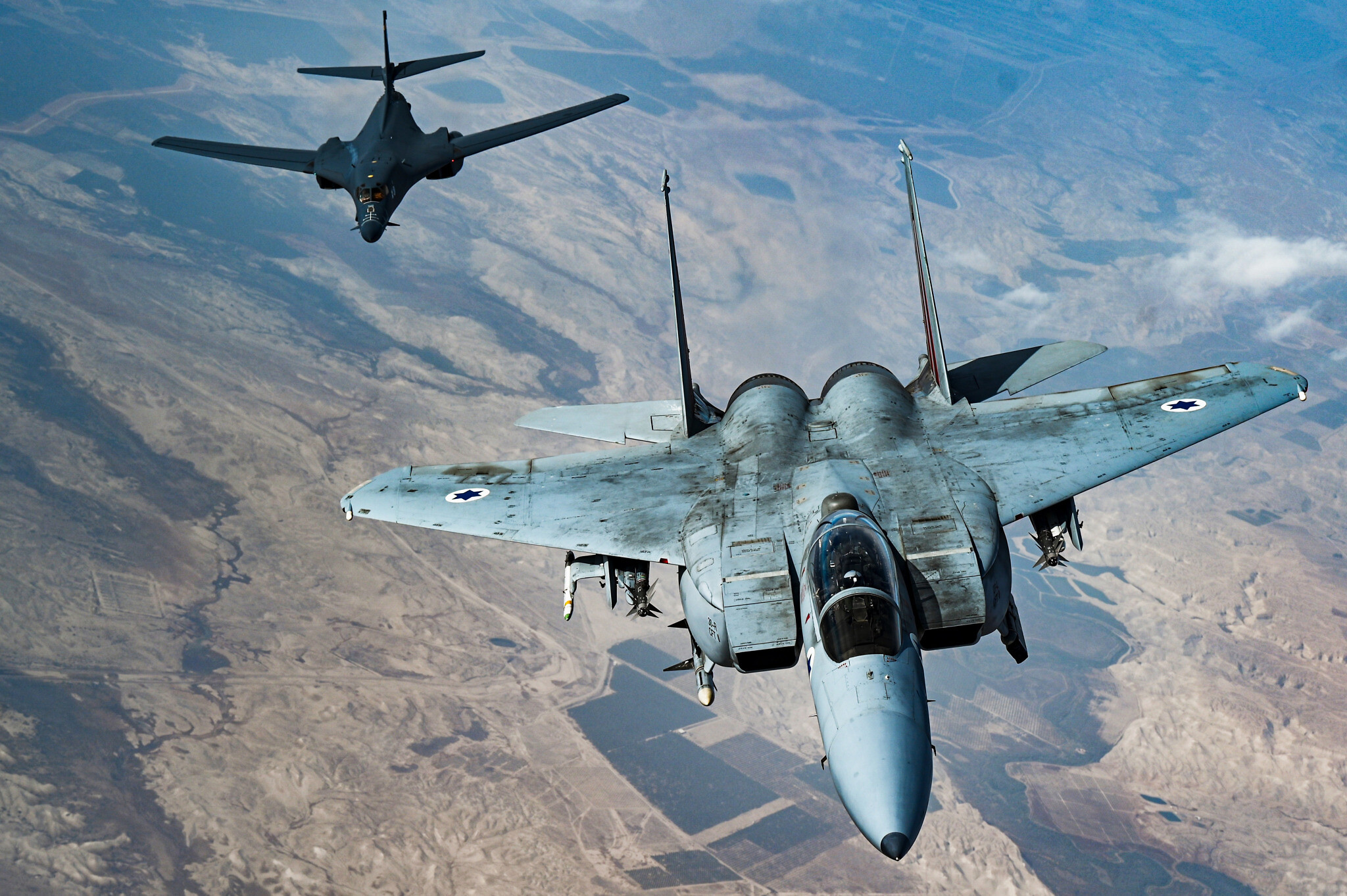
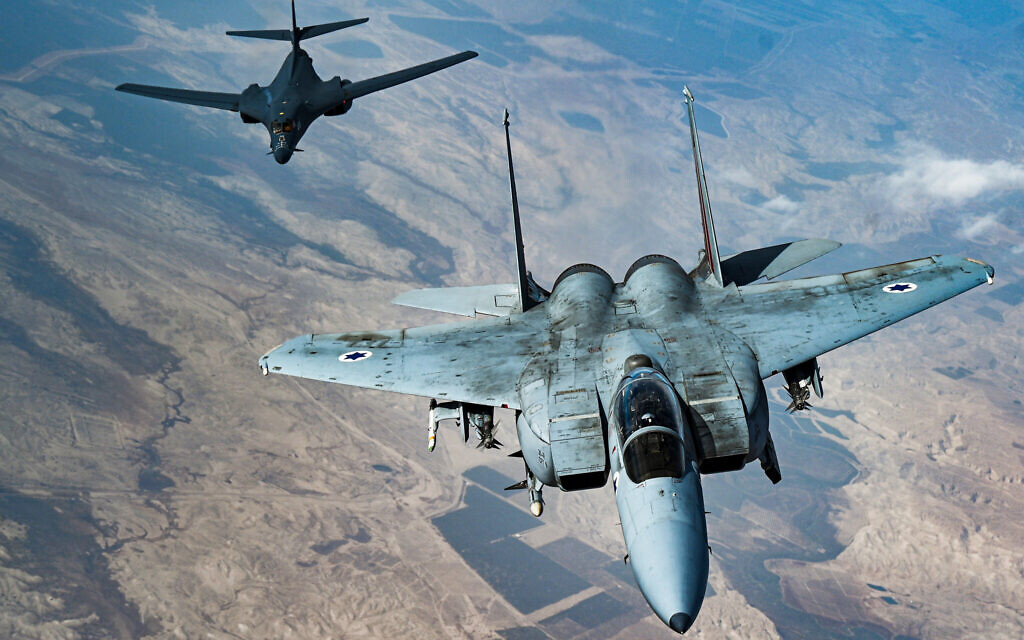
In this photo released by the US Air Force, an Israeli Air Force F-15 Strike Eagle flies in formation with a US Air Force B-1B Lancer over Israel as part of a deterrence flight Saturday, Oct. 30, 2021. (US Air Force/Senior Airman Jerreht Harris via AP)

In this photo released by the US Air Force, an Israeli Air Force F-15 Strike Eagle flies in formation with a US Air Force B-1B Lancer over Israel as part of a deterrence flight Saturday, Oct. 30, 2021. (US Air Force/Senior Airman Jerreht Harris via AP)

Nearly one year ago, IDF chief Aviv Kohavi stood on stage at an Institute for National Security Studies conference in Tel Aviv and announced that he had ordered the military to begin preparing renewed plans for a strike on Iran’s nuclear program.

“Iran can decide that it wants to advance to a bomb, either covertly or in a provocative way. In light of this basic analysis, I have ordered the IDF to prepare a number of operational plans, in addition to the existing ones. We are studying these plans and we will develop them over the next year,” Kohavi said.

He added: “The government will of course be the one to decide if they should be used. But these plans must be on the table, in existence and trained for.”

Since then, the IDF has done just that, with the air force and Military Intelligence, in particular, preparing themselves for such an operation, stepping up training exercises and focusing tremendous resources on intelligence collection. Billions of additional shekels have been poured into the defense budget specifically to prepare for strikes against Iran’s nuclear facilities.

And over the past year, Israeli officials have regularly repeated calls for what they describe as a “credible military threat” against Iran’s nuclear program, in speeches, press conferences, media interviews and private meetings with allies, arguing that it is necessary in order to gain leverage in the ongoing negotiations with the Islamic Republic over its nuclear program.Get The Times of Israel’s Daily Editionby email and never miss our top storiesNewsletter email addressGET ITBy signing up, you agree to the terms

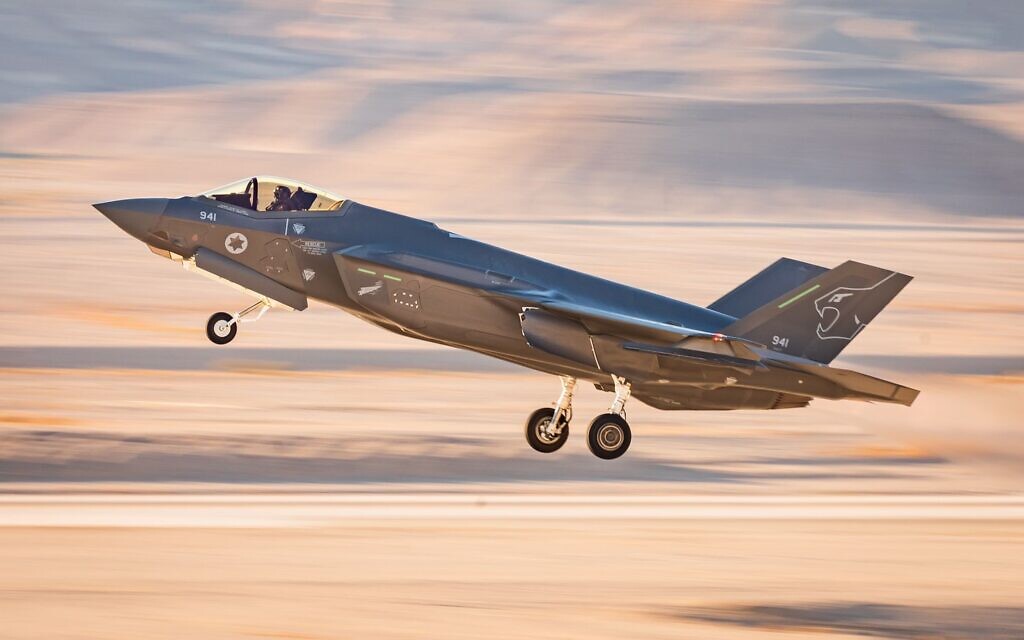
By its own estimates, the IDF is still at least months away from being fully prepared to conduct such a strike, though officials say that a more limited version of its plans could be carried out sooner.An Israeli F-35 fighter jet takes off during the military’s Blue Flag exercise in October 2021. (Israel Defense Forces)
But the focus of these discussions has generally been on the strike itself against Iran’s nuclear facilities, an operation that would indeed be far, far more complicated and difficult than any other the IDF has conducted, including its raids to target Iraq’s nuclear reactor in 1981 and Syria’s in 2007.

In each of those missions — Operation Opera and Operation Outside the Box — a single sortie containing a relatively small number of fighter jets conducted the bombing. But unlike in both of those cases, Iran does not have one nuclear facility that one group of planes could take out in a single strike, but many that are spread throughout the country, which would therefore require extraordinary levels of coordination to ensure that all of the sites were hit at the same time.

Making this more difficult is the fact that many of the facilities are buried deep underground, making them all but impenetrable to attacks from the air, particularly the Fordo reactor, where Iran recently began enriching uranium to 20 percent levels of purity with advanced centrifuges, in the latest breach of the 2015 nuclear deal.

The United States does have the massive bunker-busting ordnances needed to strike such facilities — the 13,600-kilogram (30,000-pound) GBU-57 Massive Ordnance Penetrator (MOP) — but Washington has so far refused to provide them to Israel, not that selling the incredibly heavy bomb to Jerusalem would do much good as the Israeli Air Force does not have an aircraft capable of carrying it, nor does it even have the airfield infrastructure needed to support the aircraft that could carry it.

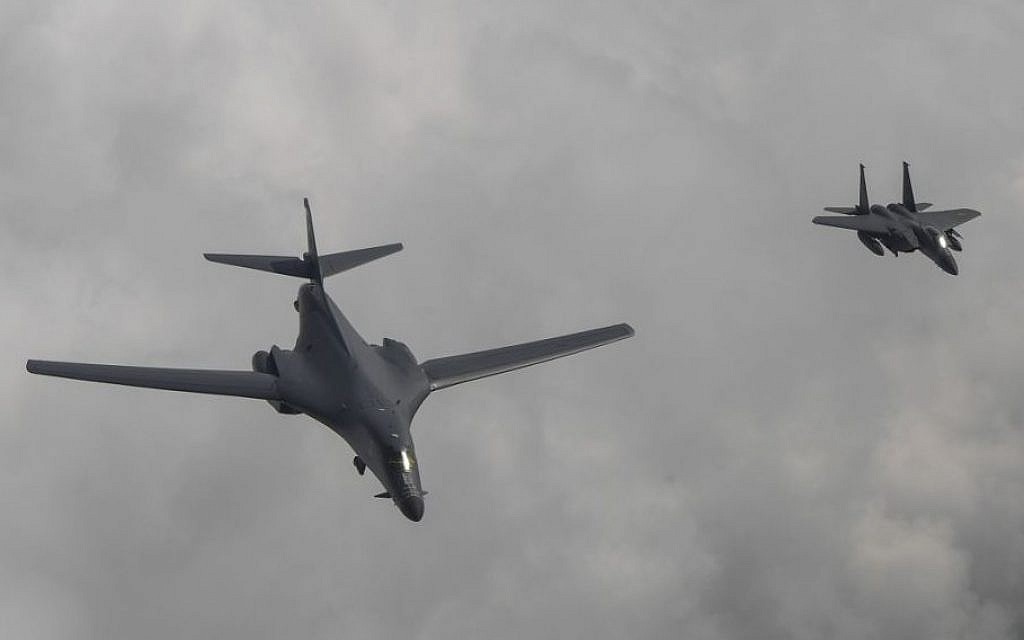
(To circumvent these limitations and to demonstrate the seriousness of an Israeli threat of attack, some current and former officials in the US have floated the idea of selling or leasing to Israel one of the three American heavy bombers capable of carrying the MOP — the B-52, B-1, or B-2 — though doing so faces a number of legal and logistical challenges, as the B-52 and B-2 are both effectively barred from sale under America’s New START treaty with Russia and the B-1 may also not be fully capable of containing the MOP within its bomb bays.)Illustrative: A US Air Force B-1B bomber, left, flies with a South Korean fighter jet F-15K over the Korean Peninsula, South Korea, Sunday, July 30, 2017 (South Korea Defense Ministry via AP)
Iran has also invested heavily in its air defenses, both purchasing advanced systems from Russia and developing its own domestically produced capabilities.

But while the complexities of such an operation should not be overstated, they are ultimately problems that can be resolved with enough time and resources.

Though Israeli officials are willing to discuss the efforts to overcome these challenges and develop the capabilities needed to conduct such a strike, typically left unmentioned is what happens afterward, which is of far greater significance.

In 1981 and in 2007, there was effectively no immediate retaliation by Iraq and Syria, respectively, though Baghdad’s response did come a decade later — to a certain extent — with its Scud missile attacks on Israel during the First Gulf War. This is not expected to be the case with Iran, several Israeli defense officials have told The Times of Israel.

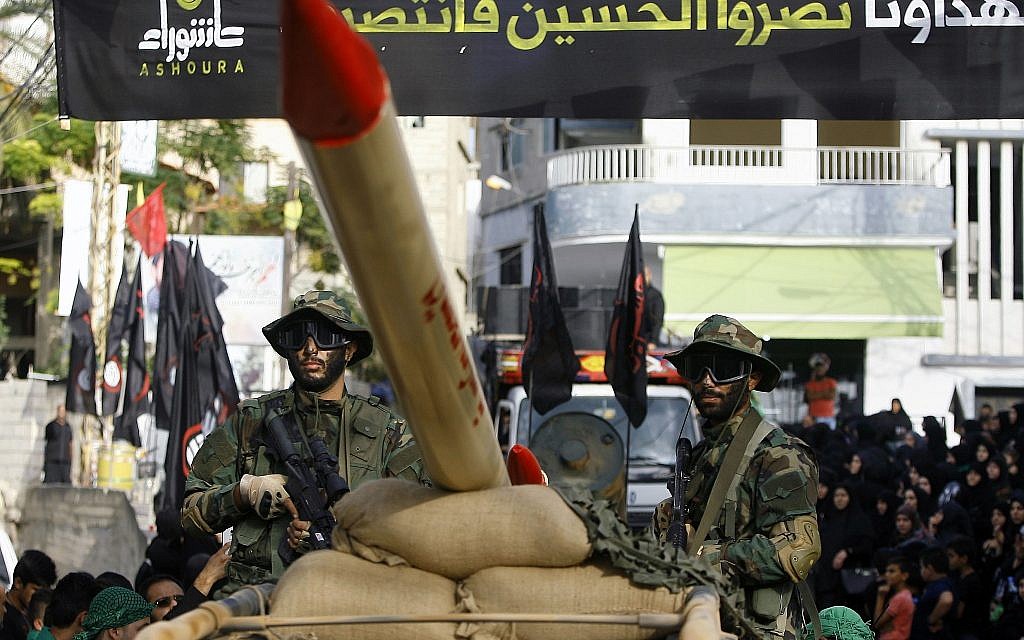
For decades, Tehran has been building up a number of proxies throughout the region, the most formidable of which is Lebanon’s Hezbollah, a terrorist group with an arsenal of rockets, missiles and mortar shells that matches and even surpasses many Western states. These foreign proxies are meant to insulate Iran from attack from its enemies. To wit: Israel can’t attack Iran if it is busy fighting off rocket fire and invasion attempts by Hezbollah from Lebanon, and Saudi Arabia similarly couldn’t attack Iran if it were facing the Houthis in Yemen.Hezbollah fighters stand atop a car mounted with a mock rocket, as they parade during a rally to mark the seventh day of Ashoura, in the southern village of Seksakiyeh, Lebanon, in this October 9, 2016 photo. (Mohammed Zaatari/AP)
The Israeli military firmly believes that this network of proxies would be brought to bear against Israel if it conducts a strike on Iran’s nuclear facilities. And Israeli projections for what a war against Hezbollah and allied militias in the region would look like are unnerving: thousands of projectiles raining down on Israeli population centers, hundreds killed, severe damage to infrastructure and major utilities knocked out of service.

That is not to say that Israel would never conduct a strike on Iran for fear of attack from its proxies, but that any decision to do so would have to be weighed not against the military’s ability to carry out the operation, but against the potentially devastating prospects of what would follow the raid.

“The military option needs to be on the table. It is, of course, the last thing that we want to use, but we don’t have the luxury of not preparing ourselves for the options,” Defense Minister Benny Gantz said Thursday, in an on-camera interview with the Ynet news site.

Jerusalem’s concern is that a nuclear-armed or even nuclear threshold Iran would be able to act with even greater impunity in the region, arming its proxies and more deeply entrenching itself in Syria, Lebanon, Yemen and Iraq.

But Israeli officials have been loath to set a specific condition under which it would conduct a strike. This is due, in part, to the fact that the considerations lie not only in Iran’s capabilities, but to the balance between the threats facing Israel and Israel’s ability to counter them.

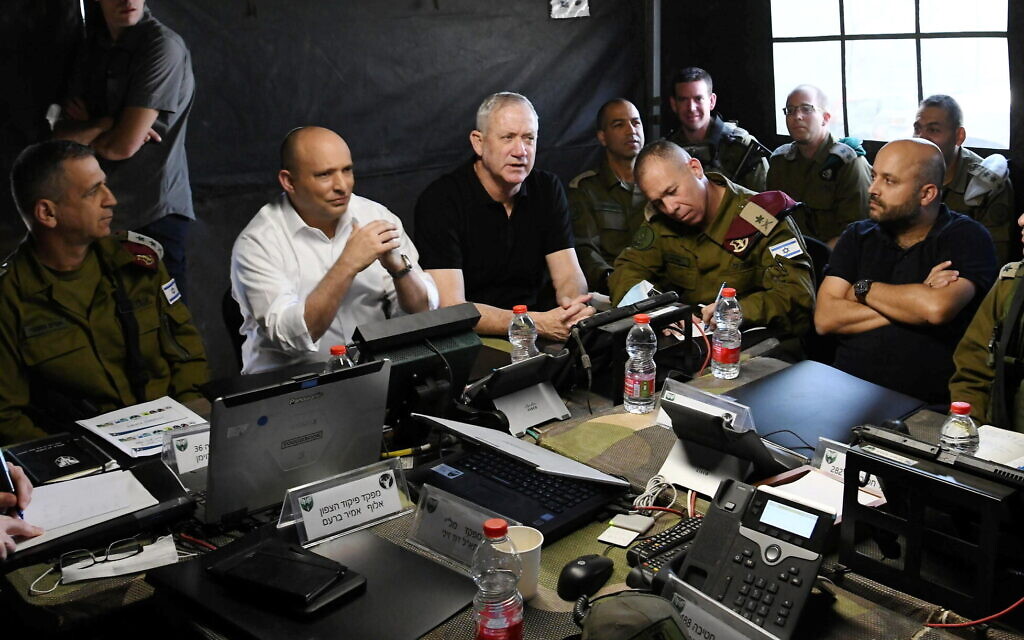
Asked if uranium enrichment to the level of 90 percent purity — generally regarded as “weapons-grade” — would prompt an Israeli attack, Gantz refused to comment on Thursday.From left to right: IDF Chief of Staff Aviv Kohavi, Prime Minister Naftali Bennett and Defense Minister Benny Gantz attend a military drill in northern Israel on November 16, 2021. (Amos Ben-Gershom/GPO)

“I don’t like setting red lines that afterward I’d have to come and explain myself [if I didn’t uphold them]. We are tracking the Iranian process every day. There will be a point in time when the world, the region, and the State of Israel will have no choice but to act,” he said.

The Israel Defense Forces have been making strides to prepare itself for the multi-front war that is liable to follow a strike on Iran, holding a number of large-scale exercises simulating such a conflict in recent months and investing roughly NIS 1 billion ($315 million) toward training for next year. The military is also working to improve its air defenses, particularly in northern Israel, in an effort to prevent the worst of the damage from rocket barrages and drone strikes in a future conflict.

But the propensity of Israeli officials to discuss the technical aspects of an attack on Iran’s nuclear facilities belies the true calculus at play in deciding whether to carry it out: it’s not about the strike, but the war that follows.

Iran — the gamble, the original sin, and the unthinkable current consequence

December 2, 2021

Nothing short of a credible military threat — and certainly not negotiations with a US leadership anxious to revive a failed accord — will deter the ayatollahs’ nuclear drive now

By DAVID HOROVITZToday, 6:03 am  

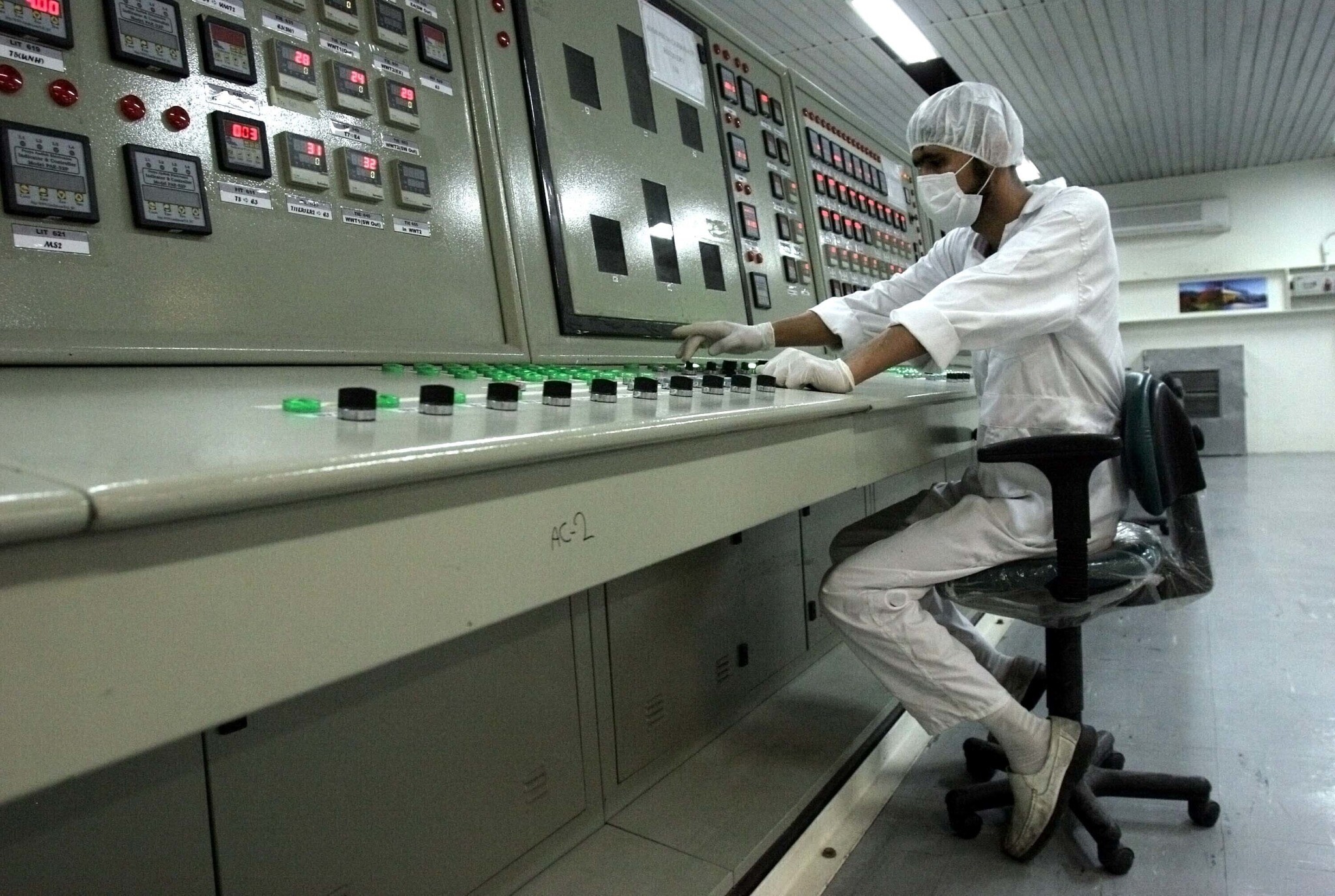
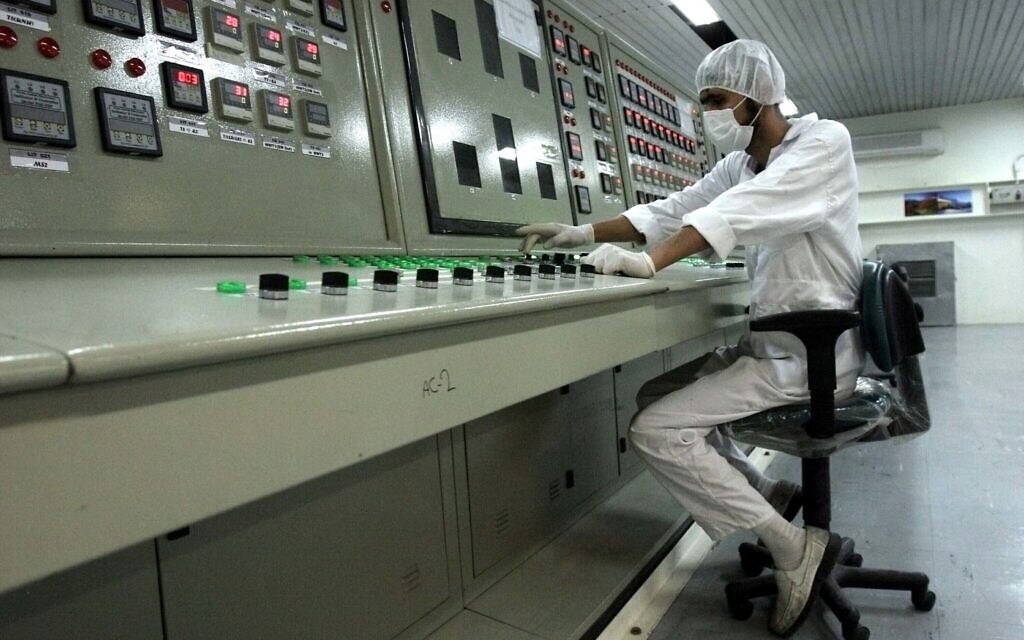
A technician works at the Uranium Conversion Facility just outside the city of Isfahan, Iran, 255 miles (410 kilometers) south of the capital Tehran, Iran, Feb. 3, 2007. (AP Photo/Vahid Salemi, file)

A technician works at the Uranium Conversion Facility just outside the city of Isfahan, Iran, 255 miles (410 kilometers) south of the capital Tehran, Iran, Feb. 3, 2007. (AP Photo/Vahid Salemi, file)

Having failed in his high-profile efforts to dissuade the Obama administration from sealing the radically inadequate 2015 deal with Iran, prime minister Benjamin Netanyahu’s subsequent strategy for thwarting the ayatollahs’ nuclear weapons drive relied on a series of calculated judgments or, perhaps more accurately, gambles.

First, Netanyahu encouraged the Trump administration’s withdrawal from the accord, and its imposition of “maximum pressure” sanctions, in the belief or hope that a combination of economic pressure, consequent domestic unrest, and the threat of US-led military action might compel the regime to set aside its bid for the bomb.

Second, he relied on the Trump administration being prepared to take military action, or support and help facilitate Israeli military action, if the point arrived where nothing else could halt Tehran’s military nuclear program — and if, in the curt, graphic summation of the late Mossad chief Meir Dagan, the sword was at our throat.

And self-evidently, by extension, Netanyahu bet on Donald Trump retaining the presidency, rather than losing out to a Democratic rival likely to seek to reinstate the 2015 JCPOA (Joint Comprehensive Plan of Action).

Needless to say, the strategy failed. A regime indifferent to the well-being of its citizenry so long as its hold on power was secure resisted the sanctions pressure and, predictably, began openly breaching the already lax parameters of the JCPOA. Allowed under the terms of the deal to keep many of its centrifuges and continue research on more effective models, it developed and installed some of those more efficient designs, and has gradually enriched increasing quantities of uranium to increasingly high levels — now a short hop away from weapons-grade.Get The Times of Israel’s Daily Editionby email and never miss our top storiesNewsletter email addressGET ITBy signing up, you agree to the terms

Breaching the deal’s porous clauses on UN inspections, Tehran has also restricted and even booted the International Atomic Energy Agency’s teams from some of the facilities that would have been dismantled under an effective agreement. Now nobody knows what the regime is up to in facilities that we are aware of, much less what progress it may be making on weaponization and delivery in facilities we know little or nothing about.US President Donald Trump, left, and Prime Minister Benjamin Netanyahu walk to a meeting in the Oval Office of the White House, January 27, 2020. (AP Photo/ Evan Vucci)

Netanyahu’s high-risk strategy was founded on the debatable but not untenable conviction that the bad 2015 deal was worse than no deal at all. What was untenable, but is acknowledged at the most senior levels of the Israeli security establishment, is that after the deal was signed, Israel failed to continually update its planning and training for a possible resort to force. And worse, that the political leadership did not allocate sufficient funding, and the security establishment did not mount sufficient pressure on its political masters, to ensure Israel was as ready and able as possible to militarily counter Iran’s ongoing march to the bomb after Trump withdrew from the deal in 2018 and the Iranians began openly breaching its terms.

Thus Israel today finds itself playing frantic military catch-up, rushing to develop fresh operational plans for thwarting an Iran that is widely assessed to be capable of enriching sufficient quantities of weapons-grade uranium for a bomb within weeks if it so chooses, and whose timescale for finalizing weaponization and delivery is anybody’s guess.US Vice President Joe Biden listens as President Barack Obama delivers remarks in the East Room of the White House in Washington, July 14, 2015, after an Iran nuclear deal is reached. (AP Photo/Andrew Harnik, Pool)

There should be no forgetting: The original sin, in the dismal saga of a genocidal regime’s march to the bomb and a feckless free world’s inability to thwart it, was that 2015 accord — whose incomplete provisions and sunset clauses failed to meet the vital objective: dismantling the rogue nuclear weapons program of a predatory regime that openly and relentlessly seeks the elimination of the State of Israel and threatens the free world, and ensuring that this program could not be resurrected.

The challenge now, as a consequence, is to thwart an emboldened and much-advanced, almost-nuclear Iran, starting from a far less promising negotiating position than was the case in 2015. But as the US and Iran resumed indirect negotiations in Vienna this week, there was no sign that the Biden administration — which has indicated a profound desire to return to that deficient accord — is willing to galvanize the kind of pressure that might give the ayatollahs pause.

For all its warm promises of solidarity with its great ally Israel, and Biden’s public commitment to Prime Minister Naftali Bennett in the Oval Office in August “to ensure Iran never develops a nuclear weapon,” the president and his team prefer to not even talk about a military option if diplomacy fails, choosing instead to speak vaguely of “other options.”Iran’s Supreme Leader Ayatollah Ali Khamenei, left, gives his official seal of approval to newly elected President Ebrahim Raisi in an endorsement ceremony in Tehran, Iran, August 3, 2021. (Office of the Iranian Supreme Leader via AP)

That goes to the root of the US-led refusal to fully internalize the nature of the enemy regime in Tehran and the dangers it poses. The regime halted much of its nuclear program in 2003, after the US invaded Iraq, fearing that it might be the Americans’ next target. Halted, not dismantled, as the Mossad’s breathtaking 2018 plunder of its Tehran nuclear weapons archive underlined.

Nothing short of a credible military threat — not maximum economic pressure, and certainly not indirect negotiations with a US administration that has its heart set on a deal — is going to deter the ideologically and territorially rapacious ayatollahs now.

And thus we lurch ever closer to the unthinkable denouement that Israel has tried for so long to warn the world against: the stark choice between a nuclear Iran and a desperate resort to military force to try to stop it.

Tehran is not looking for a new nuclear accord. Its enrichment is on fast forward – DEBKAfile

December 1, 2021

Iran nuclearuranium enrichmentVienna nuclear talks

Three days into the Vienna negotiations with world powers, Iran is plainly not after a new or revamped nuclear accord, DEBKAfile’s Iranian sources confirm – notwithstanding the large delegation in attendance. Tehran has made its intentions plain by three actions:

  1. Abandoning the ambiguity surrounding its nuclear program and frankly admitting for the first time that Tehran is intent on building a nuclear bomb.
  2. Iran’s 2022-2023 state budget provides for another two years of international sanctions, thereby taking aboard the economic consequences of weaponizing its nuclear program. Tehran is therefore not holding its breath for the prospect of sanctions relief.
  3. Extra-fast centrifuges are being pressed into service for the rapid accumulation of sufficient 60pc pure enriched uranium to fuel a number of nuclear warheads.

Tehran’s final admission of its true intent, after years of claiming that Islam only allows nuclear power for peaceful purposes, came from the highly authoritative Fereydun Abbasi-Davani, Chairman of Iran’s Atomic Agency. In a comment on the new round of nuclear talks launched in Vienna on Monday, he revealed that the late Mohsen Fakhrizadeh, the father of the national nuclear program, who was assassinated last year, “had created a nuclear weapons ‘system’ for offensive purposes.”  That was the cause of his death at Israel’s hands, the official added.

Sources close to Iran’s Revolutionary Guards enlarged on this statement, by saying: “Enemy sabotage, assassinations should be stopped by Iran cross[ing] several scientific lines as soon as possible, to show our capability and defend our people.” The “scientific lines” to be crossed refer to the nuclear threshold.

While most of the local media agree that the Vienna talks are likely to go nowhere, most have failed to cite these groundbreaking admissions by Iranian officials. They have instead highlighted the optimism voiced by the world powers facing Iran (Germany, UK, France, Russia, China – at the table and the US in a separate room) in the light of Iran’s willingness to start the talks from the point broken off in June.
This mood ignored the telling statement coming on Tuesday, Nov. 30 from another high-ranking Iranian official. Masud Mirkazemi, head of Iran’s national planning center. During his presentation of Iran’s new state budget to foreign minister Hossein Amir-Abdollahian, the planning expert explained that “given the reputation of Western countries, we’re not gong to keep the country waiting for another eight years of negotiations.” In other words, Tehran is pressing on with its plans regardless of the nuclear negotiations, on the assumption that they will drag on inconclusively for the foreseeable future.
There is every indication that Iran has embarked single mindedly on a crash program to improve and speed up uranium enrichment at the Natanz and Fordow plants. Due to this all-out effort, inspectors of the nuclear watchdog, the International Atomic Agency, are denied access to the Karaj site, where the extra-fast centrifuges are manufactured.