Archive for April 30, 2021

Israel’s ambassador to the US: We won’t be bound by Iran deal

April 30, 2021

After Biden says US coordinating with allies on reentering pact, Gilad Erdan says Washington respects Jewish state’s need for ‘freedom of action’
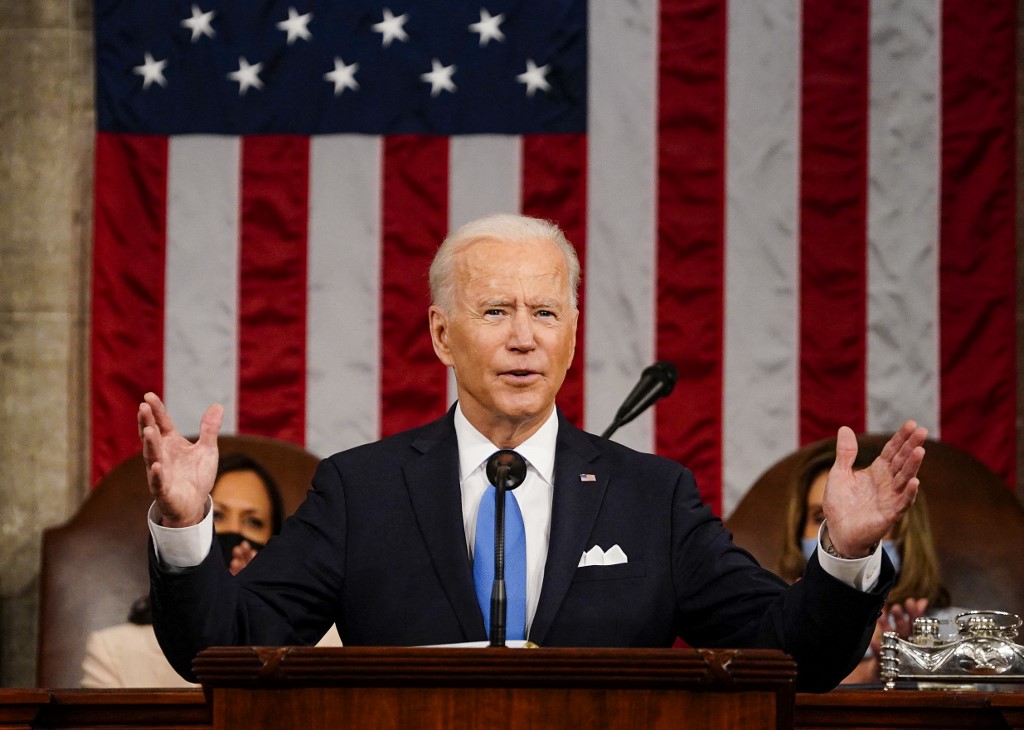
US President Joe Biden addresses a joint session of Congress at the US Capitol in Washington, DC, on April 28, 2021. (Melina Mara / POOL / AFP)

US President Joe Biden addresses a joint session of Congress at the US Capitol in Washington, DC, on April 28, 2021. (Melina Mara / POOL / AFP)

After US President Joe Biden made only brief mention of Iran’s nuclear program during his first speech to Congress, Israel’s Ambassador to the US Gilad Erdan said Thursday that Jerusalem will not allow its security to be dependent on or bound by an international agreement that it is not a party to.

Erdan’s comments came hours before he was slated to attend a meeting with Mossad spy agency chief Yossi Cohen and US Secretary of State Antony Blinken that was expected to touch on the efforts to breathe new life into the limping 2015 Iran deal.

He said that although the Biden administration is seeking to reenter the deal and bring Iran back to compliance, the US accepts Israel’s right to defend itself, a value that Israeli officials drove home during talks in Washington this week.

Israeli defense officials told their US counterparts that “the freedom of action of Israel to prevent Iran from becoming an existential threat is a freedom of action that will be preserved,” he said.

It is a demand that “the current government respects,” Erdan added and noted that Israel’s self-defense needs, including against other regional threats, has been backed in recent White House statements.

He said Israel is committed to preventing Iran from obtaining nuclear weapons “in any way possible and I think the international committee led by the US understands that.”

Erdan said that during the Washington talks, where Israeli and US officials discussed ongoing negotiations in Vienna among the parties to the Iran deal, it was agreed that there would be clear communication between the sides.
Israeli Ambassador Gilad Erdan speaks at the UN in New York. (Shahar Azran/Israeli Mission to the UN)

“We agreed on the principle of transparency and not to surprise each other and I think we are both keeping to it,” he said.

Erdan conceded that Israel and the US have different opinions on the Iran deal — Israel has staunchly opposed the pact from the start — but said that is the only difference on security matters between Jerusalem and Washington.

“Beyond that, all the cooperation activities are continuing as usual,” he said.

Commenting on Biden’s speech to Congress, which made only a brief mention of Iran’s nuclear program and none of Israel by name, Erdan said the US president has made it clear that he will prioritize dealing with the coronavirus outbreak and economic recovery ahead of international issues, which are anyway dominated by economic concerns related to China.

“I think we can all be very, very encouraged that his commitment to preventing Iran from getting nuclear weapons was mentioned in his speech,” Erdan said. “There is a lot to be optimistic about.”

During his speech, Biden said: “On Iran and North Korea’s nuclear programs that present a serious threat to America’s security and the security of the world – we are going to be working closely with our allies to address the threats posed by both of these countries through diplomacy as well as stern deterrence.”

Israeli and American national security advisers met in Washington on Tuesday to discuss concerns over Iran’s nuclear ambitions and US efforts to reenter the deal between Tehran and world powers.

Israeli officials, including Ambassador Gilad Erdan (R), National Security Adviser Meir Ben-Shabbat (2R) meet with US officials Brett McGurk (L), US National Security Adviser Jake Sullivan (2L) and Barbara Leaf (3L) at the Israeli embassy in Washington DC on April 27, 2021 (Embassy of Israel)

The meeting between National Security Council chairman Meir Ben-Shabbat and his counterpart, Jake Sullivan, marked the first in-person meeting in the United States of high-level officials from the two countries since Biden entered the White House. Erdan was also at the meeting.

“The United States and Israel agreed on the significant threat posed by Iran’s aggressive behavior in the region, and US officials underscored President Biden’s unwavering support for Israel’s right to defend itself,” the White House said in a statement after the meeting.

Ben-Shabbat and Sullivan head the bilateral strategic group aimed at Israeli-US cooperation in the effort to prevent Iran from obtaining a nuclear weapon. The group has convened virtually twice in recent months.

Ahead of their departure to Washington, Prime Minister Benjamin Netanyahu instructed the defense officials participating in the mission to voice objection to the US return to the Iran nuclear deal, but not to hold talks on the issues.

Netanyahu emphasized in a meeting with the delegation last week that Israel is not a party to the nuclear agreement with Iran, and not committed to it.

“Israel is committed to its own security interests only and will act accordingly,” an unnamed Israeli official reportedly said.

Meanwhile, indirect talks are taking place in Vienna between Iran, the US and other major powers aimed at reviving the Joint Comprehensive Plan of Action, which has been on life support since Biden’s predecessor Donald Trump withdrew from the agreement in 2018. Trump’s administration subsequently issued a host of sanctions against Iran as part of its “maximum pressure” strategy aimed at coaxing Tehran into a stricter agreement to curb its nuclear weapons program.

Biden has sought to reenter the US into the JCPOA, but has refused to do so until Iran returns to compliance with the agreement. Following Trump’s withdrawal, Iran engaged in a rush to enrich uranium, recently ramping up levels to an unprecedented 60 percent, in a policy that has been vehemently opposed by the international community.

Blinken, Yossi Cohen meet in Washington as Israel presses its case on Iran

April 30, 2021

Israeli officials say US ‘respects’ Israel’s ‘freedom of action’; US says it’s acting with ‘transparency’ toward Jerusalem, both nations ‘share a common interest’ on Iran

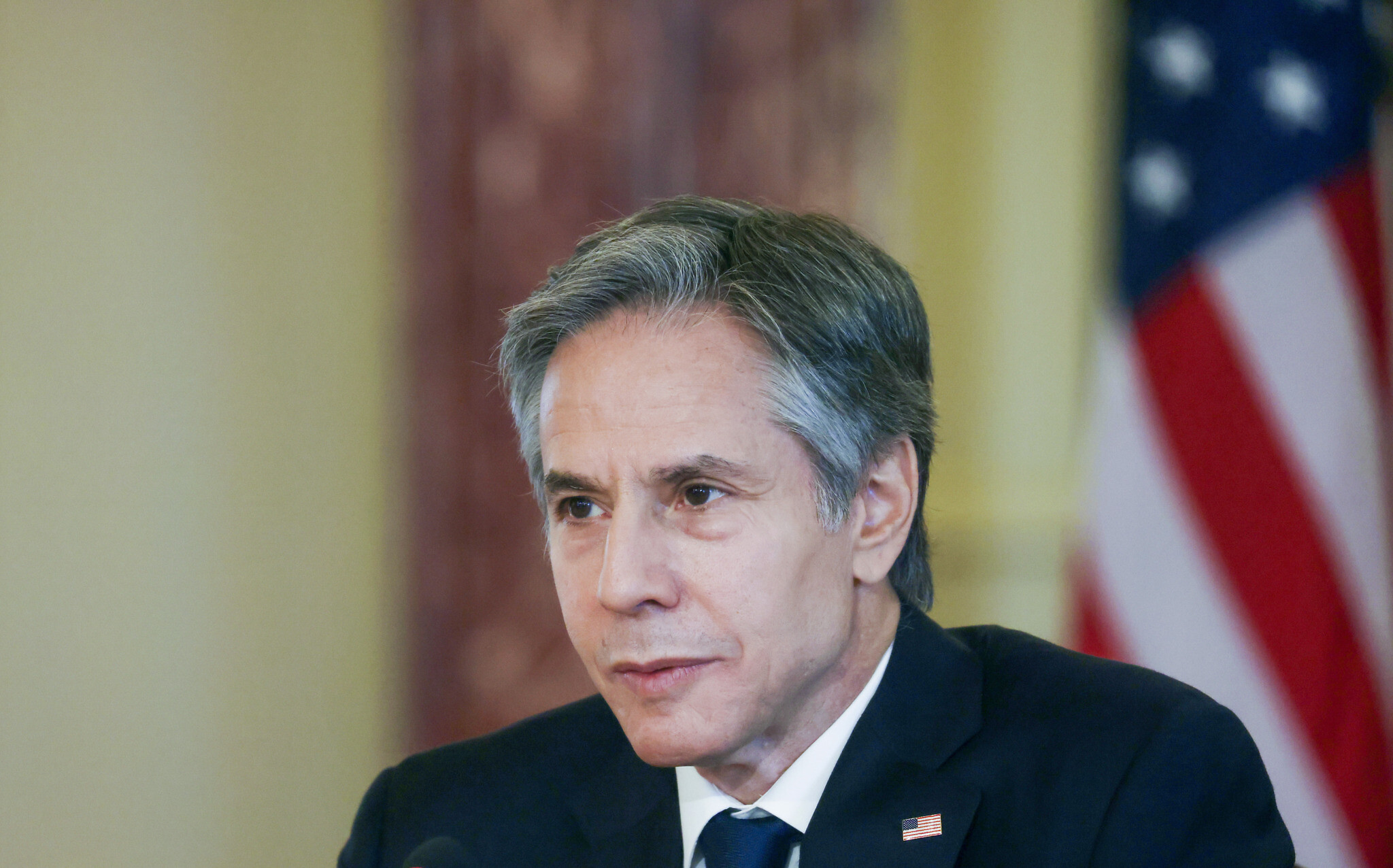
Secretary of State Antony Blinken participates in a virtual bilateral meeting with Kenyan President Uhuru Kenyatta at the State Department in Washington, Tuesday, April 27, 2021. (Leah Millis/Pool via AP)

Secretary of State Antony Blinken participates in a virtual bilateral meeting with Kenyan President Uhuru Kenyatta at the State Department in Washington, Tuesday, April 27, 2021. (Leah Millis/Pool via AP)

US Secretary of State Anthony Blinken met Thursday in Washington with visiting Mossad chief Yossi Cohen and Israel’s ambassador Gilad Erdan, as Israel sought to convince Washington to seek an improved deal to prevent Iran from attaining nuclear weapons rather than reenter the limping 2015 accord.

The two-hour meeting was the second this week in Washington involving senior officials from the two countries and underscored Israel’s unease with ongoing indirect nuclear negotiations between Iran and the United States in Vienna, the officials said. Although other issues were discussed, Israel used Thursday’s meeting to “express strong concerns” about Iran, one of the officials said.

Blinken attended Thursday’s meeting along with his newly confirmed deputy, Wendy Sherman, President Joe Biden’s national security adviser Jake Sullivan and two other senior officials, Brett McGurk from the National Security Council and Derek Chollet from the State Department. Cohen and Erdan represented Israel.

The State Department declined to comment on the meeting or even to confirm that it had happened, but said the Biden administration is committed to coordination and transparency with Israel in its nuclear diplomacy with Iran.

Head of the Mossad Yossi Cohen speaks at a cyber conference at Tel Aviv University on June 24, 2019. (Flash90)

Earlier Thursday, Erdan said the US understood Israel retained “freedom of action” to act against Iranian activities that threatened the Jewish state.

“The freedom of action of Israel to prevent Iran from becoming an existential threat is a freedom of action that will be preserved,” Erdan said, adding that “the current government respects” that Israeli demand.

As the officials met in Washington, Israel’s intelligence minister, Eli Cohen, joined the chorus of Israeli officials sounding the alarm on Iran and insisting on Israel’s operational freedom.

Israeli warplanes, Cohen said, “can reach everywhere in the Middle East — and certainly Iran.”

He warned that “a bad deal will send the region spiraling into war. Anyone seeking short-term benefits should be mindful of the longer term. Israel will not allow Iran to attain nuclear arms. Iran has no immunity anywhere.”

Cohen also urged international pressure on Iran’s other activities, including its “destabilizing other countries.”

Mossad chief Cohen and National Security Adviser Meir Ben-Shabbat have been in Washington for the past few days for high-level meetings with American counterparts seeking to clarify Israel’s position and needs as the Biden administration works to rejoin the 2015 deal imposing limits on Iran’s nuclear program in exchange for the lifting of US and international sanctions.

State Department Spokesman Ned Price on Thursday would not confirm the Cohen-Blinken meeting, but said the two countries were coordinating closely on the Iran issue.

“We have, as you’ve heard from State Department officials, updated our Israeli counterparts before every round of negotiations, after every round of negotiations and we’ve been consulting with them during these negotiations as well,” Price said, according to The Hill.

“So, we have conducted ourselves with a great deal of transparency knowing that the United States and Israel share a common interest here, of course, and that is seeing to it that Iran is verifiably and permanently prevented from acquiring a nuclear weapon.”

A Tuesday meeting between Ben-Shabbat and his American counterpart Jake Sullivan also dealt with the “significant threat” of Iran’s behavior in the region, the White House said at the time.

Israeli officials, including Ambassador Gilad Erdan (R), National Security Adviser Meir Ben-Shabbat (2R) meet with US officials Brett McGurk (L), US National Security Adviser Jake Sullivan (2L) and Barbara Leaf (3L) at the Israeli embassy in Washington DC on April 27, 2021 (Embassy of Israel)

Price also told reporters on Thursday that US Special Envoy on Iran Robert Malley joined in on the Ben-Shabbat-Sullivan meeting to brief the two officials on efforts in Vienna to bring the US and Iran back to the table.

The two national security advisers agreed at the meeting to establish an interagency working group dealing with the threat to Israel and other US allies in the region from Iranian drones and precision-guided missiles.

The Biden administration has said returning Iran to compliance with the nuclear deal was a priority after former president Donald Trump withdrew from the accord in 2017.