IDF deploys additional firepower, intel-gathering tools and special forces a day after alleged attempted Hezbollah assault
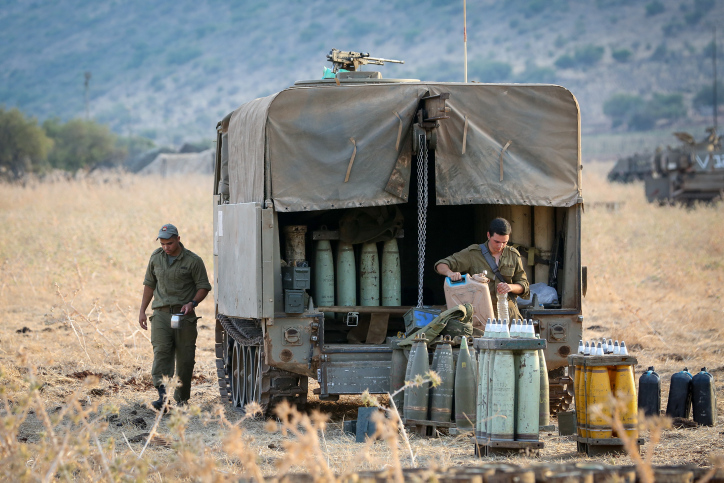
The Israel Defense Forces deployed additional reinforcements to the country’s Lebanese and Syrian borders on Tuesday, indicating it was bracing for more violence along the frontiers after an alleged attempted attack by the Hezbollah terror group the day before.
Israeli officials expected an attack on Israeli troops by the Lebanese terror group within the next 48 hours, before the start of the Muslim holiday of Eid al-Adha on Thursday night, according to an unattributed Channel 12 report on Tuesday.
Over the past week, Hezbollah has threatened some form of retaliation for the death of one of its fighters last week in Syria in an airstrike that it attributed to Israel, but which the Jewish state has not officially acknowledged conducting.
Though the IDF on Tuesday did not confirm that it expected an attack in the coming two days, it indicated that it was bracing for fresh violence on the border, saying it was sending additional “advanced” firepower, powerful intelligence collection equipment and special forces to the area.
The move came a day after the IDF said it thwarted an attempt by Hezbollah to send a team of fighters into the Israeli-controlled territory of Mount Dov, also known as Shebaa Farms, to carry out an attack. According to the military, the Hezbollah cell made it a few meters across the border before IDF troops opened fire at the operatives — apparently not hitting them, but driving them back into Lebanon.
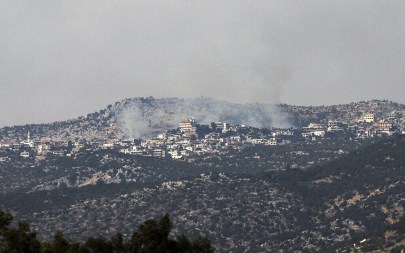
Hezbollah officially denied that an attack had taken place, but did not explicitly dispute that its members had crossed into the Israeli-controlled enclave.
Israeli defense officials scoffed at the terror group’s denial, saying the infiltration attempt had been filmed by military security cameras and that the operatives who took part in it were armed. The IDF on Monday said it was considering releasing the footage from the incident, but had yet to do so as of Tuesday afternoon.
The terror group said a reprisal for its fallen operative in Syria was still to come.
The IDF said the decision to send the additional units to the IDF Northern Command was made in light of a “situational assessment.”
Those reinforcements joined an infantry battalion, additional Iron Dome missile defense batteries and other troops that were sent to the Northern Command last week when Hezbollah first began indicating it planned to carry out an attack along the border as revenge for its fallen operative.
Also on Tuesday, Defense Minister Benny Gantz issued a clear threat to the enemy countries surrounding Israel that the Jewish state’s military has a far reach and “unlimited capabilities” that it was prepared to use.
Gantz made his comments during a visit to a squadron of F-35 fighter jets on the Nevatim air base in southern Israel.
“I am finishing a visit to an F-35 squadron, which is the most advanced [aircraft] that the Israeli Air Force has and is one of the best in the world. We have the capability to act at an unprecedented range and level of operational preparedness,” Gantz said.
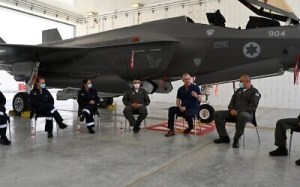
“I suggest that all the countries in the region, near and far — Iran, Lebanon, Syria or anyone else who may be involved in terrorism — remember that Israel has unlimited capabilities and knows how to use them,” he added.
The military remained on high alert along the northern border on Tuesday, with Lebanese media reporting intensive Israeli drone flights over southern Lebanon throughout the morning. The military also maintained a number of roadblocks in the area, preventing IDF vehicles from traveling on certain highways along the border that were considered vulnerable to attack from Lebanon.
Since Friday, the IDF has deployed a smaller number of troops directly along the frontier, having cleared out personnel who were deemed unnecessary as they would constitute a potential target for Hezbollah. The regular units stationed in the area and reinforcements sent to the region took up positions slightly deeper inside Israel, from a distance at which they could still rapidly respond to any attack by Hezbollah but not so close as to be an easy target for the group’s anti-tank guided missiles — a weapon it has long shown a tremendous knack for.
No such restrictions were placed on civilians at the time.

Also Tuesday, Lebanese Prime Minister Hassan Diab accused Israel of carrying out a “dangerous military escalation” the previous day and thereby violating United Nations Resolution 1701, which ended the 2006 Second Lebanon War.
“I fear that the situation will deteriorate in light of the severe tension on our borders with occupied Palestine,” Diab wrote in a statement, calling for caution.
The Lebanese prime minister, who is supported by Hezbollah, also accused Israel of seeking to give the international peacekeepers in Lebanon, known by the acronym UNIFIL, additional powers in the country and change the “rules of engagement.” UNIFIL’s mandate to operate in Lebanon is due to be reviewed and renewed next month by the UN Security Council.
However, Lebanese news outlets affiliated with or directly controlled by the terror group appeared to indicate that Hezbollah considered the fact that it forced the IDF into a state of high alert to be sufficient retaliation for the time being.
Following the incident, Israel conveyed messages to Lebanon, through third parties, that it did not want Monday’s border altercation to devolve into a war.
In the past, Hezbollah has vowed to retaliate for losses of its fighters in Syria with attacks on Israel. This was the case in September, when the terror group fired three anti-tank guided missiles at Israeli military targets along the Lebanese border, narrowly missing an IDF armored ambulance with five soldiers inside, after the IDF killed two of its fighters in Syria the month before.
Times of Israel staff contributed to this report.




 WarSclerotic
Recent Comments