Saudi prince’s ally Mohammed al-Issa, other Muslim religious leaders and AJC officials also slated to tour a Jewish museum and a mosque in Warsaw, share a Shabbat meal
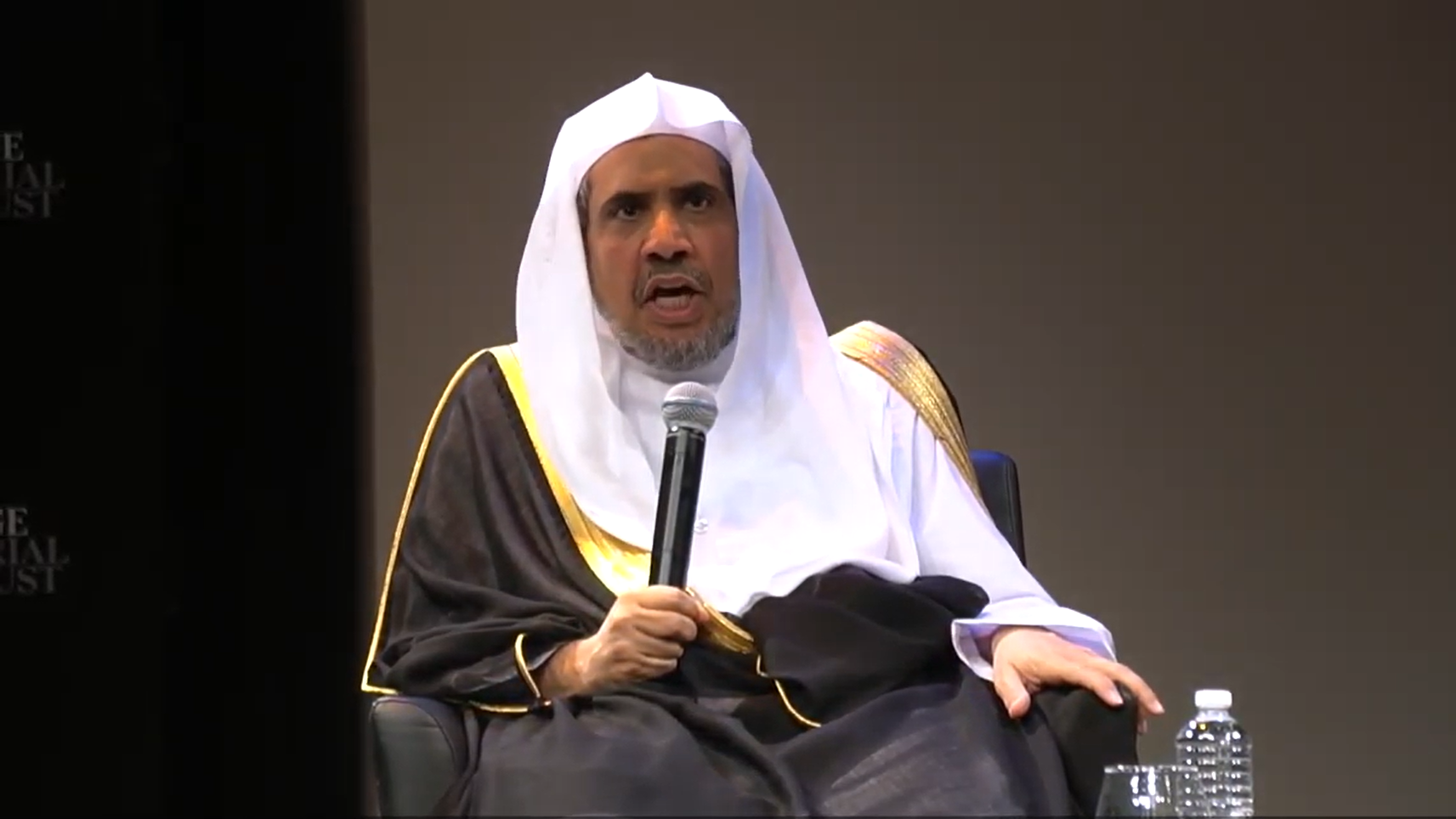
A senior Saudi religious leader is slated to visit the Auschwitz death camp in Poland on Thursday ahead of the 75th anniversary of its liberation by the Soviet Red Army.
Mohammed al-Issa, the secretary-general of the Mecca-based Muslim World League (MWL) and a former Saudi justice minister, is scheduled to arrive at Auschwitz alongside Muslim religious leaders from more than 24 countries and a delegation of American Jewish Committee (AJC) officials.
AJC CEO David Harris said the trip represented “the most senior delegation of Muslim religious leaders to visit Auschwitz ever.”
Issa, the Muslim clerics and the AJC officials will tour the Museum of the History of Polish Jews in Warsaw on Friday as well as visit the Nozyk Synagogue in the Polish capital and a local mosque, Kenneth Bandler, a spokesman for AJC said, adding that the group will share an interfaith Shabbat meal too.
They also plan to meet with Holocaust survivors on Friday at the synagogue, according to an individual familiar with the details of the trip who asked not to be name.
Issa’s expected visit to Auschwitz comes after he visited the US Holocaust Memorial Museum in Washington, DC, in May 2018 and wrote an opinion article in the Washington Post in January 2019 condemning the Nazis’ “heinous crimes.” He also declared that “Muslims around the world have a responsibility to learn” about the lessons of the Holocaust.

“I urge all Muslims to learn the history of the Holocaust, to visit memorials and museums of this horrific event and to teach its lesson to their children,” Issa, who is considered an ally of Saudi Crown Prince Mohammed bin Salman, wrote in the article.
From 1940 to 1945, the Nazis killed some 1.1 million people, mainly European Jews, at Auschwitz. They murdered most of the victims in gas chambers.
The AJC’s Harris described Issa’s scheduled visit to Auschwitz as highly significant, emphasizing that he believes it will enhance Muslim understanding of the Holocaust.
“This trip will be groundbreaking. That is no exaggeration,” he said in a phone call.
Pawel Sawicki, an official in the Auschwitz Memorial’s press office, said in an email that while Arab and Muslim clerics, leaders and activists have previously toured the camp, it seemed that Issa is to be the most senior religious leader to visit it.
In May 2019, AJC and MWL signed a memorandum of understanding, in which they agreed to take part in a trip to Auschwitz together this week.
Since 2016, Issa has been the head of the Muslim World League, which carries out Islamic missionary work around the world.
Robert Satloff@robsatloffHonored to join Director #SaraBloomfield in escorting @MWLOrg_en sec-gen Dr. Mohammed #Alissa on comprehensive tour of @HolocaustMuseum. In January, he talked the talk on recognizing calamity/enormity of #Holocaust; today, he walked the walk.
Robert Satloff, the executive director of the Washington Institute for Near East Policy, said the organization historically propagated “a virulent strain of anti-Israel and anti-Semitic writing, thinking and preaching,” but, under Issa, it has dramatically shifted its approach, pushing back against hardliners and stepping up outreach to other faiths.
MWL, which was founded in 1962, is subsidized by the Saudi government; it also supports mosques and Islamic centers globally.
Satloff, who accompanied US Holocaust Memorial Museum director Sara Bloomfield in walking Issa through the Washington museum, also said he thought the Saudi religious leader’s expected visit to Auschwitz carried “a special meaning.”
“The fact that the secretary-general of the Muslim World League, which once represented the worst face of Muslim leadership on issues related to the Jews and Jewish history, is going to Auschwitz — normalizing discussion of the Holocaust and marginalizing deniers — is something remarkable,” he said.
Abdel Wahab al-Shahari, the director of MWL’s communications, said he was checking whether Issa would be available for an interview, but ultimately did not say whether he would be able to do so or respond to follow-up messages.
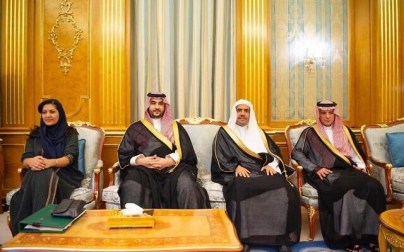
Joel Rosenberg, an Evangelical Christian and an American-Israeli author who has met with Issa twice in Saudi Arabia, said that he believed the Saudi religious leader has the backing of the Riyadh’s leadership to make the trip to Auschwitz.
“He definitely would not be making this visit if the crown prince did not want him to do so,” Rosenberg said in a phone call, referring to Issa as in the “close orbit” of Prince Mohammed.
Saudi Arabia has undertaken a number of social and economic reforms in recent years and has demonstrated greater openness to Israel, but has also come under heavy criticism following Washington Post columnist Jamal Khashoggi’s murder, which the CIA assessed was ordered by Prince Mohammed.
In the next week, Issa is also expected to visit Srebrenica, Bosnia and Herzegovina, where more than 8,000 Muslims were killed in July 1995 by Bosnian Serb forces.
Source: Bloomberg: I opposed Iran deal, but the way Trump left it was wrong | The Times of Israel
Former New York mayor now running for US president says that although 2015 pact was ‘not perfect,’ the US was obligated to keep its word once it had signed
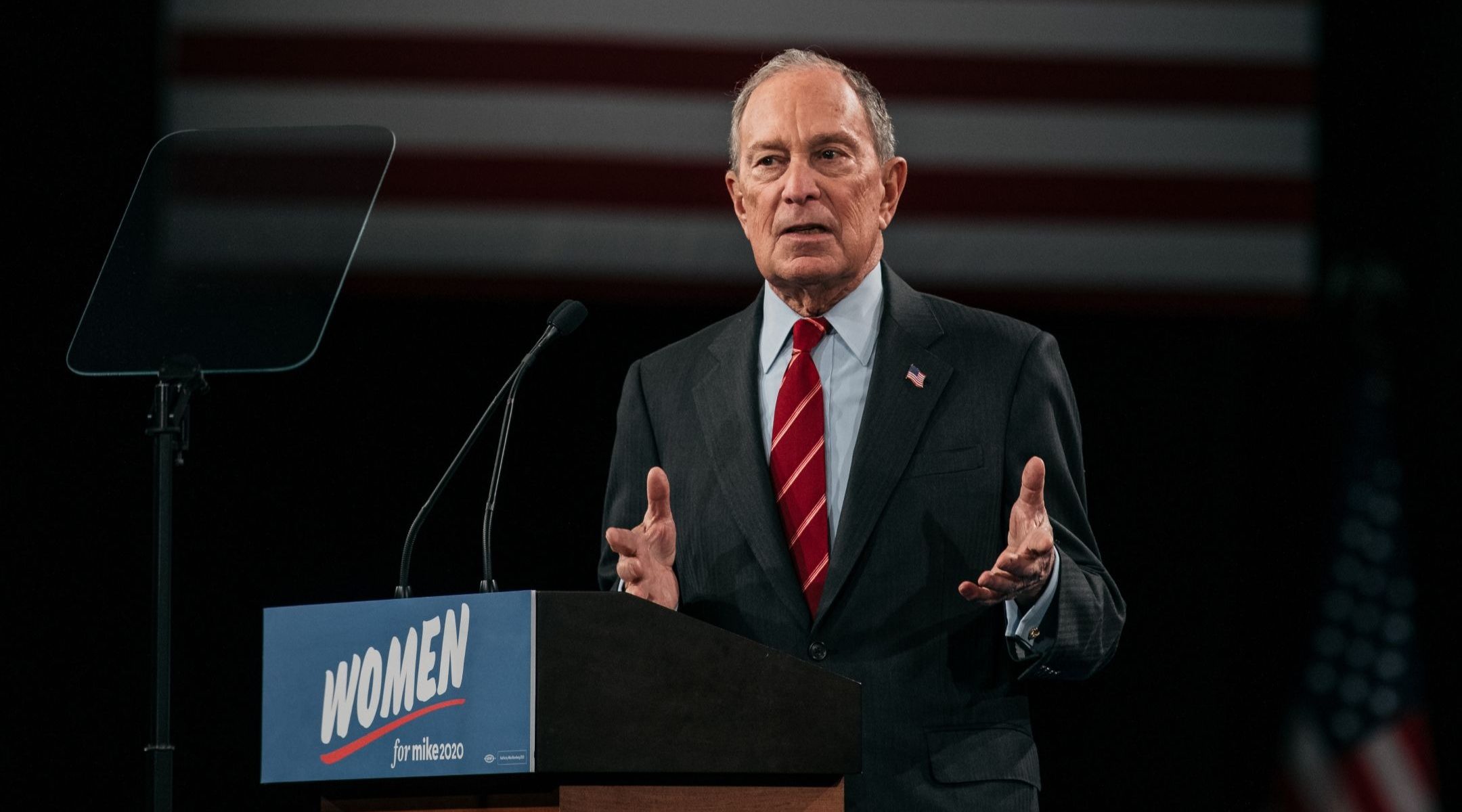
WASHINGTON (JTA) — The position of the top seven Democrats running for president on Iran policy is, at least to some degree, public knowledge.
Yet pinning down a position for Mike Bloomberg, the former New York mayor who was not included in the last debate, where he might be forced to elaborate a position on one of the burning issues of the day, was more difficult. (He has high enough polling numbers to qualify for a debate, but has not crossed the outside contribution threshold set by the Democratic National Committee because he is bankrolling his own campaign.)
In 2015, Bloomberg was skeptical of the emerging nuclear deal that traded sanctions relief for Iran for a rollback in its nuclear program. And he was peeved by the way US president Barack Obama sold it to the public, which Bloomberg decried as divisive.
After the Jewish Telegraphic Agency last week published a story on where other Democrat presidential hopefuls stand on Iran, a spokesman for the candidate got in touch to clarify where Bloomberg stands today.
“Mike was initially against the Iran deal but thinks it was a mistake for President Trump to unilaterally walk away from it,” the spokesman said.
Trump abandoned the agreement in May 2018 over the objections of the other parties: Russia, China, Britain, France and Germany.
“While the agreement was not perfect — it did not address Iran’s ballistic missile program, and it gave the regime political cover to step up its aggression in the region — the US had an obligation to keep its word once the agreement was in place,” the spokesman said. “The US withdrawal has allowed Iran to abandon its own obligations under the deal and has left the world with few tools to stop it.”
The spokesman also said what Bloomberg would do to redress Trump’s withdrawal from the deal, known as the Joint Comprehensive Plan of Action, going into more detail than most of the other candidates.
“The first thing to do is re-establish the coalition that realized the danger of Iran marching toward a nuclear weapon. Collective pressure will be needed to change Iran’s behavior,” the spokesman said. “This should be the starting point for the use of diplomacy. We should also be prepared to employ the leverage that sanctions have provided.
“Next, Iran must come back into compliance with the JCPOA requirements. That will require addressing the advances it is likely to make between now and next year — advances that could shrink its breakout time. After rejoining, in order for any new arrangement to be sustainable, we must also be ready to address other inadequacies in the deal, which include the need to extend fast-approaching sunset clauses, curtail Iran’s ballistic missiles, end its destabilizing regional activities and institute more intrusive monitoring.”
Source: Putin, Pence arrive as world leaders gather for major Holocaust commemoration | The Times of Israel
Russian leader to meet with Netanyahu, backpacker’s mother Yaffa Issachar, who says she hopes to hear daughter is returning; PM will later visit Western Wall with US vice president
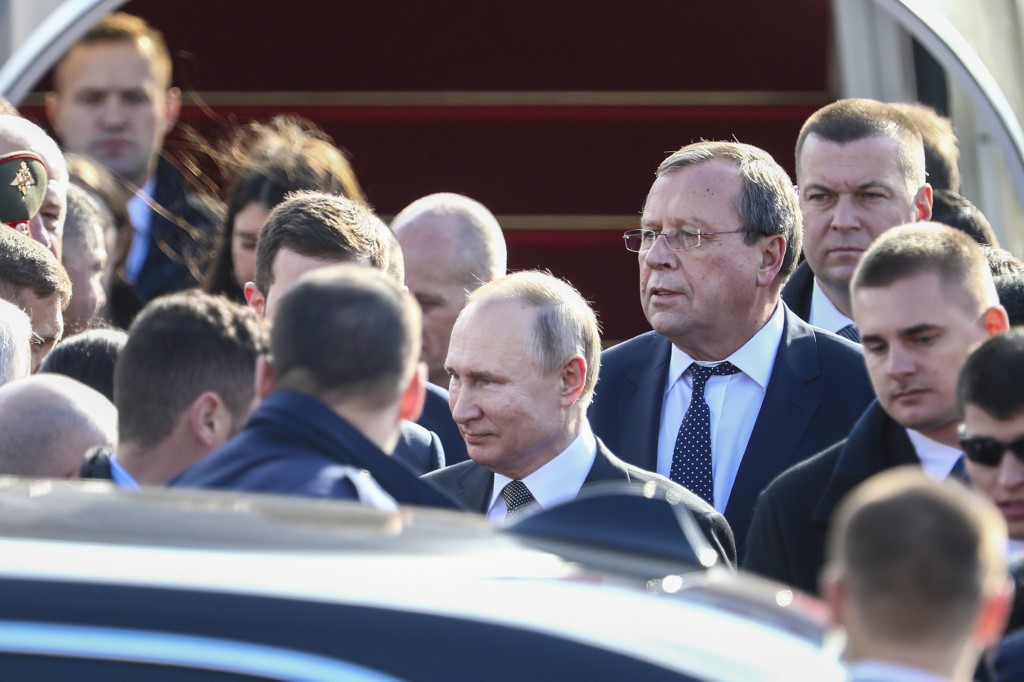
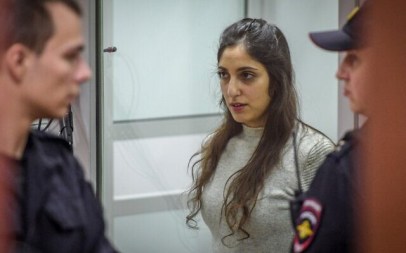
Russian President Vladimir Putin arrived in Israel on Thursday for a major Holocaust commemoration as speculation swirled that his trip could include an announcement on the fate of jailed Israeli-American Naama Issachar.
Putin was greeted on the tarmac by Foreign Minister Israel Katz, who earlier expressed optimism over the fate of the backpacker.
“A visit by a Russian president to Israel is always important,” Katz said. “I am optimistic [about the return of Issachar]. I met twice with the Russian foreign minister and spoke about the matter. The foreign ministries are discussing it. And Prime Minister Benjamin Netanyahu will raise the matter with President Putin, giving us reason to be significantly optimistic that soon Naama will be here, home, with us.”
Also arriving Thursday morning was US Vice President Mike Pence, who is joining 40-plus other world leaders and senior dignitaries for the World Holocaust Forum event, seen as the largest diplomatic gathering in Israel’s history.
Putin and Pence are in Israel for a one-day visit for the 75th anniversary of the liberation of the Auschwitz death camp.

The Russian leader is slated to hold bilateral talks with Prime Minister Benjamin Netanyahu, and unveil a memorial to those who died during the World War II siege of Leningrad, his hometown.
A senior Kremlin official told the Russian business daily Vedomosti on Wednesday that Putin’s meeting with Netanyahu will also include Issachar’s mother.

“I am excited and optimistic and hoping to hear from the president that my daughter is finally coming back,” Yaffa Issachar said as she left her home to travel to Jerusalem for the meeting.
Naama Issachar was sentenced by Russia to 7.5 years in prison after 10 grams of marijuana were found in her luggage during a layover in a Moscow airport in April. She has denied smuggling drugs, noting she had not sought to enter Russia during the layover on her way to Israel from India, and had no access to her luggage during her brief stay in the Russian airport.
Putin’s foreign affairs adviser Yuri Ushakov told Vedomosti that Putin will meet Issachar’s mother Yaffa during his meeting with Prime Minister Benjamin Netanyahu in Jerusalem on Thursday.
Katz told Army Radio on Thursday that inviting Yaffa to a meeting with the Russian leader “raises the threshold of optimism.”
After meeting at the Prime Minister’s Residence in Jerusalem, Putin, Netanyahu and President Reuven Rivlin will dedicate a monument in Jerusalem’s Sacher Park in memory of the soldiers and residents of Leningrad, now St. Petersburg, before attending the central ceremony at Yad Vashem to mark the liberation of Auschwitz.
Hebrew media reports have swirled that a deal for Issachar’s release is nearing completion and may be announced during Putin’s visit.
According to Hebrew media reports, in exchange Russia has asked Israel to transfer a piece of Russian Orthodox Church property near the Old City of Jerusalem’s Church of the Holy Sepulchre to the Kremlin, as a goodwill gesture ahead of Issachar’s release.
Russia has been demanding Israel hand over rights to Alexander’s Courtyard for over a decade, Hebrew media reported, but Justice Ministry officials along with two senior Likud lawmakers and immigrants from the former Soviet Union, Yuli Edelstein and Ze’ev Elkin, have opposed the measure.
On Wednesday, Maariv published a document allegedly showing that Israel began the process of transferring the property over to Moscow three weeks ago.
Reports have also indicated that Russia may seek strong Israeli backing for its position in a spat with Poland over responsibility for World War II.
On Wednesday, during a state dinner arranged for the world leaders, President Reuven Rivlin appeared to counsel against politics and history mixing.
“Historical research should be left to historians,” Rivlin said. “The role of political leaders is to shape the future.
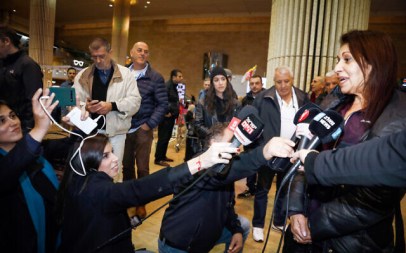
Earlier this month, Yaffa Issachar appealed to Rivlin in an open letter on Facebook, asking him not to host Putin and threatening to physically block the Russian leader’s path to stop him from entering the President’s Residence. The family has since said it was not planning any provocative activities during Putin’s visit to the country — apparently due to their understanding that Naama’s release may be at hand.
On Friday, Netanyahu said that there was a “real willingness” on Putin’s part to help resolve the situation.
Issachar has become a cause celebre in Israel, where many see her jailing as politically motivated. Talk of a possible pardon has overshadowed coverage of the Holocaust Forum, which comes days before International Holocaust Remembrance Day.
Activists who have pushed for Issachar’s release have been asked in recent days to suspend their vocal campaign for fear of upending the delicate talks with Russia.
Netanyahu is also slated to hold a bilateral meeting with Pence and US Ambassador David Friedman Thursday evening.
The meeting comes amid reports that the White House is considering rolling out its peace plan in coming weeks without waiting for the results of Israel’s upcoming election. Also in the country is senior White House adviser Jared Kushner, who has been the administration’s point person on the peace proposal.
Ahead of the meeting, the prime minister is slated to accompany Pence to the Western Wall in Jerusalem’s Old City.
On Thursday morning, Rivlin was slated to meet with US House Speaker Nancy Pelosi, who arrived ahead of Pence.
Source: Nasrallah as Khamenei’s secret troubleshooter in Iraq – DEBKAfile
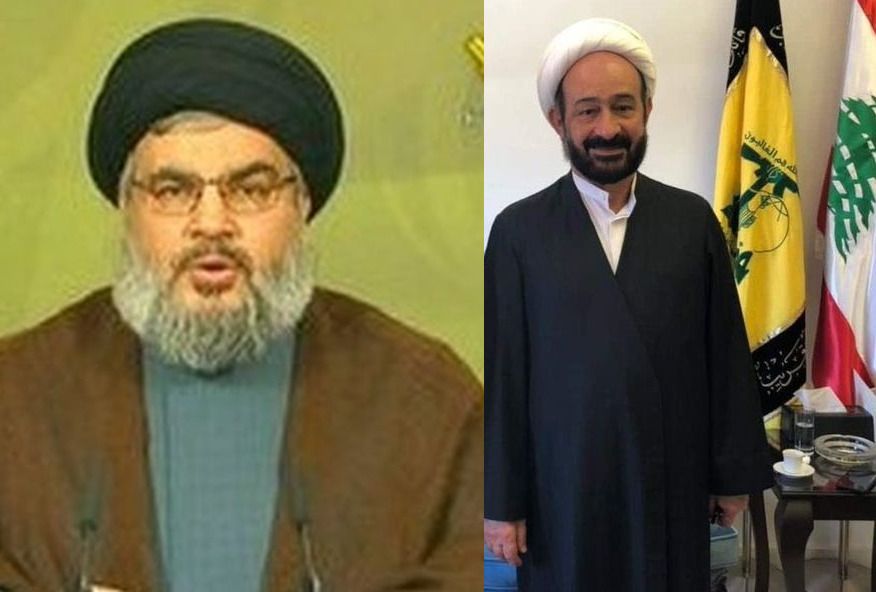
Iran’s supreme leader Ayatollah Ali Khamenei secretly asked Hizballah’s Hassan Nasrallah to act as his emissary for mending Shiite fences in Iraq. The community was stormily divided against Baghdad’s ties with Iran both before and since the US assassination of Qassam Soleimani on Jan. 3.
This step is disclosed exclusively by DEBKAfile’s intelligence sources.
Nasrallah promptly assigned a shadowy Hizballah figure to take a hand.
Hussein Kawtharani is the central liaison officer between the Lebanese Shiite chief and Iraq’s pro-Iran Shiite militia leaders. He also controls the Iranian-Hizballah financial fund in Iraq. In the days of Soleimani and Iraq’s PMU (Popular Mobilization Units) chief Abu Mahdi al-Muhandis – both of whom died in the US strike on Baghdad – it was Kawtharani who, in consultation with them both, doled out funds to the Iraqi militias. Soleimani used the size of their allowances to keep their leaders in line. The exceptional power the Hizballah chief wields as wire-puller in both Baghdad as well as Beirut has never before been revealed. Using him as a troubleshooter in Iraq was Iran’s comeback for the new sanctions the US imposed on Hizballah and Israel’s campaign for the world to designate the entire movement a terrorist organization.
Our sources reveal that Kawlharani set two processions in motion for putting the turbulent Iraqi Shiite house in order:
The outcome of his mission is as follows:
By Wednesday, Jan. 22, Iraq still had no prime minister, because the largest Shiite bloc in the Iraqi parliament headed by the unpredictable cleric Moqtada Sadr refuses to play ball with any of Tehran’s choices. While initially willing to call out an anti-US street demonstration in support of Tehran, the influential cleric has since reverted to his original demand for a nonpartisan government of experts to assume power in Baghdad.
‘Iran will not have a nuclear bomb,’ French leader says after meeting Netanyahu in Jerusalem; Iranian president counters by vowing his country ‘will never seek nuclear weapons’

French President Emmanuel Macron on Wednesday vowed to be tough with Iran on its nuclear program, as the Islamic Republic’s president warned that it would hold Europe responsible if the 2015 atomic deal collapses.
In a meeting with Prime Minister Benjamin Netanyahu in Jerusalem, the Israeli leader called on Macron to increase pressure on Iran, including the imposition of sanctions following the Islamic Republic’s recent steps back from the pact and its ongoing conventional aggression.
According to Hebrew-language media, Macron responded by saying: “Iran will not have a nuclear bomb. We will not be flexible on the matter.”
Meanwhile, Iranian President Hassan Rouhani claimed his country would never seek to acquire nuclear arms, warning European countries not to violate the terms of the nuclear deal, as the United States — and Iran itself — have done.
“We have never sought nuclear weapons… With or without the nuclear deal we will never seek nuclear weapons,” Rouhani said in a statement on his website, according to the Reuters news agency.
“The European powers will be responsible for the consequences of violating the pact,” he added.
Netanyahu’s meeting with Macron kicked off a marathon of bilateral meetings in the framework of this week’s World Holocaust Forum to mark the 75th anniversary of the liberation of Auschwitz, which is bringing dozens of world leaders to Jerusalem this week.
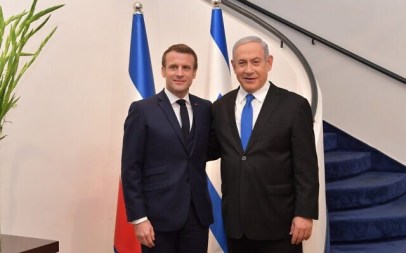
The two leaders held a breakfast meeting which Netanyahu said “focused on very many different topics — Iran, Iraq, Syria, Lebanon, Turkey, Libya and a few other subjects,” according to a readout of the meeting provided by the Prime Minister’s Office.
The prime minister also raised the situation in Lebanon, including Hezbollah’s efforts to produce precision-guided missiles. The two men also discussed Turkey’s recent involvement in Libya.
Tensions have been soaring with Iran since US President Donald Trump ordered the drone strike in Iraq on January 3 that killed Iran’s top general Qassem Soleimani.
In response to the drone strike, Iran fired volleys of ballistic missiles at Iraqi bases housing US troops. There were no reported casualties at the time but it has since been revealed that eight US troops suffered injuries.
The strike exacerbated tensions between the US and Iran, which have been steadily escalating since Trump withdrew Washington from the 2015 nuclear accord. The agreement, negotiated under the US administration of Barack Obama, had imposed restrictions on Iran’s nuclear program in exchange for the lifting of international sanctions.
The US has since imposed crippling sanctions on Iran, including its vital oil and gas industry, pushing the country into an economic crisis that has ignited several waves of sporadic, leaderless protests.
Raphael Ahren and agencies contributed to this report.
Source: Iranian lawmaker offers $3 million to anyone who kills Trump – report | The Times of Israel
Ahmad Hamzeh, a little-known MP from hometown of slain commander Soleimani, doesn’t say who will pay the money; pledge comes month before elections
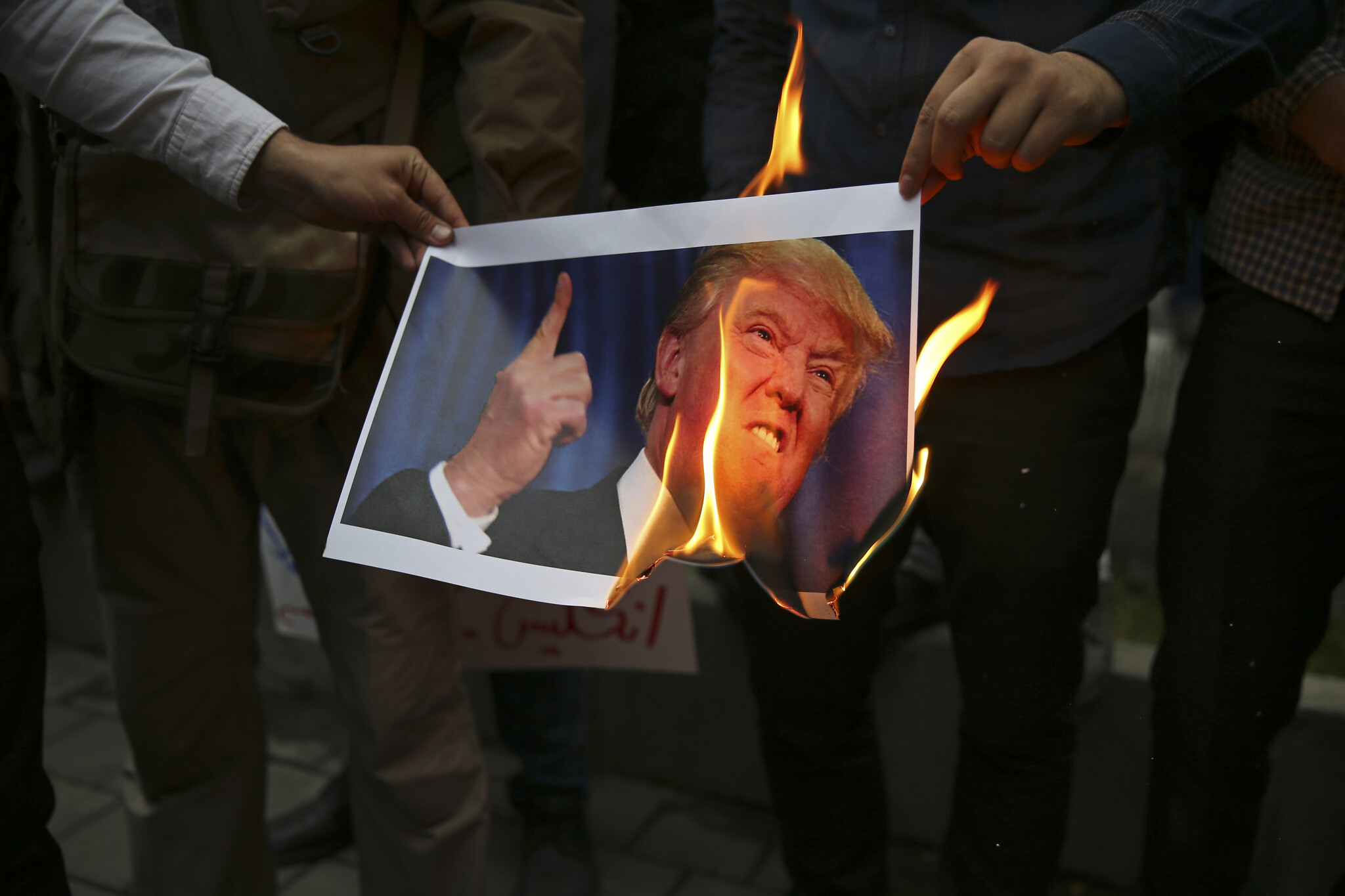
TEHRAN, Iran — An Iranian lawmaker on Tuesday offered a $3 million reward to “anyone who kills” US President Donald Trump to avenge the assassination of a top general, semi-official news agency ISNA reported.
Ahmad Hamzeh, a little-known member of the Majlis, made the offer on behalf of the people of Kerman, the hometown and final resting place of the powerful Quds Force commander Qassem Soleimani.
“We will give $3 million to anyone who kills Trump,” Hamzeh, who represents Kahnouj county near the southeastern city of Kerman, was quoted as saying by ISNA.
He did not say who would pay the bounty offer, which comes a month ahead of a parliamentary election.
Soleimani, one of the most popular public figures in Iran, was killed on January 3 in US drone strike outside Baghdad airport.
 Afsar Ali Shah@AfsarQresidencyIranian politician announces $3million reward for ‘whoever kills Trump’
“They hit General Soleimani in a cowardly act, but there are freedom-seekers across the world who want to revenge for him with God’s help, and God willing, we will hit his enemy chivalrously,” said Gen. Esmail Ghaani at a ceremony in Tehran.
“Our enemy understands no language but force and therefore, we should stand against them strongly,” he added, according to the Fars news agency.
The Quds Force is part of the 125,000-strong Revolutionary Guard, a paramilitary organization that answers only to Iran’s Supreme Leader Ayatollah Ali Khamenei. The Guard oversees Iran’s ballistic missile program, has its naval forces shadow the US Navy in the Persian Gulf and includes an all-volunteer Basij force.

US President Donald Trump ordered the drone strike in Iraq on January 3 that killed Soleimani. At the time, Trump said the Quds Force head was planning attacks against US troops in the region, but White House officials have since given different justifications for the killing, including one of deterrence.
In response to the drone strike, Iran fired volleys of ballistic missiles at Iraqi bases housing US troops. There were no reported casualties at the time but it has since been revealed that eight US troops suffered injuries.
The strike exacerbated tensions between the US and Iran, which have been steadily escalating since Trump withdrew Washington from the 2015 nuclear accord. The agreement, negotiated under the US administration of Barack Obama, had imposed restrictions on Iran’s nuclear program in exchange for the lifting of international sanctions.
The US has since imposed crippling sanctions on Iran, including its vital oil and gas industry, pushing the country into an economic crisis that has ignited several waves of sporadic, leaderless protests.
Source: More US troops evacuated with possible injuries from Iran missiles | The Times of Israel
Small number of soldiers being evaluated for concussion-like symptoms from January 8 attack on Iraqi base, joining 11 other troops flown out for treatment earlier
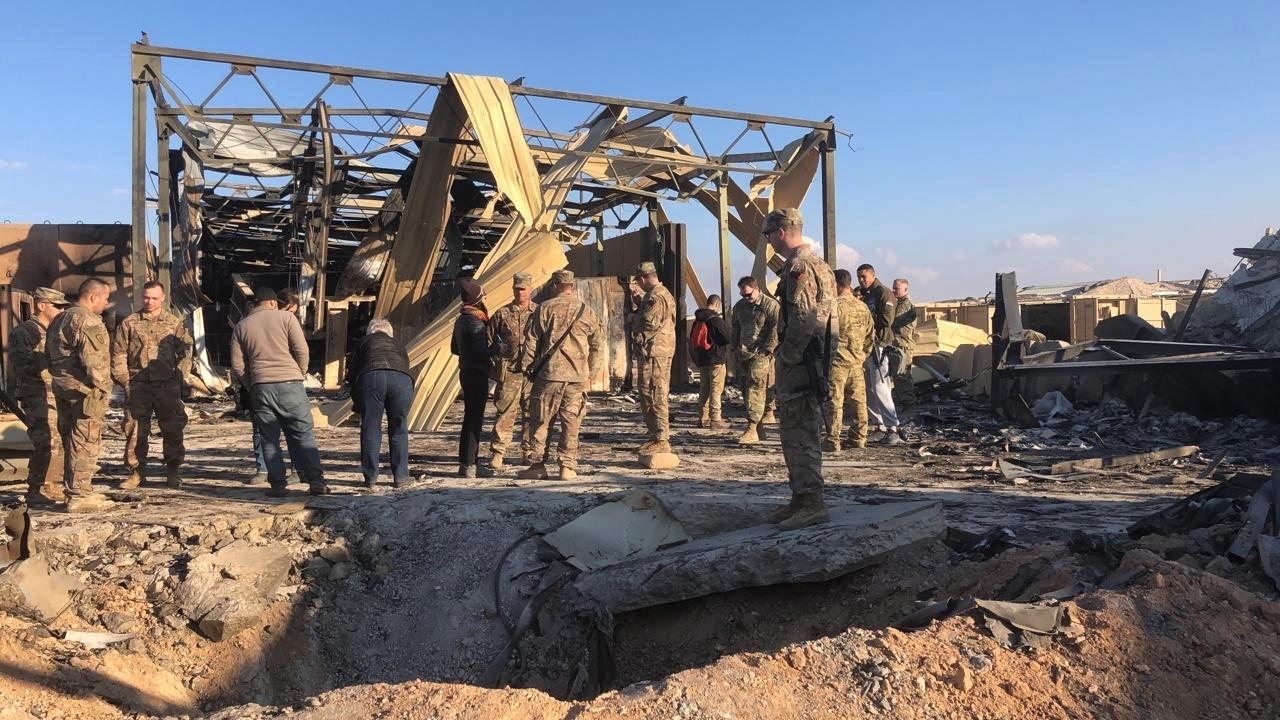
WASHINGTON — Additional US troops have been flown out of Iraq for closer evaluation of potential concussion injuries from the Iranian missile attack of January 8, US defense officials said Tuesday.
The exact number of troops flown to Germany was not immediately clear, but officials said it was a small number. The officials spoke on condition of anonymity because some details were still being sorted out. Last week, 11 US service members were flown from Iraq to US medical facilities in Germany and Kuwait for further evaluation of concussion-like symptoms.
Navy Capt. Bill Urban, spokesman for US Central Command, which oversees military operations across the Middle East, confirmed the additional evacuations but did not say how many were included.
“As medical treatment and evaluations in theater continue, additional service members have been identified as having potential injuries,” Urban said Tuesday evening. “These service members — out of an abundance of caution — have been transported to Landstuhl, Germany, for further evaluations and necessary treatment on an outpatient basis. Given the nature of injuries already noted, it is possible additional injuries may be identified in the future.”
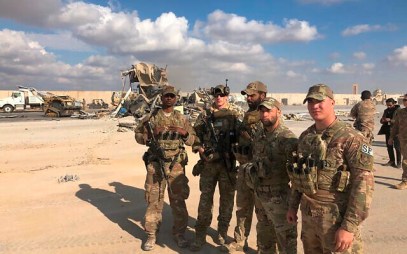
As recently as last Tuesday night, US President Donald Trump said he had been told no American had been harmed in the Iranian missile strike.
The question of American casualties was especially significant at the time because the missile attack’s results were seen as influencing a US decision on whether to retaliate and risk a broader war with Iran.
Trump chose not to retaliate, and the tensions with Iran have eased somewhat.
In the days following the Iranian attack, medical screening determined that some who took cover during the attack were suffering from concussion-like symptoms.
No one was killed in the attack on Ain al-Asad air base in western Iraq. The strike was launched in retaliation for a US drone missile strike that killed Qassem Soleimani, the most powerful military general in Iran, on January 3 at Baghdad International Airport.
Source: Protests in Lebanon continue as new government fails to assuage anger | The Times of Israel
Demonstrators take to streets to reject cabinet announced Tuesday as failing to live up to promises of technocratic administration, amid deepening economic crisis

BEIRUT, Lebanon — Lebanon ended a painful wait by unveiling a new cabinet line-up, but the government was promptly scorned by protesters and faces the Herculean task of saving a collapsing economy.
More than a month after he was designated with backing from the powerful Shiite movement Hezbollah and nearly three after his predecessor Saad Hariri resigned under pressure from the street, Prime Minister Hassan Diab on Tuesday announced his cabinet of 20 ministers.
The academic and former education minister, who was little-known in Lebanon until last month, insisted in his first comments as premier that his cabinet was a technocratic one that would strive to meet protesters’ demands.
“This is a government that represents the aspirations of the demonstrators who have been mobilized nationwide for more than three months,” he said.
He said his government “will strive to meet their demands for an independent judiciary, for the recovery of embezzled funds, for the fight against illegal gains”.
Groups of demonstrators had gathered in the streets of Beirut before the cabinet was even unveiled, blocking off a main street in the center of the capital where violent scuffles with the police left dozens wounded over the weekend.
Close to the parliament building, protesters attempted to rip down barbed wire and throw stones at police, who responded with tear gas and water cannon, an AFP journalist witnessed.
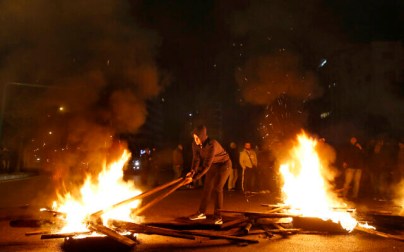
The government, which is scheduled to meet on Wednesday for the first time, includes the country’s first-ever female defence minister, Zeina Akar, and five other women.
The post of foreign minister, which had been held by President Michel Aoun’s controversial son-in-law Gebran Bassil, was handed to respected diplomat Nassif Hitti.
The new cabinet is made up of unfamiliar figures, many of them academics and former advisers, but protesters were quick to argue that the absence of the biggest names in Lebanon’s widely reviled hereditary political elite was but a smokescreen.
“We want a new Lebanon, a Lebanon with no corruption,” Charbel Kahi, a 37-year-old farmer, told AFP as fellow protesters beat drums behind him.
“They are not taking the Lebanese people seriously with this government,” he said.
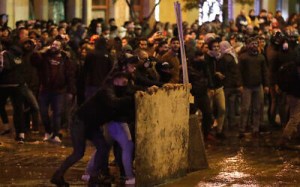
Diab admitted that “Lebanon is experiencing a difficult time in its history” and called for stability but within minutes of his address protesters were out in the streets of several cities, including Tripoli, Sidon and Byblos.
Hilal Khashan, a professor at the American University of Beirut, argued that the idea of a genuinely technocratic government in Lebanon was “wishful thinking”.
“Behind every candidate, there is a political party backing their nomination,” he said.
Paula Yacoubian, a former journalist and independent MP, scorned the new line-up as “patches on old clothes.”
“Hassan Diab did not keep his promise of forming a government of independent” experts, she said.

Diab, a 61-year-old engineering professor at the American University of Beirut and self-professed technocrat, had come under pressure on both the political and economic fronts.
Every day that passed without a cabinet had fuelled the anger of protesters and tested the patience of foreign donors warning that the quasi-bankrupt state could ill afford further delays.
Donors and citizens are pinning their hopes on a new government to spearhead reforms, unlock billions in international aid and help stabilize a plummeting currency.
“The task that awaits any cabinet during this serious period is Herculean,” said Karim Mufti, a political scientist.
“In view of the multidimensional nature of the crisis, it seems difficult to envisage short-term solutions to the country’s financial, economic and social problems.”
A grinding dollar liquidity crisis and informal caps on withdrawals of the greenback have compounded the crisis, leaving Lebanon on the brink of default.

The outgoing government included all of Lebanon’s political factions, but Hariri’s Sunni-dominated movement and some of his allies have opted to stay out of the new cabinet.
This leaves the small country of six million led by a government dominated by the sanctions-hit Hezbollah movement and its allies.
Both the Christian bloc of President Michel Aoun and the Shiite Amal party of Parliament Speaker Nabih Berri are political allies of the Iran-backed organization.
Observers have warned that such a lopsided government could struggle to foster enough goodwill at home and abroad to implement much-needed reforms.




 anneinpt
 artaxes
 danmillerinpanama
 davidking1530
 Peter Hofman
 Joseph Wouk
 Peter
Peter Louisiana Steve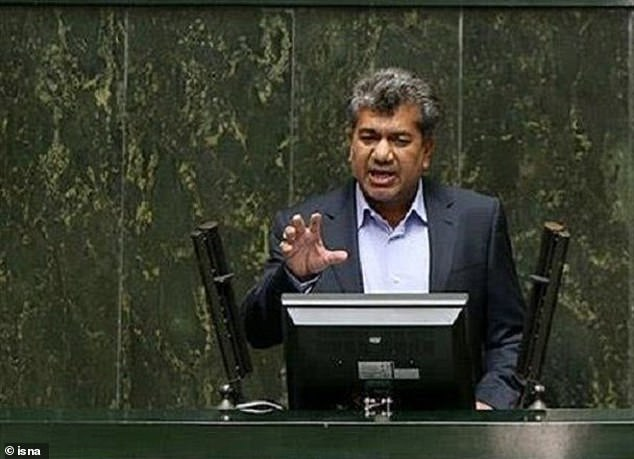
 WarSclerotic
Recent Comments