Archive for September 2019

Rouhani: Starting Friday, Iran to develop faster nuclear enrichment centrifuges

September 5, 2019

Source: Rouhani: Starting Friday, Iran to develop faster nuclear enrichment centrifuges | The Times of Israel

Iranian president says third step away from 2015 nuclear deal will be of ‘an extraordinarily significant nature’ unless Europe comes up with solution
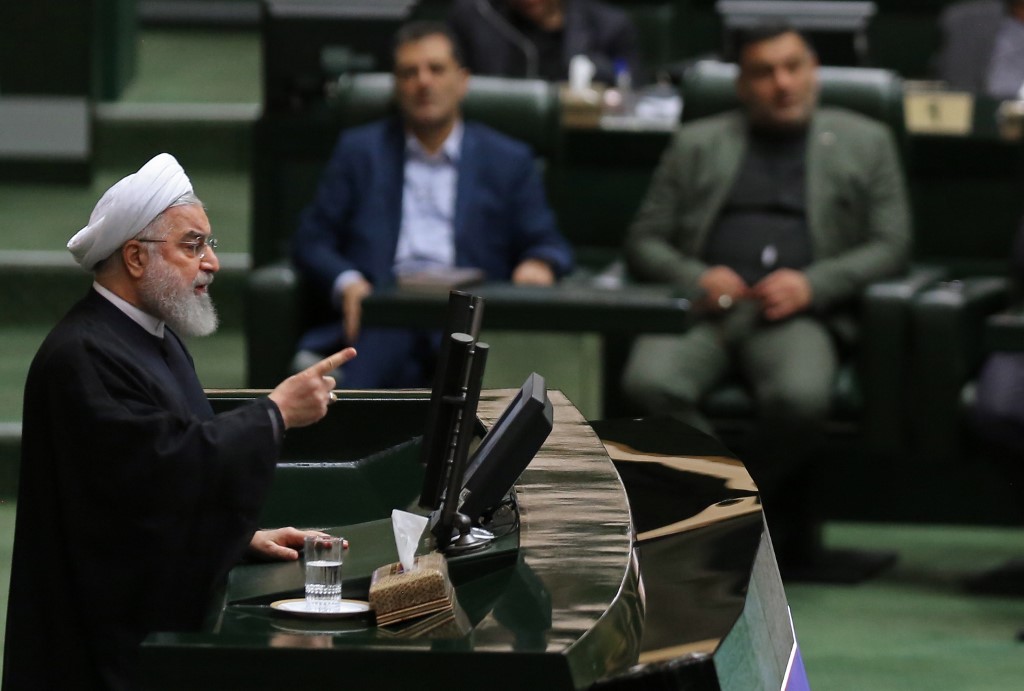
Iran's President Hassan Rouhani (L) addresses parliament in the capital Tehran on September 3, 2019. (ATTA KENARE / AFP)

Iran’s President Hassan Rouhani (L) addresses parliament in the capital Tehran on September 3, 2019. (ATTA KENARE / AFP)

TEHRAN, Iran (AP) — Iranian officials ratcheted up pressure Wednesday ahead of a weekend nuclear deadline for European nations to come up with a solution for Iran to sell its oil abroad in the aftermath of escalated US sanctions.

President Hassan Rouhani reiterated a threat that Tehran would take additional steps away from the 2015 nuclear accord on Friday and accelerate nuclear activities if Europe fails to provide a solution, calling it Iran’s third, “most important step” away from the deal.

“Iran’s third step is of an extraordinarily significant nature,” Rouhani said, without giving details.

Later on Wednesday, Rouhani elaborated, saying in comments aired on state TV that starting on Friday, Iran’s atomic agency would work on the research and development of “all kinds” of centrifuge machines that can more quickly enrich uranium. However, he said the activities will be “peaceful” and under surveillance of the UN nuclear watchdog.

“From Friday, we will witness research and development on different kinds of centrifuges and new centrifuges and also whatever is needed for enriching uranium in an accelerated way,” the president said in an address broadcast on state TV. “All limitations on our Research and Development will be lifted on Friday.”
Iranian President Hassan Rouhani speaks in a conference in Tehran, Iran, August 26, 2019. (Iranian Presidency Office via AP)

Under the nuclear deal, Iran has been limited to operating 5,060 older-model IR-1 centrifuges. A centrifuge is a device that enriches uranium by rapidly spinning uranium hexafluoride gas.

The country is allowed to test no more than 30 of the stronger, IR-6 centrifuges once the deal has been in place for 8 1/2 years. The deal is murky about limits before that point, which will arrive in 2023.

Meanwhile, Iran’s Foreign Ministry announced that seven members of the 23-member crew of the seized British-flagged oil tanker Stena Impero held in the Persian Gulf would be released — an apparent good-will gesture meant to defuse tensions.

Iran seized the tanker on July, saying it violated Iranian laws, after authorities in the British territory of Gibraltar seized an Iranian tanker said to be to be carrying fuel to Syria in violation of EU sanctions on oil sales to Damascus.

The Iranian vessel — the Adrian Darya 1, formerly known as the Grace 1 — was released earlier this month and set sail for eastern Mediterranean. It turned off its tracking beacon off the coast of Syria this week, leading to renewed speculation that its oil will end up there, despite earlier assurances to the contrary.

Both Rouhani and Deputy Foreign Minister Abbas Araghchi expressed doubts Europe would succeed in salvaging the nuclear deal between Tehran and world powers.
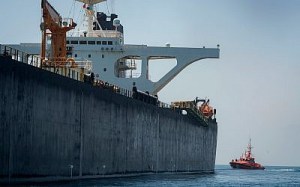
A view of the Grace 1 super tanker with the name removed is seen in the British territory of Gibraltar, August 17, 2019. (AP Photo/Marcos Moreno)

US sanctions imposed after President Donald Trump withdrew America from the deal have curbed Iran’s oil exports and sent its economy into freefall while what was left of the deal steadily unraveled.

French officials said the US has a pivotal role in the European bid to get Iran to comply, notably that Washington issue waivers for specific oil deals, according to French officials.

Foreign Minister Jean-Yves Le Drian told reporters Tuesday that Trump must “obligatorily issue waivers on this or that point.” The French president’s top diplomat had the same message: The diplomat said, credit lines or not, a potential deal “only works with American waivers” so that transactions can be made, notably with China, Japan, and India, three main clients of Tehran. The official asked to remain anonymous, given the sensitive nature of the subject.

The official suggested that a new step by Iran away from the nuclear deal does not kill efforts to save it.

Tensions have spiked across the Persian Gulf over mysterious tanker explosions, the shooting down of a US military surveillance drone by Iran and America deploying more troops and warplanes to the region.

Under the nuclear agreement, Iran agreed to limit its enrichment of uranium in exchange for the lifting of economic sanctions. But since Trump’s pullout, Iran has already taken steps contrary to the terms of the deal although it insisted they remained within the framework of the deal.
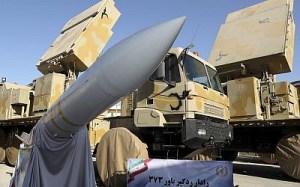
In this photo released by the official website of the office of the Iranian Presidency, Iran-made Bavar-373 air-defense missile system is seen after being unveiled by President Hassan Rouhani, Iran, Thursday, Aug. 22, 2019. (Iranian Presidency Office via AP)

The International Atomic Energy Agency confirmed last week that Iran’s stockpile of low-enriched uranium still exceeds the amount allowed by the deal. The UN agency also said Iran continues to enrich uranium up to 4.5%, above the 3.67% allowed under the deal but still far below weapons-grade levels of 90%.

French President Emmanuel Macron is leading talks seeking relief for Iran and de-escalation of tensions. This week, Foreign Minister Mohammad Javad Zarif travelled to Moscow while Araghchi went to Paris and elsewhere in Europe to press for a solution.

Little seems to have come out of those trips.

“I see that it’s unlikely a conclusion will be reached with Europe today or tomorrow,” Rouhani said.

Araghchi was quoted by the official IRNA news agency as saying “it is unlikely European countries can take an effective step” before the deadline.

Meanwhile, the idea of a phased credit line to pre-purchase Iranian oil has been floated amid the diplomatic efforts, something Araghchi reiterated.

Europe, he said, needs to compensate Iran in the “amount of $15 billion over a 4-month span” and “after that, Iran is ready for talks.”

Rouhani indicated that after Friday’s deadline expires and Iran takes the next step, another two-month deadline to Europe will follow with the aim to resume talks.

“They know what we want, and we know what they want,” Rouhani said.

Later on Wednesday, Foreign Ministry spokesman Abbas Mousavi told state TV that while judicial procedure on the British-flagged oil tanker is still underway, the captain of the ship has been asked — under Iran’s “humane policy” — to let seven of the crew return to their country.

He said the captain decided seven crew members from India would be the ones to leave.

Erik Hanell, CEO of the Swedish shipping group Stena Bulk that owns the Stena Impero, said it wasn’t immediately clear when the seven would be freed. The remaining 16 crew members are to stay onboard the vessel.

“Their ordeal may soon be over, and they may return to their families, however, we cautiously await official confirmation of their release date,” Hannell said, adding the announcement was “a positive step on the way to the release of all the remaining crew, which has always been our primary concern and focus.”

Times of Israel staff contributed to this article.
 

Now is not time to talk to Iran, Netanyahu says en route to London 

September 5, 2019

Source: Now is not time to talk to Iran, Netanyahu says en route to London | The Times of Israel

A day after Tehran announces further violation of nuclear deal, and with Trump saying meeting with Rouhani is ‘possible,’ PM urges increased pressure on regime

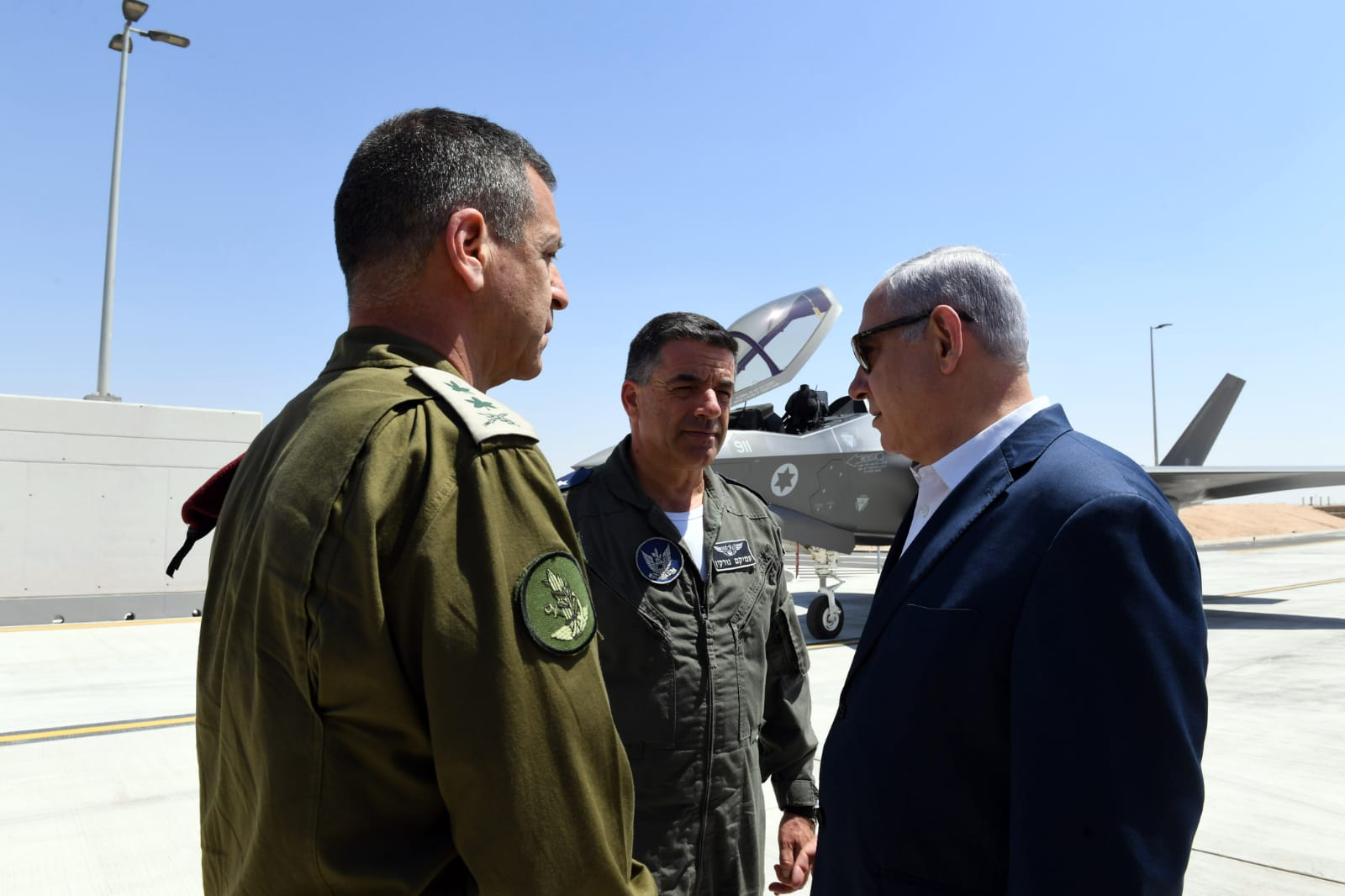
Prime Minister Benjamin Netanyahu, right, IDF Chief of Staff Lt. Gen. Aviv Kohavi, left, and Air Force chief Maj. Gen. Amikam Norkin, center, at the Nevatim Air Force Base on July 9, 2019. (Ariel Hermoni/Defense Ministry)

Prime Minister Benjamin Netanyahu, right, IDF Chief of Staff Lt. Gen. Aviv Kohavi, left, and Air Force chief Maj. Gen. Amikam Norkin, center, at the Nevatim Air Force Base on July 9, 2019. (Ariel Hermoni/Defense Ministry)

Amid efforts to broker a diplomatic solution to the nuclear impasse between the United States and Iran, Prime Minister Benjamin Netanyahu on Thursday morning called for amping up the pressure on the regime in Tehran.

“This is not the time to conduct talks with Iran — this is the time to increase the pressure on Iran,” he declared as he made his way to London for meetings with his British counterpart and a a top US defense official.

On Wednesday, US President Donald Trump did not rule out meeting with Iran’s President Hassan Rouhani in the near future. Asked by reporters at the White House whether he might meet with Rouhani on the sidelines of the United Nations General Assembly, which takes place in New York later this month, Trump responded: “Sure, anything is possible.”

Also on Wednesday, Rouhani announced additional steps away from the 2015 nuclear agreement, vowing to accelerate nuclear activities if Europe fails to provide satisfy Tehran’s demands.

As of Friday, Iran’s atomic agency would work on the research and development of “all kinds” of centrifuge machines that can more quickly enrich uranium, he vowed. However, the activities will be “peaceful” and under surveillance of the International Atomic Energy Agency, Rouhani said.

“This morning we were informed of another violation, more defiance, by Iran, this time in its striving to attain nuclear weapons,” Netanyahu told reporters Thursday as he boarded a Boeing 777 to London. “This joins Iran’s aggressive acts against international shipping and against countries in the region, as well as its efforts to carry out murderous attacks against the State of Israel, efforts that have not ceased.”

During the hastily arranged trip to the British capital, Netanyahu will meet with UK Prime Minister Boris Johnson, who was busy this week handling a revolt within his Conservative party over his controversial plan to leave the European Union by the end of next month.

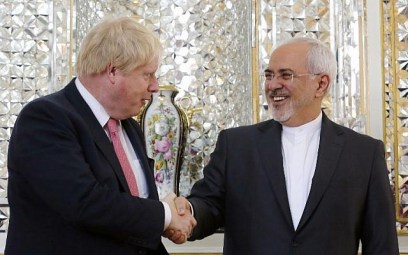
Iran’s Foreign Minister Mohammad Javad Zarif (R) shakes hands with his British counterpart Boris Johnson during a meeting in Tehran on December 9, 2017. (AFP Photo/Atta Kenare)

The UK is one of the signatories to the 2015 Iran nuclear deal and continues to firmly back the agreement, but has recently clashed with the Islamic Republic after it detained a UK-flagged oil tanker in the Strait of Hormuz. British authorities had previously seized a tanker carrying Iranian oil off the coast of Gibraltar.

Netanyahu is also scheduled to meet with US Secretary of Defense Mark Esper, who is currently in London.

With Esper, who was sworn into office less than two months ago, Netanyahu, who is also defense minister, wants to talk about “Israel’s security needs,” according to the Prime Minister’s Office. The two spoke by telephone on Tuesday night and decided to expand on their conversation in London, Netanyahu’s office said.

In this July 8, 2019, photo, acting US Secretary of Defense Mark Esper waits for the arrival of Qatar’s Emir Sheikh Tamim bin Hamad Al Thani at the Pentagon. (AP Photo/Susan Walsh)

Earlier this week, Hebrew media reported that Jerusalem has been discussing with the US administration a grand presidential gesture underlining America’s commitment to Israeli security in the coming days, including a possible statement on the two allies’ intent to enter into a defense pact.

The most likely action, the newspaper said, was a vow by Trump that the US will defend the Jewish state from any potential existential threat, though such a statement would have few practical implications. The proposed declaration has largely been seen as an effort by Trump to boost Netanyahu ahead of the September 17 elections.

Israel Air Force chief Major General Amikam Norkin and IDF Head of Operations Directorate Major General Aharon Haliva are accompanying Netanyahu on the snap visit, which was announced by the Prime Minister’s Office the day before.

The timing of Netanyahu’s trip to London raised some eyebrows among political analysts, given the turmoil currently engulfing the British political system that is sure to take priority over any other matter in 10 Downing Street.

Agencies and Times of Israel staff contributed to this report.


Pompeo to Lebanon: Get rid of 2nd Iranian missile factory or face US-backed Israeli attack – DEBKAfile

September 5, 2019

Source: Pompeo to Lebanon: Get rid of 2nd Iranian missile factory or face US-backed Israeli attack – DEBKAfile

DEBKAfile Exclusive: US Secretary of State Mike Pompeo warned Lebanon on Wednesday, Sept. 4, that Israel knows about a second, larger Iranian-Hizballah missile factory and is preparing to bomb it.
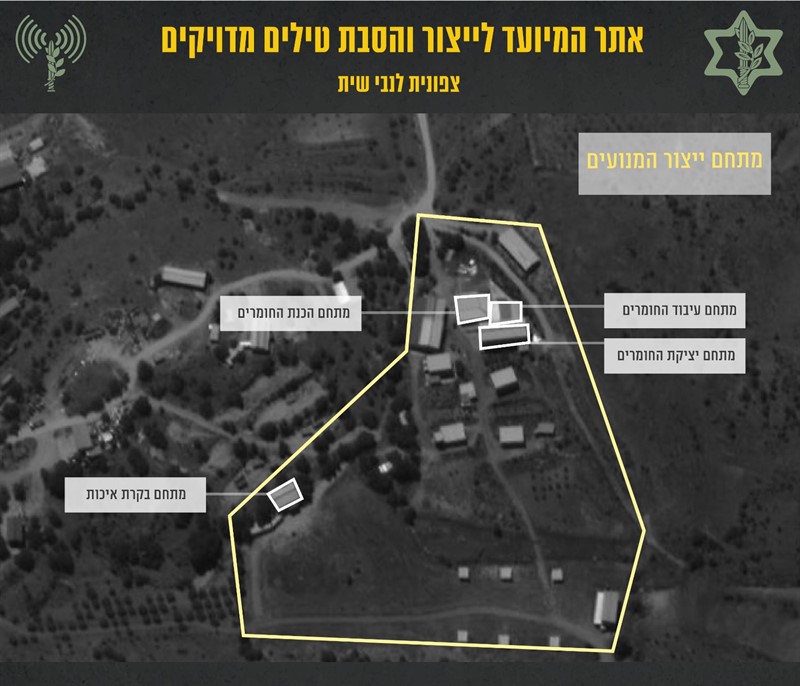
Pompeo addressed this urgent message directly to Lebanese Foreign Minister Jubran Basil, who is close to Hizballah’s Hassan Nasrallah, instead of through the usual embassy channels. He sent it on the day after the IDF showed reporters detailed evidence of the existence of a factory at Nebi Shait for arming Hizballah’s surface missiles with precision kits.

The Secretary wrote that Israel intelligence is fully apprised that Iran and Hizballah were building another, more substantial factory in Lebanon, to accommodate their main missile upgrade project. They had hoped to use the Nebi Shait plant as window dressing to throw Israel off the scent.

Pompeo directed Lebanon to dismantle this second factory without delay since Israel was in advanced preparations for its destruction. He stressed that Israel would be acting with full American support, whatever the consequences of the operation. Our sources note that the American message did not specify the location of Missile Factory No. 2.

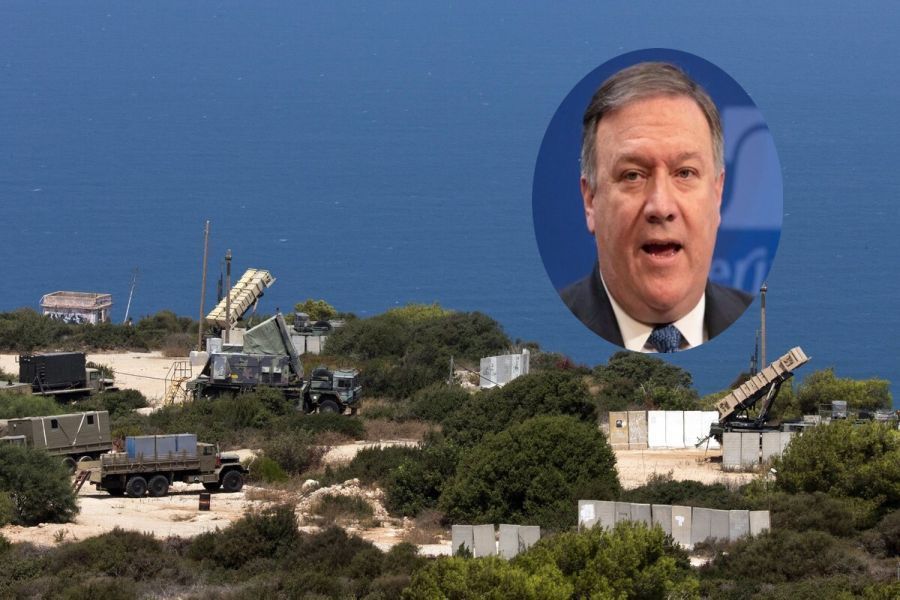
In support of the US ultimatum to Beirut, Israel on Wednesday night boosted its air defense array on the Lebanese and Syria borders with extra Patriot missiles. They were deployed in case Hizballah retaliated for the potential destruction of its main missile project by launching explosive drones into Israel.

Prime Minister Binyamin Netanyahu’s surprise trip to London – this time in his additional capacity as defense minister – fits in with these preparations. In addition to meeting UK Prime Minister Boris Johnson, Netanyahu will meet separately with the US Secretary of Defense, Mark Esper. With him are the Israeli Air Force commander Maj. Gen. Amikam Nurkin and head of the IDF Operations Directorate Maj. Gen. Aharon Havilah. They will present Israel’s plans of action in Lebanon in the days ahead.


Israeli News IDF fakes casualties in Islamic Hezbollah Lebanon Conflict update September 2019 

September 4, 2019


Why was Nasrallah let off the hook? The IDF exposed – but did not bomb – the Iranian precise missile plant in Lebanon – DEBKAfile

September 4, 2019

Source: Why was Nasrallah let off the hook? The IDF exposed – but did not bomb – the Iranian precise missile plant in Lebanon – DEBKAfile

Who decided to let Hizballah get away with a rocket attack on the Israeli military on Sunday, Sept. 1? IDF retaliation was impressive. But the heavy smoke blanketing wide fields of south Lebanon concealed the fact that the IDF had shelled empty fields, well away from Hizballah bases or manpower. Similarly, when the military spokesman reported an Israeli air strike against the Hizballah rocket launch squad, no one was hurt.

The same policy appears to have been applied to the production in Lebanon of precision missiles, despite the dire threats of destruction coming from Israel’s leaders. On Tuesday night, Sept. 3, the IDF made a big show of discovering a secret Iranian-Hizballah factory upgrading surface rockets to precise missiles at Nebi Shait in the Lebanese Beqaa valley. While displaying a detailed diagram showing the inside workings of the factory, the IDF spokesman omitted to explain why it was still standing and not destroyed. And although the military spokesman could tell reporters that the valuable production equipment was being dismantled and transported to hidden storage sites, he left unanswered the question of why the trucks carrying the equipment were not bombed in transit.

These unanswered questions lead to the conclusion that Israel has desisted from offensive operations against Hizballah in Lebanon ever since its drone attack of Aug. 24 on the Dahya suburb of Beirut. Demonstrating the existence of a missile conversion factory in Lebanon to prove Hassan Nasrallah’s denials were false was no big deal. After all, he never took any prizes for telling the truth.

Could the IDF be pulling its punches to avoid an all-out war with casualties in the short time left before the Sept. 17 general election? Or do Israel’s government and military leaders trust that the information they release will scare the Lebanese people into leaning hard on Hizballah to shut down its missile upgrade project? That would be naïve; trusting ordinary people to rise up against brutal leaders has never worked in the Gaza Strip and is unlikely to work in Lebanon. And, moreover, that policy has the dangerous side-effect of leaving the initiative for violence in the hands of the enemy. Israel’s conduct this week has already given Hizballah valuable information: he understands that he can safely continue to upgrade his rocket arsenal.


Trolling Hezbollah chief, IDF assures him it didn’t forget his birthday 

September 4, 2019

Source: Trolling Hezbollah chief, IDF assures him it didn’t forget his birthday | The Times of Israel

Amid tensions on the border, army highlights arms Iran and Syria send terror group, saying best gift for people of Lebanon would be would be freedom from Nasrallah

Supporters of the Lebanese Shiite terror group Hezbollah react with clenched fists as they watch a speech by the movement's leader Hasan Nasrallah, transmitted on a large screen in the Lebanese capital Beirut's southern suburbs on September 2, 2019. (Photo by AFP)

Supporters of the Lebanese Shiite terror group Hezbollah react with clenched fists as they watch a speech by the movement’s leader Hasan Nasrallah, transmitted on a large screen in the Lebanese capital Beirut’s southern suburbs on September 2, 2019. (Photo by AFP)

The Israel Defense Forces on Tuesday reassured Hezbollah leader Hassan Nasrallah, that it had not forgotten his birthday, even if his best friends in Iran and Syria had.

A tweet from the IDF mocking Nasrallah and his patrons came after days of tensions on the northern border.

“It was Hezbollah Leader Hassan Nasrallah’s birthday on Saturday and he thought no one remembered,” the IDF tweeted, adding: “Don’t worry, we did!”

The tweet featured an animated mock WhatsApp conversation between Nasrallah, Syrian dictator Bashaar Assad and Iranian Revolutionary Guard Corps’ Quds Force commander Gen. Qassem Soleimani, with the title “You forgot My birthday.”

Israel Defense Forces

@IDF

It was Hezbollah Leader Hassan Nasrallah’s birthday on Saturday and he thought no one remembered…

Don’t worry, we did! 🥳

In the conversation they apologize and say they were a bit busy in recent days.

Soleimani again apologizes, saying that some of the gifts he sent did not arrive, an apparent reference to the IDF intercepting and destroying arms shipments.

He then lists the weapons systems he is trying to send, while Nasrallah demands precision-guided missiles. “That’s the gift I want most,” he says.

The clip ends with a call to stop arming Hezbollah. “The people of Lebanon deserve a gift, freedom from Hezbollah,” it says.

In recent years the @IDF Twitter account has begun to adopt the vocabulary of social media, using language, memes and, notably, snark in a way that is uncommon for large government-run institutions, racking up 1 million followers in the process.

Earlier Tuesday the IDF announced that it had identified a facility in southern Lebanon being used by Hezbollah to convert and manufacture precision-guided missiles.

The compound located near Nabi Sheet in the Bekaa Valley in Lebanon was established several years ago by Iran and Hezbollah for weapons manufacturing, the army said in a statement, which came less than two weeks after a drone attack in Beirut attributed to Israel reportedly damaged key components of the project.

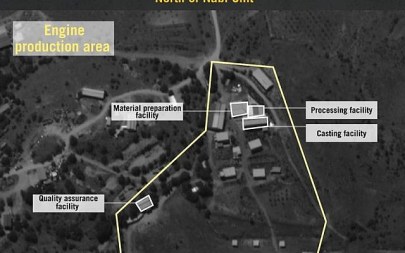
An aerial photo of what the IDF says is a Hezbollah facility designed to manufacture engines in the Lebanese Bekaa Valley. (Israel Defense Forces)

In a speech televised on Saturday, Nasrallah said that while his Iran-backed organization has some precision missiles, there was no production taking place in Lebanon.

Hezbollah is believed to have over 150,000 missiles, but only a small number of them can be guided to specific sites. Israel fears that in a future war, the terror group could use a barrage of precision missiles to attack sensitive facilities and overwhelm its air defense array.

Israeli planes have carried out airstrikes in Syria to foil efforts by Iran to smuggle the advanced weapons into Lebanon, according to authorities. Jerusalem believes Tehran is now trying to develop domestic production in Lebanon because of the danger involved in trying to move the weapons from Iran to Lebanon.

Agencies contributed to this report.


Iran said to be building large military base on Iraq-Syria border

September 4, 2019

Source: Iran said to be building large military base on Iraq-Syria border | The Times of Israel

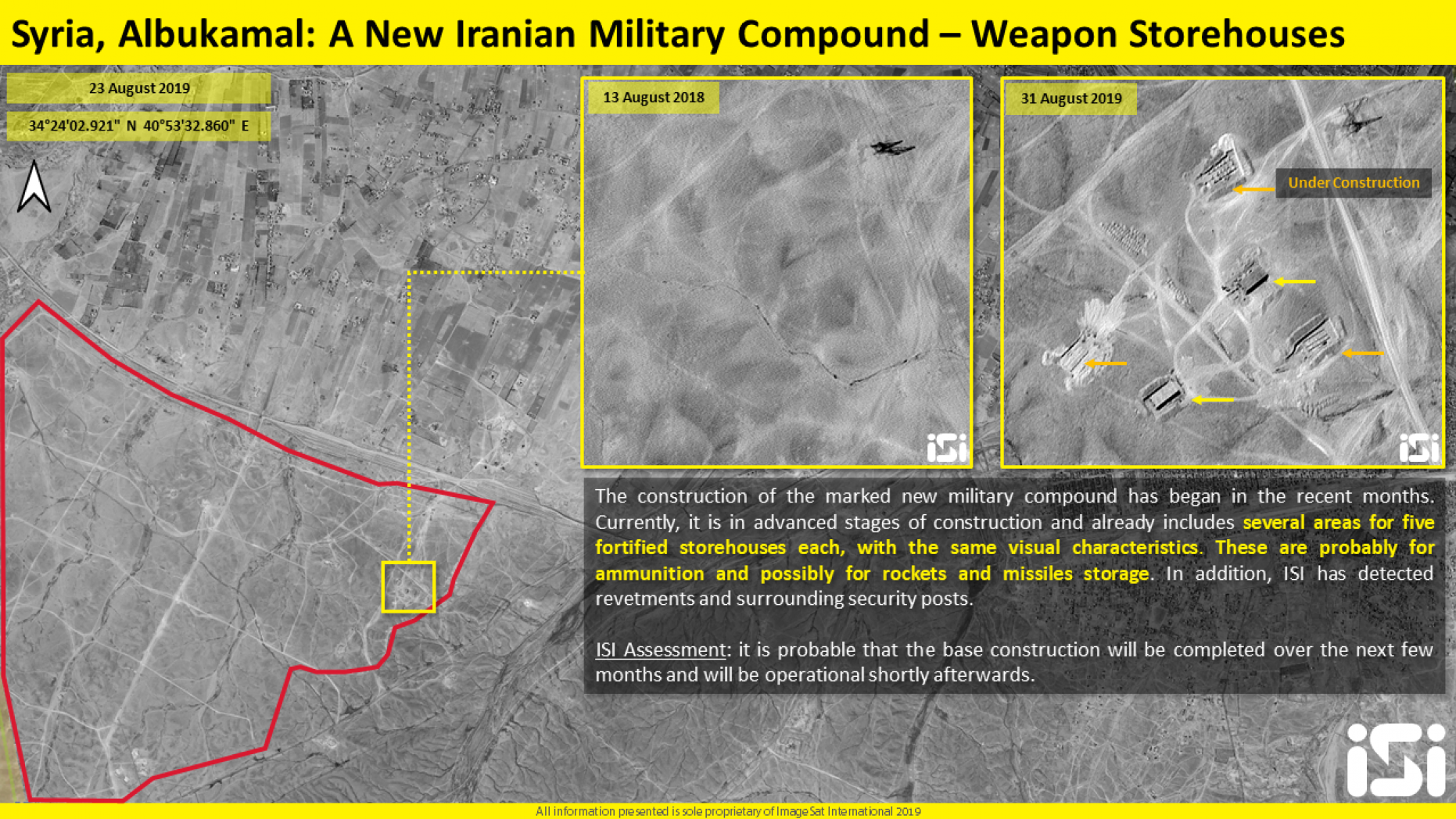
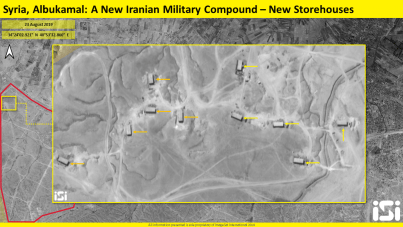
New military facility seen in Israeli satellite images features five weapons storerooms and will be able to house thousands of soldiers

Satellite image showing the construction of a new Iranian military base in Iraq's Albukamal Al-Qaim region, near the Syrian border (ImageSat International via Fox News)

Satellite image showing the construction of a new Iranian military base in Iraq’s Albukamal Al-Qaim region, near the Syrian border (ImageSat International via Fox News)

Iran is construction a new military facility in Syria that can house thousands of soldiers, according to a Tuesday Fox News report.

Quoting Western intelligence sources, the US cable network said the base is located near the Syria-Iraq border, and its construction is being overseen by the Quds Force, the overseas branch of Iran’s elite Islamic Revolutionary Guard Corps.

Satellite photos of the base, known as the Imam Ali compound, showed what appeared to be five recently constructed buildings that can store precision-guided missiles, according to ImageSat International.

ImageSat, an Israeli satellite imagery analysis firm, said the photos also show other structures at the facility that could be used for storing missiles.

Satellite image showing the construction of a new Iranian military base in Iraq’s Albukamal Al-Qaim region, near the Syrian border (ImageSat International via Fox News)

The images also show what appears to be Iranian construction on a new border crossing that near the existing al-Qaim border crossing with Iraq.

ISI analysts told Fox that the base would be completed and operational in the next few months.

Defense officials said the Imam Ali compound marked the first time Tehran was constructing a military base in Syria, and noted that it was less than 200 miles away from a US military installation in neighboring Iraq.

Israel views Iran as its greatest threat, and has acknowledged carrying out scores of airstrikes in Syria in recent years aimed primarily at preventing the transfers of sophisticated weapons, including guided missiles, to the Iran-backed Hezbollah.

This quiet war has reportedly expanded to Iraq in recent weeks, with US officials saying the Israel Defense Forces was behind at least some strikes on Iran-linked sites outside of Baghdad.

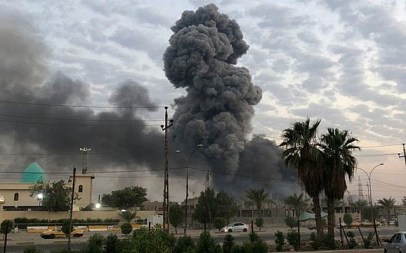
In this photo from August 12, 2019, plumes of smoke rise after an explosion at a military base southwest of Baghdad, Iraq. (AP Photo/Loay Hameed)

The Pentagon, which is mindful of not alienating Iraq’s leadership and jeopardizing its military presence in the country, has pointedly distanced itself from the mysterious explosions.

Since mid-July, five arms depots and training camps belonging to Popular Mobilization Force have been targeted in apparent attacks.

The PMF has blamed both Israel and the US for the recent string of blasts and drone sightings at its bases, but Baghdad has mostly refrained from making direct accusations.

The PMF was established in 2014 from mostly Shiite paramilitary groups and volunteers to fight the Islamic State jihadist organization and is now formally part of Iraq’s armed forces.

But the US and Israel fear some units are an extension of Iran and have been equipped with precision-guided missiles that could reach Israel.

An illustrative map showing the locations from which the Israeli military says Iran tried to launch explosive-laden drones into northern Israel from Syria in August 2019. (Israel Defense Forces)

On Thursday, Prime Minister Benjamin Netanyahu accused Iran and Hezbollah of racing to build a missile-production program in Lebanon, vowing to destroy the ambitious project and issuing a stern warning to his enemies to “be careful.”

“We are determined to eliminate this dangerous project,” he said. “The aim of the publication today is to convey a message that we will not sit by and allow our enemies to arm themselves with deadly weapons directed at us.”

Netanyahu last week also addressed General Qassem Soleimani, the head of Iran’s Quds Force and the architect of its regional entrenchment, telling him to “be careful with your words and be even more careful with your actions.”

Last month, an Israeli airstrike thwarted what Israel said was a plot by Iran to launch a series of explosives-laden attack drones meant to crash into targets in the country. Iran denied the claims.

Hours later, Israel allegedly struck Iran-linked targets as far away as Iraq and crash-landed two drones in Hezbollah-dominated southern Beirut.


Refuting Nasrallah’s denial, the IDF reveals an Iranian-Hizballah precision missile plant in the Lebanese Beqaa – DEBKAfile

September 4, 2019

Source: Refuting Nasrallah’s denial, the IDF reveals an Iranian-Hizballah precision missile plant in the Lebanese Beqaa – DEBKAfile

Iran and Hizballah secretly established a factory for converting surface missiles to precision guidance near Nebi Shait, a village in the Lebanese Beqaa Valley, according to a detailed disclosure by the IDF on Tuesday, Sept. 3. The statement, which refutes Hassan Nasrallah’s denials, describes the factory has having a number of assembly lines which are operated by Iranian specialists especially imported for the purpose. The product produced in Lebanon is said to have achieved a high level of accuracy, estimated at no more than a 10-meter radius from the missile’s target.

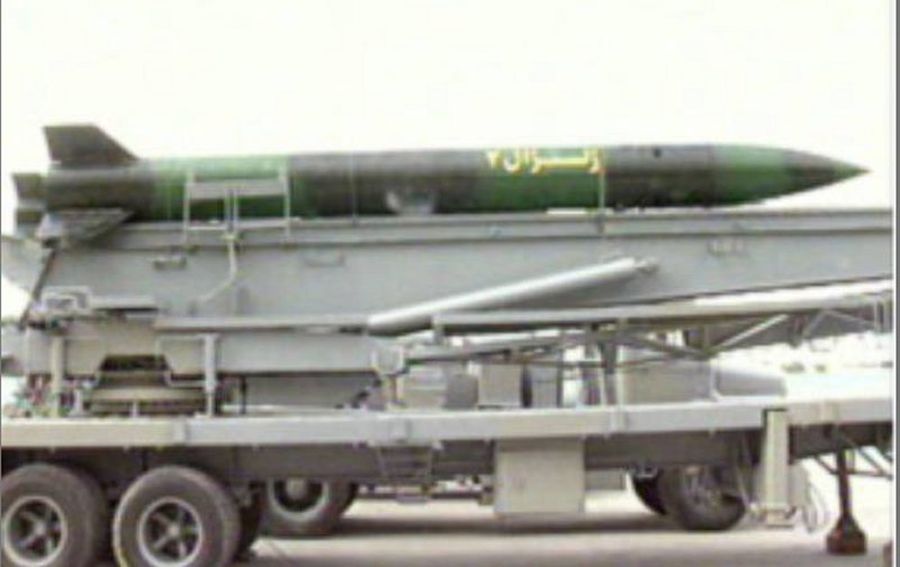
The project is divided into sections, manufacturing, quality control, the production of explosive warheads and a logistic compound.  DEBKAfile’s sources identify the missiles upgraded a Nebi Shait as Fatteh-110 and Zelzal 2
The IDF communique reveals that, since the incidents of recent weeks, culminating in the exchange of fire between Hizballah and Israel on Sunday, Iranian and Hizballah staff at the factory have begun dismantling the high-cost equipment for upgrading the missiles and distributing its components to various hiding places in the country, including Beirut.

Israel’s military communique coincided with a report released by US intelligence sources on Tuesday revealing a new and ominous Iranian foothold in Syria.  The Revolutionary Guards are building their first substantial base, big enough to accommodate thousands of troops on a site between Abu Kamal and the Iraqi border.

The two disclosures taken together point to highly active coordination between the US and Israel in tracking Iran’s operations in Lebanon and Syria.


TV: Israel was ready to destroy Hezbollah missile program if soldiers were hit

September 3, 2019

Source: TV: Israel was ready to destroy Hezbollah missile program if soldiers were hit | The Times of Israel

Air force jets were airborne over the Mediterranean in preparation for massive retaliation, but missile attack Sunday narrowly missed its targets

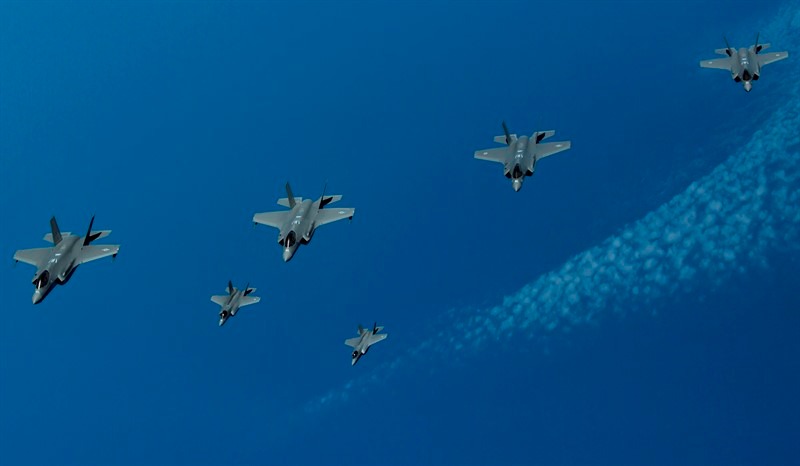
F-35 fighter jets from Israel, the United States, and the United Kingdom take part in an aerial exercise over the Mediterranean Sea, on June 25, 2019. (Israel Defense Forces)

F-35 fighter jets from Israel, the United States, and the United Kingdom take part in an aerial exercise over the Mediterranean Sea, on June 25, 2019. (Israel Defense Forces)

Israel was ready to launch a massive retaliation against Hezbollah’s precision missile system in Lebanon, and only opted against carrying out that plan because no Israeli soldiers were hurt in a Sunday cross-border attack by the terror group, according to a report Monday evening.

“The fact that [Hezbollah leader Hassan] Nasrallah missed and didn’t kill any Israelis saved Hezbollah from the destruction of its precision missile program,” an Israel Defense Forces source was quoted as saying by Channel 12 news. “The planes were already in the air.”

According to the report, air force jets were flying over the Mediterranean Sea armed with dozens of tons of explosives in preparation for a counter-strike.

The source was quoted as saying the warplanes were ready to bomb many targets linked to Hezbollah’s missile production, and were waiting for a green light from Jerusalem.

The report came shortly after a Hezbollah-affiliated TV network published footage it said depicted the terror group’s missile strike on an Israeli military vehicle the day before, which did not cause casualties and led to a relatively limited Israeli retaliation. The footage showed two anti-tank missiles apparently narrowly missing an IDF vehicle on the road between Moshav Avivim and Kibbutz Yir’on near the northern border.

The footage from Al-Manar TV shows a Hezbollah fighter launching a Kornet guided missile at what appears to be a moving Israeli armored personnel carrier patrolling along the border fence. An additional launch at the APC is seen from further away. While the Hezbollah-affiliated network stated that the two strikes destroyed the APC, the footage does not show that the military vehicle sustained a direct hit; it shows billows of smoke surrounding it as the missiles land.

The APC itself was not in fact hit by either projectile, according to findings from an IDF analysis published earlier Monday. Rather, a piece of shrapnel from the explosion of one of the projectiles hit a tire, forcing the vehicle to stop on the side of the road, the military said.

“The mannequins that were placed in the Israeli military vehicles were not of use in misleading the resistance in choosing the target of its response,” Al-Manar reported, referencing a psychological war tactic that Lebanese media caught the IDF employing last week, when the military parked a jeep along the northern border with uniformed dummies inside.

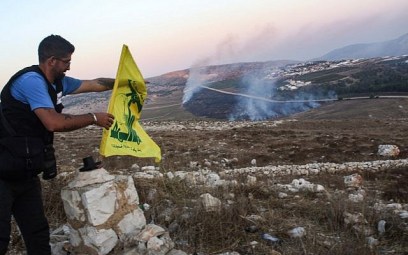
A man fixes a Hezbollah flag at the ‘Garden of Iran’ Park in the Lebanese village of Maroun al-Ras on September 1, 2019, as fires blaze on the Lebanese side along the border following an exchange of fire with Israel. (Mahmoud Zayyat/AFP)

The IDF said that no Israelis were injured in Sunday’s attack, but Hezbollah has maintained that its strike killed and injured Israeli soldiers.

Pictures and videos showing injured soldiers being evacuated via helicopter from the scene had been a ploy meant to trick Hezbollah into thinking it had caused casualties, Israeli sources said.

Jacob Magid and Adam Rasgon contributed to this report.


France seeks $15b letter of credit for Iran to keep nuclear deal alive 

September 3, 2019

Source: France seeks $15b letter of credit for Iran to keep nuclear deal alive | The Times of Israel

Iranian delegation in Paris for talks as Tehran spokesperson says ‘our views have come closer together’

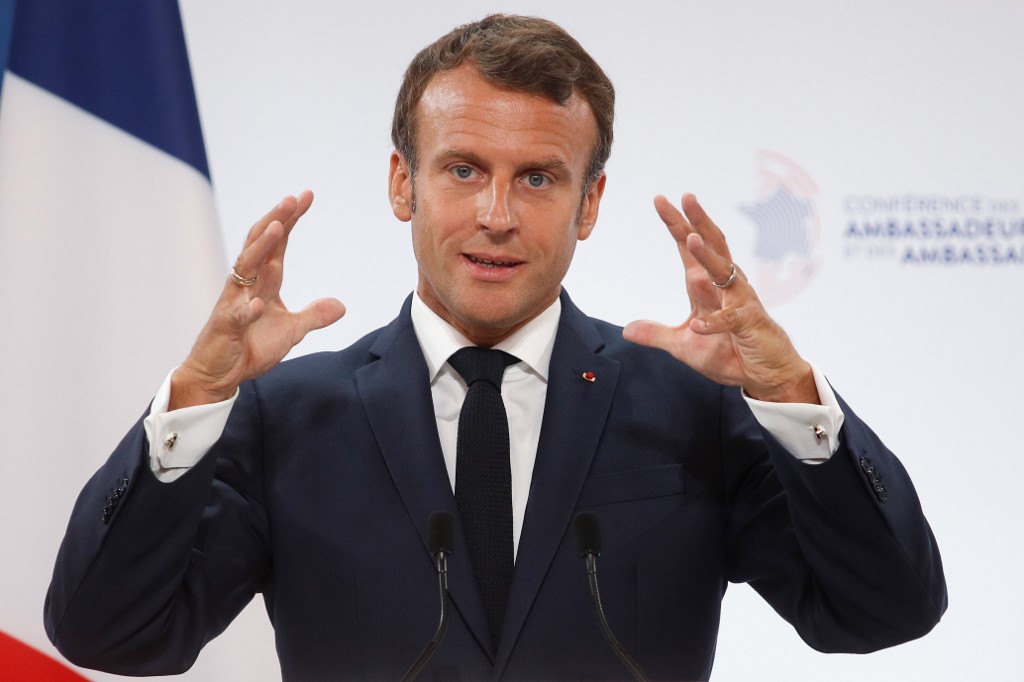
French President Emmanuel Macron gestures as he delivers a speech during the annual French ambassadors conference at the Elysee Palace in Paris on August 27, 2019. (Yoan VALAT / POOL / AFP)

France has reportedly offered to extend a $15 billion letter of credit to Iran in exchange for the Islamic Republic’s compliance with the 2015 nuclear deal with world powers.

According to The New York Times, which cited a US official and Iranian reports, the proposed sum was aimed at salvaging the accord after US President Donald Trump withdrew from the pact last year and reimposed biting sanctions on Iran, including on its oil sector.

The $15 billion package would make up for about half of Iran’s annual oil sales, the report said, and ease some of the economic pressure on it.

On Sunday, a conservative Iranian lawmaker said French President Emmanuel Macron had proposed a $15 billion line of credit on condition Iran returns to the fold.

France’s President Emmanuel Macron, left, meets his Iranian counterpart Hassan Rouhani in New York, September 19, 2017. (AFP Photo/ Ludovic Marin)

“Macron has proposed Iran stop its third step for now in exchange for this sum, and maybe retreat from its first and second steps to the initial situation,” said Ali Motahari, quoted late Sunday by Tasnim news agency.

He was referring to Iran’s violations of the nuclear deal in recent months. It has been threatening to take a third step in reducing its commitments to the deal, reportedly on Friday, after already increasing its uranium enrichment and stockpile.

Iranian President Hassan Rouhani has had a series of phone calls with Macron in recent weeks aimed at retaining the nuclear deal.

The French leader has been trying to convince the United States to offer Iran some sort of relief from sanctions.

“In the past few weeks, there have been serious negotiations” between Rouhani and Macron, as well as talks with other European nations, said Iranian government spokesman Ali Rabiei.

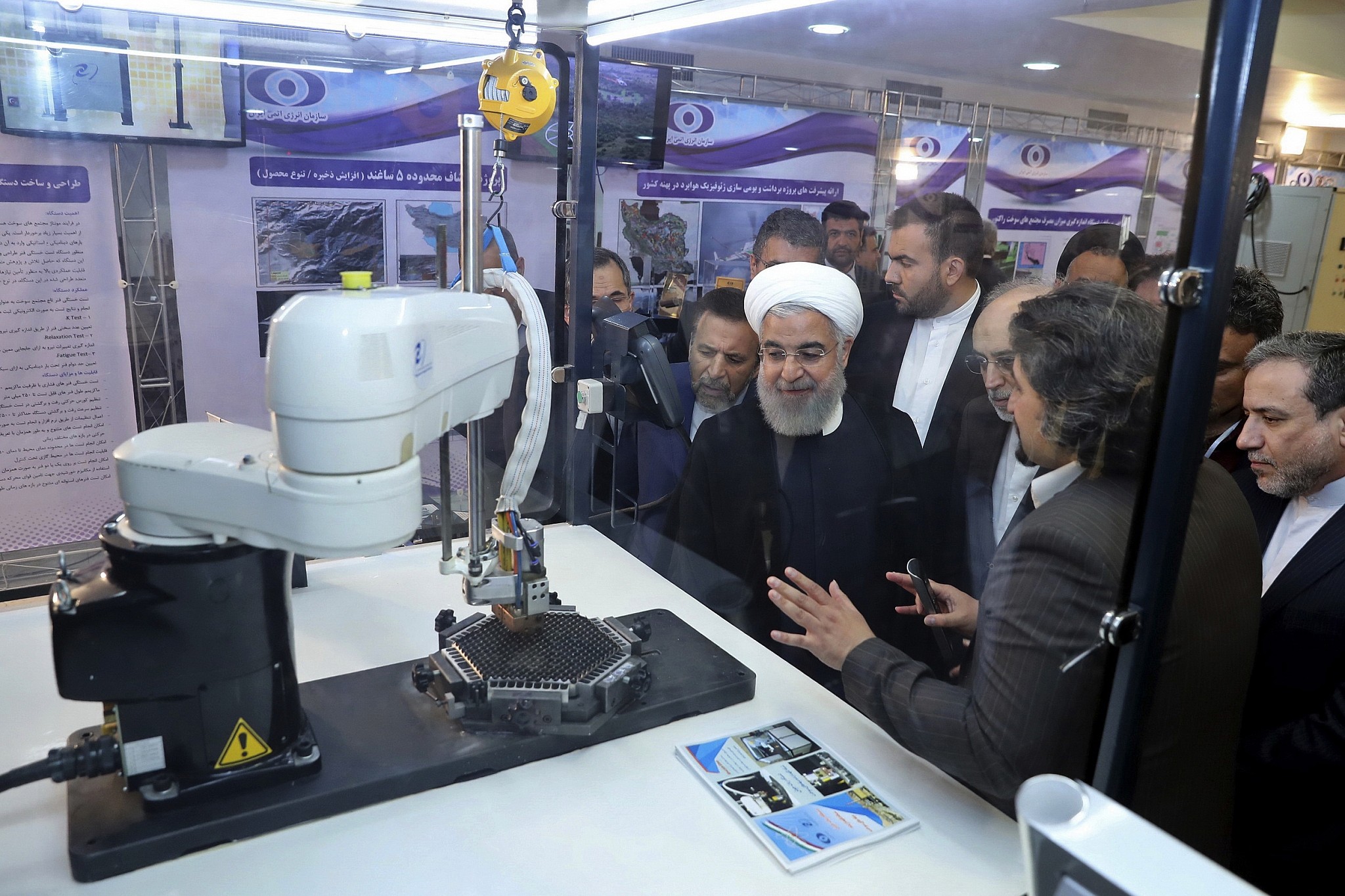
In this April 9, 2018 file photo, released by an official website of the office of the Iranian Presidency, President Hassan Rouhani listens to explanations on new nuclear achievements at a ceremony to mark ‘National Nuclear Day,’ in Tehran, Iran. (Iranian Presidency Office via AP, File)

“Fortunately, in many areas, our views have come closer together,” the government spokesman told a news conference.

A French foreign ministry spokeswoman indicated Monday that, underpinning Macron’s efforts to make progress on the issue, including at last week’s G7 summit in France, “discussions are continuing with Iran on reaching a deescalation of tensions.

“A meeting is taking place to this end in Paris today between French and Iranian experts,” she added without giving further details.

The Iranian delegation was headed by deputy foreign minister and top nuclear negotiator Abbas Araghchi.

Also Monday, Russian Foreign Minister Sergei Lavrov joined visiting Iranian counterpart Mohammad Javad Zarif in welcoming French efforts to save the Iran nuclear deal while criticizing Washington’s stance.

“We are hoping that this useful initiative of the French president will bear fruit,” Lavrov told reporters.