Archive for February 2019

Iran fights to get around US sanctions in Iraq, Turkey, Russia and Syria

February 23, 2019

Source: Iran fights to get around US sanctions in Iraq, Turkey, Russia and Syria – Middle East – Jerusalem Post

“Russian Foreign Ministry spokeswoman Maria Zakharova said on Friday that Moscow will continue all-out cooperation with Iran, including in the area of nuclear energy,” Iranian media reported.

BY SETH J. FRANTZMAN
 FEBRUARY 23, 2019 17:25
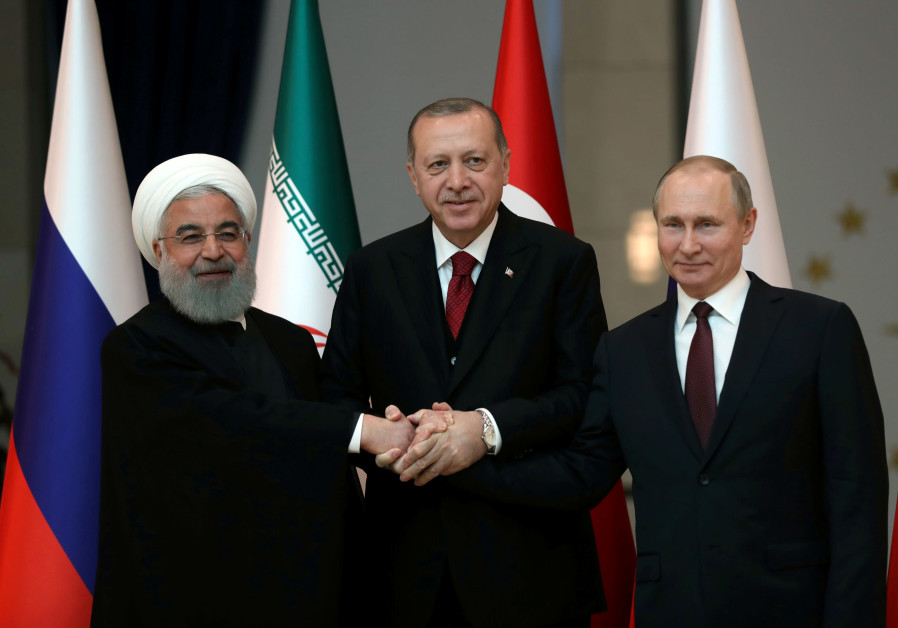
Presidents Hassan Rouhani of Iran, Tayyip Erdogan of Turkey and Vladimir Putin of Russia pose before

A new customs gate in the Saray district of Turkey’s Van province is expected to boost trade with Iran, according to Turkish media. It is one of several links Tehran is hoping to use to maintain its economy amid US sanctions and following the US-backed summit in Poland that Washington hoped would focus on Iran.
Tehran is now pushing for more trade with Iraq and Russia, and boasting it will not be affected by the sanctions.
Iran said on Saturday it had many options to neutralize the reimposition of the sanctions on its oil exports, the semi-official Tasnim news agency reported, adding that Tehran’s clerical rulers had no plans to hold talks with Washington.
“Apart from closing the Strait of Hormuz, we have other options to stop oil flow if threatened… The US administration lacks ‘goodwill,’ no need to hold talks with America,” Secretary of Iran’s Supreme National Security Council Ali Shamkhani told Tasnim. “Iran has plans in place that will neutralize the illegal US sanctions against Iran’s oil exports.”
On Friday, the Islamic Republic News Agency included an article about Russia’s efforts to confront the US regarding trade and Iran.
“Russian Foreign Ministry spokeswoman Maria Zakharova said on Friday that Moscow will continue all-out cooperation with Iran, including in the area of nuclear energy, despite all the pressures from the United States,” the article notes. Russia said that US efforts to “scare” Moscow regarding trade were unacceptable.
Russia has been outspoken before on standing by Iran during the dispute with the US. In late January, Russian Foreign Minister Sergey Lavrov met Iraq’s Foreign Minister Mohamed Alhakim in Moscow to discuss “the situation around Iran in the context of increasing sanctions pressure and harsh rhetoric from the US,” according to statements from Moscow.
They hinted that this affects Iraq’s interests. Iraq is increasingly a kind of “near abroad” for Iran’s economy, a key ally amid the increasing pressure from Washington. Iran has cultivated leaders in Iraq, including various Shi’ite-based political parties and also militias. Oil from Iraq is trucked to Iran and products from Iran go into Iraq.
For instance, on February 14 the Kurdistan Regional Government, an autonomous region in northern Iraq, issued a ban on oil exports to Iran. The ban appeared to be the result of pressure from the US, which doesn’t want the trade to continue. But a week after it was announced, Iran sent Ambassador Iraj Masjedi to Iraq and the Kurdistan region.
Soon after, two exemptions to the oil ban were released. On the one hand, Baghdad has discussed the trade with Washington, but on the other hand, Baghdad wants the exemptions.
Iran’s work with Iraq, Turkey and Russia is key to helping it get around the US sanctions and also keep its struggling economy afloat. Turkey had vowed it would not abide by new US sanctions in November. Turkey has also been in close talks with the Trump administration about Syria recently.
Turkey, Iran and Russia are also key players in the Astana process regarding ending the conflict in Syria. As part of that cooperation, Iran seeks to portray itself as advancing regional stability. Keeping Iran’s economy afloat is part of that stability, from Tehran’s perspective, and it seeks to convince its partners in Moscow and Ankara of this.
According to an article from the Atlantic Council on February 22, Iran is increasing its economic activities in Syria as the war winds down. It is shifting from sending aid to Syria, which was key to helping the Assad regime survive the civil war, to seeking economic benefit. Hamidreza Azizi argues that Tehran has signed a number of Memorandums of Understanding with Damascus as part of this effort.
This includes banking channels, agriculture, and other methods of “circumventing US sanctions.” Iran also wants to be involved in post-war reconstruction, “with economic benefit outweighing political considerations.” For the first time, Iran is also encouraging private sector investment, the article notes. A rail link, via Iraq, may even be in the works.
The Syrian nexus for the Iranian economy thus ties Iran, Iraq and Syria increasingly together. This is part of a political corridor of influence stretching to Lebanon, as well as a way for Iran’s economy to access neighboring states. Along with the closer relations Iran seeks with Russia and Turkey as part of the discussions about post-war Syria, the economic issue is of vital importance for Tehran. These recent reports clearly indicate that this is the case.
 

Iran mocks Netanyahu, says time of Israel’s action in Syria is ending 

February 23, 2019

Source: Iran mocks Netanyahu, says time of Israel’s action in Syria is ending – Middle East – Jerusalem Post

Secretary of Iran’s Supreme National Security Council says that deterrence will increase against Israel’s actions, and hints that US may increase withdrawal in the region.

BY SETH J. FRANTZMAN
 FEBRUARY 23, 2019 17:39
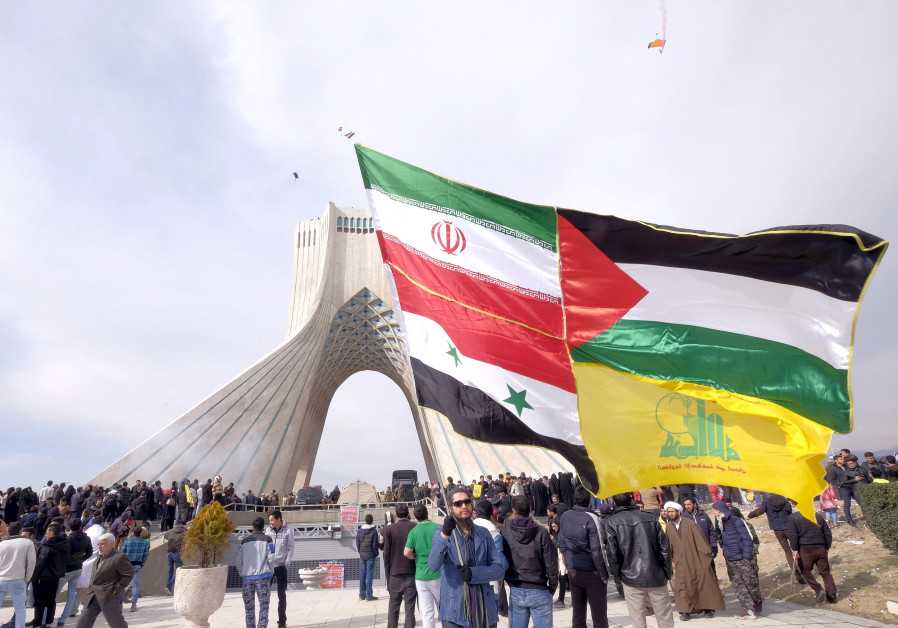
A man carries a giant flag made of flags of Iran, Palestine, Syria and Hezbollah, during a ceremony

The Secretary of Iran’s Supreme National Security Council said that important changes would occur this year in Iran’s deterrence against Israel’s actions in Syria. He predicted that Prime Minister Benjamin Netanyahu would be wary of a conflict prior to elections and that his political career would be over he entered into one. “Zionism will pay the cost for its stupidities,” he said, in a series of threats challenging Israel.

Rear Admiral Ali Shamkhani said that Iran and its allies in the “resistance axis” would their change policy this year in responding to any Israeli attacks in Syria. In the statement given to Tasnim News Saturday he accused Israel of supporting terrorists in Syria. He argued that Israeli intelligence had made mistakes in Syria and that Iran had been able to achieve “ninety percent of its goals.” Israel’s airstrikes had not had a strategic impact he said. His assessment was that Israel would not seek a war in the north this year and argued that this showed the weakness of Israel in the region.

Shamkhani said that Iran would continue to support Syria, arguing that Iran was advising the Syrian government in its war on terror. The comments are the latest bluster from Tehran in what has become near-daily statements about its successes in the region. Shamkhani also made comments about the US, claiming it would not start a war with Iran, and he claimed that the UAE and Saudi Arabia did not see eye-to-eye on issues in the region. He said that Oman, Qatar and Kuwait were seeking to prevent tensions in the region.

The comments also hinted at Iran’s belief that the US presence in the Middle East will be reduced under US President Donald Trump’s administration. “The sensitivities to the US military presence in Iraq are very high,” he said. This appears to hint at looming trouble in Iraq where local parties that are allies with Iran have pushed for a US withdrawal.


Iran and the fine art of evading sanctions

February 23, 2019

Source: Iran and the fine art of evading sanctions

With US penalties now back in place, Islamic Republic looks to art market both as revenue stream and as way of advancing its ideological agenda while simultaneously legitimizing itself on world stage.
As Iran continues to bear the brunt of punishing economic sanctions imposed by the United States, the regime is exploring creative new ways to raise much-needed capital. Among the strategies: exporting art.
“The international sanctions against Iran exclude cultural products,” Minister of Culture and Islamic Guidance Seyyed Abbas Salehi was quoted by Jordanian media as saying last week during a festival in Tehran. “We should take the export of art products seriously and use this opportunity.”Salehi added that the Islamic Republic is seeking to expand its pool of buyers and that regulations would be eased to facilitate art exports.

Iranians attend the first contemporary art auction in Tehran, June 2012  (Photo: Getty Images)

Iranians attend the first contemporary art auction in Tehran, June 2012 (Photo: Getty Images)

Notably, Iranian art last year outperformed comparable works from other Middle Eastern nations at global auctions, generating millions in sales.“The Iranian regime will do anything as it is quite cash-strapped,” says Reza Parchizadeh, an Iranian-born political activist. “That includes exporting artwork. The major artists in Iran are either sponsored by the regime or have to do its bidding from time to time to be able to work or even worse, to survive.”

Parchizadeh argues that Tehran not only relies on art for financial reasons but also uses culture to further its ideological agenda while legitimizing itself both domestically and on the world stage. For example, he says, authorities promote Iranian films at international events with a view to dispelling the notion that censorship is used as a tool of repression.

Iranian protests against US sanctions  (Photo: Reuters)

Iranian protests against US sanctions (Photo: Reuters)

“There has always been popular resistance against the regime’s attempts to monopolize culture,” Parchizadeh says. “(Nevertheless), the majority of the cultural products that are given the green-light and are publicized in Iran have the endorsement of the regime, albeit to different degrees and with different shades of significance.”

The US Department of the Treasury website states that the import into America of all Iranian goods and services is prohibited, with the following notable exceptions: “Gifts valued at $100 or less; information and informational materials; household and personal effects of persons arriving in the United States…and accompanied baggage for personal use.”According to Beau Barnes, a US attorney at the Kobre & Kim law firm, “informational materials” include items such as books, films and art. However, he qualified to The Media Line, “it’s actually a fairly narrow exception that isn’t likely to have a significant effect (especially given declining oil exports).

“The exception for informational materials is part of other US embargos, including on Cuba and North Korea,” Barnes added, “but the exception is narrowly defined and none of those countries have been able to prop up their economies by exporting art or literature. And any transactions would require Iranian sellers to find both (purchasers) and financial intermediaries willing to process those payments.”

Others similarly argue that it is difficult to ascertain the impact art exports could have on the Iranian economy, but nevertheless note that the art market has long been a global conduit for illicit financial dealings.

“American unilateral sanctions have been much more effective than anticipated,” says Behnam Ben Taleblu, Senior Fellow and an Iran expert at the Washington-based Foundation for Defense of Democracies. “The art world, however, has always been rife with (money laundering): you can over-inflate the value of something because it’s subjective and you can change currencies when you move art across borders.”

The Islamic Republic has over the past decades also developed other methods to evade sanctions, including creating alternative money transfer systems; importing tens of billions of dollars in gold from Turkey; and bartering its oil for others goods and services. For this reason, some believe sanctions are not enough to curb Iran’s alleged nuclear ambitions.

Iran's Bushehr nuclear facility (Photo: EPA/Archive) (Photo: EPA)

Iran’s Bushehr nuclear facility (Photo: EPA/Archive)

“When you do have a sanctions-heavy strategy it’s not just about levying them it’s also about enforcing them,” says Ben Taleblu. “In countries where there are various Iranian networks, Iranian-owned or -controlled businesses, those would be prime targets for sanctions evasion.”Parchizadeh notes that the Iranian regime since the 1979 Islamic Revolution has used methods to circumvent financial penalties such as “multinational umbrella corporations to conduct its businesses; doing wide-ranging money laundering; trafficking narcotics, etc. In order to completely stop the…regime in Iran, it must be eventually overthrown and replaced with a democratic system that is friendly to Western values.”

Requests for comment from the Iranian Ministry of Culture and Islamic Guidance did not receive a response.

Article written by Maya Margit and reprinted with permission from The Media Line


As hundreds of US troops stay in Syria, Trump insists no U-turn 

February 23, 2019

Source: As hundreds of US troops stay in Syria, Trump insists no U-turn | The Times of Israel

Around 200 American ‘peacekeeping’ soldiers to remain indefinitely amid harsh criticism of US president’s decision to withdraw forces by April 30

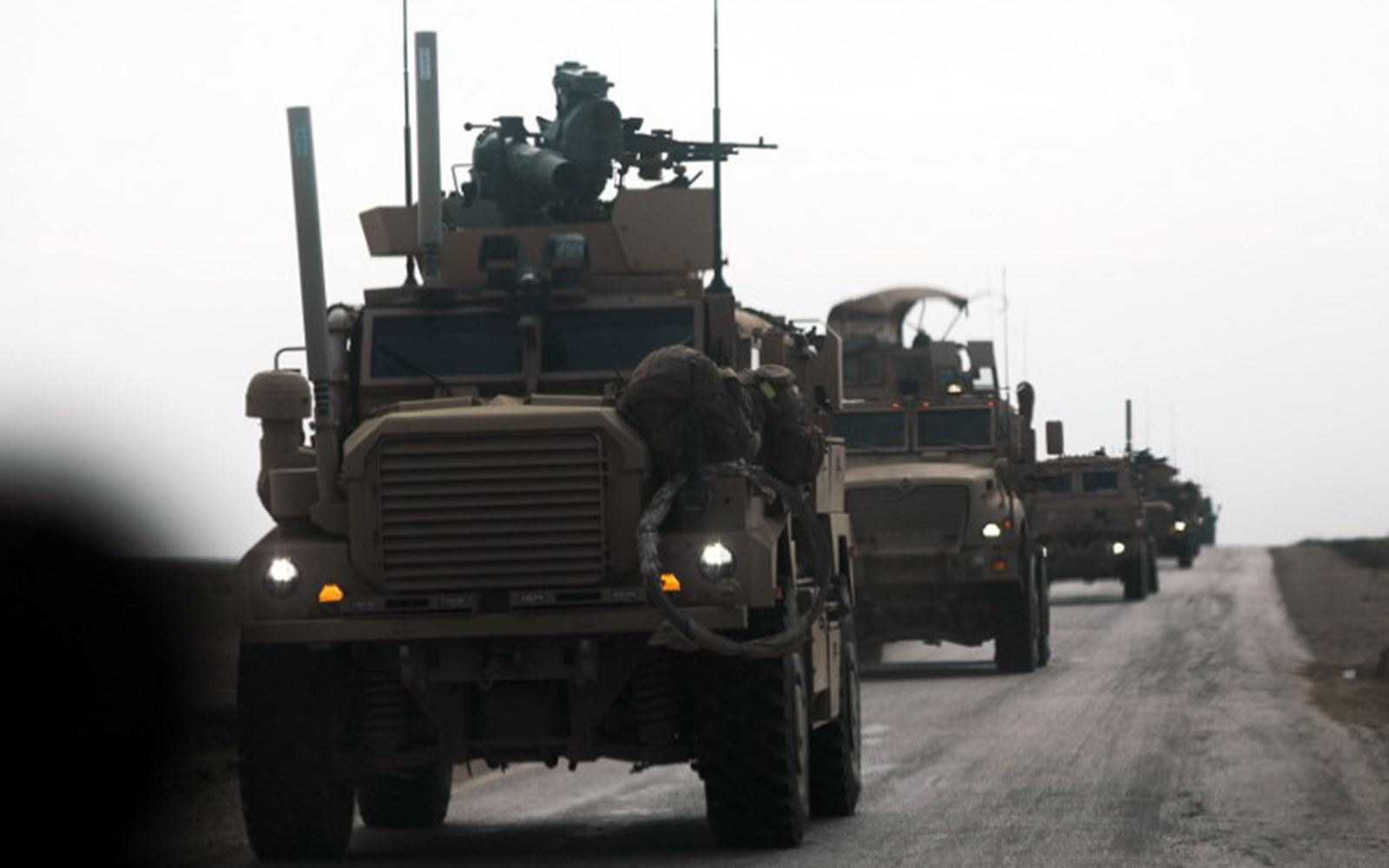
Military vehicles with the US-backed coalition against the Islamic State (IS) group during an operation to expel the jihadists, in the countryside of the eastern Syrian province of Deir Ezzor, February 21, 2019. (Delil Souleiman/AFP)

Military vehicles with the US-backed coalition against the Islamic State (IS) group during an operation to expel the jihadists, in the countryside of the eastern Syrian province of Deir Ezzor, February 21, 2019. (Delil Souleiman/AFP)

WASHINGTON (AFP) — President Donald Trump insisted Friday he was not pulling an about-face on his Syria withdrawal plans, after it was announced hundreds of US troops would remain in the war-torn country.

The White House quietly dropped the news late Thursday that around 200 American “peacekeeping” soldiers would remain in Syria indefinitely, amid fierce criticism of Trump’s decision to withdraw America’s more than 2,000 troops there by April 30.

“I am not reversing course,” Trump said at the White House, noting that 200 soldiers was only a “very small, tiny fraction” of the overall presence.

Senior Republican Senator Lindsey Graham heralded the move, claiming the residual forces would somehow catalyze a bigger presence by European allies who had balked at the idea of committing troops to Syria minus an American ground presence.

“This 200 will attract probably 1,000 Europeans,” Graham said in an interview with Fox News.

Trump, an avid Fox viewer, said he watched Graham and supported leaving “a small force with others. Whether it’s NATO troops or whoever it might be, so that (Islamic State) doesn’t start up again.”

Trump declared victory over IS in December despite thousands of fighters remaining and a continued effort to clear jihadists from a final scrap of territory. The decision prompted his defense secretary Jim Mattis to quit.

Critics have decried a number of possible outcomes from a US precipitous withdrawal, including a Turkish attack on US-backed Kurdish forces and a resurgence of IS.

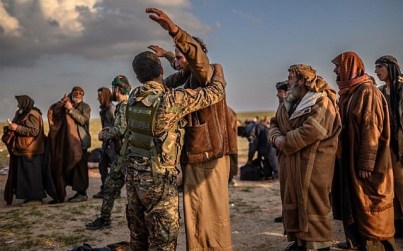
Men suspected of being Islamic State fighters are searched by members of the Kurdish-led Syrian Democratic Forces (SDF) after leaving the Islamic State’s last holdout of Baghouz in Syria’s northern Deir Ezzor province, February 22, 2019.
(Bulent Kilic/AFP)

Apart from the US, currently only France and Britain have a handful troops on the ground in Syria helping train local forces in the US-led effort against IS.

Acting Defense Secretary Patrick Shanahan visited Europe last week and attempted to convince allies to furnish a troop presence in Syria after the US pulls out.

But he struggled to persuade other countries why they should risk their forces with America gone.

Graham claimed “thousands of Europeans” had been killed by IS fighters coming from Syria into Europe.

“Now, the burden falls on Europe. Eighty percent of the operation should be European, maybe 20% us,” he said.

According to various tracking groups, far fewer than 1,000 people have been killed in attacks by Islamists of all origins in Europe since 2014.

But Graham’s rhetoric feeds into one of Trump’s favorite topics — his perception that European and NATO allies aren’t contributing enough to global security.

Anti-IS campaign ‘unchanged’

Shanahan, who spoke briefly to Pentagon reporters as he met with Turkey’s Defense Minister Hulusi Akar, insisted the mission to defeat ISremained unchanged.

“The transition that we are working towards is stabilization, and to enhance the security capability of local security forces,” Shanahan said.

General Joe Dunford, who is Chairman of the Joint Chiefs of Staff, added he was confident allies would step into the fray.

“There is no change in the basic campaign. The resourcing is being adjusted because the threat has been changed,” Dunford said.

Graham meanwhile said he had been speaking to Trump “continuously” about the withdrawal and persuaded him that a buffer zone needs to be created to protect US-backed Kurdish fighters from a possible attack by Turkey.

“You don’t want to end one war and start another,” Graham said he told Trump.

Akar, the Turkish minister, said Ankara did not have a problem with the Kurds in Syria, only with the armed US-backed Kurdish fighters there.

“We are fighting against terrorist organizations,” Akar said.


From Syria, IS slips into Iraq to fight another day

February 23, 2019

Source: From Syria, IS slips into Iraq to fight another day | The Times of Israel

Cells operating in four northern provinces are carrying out kidnappings, assassinations and roadside ambushes aimed at restoring extortion rackets that financed group in the past

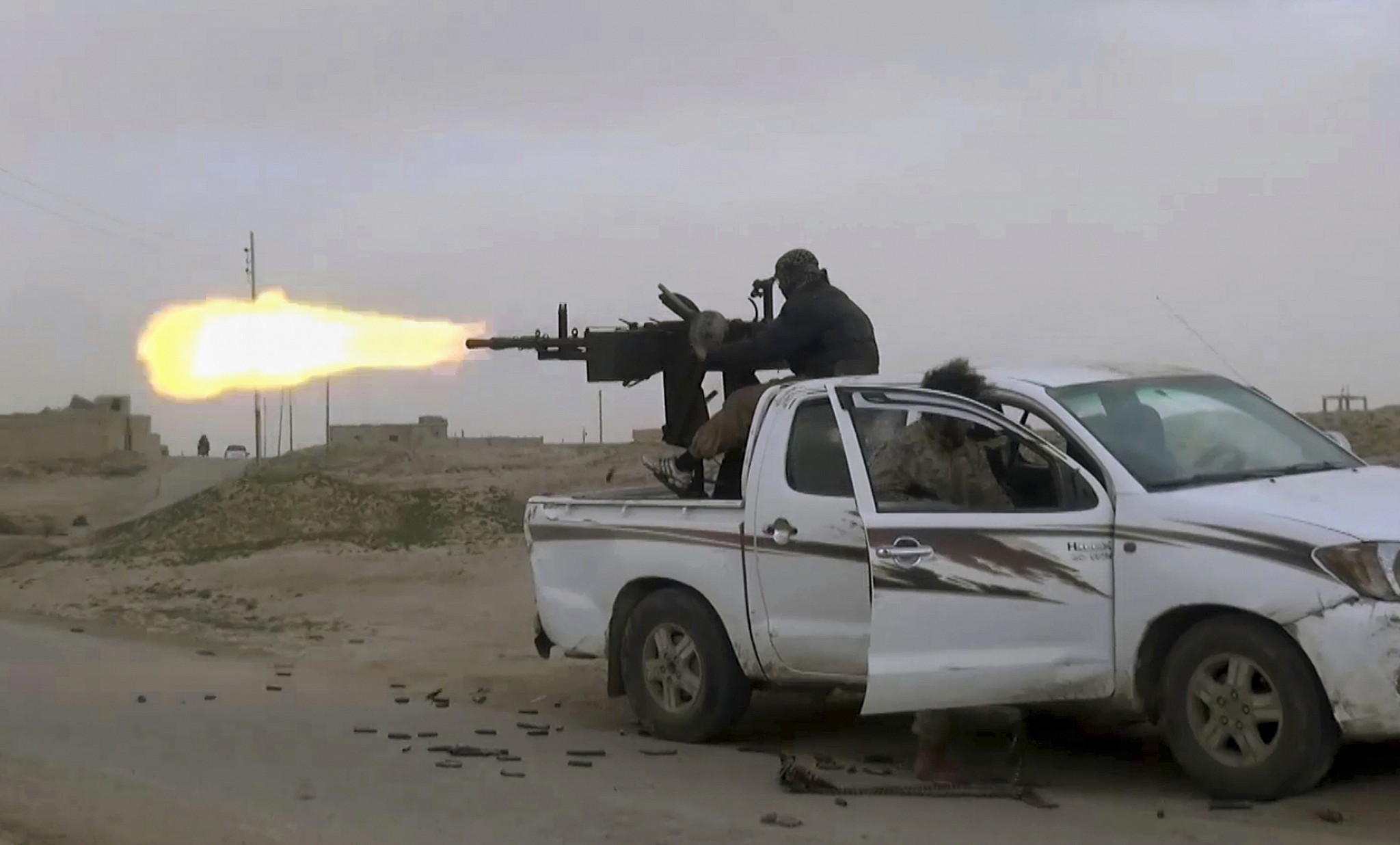
This frame grab from video posted online January 18, 2019, by supporters of the Islamic State group, purports to show a gun-mounted Islamic State group vehicle firing at members of the US-backed Syrian Democratic Forces, in the eastern Syrian province of Deir el-Zour, Syria. (Militant Photo via AP)

This frame grab from video posted online January 18, 2019, by supporters of the Islamic State group, purports to show a gun-mounted Islamic State group vehicle firing at members of the US-backed Syrian Democratic Forces, in the eastern Syrian province of Deir el-Zour, Syria. (Militant Photo via AP)

BAGHDAD, Iraq  (AP) — Islamic State fighters facing defeat in Syria are slipping across the border into Iraq, where they are destabilizing the country’s fragile security, US and Iraqi officials say.

Hundreds — likely more than 1,000 — IS fighters have crossed the open, desert border in the past six months, defying a massive operation by US, Kurdish and allied forces to stamp out the remnants of the jihadi group in eastern Syria, according to three Iraqi intelligence officials and a US military official.

The officials spoke on condition of anonymity because they were not authorized to comment publicly on intelligence matters. But indications of the extremist group’s widening reach in Iraq are clear.

Cells operating in four northern provinces are carrying out kidnappings, assassinations, and roadside ambushes aimed at intimidating locals and restoring the extortion rackets that financed the group’s rise to power six years ago.

“IS is trying to assert itself in Iraq, because of the pressure it is under in Syria,” said Brig. Gen. Yahya Rasoul, the Iraqi army spokesman.

The militants can count between 5,000 and 7,000 among their ranks in Iraq, where they are hiding out in the rugged terrain of remote areas, according to one intelligence official.

In Syria, Kurdish-led forces backed by the US-led coalition have cornered the militants in a pocket less than one square kilometer in Baghouz, a Euphrates River village near the 600-kilometer (370-mile) border.

In this Tuesday, Feb. 19, 2019 file photo, a US-backed Syrian Democratic Forces fighter reacts as an airstrike hits territory still held by Islamic State militants in the desert outside Baghouz, Syria. (AP Photo/Felipe Dana)

The Iraqi army has deployed more than 20,000 troops to guard the frontier, but militants are slipping across, mostly to the north of the conflict zone, in tunnels or under the cover of night. Others are entering Iraq disguised as cattle herders.

They are bringing with them currency and light weapons, according to intelligence reports, and digging up money and arms from caches they stashed away when they controlled a vast swath of northern Iraq.

“If we deployed the greatest militaries in the world, they would not be able to control this territory,” Rasoul said. “Our operations require intelligence gathering and airstrikes.”

At its height in 2014 and 2015, the Islamic State group ruled over a self-proclaimed “caliphate” that spanned one-third of Iraqi and Syrian territory. The extremist offshoot of Al-Qaeda in Iraq threatened to exterminate religious minorities.

Iraqi forces, with US, Iranian, and other international help, were able to turn the war around and Baghdad declared victory over the group in December 2017, after the last urban battle had been won.

But precursors to IS have recovered from major setbacks in the past, and many fear the militants could stage a comeback. The group is already waging a low-level insurgency in rural areas.

The Associated Press verified nine IS attacks in Iraq in January alone, based on information gathered from intelligence officials, provincial leaders, and social media. IS often boasts of its activities through group messaging apps such as Telegram.

In this Saturday, Feb. 16, 2019 file photo, US-backed Syrian Democratic Forces fighters take a break as the fight against Islamic State militants continues in the village of Baghouz, Syria. (AP Photo/Felipe Dana)

In one instance, a band of militants broke into the home of a man they accused of being an informant for the army, in the village of Tal al-Asfour in the northern Badush region. They shot him and his two brothers against the wall, and posted photos of the killing on social media.

Sheikh Mohamed Nouri, a local tribal leader, said it was meant to intimidate locals in order to keep them from sharing intelligence with security officials.

“I have members of our tribal militia receiving threatening messages warning them to abandon their work,” said Nouri.

In other instances, IS cells have killed mukhtars — village leaders and municipal officials. They have attacked rural checkpoints with car bombs and mortar fire, and burned down militia members’ homes. In the town of Shirqat in central Iraq, militants stopped a police vehicle last month and killed all four officers inside.

Other activities have aimed at restoring the group’s financial footing.

On Sunday, militants kidnapped a group of 12 truffle hunters in the western Anbar province, marking a return to a strategy of intimidating and extorting farmers and traders for financial gain.

Naim Kaoud, the head of provincial security, urged locals to suspend truffle gathering, which has just one season a year and is an important source of income for rural families.

Other truffle hunters have disappeared in the countryside, according to former lawmaker and Anbar tribal figure Jaber al-Jaberi. He said the militants are taking cuts from truffle hunters in exchange for access to the land, and kidnapping or killing those who refuse to cooperate.

“This is one of the sources of their funding,” said al-Jaberi.

Al-Jaberi cautioned against exaggerating the IS threat, saying the militants have been less successful at infiltrating communities than they were earlier this decade.

“These are different times,” he said.

Others are not so sure. Hans-Jakob Schindler, a former adviser to the U.N. Security Council on IS and other extremist groups, said the same grievances that gave rise to IS in 2013 remain today, including a large Sunni minority that feels politically and economically marginalized by the Shiite-led central government.

“I’m very worried that we are just repeating history,” said Schindler, who is now at the Counter Extremism Project.

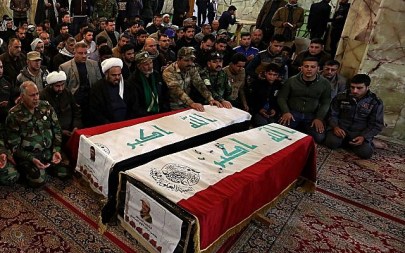
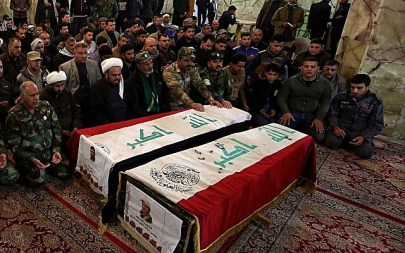
In this Monday, Feb. 19, 2018 file photo, mourners pray over the flag-draped coffins of two fighters of the Popular Mobilization Forces, killed during fighting against Islamic State militants, during funeral procession in Najaf, Iraq. (AP Photo/Anmar Khalil,)

He said he has seen IS “revert to the old type” of “classical terror attacks” and kidnapping for ransom, tactics that were once widely employed by al-Qaeda in Iraq.

The militants staged a dramatic resurgence after 2011, when US forces withdrew from Iraq and civil war broke out in neighboring Syria. Today some 5,200 American forces are based in Iraq, after they were invited back to help stem the IS rampage in 2014.

After President Donald Trump promised in December to pull American forces out of Syria, Iraqi lawmakers began clamoring for the US to leave, arguing that the mission against IS was approaching its end.

But with no letdown to IS militancy, those calls have petered out.


From Syria, IS slips into Iraq to fight another day

February 23, 2019

Source: From Syria, IS slips into Iraq to fight another day | The Times of Israel

Cells operating in four northern provinces are carrying out kidnappings, assassinations and roadside ambushes aimed at restoring extortion rackets that financed group in the past

This frame grab from video posted online January 18, 2019, by supporters of the Islamic State group, purports to show a gun-mounted Islamic State group vehicle firing at members of the US-backed Syrian Democratic Forces, in the eastern Syrian province of Deir el-Zour, Syria. (Militant Photo via AP)

This frame grab from video posted online January 18, 2019, by supporters of the Islamic State group, purports to show a gun-mounted Islamic State group vehicle firing at members of the US-backed Syrian Democratic Forces, in the eastern Syrian province of Deir el-Zour, Syria. (Militant Photo via AP)

BAGHDAD, Iraq  (AP) — Islamic State fighters facing defeat in Syria are slipping across the border into Iraq, where they are destabilizing the country’s fragile security, US and Iraqi officials say.

Hundreds — likely more than 1,000 — IS fighters have crossed the open, desert border in the past six months, defying a massive operation by US, Kurdish and allied forces to stamp out the remnants of the jihadi group in eastern Syria, according to three Iraqi intelligence officials and a US military official.

The officials spoke on condition of anonymity because they were not authorized to comment publicly on intelligence matters. But indications of the extremist group’s widening reach in Iraq are clear.

Cells operating in four northern provinces are carrying out kidnappings, assassinations, and roadside ambushes aimed at intimidating locals and restoring the extortion rackets that financed the group’s rise to power six years ago.

“IS is trying to assert itself in Iraq, because of the pressure it is under in Syria,” said Brig. Gen. Yahya Rasoul, the Iraqi army spokesman.

The militants can count between 5,000 and 7,000 among their ranks in Iraq, where they are hiding out in the rugged terrain of remote areas, according to one intelligence official.

In Syria, Kurdish-led forces backed by the US-led coalition have cornered the militants in a pocket less than one square kilometer in Baghouz, a Euphrates River village near the 600-kilometer (370-mile) border.

In this Tuesday, Feb. 19, 2019 file photo, a US-backed Syrian Democratic Forces fighter reacts as an airstrike hits territory still held by Islamic State militants in the desert outside Baghouz, Syria. (AP Photo/Felipe Dana)

The Iraqi army has deployed more than 20,000 troops to guard the frontier, but militants are slipping across, mostly to the north of the conflict zone, in tunnels or under the cover of night. Others are entering Iraq disguised as cattle herders.

They are bringing with them currency and light weapons, according to intelligence reports, and digging up money and arms from caches they stashed away when they controlled a vast swath of northern Iraq.

“If we deployed the greatest militaries in the world, they would not be able to control this territory,” Rasoul said. “Our operations require intelligence gathering and airstrikes.”

At its height in 2014 and 2015, the Islamic State group ruled over a self-proclaimed “caliphate” that spanned one-third of Iraqi and Syrian territory. The extremist offshoot of Al-Qaeda in Iraq threatened to exterminate religious minorities.

Iraqi forces, with US, Iranian, and other international help, were able to turn the war around and Baghdad declared victory over the group in December 2017, after the last urban battle had been won.

But precursors to IS have recovered from major setbacks in the past, and many fear the militants could stage a comeback. The group is already waging a low-level insurgency in rural areas.

The Associated Press verified nine IS attacks in Iraq in January alone, based on information gathered from intelligence officials, provincial leaders, and social media. IS often boasts of its activities through group messaging apps such as Telegram.

In this Saturday, Feb. 16, 2019 file photo, US-backed Syrian Democratic Forces fighters take a break as the fight against Islamic State militants continues in the village of Baghouz, Syria. (AP Photo/Felipe Dana)

In one instance, a band of militants broke into the home of a man they accused of being an informant for the army, in the village of Tal al-Asfour in the northern Badush region. They shot him and his two brothers against the wall, and posted photos of the killing on social media.

Sheikh Mohamed Nouri, a local tribal leader, said it was meant to intimidate locals in order to keep them from sharing intelligence with security officials.

“I have members of our tribal militia receiving threatening messages warning them to abandon their work,” said Nouri.

In other instances, IS cells have killed mukhtars — village leaders and municipal officials. They have attacked rural checkpoints with car bombs and mortar fire, and burned down militia members’ homes. In the town of Shirqat in central Iraq, militants stopped a police vehicle last month and killed all four officers inside.

Other activities have aimed at restoring the group’s financial footing.

On Sunday, militants kidnapped a group of 12 truffle hunters in the western Anbar province, marking a return to a strategy of intimidating and extorting farmers and traders for financial gain.

Naim Kaoud, the head of provincial security, urged locals to suspend truffle gathering, which has just one season a year and is an important source of income for rural families.

Other truffle hunters have disappeared in the countryside, according to former lawmaker and Anbar tribal figure Jaber al-Jaberi. He said the militants are taking cuts from truffle hunters in exchange for access to the land, and kidnapping or killing those who refuse to cooperate.

“This is one of the sources of their funding,” said al-Jaberi.

Al-Jaberi cautioned against exaggerating the IS threat, saying the militants have been less successful at infiltrating communities than they were earlier this decade.

“These are different times,” he said.

Others are not so sure. Hans-Jakob Schindler, a former adviser to the U.N. Security Council on IS and other extremist groups, said the same grievances that gave rise to IS in 2013 remain today, including a large Sunni minority that feels politically and economically marginalized by the Shiite-led central government.

“I’m very worried that we are just repeating history,” said Schindler, who is now at the Counter Extremism Project.

In this Monday, Feb. 19, 2018 file photo, mourners pray over the flag-draped coffins of two fighters of the Popular Mobilization Forces, killed during fighting against Islamic State militants, during funeral procession in Najaf, Iraq. (AP Photo/Anmar Khalil,)

He said he has seen IS “revert to the old type” of “classical terror attacks” and kidnapping for ransom, tactics that were once widely employed by al-Qaeda in Iraq.

The militants staged a dramatic resurgence after 2011, when US forces withdrew from Iraq and civil war broke out in neighboring Syria. Today some 5,200 American forces are based in Iraq, after they were invited back to help stem the IS rampage in 2014.

After President Donald Trump promised in December to pull American forces out of Syria, Iraqi lawmakers began clamoring for the US to leave, arguing that the mission against IS was approaching its end.

But with no letdown to IS militancy, those calls have petered out.


Trump names Kelly Craft to succeed Nikki Haley as US ambassador to the UN

February 23, 2019

Source: Trump names Kelly Craft to succeed Nikki Haley as US ambassador to the UN | The Times of Israel

Current envoy to Canada will have to contend with pressing issues from Afghanistan to Venezuela; her predecessor, beloved by Israel, set to address AIPAC conference next month

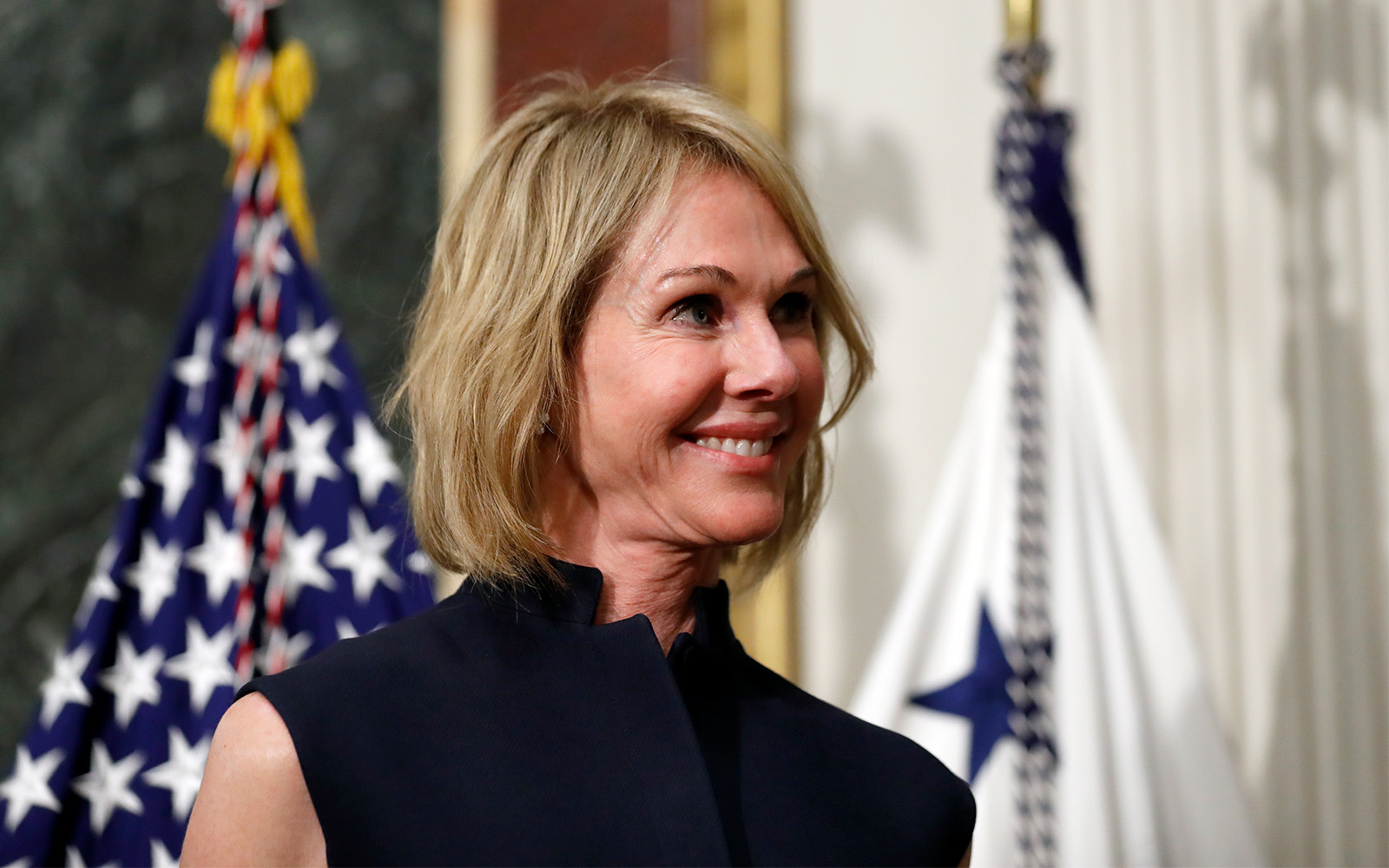
US Ambassador to Canada Kelly Knight Craft stands during her swearing in ceremony on the White House grounds, September 26, 2017. (AP Photo/Alex Brandon)

WASHINGTON (AP) — President Donald Trump announced Friday that he has selected Kelly Craft, the US ambassador to Canada, as his nominee to serve as the next US ambassador to the United Nations.

Trump said in a pair of tweets that Craft “has done an outstanding job representing our Nation” and he has “no doubt that, under her leadership, our Country will be represented at the highest level.”

Two people familiar with the matter who spoke on condition of anonymity to discuss personnel matters had told The Associated Press that Trump had been advised that Craft’s confirmation would be the smoothest of the three candidates he had been considering to fill the job last held by Nikki Haley.

Senate Majority Leader Mitch McConnell had backed Craft for the post, and she also has the support of Secretary of State Mike Pompeo and national security adviser John Bolton, they said. Trump’s first pick to replace Haley, State Department spokeswoman Heather Nauert, withdrew over the weekend.

Donald J. Trump

@realDonaldTrump

Craft, a Kentucky native, was a member of the US delegation to the UN General Assembly under President George W. Bush’s administration. She is also friends with McConnell’s wife, Transportation Secretary Elaine Chao, and thanked Chao for her “longtime friendship and support” at her swearing-in as ambassador.

As US ambassador to Canada, she played a role in facilitating the US-Mexico-Canada trade agreement, a revamp of the North American Free Trade Agreement.

Trump had also considered US Ambassador to Germany Richard Grenell and former US Senate candidate John James of Michigan for the post.

Nauert’s withdrawal from consideration came amid a push within the administration to fill the position, given a pressing array of foreign policy concerns in which the UN, particularly the UN Security Council, is likely to play a significant role. From Afghanistan to Venezuela, the administration has pressing concerns that involve the world body, and officials said there had been impatience with the delays on Nauert’s formal nomination.

Trump said December 7 that he would pick the former Fox News anchor and State Department spokeswoman for the UN job, but her nomination was never formalized. Notwithstanding other concerns that may have arisen during her confirmation, Nauert’s nomination had languished in part due to the 35-day government shutdown that began December 22 and interrupted key parts of the vetting process. Nauert cited family considerations in withdrawing from the post.

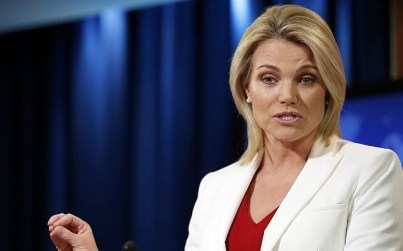
State Department spokeswoman Heather Nauert speaks during a briefing at the State Department in Washington, August 9, 2017. (AP Photo/Alex Brandon)

With Nauert out of the running, officials said Pompeo had been keen on Craft to fill the position. Although Pompeo would like to see the job filled, the vacancy has created an opportunity for him and others to take on a more active role in UN diplomacy. On Thursday, for example, Pompeo was in New York to meet with UN chief Antonio Guterres.

Trump has demoted the UN position to sub-cabinet rank, in a move backed by both Bolton and Pompeo, according to three other officials. Grenell had suggested he wasn’t interested in a non-cabinet role. The officials were not authorized to discuss internal personnel deliberations and spoke on condition of anonymity.

Haley had been a member of the cabinet and had clashed repeatedly with former Secretary of State Rex Tillerson and others during the administration’s first 14 months. Bolton was not a cabinet member when he served as UN ambassador in President George W. Bush’s administration, and neither he nor Pompeo is eager to see a potential challenge to their foreign policy leadership in White House situation room meetings, according to the officials.

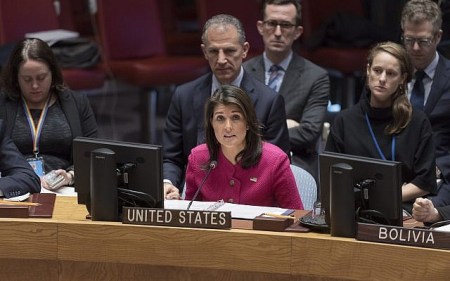
US Ambassador to the UN Nikki Haley speaks at a UN Security Council Meeting on the Middle East on November 19, 2018. (UN/Rick Bajornas)

Nelson Wiseman, a political science professor at the University of Toronto, said Craft was appointed ambassador to Canada because of her financial contributions to the Trump campaign, but said that’s not unusual as past ambassadors have also contributed to presidents who have appointed them.

“I think Ottawa has regarded Craft as a light weight, partly because of her background and partly because the sense is that Trump, unlike his predecessors, doesn’t listen to his ambassadors or care what they think,” Wiseman said.

Craft is married to billionaire coal-mining executive Joe Craft, and they are major Republican donors.

Craft has been ambassador during a low point in relations. Last year Trump called Canadian Prime Minister Justin Trudeau weak and dishonest, words that shocked Canadians.

In Haley’s footsteps

Haley announced her surprise resignation on October, and said serving as ambassador to the UN had “been an honor of a lifetime.”

She cited pushing back against the anti-Israel bias at the UN as one of the key accomplishments of her tenure. She also praised Trump for moving the US embassy in Israel to Jerusalem.

“They get it when the president says he means business,” she said in remarks alongside Trump at the White House. “If you look at the anti-Israel bias and the strength and courage the president showed in moving the embassy.”

Haley also pointed to her work with Jared Kushner, Trump’s special adviser and son-in-law, on the Trump administration’s Israeli-Palestinian peace plan.

“Looking at what we’ve done on the Middle East peace plan. It is so unbelievably well done,” she said. “Jared is such a hidden genius that no one understands.”

She insisted that she was going out on a high and would remain loyal to Trump.

“Countries may not like what we do but they respect what we do,” she said, echoing the president’s often-stated aim to make the US a more muscular presence on the international stage.

She listed hawkish policies to pressure Iran and the Palestinians, and the groundbreaking diplomatic outreach to North Korea.

“All of those things have made a huge difference in the US standing, but I can tell you that the US is strong again. The US is strong in a way it should make all Americans proud,” Haley said.

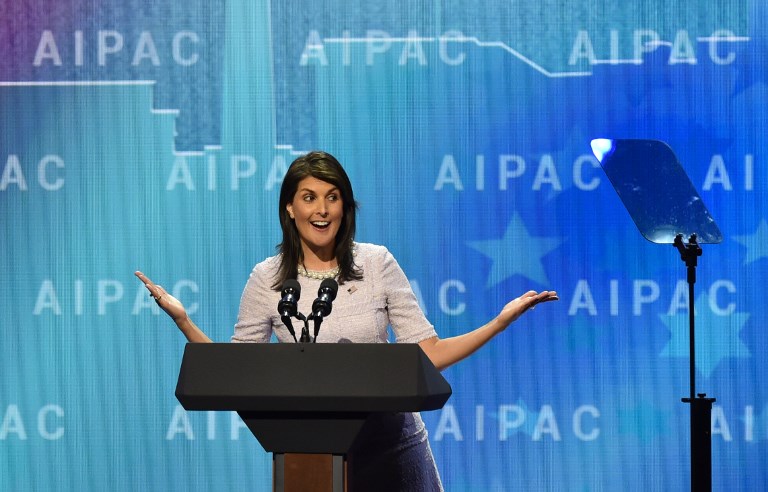
US Ambassador to the United Nations Nikki Haley speaks at the American Israel Public Affairs Committee (AIPAC) policy conference in Washington, DC, on March 5, 2018. / AFP PHOTO / Nicholas Kamm)

Haley said she had no plans to run for the White House in 2020.

The move apparently came as a shock to Congressional and Trump administration officials, with Haley keeping her plans to a small circle until Tuesday morning.

In her resignation letter, she said she wanted to return to the private sector.

Danny Danon, Israel’s ambassador to the UN, thanked Haley for her support of Israel, which he said helped change the Jewish state’s status at the world body. “Thank you for standing with the truth without fear. Thank you for representing the values common to Israel and the United States,” he said in a statement.

“Wherever you are, you will continue to be a true friend of the State of Israel,” Danon added.

Haley was a star in the center-right pro-Israel community, consistently earning the loudest plaudits at the annual American Israel Public Affairs Committee policy conference. She is to address the 2019 AIPAC conference next month, the pro-Israel lobby announced on Friday.

ToI staff contributed to this report.


Iran shows off new destroyer, cruise missile-capable submarine during navy drill

February 23, 2019

Source: Iran shows off new destroyer, cruise missile-capable submarine during navy drill | The Times of Israel

Navy chief says exercise in Persian Gulf ‘will cover confronting a range of threats, testing weapons, and evaluating the readiness of equipment and personnel’

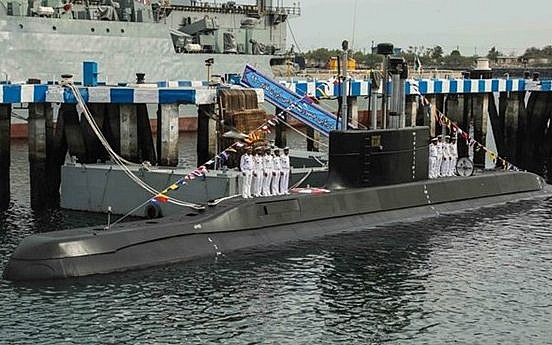
Iran debuts its new Fateh submarine in the Persian Gulf, February 2019 (Fars)

Iran debuts its new Fateh submarine in the Persian Gulf, February 2019 (Fars)

Iran debuted a domestically constructed submarine as well as a new destroyer Friday as part of a large-scale three-day naval drill in the Persian Gulf, state media reported.

Tehran had announced the launch of the Fateh submarine (Farsi for “Conqueror”) earlier this month. It said Fateh was the country’s first submarine in the semi-heavy category, and the first capable of firing cruise missiles.

The Sahand destroyer has a helicopter landing pad, is 96 meters (105 yards) long and can cruise at 25 knots. It is equipped with surface-to-surface and surface-to-air missiles as well as anti-aircraft batteries and sophisticated radar and radar evading capabilities, according to a report on state TV.

The three-day annual navy drill began Friday in a vast area of the Gulf and the Indian Ocean that includes a sensitive global shipping route, state TV reported.

Iran’s new Sahand destroyer (YouTube screenshot)

Navy chief Rear Admiral Hossein Khanzadi said “The exercise will cover confronting a range of threats, testing weapons, and evaluating the readiness of equipment and personnel,” in remarks on state television translated by Reuters.

“Submarine missile launches will be carried out… in addition to helicopter and drone launches from the deck of the Sahand destroyer,” he said.

The exercise aims to evaluate the navy’s equipment, practice launching weapons and “enable the troops to gain readiness for a real battle,” he added.

The strait at the mouth of the Gulf is crucial to global energy supplies, with about a third of the world’s seaborne oil passing through it every day.

The show of military might comes at a time of heightened tensions with Iran’s main regional rival Saudi Arabia and with Washington, which last year withdrew from the 2015 nuclear deal with Iran and reimposed sanctions on the Islamic Republic.

The Strait of Hormuz is an international transit route where American forces routinely pass and which has seen tense encounters between them and Iranian forces in the past.

Dubbed as “Velayat 97,” the drill will showcase Iran’s submarines, warships, helicopters and drones, according to the admiral.


Iran fingered as warning issued over attacks on key infrastructure of internet 

February 23, 2019

Source: Iran fingered as warning issued over attacks on key infrastructure of internet | The Times of Israel

Analyst cites Tehran as likely source of assaults on system that routes traffic to intended online destinations, with targets mostly located in Europe, Middle East

Illustrative: A hacker at work. (supershabashnyi, iStock by Getty Images)

AFP — Key parts of the internet infrastructure face large-scale attacks that threaten the global system of web traffic, the internet’s address keeper warned Friday.

The Internet Corporation for Assigned Names and Numbers (ICANN) declared after an emergency meeting “an ongoing and significant risk” to key parts of the infrastructure that affects the domains on which websites reside.

“They are going after the internet infrastructure itself,” ICANN chief technology officer David Conrad told AFP.

“There have been targeted attacks in the past, but nothing like this.”

The attacks date back as far as 2017 but have sparked growing concerns from security researchers in recent weeks, which prompted the special meeting of ICANN.

The malicious activity targets the Domain Name System or DNS which routes traffic to intended online destinations.

ICANN specialists and others say these attacks have a potential to snoop on data along the way, sneakily send the traffic elsewhere or enable the attackers to impersonate or “spoof” critical websites.

“There isn’t a single tool to address this,” Conrad said, as ICANN called for an overall hardening of web defenses.

US authorities issued a similar warning last month about the DNS attacks.

“This is roughly equivalent to someone lying to the post office about your address, checking your mail, and then hand delivering it to your mailbox,” the US Department of Homeland Security said in a recent cybersecurity alert.

“Lots of harmful things could be done to you (or the senders) depending on the content of that mail.”

Middle East targets

The attacks might date back to at least 2017, according to cybersecurity firm FireEye’s senior manager of cyber espionage analysis Ben Read.

The list of targets included website registrars and internet service providers, particularly in the Middle East.

“We’ve seen primarily targeting of email names and passwords,” Read said of what is being dubbed “DNSpionage.”

“There is evidence that it is coming out of Iran and being done in support of Iran.”

ICANN held an emergency meeting and is putting out word to website and online traffic handlers to ramp up security or leave users vulnerable to being tricked into trusting the wrong online venues.

DNSpionage hackers appeared intent on stealing account credentials, such as email passwords, in Lebanon and the United Arab Emirates, according to Crowdstrike cyber security firm vice president of intelligence Adam Meyers.

Similar attacks took place in Europe and other parts of the Middle East, with targets including governments, intelligence services, police, airlines, and the oil industry, cybersecurity specialists said.

“You definitely need knowledge of how the internet works and have to handle a lot of traffic being directed to you,” Meyers said of the DNSpionage hackers.

“With that access, they could temporarily break portions of how the internet works. They chose to intercept and spy on folks.”


TV report: MI6 spy chief makes secret Israel trip amid new Iran nuclear activity

February 23, 2019

Source: TV report: MI6 spy chief makes secret Israel trip amid new Iran nuclear activity | The Times of Israel

Channel 13: Alex Younger holds talks with Mossad chief as Iran renews centrifuge production; Israeli assessment: Regime has not yet made political decision to break out to bomb

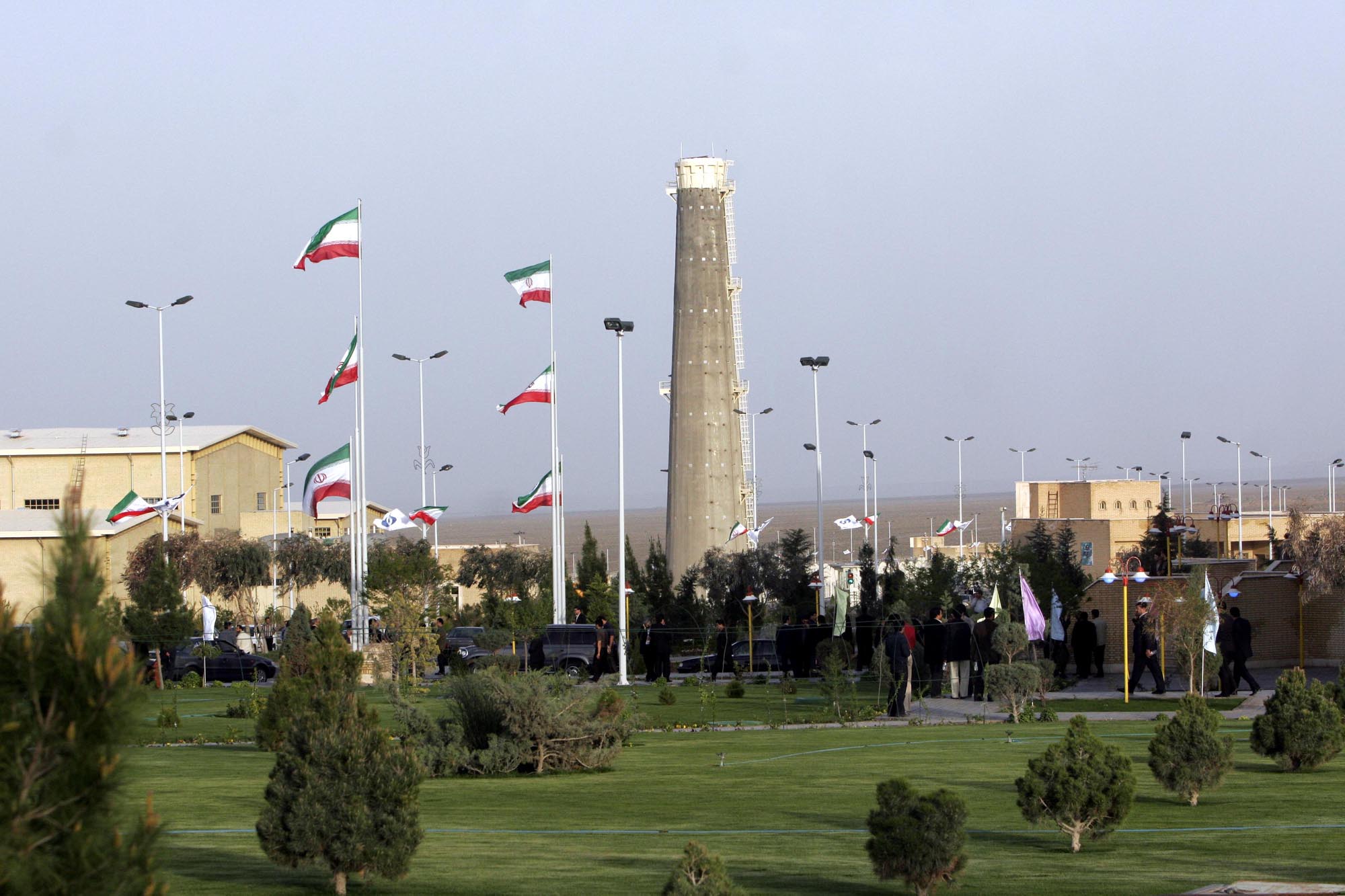
Iran’s nuclear enrichment facility in Natanz, 300 kms (186 miles) south of capital Tehran, Iran, April, 9, 2007. (Hasan Sarbakhshian/AP)

Britain’s MI6 intelligence chief secretly visited Israel this week for talks with his Israeli counterparts about concerns that Iran may be considering breaching the 2015 nuclear deal and attempting to break out to a nuclear weapons capability, Israeli television reported on Friday night.

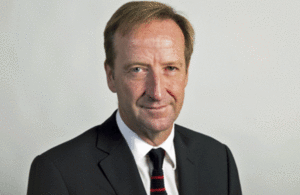
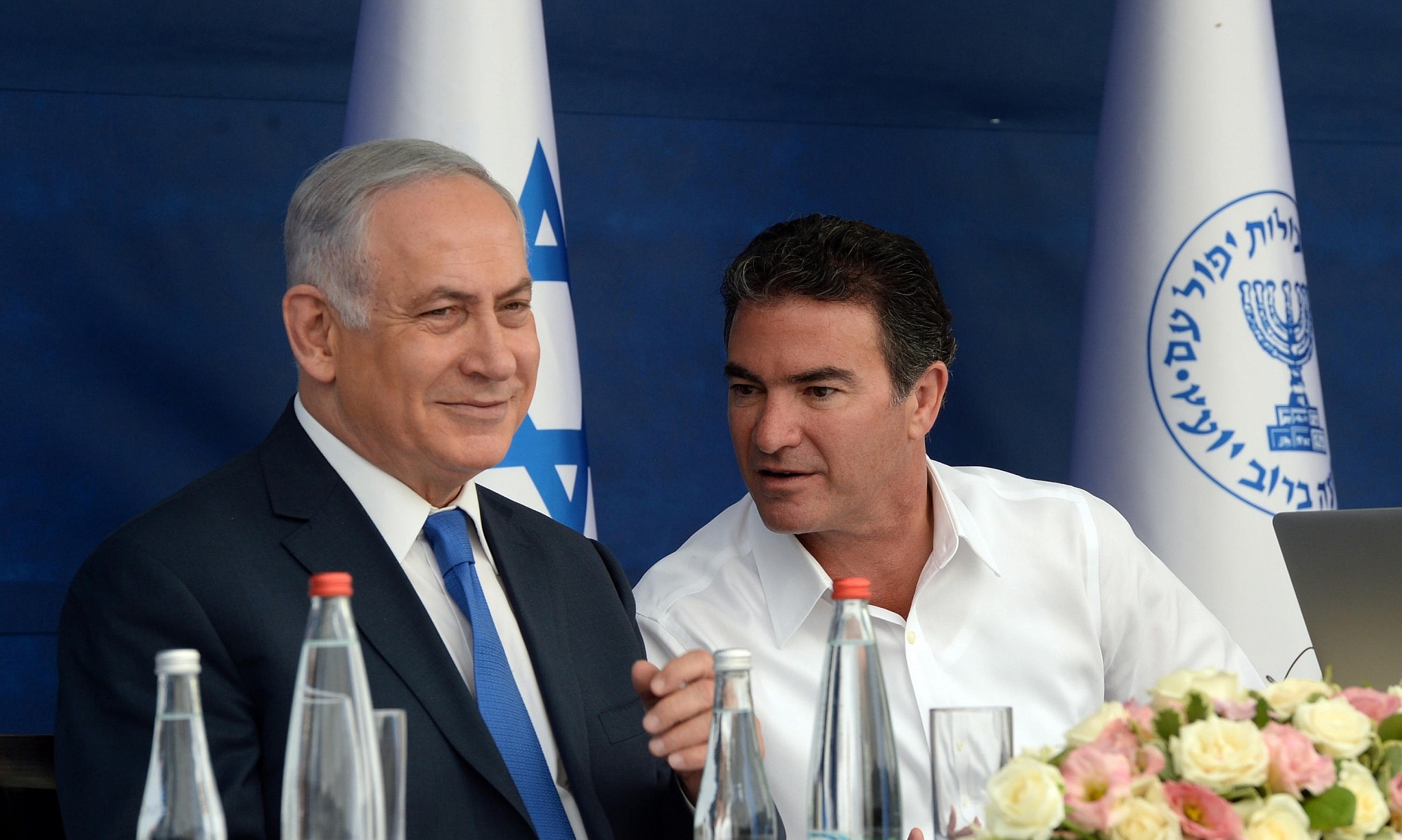
Channel 13 news said MI6 chief Alex Younger arrived in Israel on Monday and met with the head of Israel’s Mossad intelligence agency, Yossi Cohen, and other Israeli intelligence chiefs.

Israel’s assessment is that Iran is “making preparations” within the provisions of the 2015 deal, and “getting ready,” but has not yet made the political decision to break out to the bomb, the TV report said.

Citing Western intelligence sources, it said the issue was also discussed by participants at last week’s Munich international security conference.

MI6 chief Alexander Younger (Courtesy: UK government)


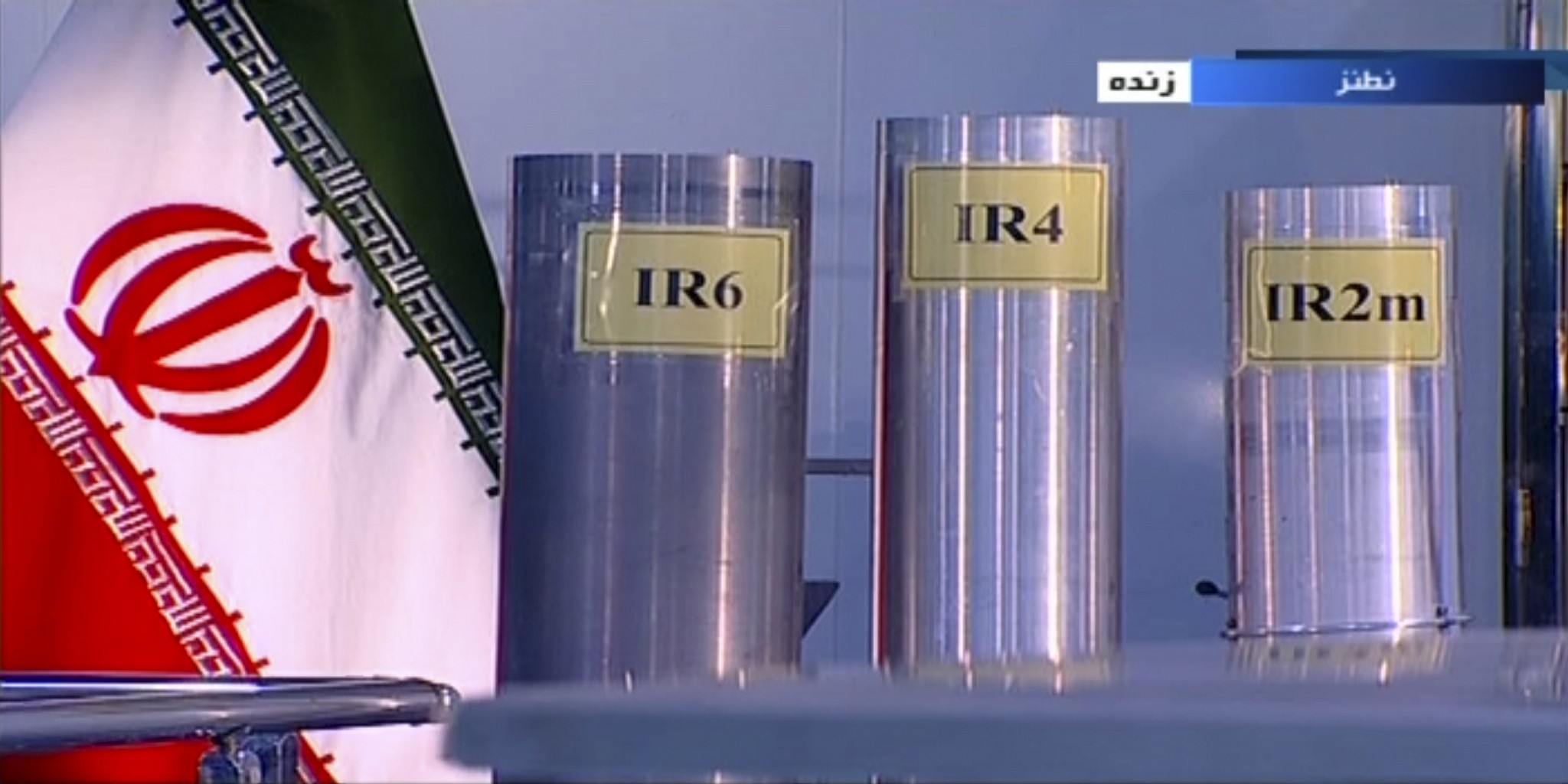
Iran, the report noted, has recently renewed its production of centrifuges, “and is gearing up for the renewal of uranium enrichment” within the provisions of the deal.

The report described Iran’s current activity as “preparing the infrastructure… in an accelerated fashion” should the regime take the political decision to breach the accord.

In this frame grab from Islamic Republic Iran Broadcasting, IRIB, state-run TV, three versions of domestically-built centrifuges are shown in a live TV program from Natanz, an Iranian uranium enrichment plant, in Iran, June 6, 2018. (IRIB via AP)

Hours before the TV report, the UN’s nuclear watchdog in Vienna said Iran was continuing to comply with the 2015 nuclear deal, despite the United States withdrawing from the pact and re-imposing sanctions.

In a confidential quarterly report distributed to its member states, the International Atomic Energy Agency said Iran has been abiding with key limitations set in the so-called Joint Comprehensive Plan of Action, or JCPOA. The US pulled out of the deal in May and has been pressuring remaining signatories to abandon it as well.

In its report, the Vienna-based agency said its inspectors still have access to all sites and locations in Iran they needed to visit.

Prime Minister Benjamin Netanyahu (left) and Mossad head Yossi Cohen during a toast for the Jewish New Year on October 2, 2017. (Haim Zach/GPO)

“Timely and proactive cooperation by Iran in providing such access facilitates implementation of the Additional Protocol and enhances confidence,” the report stated, referring to the procedure detailing safeguards and tools for verification.

It noted that Iran’s stock of heavy water and low-enriched uranium continues to be under the limits set under the 2015 pact.

Last June, Iran’s nuclear chief inaugurated a new nuclear enrichment facility at Natanz, which Iran said was geared toward producing centrifuges to operate within the limits of the nuclear deal.

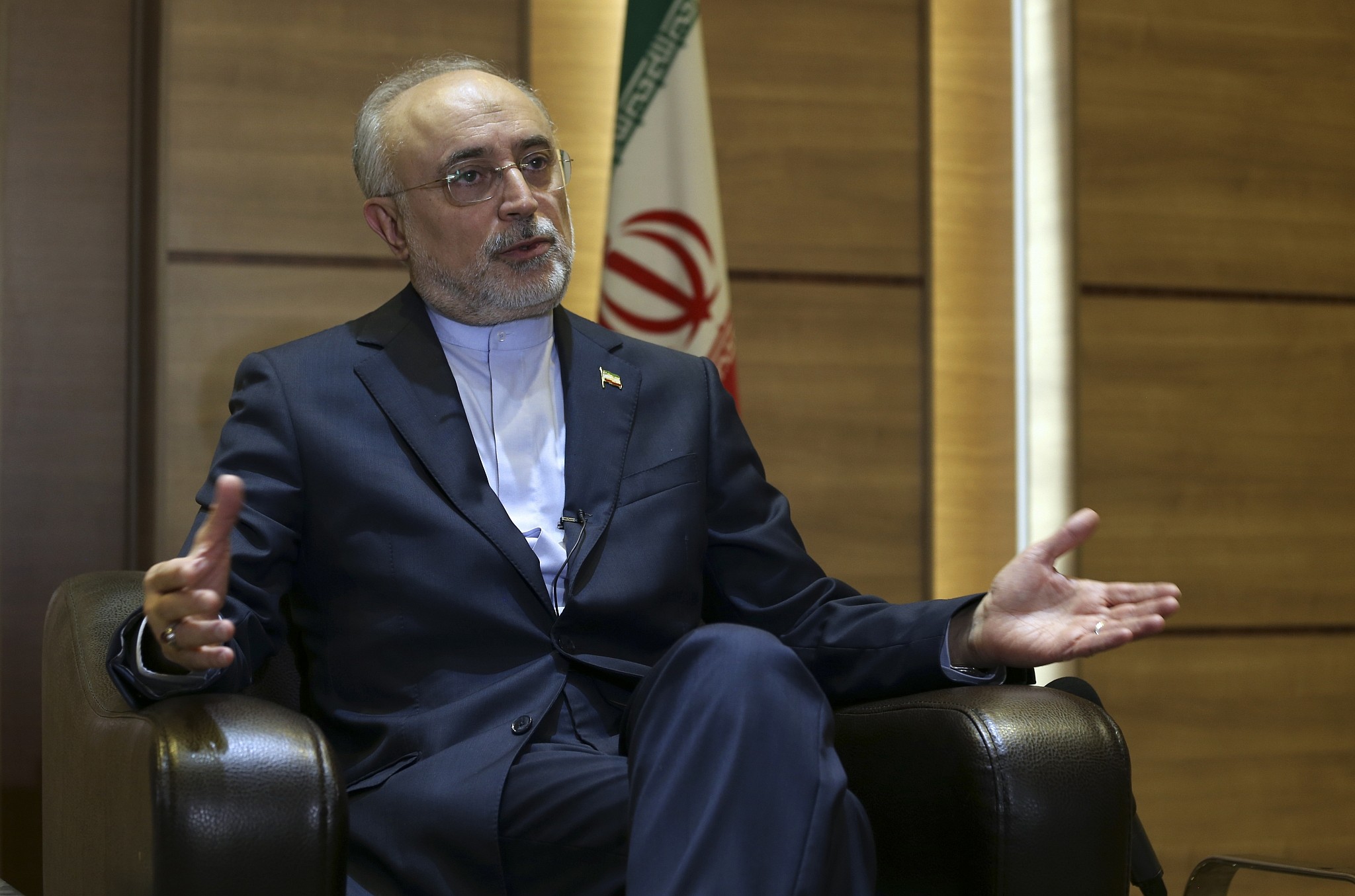
Iran’s nuclear chief Ali Akbar Salehi speaks in an interview with The Associated Press at the headquarters of Iran’s atomic energy agency, in Tehran, Iran, Tuesday, Sept. 11, 2018. (AP Photo/Vahid Salemi)

Iranian state television broadcast an interview with Ali Akbar Salehi showcasing the facility at Natanz’s uranium enrichment center. In the interview, Salehi said its construction began even before the 2015 deal was signed.

Last month, Salehi bragged in another interview that Iran quietly purchased replacement parts for its Arak nuclear reactor while it was conducting negotiations for the deal under which it knew it would be required to destroy the original components.

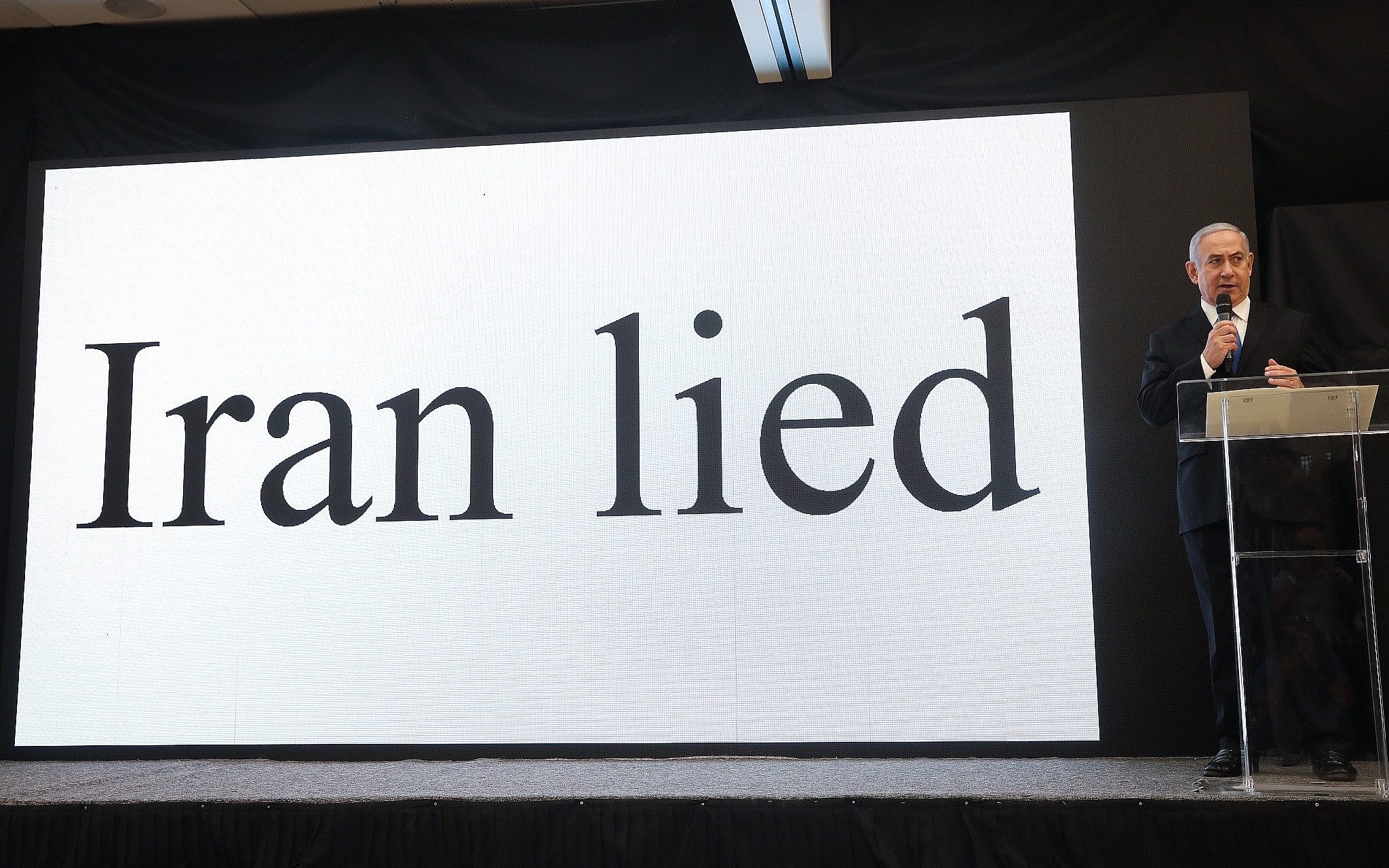
Israel’s Prime Minister Benjamin Netanyahu warns constantly that Iran has never abandoned its ambition to achieve a nuclear weapons capability. Last year, the Mossad spirited a huge haul of documents from what it said was Iran’s nuclear weapons archive, which Netanyahu said proved conclusively that Iran has lied to the world when claiming it has not been seeking to produce nuclear weapons.

Prime Minister Benjamin Netanyahu gives a speech on files obtained by Israel he says prove Iran lied about its nuclear program, at the Defense Ministry in Tel Aviv, on April 30, 2018. (Miriam Alster/Flash90)

Netanyahu said at the UN General Assembly in September that “The reason Iran didn’t destroy its atomic archive and its atomic warehouse is because it hasn’t abandoned its goal to develop nuclear weapons. In fact, it planned to use both of these sites in a few years when the time would be right to break out to the atom bomb.

“That won’t happen,” he vowed. “It won’t happen because what Iran hides, Israel will find.”