Archive for August 11, 2018

Turkish lawyers want US soldiers arrested for ‘ties to coup movement’

August 11, 2018

Published time: 11 Aug, 2018 16:28

https://www.rt.com/news/435730-turkish-lawyers-us-soldier-arrests/

© Friso Gentsch / Global Look Press

Turkish lawyers are calling for US soldiers at Incirlik Air Base to be arrested, alleging they have ties to the movement behind the 2016 coup attempt. They want the base searched via warrants and flights leaving it to be halted.

As the political row between Ankara and Washington intensifies, the attorneys from the pro-government Association for Social Justice and Aid ask for the “arrest of the commanders of the US Air Force who are the superiors of the soldiers based at Incirlik and took a role in the failed coup attempt on July 15, 2016.”

Read more

© Umit Bektas

The details of the demands have been outlined in court documents filed at the chief public prosecutor’s office in Adana, published online by the Stockholm Center for Freedom, a group of exiled Turkish journalists.

The lawyers accuse the US military of attempting to destroy constitutional order through their activities with a movement led by Fethullah Gülen, who Ankara claims was behind the failed coup attempt on July 15, 2016.

“We want to arrest American soldiers for serious ties to FETO (Gülen movement) or in other words global American terror,” Muhammed Gömük, president of TayDer (Social Justice and Aid) told RT, adding that there are 12 “suspicious persons” implicated.

“We believe that all blames are true, absolutely, because we provided very strong evidence.”

Gömük said the investigation could spread to “lots of American officials,” including soldiers, embassy and consulate personnel. He went on to mention John Bass, the former US ambassador, claiming he had been “chatting with the coup team, according to a video record.”

In addition to their detention, the complaint seeks search and seizure warrants for the base, in order to gather evidence. It also seeks the halting of all outbound US flights from the base. Incirlik, an important staging base for combat operations against Islamic State (IS, formerly ISIS), is home to roughly 2,200 Americans, according to RealClear Defense.

When asked by RT what kind of response it expected from Washington, Gömük said its reaction “is not important so much,” as Turkey does not respect the US.

Read more

© Murad Sezer

Meanwhile, US European Command spokesman Mark Mackowiak told the Air Force Times that “any reports that US government or military personnel had any previous knowledge or involvement in a Turkey coup attempt are baseless and completely false.”

The petition comes after the US levied economic sanctions on Turkish Interior Minister Suleyman Soylu and Justice Minister Abdulhamit Gul for their roles in the detention of American pastor Andrew Brunson, who has been held since October 2016 on charges of belonging to a terrorist organization – allegations which the US and international human rights organizations say are false.

Tensions between the US and Turkey, both NATO members, have steadily worsened in recent years, partly surrounding Ankara’s crackdown following the failed coup attempt. The situation declined again in October 2017, when Turkey arrested a US consulate worker for alleged ties to Gülen. The two have also recently been at odds over Turkey’s purchase of Russian S-400s, with the US holding back on its delivery of F-35 jets to Turkey over the issue.

Sweden’s Government Funds Anti-Semitism

August 11, 2018

ANALYSIS: What’s Behind the Latest Escalation in Israel’s South? 

August 11, 2018

Source: ANALYSIS: What’s Behind the Latest Escalation in Israel’s South? – Israel Today | Israel News

Friday, August 10, 2018 |  Yochanan Visser

The situation in southern Israel deteriorated significantly Wednesday night after Hamas started to pound the Israeli towns and communities in the Gaza belt with 180 rockets and mortar shells. Tens of thousands of Israelis spent several nights in bomb shelters, the IDF retaliated against over 150 terrorist targets, and Prime Minister Benjamin Netanyahu and his generals contemplated full-scale war.

According to Hamas, this brush with another destructive conflagration began as retaliation for an IDF attack on two of its snipers last Tuesday.

The two were taking part in an exercise that was attended by Hamas leaders and aimed their rifles at an IDF position opposite the border after which they were taken out by a Merkava tank.

However, the lead-up to this fresh outbreak of violence really started on July 20

th, when Hamas killed an IDF soldier close to the border fence in Gaza using a sniper.

Since then Hamas had been talking about a long-term truce with Israel which would include the full opening of the Keren Shalom border crossing which is used for the import of Israeli goods.

The demand Israel fully opens the Keren Shalom border crossing has nothing to do with Hamas’ desire to improve the dire humanitarian situation in the Gaza strip but everything with rampant corruption within the top of the terror organization.

The Gatestone Insitute just published an investigative article detailing this corruption which has filled the coffers of the Hamas top since it violently took over control of Gaza from the Palestinian Authority in 2007.

Corruption is one way for Hamas to stay in power maintaining a low-intensity conflict with Israel is another.

For this reason Hamas started the so-called ‘Great March of Return’ at the end of March the two-month-long violent confrontations along the border with Israel in Gaza which turned into the so-called ‘Kite Jihad’ the daily attacks with incendiary balloons and kites which have caused a ecological disaster in southern Israel.

Hamas started these violent confrontations to remain relevant and to curry favor with Iran that is using the terror group as another proxy army against Israel.

It is no coincidence Hamas leader al-Arouri, who is living in Lebanon and never visited Gaza, arrived in the coastal enclave last week officially to hold consultations with other Hamas leaders about the ‘imminent’ long-term ceasefire with Israel.

Al-Arouri, an arch terrorist who has spent years in Israeli prisons for organizing terror attacks, was responsible for the reconciliation between Hamas and the Islamist regime in Tehran in October 2017 and the resuming of Iranian aid to the Sunni Islamist terror organization.

Shortly after this reconciliation Hamas started to prepare for another round of violence with Israel but was careful not to enter into all-out war with the Jewish state.

Israeli politicians like Defense Minister Avigdor Liberman have repeatedly accused Iran of being behind the current round of violence in Israel’s south.

Al-Arouri’s presence in Gaza could be the reason Hamas suddenly escalated the hostilities against Israel.

After all, Iran is working to create three fronts against Israel via its proxies as a preparation for a major war against the Jewish State: Lebanon, Syria -where Iran has taken-over the military as reported by the Jerusalem Post on Wednesday- and Gaza.

Scenarios for a US-Iran detente 

August 11, 2018

Source: Scenarios for a US-Iran detente – Israel National News

There are two possible scenarios for what is going to transpire between the US and the Ayatollahs, one positive and the other disastrous.

Dr. Mordechai Kedar, 10/08/18 17:49 | updated: 17:40

What does the future hold for  Iran?

The American sanctions on Iran went into effect this week and a large number of companies stopped doing business with Iran so as not to lose their permission to continue to be active in America’s economy. The sanctions will turn more severe in three months time and will include banks and energy industries, with the result that Iran will lose much of its income, the major part of which stems from oil, gas and related products. It seems that only China intends to continue its regular – or almost regular – economic ties with Iran and Russia, too,will probably not entirely halt its economic ties with the Ayatollah regime.

This article will explore two possible scenarios that could take place over the next two years. Both are based on the following basic assumptions:

1. President Trump will continue to pressure Iran in every conceivable economic way and that  US pressure will bring the Iranian economy to its knees and possibly to a state of total collapse.

2. If Iran does not engage in armed violence, Trump will refrain from military action as well. If Iran employs military measures against sea travel in international waters – the Straits of Hormuz and Bab el Mandeb – the US armed forces will strike Iran mercilessly.

3. President Trump will get even with Iran if it uses “proxies” in order to attack American interests.

4. Iran will attempt to get through the coming two and a half  years quietly, hoping that Trump is to be defeated and followed by a Democratic president who will reinstate the nuclear agreement and remove the sanctions.

5. European leaders will continue to support Iran with words, but they will not be able to force European industries to do business with Iran.

6. European leaders are worried that Iran’s regime will collapse and lead to general chaos, with everyone fighting everyone else and a new wave of millions of immigrants attempting to reach Europe. That is the reason Europe’s leaders are trying to resuscitate the Iranian regime in every way they can.

There are two possible scenarios:

Scenario I: Negotiations

The best outcome for the Ayatollah regime and the worst for the Middle East and the entire world is a return to the negotiating table along with world powers in response to American demands.

Iran will use negotiations to gain time until the 2020 elections, in the hopes that Trump loses and a  Democrat wins the presidency. The Iranians are convinced that a Democratic president will return to the 2015 nuclear agreement and remove the sanctions renewed by Trump. The Ayatollahs are negotiating wizards and will succeed in dragging out negotiations for years while creating a false picture of progress, keeping Trump, American politicians and the world media calm. Iran knows that from the start of 2020, Trump will do anything that he feels will lead to his reelection and will therefore present Iranian flexibility as his negotiating achievement.

Anyone following the development of the US-North Korean affair sees a similar picture: During the Singapore meeting we saw Trump impressed by Kim, his “new-found friend” and optimistic declarations from both participants. However, during negotiations taking place far from the cameras, things are much more difficult and it is entirely unclear whether Kim will actually dismantle his nuclear project and the long range missiles threatening the US.  It is obvious that Kim wants to gain time in order to heighten the pressure on the United States, which even during the Trump era, prefers to stay out of war and has no desire to exchange salvos of ballistic missiles with a regime that has no restraints and puts no value on human life.

Iran’s rulers hope to travel a similar route with Trump: They will meet him, smile at the cameras, scatter optimistic declarations in order to achieve positive public opinion, while trying to blacken Trump’s name and create an image of him as a troublemaker – all this to lower his chances for reelection. They know all about the hatred leveled at him from large sections of the  American  public, and they will try to fuel the fire of that enmity during the negotiations. They will create an image of a country willing to compromise and ease up, in order to give the anti-Trumpers a weapon to use against a president who does not want to reach an agreement similar to that granted them by Obama.

Anyone with the slightest understanding of the Middle East realizes that the very fact of the United States entering into negotiations with the Iranians is an Iranian victory. They will use the negotiations to gain time while Trump’s political clock approaches November 2020.  The negotiations will leave the Ayatollah regime intact, and despite the dire economic situation, they will survive Trump’s four year term and then continue exactly as they did before his election: Resume their military nuclear project, continue manufacturing long range ballistic missiles and continue threatening the stability of the Middle East and the rest of the world.

Scenario II: A systemic collapse


Developments in Iran over the past several months are leading the country to a collapse of its economic system, from which it is a short road to the collapse of the regime.

Developments in Iran over the past several months are leading the country to a collapse of its economic system, from which it is a short road to the collapse of the regime. Inflation is rampant at about 130%, local currency has lost 80% of its value and is still going down. The reason behind this negative development is the public’s lack of faith in the Iranian currency and a general feeling of pessimism with regard to Iran’s economy’s ability to survive the severe and strict sanctions to which it is going to be subjected.

There are demonstrations taking place in a good many Iranian cities almost every day. The public has lost its fear and is turning its anger towards a regime that wasted the 150 billion dollars in cash it received from Obama in 2015 on the needless wars in Yemen, Syria and Iraq – let alone the pockets of Lebanon’s Hezbollah and Gaza’s Hamas, refilled with hard-to-get Iranian funds by the Ayatollahs.  Chants heard at the protests include “Death to the dictator” and “Not Falestin and Lebanon – Iran first!”

The drought that hit large parts of the country has turned millions of farmers, especially in the Asfahan Province, into hungry, thirsty and embittered citizens. They complain – justifiably so – that the country has not invested in improving the water infrastructure, in drilling for water, building dams and bringing water from other areas. Instead, it invested its monies in useless wars and the bank accounts of corrupt leaders.

Iran’s citizens know well that every one of the regime’s leaders took care of their own, buying homes in China, Russia, South America or other havens where no questions are asked, no one’s past is checked and no one is put on trial for involvement in human rights violations. The Iranian public knows that its leaders and their families will flee the country to those ready and waiting sanctuaries as soon as they feel the end of the game is near – and to hell with the country and everyone in it.

One of the unanswerable questions at this point is how loyal the armed forces will be to the Ayatollah regime and how much they will do to stop the protests. It is reasonable to assume that the Basij, the civilian guards, will be loyal to the regime while attempting to avoid confrontation with local citizenry in order to prevent fanning the flames. Over the last year, that restraint was evident when damage was inflicted on police stations that serve them. The Revolutionary Guards will probably show more cruelty, but will be held in reserve for last ditch fighting. The army will be called to suppress protests only as a last resort, as the regime is not entirely sure whether its loyalties lie with the people or the government.

If street demonstrations continue, it is probable that ethnic minorities will begin to get into the act with violent partisan activities against the regime. The Baluchi, in southwest Iran and their armed Jondrallah militia will be the first to take advantage of government weakness. The Arabs in the Ahwad region will probably be the next group to declare a rebellion against the regime and the Kurds in northwestern Iraq will soon follow suit.

World opinion is crucial at this point. Support, even in the form of declaratory words, will encourage the public to go out to the streets, and will be of immense help if real aid also arrives from the countries that wish to see the collapse of the Ayatollah regime:  Coded means of communication, arms, weapons, money and medical supplies for treating the wounded. The most effective and significant help is a credible threat to the Ayatollahs that any use of violence against protestors will be responded to by the bombing of Revolutionary Guard bases, communications centers and government institutions. That kind of threat will paralyze the regime’s ability to face a furious public and expedite the date its heads flee the country.

If there is a general systemic collapse in Iran, it might sink into a state of chaos with a battle raging and everyone fighting everyone else. People will take revenge on government leaders, their families and their property, thereby letting out their anger against the regime and its symbols.  We can expect loyalists to set intelligence, police and Revolutionary Guard archives on fire to prevent their falling into the hands of their opponents.

What next?


The best thing President Trump can do is send a Twitter message to the Ayatollahs to this effect: “My dear Iranian Leaders – Your time is up and the game is over.”
The best thing President Trump can do is send a Twitter message to the Ayatollahs to this effect:

“My dear Iranian Leaders – Your time is up and the game is over. You are disturbing the stability of the Middle East, scheming of war and causing indescribable suffering to many millions of people, in and out of Iran. You lie and cheat shamelessly so that no one has faith in you.  There will be no negotiating with you – not on anything. Because I do not believe a word you say. You have exactly a month to do the following:

1. Dismantle all the equipment at your nuclear sites, except for the Busheir power plant, removing all the dismantled equipment including centrifuges and enriched uranium to Russia.

2. Dismantle all the rocket and missile plants you have built

3. Dismantle all the ballistic missiles you have manufactured.

4. Bring back all the Iranian, Afghan and Iraqi forces from Syria, Iraq and Yemen.

5. Cease sending arms, weapons, communications and other military equipment to Yemen, Syria, Lebanon and Iraq.

6.  Cease sending funds to Lebanon’s Hezbollah,  to Shiite militias in Iraq and to Hamas.

7. Confiscate all the monies stolen by the regime’s leaders and return them to the national treasury.

8. Allocate the sums needed to develop water sources in the Isfahan region and to cleanse the earth and rivers in the Ahwaz region.

You have exactly a month to carry out every single one of these demands without exception, and do not request an extension because you will not be granted one.

If you do not meet any or all of these demands, all options will be open to us, including the use of force to defend ourselves and the peace of the region and the world against the revolution-fomenting ideology you have been exporting in such terrible fashion for 38 years. Read my lips because I mean every word I say and if you wish to survive, take me seriously.

A letter of this ilk will seen as a credible threat to the rulers of Iran. Ever since they seized the throne in 1979 they only act the way they should when they feel a tangible threat. That is what happened in 1980 when they unconditionally freed the US diplomats they had trapped in the American Embassy in Teheran because of the threat made by newly elected President Ronald Reagan, one which they perceived as authentic. It happened again in 1988 when they gave in to the Iraqis because the US downed an Iranian passenger plane by mistake. And so it was in 2003, when they froze their military nuclear plans because of the Western armies’ invasion of Iraq, fearing that they were next in line. Once that concern was gone in 2006, they returned to implementing their military nuclear program.

It is important to realize that the more credible the American threat, the more chance there is that there will be no need to make good on it. The Iranian regime is not suicidal and they know full well that absolutely no one will come to their aid if they are attacked by US planes or missiles. If President Trump sends them a message that makes it clear that he intends to take action against the Iranian regime if he must, they will give in, do what is demanded of them and possibly survive the angry Iranian masses.

This is the only way to achieve the desired result for 80 million Iranian citizens, the region and the world. Negotiating with them would be a disaster as it grants them a life insurance policy which they will exploit to its fullest on the backs of the Iranian common man, the region’s countries and the world. Only a believable threat can save Iran from total collapse and Europe from the influx of millions fleeing the Iranian hell. If Europe’s leaders want to avoid another wave of refugees, they will have to support the economic sanctions placed on Iran and join Trump’s credible threat – in the hopes of freeing the world from the Iranian nightmare during Trump’s first term of office.
Iran TV accused of muting ‘death to the dictator’ stadium chants at soccer game

August 11, 2018

Source: Iran TV accused of muting ‘death to the dictator’ stadium chants at soccer game | The Times of Israel

Sports commentators for the state broadcaster tell viewers low volume due to ‘network disruption’

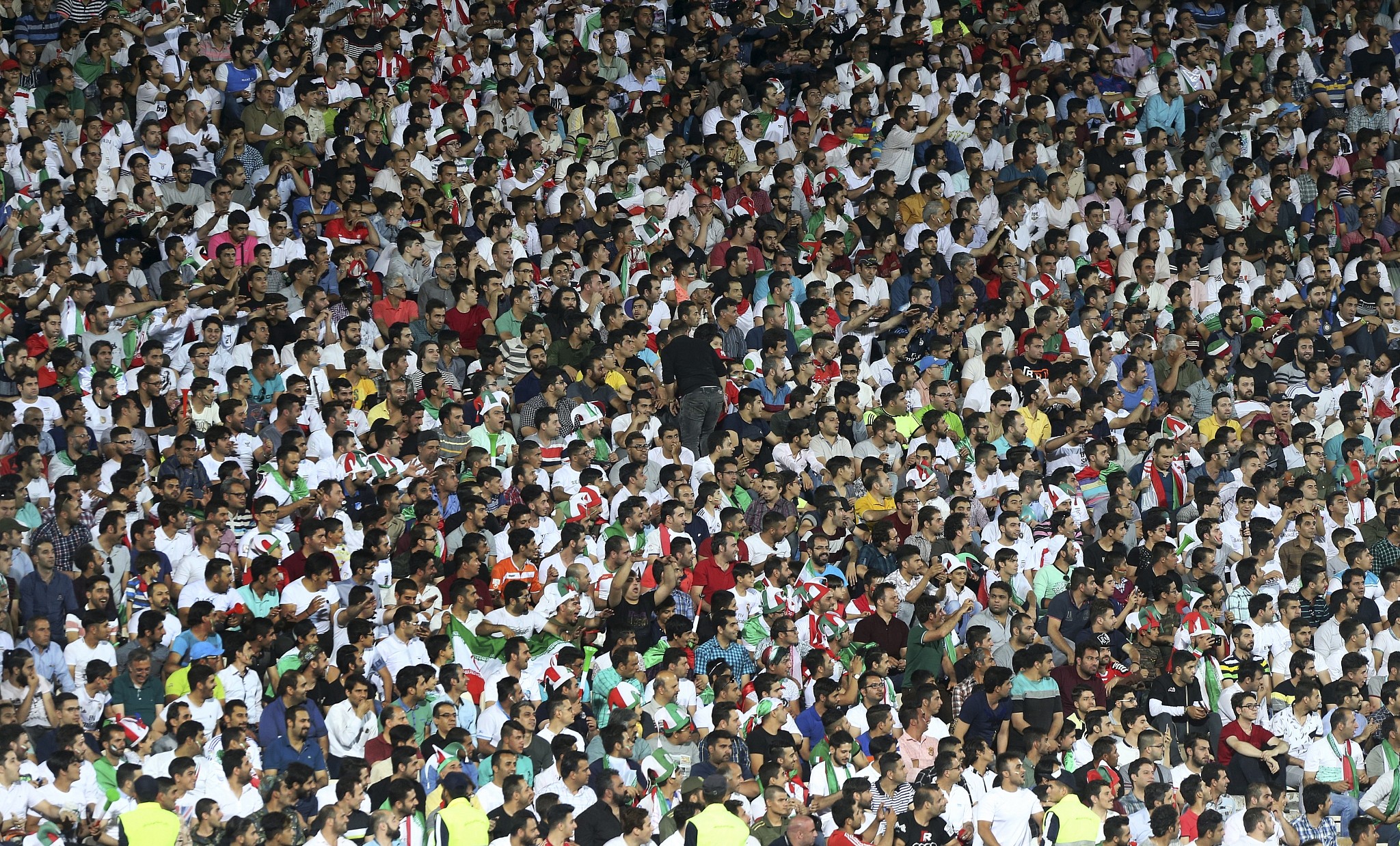
FILE -- Iranian soccer fans follow a qualifying match with Uzbekistan in their Asia Group A, 2018 Russia World Cup at the Azadi Stadium in Tehran, Iran, June 12, 2017 (AP Photo/Vahid Salemi)

FILE — Iranian soccer fans follow a qualifying match with Uzbekistan in their Asia Group A, 2018 Russia World Cup at the Azadi Stadium in Tehran, Iran, June 12, 2017 (AP Photo/Vahid Salemi)

TEHRAN, Iran — Iranians reported Saturday that the state broadcaster had muted stadium noise during the previous evening’s soccer match in Tehran, in an apparent attempt to drown out anti-government chants.

Mobile phone footage shared widely on social media showed thousands of fans in Tehran’s Azadi stadium chanting “Death to the dictator” during the fixture between the capital’s Esteghlal and Tractor Sazi from the northwestern city of Tabriz.

Although the video could not be independently verified, it coincided with a decision by state broadcaster IRIB to mute the sound and avoid shots of the crowd.

“Yesterday, when the football was being shown, the sound in the stadium was turned down to such a level that one would think they were playing in an alleyway,” said one Twitter user.

The Voice of America

@VOANews

Fans of visiting team Tractor Sazi of Tabriz chant “death to the dictator” as they await a match against local team Esteghlal at Tehran’s Azadi Stadium, August 10, 2018. http://dlvr.it/QfVsvY 

IRIB’s soccer commentators blamed “network disruption” for the low volume, without giving details.

“They turned down the volume so no one could hear the slogans,” said another Twitter user.

Iran has seen nationwide strikes and protests in recent weeks, focused on high prices and unemployment but also featuring radical political slogans.

The authorities have acknowledged anger over the economic situation — which has been exacerbated by the United States’ reimposition of sanctions on Tuesday following its abandonment of a landmark 2015 nuclear deal.

But they say any political agitation is the work of outside instigators, fomented by the US, Saudi Arabia and Israel.

Heavy reporting restrictions and reports of mobile internet blackouts in affected areas have made it difficult to verify claims by the authorities and on social media.

In possible message to U.S., Iran fires anti-ship missile during naval drills 

August 11, 2018

Source: In possible message to U.S., Iran fires anti-ship missile during naval drills – Middle East – Jerusalem Post

Iran’s Revolutionary Guards confirmed on Sunday it had held war games in the Gulf over the past several days.

BY REUTERS
 AUGUST 11, 2018 00:57
In possible message to U.S., Iran fires anti-ship missile during naval drills

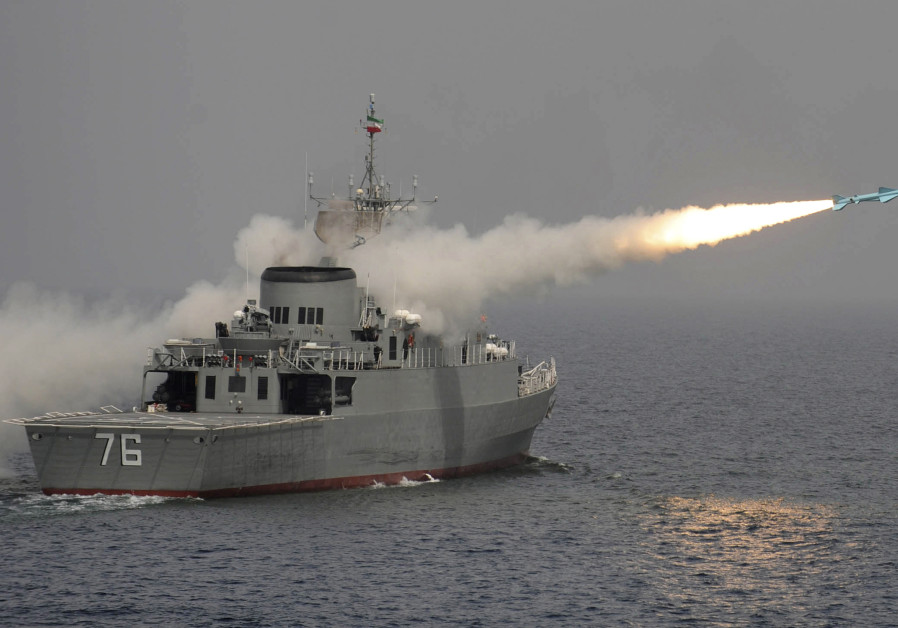
WASHINGTON – Iran test-fired a short-range anti-ship missile in the Strait of Hormuz during naval drillslast week that Washington believes were aimed at sending a message as the United States reimposes sanctions on Tehran, a US official said on Friday.

The official, however, did not suggest that such a missile test was unusual during naval exercises or that it was carried out unsafely, noting it occurred in what could be described as Iranian territorial waters in the Strait.

Iran’s Revolutionary Guards confirmed on Sunday it had held war games in the Gulf over the past several days, saying they were aimed at “confronting possible threats” by enemies.

US Army General Joseph Votel, head of the US military’s Central Command, said earlier this week the scope and scale of the exercises were similar to ones Iran had carried out in the past. But the timing of this particular set of exercises was designed to get Washington’s attention.

“It’s pretty clear to us that they were trying to use that exercise to send a message to us that as we approach this period of the sanctions here, that they had some capabilities,” Votel told reporters at the Pentagon.

Iran has been furious over US President Donald Trump’s decision to pull out of an international agreement on Iran’s nuclear program and re-impose sanctions on Tehran. Senior Iranian officials have warned the country would not easily yield to a renewed US campaign to strangle Iran’s vital oil exports.

Last month, Iran’s Supreme Leader Ayatollah Ali Khamenei backed President Hassan Rouhani’s suggestion that Iran may block Gulf oil exports if its own exports are stopped.

Votel said the US military was keenly aware of Iran’s military activities.

“We are aware of what’s going on, and we remain ready to protect ourselves as we pursue our objectives of freedom of navigation and the freedom of commerce in international waters,” Votel said.

German businesses suffering as U.S. sanctions and tariffs bite

August 11, 2018

Source: German businesses suffering as U.S. sanctions and tariffs bite – International news – Jerusalem Post

“Of course the US policies are impacting German foreign trade.”

BY REUTERS
 AUGUST 11, 2018 06:38
German businesses suffering as U.S. sanctions and tariffs bite

BERLIN – German companies are increasingly suffering from US President Donald Trump’s policy of sanctions – including those against Iran – and the tariffs he is pursuing in an escalating trade war with China, business associations said on Thursday.

Washington said on Wednesday it would also impose fresh sanctions on Russia by the end of August after it determined that Moscow had used a nerve agent against a former Russian agent and his daughter in Britain, something the Kremlin denies.

“Of course the US policies are impacting German foreign trade,” Holger Bingmann, head of the BGA trade association, told Reuters. “Individual companies are grinding their teeth and are severely affected.”

Volker Treier, foreign trade chief at the DIHK Chambers of Commerce, said the international environment was becoming increasingly complex for German businesses.

Treier said many of Germany’s trading partners were affected by the US measures and their effects, which was in turn hurting business with German companies. Exports were not faring as well as last year, he added.

He said DIHK’s forecast that German exports would increase by 5 percent this year “seems increasingly ambitious.”

Bingmann and Treier were reacting to the new US sanctions against Russia but also to punitive measures against Iran and reciprocal tariffs and trade threats by the US and China.

The United States will impose tariffs on another $16 billion of imports from August 23 and China plans to slap additional tariffs of 25 percent on the same amount of US imports ranging from fuel and steel products to autos and medical equipment.

On Wednesday China and Germany defended their business ties with Iran in the face of Trump’s warning that any companies trading with the Islamic Republic would be barred from the United States.

“It’s simply unacceptable that US laws are being enforced outside US territory,” Bingmann said.

He urged the German government to provide details on how it would protect German firms after the latest U.S. sanctions against Iran, adding that if Berlin did not do that, German firms would gradually cease doing business there.

On Monday German Foreign Minister Heiko Maas said Germany, France and Britain were determined to protect European companies engaged in business with Iran using an updated version of the EU’s so-called Blocking Statute, which bans any EU company from complying with US sanctions.

Bingmann said German trade with customers in other countries was doing well overall but that was largely due to good business in the EU.

When weighing Gaza actions, ministers reportedly looked to Iran threat in north

August 11, 2018

Source: When weighing Gaza actions, ministers reportedly looked to Iran threat in north | The Times of Israel

At security cabinet meeting Thursday on violence in the south, Netanyahu and allies said to have pushed for calm, citing need to focus on Tehran’s presence in Syria

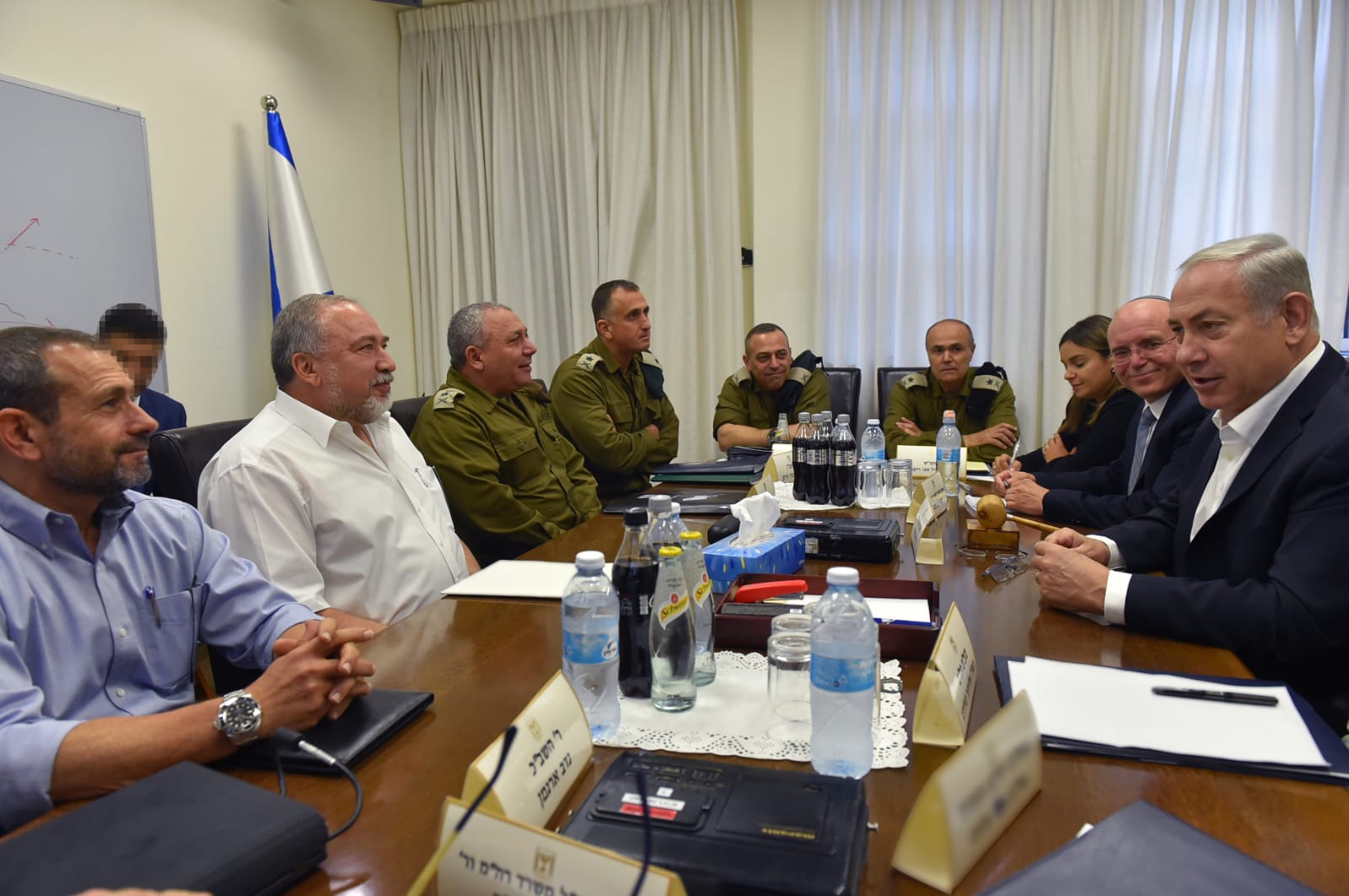
Prime Minister Benjamin Netanyahu (R) and Defense Minister Avigdor Liberman (2nd-L) meet with top IDF generals and Israeli security officials at the military's Kirya headquarters in Tel Aviv on August 9, 2018. (Ariel Hermoni/Defense Ministry)

Prime Minister Benjamin Netanyahu (R) and Defense Minister Avigdor Liberman (2nd-L) meet with top IDF generals and Israeli security officials at the military’s Kirya headquarters in Tel Aviv on August 9, 2018. (Ariel Hermoni/Defense Ministry)

A leading consideration as top ministers deliberated Thursday how to respond to ongoing rocket attacks from the Gaza Strip was the need to focus on the northern border with Syria and the Iranian threat emanating from there, Channel 10 news reported Friday.

According to the TV report, ministers at the emergency security cabinet meeting were informed that the Hamas terror group had made several appeals for a ceasefire through mediator Egypt as well as via the UN.

Unnamed ministers present at the meeting told the broadcaster that Prime Minister Benjamin Netanyahu pushed for an end to the latest round of fighting, rather than a widening of Israeli operations against Hamas and other Gaza terror groups.

Energy Minister Yuval Steinitz, a top ally of Netanyahu, reportedly championed that same line, telling ministers a war in Gaza would not serve Israeli interests, as Jerusalem now needed to focus on the chief threat to national security — Iran’s attempts to entrench itself in Syria along the Israeli border.

Israel has repeatedly vowed to prevent Iran establishing a permanent presence in Syria and Lebanon and has carried out dozens of air strikes against Iran-backed forces and attempts to smuggle advanced weapons to Hezbollah.

Channel 10 reported that IDF officials at the meeting agreed that Israel could content itself with the actions it had taken so far and not widen the campaign, noting that Hamas had suffered serious damage through Israeli strikes on key sites.

Most ministers agreed with Netanyahu and Steinitz’s line of reasoning, the report said.

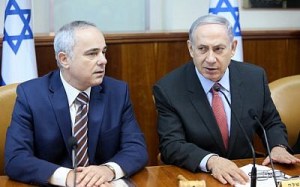
Prime Minister Benjamin Netanyahu (R) and Energy Minister Yuval Steinitz attend the weekly cabinet meeting in Jerusalem on August 16, 2015. (Marc Israel Sellem/POOL)

However, a key opponent was said to be Defense Minister Avigdor Liberman, who called for a tougher Israeli response, claiming stopping the military actions against Hamas targets now would harm Israeli deterrence. Jerusalem Affairs Minister Ze’ev Elkin was said to have sided with Liberman.

The security cabinet eventually elected to move to end the current round of violence, although an official statement issued after the forum adjourned said the army had been instructed to continue to act against terrorists in Gaza.

Some two hours later, Hamas announced that a ceasefire had been agreed upon. Israel later denied that it had signed onto any truce.

The Prime Minister’s Office and the Defense Ministry said Israel responded as long as Hamas was firing rockets, and halted its attacks when Hamas did the same.

The ministry and the PMO denied Channel 10’s account of the meeting, saying the military had been instructed to prepare for all eventualities. They refused to provide further details.

Defense Minister Avigdor Liberman (c) speaks at a briefing with IDF Chief of Staff Gadi Eisenkot (R) and Head of Northern Command Yoel Strick on August 7, 2018. (Ariel Hermoni/Defense Ministry)

The government came under criticism Friday for the alleged ceasefire from local community leaders near Gaza, who called the truce a “mistake” and said Israel must find a permanent solution to the recurrent rounds of violence, either through diplomacy or through military force.

Over Wednesday and Thursday, some 180 rockets and mortar shells were fired at southern Israel.

The projectiles injured at least seven people and caused damage to homes, businesses and infrastructure throughout the region, according to the Israel Defense Forces.

In response, the Israeli Air Force struck over 150 Hamas sites in the Strip, the army said. Palestinian officials said a pregnant woman and her infant daughter were killed in the Israeli strikes, along with one Hamas fighter, who was reportedly in a car used by a rocket-launching Hamas cell that was targeted by an IDF aircraft. The IDF said it only targeted military sites.

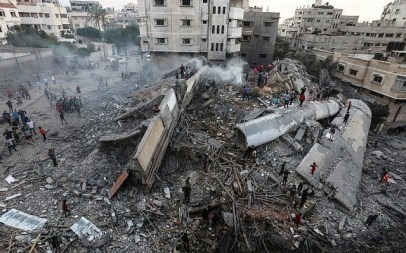
On Thursday evening, the Israeli Air Force flattened a five-story building in northern Gaza that served as a headquarters for Hamas’s internal security service, the army said.

A picture taken on August 9, 2018, shows people inspecting the rubble of a building targeted by the Israeli Air Force in response to a rocket attack that hit southern Israel earlier in the day on August 9, 2018. (AFP Photo/Mahmud Hams)

The IDF said the strike on the building in the northern Gaza Strip, which also served as a cultural center in the coastal enclave, was in response to “rocket fire by the Hamas terror group against the city of Beersheba earlier in the day.”

Hamas announced the ceasefire hours after the bombing of the building in Gaza. The border remained quiet until Friday’s weekly border protest.

On Friday evening, Israeli tanks shelled two Hamas observation posts in Gaza in response to riots on the border, during which a grenade, bombs and Molotov cocktails were hurled at soldiers, and attempts were made to breach the security fence. Hamas had called for mass attendance at the protests.

Around 9,000 people participated in the protests. The Hamas-run Gaza health ministry reported that two Palestinians were killed in the riots. It said over 300 people were hurt, of whom dozens were shot by Israeli troops.

Hamas, an Islamist terror group that seeks to destroy Israel, seized control of the Gaza Strip in 2007.

Syrian air defense systems said activated against ‘hostile target’ 

August 11, 2018

Source: Syrian air defense systems said activated against ‘hostile target’ | The Times of Israel

Unidentified aircraft reportedly penetrates country’s airspace west of Damascus

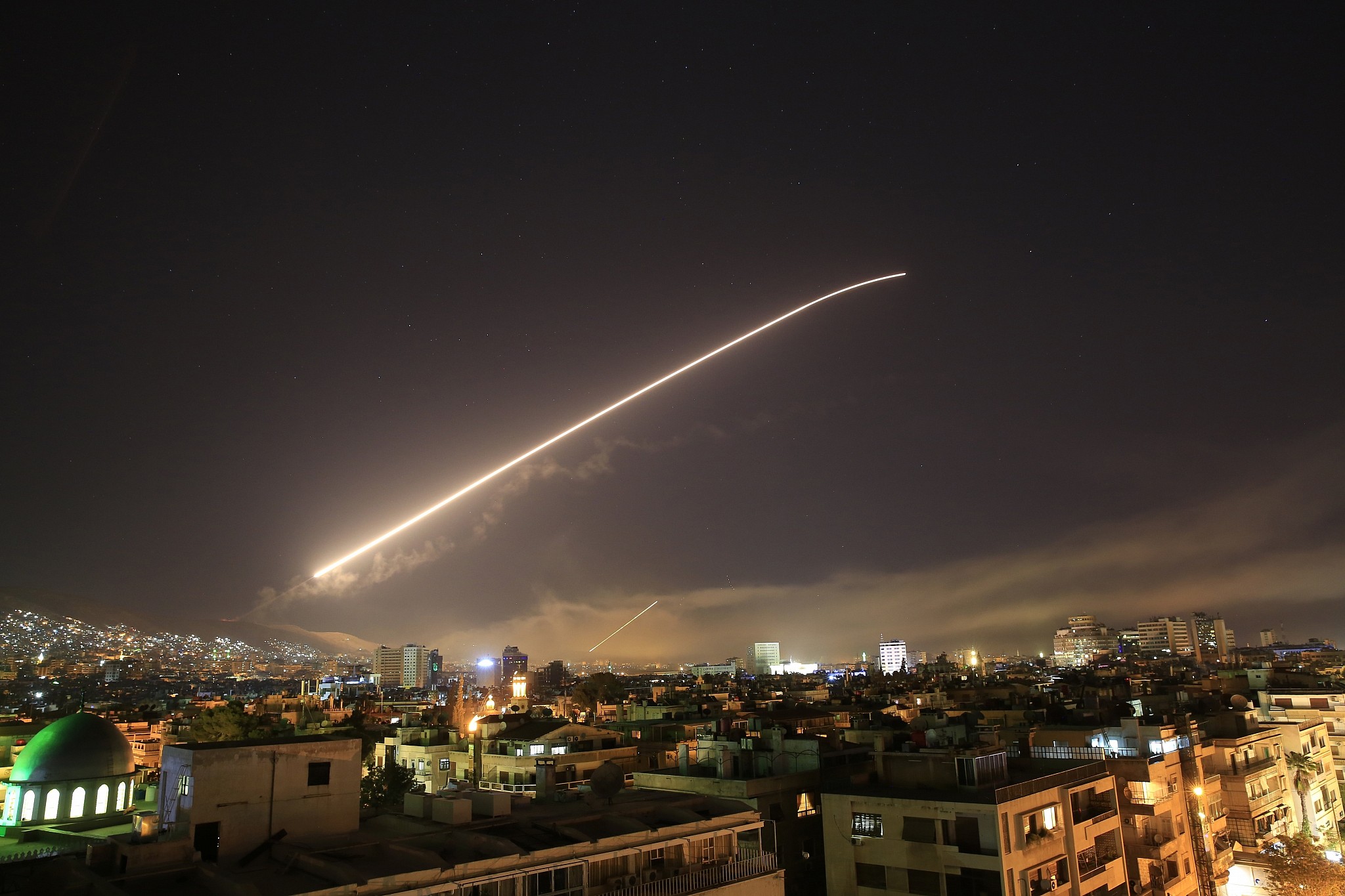
Illustrative - The Damascus sky lights up missile fire, as the US launches an attack on Syria targeting different parts of the capital, early Saturday, April 14, 2018. (AP Photo/Hassan Ammar)

Illustrative – The Damascus sky lights up missile fire, as the US launches an attack on Syria targeting different parts of the capital, early Saturday, April 14, 2018. (AP Photo/Hassan Ammar)

Syria’s air defense systems were activated overnight Friday-Saturday against a “hostile target” that penetrated the Syrian airspace west of Damascus, the country’s official news agency reported.

The report did not state if a strike on the capital had actually taken place.

The incident came eight days after Syria said its air defenses destroyed an unspecified enemy target during an attempted airstrike west of Damascus, as residents reported a series of loud explosions around the Syrian capital.

The pro-government al-Masdar news service said August 2 that air defenses fired several missiles to fend off an attack near the el-Kisweh region and that it was not clear if the Syrian missiles were fired at an aircraft, drone or incoming rockets.

Israel has been blamed for previous attacks on a suspected Iranian military base in the el-Kisweh area. An attack in May killed at least nine Iranians.

In February of this year, the Syrian military shot down an Israeli F-16 fighter jet as it was taking part in a bombing raid against an Iranian-linked airfield in central Syria after an Iranian drone penetrated Israeli airspace, according to the IDF. The F-16’s pilot and navigator were injured as they bailed out of the aircraft, which crashed to ground in northern Israel.

Last month, Syrian government forces reached the frontier with the Israeli Golan Heights after capturing territory from rebels and Islamic State fighters.

It was the first time government forces had taken up positions along the frontier since an uprising against Assad swept through the country in 2011, becoming a seven-year civil war. Islamic State fighters later seized territory from rebels along the frontier region.

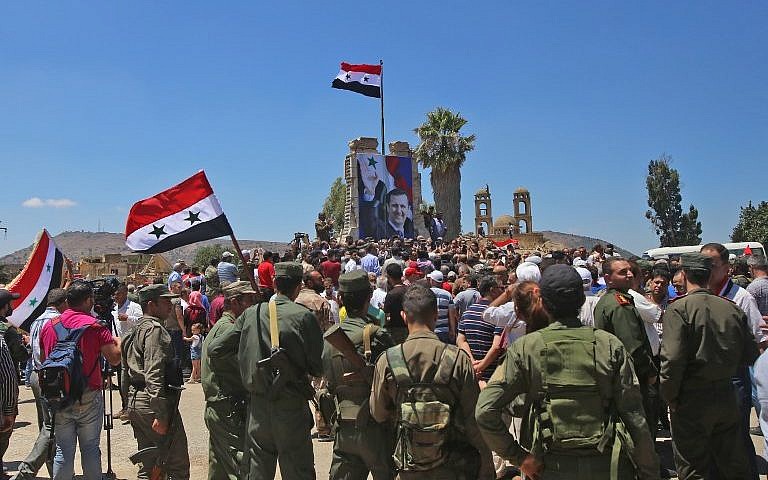
Syrian troops raise the Syrian flag in the border town of Quneitra in the Syrian Golan Heights on July 27, 2018. (AFP Photo/Youssef Karwashan)

Israel has sought to avoid direct involvement in the Syrian conflict but acknowledges carrying out dozens of airstrikes there to stop deliveries of advanced weaponry to its Lebanese enemy Hezbollah.

It has also pledged to prevent Iran from entrenching itself militarily in Syria, and a series of recent strikes that have killed Iranians in Syria have been attributed to Israel.

With Syrian forces now in close proximity, there have already been clashes between the two armies and Israel has insisted that the Syrian military respect the 1974 ceasefire agreement reached between Jerusalem and Damascus after the previous year’s Yom Kippur War. The agreement limits the forces each side can keep in the border region.

On July 24, a Syrian Sukhoi fighter jet entered Israeli airspace over the Golan Heights, traveling approximately two kilometers (one mile) before it was downed when the IDF fired two Patriot interceptor missiles.

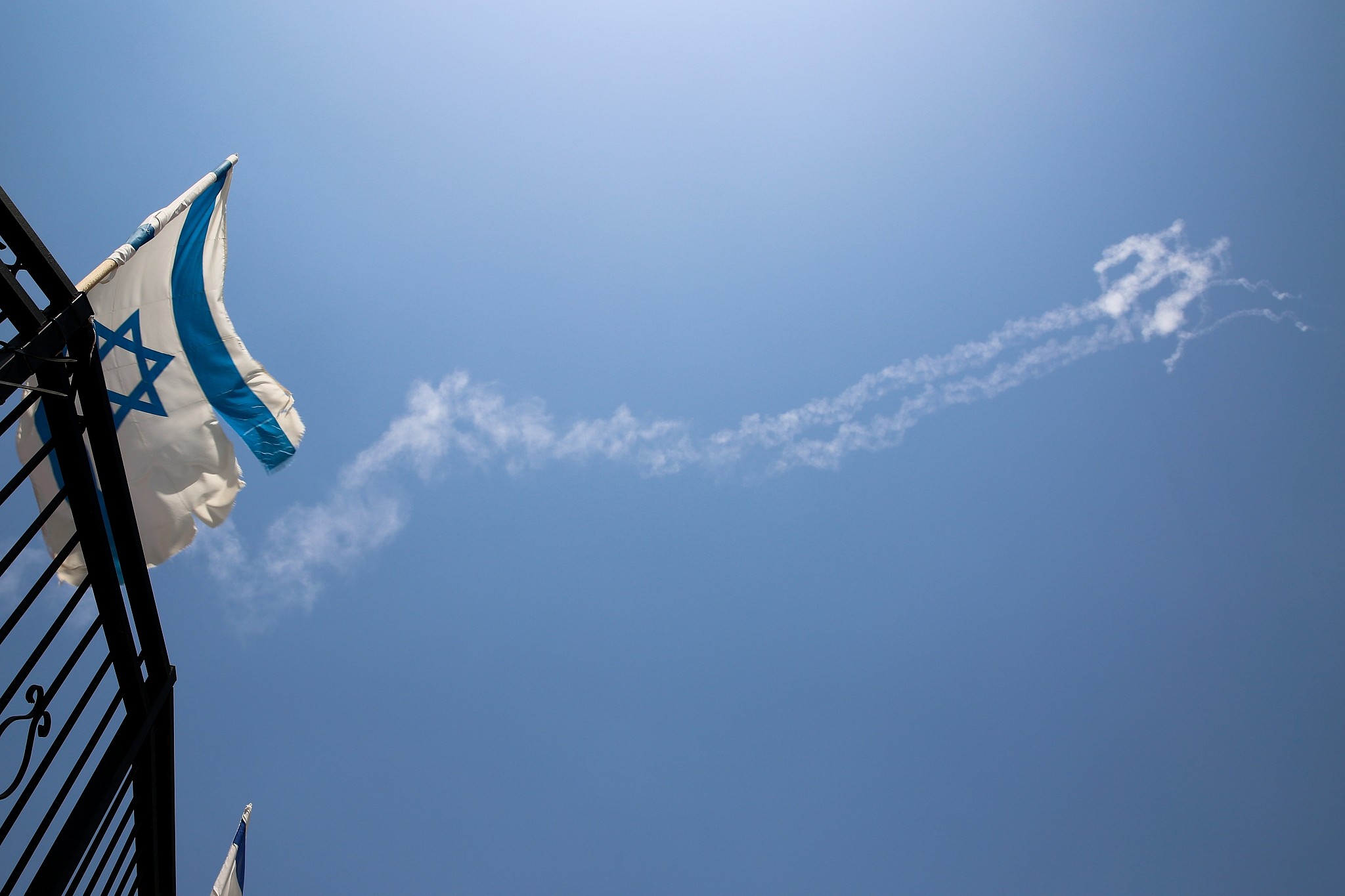
View of the trail left in the sky by a Patriot missile that was fired to intercept a Syrian jet entering Israel from Syria, as seen in the northern Israeli city of Safed, on July 24, 2018. (David Cohen/Flash90)

On July 13, the system shot down a Syrian army drone that was flying over the demilitarized zone separating Israel from Syria. Two days earlier, a Syrian military unmanned aerial vehicle penetrated some 10 kilometers (six miles) into Israeli territory before it too was shot down by a Patriot missile. The IDF said it had allowed the drone to fly so deeply into Israeli territory as it was not immediately clear if it belonged to the Russian military.

On Tuesday, a senior official from a Middle East intelligence agency pointed the finger at Israel’s Mossad for the killing of a top Syrian chemical weapons and rocket scientist over the weekend, The New York Times reported, reinforcing accusations from Syria.

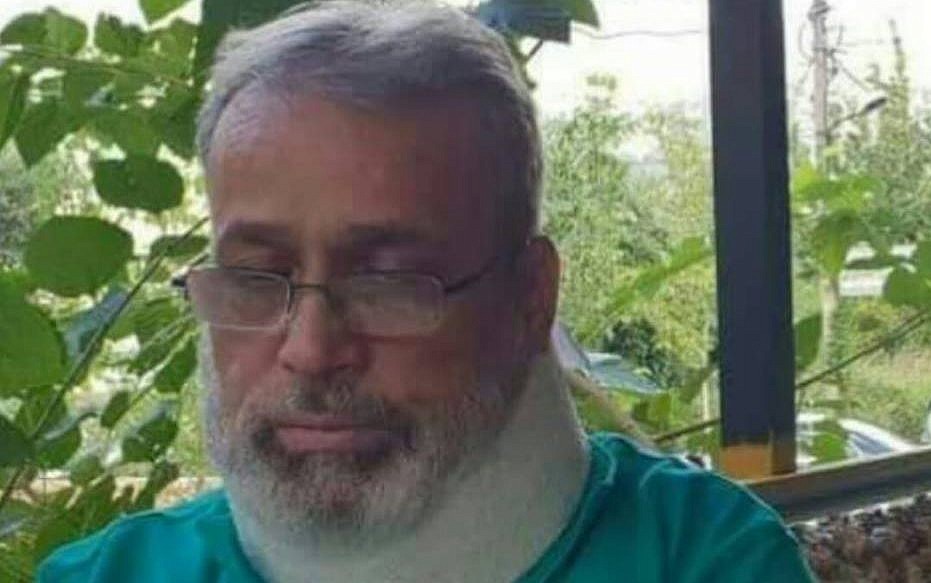
Aziz Azbar (via Facebook)

Aziz Azbar was killed when his car exploded in the northern city of Masyaf late last Saturday night. The unnamed official, speaking on condition of anonymity, told the paper that Israel was behind the attack and said his own intelligence agency had been informed of the Israeli operation.

A senior Israeli government official declined to comment on the report Tuesday, but noted it was “a good thing” that Azbar was dead.

The Syrian regime has been accused of dozens of gas attacks that have killed hundreds of civilians during the war, even after it said it was giving up its stockpile.

Iran said to test ballistic missile for first time in more than a year

August 11, 2018

Source: Iran said to test ballistic missile for first time in more than a year | The Times of Israel

US officials say Fateh-110 was fired during a military exercise last weekend, held as Trump reintroduced economic sanctions on Tehran

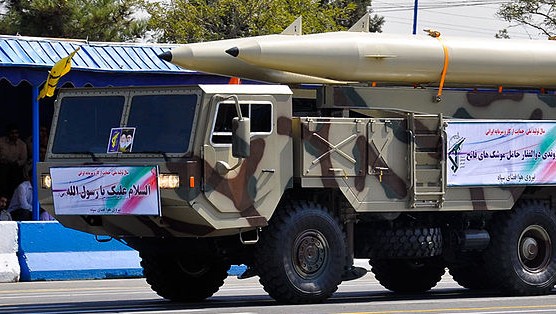
Illustrative: A Fateh-110 ballistic missile, displayed at an Iranian armed forces parade in 2012. (military.ir/Wikimedia Commons)

Illustrative: A Fateh-110 ballistic missile, displayed at an Iranian armed forces parade in 2012. (military.ir/Wikimedia Commons)

Iran carried out a ballistic missile test last week for the first time in 2018, US officials were quoted saying late on Friday.

The test of the Iranian Fateh-110 short-range ballistic missile was carried out at the Strait of Hormuz during a naval exercise in which at least 50 small ships took part, Fox News reported. According to the report, the missiles flew “shore to shore” for more than 160 kilometers (100 miles) over the Strait of Hormuz to a site in the desert.

While the US military knew of Iran’s naval activity in the region, the missile test detected by US spy satellites had not been previously reported.

The missile launch test is the first known test of the Fateh-110 in over a year. Last time such a missile was launched by Iran was in March, 2017.

Iran’s Revolutionary Guard Corps announced last weekend it had completed a “successful” naval exercise in the Persian Gulf, which was seen in the West as a provocation in response to the US reimposition of sanctions on Tehran.

Illustrative: The Iranian warship Alborz, foreground, prepares to leave Iran’s waters at the Strait of Hormuz, in this photo released by the semi-official Fars News Agency, Tuesday, April 7, 2015. (AP/Fars News Agency, Mahdi Marizad)

The timing was unusual, as the exercise appeared to be similar in scale and nature to an annual drill that ordinarily takes places later in the year, in the autumn.

The vessels taking part in the exercise were mostly small attack boats, and there were no interactions reported with US ships in the strait, one of the world’s most important oil shipping lanes.

In a statement regarding the drill, Captain Bill Urban, the US military’s Central Command spokesman, said the US was “aware of an increase” in Iranian naval operations in the Gulf, the Strait of Hormuz and the Gulf of Oman.

“We are monitoring it closely, and will continue to work with our partners to ensure freedom of navigation and free flow of commerce in international waterways,” Urban said.

The Fateh-110 test launch came in the same week as US President Donald Trump signed an executive order to restore nuclear-related sanctions on Tehran, increasing economic pressure on the country. Trump withdrew from the landmark P5+1 nuclear agreement with Iran in May, paving the way for sanctions to be reimposed.

Other signatories of the 2015 JCPOA opposed the America withdrawal from the landmark pact, and Russia and China criticized the reimposition of nuclear-related sanctions on Iran, arguing that Tehran had kept its part of the deal.

Iranian leaders have threatened several times in recent weeks to close the Strait of Hormuz in retaliation for the renewal of sanctions.

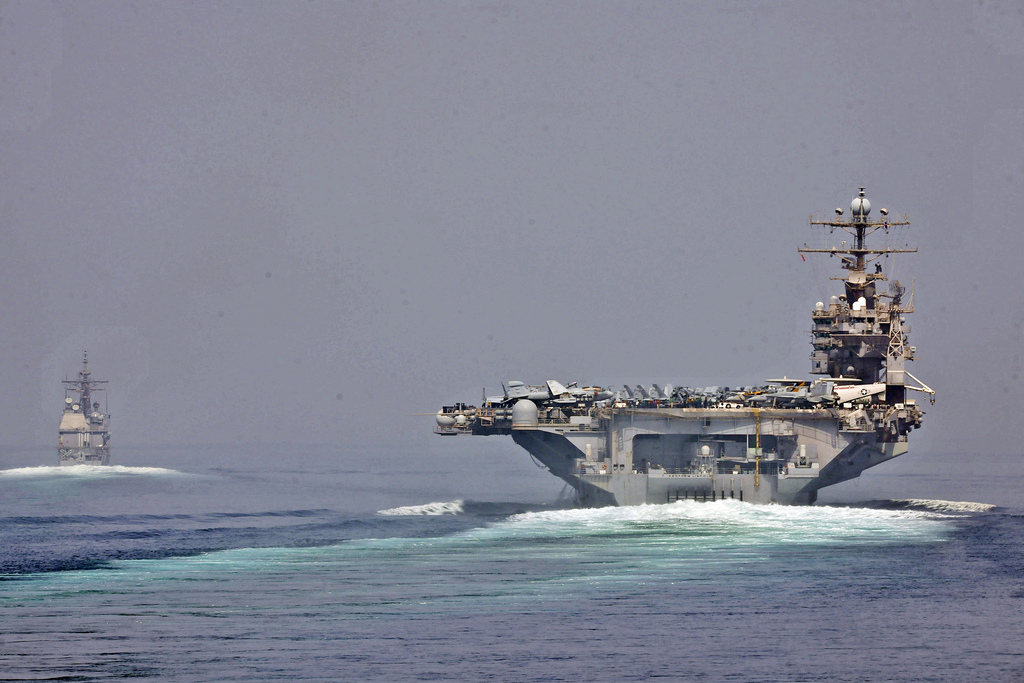
The guided-missile cruiser USS Cape St. George (CG 71) and the aircraft carrier USS Abraham Lincoln (CVN 72) transit the Strait of Hormuz (photo credit: CC BY Official U.S. Navy Imagery)

Illustrative: The guided-missile cruiser USS Cape St. George and the aircraft carrier USS Abraham Lincoln transit the Strait of Hormuz (CC-BY SA 3.0/Official US Navy Imagery)

US officials in recent years have accused both the regular Iranian navy and the IRGC of routinely harassing American warships in the Gulf.

But so far this year, there have been no such incidents.

The IRGC is a paramilitary force that answers directly to the Islamic Republic’s supreme leader, Ayatollah Ali Khamenei.

In January 2016, the Iranians briefly captured the crew of two small US patrol boats that strayed into Iranian waters.