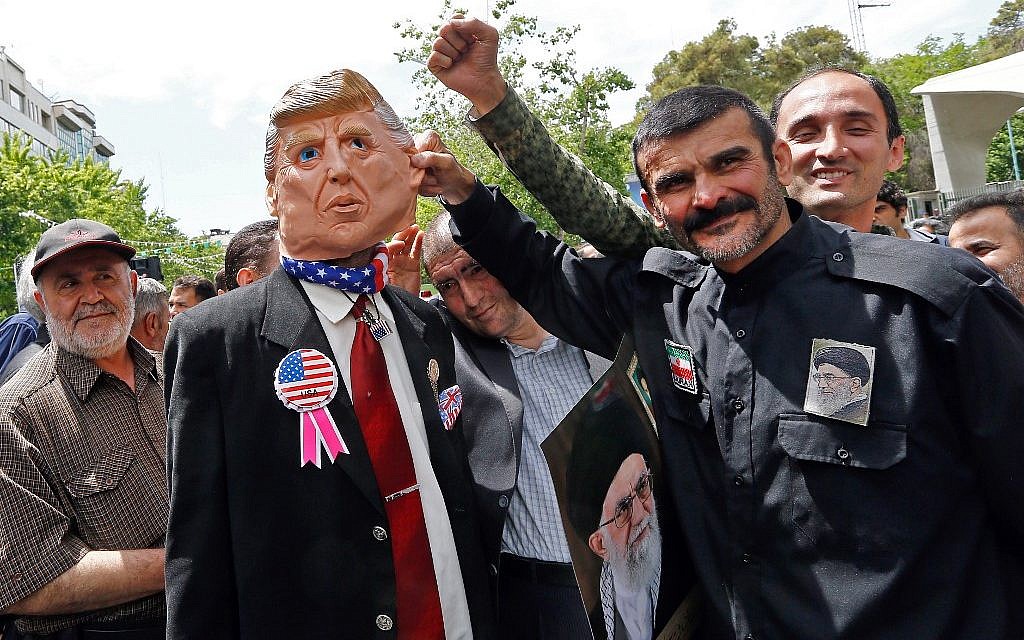
The Trump administration’s disregard for the unprecedented September 15 Iranian attack on Saudi Arabia’s oil refineries and fields is reminiscent of the actions — or lack thereof — taken by former US president Barack Obama in response to Syrian President Bashar Assad’s 2013 chemical attack in Ghouta al-Sharqiya, in the country’s southwest, which left hundreds of people dead.
Back then, it was clear that an American response was imminent because Obama himself had warned that an attack using unconventional weapons, especially on civilians, would constitute crossing a “red line,” the likes of which the US would not abide. But lo and behold, the Americans refrained from responding, choosing instead to hammer out a deal that significantly reduced Syria’s chemical stockpiles.
It is difficult to criticize this policy, as it resulted in actual achievements. Nonetheless, the lack of American response came with a price for Syria and the entire Middle East: Assad’s regime understood it could continue to butcher the Syrian people uninterrupted as long as it did not use chemical weapons. After a while, it became clear that chemical attacks were still being carried out but even then, the US government refrained from responding.
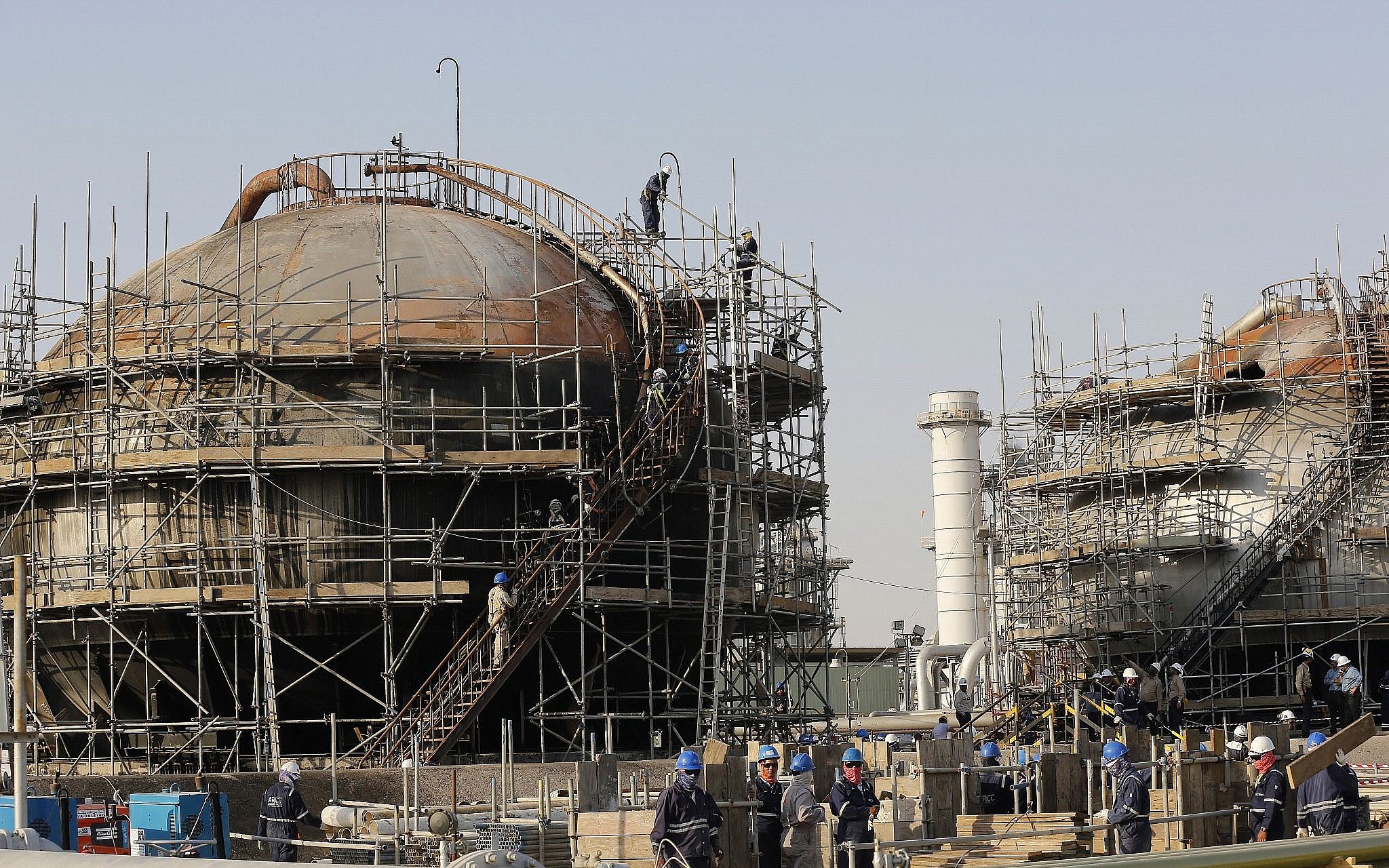
Fast forward six years and Iran has conducted a widespread attack on the Saudi oil industry. A combination of cruise missiles and combat drones targeted the state-owned oil processing facilities at Abqaiq and Khurais in eastern Saudi Arabia, causing severe damage and a rapid hike in oil prices.
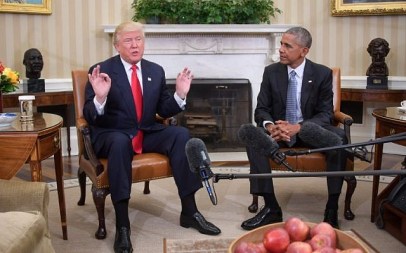
Washington was quick to announce that the US was gearing up to strike back on behalf of its Saudi allies, and President Donald Trump made it clear he knew exactly who was responsible for the attack. Iran’s fingerprints are all over this incident, it would appear, but the US has yet to respond.
This is not the first time that the United States has refrained from responding to Iranian aggression against its allies in the Middle East, even when such attacks involved American citizens and soldiers.
The 1980s provide ample examples for this policy: when the first massive suicide bombings struck American targets in the Middle East — the April 1983 attack on the US embassy in Beirut and, in October of that year, the attack against a Marine base in the Lebanese capital, which together left over 300 dead — US intelligence easily identified Iran as the driving force behind them.
Later, when US citizens including, in 1985, then-CIA station chief William Buckley, were abducted or murdered in Lebanon by Iranian proxy agents, the United States opted to bury its head in the sand and ignored the clearly hostile Iranian activity.
This disregard has not led Iran to refrain from engaging in future terrorist activities. On the contrary, the Iranian terrorism industry is present in almost every corner of the world, and it is especially rampant in the Middle East.
But even now, it seems that the administration led by Trump — who threatens to act but frequently does not — is again paralyzed.
Here, too, the considerations against a military response — the desire to avoid war and the fear of Iranian retaliation in the form of terrorist attacks — are understandable.
However, just as in Lebanon’s case in the 1980s and the more recent case in Syria, the decision to do nothing comes at a cost. And its implications may become evident in a potential conflict with Israel.
These implications are at the root of Israel’s concern over a military escalation vis-à-vis Iran and its regional proxies in the near future. There are some in Israel who believe that American inaction will lead Tehran to develop an even greater appetite for aggression and may tempt it to carry out similar hostilities against Israel, most likely in retaliation for the ongoing alleged Israeli strikes against Iranian-backed Shiite militias in Syria and Iraq.
But this assessment, too, should be qualified: The Iranians may not be in such a rush to step into what is likely to be a very complex war with Israel. Iran understands that Saudi Arabia is radically different from Israel and that the IDF’s military capabilities considerably outweigh those of the Saudi army. Even if you consider Hezbollah’s sizable rocket arsenal in Lebanon, it is doubtful that the Iranians will want to “waste” it to attack Israel without a real cause.
The Trump administration may not be without its Israeli fans, especially among Likud and right-wing voters; nevertheless, it is pursuing the same policy of restraint as its predecessors. The problem is that Tehran, as everyone knows, can sense weakness from afar.
 WarSclerotic
Leave a comment