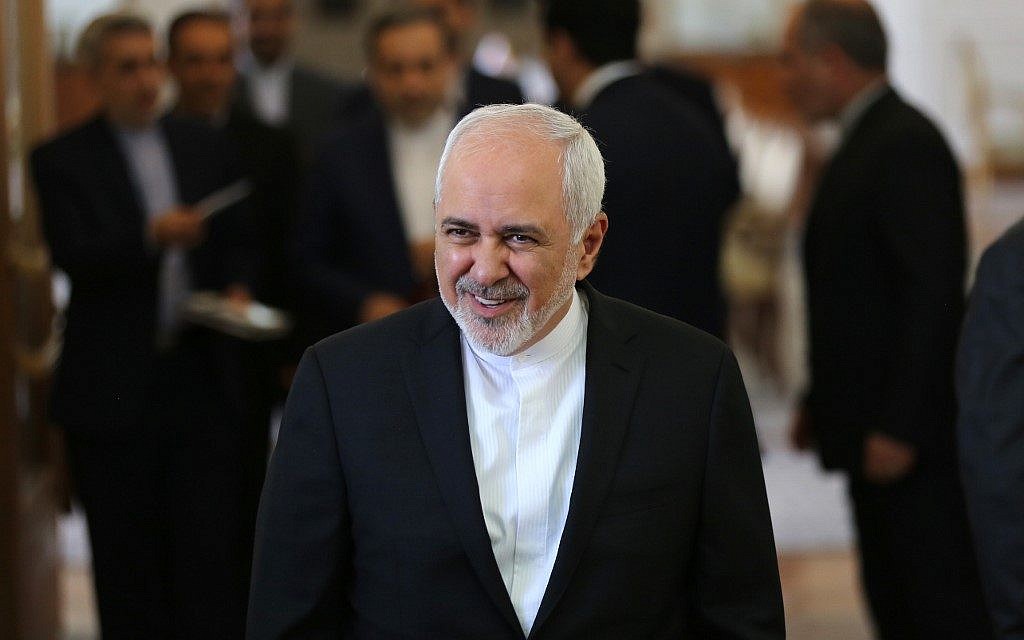
Iran’s Foreign Minister Mohammad Javad Zarif hit back against US President Donald Trump Thursday for escalating the war of words with Tehran and threatening to “obliterate” parts of the Islamic Republic.
In a tweet, Zarif warned that Trump was mistaken in thinking a war between their countries would not last long and accused him of planning a war crime by threatening to strike the country.
“‘Short war’ with Iran is an illusion,” he said, a day after Trump said he does not want a war with Iran but warned that if fighting did break out, it “wouldn’t last very long.”
“Whoever begins war will not be the one ending it,” he warned.
The foreign minister also tweeted that the threat of obliteration was an admission that the US planned “genocide” and a “war crime.”
– Sanctions aren’t alternative to war; they ARE war
– “Obliteration”=genocide=war crime
– “Short war” with Iran is an illusion
– Whoever begins war will not be the one ending it
– Negotiations and threats are mutually exclusive

On Wednesday, Zarif told CNN that Washington “is not in a position to obliterate Iran.”
“I think President Trump should remember that we don’t live in the 18th century. There is a United Nations charter, and threat of wars is illegal,” he told the US network.
On Wednesday, Trump hinted that any conflict would be waged with airstrikes, saying there would be no US boots on the ground.
In an interview on Fox Business Network, Trump was asked if the US was going to go to war with Iran.
“Well, I hope we don’t but we’re in a very strong position if something should happen. We’re in a very strong position,” Trump said.
“It wouldn’t last very long, I can tell you that. And I’m not talking boots on the ground.”
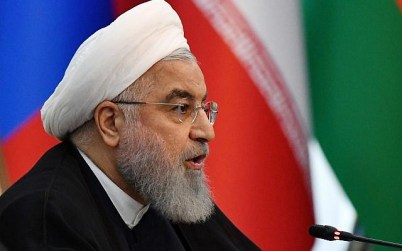
His remarks came after Iranian President Hassan Rouhani tried to rein in the crisis between the arch-foes, saying that Tehran “never seeks war” with Washington.
Tehran and Washington have engaged in an escalating war of words following Iran’s shooting down of a US surveillance drone over the Persian Gulf last week. Tehran claims the sophisticated $100 million unmanned American aircraft was in its airspace, which Washington vehemently denies.
Trump pulled back from plans to retaliate with military strikes on Iranian targets for downing the drone, saying the response — and the collateral damage — would not be “proportionate.”
But on Monday, he slapped a fresh round of tough sanctions on Iran, including on its supreme leader Ayatollah Ali Khamenei and top military chiefs.
The new US measures are the latest against Tehran since Trump last year pulled out of the nuclear accord between Iran and world powers.
On Tuesday, Iran warned that the latest US sanctions targeting Khamenei and other officials meant “closing the doors of diplomacy” with Washington.
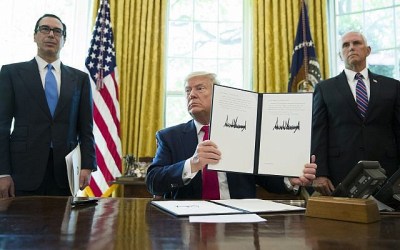
Rouhani derided the White House as being “afflicted by mental retardation.”
He blamed the US for regional tensions and said if Washington had stuck to the deal “we would have witnessed positive developments in the region.”
Iran announced in May it would suspend two of its pledges under the 2015 nuclear deal, giving the agreement’s remaining supporters two months to help it circumvent US sanctions.
European countries that are still a part of the nuclear accord face a July 7 deadline imposed by Tehran to offer a better deal and long-promised relief from US sanctions, or Iran will also begin enriching its uranium closer to weapons-grade levels.
The United Nations says Iran has so far respected the deal’s terms. But Iran has said this week that by Thursday it would have over 300 kilograms (660 pounds) of low-enriched uranium in its possession, which would mean it had broken out of the atomic accord.
 WarSclerotic
Leave a comment