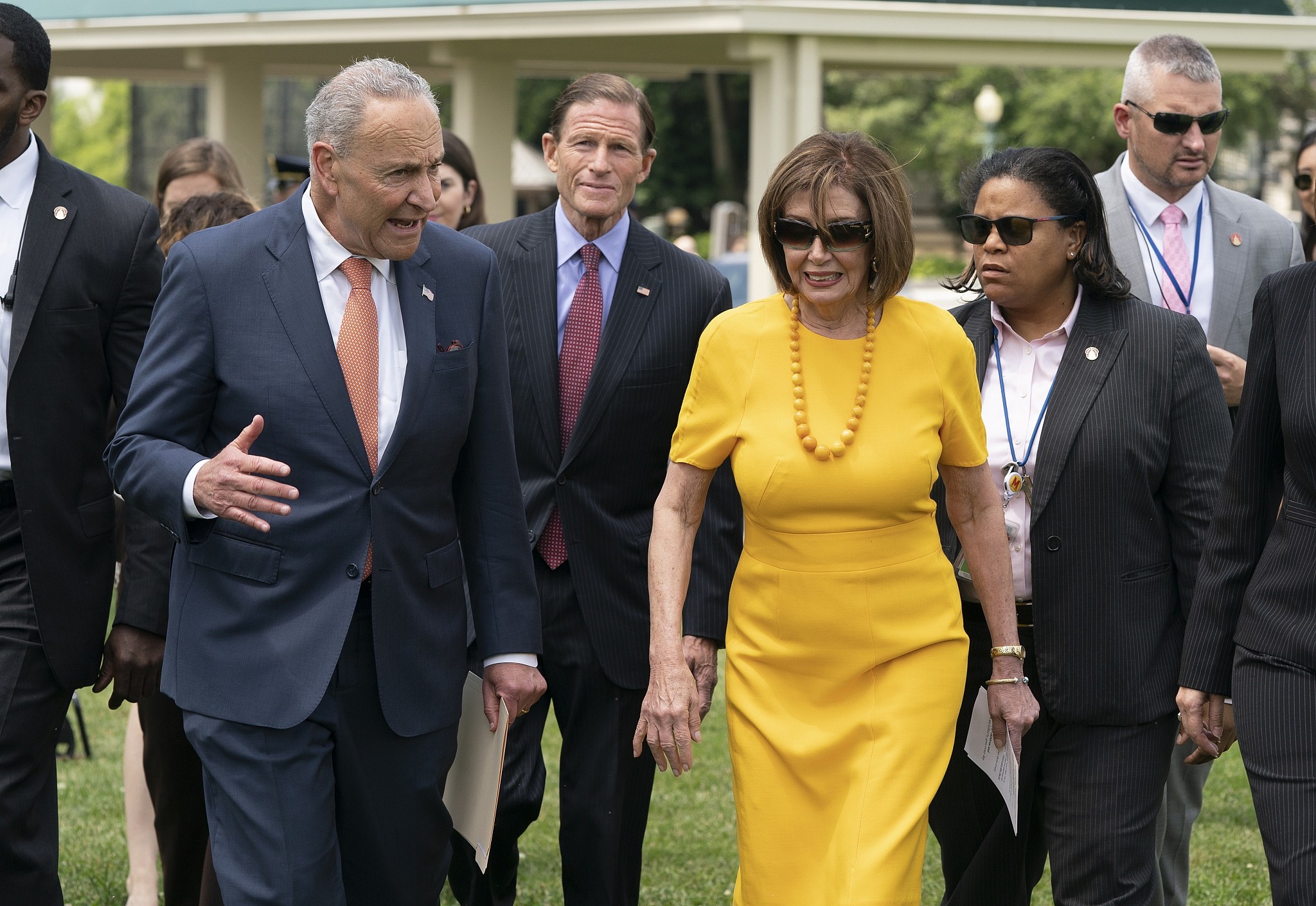
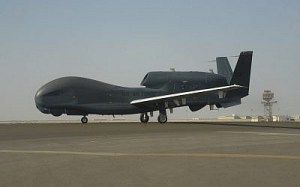
WASHINGTON — US lawmakers urged caution against escalating tensions with Iran in a meeting with US President Donald Trump and his security team Thursday, after an American spy drone downed by Iran once again raised fears of war.
Congressional leaders came to the White House for an hour-long briefing in the Situation Room late Thursday with top national security officials, including Pompeo, Bolton, CIA Director Gina Haspel, Joint Chiefs Chairman Gen. Joseph Dunford, acting Defense Secretary Patrick Shanahan and Army Secretary Mark Esper, whom Trump has said he’ll nominate as Pentagon chief.
House Speaker Nancy Pelosi said no specific options for a US response to the drone attack were presented at the meeting.
The downing of the huge, unmanned aircraft, which Iran portrayed as a deliberate defense of its territory rather than a mistake, was a stark reminder of the risk of military conflict between US and Iranian forces as the Trump administration combines a “maximum pressure” campaign of economic sanctions with a buildup of American forces in the region.
Secretary of State Mike Pompeo and national security adviser John Bolton have advocated hardline policies against Iran, but Rep. Adam Schiff, the chairman of the House intelligence committee, said “the president certainly was listening” when congressional leaders at the meeting urged him to be cautious and not escalate the already tense situation.
Democratic leaders in particular urged the president to work with US allies and avoid war.
Sen. Chuck Schumer of New York said he told Trump that conflicts have a way of escalating and “we’re worried that he and the administration may bumble into a war.”

Pelosi said Democrats made it clear to Trump at the meeting that White House would need authorization from Congress before launching military action against Iran.
Pelosi said earlier she didn’t think Trump wanted war with Iran and the American people have “no appetite” for it either.
The US needs to be “strong and strategic” about protecting its interests but “cannot be reckless,” she said.
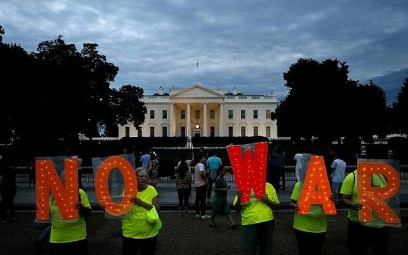
Talking tougher, Republican Sen. Lindsey Graham of South Carolina called Iran a “murderous regime” and said, “If they’re itching for a fight they’re going to get one.”
The senator also focused on the issue of Iran’s nuclear ambitions, saying its leaders have refused to negotiate after Trump withdrew the US from the international agreement to limit Iranian development of nuclear weapons.
Graham said it’s imperative that the US clearly tell the Iranians that any attempt to increase uranium enrichment will be seen as a “hostile act against the United States and our allies in Israel and will not go unanswered.”
Senate Majority Leader Mitch McConnell said, “The administration is engaged in what I would call measured responses,” and House Republicans on the Foreign Affairs, intelligence and Armed Services committees issued a statement using the same word Late Thursday, saying, “There must be a measured response to these actions.”
Trump himself earlier in the day appeared to attempt to dial back tensions, suggesting that shooting down the drone was a foolish error rather than an intentional escalation of the tensions that have led to rising fears of open military conflict.
“I find it hard to believe it was intentional, if you want to know the truth,” Trump said at the White House. “I think that it could have been somebody who was loose and stupid that did it.”
Asked earlier in the day about a US response to the attack, the president said pointedly, “You’ll soon find out.”
Shortly before Trump spoke, Air Force Lt. Gen. Joseph Guastella, commander of US Central Command air forces in the region, took a more pointed view of the shoot-down in an area where Trump has blamed Iran for attacking shipping vessels.
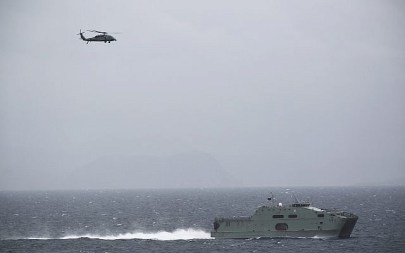
“This attack is an attempt to disrupt our ability to monitor the area following recent threats to international shipping and free flow of commerce,” he said.
The Trump administration has been putting increasing economic pressure on Iran for more than a year. It reinstated punishing sanctions following Trump’s decision to pull the US out of an international agreement intended to limit Iran’s nuclear program in exchange for relief from earlier sanctions.
The other world powers who remain signed on to the nuclear deal have set a meeting to discuss the US withdrawal and Iran’s announced plans to increase its uranium stockpile for June 28, a date far enough in the future to perhaps allow tensions to cool.
Citing Iranian threats, the US recently sent an aircraft carrier to the Persian Gulf region and deployed additional troops alongside the tens of thousands already there. All this has raised fears that a miscalculation or further rise in tensions could push the US and Iran into an open conflict 40 years after Tehran’s Islamic Revolution.
 WarSclerotic
Leave a comment