Amid heightened tensions, IDF says troops fired upon on Syria border
Source: i24NEWS – Israel deploys missile defense system to Tel Aviv amid north, south border tensions
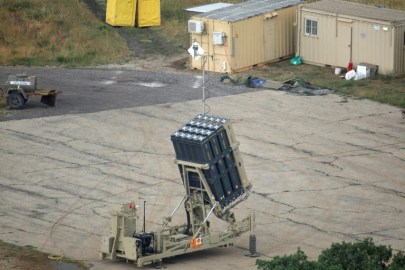
JALAA MAREY (AFP)
The Israel Defense Forces (IDF) deployed Iron Dome missile defense batteries to the Tel Aviv metropolitan area on Thursday as tensions mounted on the country’s northern and southern borders.
The IDF has not publicly confirmed the deployment and is not expected to do so in light of security considerations.
The Israeli army said Thursday that forces operating on the Syrian border were fired on by an unidentified assailant, just days after an exchange of fire with Iranian forces in Syria put the region on high alert over the weekend.
Israeli forces carried out a series of airstrikes overnight Monday in Syria on what it said were Iranian facilities near Damascus airport after an Iranian missile was fired into the Golan Heights. A monitor said Tuesday that 21 people, including at least 12 members of Iran’s Revolutionary Guard, were killed in the retaliatory strikes.
Syria’s UN Ambassador Bashar al-Jaafari on Tuesday threatened to responding in kind to the Israeli strikes on Damascus International Airport with strikes on Israel’s Ben Gurion International Airport located some 12 kilometers southeast of Tel Aviv in the country’s densely populated center.
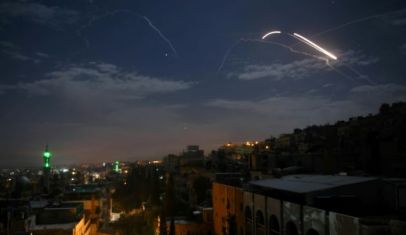
STR (AFP)
Meanwhile, a number of incidents involving gunfire targeting Israeli troops on the Gaza border in the past days have put the country’s south on alert for another possible escalation.
Israeli Prime Minister Benjamin Netanyahu warned Palestinian Islamist group Hamas Wednesday of a “lethal” reaction to any renewed violence along the Gaza border, a day after he block aid to the southern enclave in response to the wounding of an Israeli soldier.
Tensions on the northern front
Israel has pledged to stop its main enemy Iran from entrenching itself militarily in neighboring Syria.
The Jewish state’s defense apparatus has repeatedly targeted Iran and its allies in Syria, with former IDF chief of staff Gadi Eizenkot confirming just before he left his post that the IDF had carried out “hundreds of strikes” in Syria against what it says are Iranian military targets and advanced arms deliveries to Tehran-backed Hezbollah, the Lebanese Shiite militia.
Taking the rare step of publicly announcing the attack while it was going on, the IDF later confirmed that it had carried out the attack as retaliation for a surface-to-surface missile that was fired “by an Iranian force from Syria into Israeli territory, intended to damage the northern Golan Heights.”
The projectile, launched Sunday morning, was intercepted by missile defense systems and caused no damage or casualties.
On Monday morning, the commander of the Iranian air force, General Aziz Nasirzadeh, said that his forces were well prepared for the day of Israel’s destruction, declaring his forces were “ready for a decisive battle with Israel that will lead to its disappearance.”
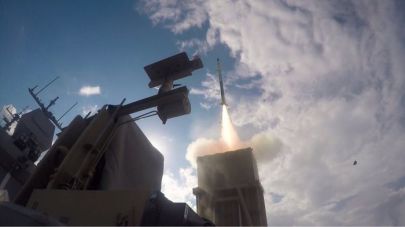
Israel Defense Force Spokesman’s Unit
— Risks of angering Russia —
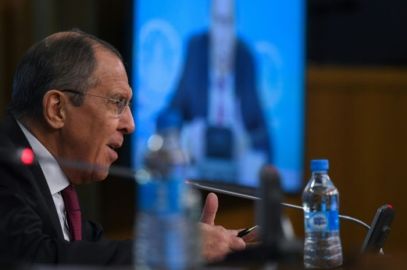
Russia is a long-time supporter of Syrian President Bashar al-Assad and Foreign Minister Sergei Lavrov said the future of the Kurds could be secured under the Damascus regime
Kirill KUDRYAVTSEV (AFP)
The Israeli operation seems to go against reported Russian concerns over the Jewish state’s actions in Syria, although Israel has done a lot to keep channels of communication with Moscow open.
Military coordination between Israel and Russia took a hit after a friendly fire incident in September that led to a Russian plane being downed by Syrian air defenses during an Israeli strike.
The incident angered Russia and complicated Israel’s operations in Syria, particularly after Moscow’s delivery of the advanced S-300 air defense system there in response.
Kirill KUDRYAVTSEV (AFP)
Israel has sought to keep its coordination with Russia on track and maintain its ability to strike in Syria.
On Thursday, Israeli military officials concluded a series of talks with their Russian counterparts aimed at improving coordination in the war-torn country.
It might have been as part of this consultation that Russia reportedly told Israeli authorities to stop hitting Damascus airport, as Moscow aims to work towards a normalization of the Assad regime.
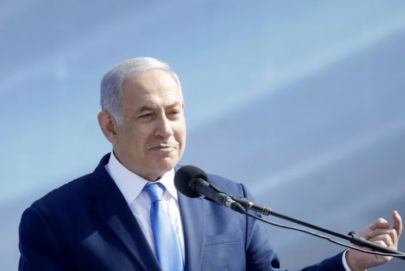 Israeli Prime Minister Benjamin Netanyahu has long portrayed himself as “Mr Security” to Israelis
Menahem KAHANA (AFP/File)
— Security or politics? —
Prime Minister Benjamin Netanyahu and other Israeli officials have been speaking more openly about the Syria strikes in recent days, with some analysts saying the premier seems to want to further burnish his security credentials ahead of April 9 elections.
There are mounting concerns after the surprise announcement of US pullout of troops from Syria that Iran will take advantage of the security vacuum in order to entrench itself even further in the war-torn country.
Netanyahu told reporters on Sunday that “we have a permanent policy: to strike at the Iranian entrenchment in Syria and hurt whoever tries to hurt us.”
Explore posts in the same categories: Uncategorized
 WarSclerotic
Leave a comment