
Prime Minister Benjamin Netanyahu on Monday defended his decision not to launch a large-scale military campaign in the Gaza Strip in response to a massive barrage of rocket and mortar attacks earlier this month, saying that doing so would be too costly for the country.
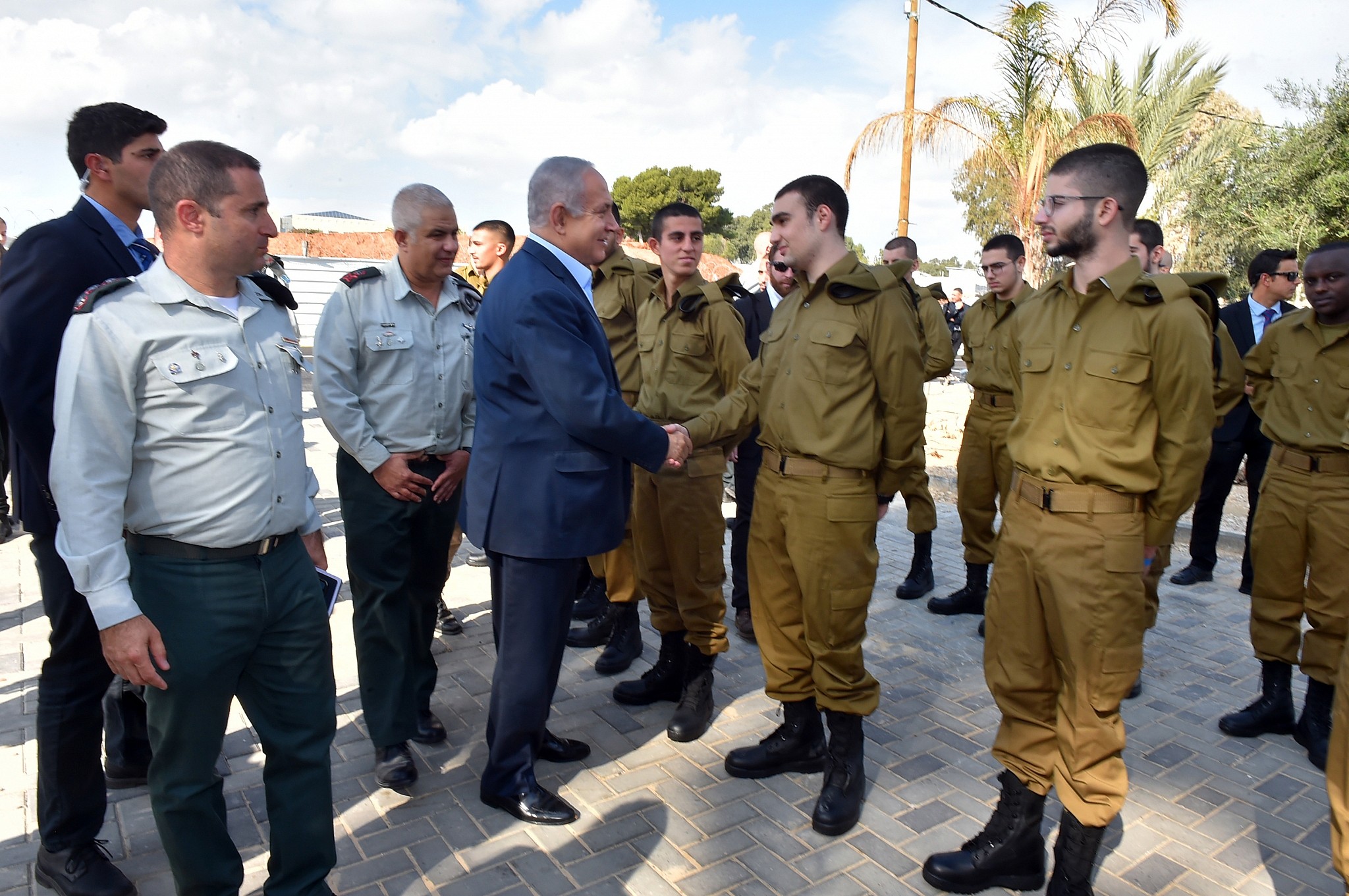
The prime minister, who also serves as defense, foreign, health and absorption ministers, made his remarks to a group of new recruits to the Israel Defense Forces at the military’s main induction center, Tel Hashomer base, near Tel Aviv.
“As prime minister, what preoccupies me is the fact that I know there’s no ‘free’ wars or ‘free’ casualties. There’s always a price to pay, and the price is very high, and I always thinks about this price,” he said.
The prime minister faced harsh criticism for the government’s decision not to launch a larger military campaign in the Gaza Strip after terrorist groups in the coastal enclave fired some 500 rockets and mortar shells at nearby Israel cities and towns, killing one person and injuring scores more.
In response, the Israeli military bombed some 160 targets connected to the Hamas and Palestinian Islamic Jihad terror groups, killing seven people, most of whom were later identified as members of terrorist groups, some in the process of launching projectiles at Israel at the time they were killed.

Then-defense minister Avigdor Liberman resigned a day after a de facto cease-fire went into effect, specifically citing the government’s policies toward Gaza and its Islamist rulers — Hamas — as the reason.
Prior to this month’s flareup, Netanyahu told reporters that he saw another war in the Gaza Strip — what would be the fourth in 10 years — as unnecessary and that he preferred reaching a long-term cease-fire agreement with Hamas.
However, speaking to new recruits for the Israel Defense Forces’ Armored Corps, the prime minister stressed that Israel also had to be prepared to attack.
“When a war is unpreventable, we will use all of our force and all of our power and do so in the best way possible,” Netanyahu said. “We know that the ultimate goal of the military is first and foremost to defend our country and if we are required to do so — to win in war,” he continued. “Ultimately, you win not just by defense, but rather we win by attacking.”
As of Monday, the de facto cease-fire reached on November 13 appeared to be holding, with only comparatively small-scale violent incidents occurring along the border.
The Egyptian military, as well as the United Nations and Qatar, has played a key role in these negotiations.
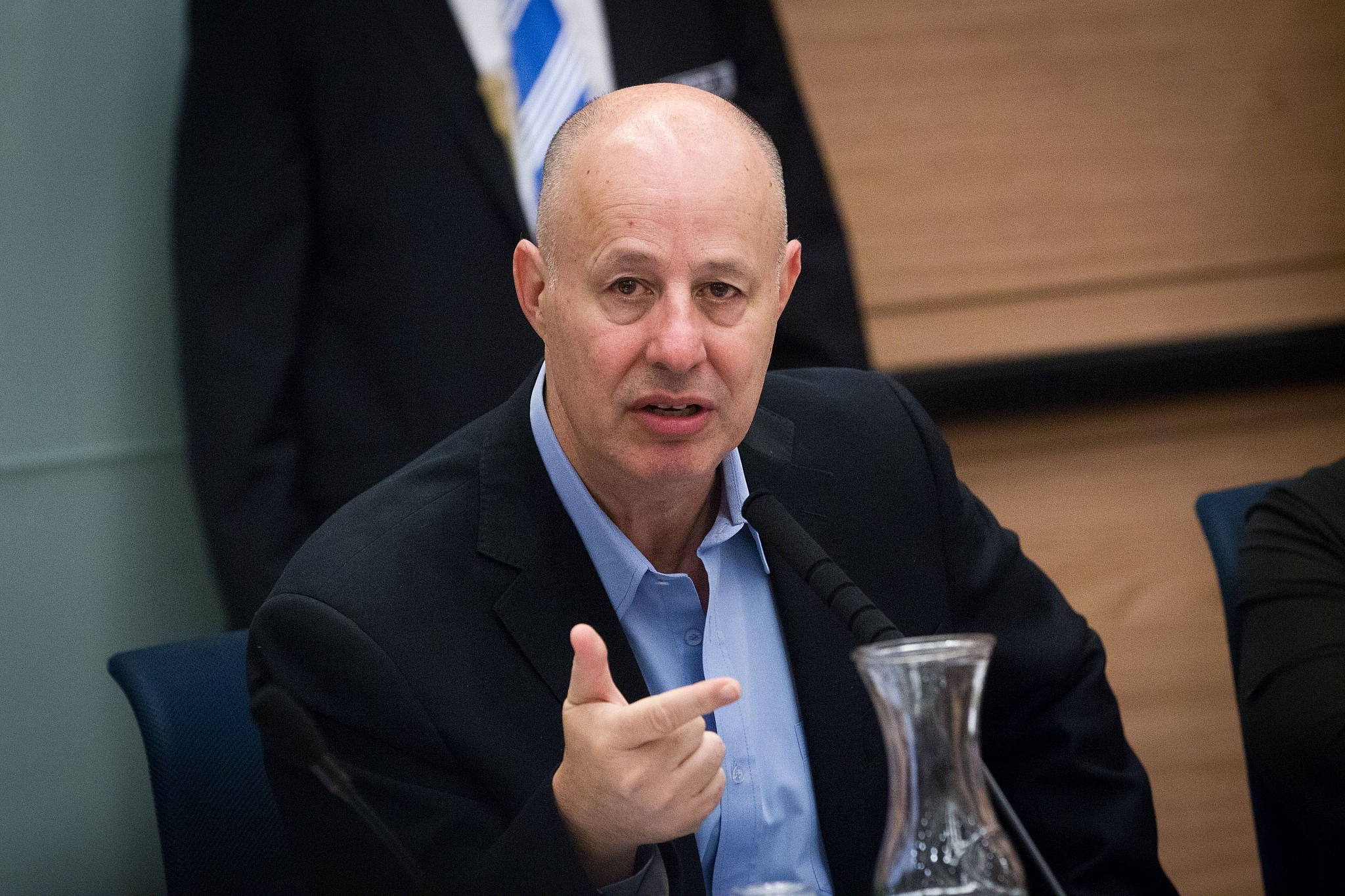
Netanyahu’s Likud ministerial colleague, Tzachi Hanegbi, indicated last week that a major offensive in Gaza would cost 500 soldiers’ lives.
When it was put to him, in an Army Radio interview, that one Hamas rocket hit an empty kindergarten, Hanegbi replied: “The empty kindergarten — that’s always talked about. But those 500 coffins — of the Israeli youths that would come back if we sent them into [Gaza’s] Jabalaya [refugee camp] — would not be empty.”
 WarSclerotic
Leave a comment